 Connexion


Barnes Ice Cap sits on the central plateau of Baffin Island, in the Canadian Arctic. It is the last surviving fragment of the Laurentide Ice Sheet, the largest of the Pleistocene ice sheets, which at its peak buried most of Canada under two miles of ice and locked away around 80 meters of sea level. That remnant has now yielded direct physical evidence that ice sheets might have reversed their retreat and started to grow again thousands of years ago.
In a recent Science study, researchers show that the Laurentide reached its smallest size about 3,600 years ago, then started re-expanding roughly 2,000 years ago, which the team interprets as the opening move of the next glaciation. Apparently, this brand-new ice age was on its way until about 1960, when human-caused climate warming reversed it.
“Barnes is the last remaining piece of one of the domes of the Laurentide Ice Sheet,” says Nicolás Young, a geologist at Columbia University's Lamont-Doherty Earth Observatory and lead author of the study. As that enormous dome thinned through the Holocene, its margin withdrew up onto Baffin Island, and what's left today is the deflated core of something that was once two miles thick. The reason Barnes can testify about its own history, Young explains, comes down to the temperature at its base.
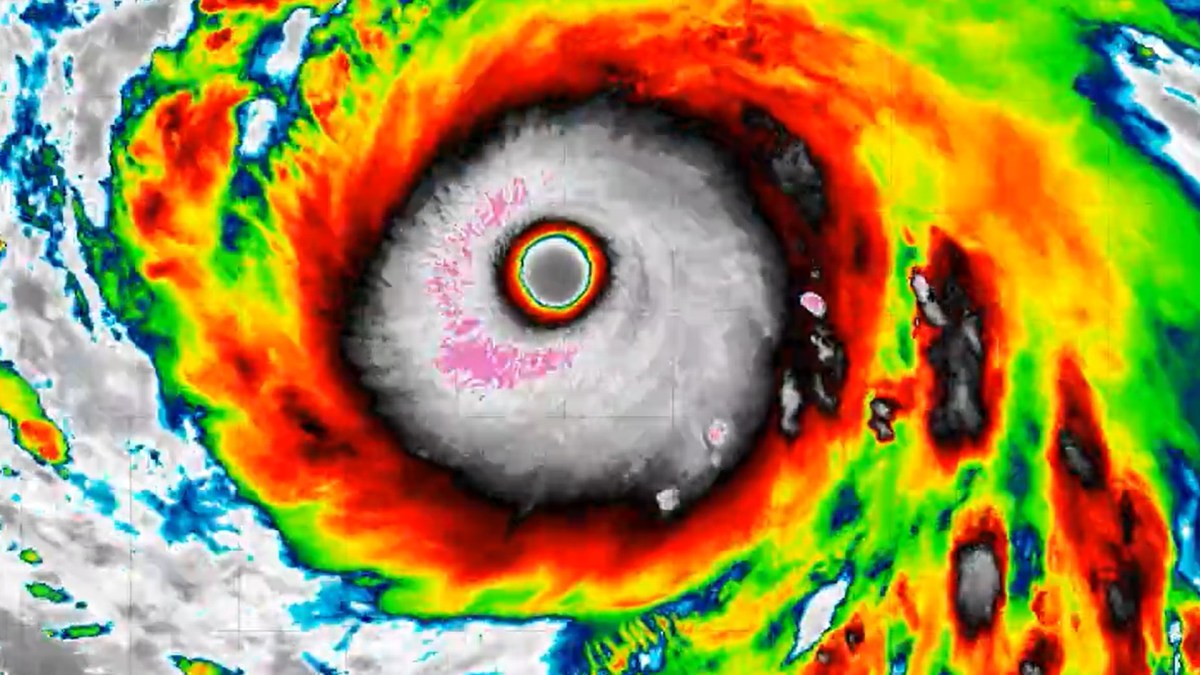
Avec des vents soutenus proches de 300 km/h à son pic, le typhon Champi est la tempête la plus violente de l'année. Il longe ce vendredi 23 octobre les côtes de Taïwan et devrait ensuite atteindre la Chine et le Japon.

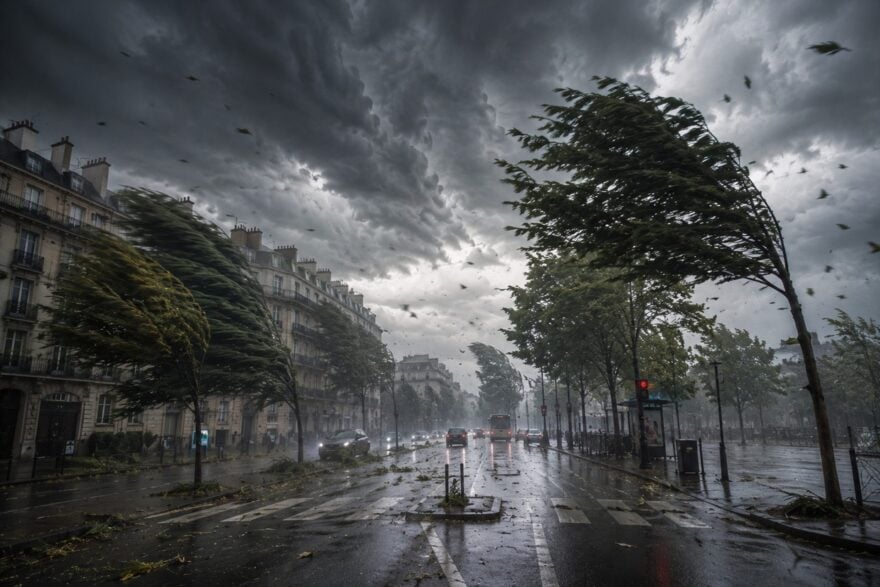
À cause de la tempête Austen, la SNCF arrête tous les trains en Normandie ce vendredi 23 jusqu'au samedi 24 octobre 2026 et coupe plusieurs lignes en Bretagne et dans les Hauts-de-France. Seul le réseau normand Nomad Train a assoupli l'échange et le remboursement des billets.
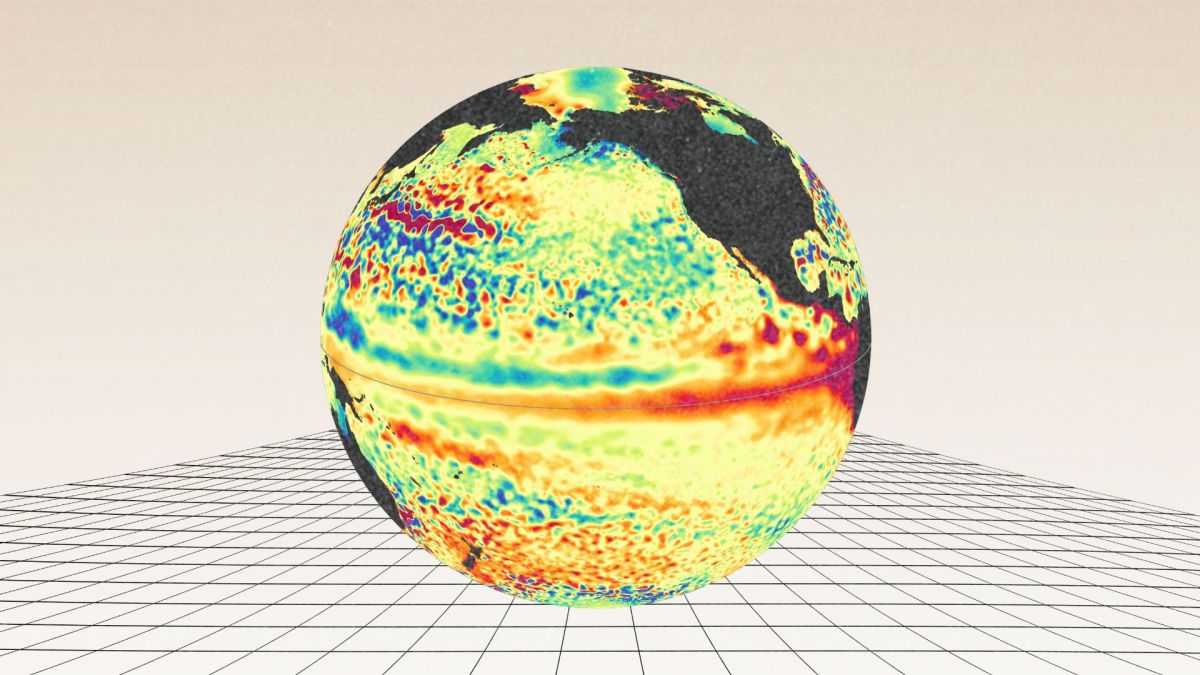
La Nasa surveille étroitement l'évolution du phénomène El Niño depuis l'espace. Les données des satellites montrent des changements déjà nets dans le Pacifique : une eau plus chaude, un niveau de la mer plus haut et un océan plus bleu.

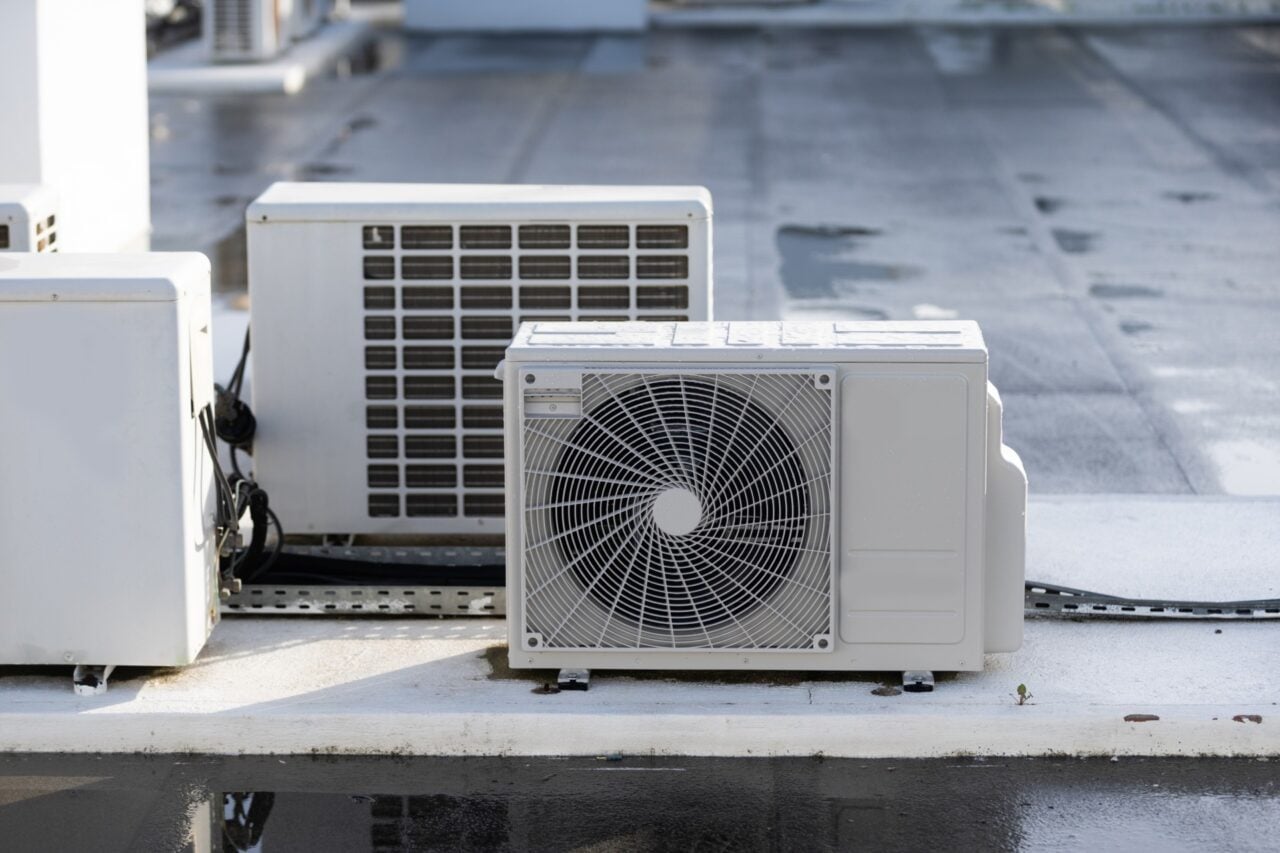
[Deal du jour] Le Midea PortaSplit, climatiseur mobile star de l'été, est de nouveau disponible chez Leroy Merlin. Il est affiché à 969 €, avec un mode chauffage qui sert dès les premiers froids.
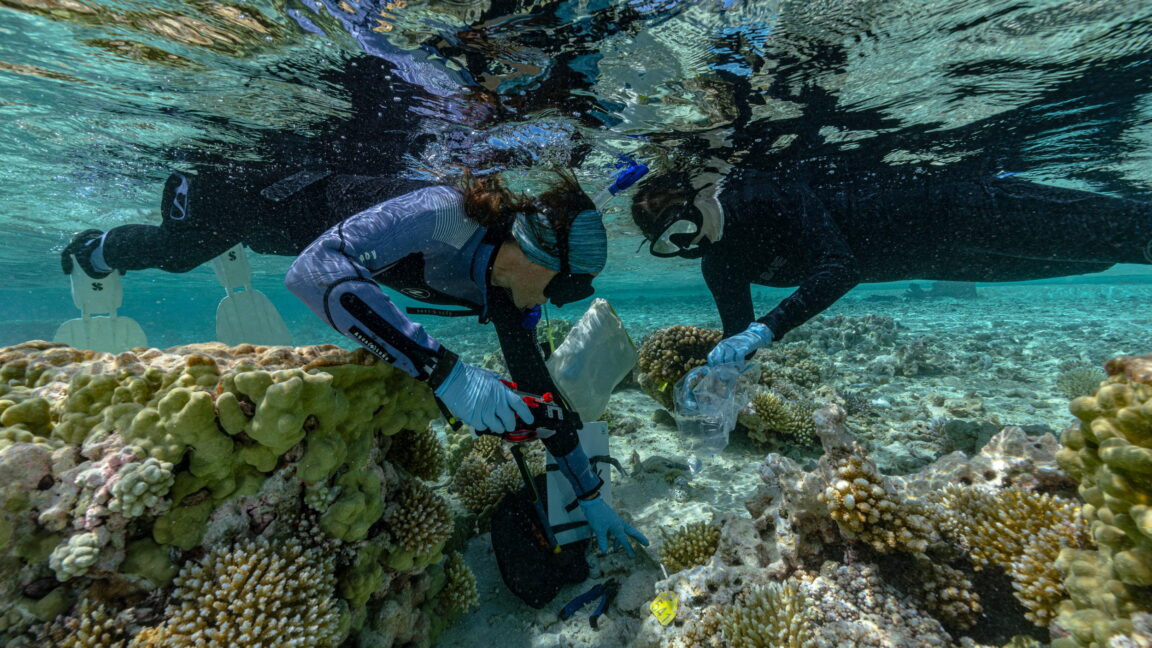
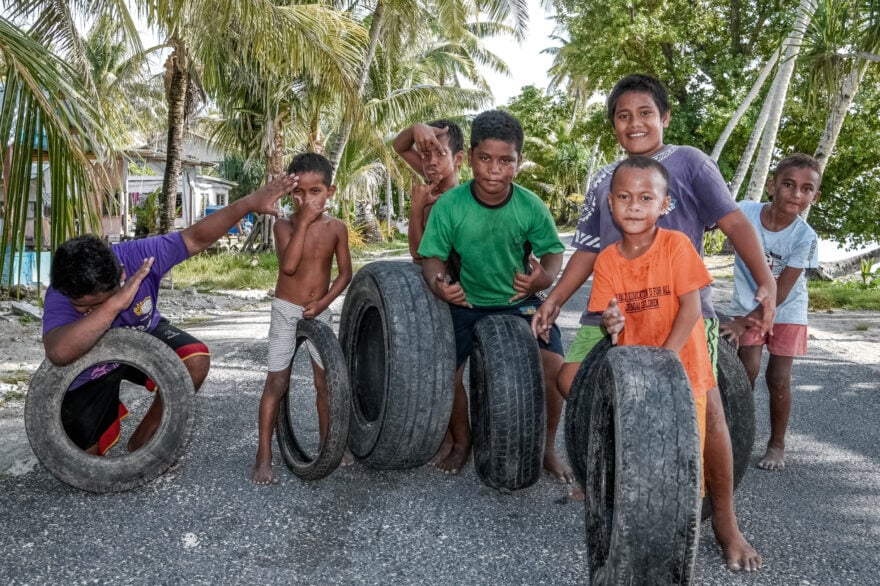
Coral-fringed tropical atolls are among the landforms most threatened by global warming, but many have a potential superpower: Healthy ecosystems may help them keep pace with rising seas.
Atoll islands with native vegetation and thriving seabird populations are “naturally active systems that can change and adapt to their environmental conditions if they are allowed to do so,” said Nick Graham, a marine ecologist at Lancaster University in the United Kingdom, who led an international team of scientists that studied island resilience across 28 atoll islands in the Pacific and Indian oceans.
Their paper, published Wednesday in Science Advances, shows that restoring atoll ecosystems reinforces their growth. Seabirds ferry nutrients from the open ocean and deposit them on the atolls as guano that nurtures land plants, marine life and coral growth. This provides more material for reef building, as parrotfish and other reef feeders turn dead coral into sand to maintain beaches, while native plants with extensive root networks stabilize sediments.
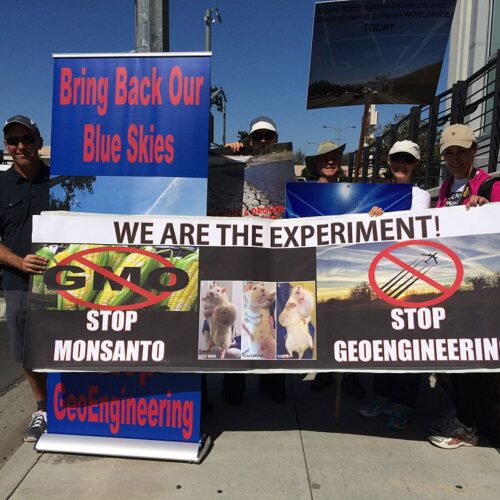
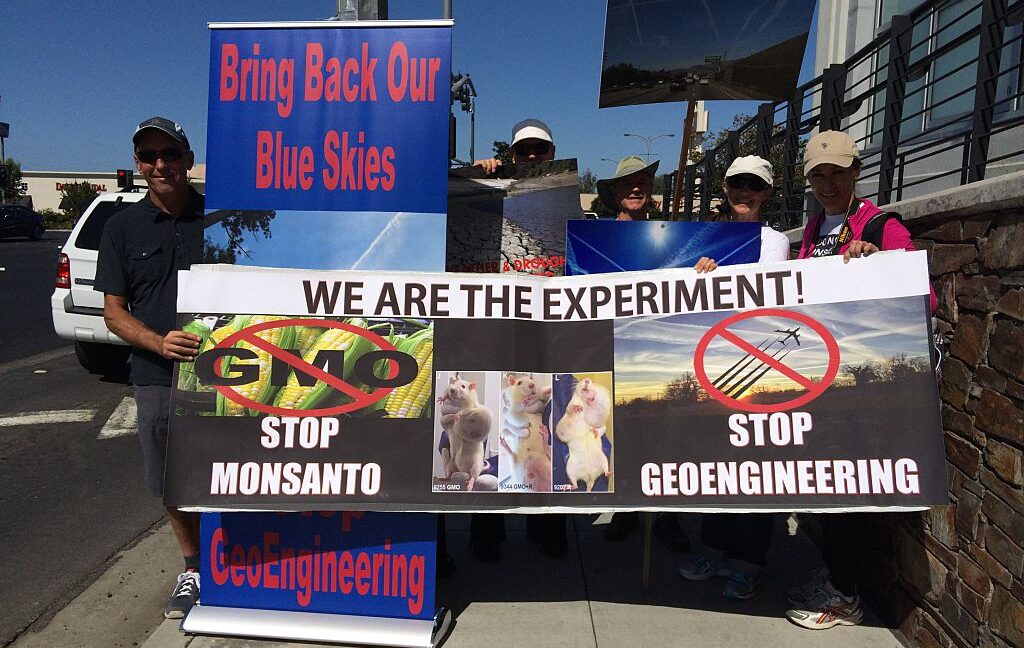
When it comes to deciding the fate of the planet, Colleen Golja always thought science and reason would have a seat at the table. That was until one morning last September in London, when the climate researcher took part in the first in a series of war games. The goal: to prevent an uncontrolled global race to develop a technology aimed at cooling the planet but that comes with vast, unknown risks that could reshape life on Earth.
“I thought that would be such an easy thing. Like, we can all agree to do ethical research and make sure it's for the better of all humans,” she told WIRED. “And boy, was I wrong.”
The simulation, titled Exploring Geopolitical Tipping Points and Climate Cooling Strategies, saw a couple dozen foreign-relations experts, scientists, military personnel, and former government officials from across the world convene in a meeting room at Queen Mary University of London. After making introductions over coffee and little yogurts, they sat at tables arranged in a square with the name of the country or organization each person was playing: national governments, climate NGOs and nonprofits, indigenous groups, and tech companies. Golja was assigned to provide technical advice to help participants make scientifically literate decisions.

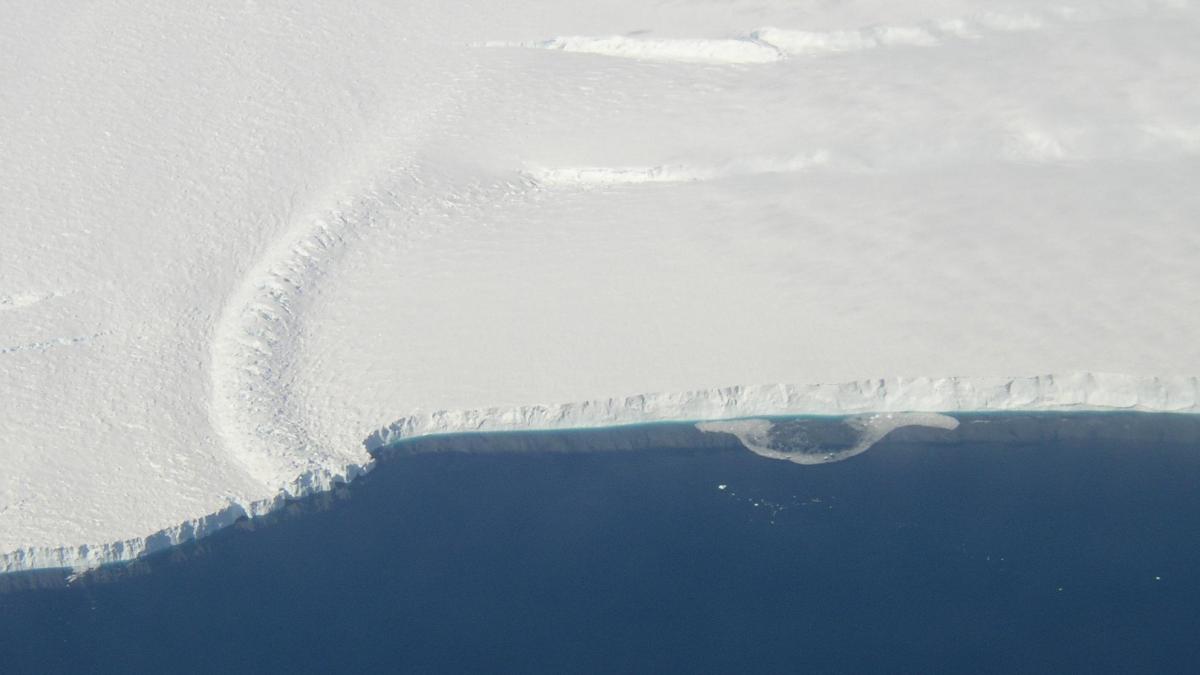
Le bassin de Wilkes, en Antarctique, est gelé et en partie situé sous le niveau de la mer. Si toute sa glace venait à fondre en raison du changement climatique, le niveau global de la mer monterait de 3 à 4 mètres. C’est déjà arrivé par le passé, à des températures que nous risquons d’atteindre. Il est urgent de mieux documenter son évolution actuelle et de comprendre comment il a réagi par le passé à d’autres réchauffements.
If there was a year the world began waking up to climate change, it might have been 1988. That June, the NASA climatologist James Hansen testified to Congress that the climate was warming and would continue to do so as long as humans pumped fossil fuel pollution into the atmosphere. Months later, the United Nations established the Intergovernmental Panel on Climate Change.
And, just weeks before the UN vote, Frank Sprow of Exxon’s corporate research department warned his colleagues in an internal memo, “If a worldwide consensus emerges that action is needed to mitigate against Greenhouse gas effects, substantial negative impacts on Exxon could occur.”
Sprow’s memo is part of a batch of previously undisclosed documents released earlier this year without fanfare as part of an ongoing lawsuit Massachusetts filed against ExxonMobil in 2019. While the memo was quoted in a 2023 article by The Wall Street Journal, it has not been published in full. Several other documents included in the filings are being reported on here for the first time, including more recent statements from Exxon scientists challenging the company’s climate-solution claims about its work on biofuels and carbon capture and storage.
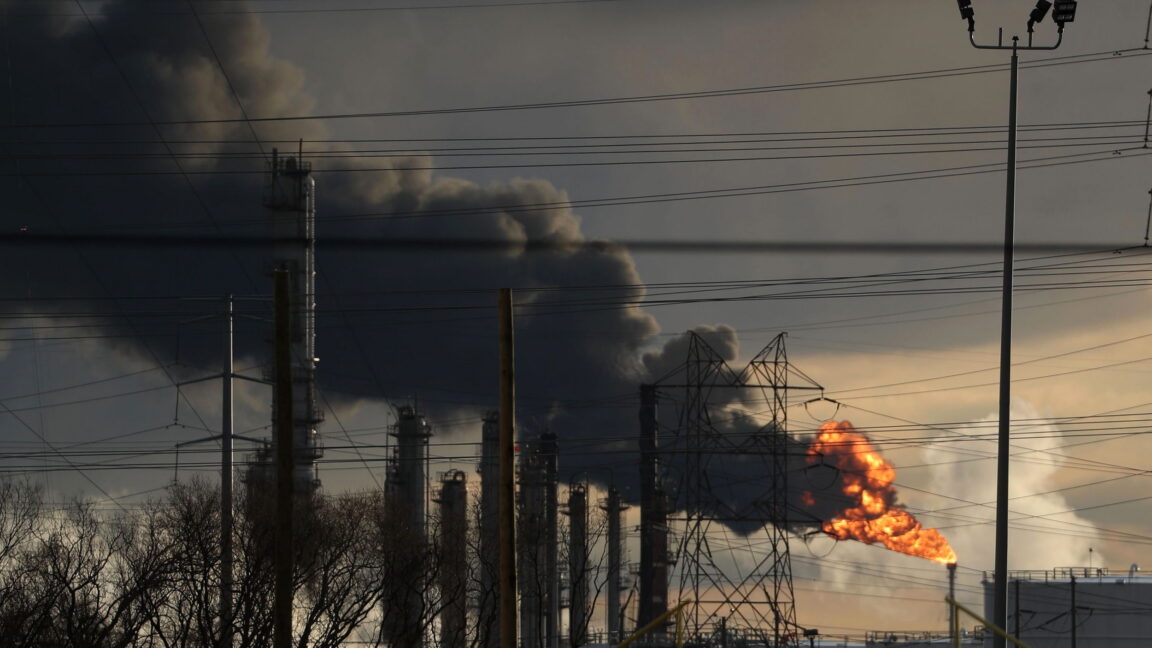

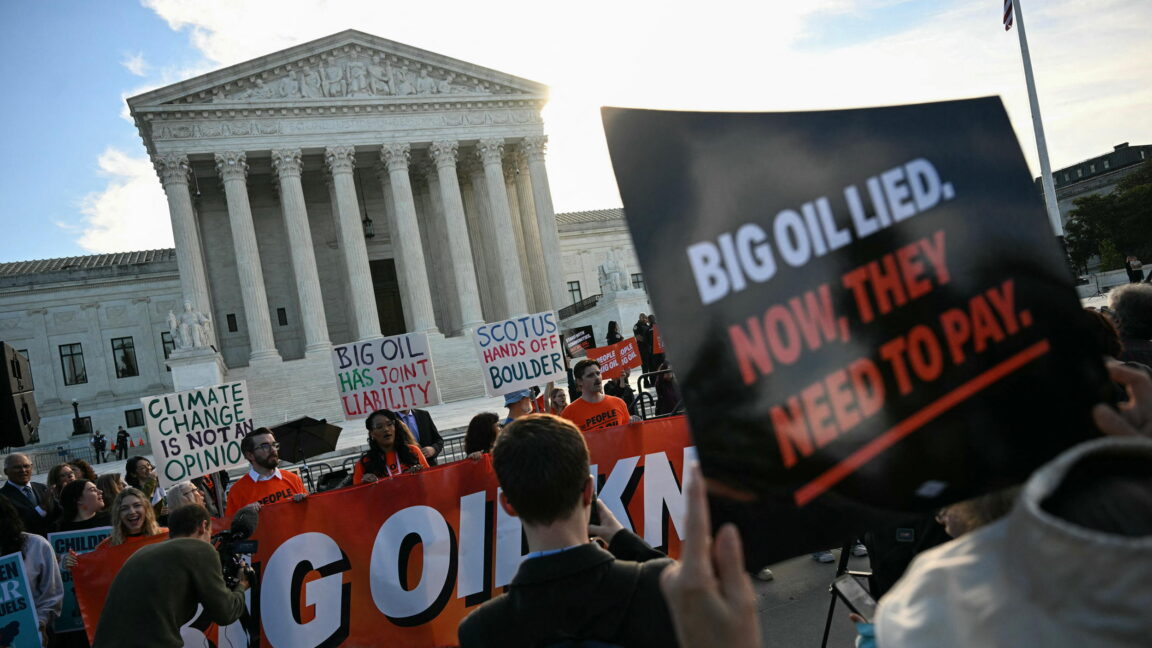
The US Supreme Court heard arguments from oil companies on Monday that could help decide the fate of more than two dozen lawsuits accusing the industry of deceiving the public about climate change. The claims seek potentially billions of dollars in damages to help pay the costs imposed by climate-related extreme weather.
Yet the questions before the court did not focus on the merits of these claims but instead on technical legal matters over whether they should proceed at all.
The case being argued was brought in 2018 by the city and county of Boulder against ExxonMobil and Suncor Energy in Colorado state court. While the case and dozens like it have survived multiple appeals in state and federal courts, the oil companies are asking the Supreme Court to declare that federal law preempts state and local governments from bringing such claims.
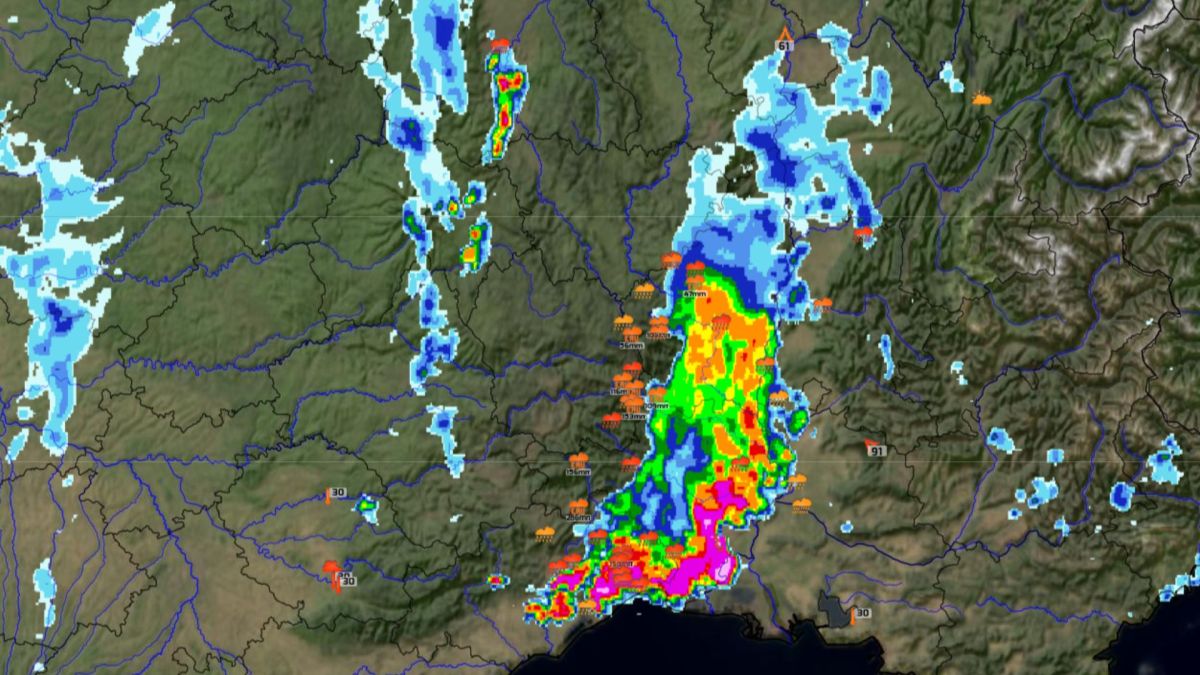
Le Gard et l'Hérault-sont placés en vigilance rouge pluie-inondation ce mercredi 30 septembre 2026. Météo-France parle d'un « épisode méditerranéen remarquable, voire exceptionnel ». Dans le Gard, la préfecture demande aux habitants de rester chez eux.


Last year, the Trump administration did what it could to shut down work on the next US National Climate Assessment, eliminating funding for the US Global Change Research Program and booting hundreds of contributing authors. The administration even took past reports offline, forcing others to host copies so the information would still be accessible. And this all comes despite the fact that these reports are legally required.
Later in the year, the American Geophysical Union and American Meteorological Society announced an effort to give researchers a central place to compile the kind of work that would have fed the next US report, as well as potential regional and local reports. This “US Climate Collection” works differently from the US Global Change Research Program or the International Panel on Climate Change (IPCC). Rather than facilitating the writing of a giant, coordinated report, the groups are inviting teams of researchers to publish peer-reviewed papers in scientific journals, which will then be added to a centralized resource for future report-writers.
The first paper has now been added to that collection. It’s the work of 149 authors (many of whom had been working on the US report), and it is actually being published in two journals—one operated by the American Geophysical Union and one by the American Meteorological Society. That’s because this paper is intended to provide a roadmap to prioritize future contributions.
Le mois d'août 2026 est le plus chaud jamais enregistré à l'échelle mondiale. 2026 est la 2e année la plus chaude jamais enregistrée, mais ce classement reste à finaliser : il dépendra beaucoup de l'évolution du phénomène El Niño jusqu'en décembre.
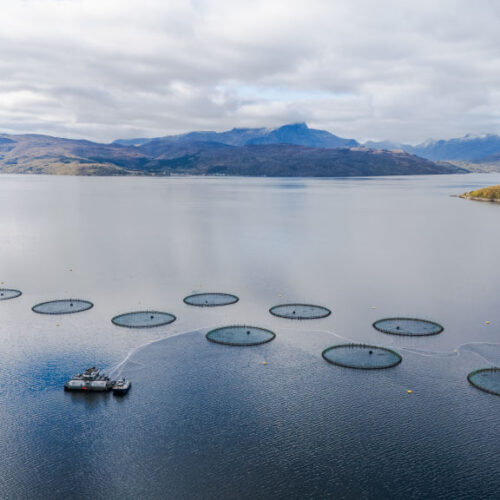
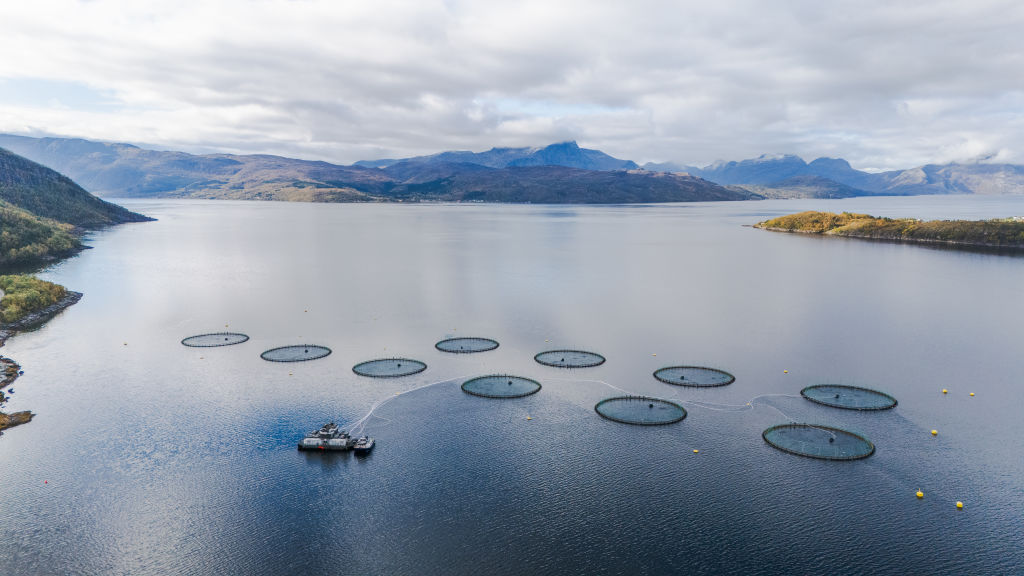
Eat more fatty fish.
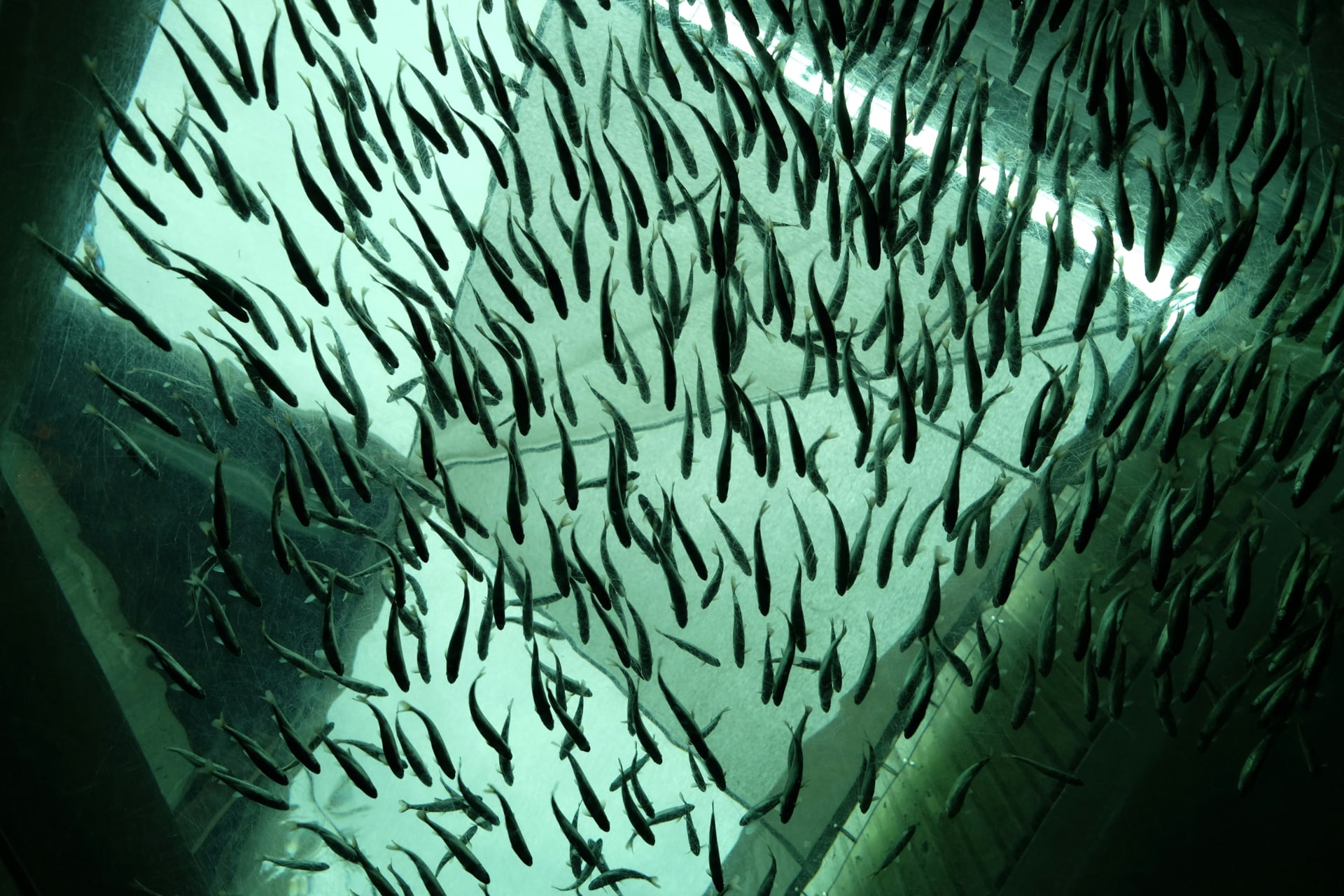
That dietary advice has changed the way the world consumes salmon, pushing consumer demand ever upward and production to higher and higher levels. Most of that demand is being met with farmed salmon: Today, nearly 70 percent of the salmon consumed on the planet are raised in pens and cages.
The US Department of Agriculture’s Dietary Guidelines for Americans recommend eating at least 8 ounces of fish a week and urges people to choose salmon or other species that are similarly high in “heart-healthy” Omega-3 fatty acids. But new research led by USDA scientists finds that levels of these fatty acids in farmed salmon have dropped considerably, potentially making the agency’s own advice, and similar recommendations, including from the American Heart Association, outdated and insufficient.
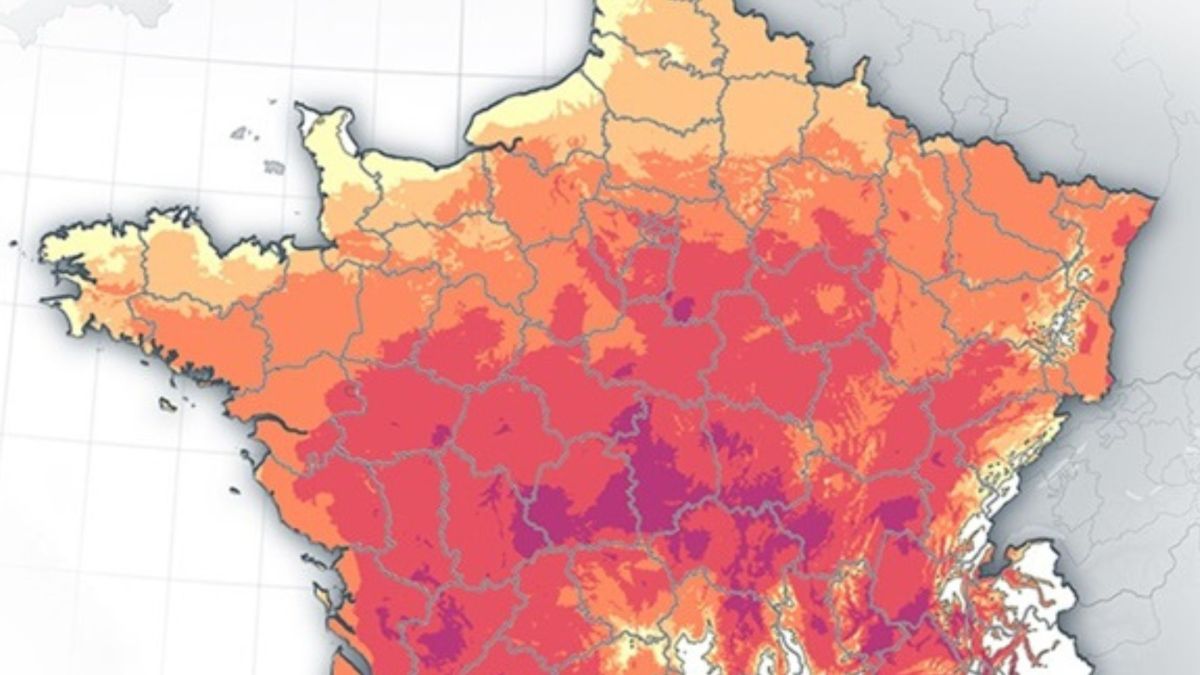
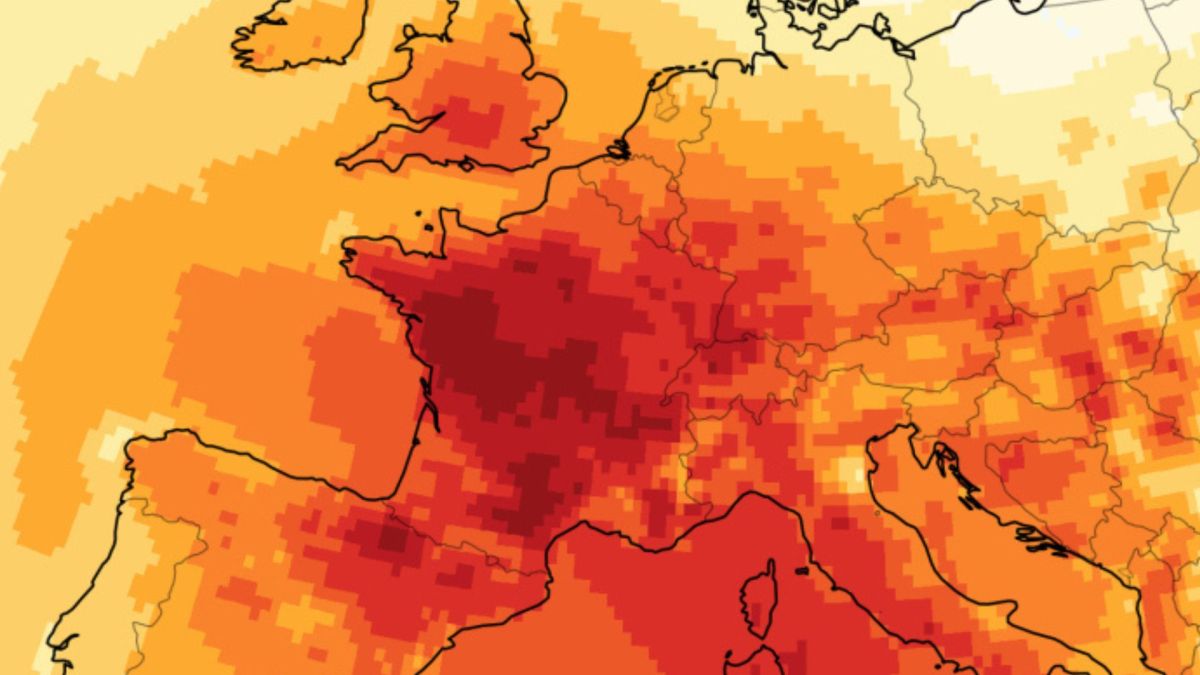
Météo-France a publié un bilan de l'été 2026, marqué par les canicules et les vagues de chaleur. Un tel été aurait été « quasi impossible sans changement climatique ». Quasiment aucune partie du territoire n'a été épargnée.
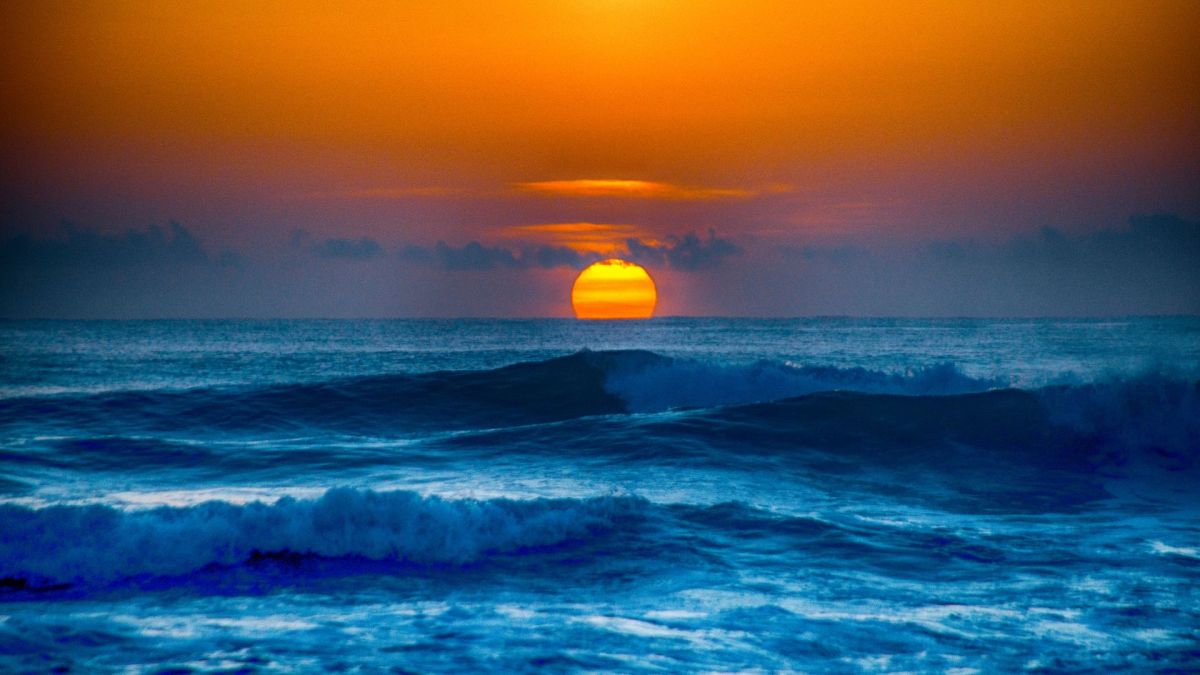
L'Organisation météorologique mondiale estime désormais à près de 100 % la probabilité qu'El Niño se maintienne jusqu'en février 2027. C'est la première fois que l'OMM se dit aussi catégorique sur ce phénomène, synonyme de météo extrême sur une bonne partie du globe.
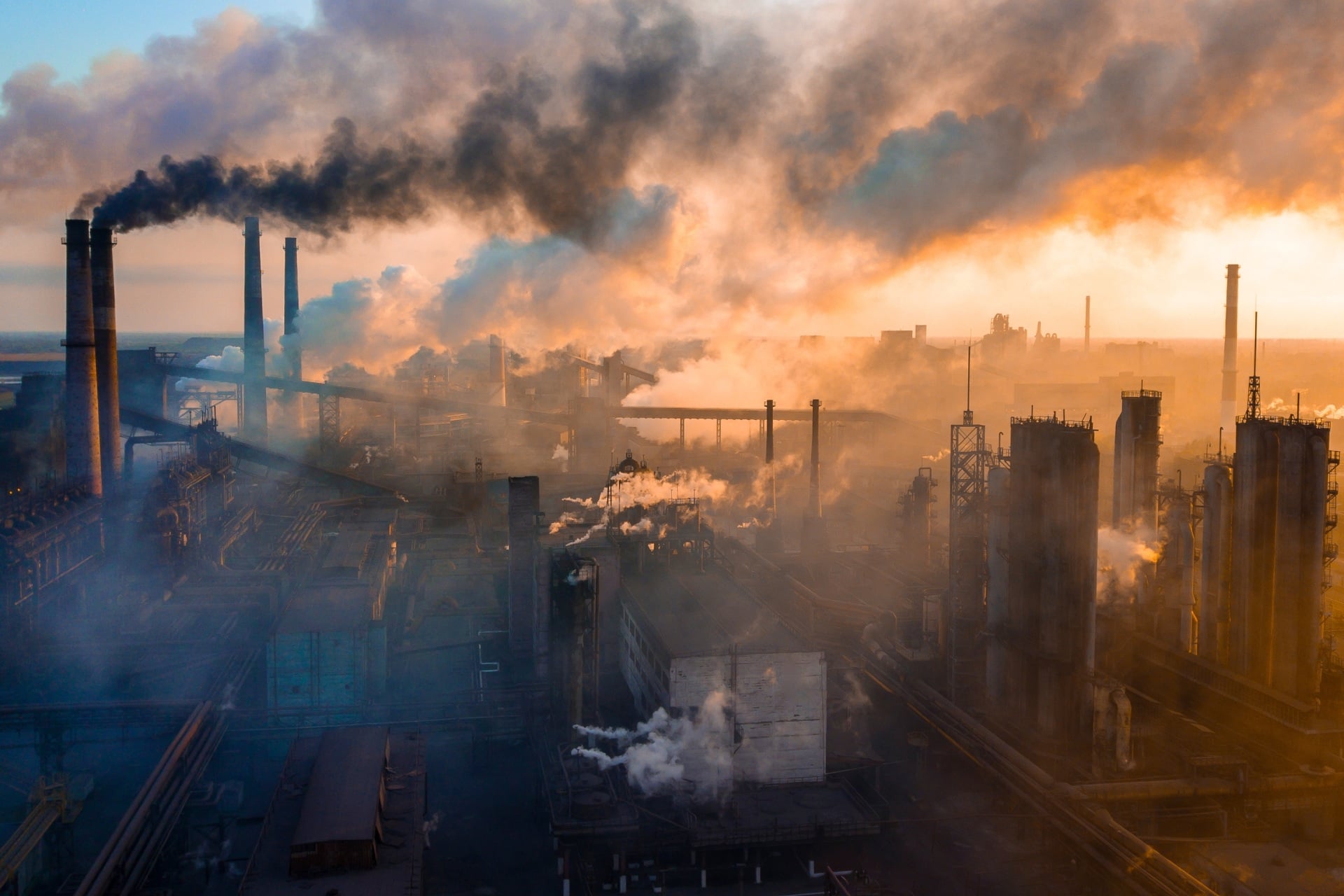
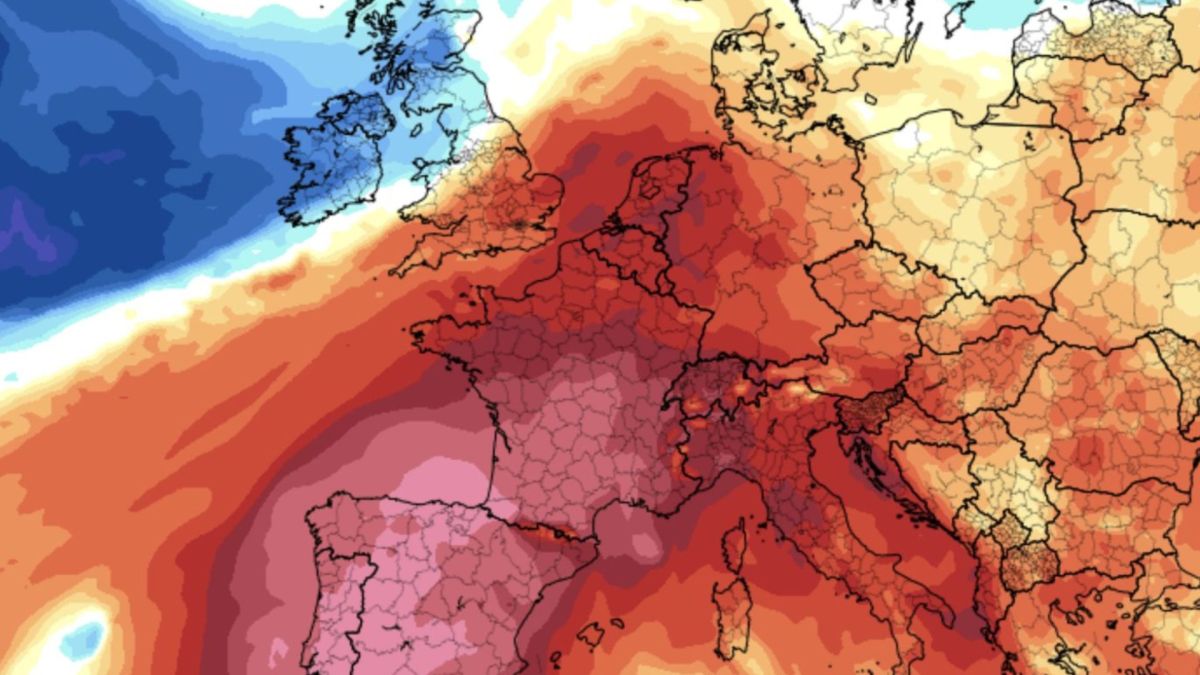
Un nouvel épisode de forte chaleur est très probable pour les premiers jours du mois de septembre. Alors que l'été 2026 est déjà le plus chaud jamais enregistré en France, il faudrait s'attendre à des températures inédites pour la période.
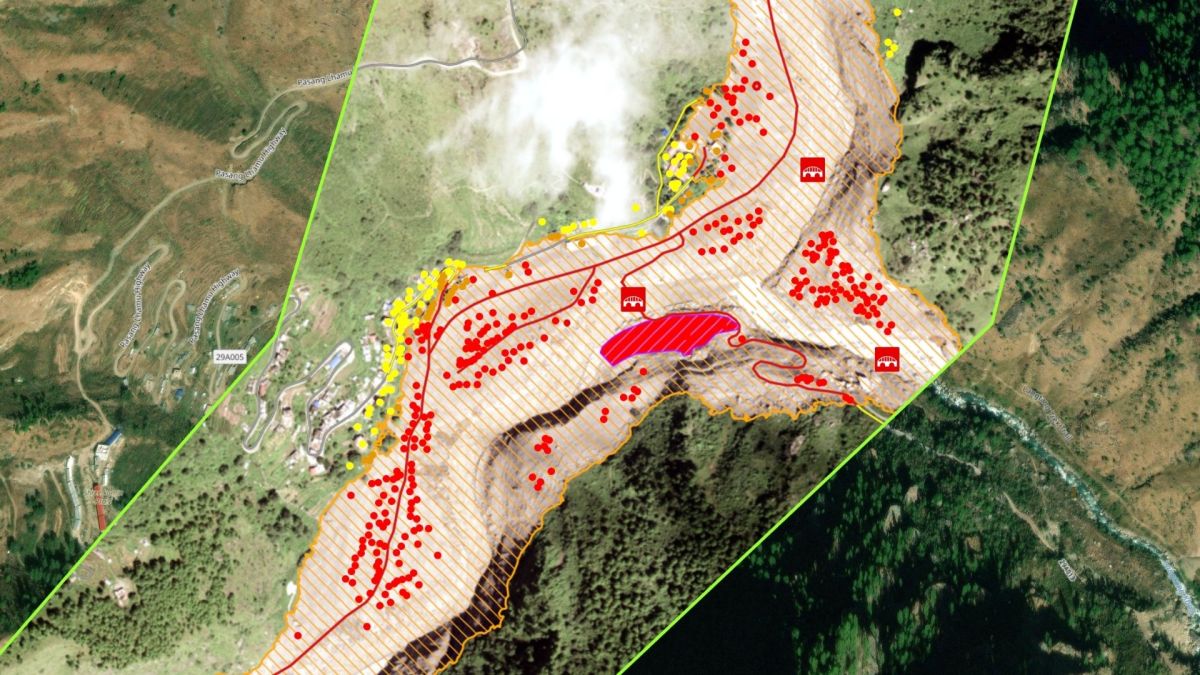
La semaine du 24 août 2026 a été tristement marquée par la catastrophe climatique qui s'est produite au Népal. Dans le reste de l'actualité scientifique : une pluie artificielle de la startup Rainmaker et une éclipse de Lune visible en France.
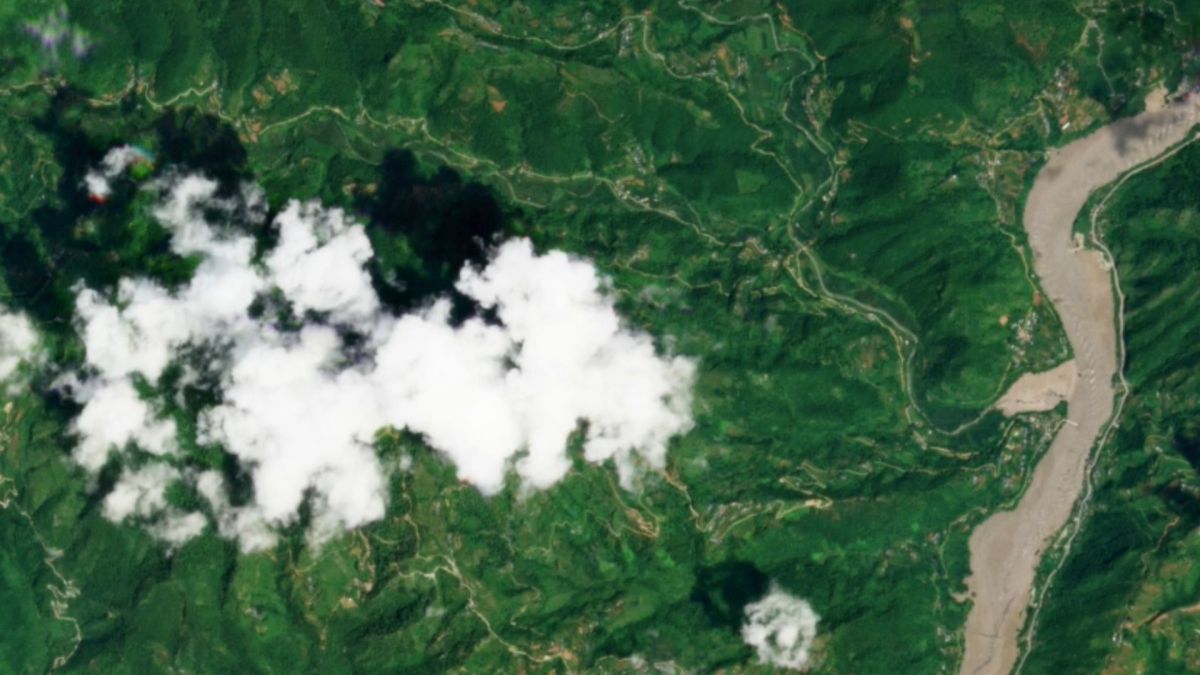
La catastrophe survenue au Népal le 26 août 2026 a été rapidement documentée par des images filmées par des témoins. Il a fallu attendre un peu plus pour obtenir les premières images de satellites, qui montrent comment les crues sont survenues, en complément des données géologiques.
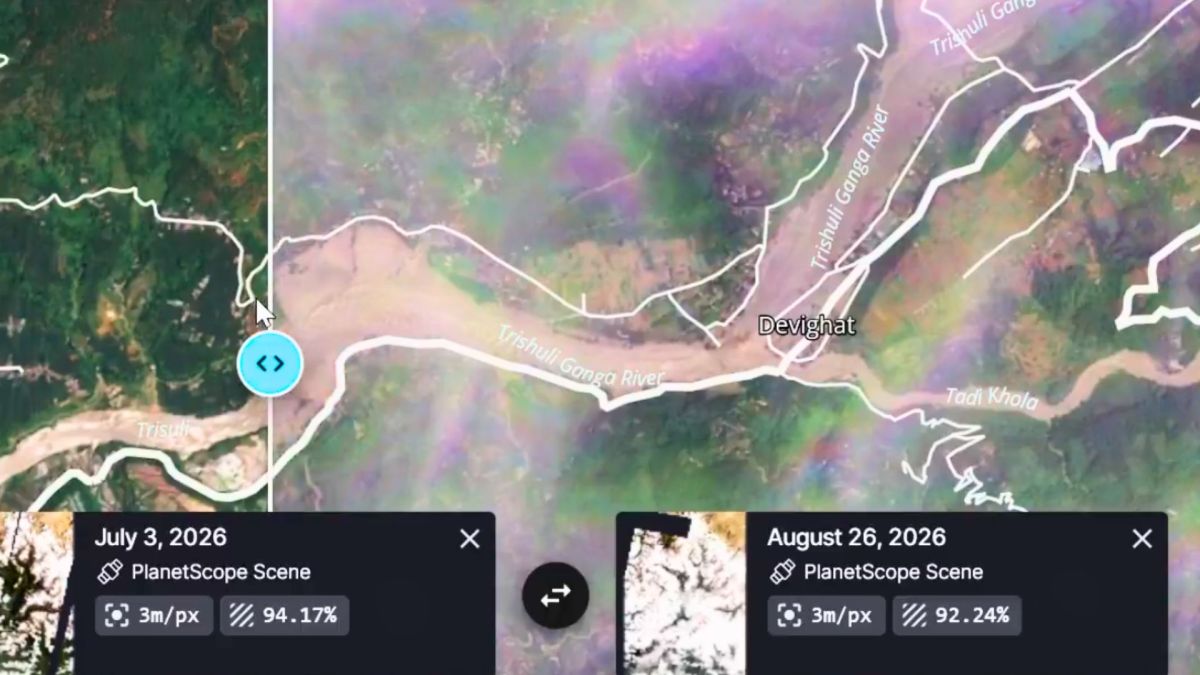
Une catastrophe s'est produite au Népal ce 26 août 2026. Une inondation massive est survenue près de la frontière tibétaine, et de très nombreuses victimes sont à déplorer. L'origine de ces crues massives est attribuée au phénomène du GLOF : de quoi s'agit-il ?
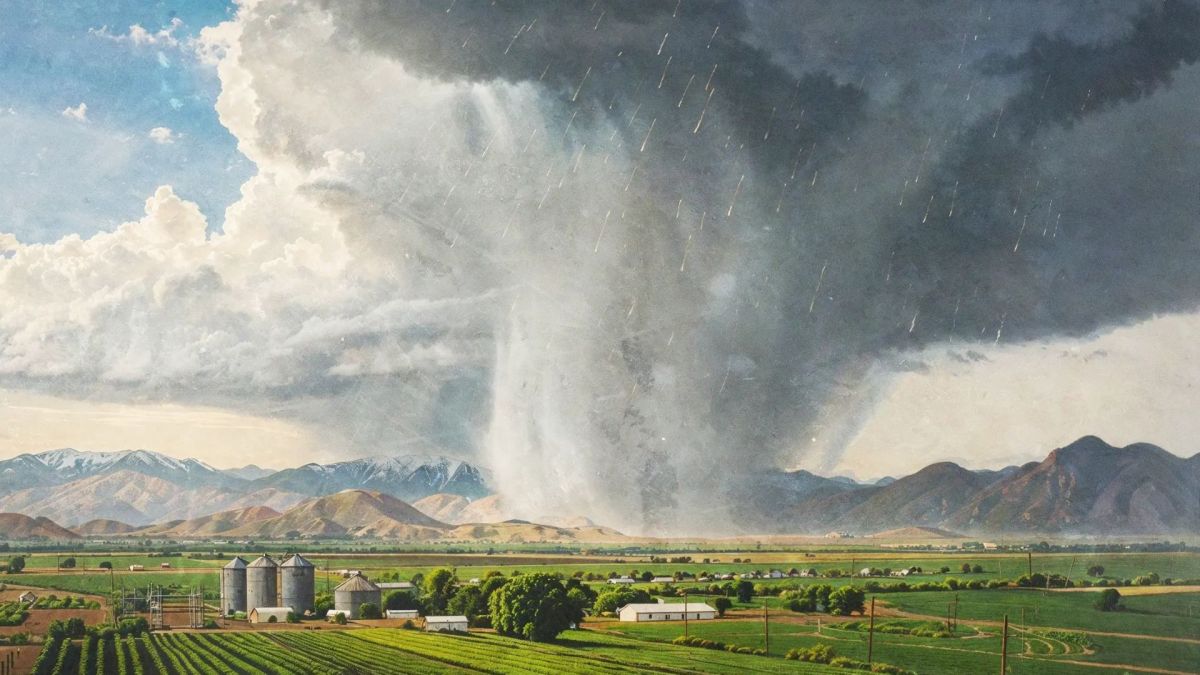
L'entreprise américaine Rainmaker affirme avoir fabriqué de la pluie au-dessus de l'Alaska, en mesurant exactement la quantité d'eau tombée. Une réalisation qui relance un vieux débat : peut-on vraiment contrôler la météo ?

[Deal du jour] Le Midea PortaSplit a été l’un des produits les plus convoités de l’été. Au plus fort de la pénurie, cette climatisation mobile s’est même affichée jusqu’à deux fois son prix sur certaines plateformes de revente. Elle revient aujourd’hui en stock à 899 €, soit 100 € sous son tarif habituel.
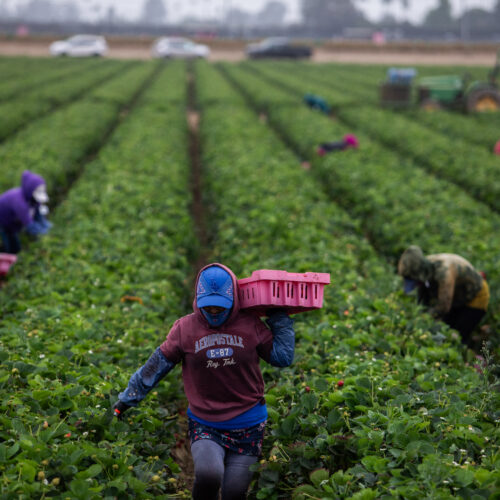
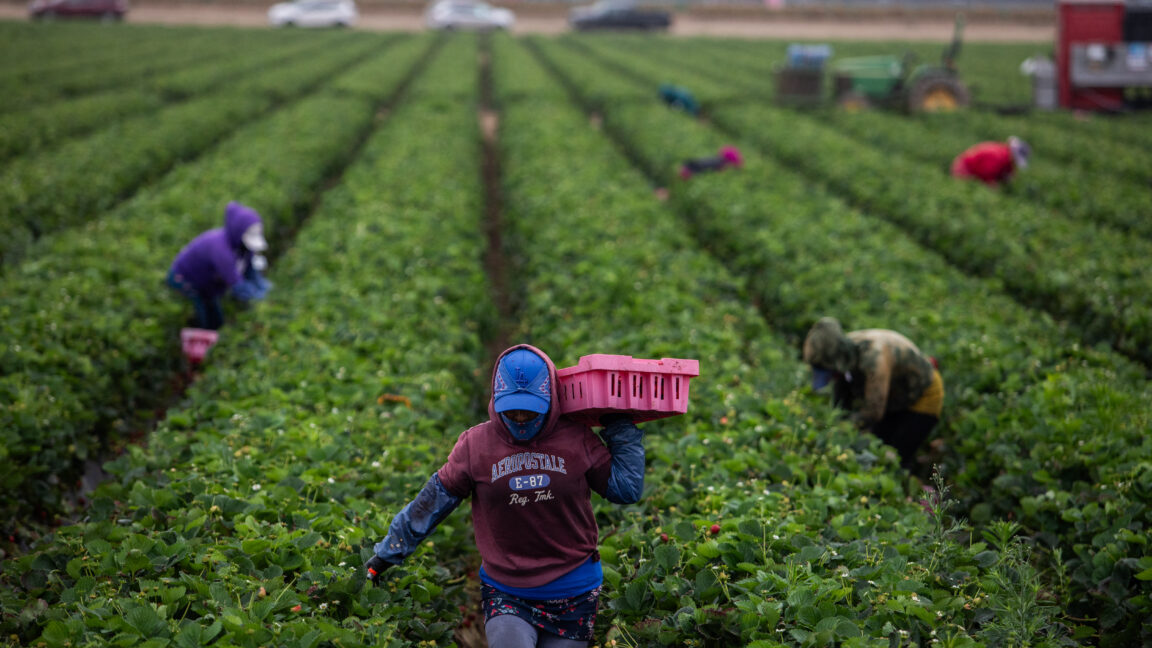
For the nation’s 2.4 million farmworkers, climate change is poised to exacerbate the harms of pesticides, a growing body of research shows.
Heat stresses the body, making it more vulnerable to pesticides and other toxicants, and protective clothing worn in the heat only adds to this stress. Hotter temperatures can also lead to higher evaporation rates, increasing farmworkers’ exposure as more pesticides are applied to crops. And heat can boost rates of chemical transformation of pesticides into more toxic compounds.
“When it’s in the air, you are inhaling it through your nose. You are exposed to it through your other organs like skin. Your skin can absorb some of the pesticides [that are] in the air, and also when you’re sweating as part of doing your work you are increasing the pore size of your skin,” said Omanjana Goswami, a scientist in the food and environmental program at the Union for Concerned Scientists, an advocacy group. “It is awful. There is no other word for it.”
In 1965, a presidential advisory panel issued a report warning that pervasive chemical and carbon pollution was harming environmental health and changing the climate. Five years later, President Richard Nixon signed the Clean Air Act.
Since that 1970 law and its amendments were passed, combined emissions of a half-dozen harmful air pollutants from vehicles and industrial sources have decreased by nearly 80 percent.
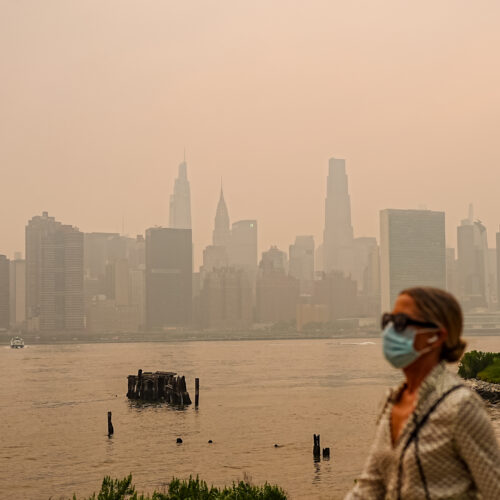
But mounting evidence shows that pollution from wildfire smoke is eclipsing those air-quality gains. The unchecked burning of fossil fuels is creating warmer, drier conditions that make wildfires more intense and destructive, and blanket communities in toxic smoke that is more harmful than pollution from other sources.




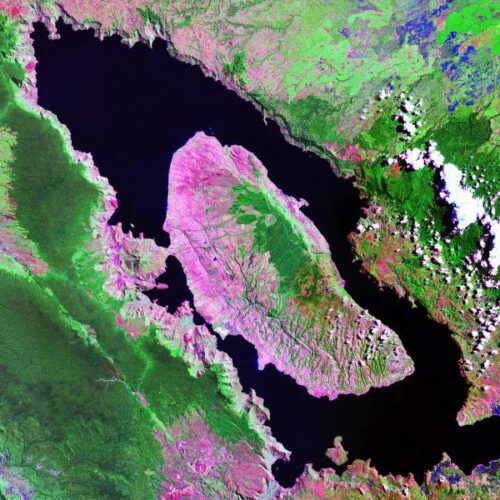
Mount Toba was the biggest volcanic eruption in the last 2.6 million years, and some have suggested it nearly wiped out humanity. Around 74,000 years ago, a caldera on what is now Sumatra emptied thousands of cubic kilometers of magma in about two weeks, roughly a thousand times more than Mount Pinatubo spewed out in 1991. “People thought it might have caused massive cooling of the planet, and hence threatened the survival of our ancestors,” says Jinheum Park, a geoscientist at Johannes Gutenberg University in Mainz, Germany.
Park and his colleagues went looking for the records of that catastrophe in the mud taken from the bottom of a small crater lake on the Kenya-Tanzania border. They found instead that the effects of the Mount Toba eruption lasted under two years and amounted to perhaps half a degree of cooling.
Volcanic eruptions inject sulfur dioxide into the stratosphere, where it becomes a haze of tiny droplets that reflect sunlight back into space. Bigger eruptions eject more sulfur dioxide and, in principle, cause more cooling. But this trend stops working when the eruption exceeds a certain magnitude. “Bigger sulfate aerosols settle quickly, because they are heavier,” Park explains. This quick settling makes them less effective in scattering incoming solar radiation.




 Lateo.net - Flux RSS en pagaille (pour en ajouter : @ moi)