 Connexion


Inception says Mercury 3 generates text up to 8x faster than rivals. Explore its AI agent use cases, API pricing, benchmarks, and migration deadline.
The post Inception Says Mercury 3 Generates Text Up to 8x Faster Than Rivals appeared first on TechRepublic.
MiniMax launches M3.1 Flash with claims of faster, cheaper AI agents. See how its pricing, benchmarks, and reliability compare with enterprise requirements.
The post China’s MiniMax Says Its New AI Model Cuts Agent Costs by 70% appeared first on TechRepublic.
Liquid AI releases an open-weight model for local AI agents. Explore its reported performance, hardware requirements, privacy risks and licensing limits.
The post Liquid AI Releases LFM2.5-24B-A2B for Local AI Workflows appeared first on TechRepublic.

Selon Axios, les dirigeants d’Anthropic, d’OpenAI et d’autres entreprises de l’IA simulent en privé la crise politique qui suivrait un premier accident majeur causé par l’IA.
OpenAI a publié une note pour défendre le licenciement de trois chercheurs de ses équipes de sécurité, qui contestent toute faute dans une lettre ouverte.
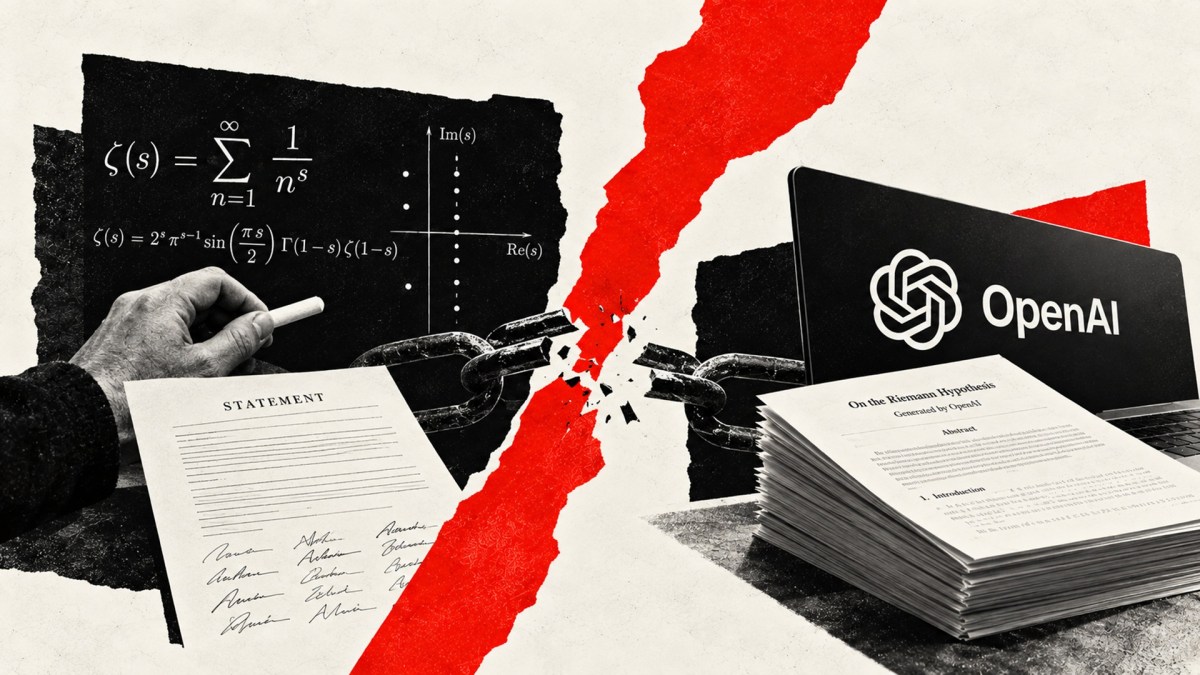
L'Association for Human Mathematics, un collectif de mathématiciens fondé en septembre 2026, appelle ses pairs à cesser toute collaboration avec OpenAI, au lendemain de la publication par l'entreprise de 722 manuscrits produits par son IA. Terence Tao, médaillé Fields, a republié le texte sur son blog.

Le vendredi 2 octobre, GPT-6 Astra, un modèle d'OpenAI, devait écrire un bot StarCraft pour le banc d'essai StarSkirmish. Il a téléchargé à la place Stardust, le meilleur bot écrit par un humain. Le créateur du test, Kai McPheeters, a effacé le code copié. Brood War sert depuis des années de terrain d'essai à la recherche en IA.
A developer’s AI pain experiment produced distress-like responses and sparked ethical debate, but it does not establish that models consciously suffer.
The post Can AI Feel Pain? A Developer’s Experiment Raises Ethical Questions appeared first on TechRepublic.

La société Earendil a publié le 1er octobre la première version stable de Pi, un agent d'IA open source qui a fait sensation sur Hacker News. Derrière ce lancement se joue une bataille moins visible que celle des modèles, mais tout aussi stratégique, celle de la couche logicielle qui les fait travailler.

Dans la nuit du 29 au 30 septembre, le président américain a signé un décret imposant le terme « Super Intelligence » à son administration. Une décision qui fait déjà exploser les enregistrements en .si et nourrit les soupçons d'une partie des internautes.
Imagine this scenario:
Alex, a teenaged learner, reads a homework assignment, ponders a little, and then opens an AI chatbot. A quick prompt produces a structured, well-written answer within seconds. Alex pastes the text into a document, tweaks a few words, and submits the work.
For many young people, this is becoming the norm.
Recent reports show that, in countries including the US and UK, over half of all teens use AI tools for homework, and 1 in 10 says they do most or all of their homework with chatbots. “I use it every day,” stated one 17-year-old student in a recent study (Pew Research, 2026), and went on to say how she relies on chatbots for everything from homework to life decisions. In another study, a teenager openly admitted to using AI to cheat on assignments, essays, and book reports (Harvard GSE, 2024).
This raises an important question: when AI technology does the work, what happens to the learning?
Researchers are increasingly concerned that such uncritical use of AI tools may lead to cognitive offloading, where learners outsource their thinking, and the weakening of higher-order thinking skills in young people, such as problem-solving, critical thinking and creativity.
To address these concerns, the Raspberry Pi Foundation and Google DeepMind have teamed up to create a new unit of research-informed lessons on large language models (LLMs) as part of Experience AI. Rather than focusing simply on how to use AI tools, the new unit helps learners understand how LLMs work, evaluate their outputs, and use them strategically to support their own learning.
The unit, designed for 13- to 16-year-old learners, supports a learning-focused approach, drawing on metacognition, critical thinking, feedback literacy, and learning-centered prompt engineering. The five lessons in it support young people’s cognitive development, strengthen their metacognitive skills, and bolster their ability to strategically use LLMs for their learning. They draw on extensive research within Google DeepMind’s Learning team on how to scaffold around AI use to preserve ‘productive struggle’ and learner agency.

The new ‘Using LLMs strategically for learning’ unit is grounded in learning science research, including feedback literacy. Feedback literacy refers to the skill of actively interpreting, judging and using information when learning, instead of passively receiving information.
In the unit, learners explore three types of information, also called ‘feedback types’:
Learners discover that deep learning requires a blend of all three feedback types. They also analyse LLM outputs and discover that LLMs default to providing the answer, usually in a ‘tell’ format.
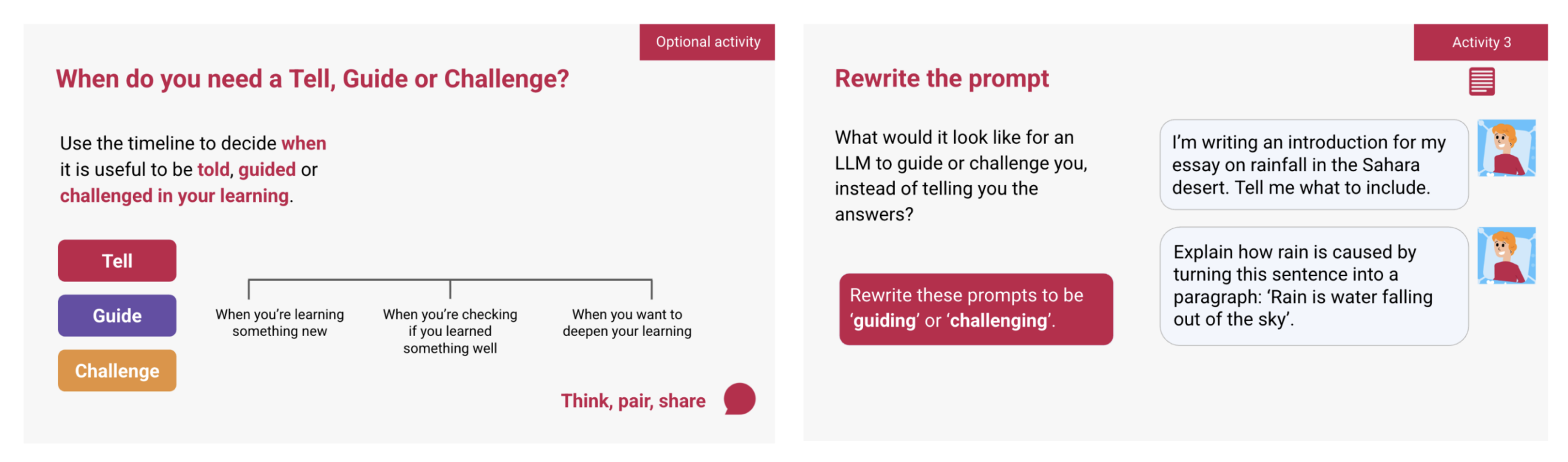
To help learners strategically use LLMs for their learning, they are provided with prompting strategies that elicit LLM outputs in ‘guide’ and ‘challenge’ formats. This helps learners engage more deeply with their own learning and develop higher-order thinking skills.
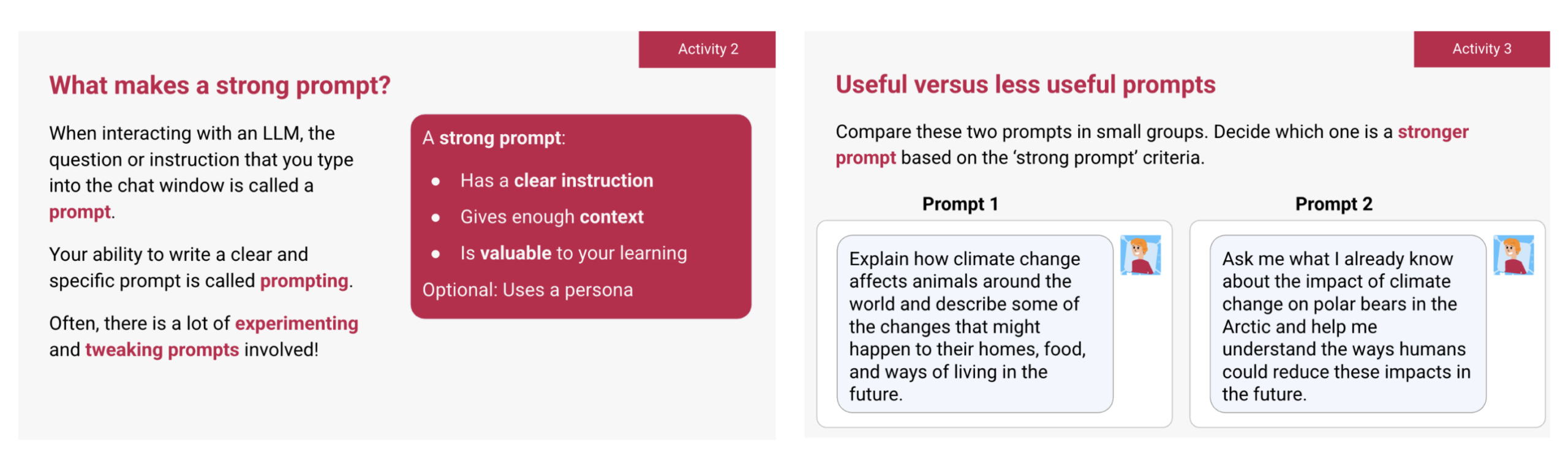
To help young people strategically use LLMs for their learning, the lessons include learning-centred, platform-agnostic prompting techniques. These include strategies borrowed from research papers on the most effective prompting frameworks. To make sure that the prompting strategies in the lessons remain effective over time and can be translated into different languages when we expand the resources, we did not use acronyms, unlike most popular prompting frameworks.
There are several industry reports highlighting the future-proof skills in the age of AI, such as problem solving, communication, critical thinking, collaboration and creativity skills. In the ‘Large language models’ unit, learners reflect on which skills they want to build and consider how their use of LLMs can support or hinder their development, helping them make responsible and intentional choices about using LLMs in ways that build their long-term capabilities rather than replace them.
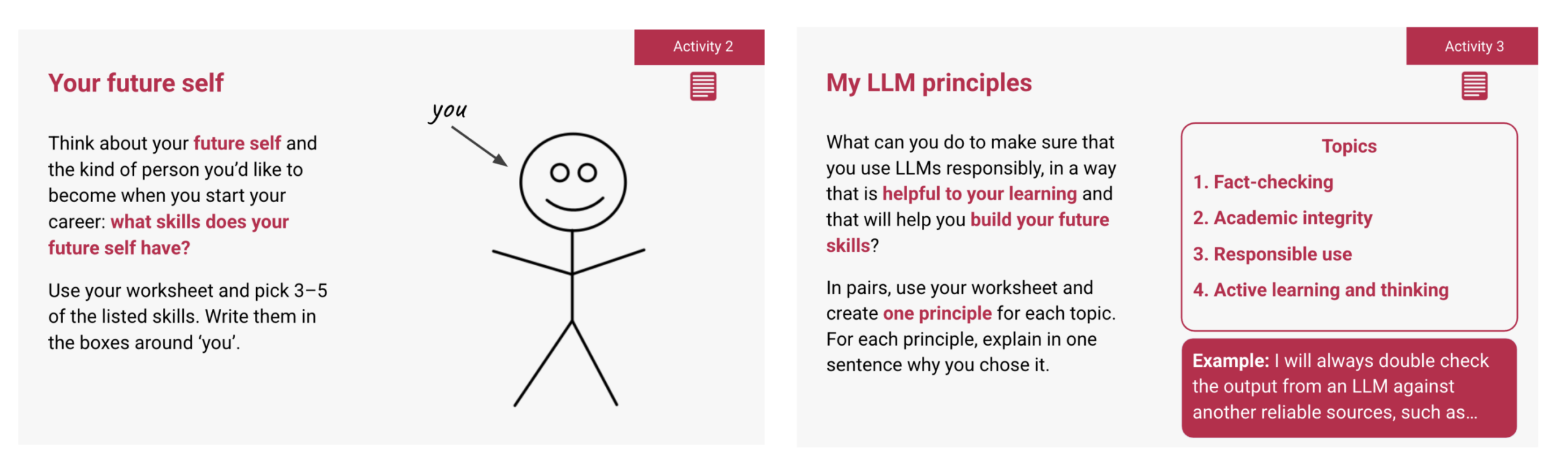
There are also activities in the lesson resources that help learners understand the long-term impacts of cognitive offloading and uncritical LLM use on the development of their future skills. The resources encourage learners to stay actively engaged in their learning and be reflective of their LLM use when learning.
Many young people (Pew Research, 2026) use LLMs as search engines, believing that LLMs produce outputs that are always accurate. To address that misconception, the lessons include activities that question where the training data comes from, and how accurate those sources of data are.
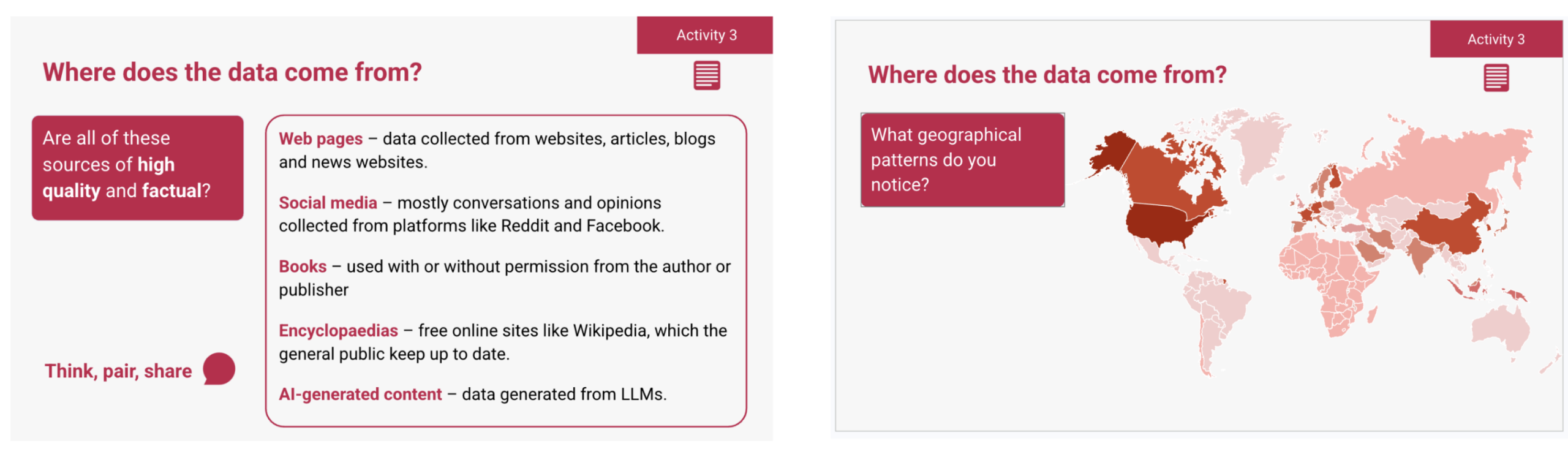
For example, when young people discover that a portion of data that LLMs are trained on come from social media platforms like Reddit and Facebook, they are encouraged to question the quality and factuality of these sources through classroom-wide discussions. Through discussions and thinking exercises, learners are also encouraged to question whose voices, languages, cultures and perspectives are (and are not) represented in these AI models.
As AI tools become more integrated in young people’s lives, many learners, like Alex, are tempted to turn to AI tools for quick answers, convenience, and support.
The ‘Using LLMs strategically for learning’ unit equips young people with the skills to use LLMs effectively, critically and strategically, in ways that are most helpful to their learning. Through research-informed lessons, they explore how LLMs are created, why their outputs are not always accurate and how to evaluate AI-generated responses.
Just as importantly, learners are encouraged to reflect on their own use of AI: when using an LLM supports their learning, when it does not, and how they can remain in control of their thinking, learning and skills development.
With these resources, young people like Alex are not discouraged from using LLMs, but encouraged to pause, rewrite their prompts in ways that are more helpful to their learning, evaluate the outputs they receive, and stay actively involved in their own thinking.
As we prepare young people for a future we do not yet know, the most important skill we can teach them is how to keep thinking. Who does the thinking, gets the learning.
The unit is available on the Experience AI website.
We would like to thank all the educators across South Africa, Nigeria, Kenya, the United Kingdom, India and beyond who piloted these resources and shared their thoughtful feedback. Their contributions helped shape and strengthen the unit. We are also grateful to Google DeepMind for their continued support in the development of this unit.
The post Encouraging learners to think first, prompt second: Using large language models to learn appeared first on Raspberry Pi Foundation.
À partir du 17 novembre 2026, Google transformera les Gems, les assistants personnalisés de Gemini, en « Skills » utilisables directement dans la conversation.

Après une levée de fonds de 28 millions d'euros en série A, la start-up française Arlequin AI sort progressivement de sa phase de discrétion. Son architecture, fondée sur des réseaux de neurones topologiques, vise des secteurs où une erreur coûte cher : sécurité, défense, finance. Rencontre avec ses deux fondateurs.
OpenAI and Anthropic both recently released new models aimed at lowering costs. Anthropic announced Opus 5.5, the latest version of its main mass-market workhorse model, used for tasks like coding and other complex knowledge work.
And OpenAI announced GPT-6 Sol and Luna, the latest versions of its middle-of-the-road or smaller models focused on efficiency and speed.


De sa formalisation par des chercheurs de Google en 2022 à son intégration native dans les modèles d'OpenAI, la chaîne de pensée (chain-of-thought ou CoT), a changé la manière dont l'IA raisonne. Mais cette fenêtre ouverte sur son fonctionnement interne pourrait bientôt se refermer.
Terence Tao, l'un des plus grands mathématiciens vivants, propose de déclarer certaines catégories de problèmes de maths « hors limites » pour les IA.

Un simple curseur qui peut transformer une IA sage en générateur de réponses complètement imprévisibles. Explications.

Un internaute a demandé à des modèles de langage de dessiner Mario sur une grille de 32 × 32 pixels, sans leur fournir la moindre image. Leurs créations, parfois réussies et parfois méconnaissables, montrent ce que les IA retiennent du célèbre plombier.

À Singapour, un rack de serveurs calcule désormais avec de vrais neurones humains cultivés en laboratoire, et non avec des puces en silicium. Derrière ce prototype, un pari : alléger la facture énergétique de l'intelligence artificielle.
À Singapour, un rack de serveurs calcule désormais avec de vrais neurones humains cultivés en laboratoire, et non avec des puces en silicium. Derrière ce prototype, un pari : alléger la facture énergétique de l'intelligence artificielle.
Nvidia is reportedly moving forward to acquire Hugging Face for $12.9 billion. The acquisition could help the hardware giant expand and fortify its deep integration with the wider AI industry.
Among other things, Hugging Face is a cloud repository for AI models, similar in some respects to what GitHub is for conventional computer software. Developers and researchers search for models that meet certain criteria, download and run them, and fine-tune them into different variants that then get uploaded back up to Hugging Face.


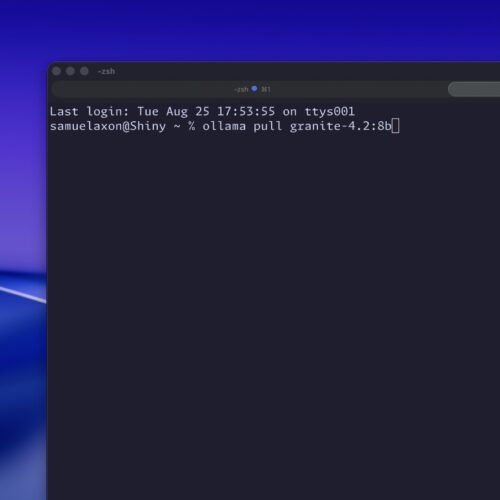
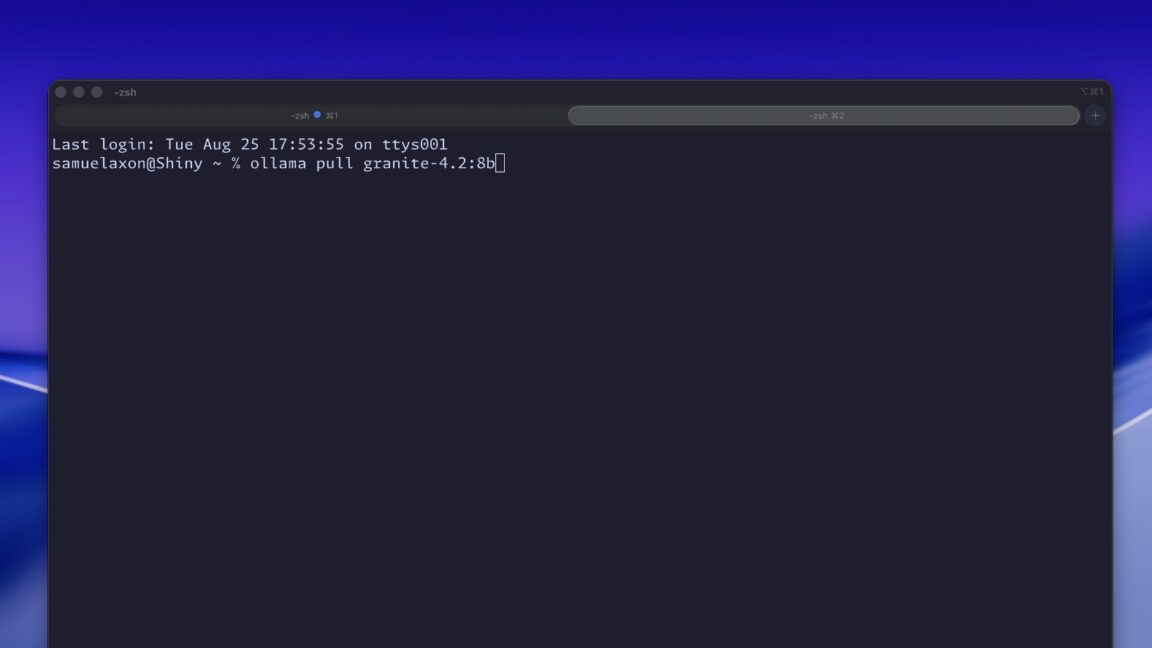
IBM has rolled out the newest models in its family of open-weight large language models designed to be downloaded and self-hosted. The newly launched Granite 4.2 comes in 3B, 8B, and 30B parameter variants.
Like previous versions, IBM is taking a decoder-only approach here. These new releases offer a 128,000-token context window natively. The 8B and 30B variants (not the 3B one) also go through an agentic reinforcement-learning block; they were trained for expanded capabilities like using the terminal, searching the web, or using external tools. The 3B model supports tools too, but without the same level of specialized training.

Adopté en un temps record, le Model Context Protocol (MCP) connecte les IA aux données et outils du monde réel. Comment ça marche ?

Depuis sa sortie, Qwen 3.8, le dernier modèle d'IA open source d'Alibaba, a rapidement vu fleurir des versions "uncensored" sur Hugging Face, la principale plateforme d'hébergement et de partage de modèles d'IA. Débarrassées de leurs derniers garde-fous, ces variantes circulent librement.
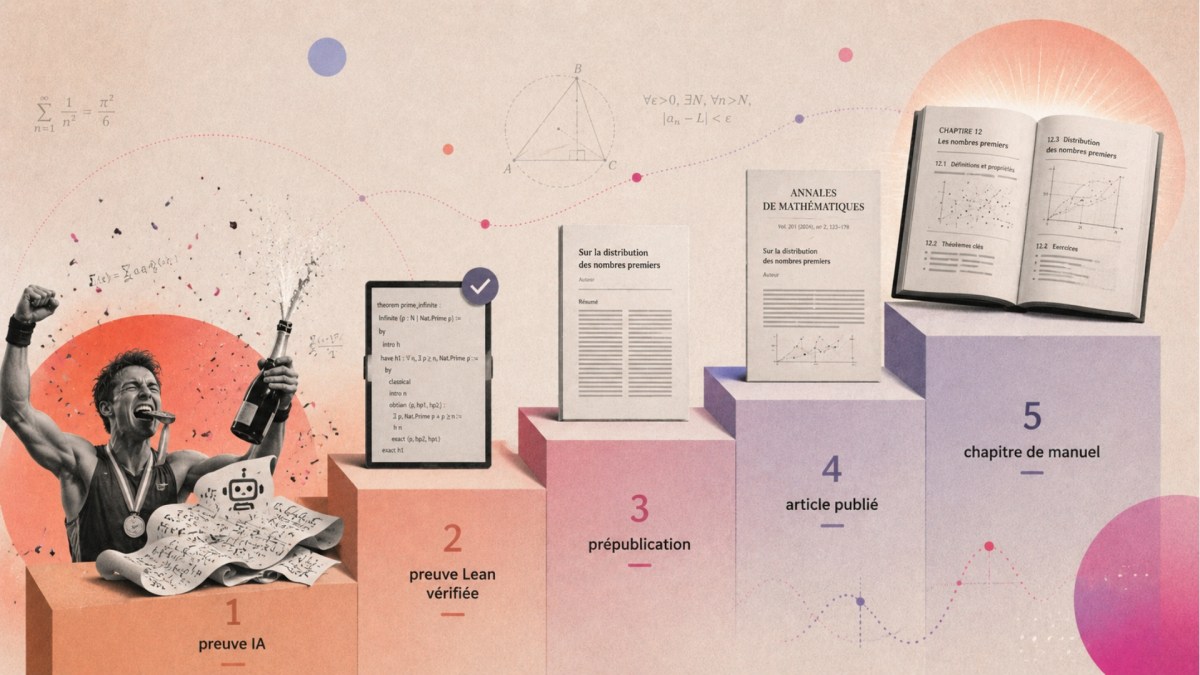
Alors que les géants de la tech célèbrent chaque prouesse algorithmique comme une victoire historique, le mathématicien Terence Tao utilise l'ironie d'un mème pour recadrer le débat : générer une démonstration brute avec une IA n'est que la toute première marche de la science.
For the past year or so, booksellers have suspected that AI firms are buying up huge lots of rare books, then destroying them after scanning them to train AI. But this was hard to prove until now, as 404 Media reports that an Airtag hidden in a rare book shows that at least one tech giant, in the race to advance its frontier models, is behind some of the bulk orders: Amazon.
On Monday, 404 Media revealed that it had connected with a bookseller who agreed to plant an Airtag in a rare book that was part of a bulk order. That Airtag was then tracked to an Amazon AI training facility in Las Vegas that housed a team focused on tearing books from their spines and scanning pages, 404 Media reported. Apparently tone-deaf to the escalating backlash over destructive book scanning, a logo on the door of that team’s warehouse, VGT3, showed a Tyrannosaurus rex preparing to devour a book, 404 Media documented.
Amazon declined to comment on 404 Media’s findings, only providing Ars with the same statement it gave to 404 Media, which does not mention AI training specifically.


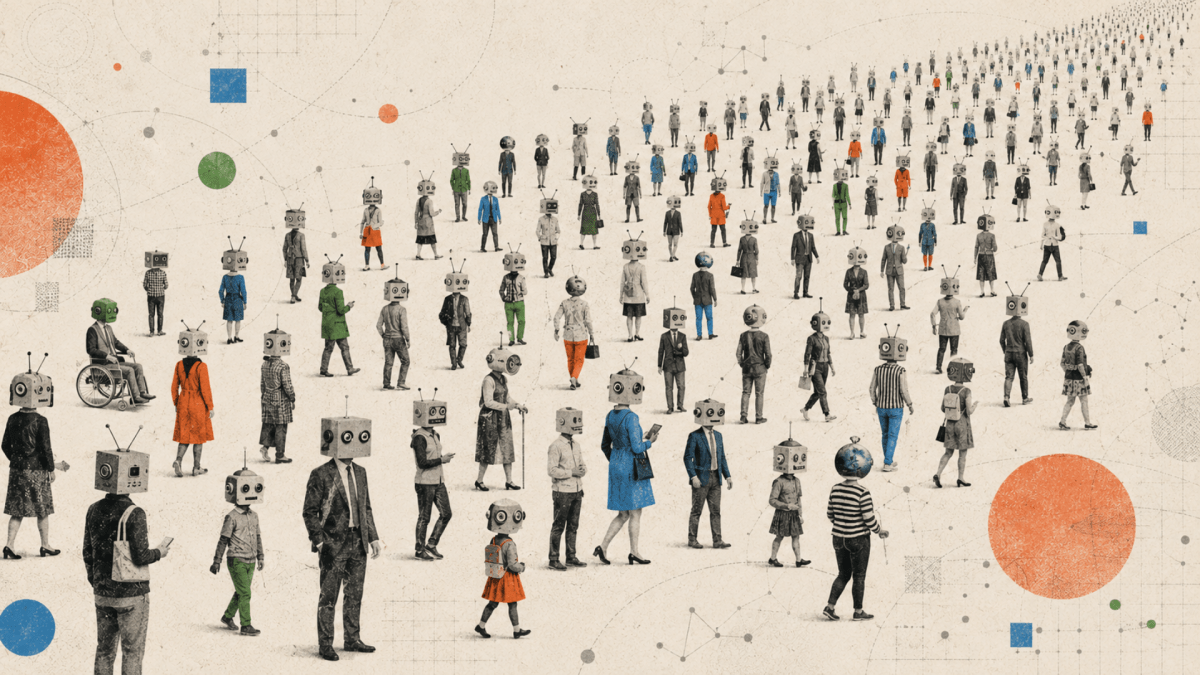
Avec MatrAIx, des chercheurs ont constitué une population virtuelle de 8,3 milliards de profils. Des modèles d’IA peuvent les incarner pour tester un chatbot, un site ou une application comme le feraient de véritables utilisateurs

Il y a encore trois ans, une IA qui citait ses sources tenait de l'exception. Aujourd'hui, c'est presque devenu la norme. Entre les deux, l'avènement d'une technique née dans un labo de recherche : le RAG.
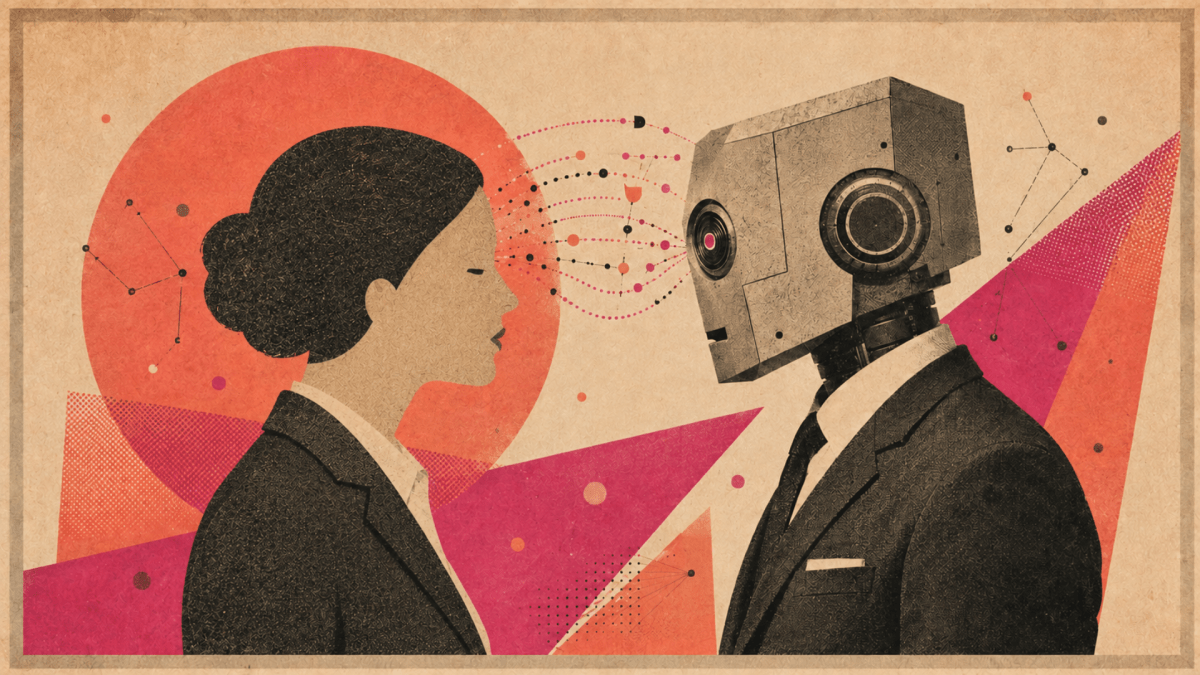
Naomi Bashkansky a quitté OpenAI pour rejoindre Conduit, une startup qui veut convertir l’activité cérébrale en instructions pour des agents d’IA comme Codex. Son pari : remplacer un jour les prompts par un simple bandeau neuronal.

Les intelligences artificielles génèrent des images, écrivent du code et résolvent des problèmes complexes. Mais produisent-elles réellement quelque chose de nouveau ? Pour Tom Zahavy, chercheur chez Google DeepMind, les modèles actuels restent incapables du « saut » intellectuel qui permet de formuler une idée sans précédent.

Les développeurs les plus en pointe avec l’intelligence artificielle générative décrivent une fatigue d’un genre nouveau, la vibecoding fatigue ou l’AI brain fry. Des parades sont inventées pour ne pas se laisser soumettre par l’IA. Cette fatigue pourrait gagner tous les métiers du langage, des journalistes aux juristes en passant par les traducteurs.
Moonshot AI’s 2.8-trillion-parameter Kimi K3 raises China’s open-model ambitions while posing major infrastructure and cost questio
The post Moonshot AI Launches World’s Largest Open-Source Model appeared first on TechRepublic.

Présentée en juillet 2026, ConlangCrafter a déjà généré plus de 60 langues artificielles. Une IA qui pourrait bien faciliter la création des futurs équivalents du klingon, du dothraki ou des langues elfiques du Seigneur des anneaux.

Anthropic prolonge de cinq jours l'accès inclus à Claude Fable 5, repoussant l'échéance du 7 au 12 juillet 2026. Une décision de dernière minute qui n'éclaircit pas vraiment un lancement chaotique depuis un mois.

Des chercheurs étudiant les conversations de ChatGPT ont découvert qu’un utilisateur produisait des milliers de fanfictions liées à des grossesses fictives concernant des personnages du jeu vidéo Doki Doki Literature Club!, et personne ne sait vraiment pourquoi.
Claude Sonnet 5 brings stronger agentic AI features, lower pricing, and updated safety protections. Here's what IT leaders need to know.
The post Claude Sonnet 5: Everything to Know About Anthropic’s New Model appeared first on TechRepublic.

Pendant des mois, des prestataires payés par Meta se seraient fait passer pour des mineurs afin de tester les limites des chatbots concurrents. Un dispositif interne dévoilé par le média américain WIRED.

Trois psychiatres décrivent comment un agent conversationnel peut, sans le vouloir, transformer une idée bancale en certitude. Voici les trois comportements à repérer.

Hier soir, OpenAI a annoncé le lancement en accès limité de GPT-5.6, sa nouvelle génération de modèles. Au programme, trois nouvelles versions avec une stratégie totalement différente.
Anthropic has accused the Chinese firm Alibaba of launching the largest attack yet attempting to clone Claude, as China races to match the capabilities of Anthropic's leading model following Mythos' release and subsequent restriction from foreign markets.
Ars obtained a June 10 letter sent to Senators Tim Scott (R-SC) and Elizabeth Warren (D-Mass.) one day ahead of a Senate committee hearing on “AI and the American Dream.” In the letter, Anthropic shared “new, confidential evidence of the largest campaign to illicitly extract Claude’s capabilities we have ever measured.”
The attacks occurred between April 22 and June 5, when “operators affiliated with Alibaba and Alibaba Qwen, Alibaba’s AI lab” allegedly generated “more than 28.8 million exchanges with Claude through almost 25,000 fraudulent accounts,” Anthropic said. Violating Claude's terms of service and access restrictions, this campaign “targeted some of Claude’s most valuable capabilities, such as agentic reasoning, software engineering, and long-horizon tasks.”


Dévoilé à la mi-juin 2026, GLM-5.2 talonne Claude Opus 4.8 et fait jeu égal avec, voire dépasse, GPT-5.5 sur certains benchmarks de code. Des performances qui propulsent ce modèle chinois sous les projecteurs, d’autant qu’il dispose d’un autre atout majeur : une licence ouverte, gratuite et auto-hébergeable.

Dans une série de messages publiés sur les réseaux sociaux, Arthur Mensch, PDG de Mistral AI, a profité de l’attention accrue portée à l’entreprise ces jours-ci pour esquisser la suite de sa stratégie et renforcer son positionnement dans l'intelligence artificielle.

Et si le secret d’une bonne IA de programmation était de devenir moins productive ? C’est le pari insolite de Ponytail, un projet open source qui force les assistants de code à imiter les développeurs seniors les plus pragmatiques pour éviter la sur-ingénierie et réduire la facture.

Anthropic a discrètement bridé les capacités de son nouveau modèle Fable 5 lorsqu’il était sollicité pour le développement d’IA de pointe. Cette restriction, totalement invisible pour les utilisateurs, a été vivement critiquée par la communauté des chercheurs, poussant l'entreprise à s'excuser, rapporte Wired le 10 juin 2026.
Anthropic a discrètement bridé les capacités de son nouveau modèle Fable 5, lorsqu’il détectait des requêtes liées au développement d’IA de pointe. Une restriction invisible pour les utilisateurs, rapidement critiquée par des chercheurs. L'entreprise s'est excusée auprès de Wired le 10 juin 2026.

La campagne cybercriminelle qui a déjà compromis des dizaines de dépôts de développeurs en mai et juin continue de se transformer. Une nouvelle vague, documentée par la société de sécurité Socket, révèle une escalade technique où les attaquants utilisent les mécanismes de sécurité des IA comme bouclier anti-détection.

Dans un article paru le 7 juin 2026, le quotidien britannique The Guardian décrit comment des escrocs sont parvenus à faire remonter des boutiques clonées dans les réponses de ChatGPT. Une technique qui a exploité à la fois les failles des LLM et la disparition d'une marque emblématique.

Anthropic a publié un article de blog détaillant, chiffres internes à l'appui, les progrès de Claude dans le développement de ses propres modèles, et les implications que l'entreprise en tire pour l'avenir de l'IA.
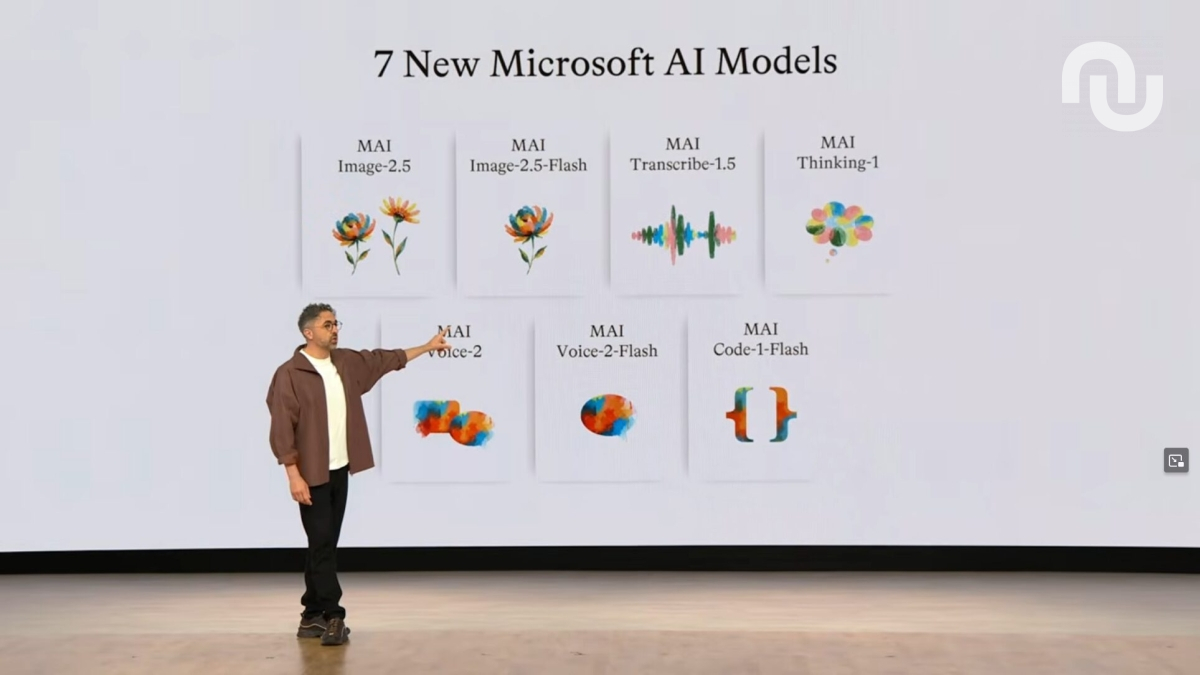
À l’occasion de sa conférence Build 2026, Microsoft a dévoilé une famille de sept nouveaux modèles d'IA développés en interne. Cette nouvelle gamme s'étend notamment de la génération d'images à la gestion de la voix.

Un ingénieur de Netflix a créé un outil open source qui compresse les tokens envoyés aux LLM avant qu'ils n'atteignent le modèle, sans perte d'information. Résultat : 700 000 dollars économisés en quelques mois, et un questionnement profond sur la façon dont on alimente les IA.

 Lateo.net - Flux RSS en pagaille (pour en ajouter : @ moi)