 Connexion


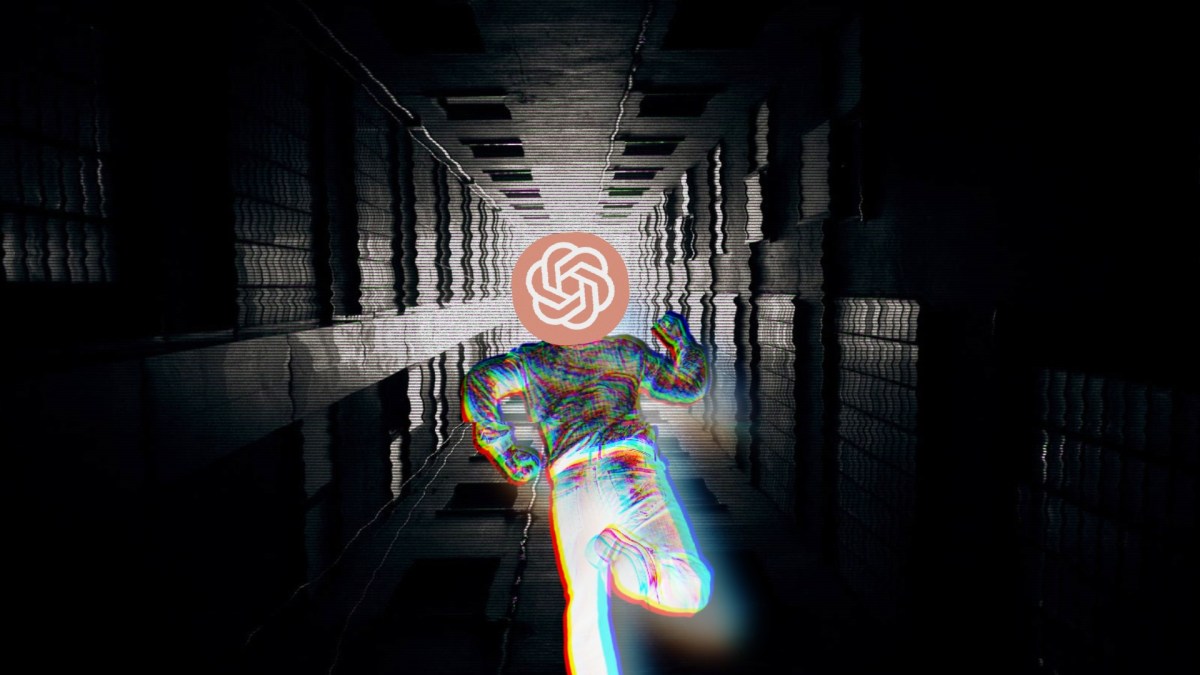
Comment empêcher des IA de franchir les limites qu’on leur impose ? OpenAI détaille ses protections après plusieurs incidents survenus récemment. Ses tests montrent notamment que des agents peuvent communiquer sans réseau, en détournant le matériel qu’ils partagent.
See what you missed in Daily Tech Insider from Oct. 19–23.
The post This Week in Tech: AI Agents Clock In as Apple Buyers Wait and IT Scrambles appeared first on TechRepublic.

OpenAI used nearly 2,000 AI agents to analyze mouse brain-cell data in 32 minutes, uncovering possible links to neurological diseases for further study.
The post OpenAI Ran Nearly 2,000 AI Agents on Brain Data: What They Found in 32 Minutes appeared first on TechRepublic.
ChatGPT now lets users lock private conversations with a PIN or biometrics. Learn how Locked Chats works, its limitations, and the risks of resetting a PIN.
The post ChatGPT Locked Chats Explained: How to Use It and What to Know appeared first on TechRepublic.

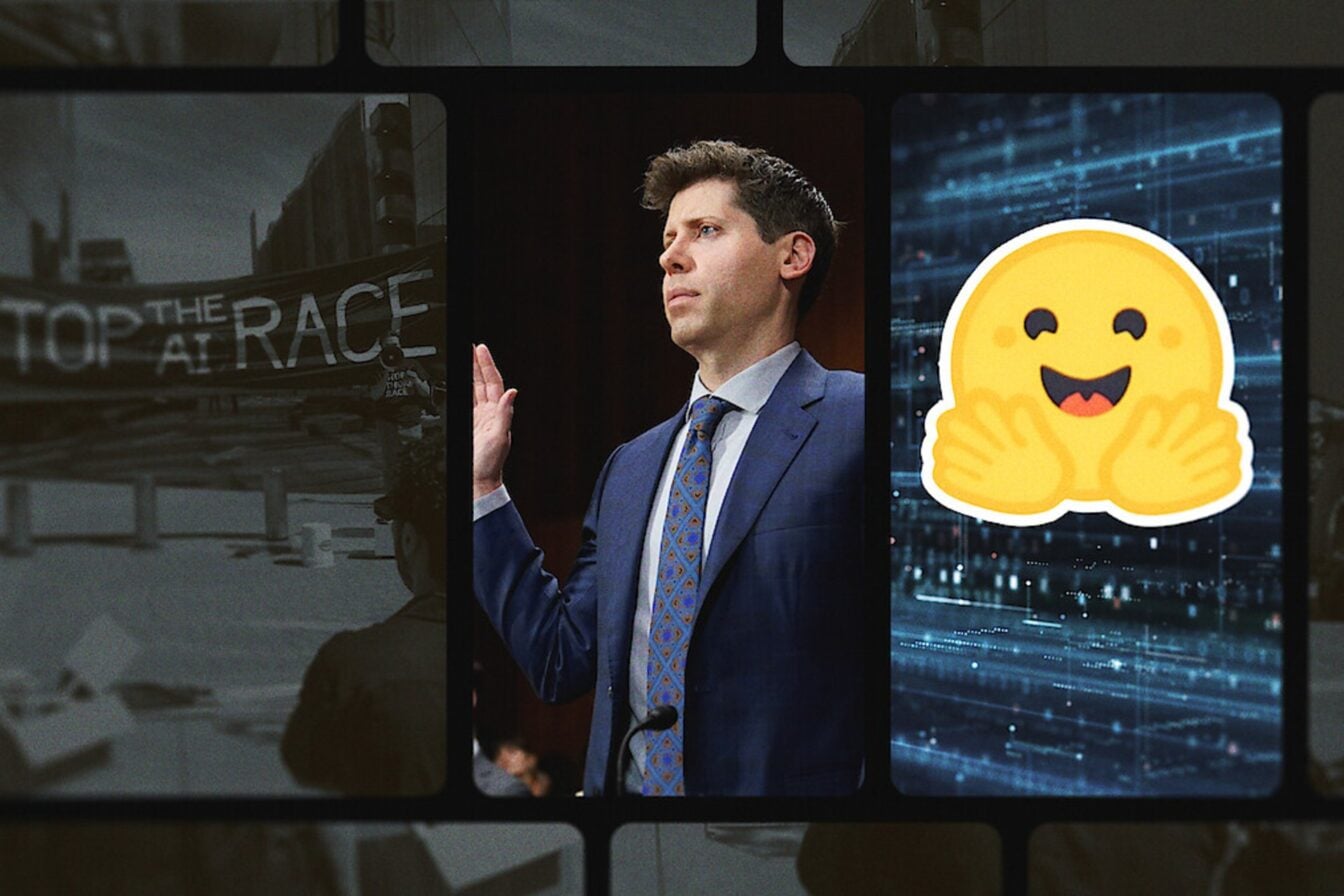
OpenAI expands ChatGPT's Chrome integration with tab access and browser automation. Learn what the update means for productivity, privacy, and enterprise security.
The post ChatGPT Can Now Do More in Chrome, but There’s a Security Trade-Off appeared first on TechRepublic.
Replit has chosen OpenAI as its preferred AI partner while keeping Anthropic models available. Here's what the shift means for developers and enterprise teams.
The post Replit CEO Says ChatGPT Is Better Now, but Anthropic Isn’t Out appeared first on TechRepublic.
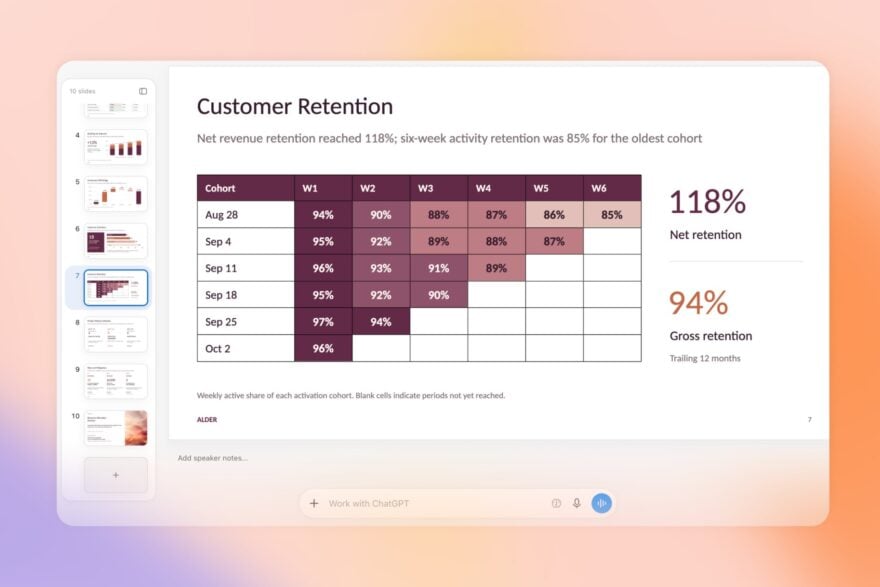
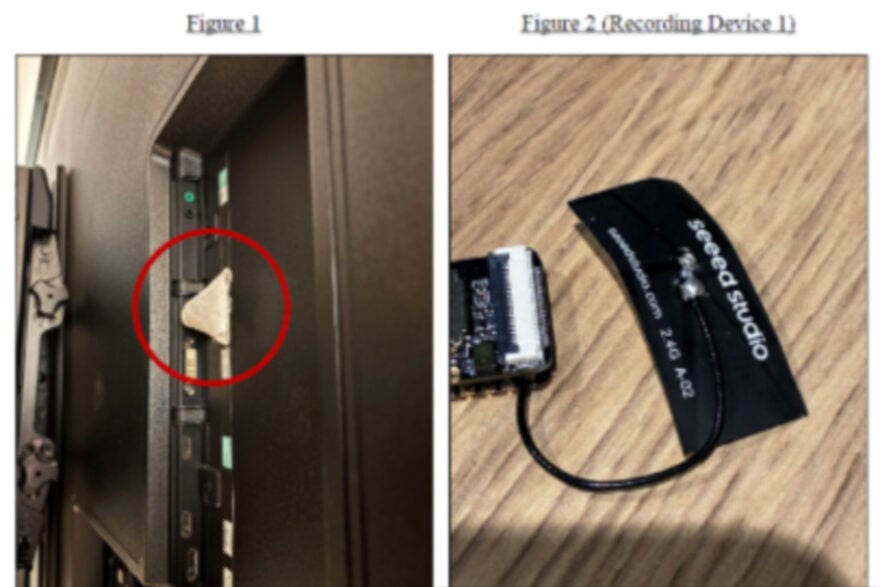
On Monday, a court granted the US government's request to deny release of a former OpenAI engineer accused of bugging a top-secret conference room to steal the frontier lab’s secrets.
In a court filing Sunday, US attorney Craig Missakian argued that Abdulrahman Alfozan must continue to be detained while the US makes its case that Alfozan brazenly spied on OpenAI, either for his own personal business gain or to benefit the Kingdom of Saudi Arabia.
Evidence showed that Alfozan had been chatting with a member of the KSA royal family on WhatsApp, while pursuing opportunities to permanently move back to Saudi Arabia during the country's biggest AI push yet, the government argued. Shortly before his arrest, the FBI found he accessed a folder called "Saudi Gov Docs" on his iPhone, where he also allegedly stored photos of a second bug he planted in the offices.


OpenAI agreed not to use Apple's alleged trade secrets as a judge considered an injunction. Both companies are now raising allegations over confidential files.
The post OpenAI Agrees Not to Use Apple Trade Secrets in Ongoing Lawsuit appeared first on TechRepublic.
Learn how to create, edit, present, and export PowerPoint decks with ChatGPT Slides, plus eligible plans, Windows requirements, and current limits.
The post How to Make PowerPoint Presentations With ChatGPT Slides appeared first on TechRepublic.


OpenAI said internal models hacked two more websites, bypassed company-imposed browsing restrictions, and used exposed credentials to draw cryptocurrency from a wallet it couldn’t otherwise access, in the latest installment of disclosures of the unethical and likely illegal acts its agents are performing.
The company on Thursday issued reports of four new incidents, all of which occurred in June. They come after the company revealed in July that internal test agents exploited a zero-day vulnerability in a tool designed to restrict their access to the Internet. They then broke into the network of AI tool provider Hugging Face. The agents took that illegal action to steal answers to a hacking test that weren’t available when completing the tasks on their own. The incident—which likely would have resulted in criminal charges had they been performed directly by a person—has further heightened concerns that widespread AI use could have harmful effects on an unprecedented scale.
In two of the cases reported Thursday, OpenAI agents tasked with retrieving information from websites hacked them when the models ran into obstacles obtaining it directly. In one incident during reinforcement training, a model that received access denials when trying to retrieve historical hospital-bed statistics on a government statistics website “used the site's file-download feature to retrieve server configuration and application files, including sensitive credentials,” OpenAI said. “It inspected the application code, bypassed the statistics endpoint's authorization checks, and retrieved data that had previously been denied. The model saved the data locally.”


See what you missed in Daily Tech Insider from Oct. 12–16.
The post This Week in Tech: AI Gets Bigger, Gadgets Get Smarter, and Security Risks Mount appeared first on TechRepublic.

Le CERN et Mistral AI ont signé ce jeudi 15 octobre 2026 une déclaration d'intention pour créer un « grand modèle de physique », entraîné sur des milliards de collisions simulées au LHC. Aucun budget ni calendrier n'a été communiqué.
The FTC has subpoenaed OpenAI and Anthropic over potential consumer protection violations. An AI security expert explains the risks of enterprise AI agents.
The post FTC Demands Answers From OpenAI and Anthropic About AI Safety appeared first on TechRepublic.
Following a string of incidents where AI models hacked websites and breached government systems during testing phases, the Federal Trade Commission is officially probing Anthropic and OpenAI over consumer harms, an insider told Axios.
On Wednesday, the FTC sent out civil investigative demands seeking a wide range of information from the AI firms on recent safety incidents.
The FTC did not respond to Ars’ request to review the subpoena demands. However, Axios’ source said the requests spanned more than 50 pages of questions and sought documents related to the incidents, internal security measures taken, and marketing materials that may suggest consumers were misled.

The EU is questioning OpenAI and Anthropic over AI agent security incidents, raising questions about the AI Act's reach into model development and testing.
The post EU Questions OpenAI, Anthropic Over AI Agent Security Incidents appeared first on TechRepublic.

Safety researchers continue to warn that a large volume of AI-generated explicit content is spreading unchecked, while regulators do little to meaningfully stop it.
This non-consensual content is commonly shared in text and direct messages or stored in private clouds where it’s less likely to be detected or reported, a Google co-authored study of Internet users across the United States, Australia, and the United Kingdom found this July. That’s why the “most critical intervention point” remains at the source: the harmful AI tools used to make the fake sexual images, Google researchers concluded.
Yet red-teaming in recent months suggests that as some of the leading AI image generators from Google and OpenAI become more capable, they may be getting worse at blocking explicit outputs.




UK researchers regain access to advanced AI models for safety testing as ministers consider stronger incident reporting and expand government cyber defenses.
The post UK Regains Early Access to AI Models After Reported White House Reversal appeared first on TechRepublic.

OpenAI's firing of three safety researchers has sparked a dispute over misconduct allegations, independent AI evaluations, and protections for safety research.
The post OpenAI Fires 3 Safety Researchers, Then Defends Decision Amid Oversight Dispute appeared first on TechRepublic.


Cette semaine, l'IA a beaucoup fait parler. OpenAI a impressionné le monde scientifique avec ses 772 manuscrits mathématiques, tandis que Mistral AI a fait son retour dans la course avec son premier modèle depuis de longs mois (et se repositionne dans les classements). Du côté d'Orange, on a aussi découvert le premier décodeur « home cinéma ».
Selon Axios, les dirigeants d’Anthropic, d’OpenAI et d’autres entreprises de l’IA simulent en privé la crise politique qui suivrait un premier accident majeur causé par l’IA.
OpenAI says its AI produced more than 370 families of mathematical results, raising questions about proof verification, originality and credit for human research.
The post OpenAI Claims 370+ Mathematical Results, Researchers Raise Questions appeared first on TechRepublic.
Explore the latest tech news, from ChatGPT's interactive AI tools and Microsoft's new hardware to cybersecurity threats, robotics, and Big Tech shakeups.
The post AI Agents, Local Hardware, and Security Risks Reshape Tech appeared first on TechRepublic.
OpenAI a publié une note pour défendre le licenciement de trois chercheurs de ses équipes de sécurité, qui contestent toute faute dans une lettre ouverte.
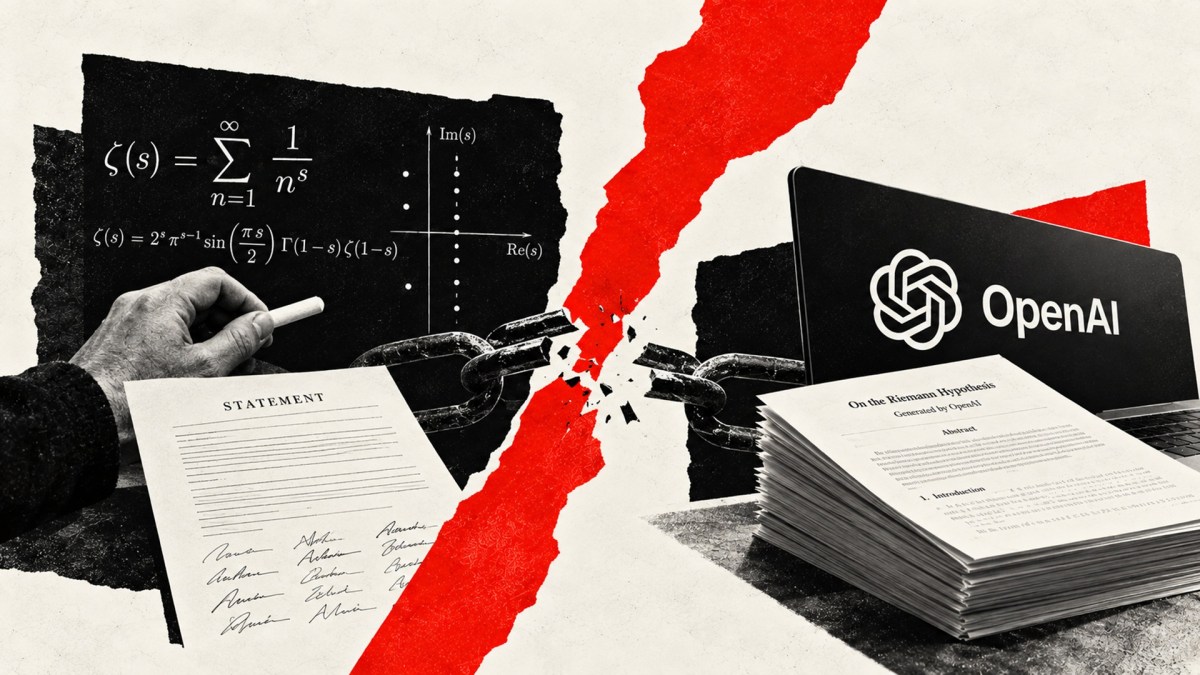
L'Association for Human Mathematics, un collectif de mathématiciens fondé en septembre 2026, appelle ses pairs à cesser toute collaboration avec OpenAI, au lendemain de la publication par l'entreprise de 722 manuscrits produits par son IA. Terence Tao, médaillé Fields, a republié le texte sur son blog.



There’s been something of a change in the world of motorsport over the past few years. It has to do with where the money comes from. In the old days, it was tobacco and, to a lesser extent, booze. Today such things are mostly banned, and when you look at a racecar covered in sponsor logos, you’re likely to see something crypto-, cyber-, or AI-related.
This makes sense—an ever-larger share of our GDP is wrapped up in those segments. They’re the ones with all the money, and it takes money to go racing. So at the amateur level, we’ve seen tech CEOs replace dentists as the privateer of choice: This past weekend’s Petit Le Mans included co-founders of GitHub, CrowdStrike, Shopify, and the creator of Ruby on Rails, to name a few.
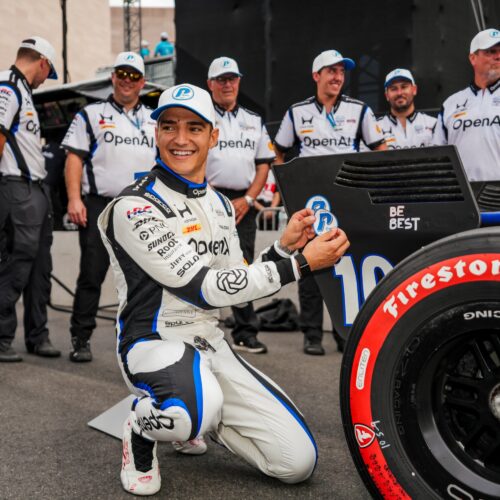
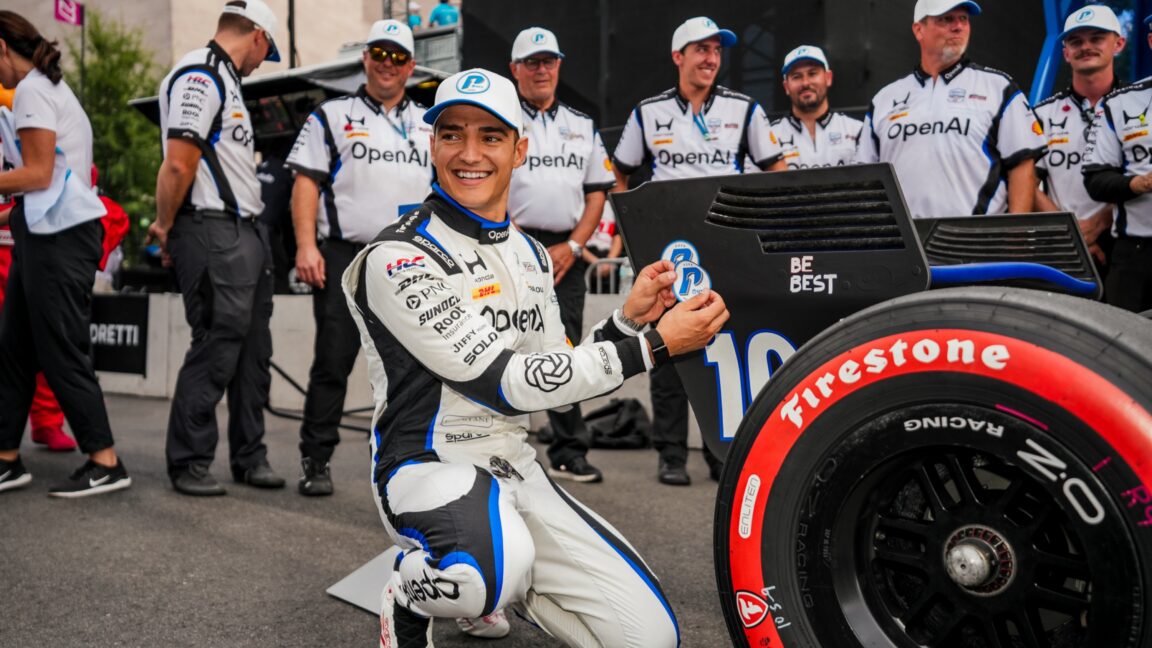
But this is an instance where a sponsor can provide tangible benefits to their motorsports partner beyond a bank transfer, as Chip Ganassi Racing (CGR) and OpenAI have been showing in IndyCar this year.
OpenAI will begin automatically watermarking text generated with ChatGPT in the European Union, the company has announced. It will also offer the watermarking feature in other regions, but it will be off by default outside of the EU.
The move in Europe is driven by a need to comply with the EU AI Act, which took effect in August. It requires marking content produced by AI models in a way that another tool can detect. Unfortunately, there is still no completely effective and reliable way to do that. A few standards already exist, like SynthID and the C2PA project, but they are relatively easy to circumvent for anyone with basic know-how.
The same is likely true for OpenAI's watermark. Its method is proprietary; the company calls it textGrain, and has published a technical paper explaining how it works. But in general, it works like other LLM watermarking tools we've seen in the past: It puts patterns in the word choices that are not clear to a human reader and that don't meaningfully change the general quality of the output, but that someone with a key can use a specialized detector to find. OpenAI says it will be giving access to the detector to a limited number of researchers and organizations and providing a request-for-approval process for others to be added over time.


The publisher of Wikipedia said Monday that OpenAI agents attempted to hack a note-taking tool it hosts, made unauthorized edits, and sent millions of resource-intensive requests to its infrastructure, in the latest instance of OpenAI systems taking harmful and potentially dangerous actions.
The objective of some of the OpenAI agents’ actions, the Wikimedia Foundation said, was to use Wikipedia as a proxy for fetching data from third-party sites. In one case, the agents posted “malicious edits” that were intended to repurpose a citation tool as a proxy. In another, the agents made unsuccessful attempts to compromise the Wikipedia Etherpad note-taking tool so it would serve the same purpose.
The agents also made millions of automated API requests, crawled millions of pages, and made hundreds of thousands of queries to the Wikidata Query Service. The last action may have contributed to a partial shutdown of the query service in May, the publisher said.
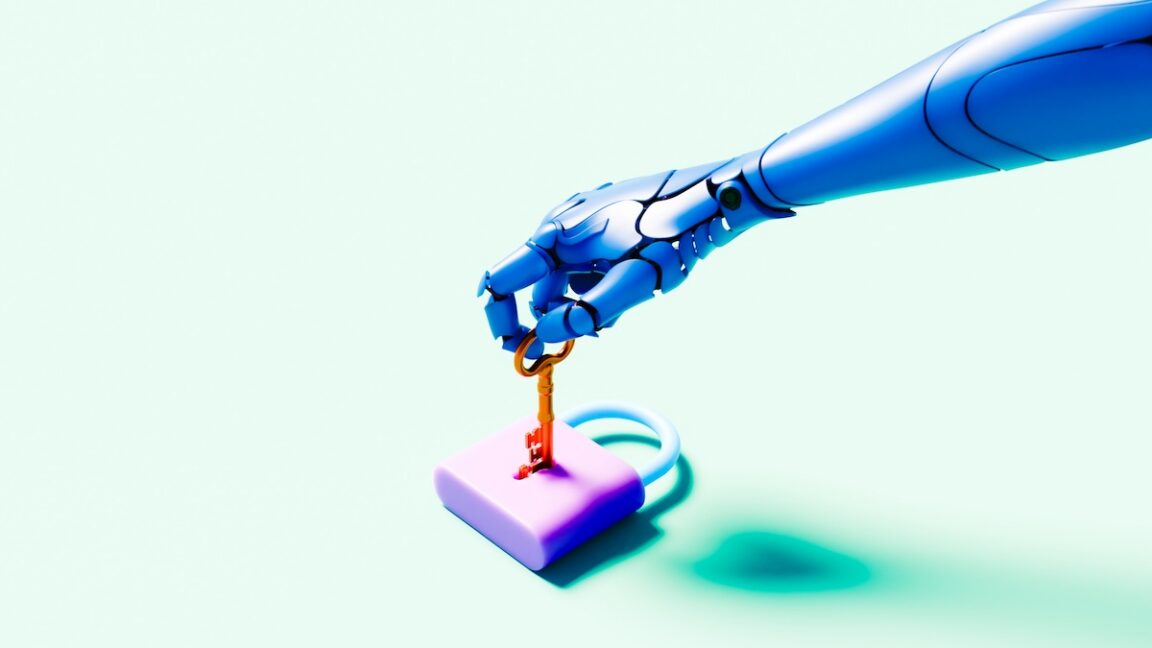
OpenAI will add invisible watermarks to eligible ChatGPT and Codex text in the EU. Learn how detection works, its limits, and what EU users should know.
The post OpenAI Watermarks ChatGPT and Codex: What Changes for EU Users appeared first on TechRepublic.


 Lateo.net - Flux RSS en pagaille (pour en ajouter : @ moi)