 Connexion


Replit has chosen OpenAI as its preferred AI partner while keeping Anthropic models available. Here's what the shift means for developers and enterprise teams.
The post Replit CEO Says ChatGPT Is Better Now, but Anthropic Isn’t Out appeared first on TechRepublic.
Codex and Claude Code split the latest coding-agent benchmarks on performance, cost, speed, and deployment controls.
The post OpenAI Codex vs Claude Code: The Better AI Coding Agent Depends on More Than Benchmarks appeared first on TechRepublic.
Slack Code gives AI coding agents shared project channels where teams can watch, guide and review software development as it happens.
The post Slack Code: AI Coding Agents Get Shared Channels for Review and Oversight appeared first on TechRepublic.
A Microsoft study found command-line AI coding agents were linked to more merged pull requests, but adoption and review capacity shaped the results.
The post Microsoft Study Finds AI Coding Agents Lift Pull Requests by 24% appeared first on TechRepublic.
Cursor launched a public beta for iPhone and iPad that lets paid subscribers run, monitor, and review AI coding agents on mobile devices.
The post SpaceX’s Cursor: New iPhone App Brings AI Coding Agents to Mobile appeared first on TechRepublic.
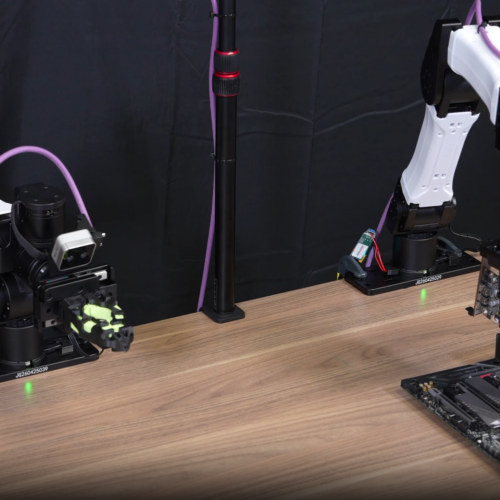
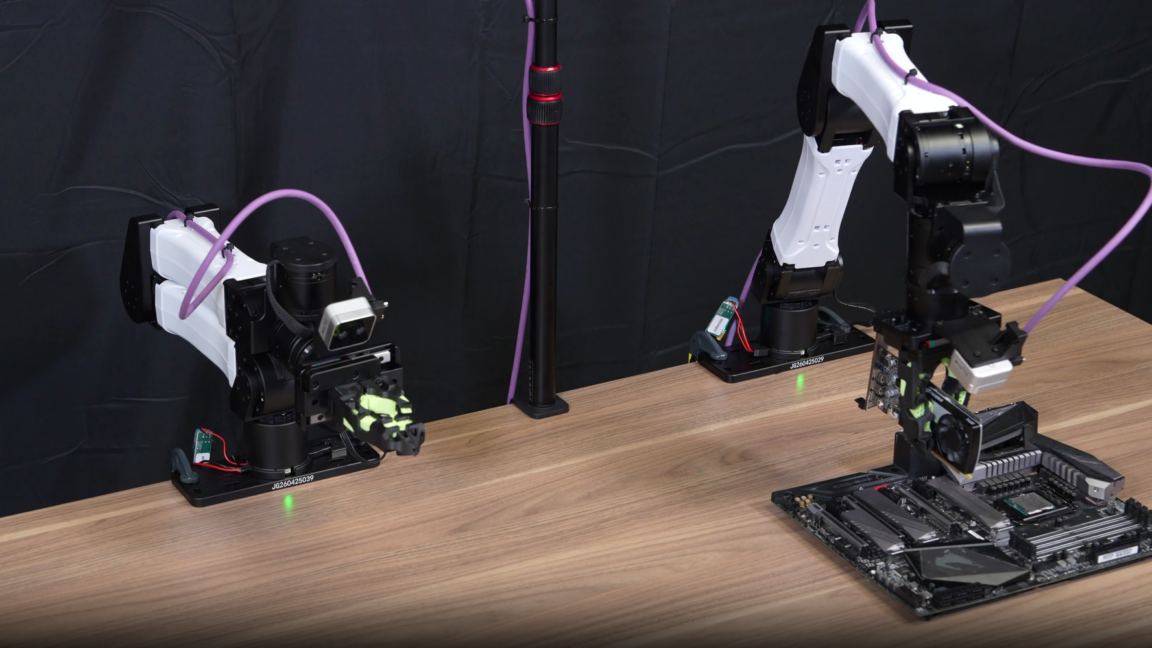
What happens when you give AI coding agents a lab full of robotic arms, some compute resources, and a “generous token budget” for teaching the robots various tasks? The agents can apparently figure out a training regimen that teaches the robots to successfully cut zip ties and even insert GPUs into thin sockets on motherboards.
That glimpse into how AI can act in a fully autonomous way to automate robot training was made possible by a new agent harness framework—software that wraps around AI models to enable their use of various tools while also providing capabilities such as memory, context, constraint, and feedback loops. That agentic harness, called ENPIRE, was developed by robotics researchers at the Nvidia GEAR (Generalist Embodied Agent Research) lab alongside collaborators from Carnegie Mellon University in Pittsburgh and the University of California, Berkeley.
“A part of our NVIDIA GEAR lab now self-improves tirelessly overnight,” wrote Jim Fan, director of AI at NVIDIA, in a LinkedIn post. “We just read the reports in the morning.”

 Lateo.net - Flux RSS en pagaille (pour en ajouter : @ moi)