 Connexion


Raspberry Pi is growing our presence in Africa, and we’re keen to talk to businesses and educational organisations in the region to learn and to build partnerships.
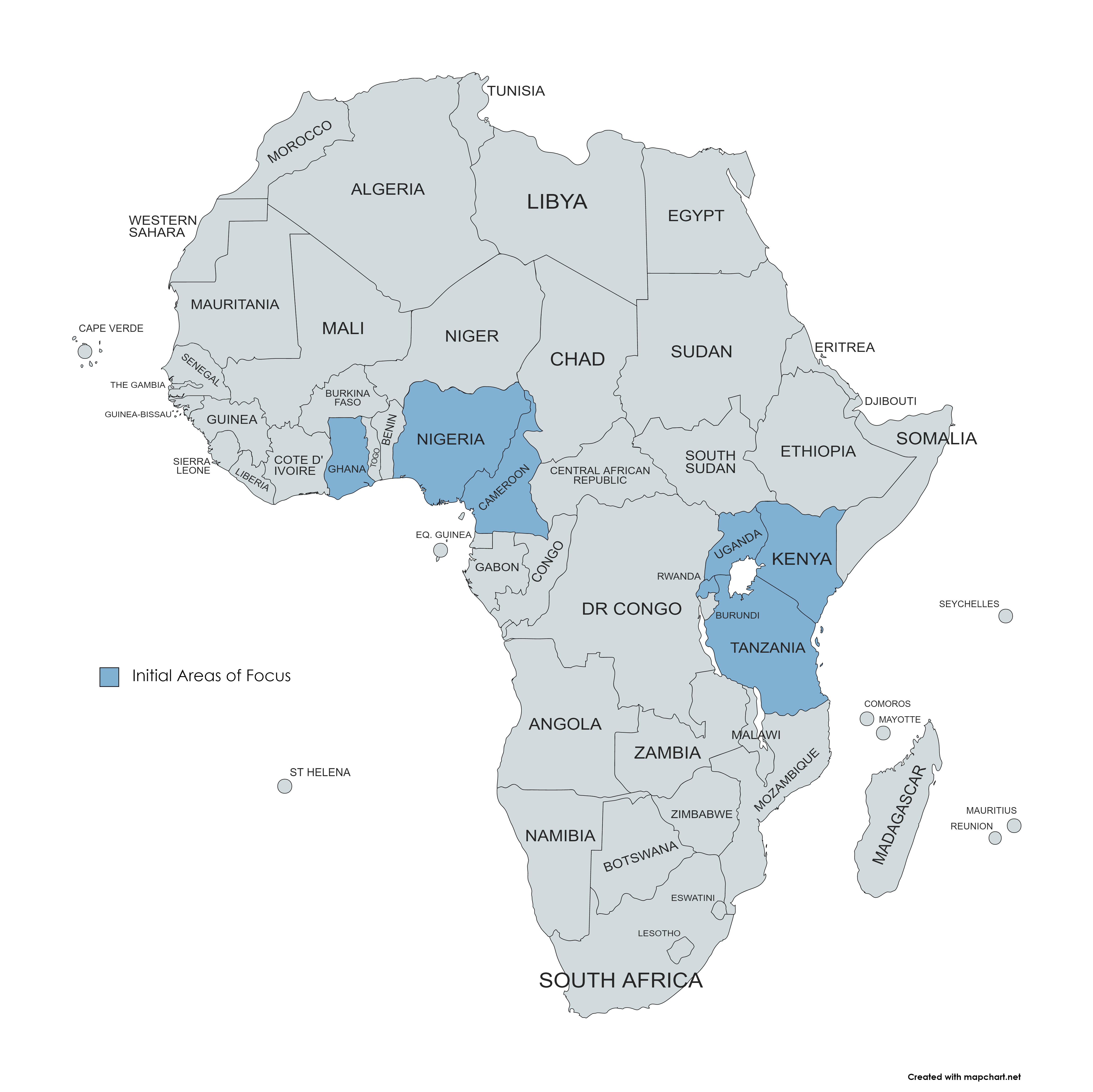
As part of our investments in the region, I am delighted to join Raspberry Pi as Strategic Partnerships Manager, and initially I will be focusing on Nigeria, Kenya, Ghana, Tanzania, Rwanda, Cameroon, and Uganda. We will prioritise building a network of Raspberry Pi Approved Resellers and developing the right partnerships across industry and the education sector.

Over the last decade, Raspberry Pi has established a strong presence in the European and North American markets through partnership with our network of excellent Raspberry Pi Approved Resellers, providing access to affordable technology for the home, for business, and for education. Customers in many areas across Asia and the Pacific, too, have a choice of Approved Resellers offering Raspberry Pi products.
So far, our presence in Africa has been through our approved reseller PiShop in South Africa, which also has some commercial operations into other countries in southern Africa. Much of West, East, and North Africa has been underserved, and consumers in these regions have often obtained Raspberry Pi products via e-commerce websites in Europe, North America, and sometimes China. This has meant high costs of shipping products into Africa, which undermines our goal of ensuring affordability and availability across the continent. To address this, we have begun work to provide African customers with easy and reliable access to Raspberry Pi products at an affordable price point.
Africa has seen an explosion of technological advances in recent years, with investors funding innovative businesses built around technology. The continent is facing challenges ranging from accessibility to uninterrupted energy supplies, climate change, enabling agricultural potential, and building smart cities, and Africa’s mainly young population is meeting them head on.
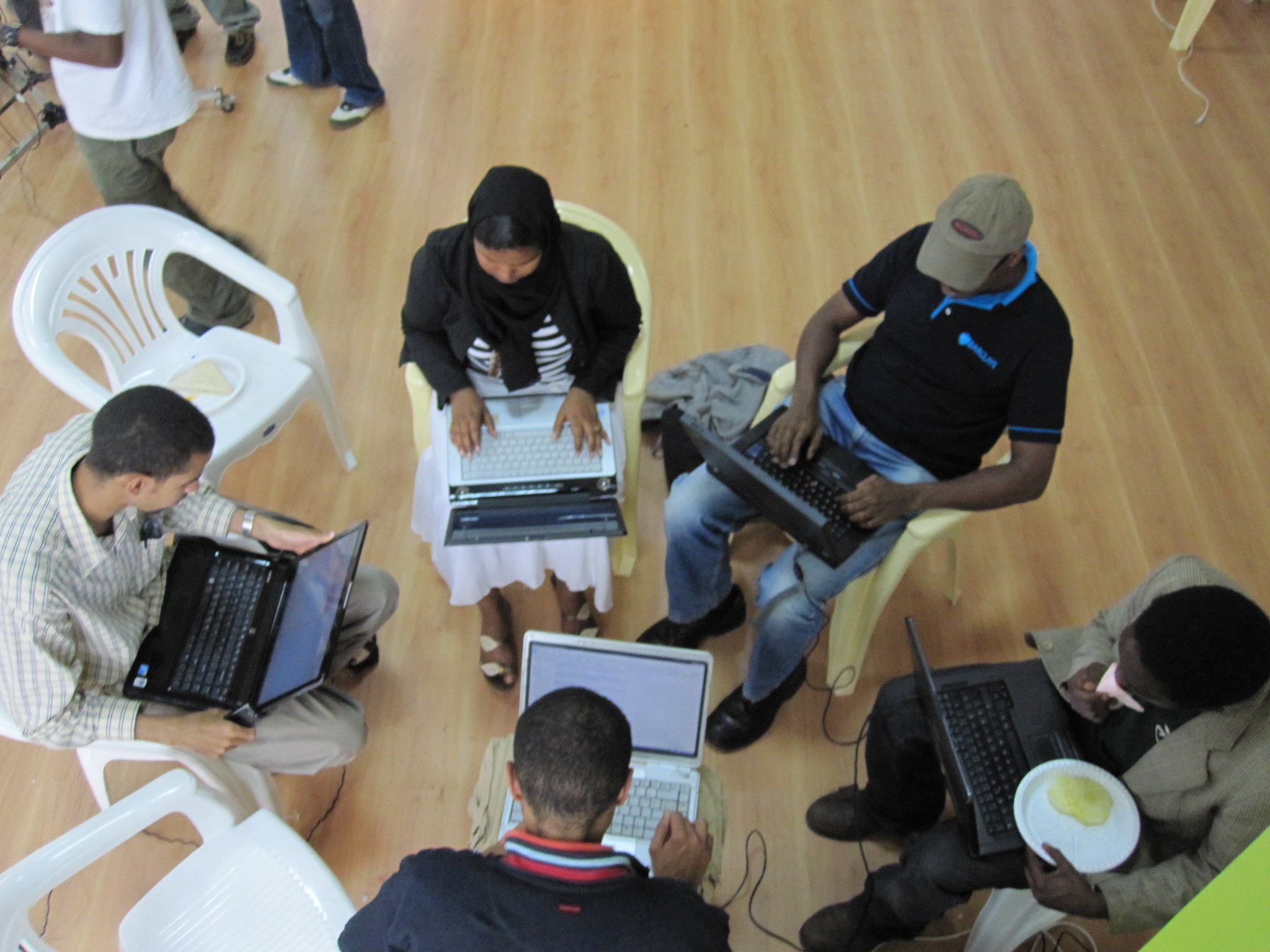
While there is no shortage of innovative ideas, there is a real need for the right equipment and tools to support this ecosystem of makers, hobbyists, innovators, and entrepreneurs. Raspberry Pi is poised to close this gap.
Over the next couple of months, we will be planning a tour of our focus countries to visit the leadership of engineering associations and bodies, engaging with engineering student communities and maker spaces on the continent and building strategic alliances to deepen our inroads in the region. As Covid restrictions are eased, we will be visiting several countries on the continent to help us discover how we can best provide products and services that directly impact the region by ensuring access to low-cost, high-quality technology.

Could your African retail business meet our high standards for Raspberry Pi Approved Resellers, or could your educational organisation or your enterprise benefit from affordable desktop computers? Do your products require embedded computing power, or could your business grow with low-cost, low-power process monitoring or control? Get in touch with us by emailing: ken.okolo@raspberrypi.com. We’re looking forward to hearing from you.
The post Growing Raspberry Pi’s presence in Africa appeared first on Raspberry Pi.
When you think of the Scouts, do you think of a self-sufficient young person with heaps of creativity, leadership, initiative, and a strong team ethic? So do we! That’s why we’re so excited about our latest opportunity to bring digital making to young people with the world’s leading youth organisation.

On 9 and 10 November, a large group of Scouts converged on their global headquarters at Gilwell Park in Surrey to attend a Social Action Hackathon hosted by a great team of digital making educators from the Raspberry Pi Foundation.
The event was to celebrate internet service provider Plusnet’s partnership with the Scout Association, through which Scout groups throughout the UK will be given free WiFi access. This will allow them to work towards tech-based badges, including the Raspberry Pi Foundation’s Digital Maker Staged Activity Badge.
The Social Action Hackathon
Over two days, the Scouts participated in our cutting-edge hackathon, where they were taught authentic agile development techniques; handed a crate of Raspberry Pi computers, electronic components, and construction materials; and given free rein to create something awesome.

The Social Action Hackathon was designed to directly support the Scout Association’s A Million Hands project, which aims to encourage Scouts to ‘leave the world a little better than they found it’ by engaging with their UK-based charity partners. During the Hackathon, the Scout Association asked the young people to create a technological solution that might benefit one of these important charities, or the people and communities that they support.
Creating with tech
First, participants were shown the capabilities of the technology available to them during the Hackathon by undertaking some short, confidence-boosting programming activities, which got them thinking about what assistive technologies they could create with the resources available. Then, they chose a call-to-action video by one of the A Million Hands charity partners as the basis of their design brief.

The event was designed to feel like a role-playing game in which teams of Scouts assumed the part of a fledgling technology start-up, who were designing a product for a client which they would bring to market. The teams designed and prototyped their assistive technology through a process used all over the world in technology and software companies, known as agile development methodology.
The fundamental principles of agile development are:
The ‘creation’ phase of the Hackathon consisted of several 90-minute rounds called sprints, each of which began with a team meeting (or stand-up) just as they would in a real agile workplace. Teams broke their project idea down into individual tasks, which were then put into an organisational tool known as a kanban board, which is designed to allow teams to get an instant snapshot of their current progress, and to help them to problem-solve, and adapt or change their current focus and plans at each stand-up meeting.

The final pitch
As their final task, teams had to present their work to a panel of experts. The four-person panel included the Raspberry Pi Foundation’s Head of Youth Partnerships, Olympia Brown, and television presenter, Reggie Yates, an advocate for Mind, one of the A Million Hands charity partners.
By completing the Social Action Hackathon, the young people also completed the fifth and most complex stage of the Digital Maker Staged Activity Badge in just two days — a real accomplishment!
Get involved!
If you think your Scout group might like to take their Digital Maker Badge, you can find free curriculum resources for all ages of Scout group, from Beavers to Explorers, on the Raspberry Pi Foundation partner page.
The post Social Action Hackathon with the Scouts appeared first on Raspberry Pi.

 Lateo.net - Flux RSS en pagaille (pour en ajouter : @ moi)