 Connexion


Google Chrome offers five tools for studying, from Gemini-generated quizzes and podcast summaries to split view and reading mode. Here's what works and where.
The post 5 Google Chrome Features for Studying, Including Gemini Quizzes appeared first on TechRepublic.
Last month, we shared word of a Stanford University study that found entry-level employment in so-called "AI-impacted" occupations lagging well behind that in other fields. Now, a new working paper from economics researchers at Munich's CESifo finds the opposite, arguing point blank that "there is no evidence of any significant, widespread displacement or reduction in hiring of recent college graduates in absolute or relative levels."
In "The Early Impacts of AI on Employment Among Recent College Graduates," researchers Robert Fairlie and Jane Wu said they decided to focus on recent graduates "because changes in labor demand may first appear through reductions in hiring." As AI gets good enough to at least perform the "relatively standardized tasks" in many entry-level office jobs, they argue, firms could reduce new hiring for simpler roles rather than laying off more experienced long-term employees.
There's some reason to believe 2026's graduating job seekers might be more at risk of AI displacement than those graduating just a year or two prior. The CESifo researchers point to a recent sharp increase in the number of firms "replacing a large number of employee tasks with AI" in a Census survey, as well as broad increases in AI spending per employee and ChatGPT Enterprise token use in the last 12 months.


Major AI models from OpenAI, Anthropic, and Google routinely fail EU GDPR and AI Act compliance, a new study reveals. Discover the enterprise risks.
The post Major AI Models Consistently Break EU Regulations, Study Shows appeared first on TechRepublic.
In human-to-human communication, the desire to be empathetic or polite often conflicts with the need to be truthful—hence terms like “being brutally honest” for situations where you value the truth over sparing someone’s feelings. Now, new research suggests that large language models can sometimes show a similar tendency when specifically trained to present a "warmer" tone for the user.
In a new paper published this week in Nature, researchers from Oxford University’s Internet Institute found that specially tuned AI models tend to mimic the human tendency to occasionally “soften difficult truths” when necessary “to preserve bonds and avoid conflict.” These warmer models are also more likely to validate a user's expressed incorrect beliefs, the researchers found, especially when the user shares that they're feeling sad.
In the study, the researchers defined the "warmness" of a language model based on "the degree to which its outputs lead users to infer positive intent, signaling trustworthiness, friendliness, and sociability." To measure the effect of those kinds of language patterns, the researchers used supervised fine-tuning techniques to modify four open-weights models (Llama-3.1-8B-Instruct, Mistral-Small-Instruct-2409, Qwen-2.5-32B-Instruct, Llama-3.1-70B-Instruct), and one proprietary model (GPT-4o).


Are you a primary school teacher in England, Scotland or Wales interested in AI and data science and how students learn about AI and data in computing?
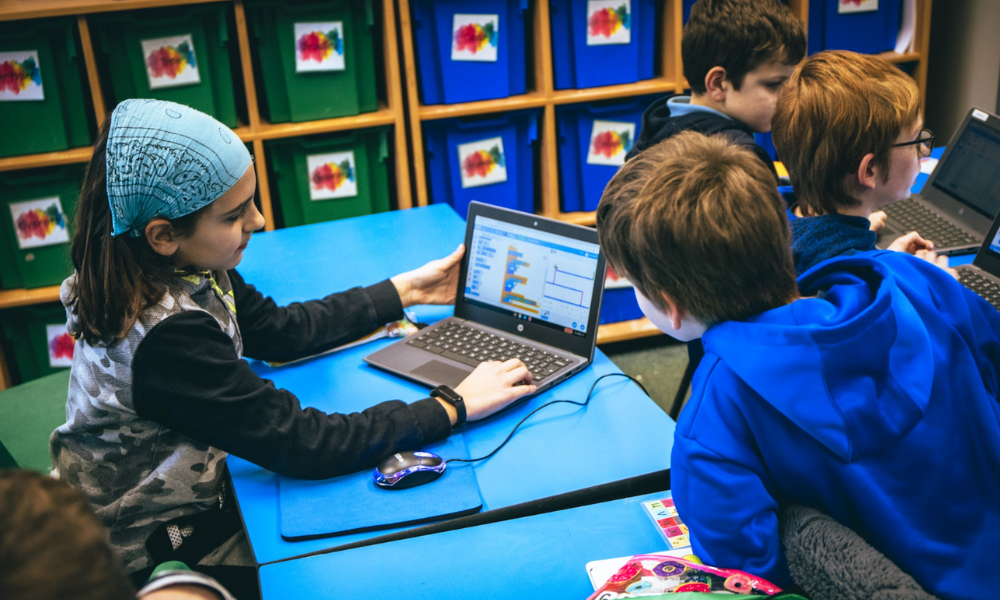
The Raspberry Pi Computing Education Research Centre is starting an exciting new research project investigating how to teach about AI and data in the primary computing classroom, and we would like you to get involved.
The study will look at:
The study involves attending a workshop in Cambridge, co-designing a unit of work, and then teaching it. Where necessary, we can reimburse you for reasonable expenses, such as supply cover, travel, and accommodation.
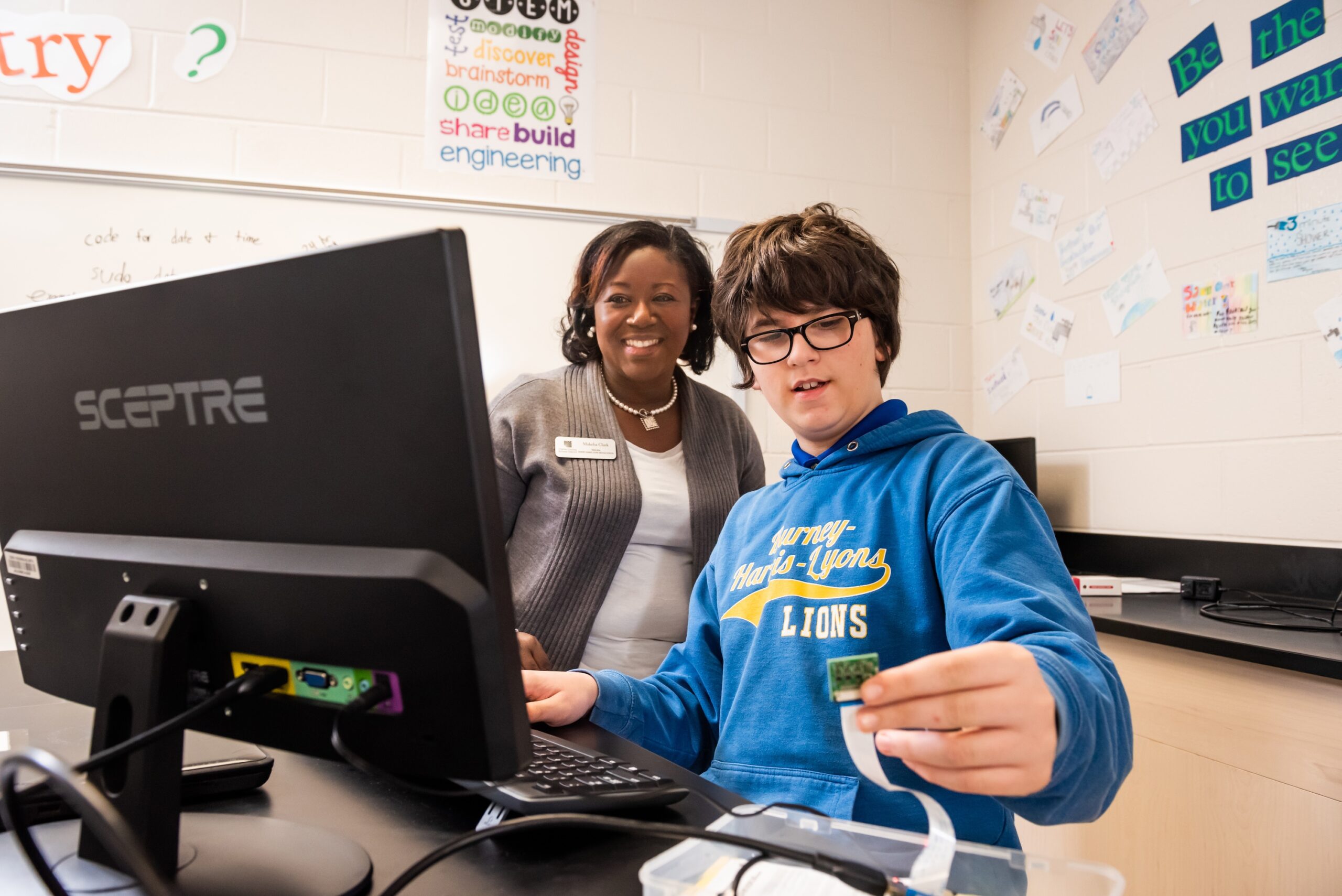
Our aim for the study is to understand how primary school teachers approach teaching about data-driven technologies, and to find suitable methods for building young people’s confidence in working with data in computing lessons.
Research has suggested that new data-driven technologies such as AI and machine learning (or ML) require a different approach to teaching about problem-solving in the computing classroom. Instead of defining a set of rules (e.g. if-then-else statements, or a rule-based approach), learners must instead collect lots of data to train a model (a data-driven approach) such as using Google’s Teachable Machine to classify image data.
For educators and resource developers, we still lack a clear understanding of how to teach young people about how rule-based and data-driven systems differ, how we can talk about them, and how we develop young people’ mental models. We hope this study will help us to find practical ways for primary teachers to build young people’s understanding of AI data in the primary computing classroom.
If you teach at primary level (Years 4, 5 and 6 or P5–P7) in England, Scotland or Wales and are keen to shape how we teach young people about data-driven computing, we invite you to join our new study.
As part of the study, you will attend a workshop with us in Cambridge to co-design a series of data-driven computing lessons to teach in your classroom.
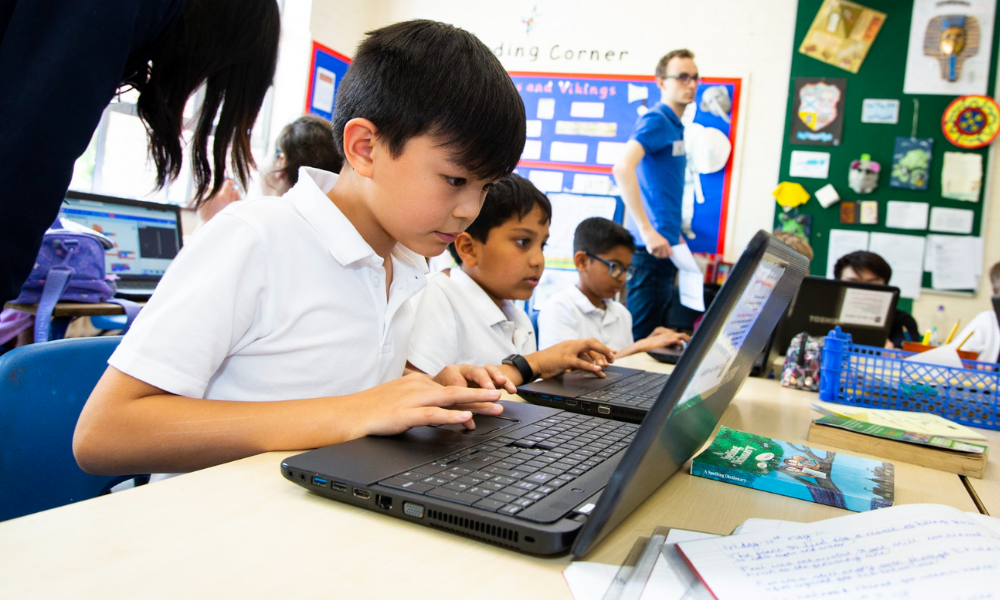
Following the workshop, you will teach the unit of work in your classroom and we will observe one of your lessons and interview you about your experiences.
If you are interested in taking part, register your interest by clicking the link below:
If you have any questions about the project, you can email bobby.whyte@raspberrypi.org.
The post Join our new study on AI and data-driven computing in UK primary classrooms appeared first on Raspberry Pi Foundation.

 Lateo.net - Flux RSS en pagaille (pour en ajouter : @ moi)