 Connexion


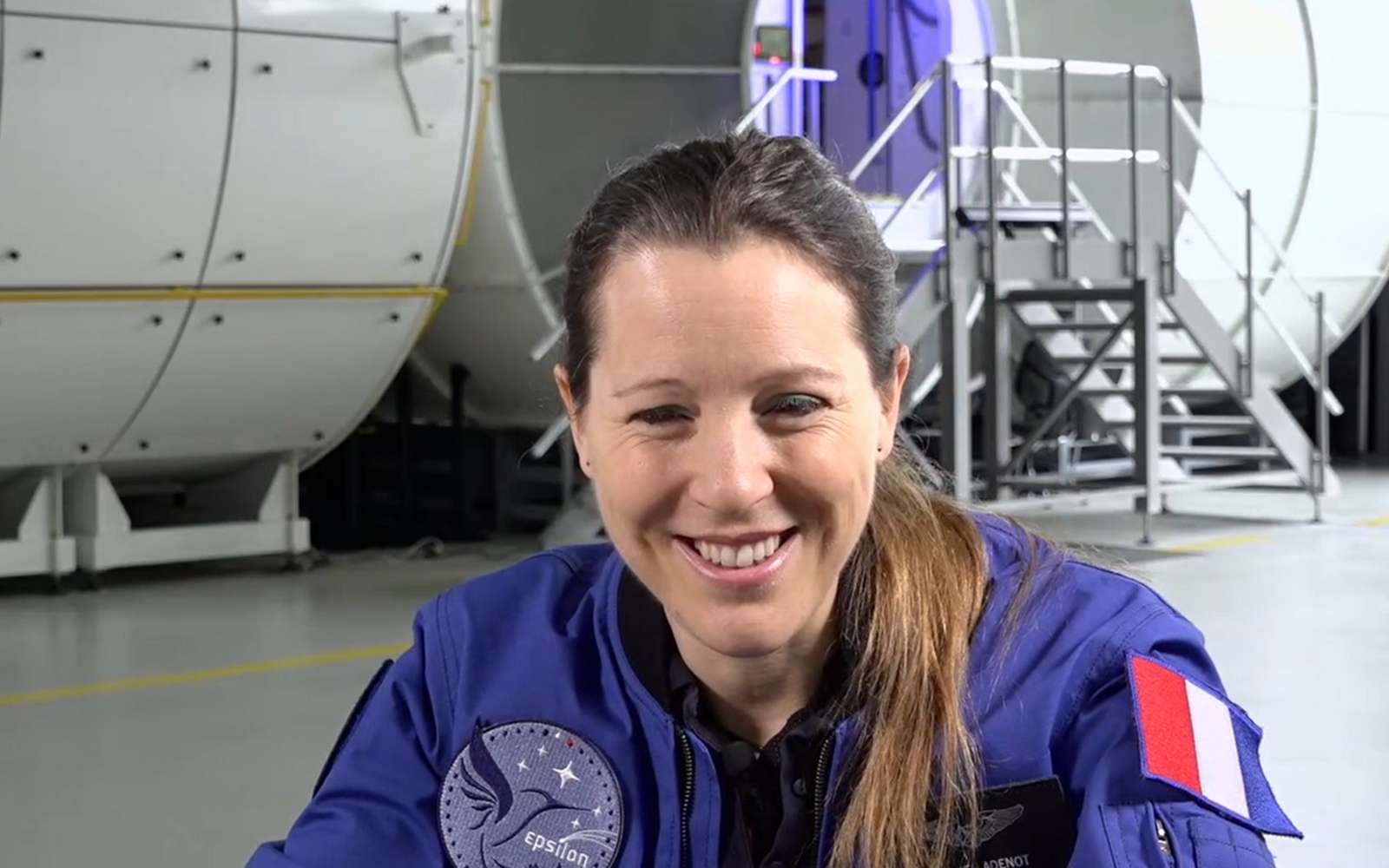










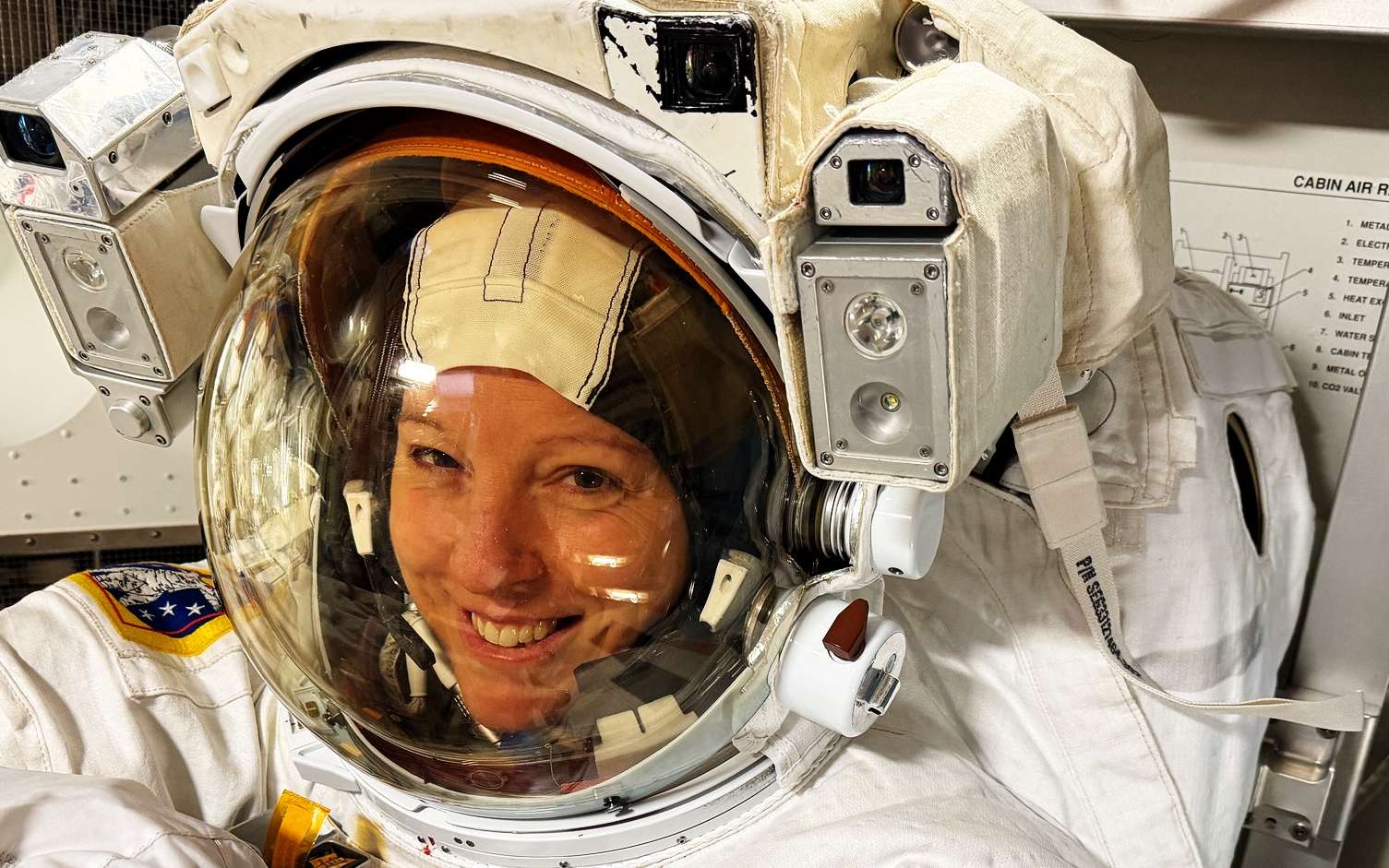

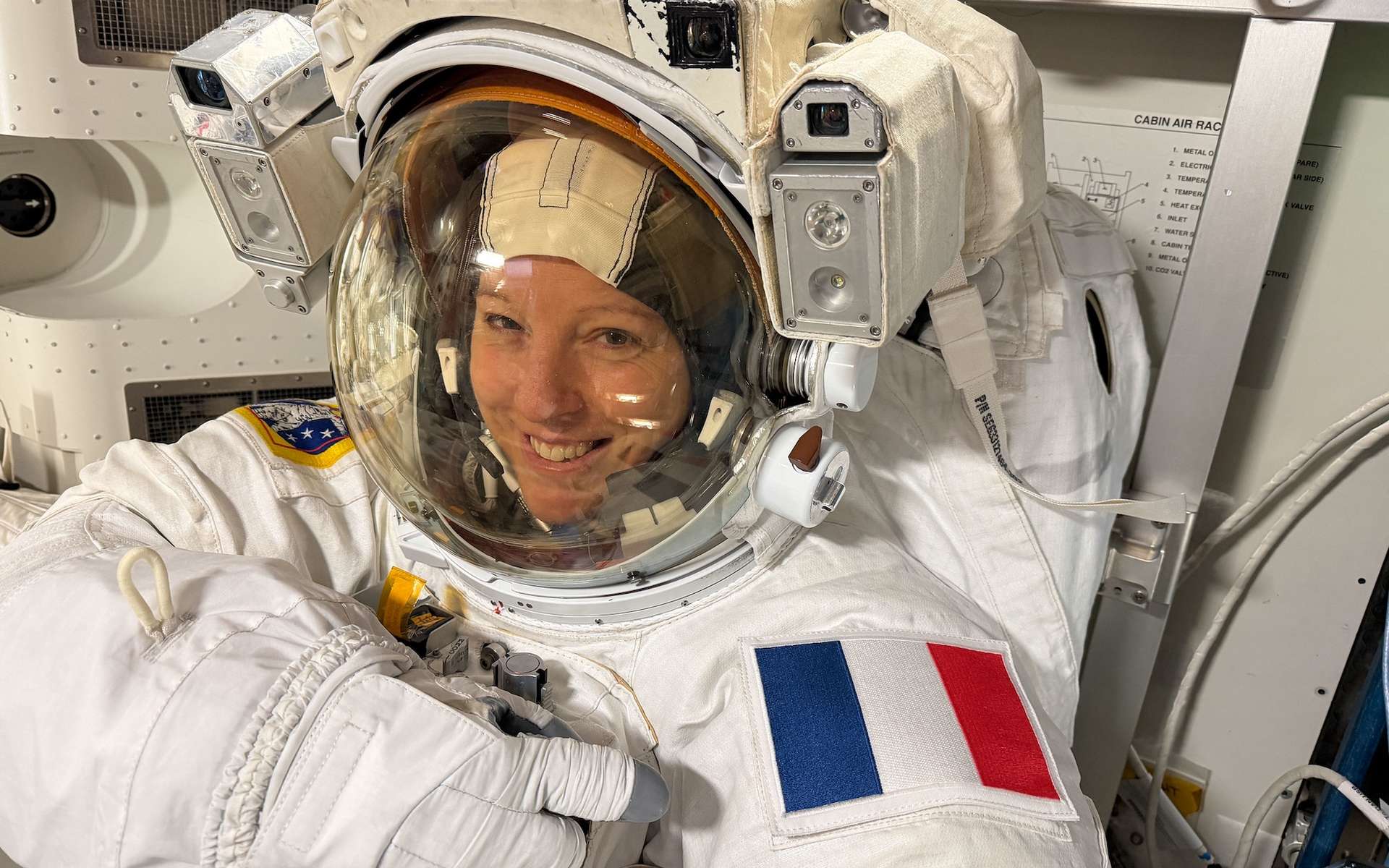






We are thrilled to announce this year’s 2025 cohort of TED Fellows, whose work spans four continents and represents 11 countries. This year’s TED Fellows are tackling some of the world’s most urgent issues with bold and groundbreaking solutions. Among them are an entrepreneur transforming organic waste into bioplastics, a pilot teaching a generation of young African women to fly, a scientist using satellites to fight food insecurity and an illustrator capturing powerful stories that go beyond the headlines.
For 16 years, the TED Fellows program has been committed to finding and supporting the next generation of innovators. The fellowship offers communication training, network-building opportunities and amplification for remarkable individuals who are pushing boundaries in their fields and tackling the world’s greatest challenges.
TED is honored to welcome these new Fellows into a dynamic and active network — of more than 500 global changemakers in over 100 countries — who are driving meaningful impact in their communities and beyond.
To learn more about these TED Fellows and follow their journey, check out @tedfellow or join our newsletter.

Patricia Aymà Maldonado
Biotechnologist | Spain
Patricia Aymà Maldonado, the cofounder of VEnvirotech, has invented technology that uses bacteria to transform organic waste into 100-percent biodegradable plastic in just 24 hours. It’s a low-cost, sustainable approach that stands to revolutionize the plastics industry.

“Delhi Market” (2018) by George Butler. Pen, ink and collage. Butler creates illustrated reportage that offers a slower, more intimate perspective than the daily headlines.

George Butler
Reportage artist | UK
Illustrator George Butler reports on the ground from conflict zones, climate hotspots and humanitarian crises, using pen, ink and watercolors to highlight personal stories of perseverance. By slowing down and going deeper than the headlines, his humanistic approach is shifting how we think about the news.

Dion Dawson
Food equity champion | US
Dion Dawson founded Dion’s Chicago Dream to fight food insecurity in his hometown. Different than the food pantry model that relies on donations, his team purchases, packs and delivers fresh, high-quality produce, ensuring access to healthy meals.

Molly Hemstreet
Sustainable textile entrepreneur | US
Molly Hemstreet, cofounder of The Industrial Commons, is rebuilding the textile industry in her home of Appalachia. By putting workers first and focusing on sustainability, she’s reimagining a $96-billion industry — and creating a model that can be replicated in other rural manufacturing regions, too.

The first Black woman to fly a helicopter in South Africa, Refilwe Ledwaba is a trailblazer in aviation. Here she stands in front of a PC-12 aircraft. Her organization, Girls Fly Africa, provides training and mentorship to inspire the next generation to pursue careers in aviation and aerospace.

Refilwe Ledwaba
Aviation and aerospace educator | South Africa
Refilwe Ledwaba is a pilot, flight instructor and the founder of Girls Fly Africa — a nonprofit inspiring a generation of young people, particularly young women, to learn to fly. Her work provides training and opportunities for youth in aviation and aerospace, boosting their economic and social independence.

Dieuveil Malonga
Culinary innovator | Republic of the Congo + Rwanda
Dieuveil Malonga is a chef who’s elevating African cuisine globally. Through his restaurant, Meza Malonga, and his Culinary Innovation Village, he’s mentoring the next generation of African culinary talent while supporting local economies and promoting sustainable gastronomy.

Catherine Nakalembe
Food security specialist | Uganda + US
Catherine Nakalembe uses satellite technology and machine learning to monitor smallholder farming and improve disaster preparedness. As the director of NASA Harvest’s Africa program, she supports millions of farmers while strengthening food security on the continent.

César Ramírez-Sarmiento
Protein engineer and designer | Chile
César Ramírez-Sarmiento leads educational efforts in protein design in Latin America. His lab designs proteins with AI for therapeutic and environmental applications, including enzymes that break down PET plastic — work that could revolutionize how we manage plastic waste.

Txai Suruí
Land defender | Brazil
Txai Suruí is an Indigenous leader and activist from the Amazon. Deeply committed to her culture’s ancient practices, she also embraces new technology. By using drones to protect ancestral forests and social media to amplify her message globally, she’s securing land rights and creating policy changes.

Deep in the Peruvian Amazon, Claudia Vega collects core sediment samples from a lake in Manu National Park for mercury analysis. She studies the impact of mercury pollution from illegal gold mining — an urgent environmental and public health crisis.

Claudia Vega
Rainforest toxicologist | El Salvador + Peru
Running a world-class lab in the middle of the Amazon, Claudia Vega studies the effects of mercury pollution from illegal gold mining, highlighting an urgent environmental and public health problem with far-reaching impact.
TEDFellows_2025_Cohort-Announcement_TED.com-Blog_1200x900

The podcast After Hours joins the TED Audio Collective’s growing roster of programming, alongside shows like Body Stuff with Jen Gunter, Design Matters with Debbie Millman, Worklife with Adam Grant, ZigZag and The TED Interview with Chris Anderson.
Hosted by acclaimed Harvard Business School professors Youngme Moon, Mihir A. Desai and Felix Oberholzer-Gee, After Hours discusses and debates current events that sit at the crossroads of business and culture. From Facebook to free trade to the #MeToo movement, the show is informed by the hosts’ expertise as professors at one of the world’s leading business schools — and their takes are always fun, surprising, unconventional and insightful.
Moon, Desai and Oberholzer-Gee each bring a different perspective to the conversations based on their diverse backgrounds. Moon’s research focuses on innovation and brand strategy with a particular focus on the digital economy. She is the author of Different, along with a series of best-selling case studies on companies ranging from Uber to Starbucks to IKEA. Desai is a professor at both Harvard Business School and Harvard Law School and the author of The Wisdom of Finance. His research has been cited in The Economist, BusinessWeek and the New York Times. Oberholzer-Gee is the Andreas Andresen Professor of Business Administration in the strategy unit at Harvard Business School. His work has been profiled by media outlets around the world, including The Financial Times, Le Figaro, Neue Zürcher Zeitung and The Straits Times.
As a part of the TED Audio Collective, After Hours will continue to independently produce episodes on meaningful topics related to business and culture — diving deep into the latest headlines. TED will amplify After Hours to its global audience by sharing the content within TED’s original podcasts as well as across TED.com and the TED social channels.
On the addition of After Hours, TED’s director of audio Michelle Quint says, “We’re beyond thrilled that the After Hours team has decided to make TED their new home. Their mix of humor, insight and wisdom is such a natural fit for TED, elevating how we think about business in our daily lives.”
For the rest of 2021, in addition to covering the weekly business news, the hosts are excited to explore bigger topics like the influencer economy and the power of big tech, as well as doing deep dives into the wellness industry, food culture and more. Finally, they’ll kick off 2022 with their big predictions for the upcoming year.
New episodes of After Hours will air every Wednesday.
The TED Audio Collective and After Hours are supported by TED’s global partners. Learn more about TED Partnerships here.
Listen to After Hours on Apple Podcasts, Spotify or wherever you get your podcasts.
After Hours Blog Image
How do we ensure that tomorrow is better than today, not just for ourselves but also for future generations and the entire planet? Fairness is ultimately the central challenge of sustainable development — development that benefits all, without harming or leaving any behind. At TED Salon: Fairness and Our Future — a virtual program presented in partnership with the United Nations Development Programme (UNDP) and hosted by TED curator, writer and activist Sally Kohn and Special Advisor, Strategic Planning & Innovation, UNDP Joseph D’Cruz — four speakers explored the intersection of development and fairness, asking us all to imagine what truly shared prosperity and possibility looks like.
The talks in brief:
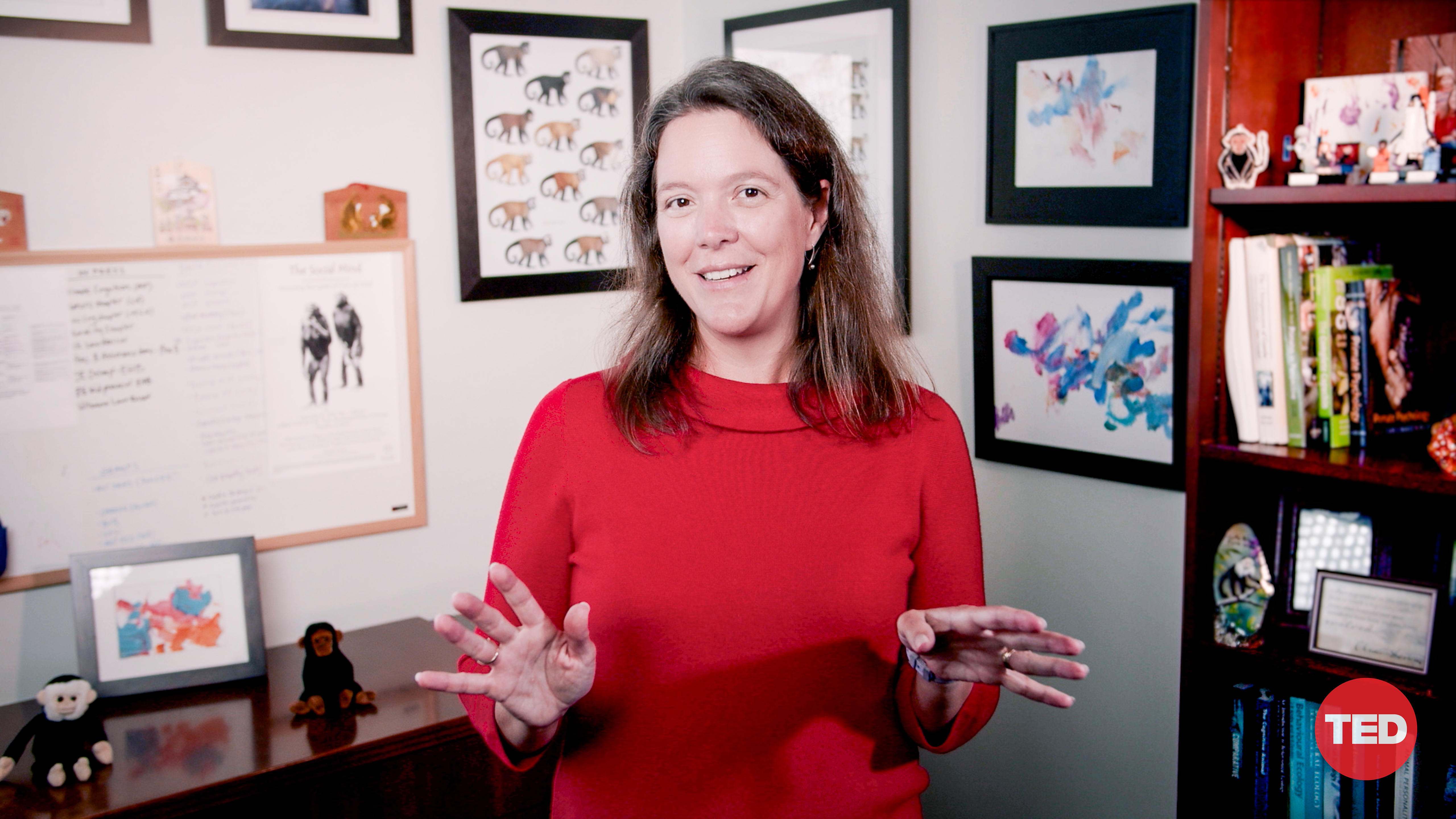
“We evolved to care about fairness because we rely on each other for a cooperative society,” says primatologist Sarah Brosnan. She speaks at TED Salon: Fairness and Our Future, in partnership with the UNDP, on December 9, 2020. (Photo courtesy of TED)
Sarah Brosnan, primatologist
Big idea: The value of fairness transcends species. Much like capuchin monkeys, humans evolved to care about equality because society is fortified by cooperation — and we all do better when everybody plays fair.
Why? In her time studying and interacting with capuchin monkeys, Sarah Brosnan and her graduate adviser, Frans de Waal, performed a simple study: they sat two monkeys, Lance and Winter, side by side, and gave them rewards in exchange for tokens. Lance traded tokens for cucumbers and Winter traded for grapes. In the hierarchy of monkey preferences, a grape is a better reward than a cucumber — but still, Lance was happy with her trade until she saw Winter start receiving grapes instead of cucumbers. After observing that Winter’s trade deal was different from her own — and feeling a sense of unfairness — Lance began to throw her cucumbers away. A similar pattern of behavior can be observed in humans, too, whether it’s a child getting a smaller piece of cake than her sibling or an employee making less money than his coworkers. Amazingly, across primates the same holds true for the opposite situation: we also care when we get more than others for doing the same task. Why? Because humans are interconnected and interdependent, and we recognize the importance of cooperative partnerships where everybody gets their fair share. Without cooperation, the whole system falls apart, Brosnan says. This evolutionary pull towards fairness extends far beyond the lab and underpins our fight for racial justice and equitable access to resources. The issues humans face are far more complex than cucumbers and grapes, but if capuchin monkeys can teach us anything, it’s that we evolved to care about fairness — and we rely on each other to prosper.
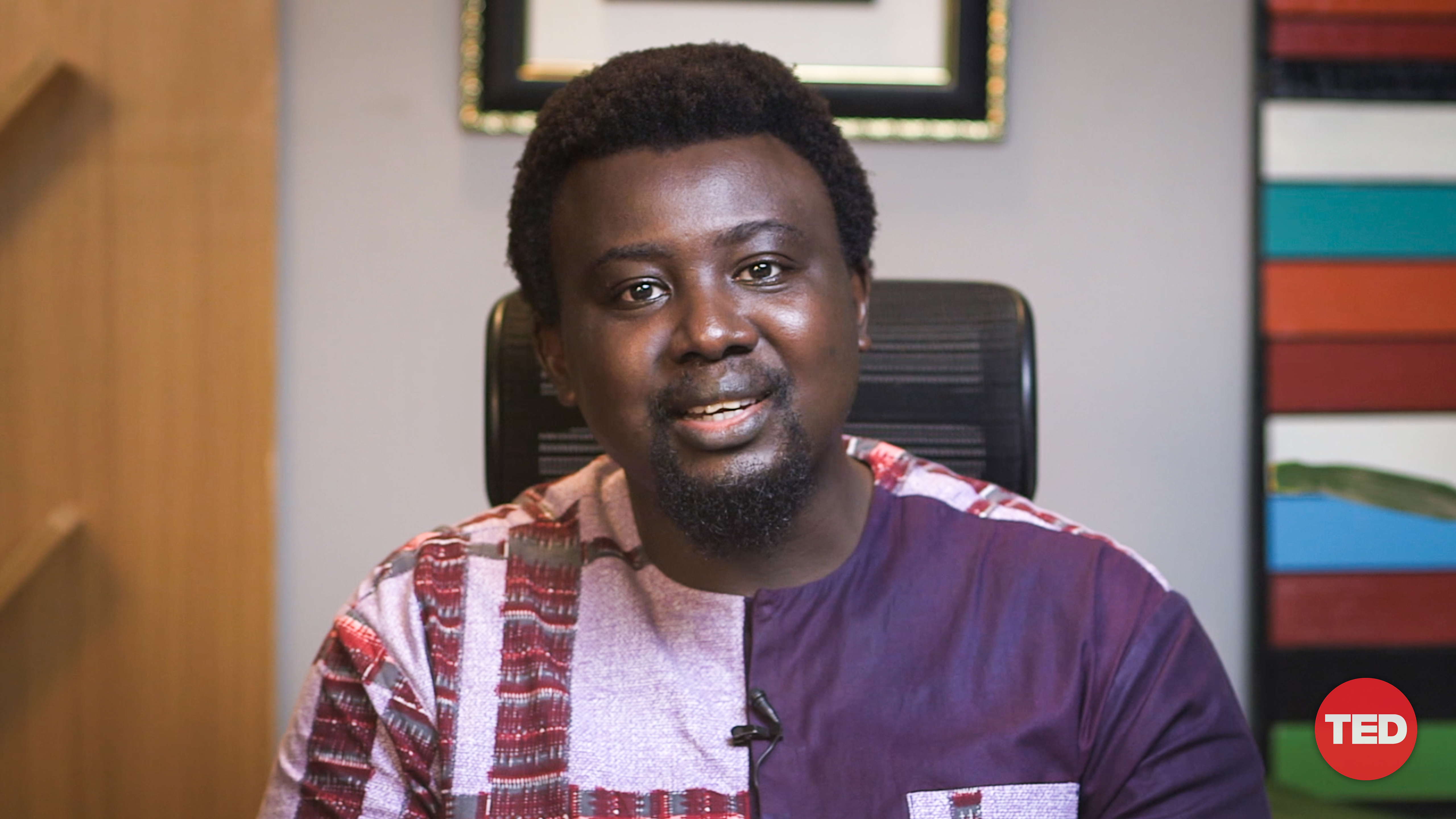
“Inequality must be seen as the global epidemic that it is,” says tech inclusionist ‘Gbenga Sesan. He speaks at TED Salon: Fairness and Our Future, in partnership with the UNDP, on December 9, 2020. (Photo courtesy of TED)
‘Gbenga Sesan, tech inclusionist
Big idea: We must eradicate inequality by giving everybody fair access to technology.
How? Centuries of inequality can’t simply be solved with gadgets — we need to supply training and resources that fully level the playing field, says ‘Gbenga Sesan. That’s why he started the Paradigm Initiative, to help those in his native Nigeria learn how to use technology in a way that sustains their hopes and dreams and ultimately leads to greater development for the entire African continent. In creating systemic solutions for tackling the inequality that 40 percent of the world experiences, Sesan seeks to create lasting fairness for all by offering the opportunities, support and equal advantages for the next generations to succeed.
“Desperate times can lead to beautiful, strategic and innovative solutions,” says climate justice leader Angela Mahecha Adrar. She speaks at TED Salon: Fairness and Our Future, in partnership with the UNDP, on December 9, 2020. (Photo courtesy of TED)
Angela Mahecha Adrar, climate justice leader
Big idea: Corporations and big business helped create the climate crisis — but frontline communities are leading the world to clean, innovative and just climate solutions.
How? All over the world, low income and BIPOC people disproportionately live in so-called “sacrifice zones”: urban areas polluted and poisoned by industry and corporate greed. These frontline communities bear the brunt of disastrous environmental changes they did not cause. Since economic and racial injustice helped create climate change, climate solutions must include economic and racial justice, says Angela Mahecha Adrar. She believes frontline communities are the key to developing innovative, effective solutions that deliver climate justice. For example, Cooperativa Tierra y Libertad, a local farm co-op in Washington State, is breaking into the United States’s multibillion-dollar berry business. The co-op renews land, pays its workers $15 an hour and has plans to create energy-efficient worker housing and community spaces. Like Tierra y Libertad, frontline communities across the globe are standing up to big business by creating climate solutions tailored to their neighborhood’s needs.
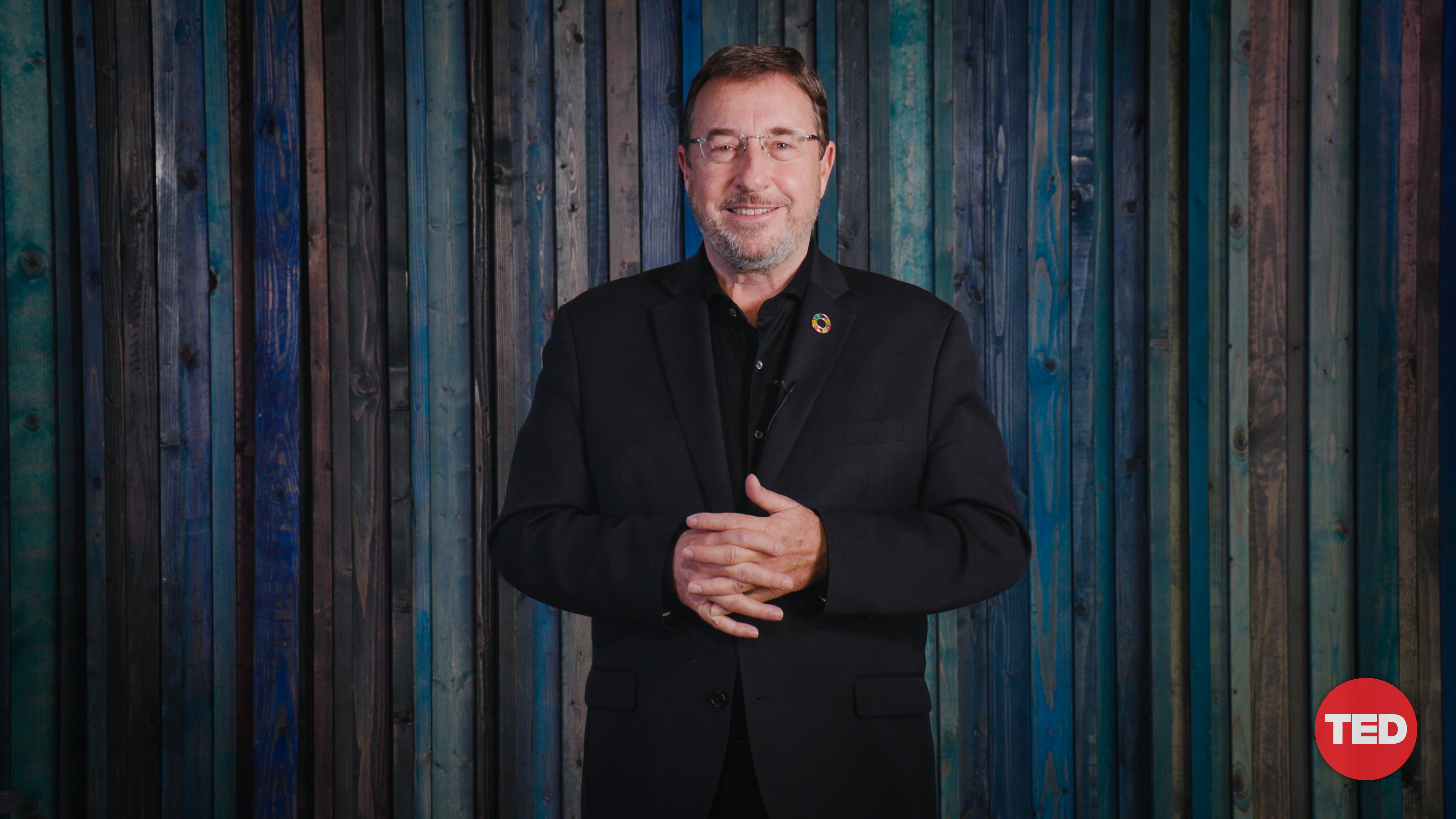
“Our challenge is to come together to preserve our collective self-interest and humanity, rather than tearing ourselves asunder,” says sustainability champion Achim Steiner. He speaks at TED Salon: Fairness and Our Future, in partnership with the UNDP, on December 9, 2020. (Photo courtesy of TED)
Achim Steiner, sustainability champion
Big idea: The dominant risk to humanity’s survival is … humanity itself. But across the world, people are choosing to do things differently and writing a new, sustainable and equitable chapter for people and the planet.
How? Achim Steiner, head of the UNDP, traces the origins of the United Nations back to the effort to build peace out of the ashes of World War II. Now, he says, another kind of war is brewing — one we’re waging against ourselves. In the current geological age of the Anthropocene, humans have the unprecedented power to shape the planet — for better or worse. We’ve achieved great things (like eradicating smallpox), but we’ve also taken humankind and many other species to the brink, a reality reinforced by the coronavirus pandemic. In order to survive and prosper, we must choose to do things differently. So what’s the path forward? Steiner takes us on a global tour of individuals and societies that are building a better future. For example, Costa Rica abolished its army in order to redirect military spending to education, health and the environment (including paying people to regenerate forests); Denmark has committed to producing all of its electricity from renewable sources by 2050; and Bhutan measures its progress based on gross national happiness, rather than GDP. These are but a few examples of people working to put the planet back in balance. Though we are different, Steiner says, we must choose to be united in building lasting, sustainable peace.
Achim Steiner speaks at TEDSalon UNDP, December 9, 2020. Photo courtesy of TED.
In this moment of great uncertainty, it’s time to be fearless. TEDWomen 2020, a day-long event hosted on TED’s virtual event platform, is all about fearlessness — in the way we think, act, participate — and how this collective mentality can empower us to take a global step forward, together. The day kicked off with an inspiring session of talks and performances, all designed to take us on a journey of curiosity, wonder and learning. Hosted by TEDWomen curator Pat Mitchell and TEDx learning specialist Bianca DeJesus, seven speakers and performers showed us how to find the strength and clarity needed to navigate an ever-changing, ever-challenging world.
Music: The group Kolinga performs “Nguya na ngai,” an original song that’s equal parts music, poetry and dance.
Special appearance: Grace Yang, organizer of TEDxMontrealWomen, joins the event to represent the global TEDx community, through which more than 140 TEDx teams in 51 countries are organizing TEDxWomen events alongside the main show.
The session in brief:
To open the session, activist and poet Apiorkor Seyiram Ashong-Abbey delivers a powerful hymn to the universal matriarch in all of her manifestations — exalting her fearlessness as she faces the unknown, praising her body down to the folds of her skin, shouting against the silence surrounding her oppression, and above all shattering the chains (political and social) that bind her across the globe.
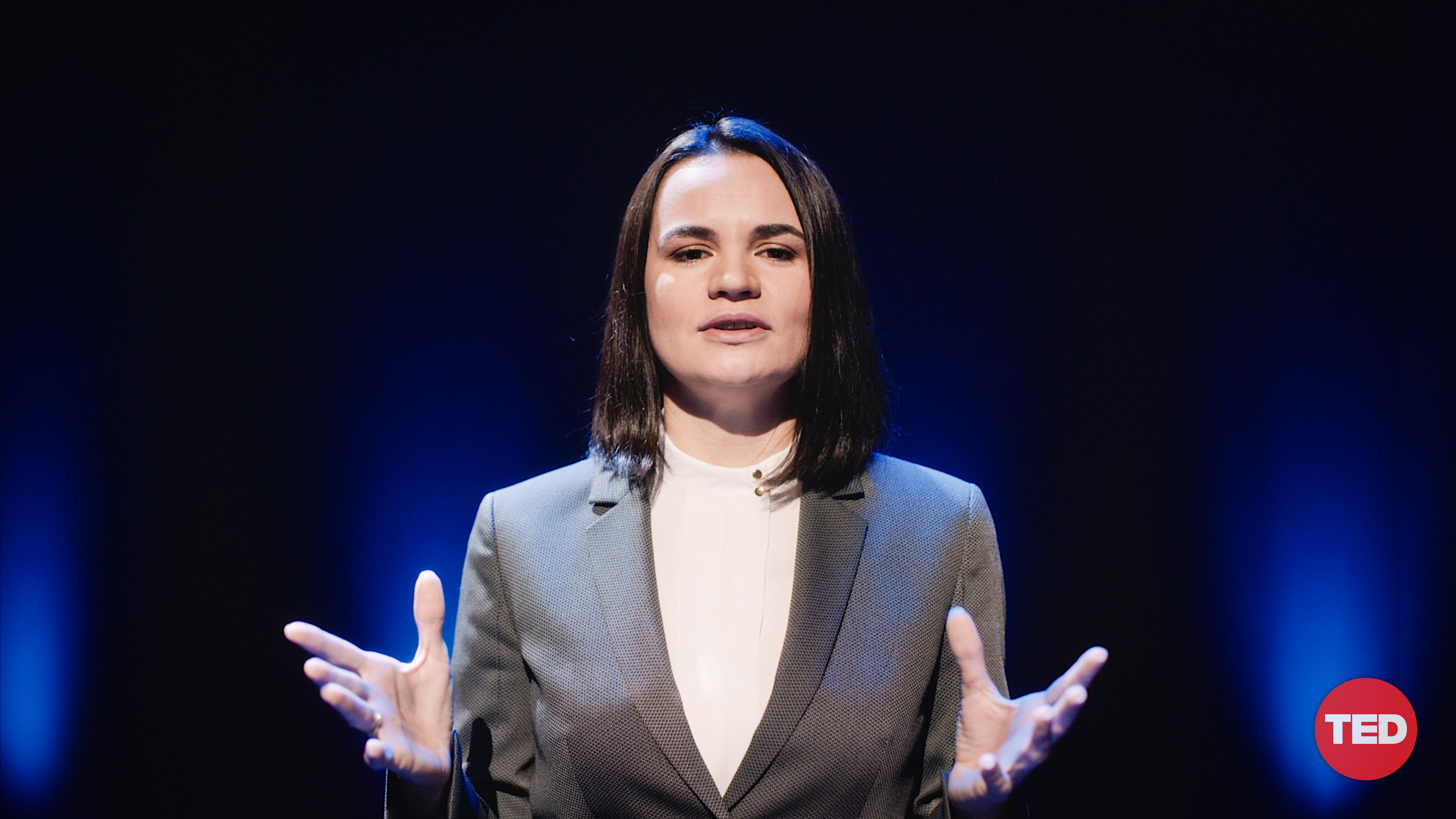
“Our courage is born from unity; our solidarity is our strength,” says Sviatlana Tsikhanouskaya, leader of the national democratic movement in Belarus. She speaks at TEDWomen 2020 on November 12, 2020. (Photo courtesy of TED)
Sviatlana Tsikhanouskaya, politician
Big idea: In the face of authoritarianism, the path to fearlessness lies in unity and solidarity.
How? The people of Belarus have been under authoritarian rule since 1994, subject to police violence and everyday assaults on their freedoms. But this year, something changed. Tens of thousands have taken to the streets to participate in anti-government demonstrations, supporting Sviatlana Tsikhanouskaya’s campaign in opposition to the country’s authoritarian leader, Aleksandr G. Lukashenko. Tsikhanouskaya stepped in for her husband, who was jailed, to run against Lukashenko in the nation’s recent presidential election — an election she is widely viewed to have won, despite falsified results released by the regime. Now, she tells the story of how a small collection of women-led protests in the capital of Minsk sparked massive, peaceful demonstrations across the country — the likes of which Belarus has never seen — that continue amid calls for a new free and fair election. Even after being forced into exile with her children, Tsikhanouskaya remains determined. “Our courage is born from unity,” she says. “Our solidarity is our strength.”
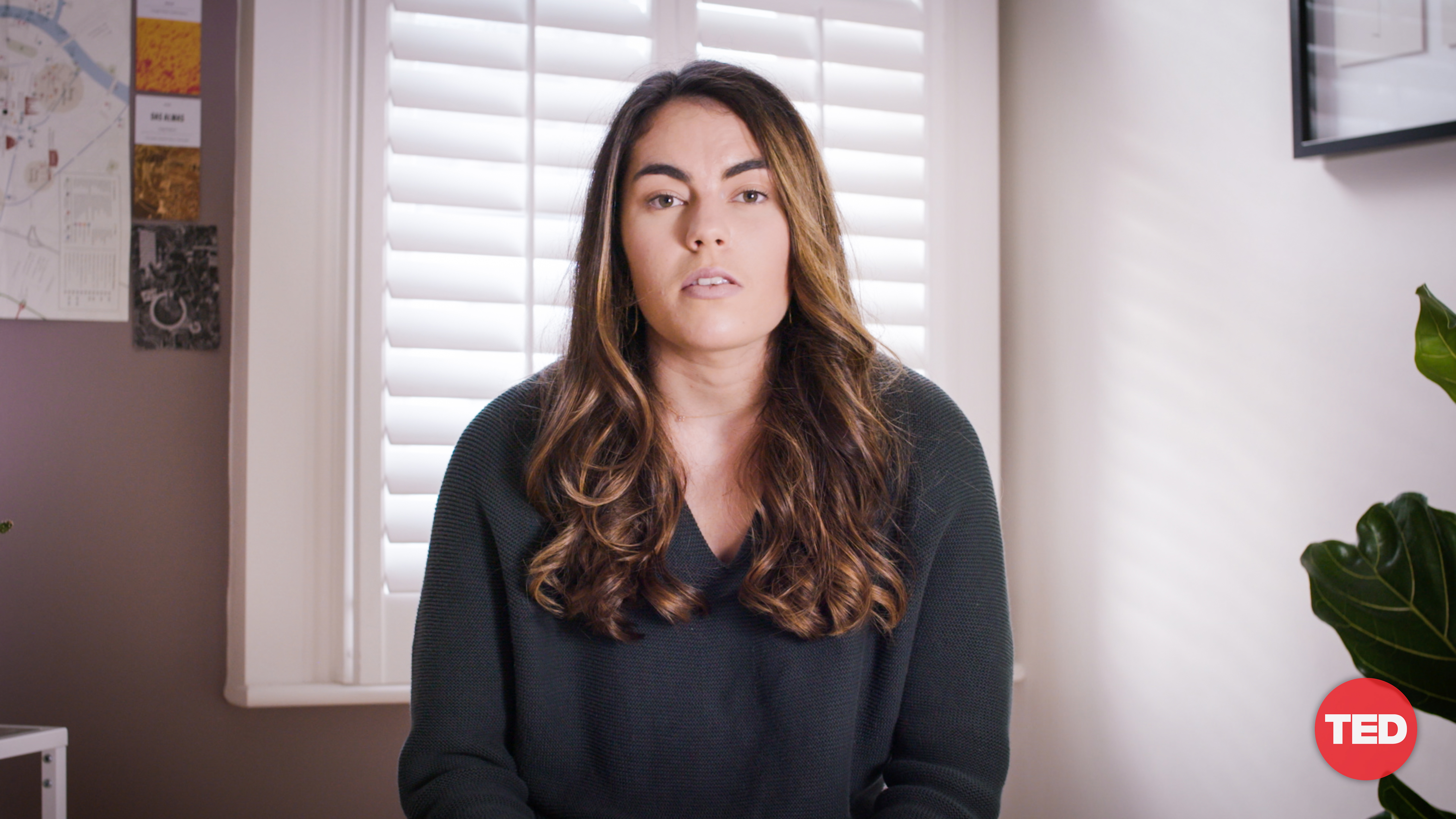
In April 2020, Sophie Rose volunteered to be infected with COVID-19 as part of a human challenge trial. She makes the case for these trials at TEDWomen 2020 on November 12, 2020. (Photo courtesy of TED)
Sophie Rose, infectious disease researcher
Big idea: To quickly and equitably vaccinate the world’s eight billion people against COVID-19, we will need several approved vaccines. Human challenge trials may help speed up the development and deployment of effective vaccines.
How? In April 2020, Sophie Rose volunteered to be infected with COVID-19. As a young, healthy adult, she’s participating in a “human challenge trial” — a type of trial in which participants are intentionally exposed to infection — that may help researchers develop, manufacture and implement vaccines in record time, saving the lives of thousands of people. She explains her decision and the difference between challenge trials and the phase III clinical trials typically carried out for drugs and vaccines. Unlike phase III trials, where participants receive a vaccine and are subsequently monitored for possible infection throughout the course of their normal lives, challenge trial participants are purposely exposed to the virus after vaccination. Deliberate exposure allows researchers to know more quickly if the vaccine works (usually within a matter of months, instead of years) and requires fewer participants (around 50 to 100 instead of thousands). Because exposure is certain, challenge trial volunteers must be young, typically between ages 20 and 29, and have no preexisting conditions that could put them at an elevated risk. Since choosing to participate, Rose cofounded 1Day Sooner, a nonprofit that advocates for challenge trial participants and has helped more than 39,000 people around the world volunteer for these trials.
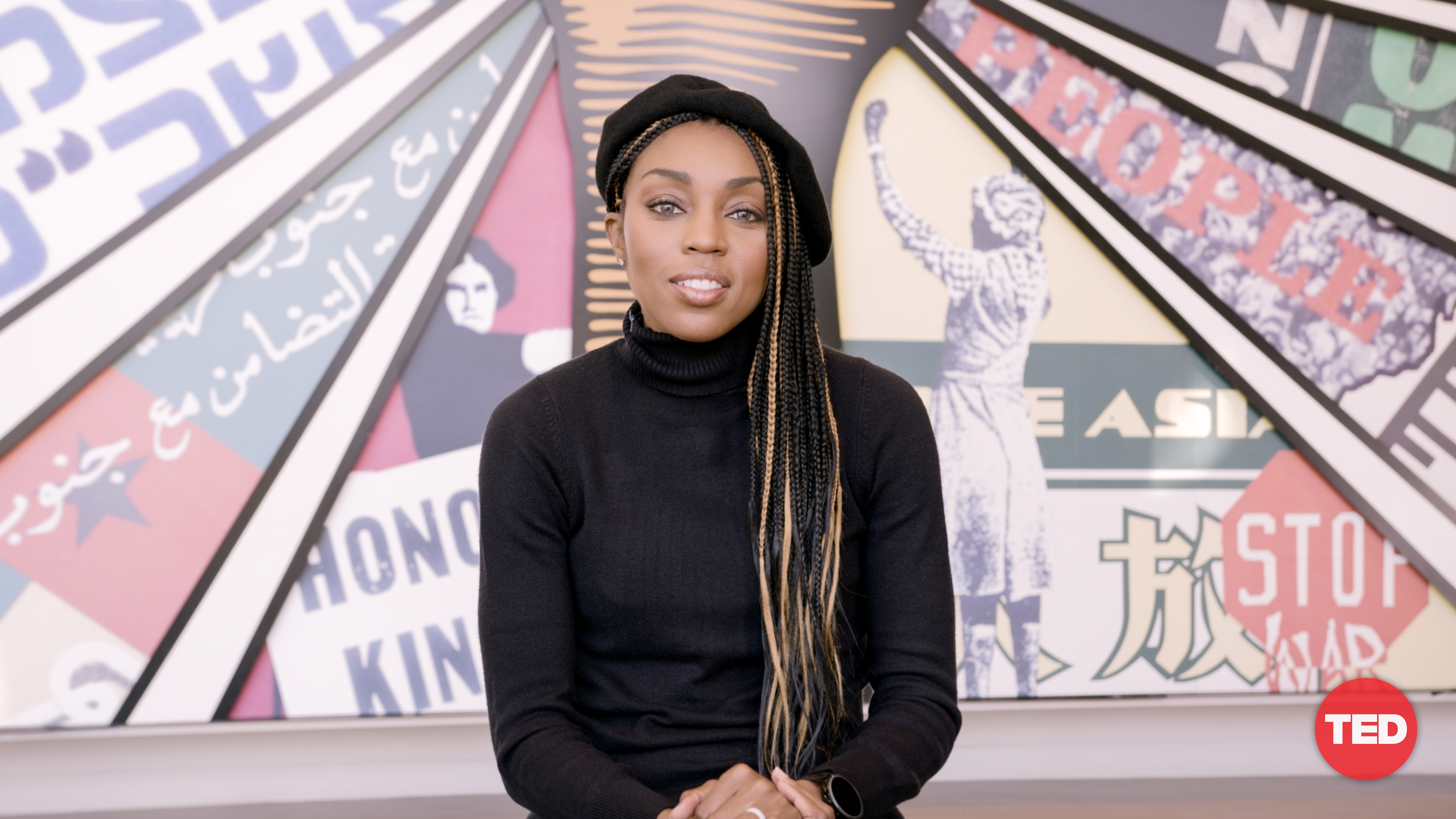
“It’s not just protesting and raising your voice, but also doing something to show your intentions,” says WNBA champion Renee Montgomery. She speaks at TEDWomen 2020 on November 12, 2020. (Photo courtesy of TED)
Renee Montgomery, WNBA champion, activist
Big idea: For people’s voices to be heard in the face of injustice, they need to be “felt.” We can do this by opting out of our comfort zones and taking positive social action.
How? Renee Montgomery hadn’t planned to quit her dream job in the middle of a pandemic, but it was a leap of faith she made in order to do her part in fighting America’s racial injustice. By “opting out” of her career as a WNBA player, she made space to focus on others’ voices and amplify them with her platform. Montgomery explains that, to truly have these experiences heard, they need to be felt: “Making it felt for me is an action,” she says. “It’s not just protesting and raising your voice, but also doing something to show your intentions.” Her intentions? To level the playing field so everyone has the same opportunities, regardless of race, and to turn this moment into positive, lasting momentum.
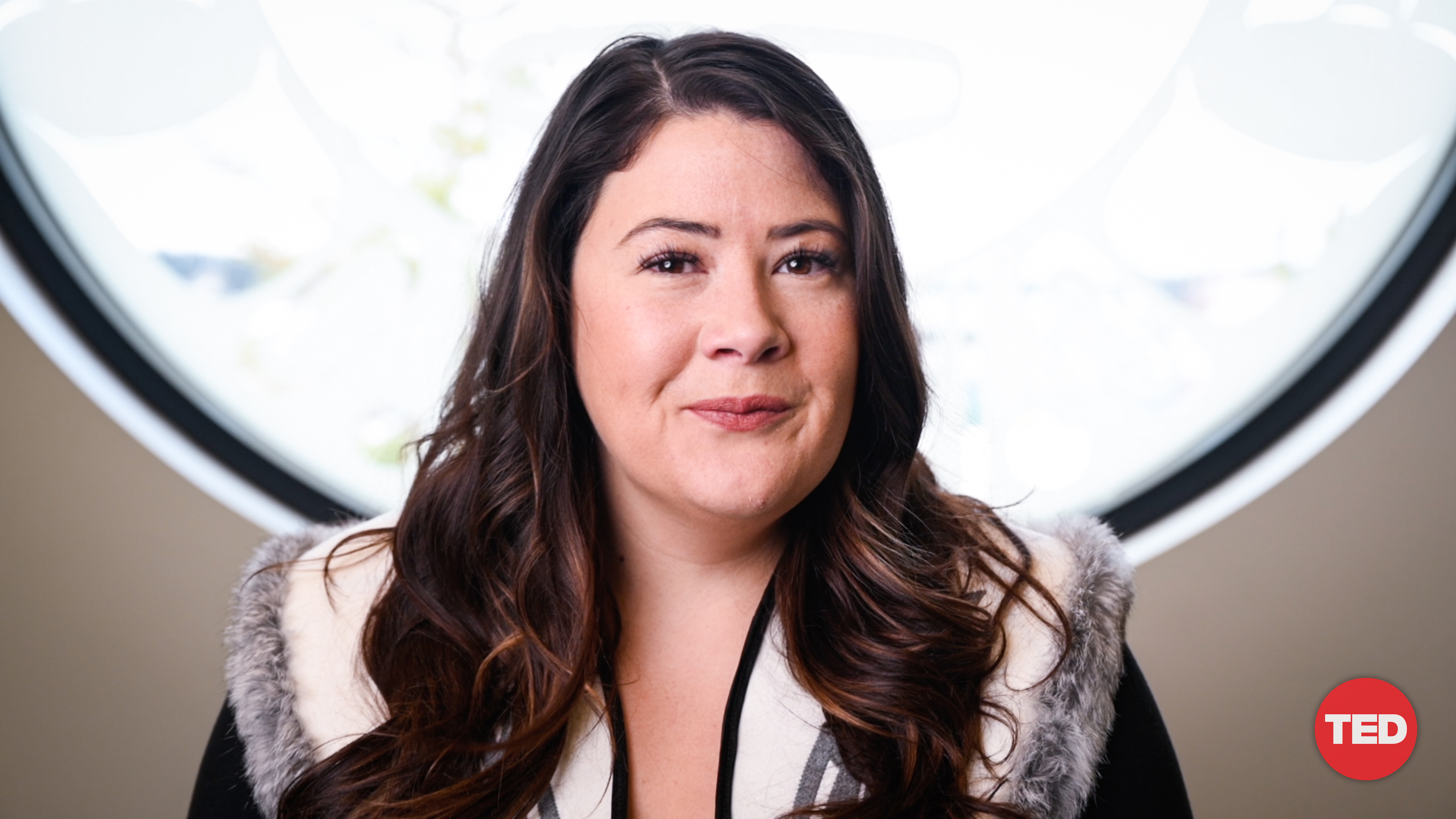
Yukon Regional Chief Kluane Adamek shares the legacy of matriarchs in the Yukon First Nations at TEDWomen 2020 on November 12, 2020. (Photo courtesy of TED)
Kluane Adamek, Yukon Regional Chief
Big idea: Leadership and matriarchal wisdom of the Yukon First Nations people.
Tell us more: In the Yukon First Nations, women lead — and have done so for generations. Their matriarchs have forged trade agreements, created marriage alliances and ensured business happens across their land for generations. Their matrilineal society is one that deeply values, honors and respects the roles of women. Much of the world doesn’t reflect this way of living, but Yukon Regional Chief Kluane Adamek urges others to follow in the footsteps of her people — by putting more women at the table and learning from the power of reciprocity. There’s so much women can share with the world, she says, encouraging all women to seek spaces to share their perspective and create impact.

Voto Latino CEO María Teresa Kumar reflects on the historic number of Latinx voters who cast a ballot in the US 2020 presidential election — and how they’ll shape the future. She speaks live at the TEDWomen 2020 on November 12, 2020. (Photo courtesy of TED)
María Teresa Kumar, civic leader
Big idea: The engaged and growing Latinx vote turned out in record numbers during the US 2020 presidential election and has the potential to shape American politics for decades to come.
How? A historic number of Latinx voters cast a ballot in the US 2020 presidential election. As the nation’s most rapidly growing demographic, Latinx youth are voting for a brighter future. María Teresa Kumar, CEO of Voto Latino, reflects on the issues closest to young Latinx voters and their families, which include health care, climate equity and racial justice. With a look back to FDR’s New Deal, which catalyzed growth, nation-building and paved the way for JFK’s century-defining Moonshot mission, Kumar peeks into the future of the United States and sees the potential for the newest generation of voters to shape the years ahead.
TW2020_SviatlanaTsikhanouskaya_0008_logo

TEDWomen 2020 is nearly here! The day-long conference will take place on November 12 via TED’s new virtual conference platform. TEDWomen attendees will experience TED’s signature talks as well as an array of live, interactive sessions, community “idea dates,” small-group speaker Q&As and more. The talks featured in the program have been developed in collaboration with an incredible group of TEDx organizers from Lagos, Nigeria; Port of Spain, Trinidad and Tobago; Montreal, Canada; Colombo, Sri Lanka; and Sydney, Australia. TEDWomen will celebrate and amplify dynamic, multi-dimensional ideas from these communities and around the world.
In the midst of uncertainty, the greatest peril is to retreat or become immobilized. At TEDWomen, we’ll hear from bold leaders who are stepping forward and taking action.
TEDWomen 2020 speakers and performers include:
TED has partnered with a number of organizations to support its mission and contribute to the idea exchange at TEDWomen 2020. These organizations are collaborating with the TED team on innovative ways to engage a virtual audience and align their ideas and perspectives with this year’s programming. This year’s partners include: Boston Consulting Group, Dove Advanced Care Antiperspirant, Project Management Institute and the U.S. Air Force.
TEDWomen 2020 is taking place on November 12, 11am – 6pm ET. TEDWomen applications will be accepted until 9am ET, November 9 (or until sold out). Learn more and apply now!
TW2020_TED Blog_2000x2000
For week 2 of TED2020, global leaders in climate, health and technology joined the TED community for insightful discussions around the theme “build back better.” Below, a recap of the week’s fascinating and enlightening conversations about how we can move forward, together.

“We need to change our relationship to the environment,” says Chile’s former environment minister Marcelo Mena. He speaks with TED current affairs curator Whitney Pennington Rodgers at TED2020: Uncharted on May 26, 2020. (Photo courtesy of TED)
Marcelo Mena, environmentalist and former environment minister of Chile
Big idea: People power is the antidote to climate catastrophe.
How? With a commitment to transition to zero emissions by 2050, Chile is at the forefront of resilient and inclusive climate action. Mena shares the economic benefits instilling green solutions can have on a country: things like job creation and reduced cost of mobility, all the result of sustainability-minded actions (including phasing coal-fired power plants and creating fleets of energy-efficient buses). Speaking to the air of social unrest across South America, Mena traces how climate change fuels citizen action, sharing how protests have led to green policies being enacted. There will always be those who do not see climate change as an imminent threat, he says, and economic goals need to align with climate goals for unified and effective action. “We need to change our relationship to the environment,” Mena says. “We need to protect and conserve our ecosystems so they provide the services that they do today.”

“We need to insist on the future being the one that we want, so that we unlock the creative juices of experts and engineers around the world,” says Nigel Topping, UK High Level Climate Action Champion, COP26. He speaks with TED Global curator Bruno Giussani at TED2020: Uncharted on May 26, 2020. (Photo courtesy of TED)
Nigel Topping, UK High Level Climate Action Champion, COP26
Big idea: The COVID-19 pandemic presents a unique opportunity to break from business as usual and institute foundational changes that will speed the world’s transition to a greener economy.
How? Although postponed, the importance of COP26 — the UN’s international climate change conference — has not diminished. Instead it’s become nothing less than a forum on whether a post-COVID world should return to old, unsustainable business models, or instead “clean the economy” before restarting it. In Topping’s view, economies that rely on old ways of doing business jeopardize the future of our planet and risk becoming non-competitive as old, dirty jobs are replaced by new, cleaner ones. By examining the benefits of green economics, Topping illuminates the positive transformations happening now and leverages them to inspire businesses, local governments and other economic players to make radical changes to business as usual. “From the bad news alone, no solutions come. You have to turn that into a motivation to act. You have to go from despair to hope, you have to choose to act on the belief that we can avoid the worst of climate change… when you start looking, there is evidence that we’re waking up.”

“Good health is something that gives us all so much return on our investment,” says Joia Mukherjee. Shes speaks with head of TED Chris Anderson at TED2020: Uncharted on May 27, 2020. (Photo courtesy of TED)
Joia Mukherjee, Chief Medical Officer, Partners in Health (PIH)
Big idea: We need to massively scale up contact tracing in order to slow the spread of COVID-19 and safely reopen communities and countries.
How? Contact tracing is the process of identifying people who come into contact with someone who has an infection, so that they can be quarantined, tested and supported until transmission stops. The earlier you start, the better, says Mukherjee — but, since flattening the curve and easing lockdown measures depend on understanding the spread of the disease, it’s never too late to begin. Mukherjee and her team at PIH are currently supporting the state of Massachusetts to scale up contact tracing for the most vulnerable communities. They’re employing 1,700 full-time contact tracers to investigate outbreaks in real-time and, in partnership with resource care coordinators, ensuring infected people receive critical resources like health care, food and unemployment benefits. With support from The Audacious Project, a collaborative funding initiative housed at TED, PIH plans to disseminate its contact tracing expertise across the US and support public health departments in slowing the spread of COVID-19. “Good health is something that gives us all so much return on our investment,” Mukherjee says. See what you can do for this idea »

Google’s Chief Health Officer Karen DeSalvo shares the latest on the tech giant’s critical work on contact tracing. She speaks with head of TED Chris Anderson at TED2020: Uncharted on May 27, 2020. (Photo courtesy of TED)
Karen DeSalvo, Chief Health Officer, Google
Big idea: We can harness the power of tech to combat the pandemic — and reshape the future of public health.
How? Google and Apple recently announced an unprecedented partnership on the COVID-19 Exposure Notifications API, a Bluetooth-powered technology that would tell people they may have been exposed to the virus. The technology is designed with privacy at its core, DeSalvo says: it doesn’t use GPS or location tracking and isn’t an app but rather an API that public health agencies can incorporate into their own apps, which users could opt in to — or not. Since smartphones are so ubiquitous, the API promises to augment contact tracing and help governments and health agencies reduce the spread of the coronavirus. Overall, the partnership between tech and public health is a natural one, DeSalvo says; communication and data are pillars of public health, and a tech giant like Google has the resources to distribute those at a global scale. By helping with the critical work of contact tracing, DeSalvo hopes to ease the burden on health workers and give scientists time to create a vaccine. “Having the right information at the right time can make all the difference,” DeSalvo says. “It can literally save lives.”
After the conversation, Karen DeSalvo was joined by Joia Mukherjee to further discuss how public health entities can partner with tech companies. Both DeSalvo and Mukherjee emphasize the importance of knitting together the various aspects of public health systems — from social services to housing — to create a healthier and more just society. They also both emphasize the importance of celebrating community health workers, who provide on-the-ground information and critical connection with people across the world.
Joia_Mukherjee_0001

brianwgreene89


The first seven big ideas supported by The Audacious Project have had incredible impact so far. Watch our session live from TED2019 to discover the ideas receiving support this year. Photo: Ryan Lash/TED
One year ago, TED launched The Audacious Project — an initiative to help change-makers with big, bold ideas for tackling global challenges find the support to make their visions a reality. What’s happened since has been amazing. Thousands of people in the US are awaiting trials at home rather than in jail cells now because of the work of The Bail Project … almost a million farm families are enjoying better harvests in Sub-Saharan Africa because of One Acre Fund’s efforts … and read on for more stories like these. Put simply, these seven ideas are affecting lives around the world.
Our next group of audacious ideas will be revealed at TED2019 — watch live on Tuesday, April 16, at 8pm ET/5pm PT through AudaciousProject.org to discover the change-making ideas that will achieve liftoff this year. In the meantime, enjoy the latest updates from the 2018 projects.
.
The Bail Project’s bail disruptors are now working in 11 sites across the US, where collectively they have paid bail and provided pretrial support for more than 4,000 people. They are working with their clients to ensure they can return to court, get access to any social services they need, and remain with their families and communities while awaiting trial. In the video above, some of these disruptors share why this work is so meaningful to them. “After eight and a half months of sitting in jail, I decided to take a plea bargain for time served just so I could go home,” said David Gaspar, now a bail disruptor in Indianapolis. “When I found out about The Bail Project, I just remember wishing I had someone like that in my corner.”
Over the next few months, The Bail Project will launch in several new sites, including Chicago and Baton Rouge, Louisiana. Check out the latest media coverage in the Stanford Social Innovation Review, which looks at the beginnings of The Bail Project in the Bronx, where one of the jails residents are sent to is New York City’s massive floating jail barge. And don’t miss the second episode of BET’s new docu-series Finding Justice, which features the joint efforts of local activists, formerly incarcerated people, and The Bail Project’s St. Louis team to close the “The Workhouse,” the city’s infamous jail.

Fred Krupp of EDF shares the idea for MethaneSat at TED2018. Photo: Bret Hartman/TED
MethaneSAT, the satellite to track invisible methane emissions, is on track to launch in 2021. Technical and science advisory groups have been assembled for the project, and two leading aerospace industry companies are now under competitive contract to refine the design. The team is also moving forward on a project that will help build global consensus around the validity of the satellite’s data — by flying over areas where methane emissions are known, scientists from Harvard and the Smithsonian Astrophysical Observatory will test and refine the algorithms MethaneSAT will use for emission detection.
But even before MethaneSAT’s launch, EDF is driving toward its goal of curbing oil and gas methane emissions. The organization is actively working with oil and gas companies to encourage them to prioritize lowering their methane emissions. With EDF’s encouragement, Shell, ExxonMobil and BP have all announced their support for stronger methane regulations and urged the Trump administration and the US Environmental Protection Agency not to weaken current restrictions as planned. “It’s the right thing to do for the planet,” said Susan Dio of BP America. MethaneSAT will be a key tool for encouraging this kind of corporate accountability, helping companies and governments take action on this dangerous greenhouse gas.

At TED2018, Raj Panjabi explains why his organization Last Mile Health is teaming up with Living Goods for greater impact. Photo: Bret Hartman/TED
Living Goods and Last Mile Health’s partnership is bringing quality health care to the doorsteps of millions of people in East and West Africa who haven’t had access to traditional clinics. In 2018, the two organizations empowered 12,000 community health workers with the technology and training to deliver care to an astonishing 7.9 million people. For Last Mile Health, an area of focus was malaria, which has been the leading cause of sickness and death in Liberia. With improvements in prevention, diagnosis and treatment — including CHWs bringing care to rural areas — malaria cases have been reduced by about one-third across the country. Living Goods, meanwhile, is helping CHWs begin to provide family planning and immunization services across Uganda and Kenya, while treating common childhood illnesses and supporting pregnant mothers. They also focused on leveraging the data CHWs collect to inform government systems and policies, and optimize how CHWs are supported and supervised.
Both organizations stress the importance of working with governments to implement community health worker programs, and in 2019 they’re hoping to bring this idea to other countries too. Registration is now open for the first course of the Community Health Academy, “Strengthening Community Health Worker Programs to Deliver Primary Care.” The course is offered in partnership with HarvardX and edX. “It’s taught by a network of faculty from around the world,” Raj Panjabi said in an interview this week. “We sent film crews to Bangladesh, Ethiopia and Liberia so health systems leaders can learn from other health systems leaders. Enrollment for the course began earlier this month, and already, people from over 90 countries have signed up.”
One Acre Fund believes in treating the small-scale farmers they work with as clients. In a blog post, they shared a bit more about what this means: giving farmers choices on what to buy for their homes and farms, giving them the credit to pay over time, and allowing them to think through how they want to diversify and build their business. This ethos shows in the video above too, with the story of Rwandan farmer Drocella Yandereye, who has chosen to invest in quality seeds and in a solar light to help her and her children move about the house in the evenings. These investments have not only helped Drocella make enough income to buy livestock, but they’ve helped her to build a new home for her family.
While One Acre Fund’s growth continues to be healthy — in this op-ed from the Stanford Social Innovation Review, Andrew Youn looks at The Audacious Project’s effect on that — there’s also reason for concern. Farmers in countries like Kenya, Tanzania, Ethiopia and Uganda are already feeling the effects of climate change that scientists predict years down the road in other regions. The organization is working to help make farmers more resilient in the face of droughts and volatile weather.

Heidi Sosik introduces us to the creatures of the ocean’s twilight zone at TED2018. Photo: Bret Hartman/TED
A team from Woods Hole Oceanographic Institution’s Ocean Twilight Zone project have just returned from a mission aboard OceanX’s research vessel, the M/V Alucia, off the coast of the Bahamas. Their goal was to explore a new region of the twilight zone (previous cruises were in the Northwest Atlantic and Northeast Pacific) in order to examine how life can differ by location. Scientists conducted biological sampling, made submersible dives to observe organisms in their natural habitat, and collected water samples from various depths to perform eDNA analysis, a forensic tool that allows scientists to look at what might be in the water even if they weren’t able to physically catch the animals themselves. The team worked with OceanX to share their journey through video diaries and photographs. And Quartz Media was also on board, showing others what the twilight zone holds.
A special issue of WHOI’s Oceanus magazine is dedicated to the science, people and technology involved in its exploration of the twilight zone. Sign up for a free one-year subscription to get the special issue. As it was coming off the press, a team from WHOI attended the Second Session of the Intergovernmental Conference (IGC2) on the conservation and sustainable use of marine biodiversity in areas beyond national jurisdiction at the UN. In addition to introducing delegates to the twilight zone, WHOI laid the groundwork for the twilight zone to be included in a treaty governing marine resources outside of any nation’s exclusive economic zone. When IGC3 rolls around in August, they hope to make the twilight zone the subject of a side event that will explore its importance more fully.

T. Morgan Dixon and Vanessa Garrison of GirlTrek share their vision to get one million Black women walking. Photo: Bret Hartman/TED
GirlTrek is making the final stops of its Road to Selma revival wellness tour, with events in Los Angeles on April 4 and Chicago on April 6. Over the past year, they have visited 50 cities in the US, holding teach-ins to get attendees thinking about their health, and to train them to organize walking groups in their communities. GirlTrek has reached an incredible number of women along the way. In just 10 days in February — as they made stops in Sacramento, Oakland and Atlanta — they trained nearly 1,000 new organizers.
GirlTrek’s goal is to train 10,000 organizers to lead a movement of one million Black women walking daily. They will continue with a three-day Summer of Selma training event, taking place Memorial Day weekend 2019, in the Alabama city that’s sacred ground for the Civil Rights movement. In 2020, GirlTrek will hold the first Summer of Selma festival, with attendees retracing the historic 54-mile walk from Selma to Montgomery, then joining a three-day celebration. Last week, Vanessa Garrison appeared on Buzzfeed News’ AM to DM to talk about the event and the importance of starting with that iconic walk. “At this moment in our country, we have to recognize that we have been here before,” she said. “For us, it’s important that we remember our history and that we … pull from the power of our ancestors and our foremothers and the powerful organizers who came before us, so we can start to address the problems of today. This is nothing compared to the road we have already traveled.”
Over the past year, with funding from The Audacious Project and other sources, Sightsavers has raised an unprecedented $105 million to take on the ancient eye disease trachoma. In a blog post, Richard Branson shared why he’s proud Virgin Unite is a part of the effort, as it will help end blinding trachoma in 10 countries and accelerate progress in several others. “It’s a goal that’s achievable through teamwork by bringing together affected communities with governments, donors, pharmaceutical companies and international organizations,” said Branson.
UK Aid Match is also helping Sightsavers achieve this vision. Through May 15, 2019, they will be matching every pound donated to Sightsavers, up to £2 million. While the donations themselves will be used to support work wherever need is greatest, the matched funds will go toward work to prevent and treat trachoma in Tanzania, where images for the video above were taken. “Everyone who donates to Sightsavers’ End Is in Sight appeal could help us get one step closer to consigning this awful disease to the history books,” says Sightsavers head Caroline Harper.
Audacious Project session TED2018

kateted


Blandina Herman of Tanzania sits with her granddaughter amid part of the maize she harvested in 2018. Before enrolling with One Acre Fund, she harvested seven bags a year. She now harvests more than double that. Photo: Courtesy of One Acre Fund
In 2018, TED launched The Audacious Project — a new model with the goal of changing the way that change is made. By surfacing big, bold, ambitious ideas with the possibility to change systems and affect millions of lives, and then bringing together groups of donors and the public to support them, the program is already having incredible impact. Read on for updates on the first Audacious projects and their progress last year.
Over the course of last year, The Bail Project opened sites in nine new locations beyond its initial two — with its latest in Spokane, Washington, and Indianapolis, Indiana. With local teams of bail disruptors at each of these sites working hard to make sure that each person bailed out has what they need to return it to court — and to ease back into their lives with dignity — the organization has freed 3,300 people, reuniting them with their families and restoring the presumption of innocence so they can make decisions about their cases from a place of freedom rather than desperation. But beyond that, founder Robin Steinberg has helmed a sea change, making more and more people recognize that cash bail creates a two-tier criminal justice system — one for the rich and one for everyone else — and sharing The Bail Project’s vision of a more equitable alternative. Check out The Bail Project on Dateline. In addition, listen to Robin’s in-depth conversation with TED curator Chris Anderson on The TED Interview, or watch her recent Q&A at TEDxKCWomen about how cash bail affects women specifically.

Bail Project volunteers in Louisville, Kentucky, put together care bags to send home with clients. They include water, snacks and basic toiletries. Photo: Courtesy of The Bail Fund
In the fall of 2018, a special report from climate experts across the globe stressed that, to avoid a crisis by 2040, humanity must take action now. MethaneSAT is poised to be a key player, and last year, EDF made big progress toward launching this satellite to map and measure global methane emissions. In addition to building their leadership team and validating the satellite’s design, they secured commitments from oil and gas companies to reduce their methane leaks. And since the start of this year, they’ve announced that two leading aerospace industry companies are now under competitive contract to refine the design and decide which will actually build MethaneSAT. 2018 was a year that brought a lot of attention to methane as a key environmental issue — California committed to reducing its methane emissions, and both Canada and Mexico issued ambitious regulations to limit emissions from oil and gas companies. Check out EDF’s 2018 year in review to see how MethaneSAT fits into the organization’s larger strategy and how it will enable even more action on this front, with a goal of reducing global methane emissions from the oil and gas industry 45% by 2025.
Sightsavers spent 2018 building on the momentum generated by the launch of The Audacious Project. In December, they announced their Accelerate Trachoma Elimination Programme, a now-$105 million fund dedicated to their idea of ending blinding trachoma, and they shared this news onstage at the Global Citizen Festival: Mandela 100. This new program is unprecedented in scope, and will help eliminate trachoma in at least 10 countries while speeding up progress in others. Read about it in The Chronicle of Philanthropy. And check out these inspiring stories from Sightsavers’ network: Caroline Harper’s account of how taking a midlife gap year helped her find her calling, and the story of ophthalmic nurse Givemore Mafukidze, who lives in northern Zimbabwe and carries out eye health screenings.

Givemore Mafukidze has been an ophthalmic nurse for a decade, and each day travels to villages in his district to give eye screenings. “It makes me very happy to see a child with trachoma being treated,” he says. Photo: Courtesy of Sightsavers
In 2018, T. Morgan Dixon and Vanessa Garrison of GirlTrek were named Game Changers by Women’s Health magazine, had The Root applaud them for their “literal movement for Black Women,” and were featured in a NowThis video that took more than 8 million viewers along the way for their 100-mile retracing of Harriet Tubman’s path of the Underground Railroad. In every month of last year’s walking season, GirlTrek registered more than 5,000 new trekkers. At the same time, the organization kicked off a 12-month, 50-city tour called the #RoadtoSelma, holding teach-ins across the US in anticipation of 2019’s Summer of Selma. The big event will be held in late May. It will begin with a trek along the historic 54-mile path from Selma to Montgomery taken by Civil Rights Movement leaders in 1965, and will end with a three-day festival — from May 24 to 27, 2019 — that promises to be the “Woodstock of Black Girl Healing.”
Woods Hole Oceanographic Institution (WHOI) kicked off its unprecedented exploration of the ocean’s twilight zone in 2018. Its first expedition launched a new vehicle, the Deep-See, and brought back more than 22 terabytes of data plus a haul of specimens and a wealth of new information from this largely unexplored part of the ocean. Check out The New York Times’ look at some of the most interesting findings. Meanwhile, a second expedition — NASA EXPORTS — is bringing new insights into the role that the twilight zone plays in Earth’s climate system by helping transport carbon from the ocean surface, where it can contribute to global warming, to long-term storage in the deep ocean. And WHOI has lots more planned for 2019.

The Deep-See is a new tool that’s already giving scientists unprecedented data from the ocean’s twilight zone. Photo: Courtesy of WHOI
In 2018, One Acre Fund worked with more than 800,000 client families, helping them achieve food security and build better livelihoods. At the same time, they made it possible for smallholder farmers to adopt 200,000 solar lights and plant 15 million trees — a big win, as trees increase in value over time, require little labor, return vital nutrients to the land and sequester carbon. In addition, One Acre Fund was featured in Forbes and called a bottom-up model of development that works by South Africa’s IOL Business Report. At the heart of their efforts: technology that meets small-scale farmers where they are, enabling them to pay for services on mobile phones and receive receipts and advice via SMS. Read more about their approach on their blog.
At the close of 2018, Living Goods and Last Mile Health were on track to digitally empowered 14,000community health workers (CHWs) in East and West Africa, which would mean more than 7.6 million people reached. Together, their community health workers delivered close to a million lifesaving treatments for children and supported more than 200,000 women through pregnancies. In addition to securing a new partnership with Gavi, the Vaccine Alliance, to explore how CHWs can close the immunization gap in hard-to-reach areas across the globe, the two organizations also launched an advocacy campaign, called Communities at the Heart of Universal Health Coverage, that highlights the importance of investing in community heath programs to achieve universal health coverage. And in 2019, Last Mile Health will launch the first course of its Community Health Academy.
one acre fund - blandina

kateted


TED’s Chee Pearlman (right) and Stephen DeBerry welcome the audience to the TED salon Radical Craft, held on November 8, 2018, at the TED World Theater in New York City. (Photo: Ryan Lash / TED)
Craft — in the timeless, universal sense of making — connects us all. We craft our environments, our tools and toys, our transport and communications, our world.
At Radical Craft — an evening of talks curated by TED’s design curator, Chee Pearlman, and co-hosted by Pearlman and Stephen DeBerry — seven designers, inventors, artists, musicians and storytellers took to the stage at the TED World Theater. They explored the world of radical making — and shared the beautiful, strange, puzzling and joyful experiences they found there.

Stephen Doyle leads a double life: by day, he runs a much-lauded design firm, and after hours, he is the maker of radically inventive art. (Photo: Ryan Lash / TED)
A graphic designer who plays with words. Editors and designers are sometimes seen as belonging to separate tribes: the former speaks in the language of words, while the latter communicates in images. Stephen Doyle, a New York City–based graphic designer, happens to be bilingual — and his home is the spot on the Venn diagram where the two camps overlap. “I lift the words off the page and bring them into the three-dimensional world that we live in,” he says. This could mean making the letters on the cover of a Vladimir Nabokov book look like pinned specimens, slyly alluding to the author’s butterfly-hunting habit. Or, to mark the 75th anniversary of the 19th Amendment that gave women the right to vote, blowing up the letters of one of its sentences to be eight feet high, and pasting them on the floor of Grand Central Station for commuters to walk on and absorb. Doyle also delights in cutting up the words from books and reconfiguring them: a paper tank of text rises from the pages of Machiavelli’s The Prince, while a cloud of contagious prose is emitted from Albert Camus’s The Plague. “I get to build sculptures that ask questions, making monuments to language to focus on the profound power and incredible importance of words,” Doyle says, “because words matter.”
Perspective of the world from an astronaut’s point of view. What job is best for a young man who’s been a tennis ace, a cross-country traveler, a chemistry nerd and an NFL draftee? Why obviously: an astronaut. When he was a kid, Leland Melvin never thought he’d be “one of those moon guys,” but as he was presented new opportunities — each grander than the next — he began to see his world open up in the most magnificent ways. By accepting each challenge with an open mind, passion and curiosity, Melvin has lived a storied life on Earth — and in orbit, among the stars in the International Space Station. Traveling at 17,500 miles per hour (and watching the sunrise and sunset every 45 minutes) brought a holistic point of view to his life, one that he’s looking to share. On the TED stage, Melvin urges others to join him in broadening their horizons and appreciating the ways we’re all connected on Earth. “Perspective is something that we all get, that we all have,” he says. “It’s just how far do we open up our blinders to see that shift and change.”

Crush Club brought their funk-inflicted dance pop, driven by groovy guitar riffs and a chic vibe. (Photo: Ryan Lash / TED)
A fusion of funk, pop and Latin rhythms. On the heels of the Salon’s heady opening half hour, New York City’s Crush Club lay down some earthy, Studio 54-infused funk frosted with soaring falsetto vocals. Playing three songs — “My Man,” their new single “Trust” and “We Dance” — the band noticeably raises the temperature in the TED theater. New York-based DJ Jerome keeps the show moving with some electro-acoustic sampling, spinning tunes over the course of whole evening.

Gabby Rivera, the author of Marvel’s America Chavez series, is redefining the concept of superheroes. “That myth of having to go it alone and be tough is not serving us,” she says. (Photo: Ryan Lash / TED)
The superhero we need right now. With Marvel’s America Chavez, writer Gabby Rivera is penning a new kind of superhero — one that reflects the faces of her community in the Bronx and the idea that “soft is the new super.” Informed by her own childhood as a queer Latina in New York City surrounded by strong Puerto Rican women, Rivera built a narrative that resonates with people on the margins, slipping “love notes to [America] and all the other queer kids of color trying to be magnificent.” Throughout the series, Rivera has intentionally made space for America’s (super)humanity, giving her something she says the women of her family never had: the permission to be soft. So, while America is out punching Nazis and fighting off evil corporations, her mentors encourage her to take time to quiet her mind and teach her that asking for help is not weakness. “That myth of having to go it alone and be tough is not serving us,” Rivera says. “Even America Chavez, a whole entire superhero, needed a team of support to find herself … It’s that space where softness and vulnerability meet strength that we transcend our everyday selves.”
The strange, intellectually masochistic and incredibly joyful world of puzzles. What do a video of a chicken-suit-wearing dancer, crowds of LEGO people looking at LEGO versions of famous artworks, and the replica of a WWII cryptographic device built out of cardboard have in common? They’re all examples of the diabolically difficult puzzles in what Alex Rosenthal calls “the Olympics meets Burning Man” for super-nerds: the MIT Mystery Hunt. A marathon puzzle-solving competition, the MIT Mystery Hunt takes place over dozens of sleepless hours, with teams drawn from more than 2,000 scientists, explorers, composers, cryptographers and other thinkers. The teams gather to extract information buried within a puzzle that is “obtuse enough to make you work for it, but elegant enough so that you can get to the ‘aha’ moment where everything clicks into place,” says Rosenthal. It’s this “aha” moment — an almost physical high inspired by a instant mental clarity — that is the true prize of the competition. Humans love puzzles, but solving a challenging conundrum brings us more than mere satisfaction. According to Rosenthal, successful puzzles help build teams, reveal new perspectives, expand your mind — and just may infuse your world with more joy.

Architect Débora Mesa Molina uses standard elements in nonstandard ways, rethinking how overlooked materials can be made into architecture. (Photo: Ryan Lash / TED)
Radical architecture. Architect Débora Mesa Molina and her firm Ensamble Studio transform prosaic, undervalued, overlooked materials into breathtaking bespoke structures. Architecture is a balance between following the rules and making room for experimentation, Mesa Molina says — a mixture that characterizes many of her firm’s projects. A cultural building in Santiago de Compostela, for instance, incorporates scavenged chunks of industrial granite — a material required by the city’s building codes — into a bustling urban park. Mesa Molina employed a similar approach for her family’s home in Madrid, using industrial materials to create a comfortable and cozy feel. When the family moved across the Atlantic to Brookline, Massachusetts, they again became their own clients, building a family home from parts they prefabricated themselves from low-cost materials, transforming a parking structure into a home. Mesa Molina finishes her talk with a stunning look at Ensamble’s recent project for the Tippet Rise Art Center, just completed on a 10,000-acre ranch in Montana. Their vision? To create a constellation of spaces across the land, meant to immerse visitors in the surrounding wilderness. “By using the resources at our disposal in radical ways, by making a space for experimentation, we are able to bring to light architectures that find the beauty latent in the raw and imperfect things that surround us,” she says, “that elevate them and let them speak their own language.”
RadicalCraft_Salon_20181108_1RL9879

brianwgreene89


Ricardo Vargas, executive director of the Brightline Initiative, welcomes the audience to TEDSalon: Unconventional — a night of talks about creating simple and unique solutions to old problems. (Photo: Ryan Lash / TED)
Today’s volatile world demands that we do things differently — that we pay attention to things most people don’t see. At TEDSalon: Unconventional, presented by TED and the Brightline Initiative and hosted by TED’s Cloe Shasha and Alex Moura, six leaders and visionaries shared novel ideas that are driving the world’s most impactful organizations.

“Marketoonist” Tom Fishburne shares insights from his dual careers as a marketer and cartoonist, and makes the case for more humor in business. (Photo: Ryan Lash / TED)
The power of laughing at ourselves. A sense of humor is one of the most important — and overlooked — tools in business, says author and cartoonist Tom Fishburne. With his “Marketoonist” cartoons as a backdrop, he shares three ways that laughing at ourselves is good for business. First, humor gives us a way to bond with others, opening up conversations and making people feel connected to each other. It’s also disarming, letting us talk about things that we’d otherwise be uncomfortable bringing up; in other words, “It helps us say what needs to be said.” And humor lets us be vulnerable, to let down our guard and confront our fears. “Fear kills creativity,” Fishburne says, “and humor is our most powerful tool to drive fear out of the system.”
What Henry Ford can teach us about AI. Henry Ford is best known for the assembly line, but a different aspect of his work interests AI strategist Kathryn Hume: charcoal briquettes. Ford began making charcoal in the 1920s to reuse wood scraps from his auto plants, eventually leading to the creation of the charcoal briquette used to power portable grills. By the mid-1930s, he was marketing “picnic kits” for suburban families driving to parks (in their Models Ts, of course), repurposing a byproduct of his core business to develop a whole new revenue stream. Hume brings this concept to her own work, where she helps companies use AI to optimize their current work and then use the data collected to create new businesses. She gives the example of a medical device company that uses machine learning to identify high-risk moments in prostate surgery: each operation has become a learning opportunity, and the data is being repurposed to empower an autonomous surgeon robot. This is the true promise of AI and machine learning, Hume says: using AI to make a process better, and then repurposing the data collected to build something entirely new. Or, as she puts it: “Take the fruits of yesterday’s work and transform it into tomorrow’s value.”

Publisher Chiki Sarkar introduces Juggernaut, a company that creates books and other digital content for users in India, meant to be read on mobile phones. (Photo: Ryan Lash / TED)
Transforming reading (and writing) for the smartphone age. Imagine if you could settle into a seat for your train or bus ride home from work, tap an app on your phone and get an engaging story that costs under $1 and occupies you for the length of your commute. That kind of concise, inexpensive, in-app reading experience is available in India via Juggernaut, which Chiki Sarkar cofounded in 2015. Juggernaut content is written specifically for reading on a phone, reflects what’s in the news and serves as a platform for new writers. Anyone can submit a poem, essay, story or novel to be considered for publication and sale on the app. “Just as we redefined what a book is and how a reader behaves, we’re rethinking who an author is,” Sarkar says. “By being everywhere, by being accessible and relevant, I hope to make reading a daily habit — as easy and effortless as checking your email, booking a ticket online or ordering your groceries.”

With her “Spanglish folk blues,” Gaby Moreno performs two songs at TEDSalon: Unconventional. (Photo: Ryan Lash / TED)
Spanglish beats. During a musical interlude, singer-songwriter Gaby Moreno brings her soothing and melodic voice to the TED stage. Born and raised in Guatemala, she sings in both English and Spanish, a unique genre she calls “Spanglish folk blues.” Moreno plays two songs, the soulful “O, Me” and mesmerizing “Sálvese Quien Pueda,” leaving the audience in just the right vibe to finish off the evening.
How to learn a language in months, not years. Lýdia Machová loves languages so much that she learns a new one every two years. She’s currently studying her eighth one. Machová is a polyglot — someone who can speak many languages fluently — and part of a large community of people from around the world who are just as passionate as she is about living a linguistically rich life. Each polyglot has their own way of absorbing the rules of conversation, vocabulary and syntax, she says — whether it’s watching episodes of Friends in German or making dinner with an Italian cookbook — but they all share the same four principles. The most important one, she says, is enjoyment. If you can infuse each step of the language-learning process with joy, the rest of the principles should follow easily: creating personalized methods of memorization, incorporating learning into your daily life, and cultivating a large dose of patience — because no language can be fully learned in a day. “If you’ve tried to learn a language and you gave up, thinking it’s too difficult, or you don’t have the language talent — give it another try,” Machová says. “Maybe you’re just one enjoyable method away from learning a language fluently.”
What does it mean to be civil? Author Teresa Bejan thinks that civility is BS — or, at least the way we talk about it is. In the United States, a country that proclaims itself to be diverse and tolerant, disagreements occur often, and in our divided political and social landscape, they can quickly become heated. Calls for civility during high-stakes disagreements can actually serve to silence, berate and dismiss opposing views, Bejan says. Through her research, she found that bringing the idea of civility — or the lack of it — into arguments dates as far back as the 16th century, when theologian Martin Luther called the Pope the “Anti-Christ.” Luther’s opponents spat back insults like “heretic,” “Protestant” and, yes, “uncivil.” The problem with civility talk, she says, is its concern with the manner of discussion rather than the ideas being discussed; accusing someone of incivility during an argument distracts from the dialogue entirely. Bejan suggests that instead we try “mere civility,” which she defines as “being able to disagree fundamentally with others, but doing so without destroying the possibility of a common life tomorrow with the people who are standing in our way today.”
TEDBrightline_20181023_1RL6836

brianwgreene89


 Lateo.net - Flux RSS en pagaille (pour en ajouter : @ moi)

