 Connexion


Coolest Projects returned for its second year in India on Saturday 19 September, taking place in Telangana’s state capital Hyderabad once more.
This year’s India event brought together 326 young technology creators who showcased 132 projects: India’s young tech creator community is clearly growing stronger. From AI to hardware to the web, young people’s projects took on topics that mattered to them, covering the playful to the practical.
Here are just a few of the creative projects young people shared on the day.
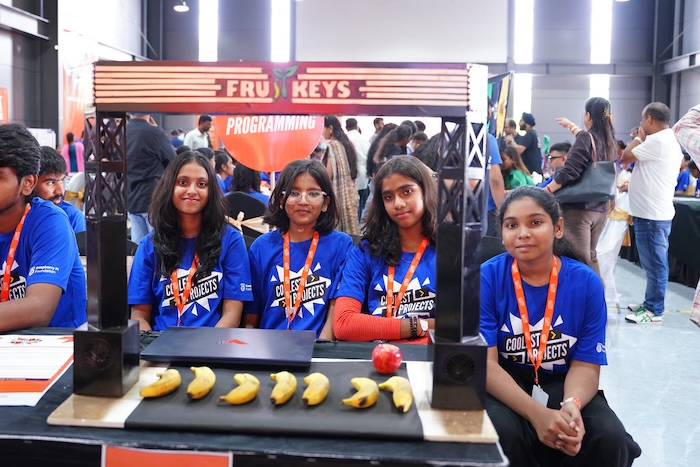
Fruit keys is a project that turns fruit into a musical instrument. The team used a Raspberry Pi computer, a camera, and the software library OpenCV. Bananas work as virtual keys that trigger musical notes. An apple lets players switch between instrument sounds. It’s a fun example of how computer vision can create touch-free, interactive experiences.
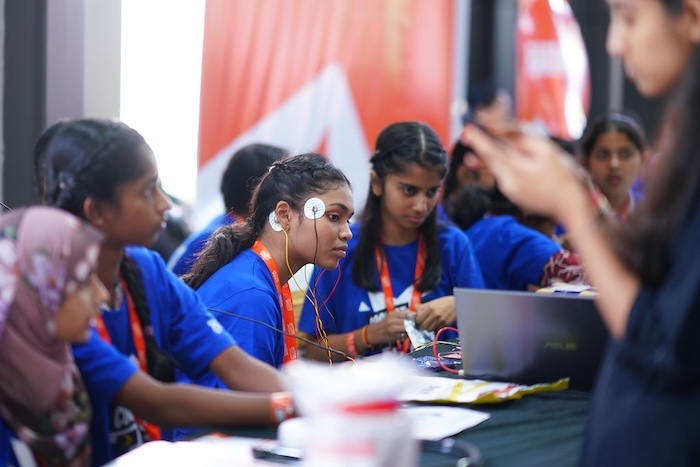
Kinetic care is a smart physical therapy system for use at home. A camera tracks the user’s movements, so they can play a therapy-based video game while they exercise. A wearable sensor watches for sudden or unsafe muscle movements. If it spots one, it sends a vibration alert straight away to help prevent injury. The project shows how hardware can make rehabilitation safer and more engaging.
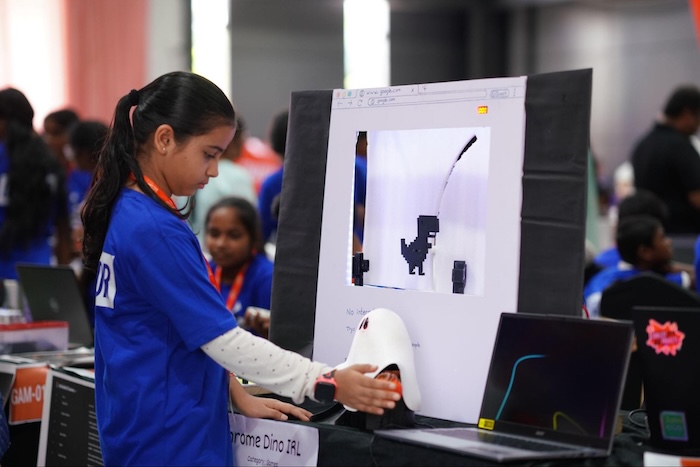
This is a dinosaur-themed game with a motorised conveyor, moving obstacles, and increasing difficulty. Players dodge obstacles using a button while LEDs and sound effects create an arcade experience. High scores unlock rewards!
Bringing Coolest Projects to India for a second year showed us just how much creativity and ambition exists among young people here. Every project represented hours of learning, problem-solving, and imagination, and it’s a privilege to give these creators a platform to be seen and celebrated.
Events like this shine a light on why investing in young people’s digital skills matters so much for India’s future.
What stood out to us most this year was the breadth of ideas on display, and the confidence with which these young tech creators presented their work. It’s a strong signal of where India’s next generation of creative thinkers and problem-solvers is heading.
A huge thank you to our partner Code Club India for their support with this event, to the volunteers and mentors who made the day possible, and to our sponsors Qube Research and Technologies. And most of all we want to thank every young creator who showed up ready to share and connect with their community. We can’t wait to see what you build next.
There are still a few partner-run Coolest Projects events to come this year — find out if there is one near you. Want to be the first to hear about announcements for 2027? Sign up to the Coolest Projects newsletter for dates, deadlines, and updates.
The post From musical fruit to walking robots: Coolest Projects India returns to Hyderabad appeared first on Raspberry Pi Foundation.
Coolest Projects UK returned to Bradford in May, with more than 200 young people showcasing digital projects they had designed and built themselves.
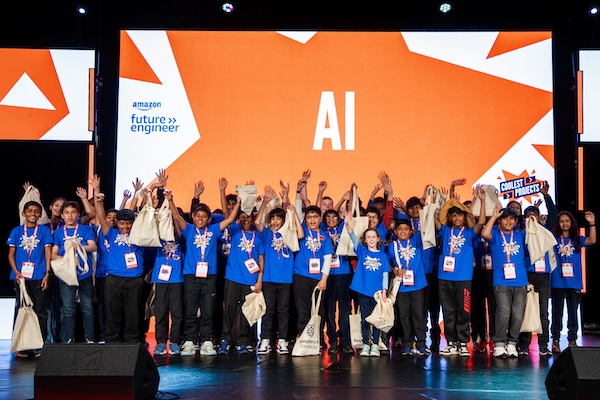
Visitors at the showcase event had the chance to explore an amazing range of projects across categories, from Scratch and Python to AI, hardware, web design, and game development. Every participant had the opportunity to speak with judges and industry professionals, receive personalised feedback, and connect with other young people passionate about technology and creativity.
Throughout the day, participants also got stuck into hands-on digital activities designed to encourage collaboration and creative thinking.
This year’s creators came from a wide range of backgrounds, including Code Clubs, schools, Scout groups, CoderDojos, and independent learning environments. Some had spent months refining their projects, while others had only recently started their coding journey. What connected them all was a shared excitement for creating with technology.
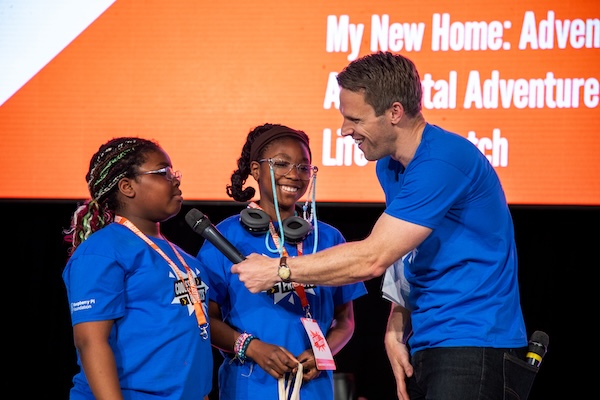
Ahead of the event, local workshops held in Bradford gave young people additional opportunities to explore digital making, develop project ideas, and gain confidence ahead of showcasing their work publicly. These sessions helped many first-time participants take their first steps into coding and creative technology.
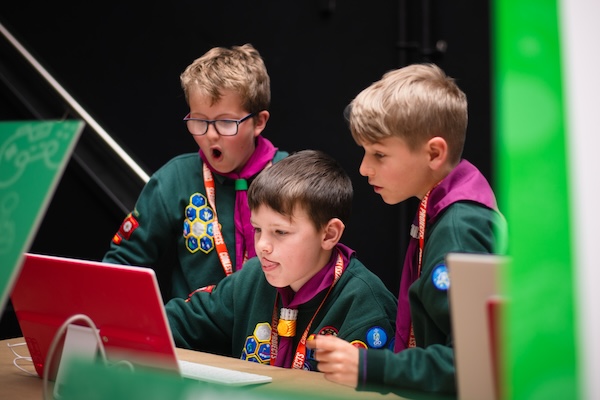
A key part of this year’s event was the involvement of 57 Scouts from across the region. Young people from six Yorkshire-based Scout groups attended digital making workshops. During the sessions, they learned how to create their own selfie filters using Scratch’s AI-facial recognition tools, earning their DM1 Digital Maker badges. After developing their own ideas and projects during the workshops, they exhibited a selection of them in the Coolest Projects showcase alongside the wider community of young creators.
For many of the Scouts attending, this was their first experience of presenting a technology project to the public. It gave them a fantastic opportunity to build confidence, talk about their ideas, and see how digital making turns imagination into reality.
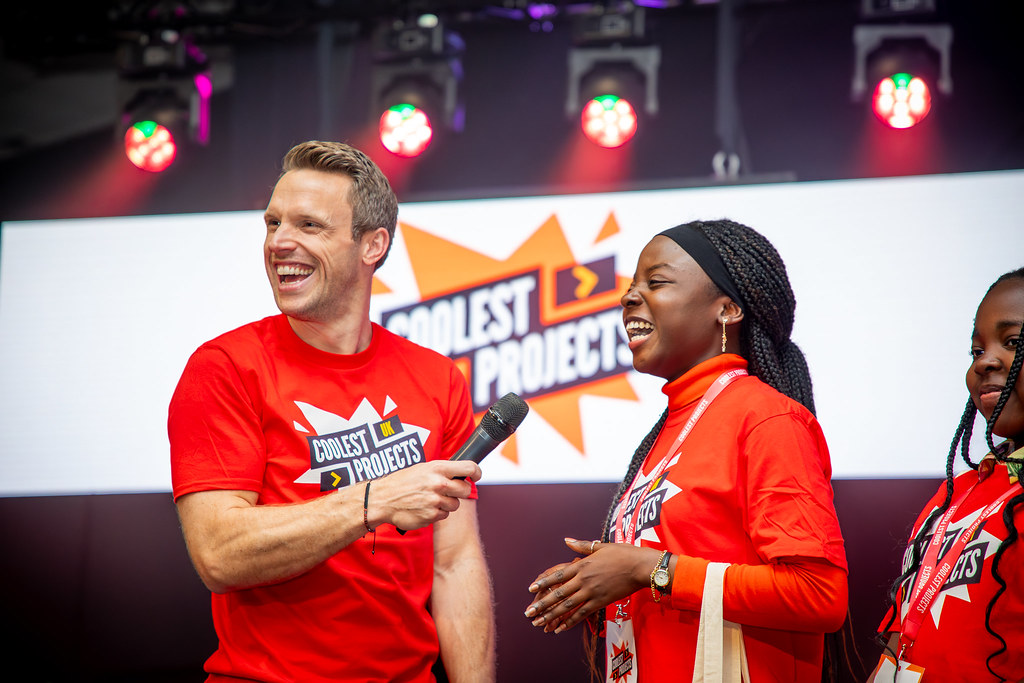
Throughout the event, Greg Foot, BBC science presenter, brought energy and enthusiasm to the stage, interviewing creators, celebrating achievements, and highlighting the stories behind the projects on display. The day concluded with a celebration ceremony where every participant received recognition for their work, with creators of the judges’ favourite projects also receiving additional awards.
The showcase featured an inspiring range of ideas and inventions created by young people from across the UK. Here are just a few of the projects presented during the event:
This project is a robotic reminder system that recognises people’s faces and plays a personalised reminder message. Using sensors, lights, sounds, and moving parts, the robot reacts when someone comes close and activates a camera for face recognition. Seth built the robot using boxes and tubes, while also using AI face recognition and recorded audio messages to create an interactive experience. Seth shared some of the challenges he faced with the facial recognition system.
“Our facial recognition system kept getting confused, so we took more photos to help it recognise better. We used different backgrounds, clothes and lighting to help it recognise our faces better, but we also took new photos when we got to Coolest Projects, so it would work better in front of the judges.”
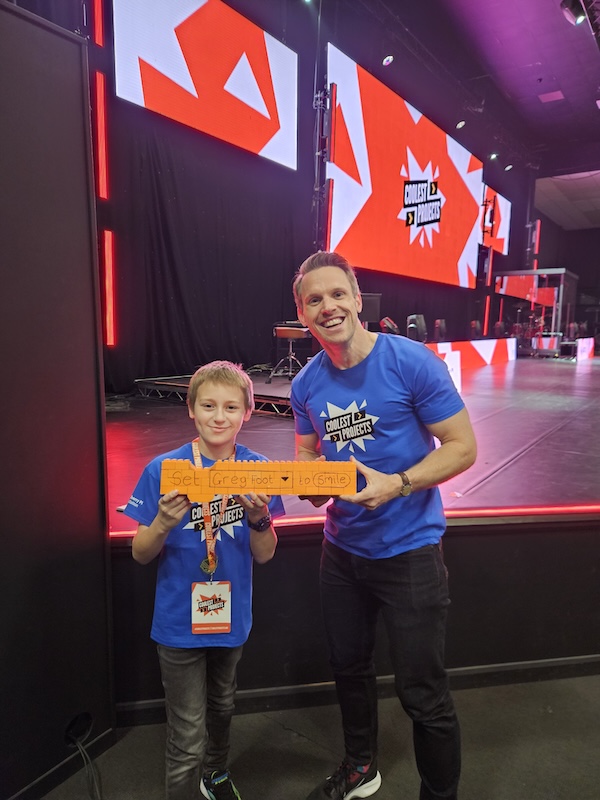
Seth wasn’t just excited to share his project with his fellow creators, but with host Greg Foot too, bringing a little surprise along for Greg on the day.
“I have always wanted to go to an event which has lots of people and showcases everyone’s work, and wanted to meet Greg Foot too. I built a giant Scratch block made from Duplo and Lego to give to Greg Foot. I didn’t have all the right sizes so I made a custom part with modelling clay and I reinforced it using sticky back plastic, then I asked my mum to write on it so that it looked like it coded Greg to smile.”
Immune System Defence is a Roblox game where players protect the human heart from waves of incoming viruses. Using white blood cells, vitamin boosts and other defensive towers, players must stop the spread of infection while learning about how the immune system works. The game is designed to be both fun and educational, combining strategy and science in an exciting gameplay experience.
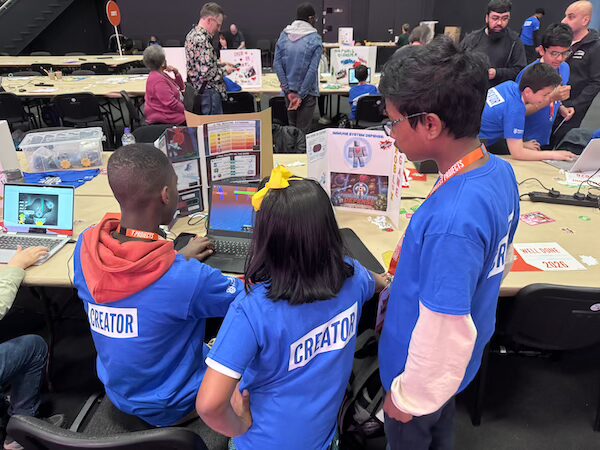
“I got the idea for the project from my Science lessons at school — specifically the ones where we’d learned the parts of blood and the functions of the heart as a related topic on how white blood cells and the immune system protects the body. One of my favourite parts was seeing people scan my QR code and actually play my game live during the showcase.”
Gabriel created a Scratch game that teaches players how rare the fossilisation process is. Players choose between an ammonite, belemnite, or trilobite and then spin three roulette wheels representing different stages of fossilisation. Gabriel was inspired by a board game he saw at the Fossil Festival in Lyme Regis and adapted the idea into his own interactive game with new features such as the roulette wheels.
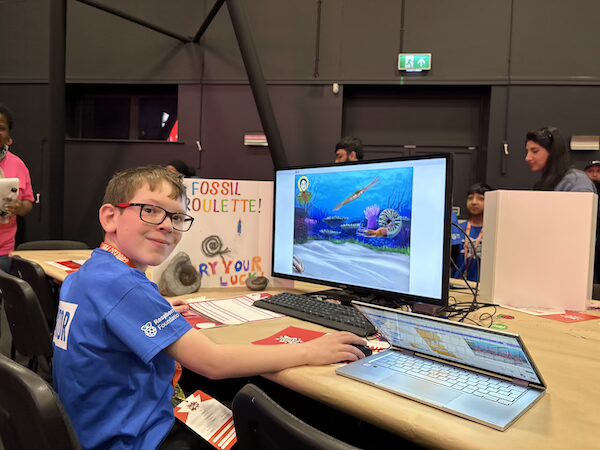
“The roulette wheel was the hardest to code because I had to make it spin faster at the beginning and then slow down. I found the event [Coolest Projects] very exciting because at one point I had a queue of people wanting to try out my game!”
More Coolest Projects showcases
Each year, Coolest Projects highlights the creativity, curiosity, and technical skills young people bring to digital making. From games and AI experiments to interactive hardware builds, the event continues to inspire more young people to see themselves as creators of technology, not just consumers of it.
While the UK event has now wrapped up for 2026, Coolest Projects showcases continue around the world throughout the year.
Coolest Projects is part of our wider work to help every young person gain access to computing and digital creativity opportunities. At thousands of free Code Clubs running across the UK, Ireland, and around the world, young people can continue building projects, learning new skills, and creating alongside others in supportive community spaces.
To find a local club or learn how to volunteer, visit the Code Club website.
The post Robots, games, AI, and more at Coolest Projects UK 2026 appeared first on Raspberry Pi Foundation.
From first-time coders to seasoned makers, this year every single Coolest Projects creator brought all their creativity to their tech projects and made something to be proud of. Over 15,000 young people showcased more than 4,500 creations on a global stage. With participants from 40 countries and 47% girls, this year’s online showcase is a true reflection of what the next generation of tech creators looks like.
Yesterday our global livestream brought together the whole Coolest Projects community to celebrate the young people’s creations with some very special guests.
Every year, we invite new special VIP judges to choose their favourite projects from each of the seven Coolest Projects categories. Meet our 2026 judges and find out about the projects they picked.
Ronit is the Strategy and Operations Lead for Google Research and an AI for Education champion. In her role reimagining the future of learning, Ronit is a passionate advocate for technology in service of pedagogy, leading Google Research’s global AI Literacy initiatives. She champions a human-centered vision for technology, spearheading programs like Al Quests, a gamified experience designed to teach teens how AI can be applied to humanity’s greatest challenges.
Ronit’s favourite projects are:
Ben is a senior developer at British video game company Jagex, working on RuneScape to deliver immersive experiences for both new and existing players. He previously worked at Ubisoft on the Assassin’s Creed series and the Avatar Frontiers of Pandora game. Ben learned to code at 12 through making mods for Minecraft, and he has been passionate about game development ever since.
Ben’s favourite projects are:
Akari is a 16-year-old CoderDojo member from Japan who has showcased her own projects at Coolest Projects seven times. She knows exactly what it takes to make something special for the showcase, and we’re so excited to have a young creator’s perspective on the judging panel!
Akari’s favourite projects are:
Sebin is CEO of the Entrepreneurship and Innovation Center (EIC) and the Centre of Excellence in loT Sensors at the Indian Institute of Information Technology and Management – Kerala (IIITM-K). A passionate advocate for innovation, he is committed to empowering entrepreneurs, creating sustainable solutions, and shaping the future of technology-driven industries.
Sebin’s favourite projects are:
The Broadcom Coding With Commitment® award shines a light on creators who use coding to support and strengthen their communities with a project that aligns with 17 sustainable development goals of the United Nations.
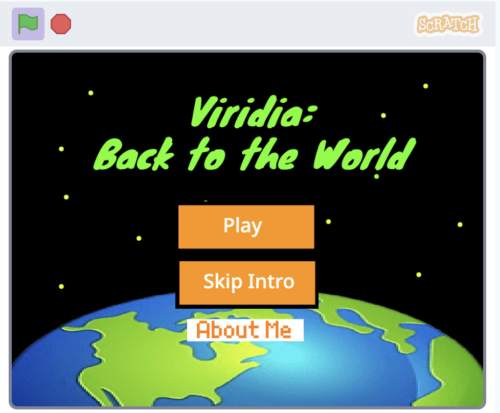
This year’s Broadcom Coding with Commitment® recipient for the online showcase is Egehan from Türkiye, with their Scratch project Viridia – Back to the World, an educational game designed to teach players about the importance of water and how to use it responsibly.
Browse the Coolest Projects 2026 online gallery to discover thousands of incredible projects from young people all over the world.
Inspired to make your own project? Or encourage a young person you know? To get you started, we offer over 200 free coding projects, in English and many other languages.
Coolest Projects will be back online in 2027. Sign up to the newsletter to be the first to hear about dates, deadlines, and exciting updates.
And did you know there are in-person Coolest Projects events around the globe? There is still time to take part in Coolest Projects India and other partner events this year. Find out more.
We want to say a big thank you to Broadcom Foundation, Amazon Future Engineer, Vilros, Qube-RT, Avnet, and GoTo for sponsoring Coolest Projects 2026 and helping to celebrate young tech creators around the world.
The post Celebrating over 15,000 young creators at the Coolest Projects 2026 online showcase appeared first on Raspberry Pi Foundation.
In April, young tech creators gathered at Explorium in Dublin for Coolest Projects Ireland 2026, a lively, creative celebration of young makers and their digital projects. This year’s event was held as part of Kinia’s Creative Technology Week, and welcomed over 100 young people, showcasing more than 80 incredible tech projects. Participants included young people from Code Clubs, CoderDojos, and schools across Ireland, as well as young creators taking part individually.
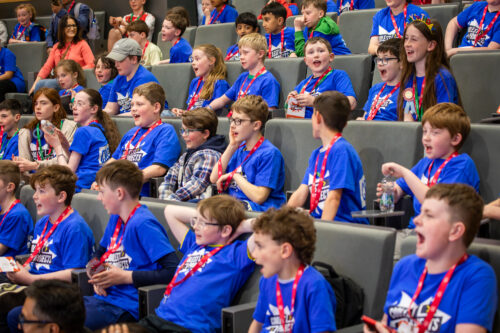
With creations ranging from coding projects to hardware builds to AI systems, the event provided a wonderful opportunity to celebrate the creativity and passion of young tech creators across Ireland. Here are some project highlights from the day.
Jake’s project, Enter the Kindergarten, is a Scratch game where the player has to dodge babies and obstacles in a childcare setting. Jake was inspired to create the game after overcoming his own fear of babies. Here is what he shared with us about his project:
“Well, I used to be afraid of babies. So one Saturday morning, me and my dad came up with the idea to make a kindergarten game where you have to get to the end of the kindergarten.”
To build her hardware project, Mystical Waterfall, Aarabhi used a Raspberry Pi Pico to create a nature scene, featuring running water and LED lights. Aarabhi spoke to us about why she wanted to enter Coolest Projects:
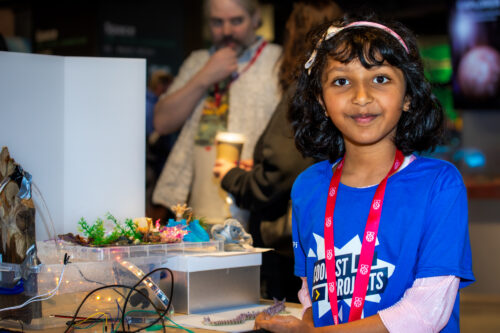
“I watched a Netflix series, The InBESTigators, where children showcase their science projects. After watching it, it was my dream to do the same!”
Arittra’s project, Cara, was chosen as the judges’ favourite in the AI category this year. Cara, which means ‘friend’ in Irish, is a large language model (LLM) that provides information on the Irish legal, housing, and administrative systems, aimed at supporting people who have emigrated to Ireland. Arittra told us more about the challenges he faced whilst building his project:
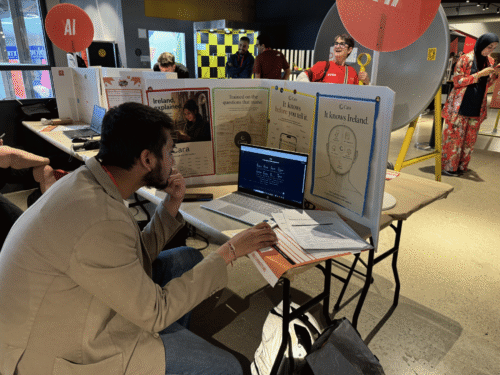
“One of the key problems with artificial intelligence is that they hallucinate, but I found a countermeasure to it. I trained it on search variety and gave it backup data, so if one part of the server starts hallucinating, another part automatically steps into its place to find maximum accuracy.”
Congratulations and thank you to each and every young creator who joined us for Coolest Projects Ireland 2026. Sharing your projects, celebrating your achievements, and inspiring others is what Coolest Projects is all about.
Missed the fun in Dublin, or want to take your projects to a global stage? Take part in the Coolest Projects 2026 online showcase, which is open for entries from young creators anywhere in the world until 27 May. Look out for more in-person Coolest Projects events taking place around the world over the rest of the year, too!
Find out more at coolestprojects.org.
The post Celebrating young tech creators at Coolest Projects Ireland 2026 appeared first on Raspberry Pi Foundation.
Coolest Projects USA Minnesota returned for its second year in the state on 11 April, with the celebration of creativity and coding coming to the Science Museum of Minnesota once again.
At its heart, Coolest Projects is about giving young tech creators the opportunity to be seen and heard, and to share something they’ve made and be celebrated for it, regardless of their experience level. With some joining in for the first time and others returning to showcase their latest build, every participant played a part in making the day special.
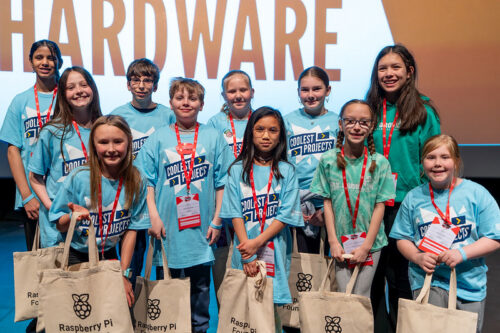
The event welcomed 65 participants and over 150 showcase visitors, with creators talking through their ideas, the challenges they had faced, and what they had learned along the way. Visitors explored the showcase, tried out hands-on activities, and connected with a community brought together by a want to celebrate the incredible things young people can do when given the opportunity.
A key moment in the day was the presentation of the Broadcom Foundation Coding with Commitment® award, celebrating a project that aligns with 17 sustainable development goals of the United Nations.
This year’s recognition went to Rikita for her project ‘Smart Electronic Fruit Sorter — An affordable assistive technology for visually impaired people’.
The project is a fruit sorter designed to help visually impaired people identify fresh produce. Using a microcontroller and a gas sensor, the Fruit Sorter detects whether fruit is good or spoiled, triggering lights, sounds, and a servomechanism to either keep or discard the fruit.
Rikita overcame many challenges when building her project. She told us more about her experiences:
“First, I started out with a sorter made out of foam. However, when testing, I realised that the sorter would not bear the weight of the fruit. Then, I pivoted to 3D printing the sorter parts.
I also faced trouble with the electronics not working. I constantly played around with the connections and got it working. YouTube videos were of great help in guiding me!”
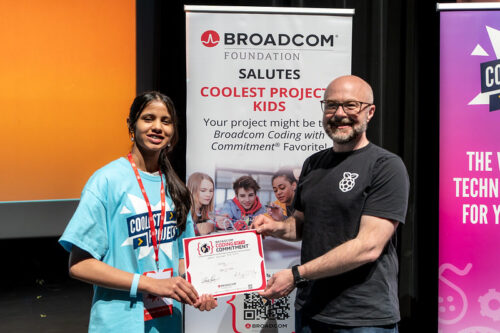
The award highlights how young people are not just learning to code, but using those skills to explore real-world challenges and ideas that matter to them. Rikita shared how she felt about receiving the award:
“I felt very happy and it has motivated me to continue my journey of inventions further. I did not expect the award, and so it was a very pleasant surprise.”
With entries spanning multiple categories, the event featured a wide variety of creative and technical work. Here are a few highlights.
FIND ME ASAP is an emergency resource platform designed to help parents and guardians act quickly and effectively in the critical first moments after a child goes missing. Built by ZaLayaa in just 15 days, it goes beyond static guides by offering real-time, tailored support that people can use in high-stress situations. The platform is intentionally inclusive, recognising groups that can often be overlooked in emergencies, with features that consider children with invisible disabilities, complex medical needs, and rare health conditions, for example. Inspired by her own experiences navigating the world with multiple invisible conditions, ZaLayaa created FIND ME ASAP to fill a vital gap.
ZaLayaa shared what she found most challenging in building her project:
“My biggest challenge was making sure everything was actually real, correct, and useful, not just something that looks good.
This isn’t just information. It has to work when someone is stressed, scared, and trying to make fast decisions.”
ZaLayaa also explained what she enjoyed most about taking part in Coolest Projects:
“My favorite thing was the experience and all the lovely people there. It was really cool seeing all the different projects and what other kids built, and being in a room where it was all kids creating and sharing their ideas.”
You can find out more about ZaLayaa’s project at findmeasap.com.
Lawrence’s project is a fun exploration game he built using Scratch. You control a character, roam around the map, and hunt for hidden chomiks, each one with its own quirky look. It’s all about exploring, discovering, and collecting them all.
Lawrence shared some of the challenges he faced along the way:
“It was really hard switching between settings. I overcame [the challenges] by looking for bugs within my code, but when I figured that out, I was able to complete my game.”
Karin created Princess Maze, a Scratch game where players navigate four maze levels and battle a witch to win, or risk being trapped. During development, a bug allowed players to win even after being hit, which she fixed by using a ‘forever’ block to properly detect collisions.
Karin shared why she wanted to take part in Coolest Projects:
“I found out about it through The Bakken Museum and I thought, ‘Why not? I love coding.’ My favorite thing about the day was seeing all the different projects.”
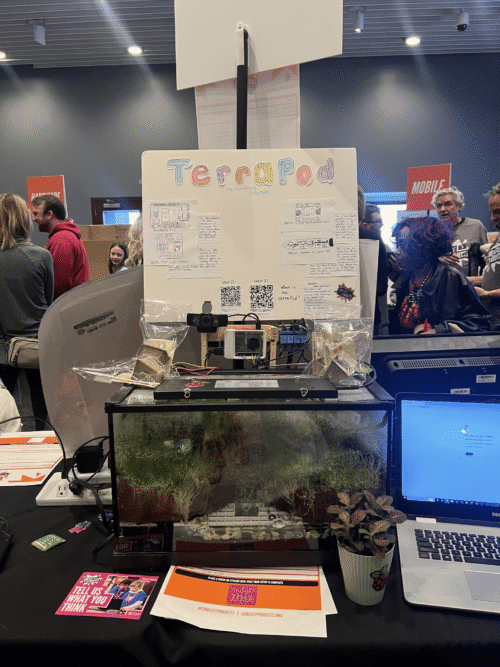
Caroline created Terrapod to make plant care more accessible, especially for people who are too busy or physically unable to tend to their plants. It aims to provide a solution that allows plants to be cared for even when their owners can’t, making plant growing easier for everyone. She told us:
“I think our biggest problem was the wire management. We numbered them to be organised into numbered groups, but I’ve seen others do symbols like stars, which I think is really cool!”
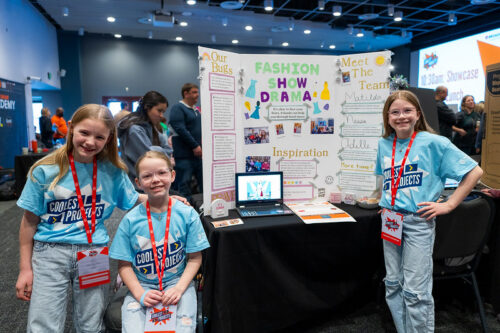
Adelle, Nessa, and Matilda created a Scratch project that tells the story of two performers, Charlie and Emma. Charlie struggles with stage fright that Emma only discovers just before their performance. With Emma’s support, Charlie overcomes her fear and is able to go on stage.
Nessa shared a challenge the team tackled during their build:
“One challenge was learning how to convert images from a JPEG to a PNG for the sprites to have a dress costume change. We wanted to show a difference between before the show and then preparing to go on stage. We found dress pictures on the internet and then we had to figure out how to make it look like they were actually wearing the dresses so it wasn’t just a copied picture with a white square background. We overcame it by our mentor helping us remove the background in Canva.”
Matilda also told us how the girls found working as a part of a team:
“We each had a part so each of our voices could be heard. We all had a say in what was going on. Nessa was the fashion designer. Adelle was the coder. I was the visionary! It was easier to work on this project in a group than alone.”
We’d like to say a big thank you to all the young people who shared their projects, the families and mentors who supported them, and the volunteers and partners who made the event possible.
We would also like to thank Broadcom Foundation and Best Buy Co., Inc. for their continued support of Coolest Projects.
If you would like to take part in Coolest Projects this year, there are still ways to get involved:
You can find out more at coolestprojects.org.
The post A day of big ideas at Coolest Projects USA Minnesota 2026 appeared first on Raspberry Pi Foundation.
Learning Python often starts with the same building blocks: variables, functions, and loops. However, once young people have learnt these essential foundations, they may be eager to grow their skills and start using Python to explore data and create something meaningful to them.
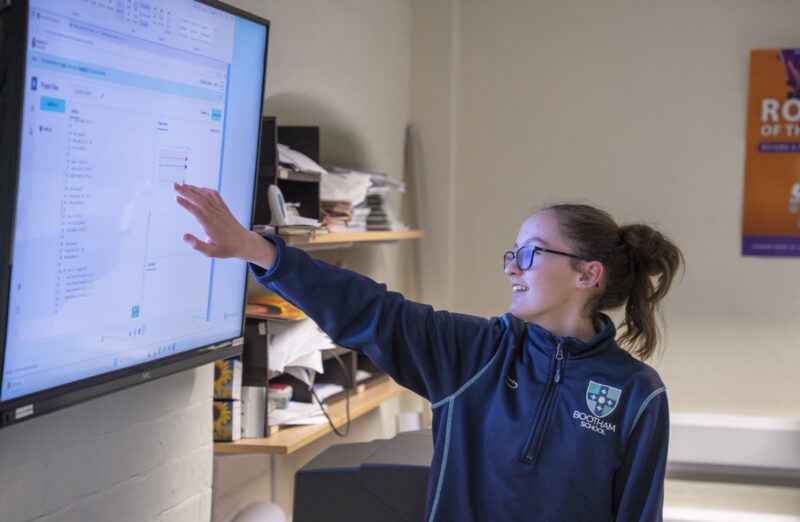
Our free ‘More Python’ project path helps learners move beyond the basics and use data to create impactful projects of their own.
Python is the most widely used programming language in the world, not just because it’s accessible, but because it’s powerful. It is used to analyse data, build models, create data visualisations, and explore important questions.

For young learners, this means learning Python can become more than a coding exercise. It can be a way to investigate topics they care about, analyse and understand information, and tell powerful stories about real-world issues.
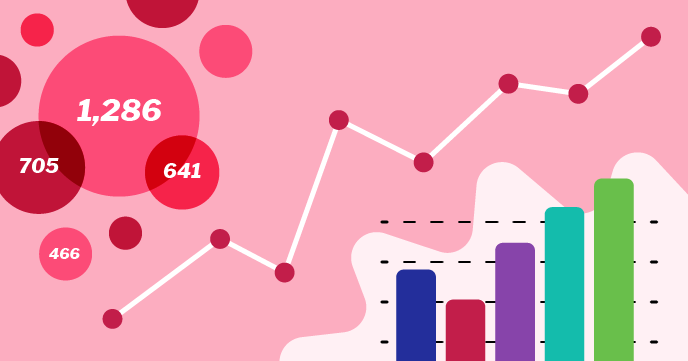
Working with data helps learners see how coding connects to the world around them — and builds confidence along the way.
In our day-to-day lives, data is everywhere: in sports results, maps, and scientific research, to name only a few examples. Learning how to work with data helps young people develop skills that go far beyond programming, including:
Data also underpins many of the AI systems people use today. For example, large language models, used to build tools such as ChatGPT, are trained on vast amounts of data. Therefore, understanding how data is collected, organised, and used is an important part of AI literacy.
In Python, structures like lists and dictionaries make it possible to organise, analyse, and explore data in creative ways. Using these tools to build projects can help abstract computing concepts start to feel more concrete and meaningful.
The ‘More Python’ project path supports learners through three stages: Explore, Design, and Invent. Each stage builds skills while giving learners more ownership over what they create.
In the Explore stage, young people learn new concepts and build confidence in using data and core Python structures, such as lists and dictionaries. Projects include:
These projects help learners develop new skills, while exploring how Python can be used to analyse and explain real-world information.
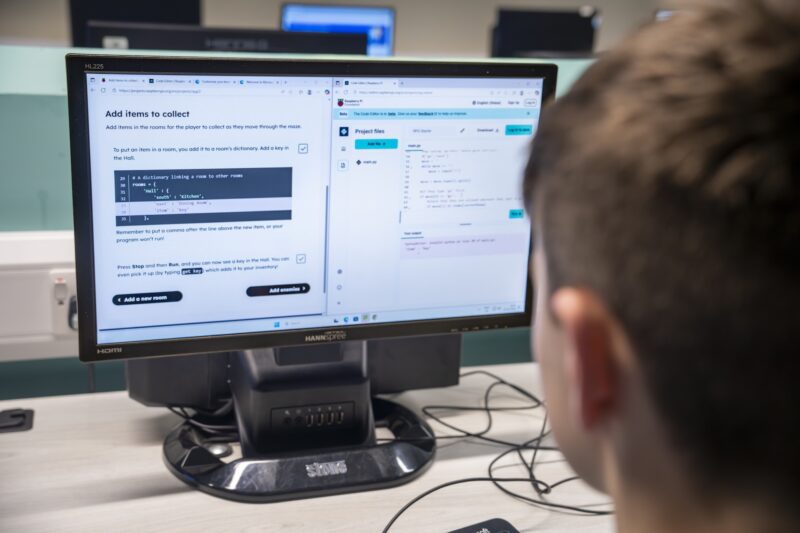
As learners progress to the Design stage, they start making creative choices about how their projects look and behave. In this stage, they:
Here, Python becomes a creative medium. As well as putting their new skills into practice, learners think about audience, interaction, and presentation to make their projects their own.
In the Invent stage, learners bring everything together. Using the skills they have built, they design and create a data visualisation on a topic they are passionate about. This final project gives learners the freedom to choose their data, shape their idea, and tell a story that matters to them.
By this point, learners are planning and creating their own projects, growing in confidence and independence.
If the young people you support have already learned the basics of Python, ‘More Python’ offers a clear and creative next step. The projects are designed to be accessible, and young people can work through them at their own pace, whether they are learning independently, at a Code Club, or in the classroom.
By working with data, getting creative, and making their own original projects, learners can build confidence and start to see what they can achieve with Python.
Alongside the ‘More Python’ project path, you can access hundreds of free coding projects on our Code Club Projects site. Find more projects to suit your learners’ interests, and support them to build their digital skills through creativity and making.
The post Levelling up with Python: Create with data appeared first on Raspberry Pi Foundation.
Coolest Projects is the world’s leading technology showcase for young people, a space where creativity, curiosity, and problem-solving come together through code. Last November, Coolest Projects returned to South Africa, providing another exciting opportunity to celebrate and amplify the voices of young digital creators across Mzansi, a local name for South Africa.
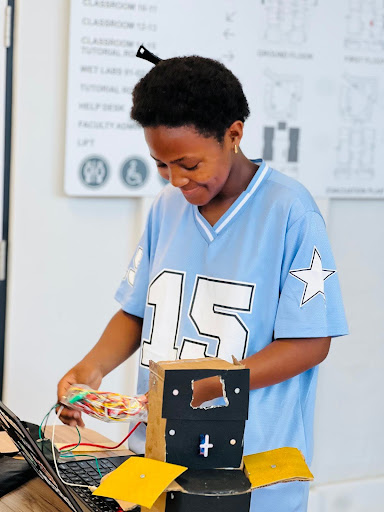
Coolest Projects brings young people together to share what excites them the most about creating with technology, whether that’s making a game, a website, a robot, or a simple Scratch animation. What matters most is not perfection, but participation.
Coolest Projects, an initiative of the Raspberry Pi Foundation, is brought to South Africa by our long-standing partner Coder:LevelUp, giving young people the space to share how they get creative with technology.
I spent the day surrounded by young people explaining their ideas with a mix of excitement, nerves, and confidence — the kind of emotions you get when you build something yourself and someone is finally asking you about it.
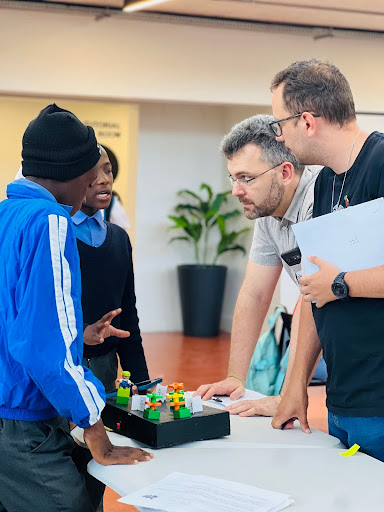
The event brought together over 250 young people to share the projects they had been working on. Some had been preparing for months, while others had begun exploring their ideas more recently. All of them arrived ready to explain what they made, how it worked, and what they would do differently next time.
There wasn’t a single kind of project. There was a Scratch animation at one table, a game at the next, and a hardware project across the room. Some projects were polished, others rougher around the edges. But the event isn’t about perfection, it’s about learning and having the courage to show your work.
For a lot of participants, this was the first time they had presented their work to an audience, and you could see their confidence build as they spoke. By the end of the day, many were already talking about what they wanted to build next! From experience, we know that many of these young people will come back to Coolest Projects in the future, with our global impact data showing that over 1 in 10 participants in the Coolest Projects online showcase in 2025 had also taken part in Coolest Projects in 2024.
One of my favourite things about Coolest Projects is that although you might come for the projects, what stays with you is often the people behind them. Coolest Projects celebrates both what young people build and who they are becoming.
A project that really stood out to me was created by a group of girls who built a language app that translates words from isiZulu, one of South Africa’s official languages, into French and other languages — an ambitious and thoughtful idea.
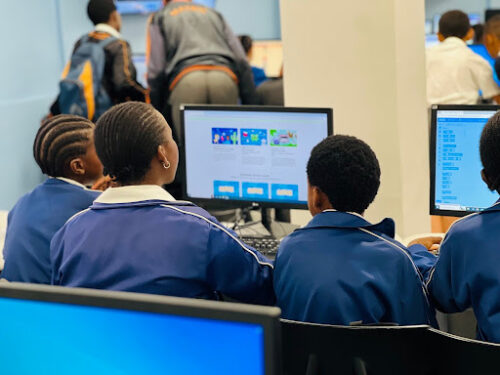
What made this project especially meaningful to me was how well it reflected South Africa’s identity as a rainbow nation, with 12 official languages and countless cultures intersecting everyday. Their work wasn’t just technical, it was deeply relevant. It showed how young creators are already thinking about inclusion, communication, and using technology to bridge the gap between people in different parts of the country. Seeing these young girls confidently present such a culturally aware solution was incredibly inspiring.
A group of boys arrived with a project that, honestly, fell apart on the day. Things didn’t work the way they had planned. But instead of shutting down or panicking, they laughed it off, explained what should have happened, and kept the energy positive. Their confidence, humour, and teamwork were great to see.
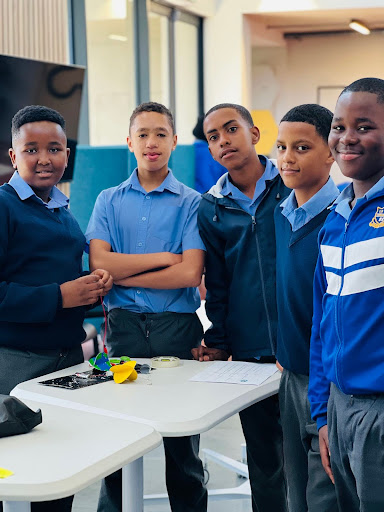
They showed that Coolest Projects is not about having everything work perfectly. It’s about showing up, trying something ambitious, and being willing to talk about what went wrong.
Coolest Projects goes beyond showcasing technical skills. It helps young people:
For many young creators in South Africa, participating in Coolest Projects is a powerful way to gain recognition and see that their ideas matter and that they belong in the world of technology.
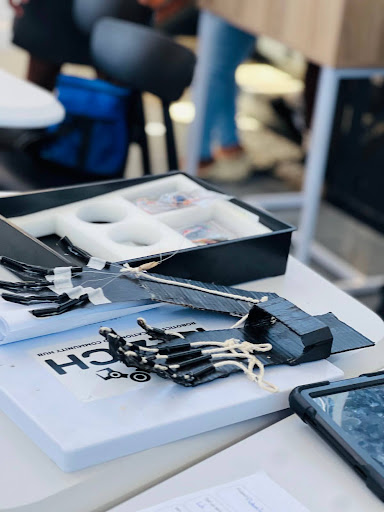
We look forward to Coolest Projects South Africa returning in 2026 to once again showcase the incredible potential of young tech creators across the country.
The Coolest Projects 2026 global online showcase is now open for entries. Find all the details on how to enter, as well as details of Coolest Projects in-person events you can look forward to throughout 2026, in our recent blog post.
To be the first to hear about events near you, sign up to the Coolest Projects newsletter.
The post A day with young creators at Coolest Projects Mzansi 2025 appeared first on Raspberry Pi Foundation.
Coolest Projects is our global technology showcase for young people up to age 18. It’s a place where young creators share the brilliant things they’ve made using digital technology — from first-ever Scratch projects and coding for fun experiments to ambitious robotics builds — with a global audience. Everyone who takes part receives certificates and rewards to celebrate their achievements.
Coolest Projects is open to any young person, anywhere in the world. Creators can submit their tech projects to our online showcase, explore the global project gallery, and join our special celebration livestream. There are in-person events in some countries for local creators, too (find out more below).
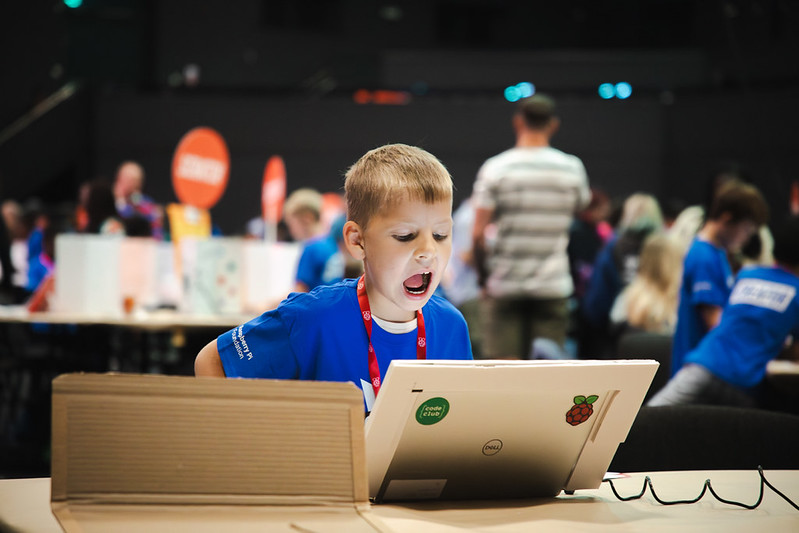
By taking part in Coolest Projects, young people can:
It is completely free to take part in Coolest Projects, and we welcome all kinds of digital technology projects — from first attempts to an ambitious STEM project or advanced build. Projects don’t need to be finished to be submitted.
Creators can enter a project into one of seven categories: Scratch, Games, Hardware, Web, Mobile Apps, Advanced Programming, and the emergent category of AI.
The findings from the Coolest Projects 2025 Impact report offer clear, evidence-based insights into how Coolest Projects builds confidence, creativity, and a sense of belonging for young people around the world. In 2025, almost 12,000 young people from 41 countries took part in Coolest Projects online, a 57% increase on the previous year. This year, we’re excited to welcome even more creators to the Coolest Projects community.
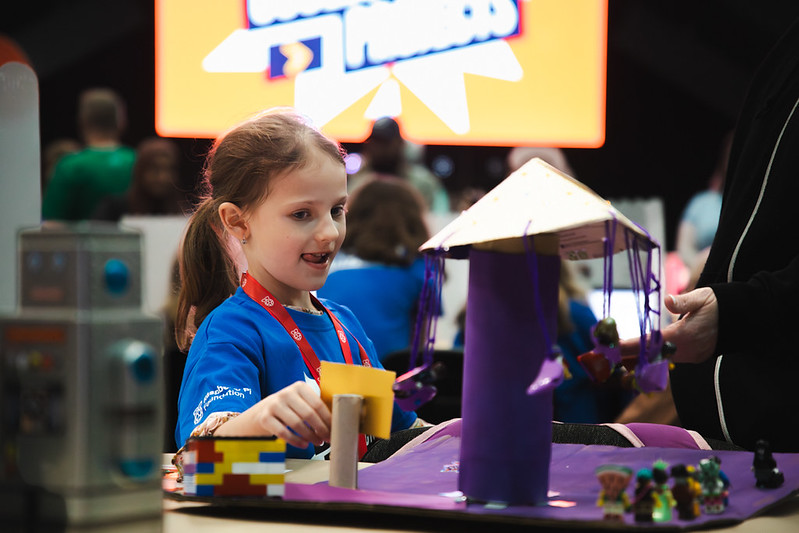
Our annual evaluation shows that Coolest Projects continues to have a powerful impact on young digital creators worldwide. In 2025:
Creators told us how proud they felt sharing their work:
“It feels like I’m being noticed!” – Young creator, UK
“I enjoyed presenting my project and seeing so many creative ideas from others.” – Young creator, India
With many early-stage makers joining for the first time, including 55% of young people at in-person events, Coolest Projects continues to be an accessible entry point into the world of digital creativity.
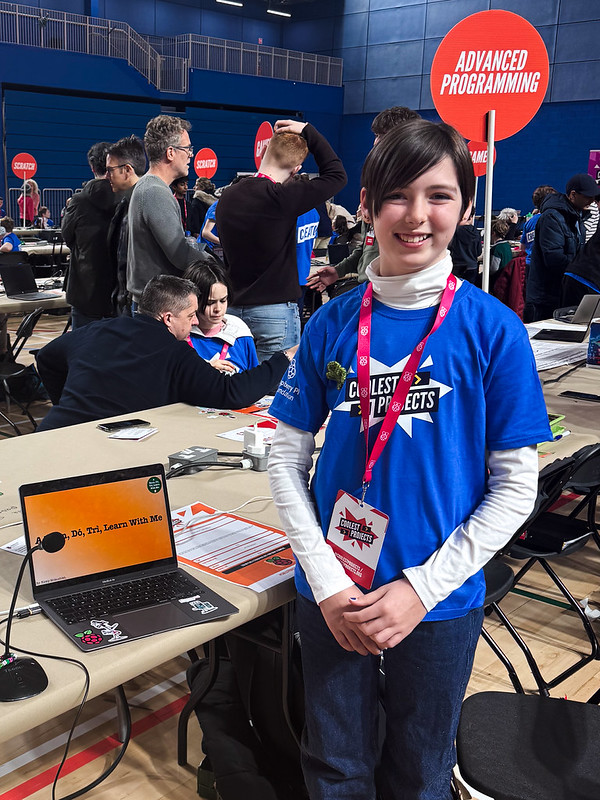
We’re also proud to see growing participation from girls who code, who tell us they value the chance to share their ideas and be inspired by others. At in-person events, girls made up 63% of creators in India, 50% in the US, 39% in Ireland, and 37% in the UK.
Find out more about the incredible creativity and collaboration from mentors and makers worldwide in the Coolest Projects 2025 impact report.
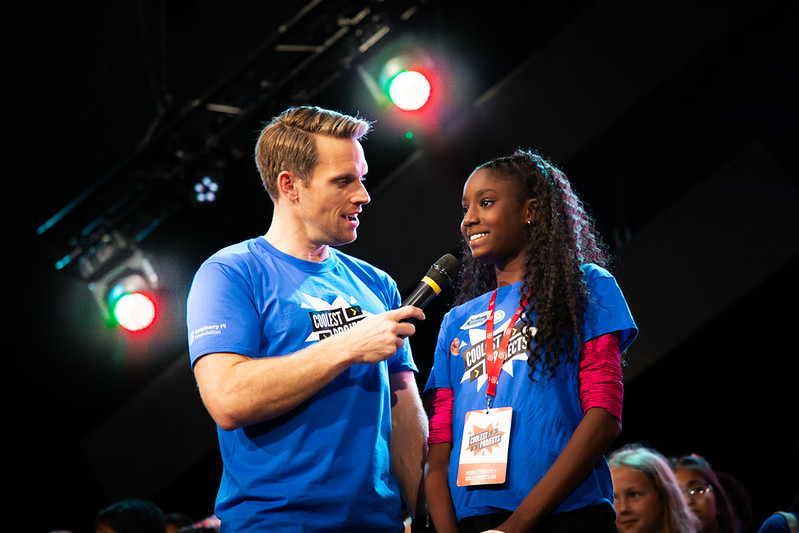
If you’re entering several projects on behalf of your group, you can create a group code to link young people’s projects to your account.
Here’s a quick reminder of how it works:
There is no limit to the number of young people who can submit through one group code.
If you’d like a full walkthrough, watch our step-by-step group code ‘how-to’ video.
Whether your coders are beginners or experienced digital makers, there are lots of resources to support them. Visit the Coolest Projects guidance page for mentor guides, session plans, and more.
Alongside the global online showcase, Coolest Projects events will take place in several countries again this year. We encourage creators to take part in both their local in-person event and the global showcase.
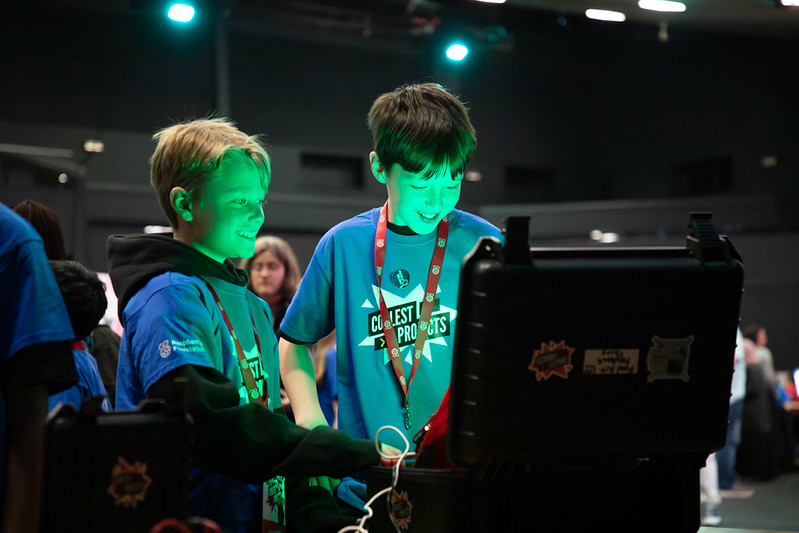
Save the date for:
More dates coming soon for:
Sign up to the Coolest Projects newsletter to be the first to hear about events near you.
Whether your young people already have something they’re excited to share or they’re ready to start something new, Coolest Projects is the perfect place to celebrate their creativity, problem solving, and imagination.
We can’t wait to see the incredible projects they bring to Coolest Projects 2026.
The post Coolest Projects 2026: Opens for entries in January! appeared first on Raspberry Pi Foundation.
We love hearing from members of the community and sharing the stories of amazing young people, volunteers, and educators who are using their passion for technology to create positive change in the world around them.
In our latest story, we’re meeting a group of inspiring young innovators from Belfast — Michelle, 15, Inilouwa, 18, Jedidiah, 14 — and Irioluwa, 11, who are using their creativity and technical skills to tackle an issue that impacts millions of young women across the UK: period poverty.
The group first connected through Diverse Youth, a community space that gave them the chance to collaborate, learn, and grow.
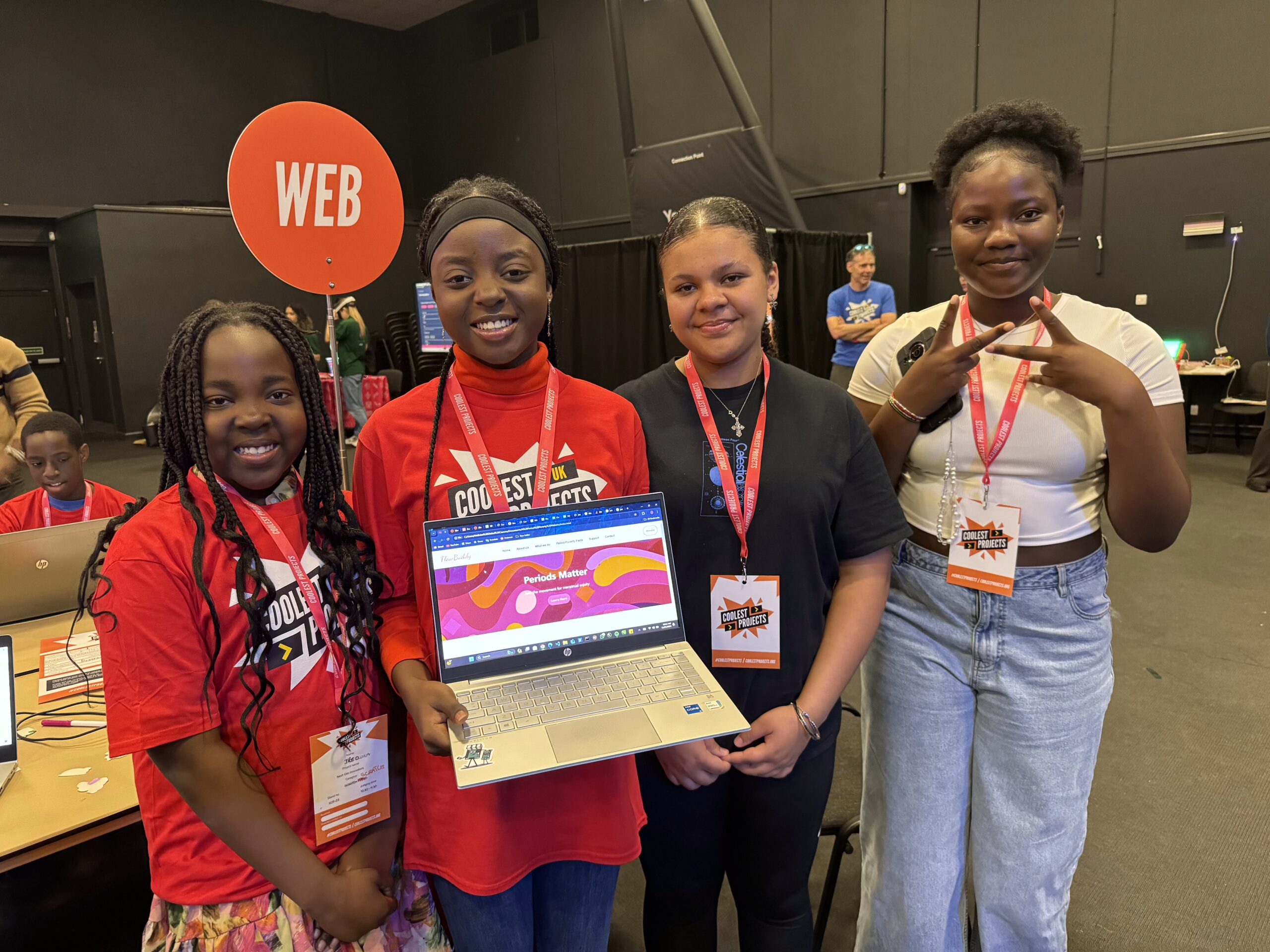
At the youth centre, the girls were introduced to Code Club through mentor, and Jedidiah’s mum, Tiwa. When Tiwa offered them the opportunity to travel to Coolest Projects UK and showcase projects they had been working on, they knew they wanted to make something special…
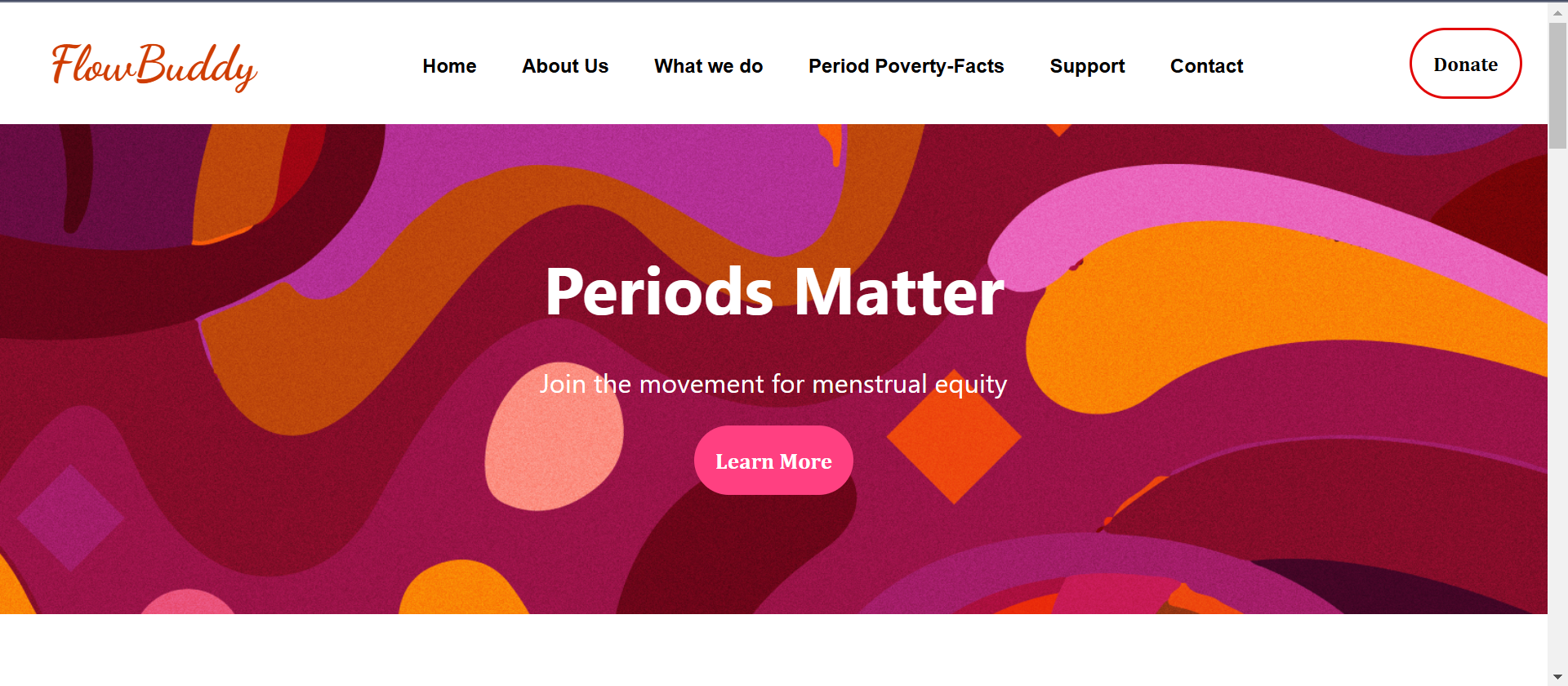
The idea for Flow Body began when Inilouwa was inspired by her sister’s experience at school.
“So, for me, it was my sister actually, that really inspired this project because she would tell me, her school at the time, they run out of period products very frequently, so not a lot of girls could access it.”
Wanting to make a difference, the team created Flow Body, a website connecting young women to period charities in the UK and providing reliable information about periods, puberty, and related health issues.
The technical side of the project was led by Inilouwa, with the rest of her teammates supporting her with research and content creation.
“So, alongside Michelle, I researched the diseases and what can come from period poverty and how different people get by with the lack of period products around,” Jedidiah said.
Their research highlighted just how widespread period-related health issues are.
The team discovered that one of the biggest challenges is access to accurate information, given the stigma around discussing menstruation, and using technology to solve this issue seemed like the perfect fit to them.
Inilouwa explained, “Having that access to information that’s tailored to young women, to young parents, to everyone all across the board would be really helpful, you know, in order to make periods less of a strange topic to discuss.”
After taking home judges’ favourite in the web category, the girls could not recommend the experience enough. When asked what advice they would give to other young people thinking of taking the leap and entering Coolest Projects, the answer was simple…
“Do it. Don’t be afraid. Even if tech is not your thing, it’s not a lot of people’s things. But like you learn so much, you grow so much and it’s very fun. It is. It really is,” said Inilouwa.
If you are interested in getting involved in Coolest Projects, keep an eye on the website for exciting announcements for 2026 plans.
Want support on your coding journey? Find a Code Club near you to learn alongside a likeminded community.
The post Celebrating the community: Irioluwa, Michelle, Jedidiah and Inioluwa appeared first on Raspberry Pi Foundation.
Coolest Projects is all about celebrating young digital creators and the brilliant things they make with technology. This year, we’ve seen just how much taking part can boost young people’s confidence, creativity, and sense of belonging. Today, we’re sharing the impact of Coolest Projects 2025 and looking ahead to what’s next for 2026.
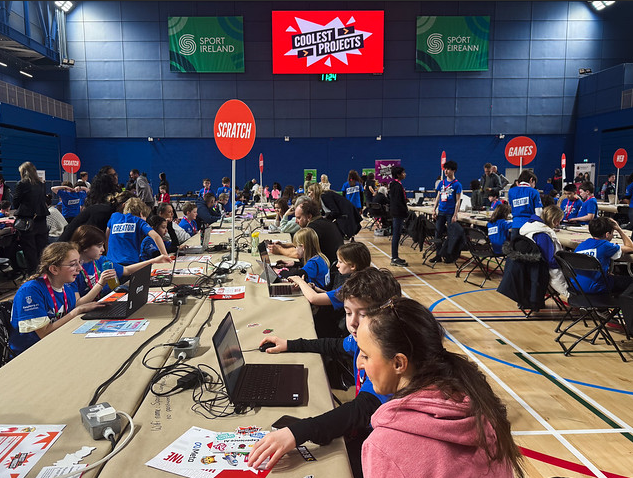
More young people than ever took part in 2025, with 11,980 young people from 41 countries joining the Coolest Projects global online showcase, a 57% increase from last year. We also hosted a livestream celebrating all participants and announcing the judges’ favourites, which has been watched by over 2,000 people. Plus, we expanded our in-person events, including bringing Coolest Projects back to the USA and running our very first in-person event in India.
This year saw significant growth in in-person events, with a record number of young people sharing their creations face-to-face. Across the UK and Ireland, more than 200 young people showcased their projects to judges, families, and peers. Attendance at the UK event grew significantly compared to 2024, reflecting the strong enthusiasm for digital making, while the Ireland event continued to attract a dedicated community of young creators. This enthusiasm shows how much young people value being part of a creative, supportive community that helps them share ideas and develop their skills.
We were equally delighted to run Coolest Projects USA again, where young people embraced the chance to connect, share their work, and draw inspiration from one another. We also saw strong interest in the new AI category, with notable uptake at the UK and US events.
Participation by girls in the online showcase kept growing in 2025: 51% of entrants identified as female, up from 47% last year. We’re excited to build on this momentum and inspire even more girls to share their creations in 2026. We’ll continue encouraging participation by girls across all categories and broaden local promotion, especially where new in-person events are launching, to help maintain gender balance.
To understand Coolest Projects’ impact, we gathered survey and interview feedback from young creators, mentors, and event attendees across both the online showcase and in-person events.
This year’s online surveys and interviews indicate that Coolest Projects continues to be a powerful driver of confidence and skills:
Young people and mentors told us that the online gallery plays a crucial role in sparking ideas and motivation:
“Kids definitely were excited in knowing their project might be seen by other kids around the world and displayed publicly online, so it’s truly a way for them to feel recognised. It definitely motivated them too.” – Mentor, South Africa
Coolest Projects truly offers a global setting like no other, giving young people the chance to see ideas from across the world and feel part of an inspiring international community.
Creators told us how special it felt to be surrounded by peers who love making with technology. They valued sharing their projects, meeting like-minded people, and getting ideas from others:
“I think it’s really interesting seeing a lot of other children that understand programming and want to get better at it.” – Young creator, Coolest Projects USA
Survey data echoes this: 74% of young people said Coolest Projects helped them feel they belong in computing. Many also highlighted the wider skills they developed, from problem solving and creativity to communication and teamwork:
“We [my friends and I] thought it was a really great opportunity and idea to make a project that we could all work on together and it’s been really awesome getting to know these girls and working together, fixing whatever code that we made wrong, debugging, you know…. We’d come together once a week to work on this project. So, I honestly got to learn a lot from them, watching them and how they code because they’re a little more advanced than I am. But, you know, that just means I get to learn more. So, you get to learn skills and support each other. It’s been awesome…” – Young creator, Coolest Projects USA
Young people returning for another year described how they stretched themselves, from advanced Scratch techniques to experimenting with AI and robotics. They also said hands-on project work is better than passive learning every time.
“…It’s the journey on which I go through to create the robot. And through that journey, I seem to learn much more than say if I were to watch a YouTube video and not do anything practical with it. I learn much more if I physically get hands-on with robotics encoding.” – Young creator, Coolest Projects UK
Alongside the projects on show, young people loved the interactive activities at events (with shout outs for VR and our escape room in the UK), and appreciated the friendly, approachable judges and smooth event setup. A new group registration system also made it much easier for mentors to enter multiple projects.
We’re thrilled that so many young people around the world took part this year, and we can’t wait to welcome even more creators in 2026.
“Make it [the event] bigger so more people can come.” – Young creator, Coolest Projects USA
The Coolest Projects online showcase is open to any young person up to age 18, anywhere in the world. Registration will open on 14 January 2026. We’ll host a celebratory livestream on 24 June 2026.
Coolest Projects in-person events will also be popping up around the world. In-person events are open to everyone up to age 18 in the host country. Family and friends are very welcome to come along too.
Save the date for:
More dates coming soon for:
Want to be first to know when more dates are confirmed? Sign up to our newsletter and keep an eye on the Coolest Projects website for announcements.
It’s never too early to start making and saving your digital projects for next year’s showcase. Whether you’re into AI, games, web, hardware, or Scratch, there’s a place for your ideas at Coolest Projects.
Start by:
We can’t wait to see what the world’s young tech creators will make next!
The post Celebrating young tech creators: Coolest Projects 2025 and what’s next in 2026 appeared first on Raspberry Pi Foundation.
In August, young tech creators from across Sri Lanka gathered for the country’s second-ever in-person Coolest Projects event, hosted by our partner STEMUP Educational Foundation. The showcase was a chance for young people to share and celebrate their ideas and inventions with families, friends, mentors, and the wider digital making community, while having lots of fun trying out projects and meeting fellow creators.
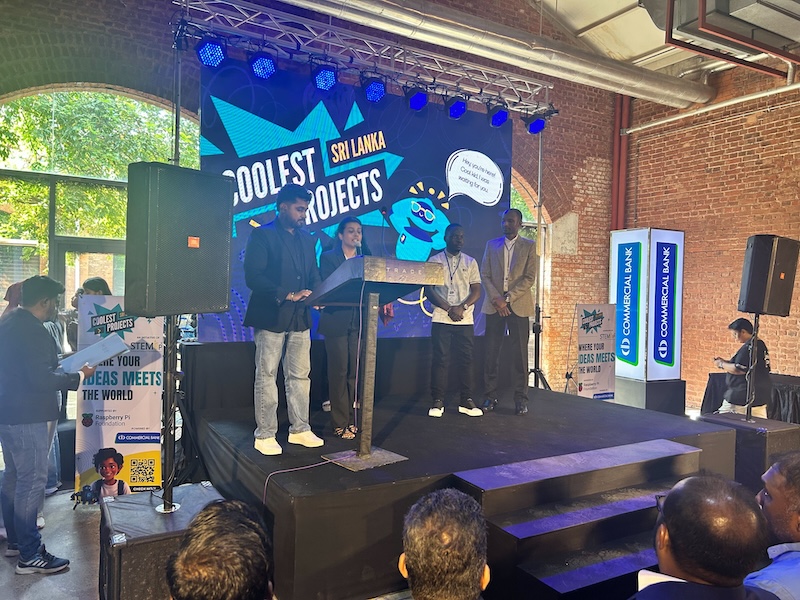
With 150 projects showcased by 200 young people, the event highlighted the incredible creativity and problem-solving skills that come into play when young people have an opportunity to get hands-on with technology and explore their curiosity. It was great to be there on the day and hear from the creators themselves. From a cake chase game (that was really about the importance of friendship) to an AI-powered classifier that could identify organic and non-organic material, there was no shortage of imagination on display.
Here are just a few of the standout projects I saw at the event.
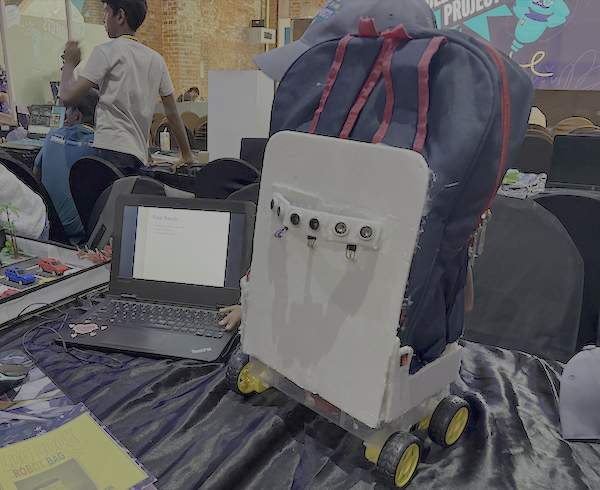
Inspired by young people carrying heavy backpacks full of textbooks, Udula created ‘Robot Bag’ to help people of all ages carry their bags. You simply place your bag on the robot, and it will start following you around! One challenge Udula faced was trying to figure out how far the robot was from people. With just one camera, the robot could not really determine depth, so it could not detect how far away a walking person was. To solve this, he added two more cameras at an angle. This allowed him to calculate a more accurate average distance using input from all three cameras.
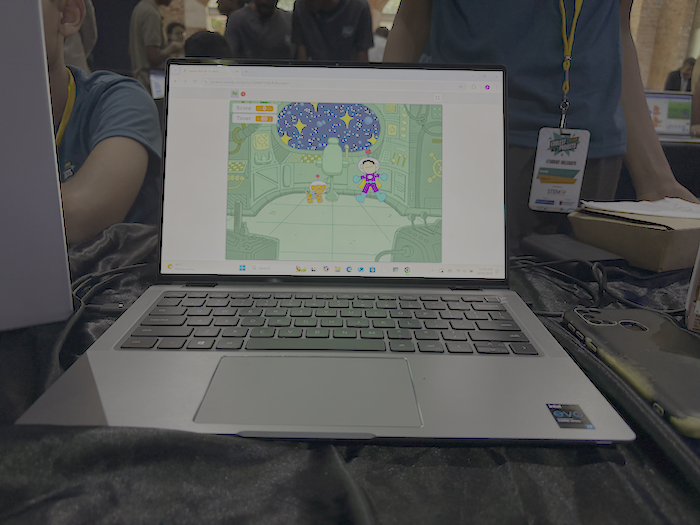
Yahya built an astronaut reaction time game that followed Ripley, an astronaut in training. In order to pass his training, he had to hit as many moving targets as possible in one minute. Thankfully, Yahya had built an adjustable difficulty level, so I could complete the challenge in spite of my slow reaction times!
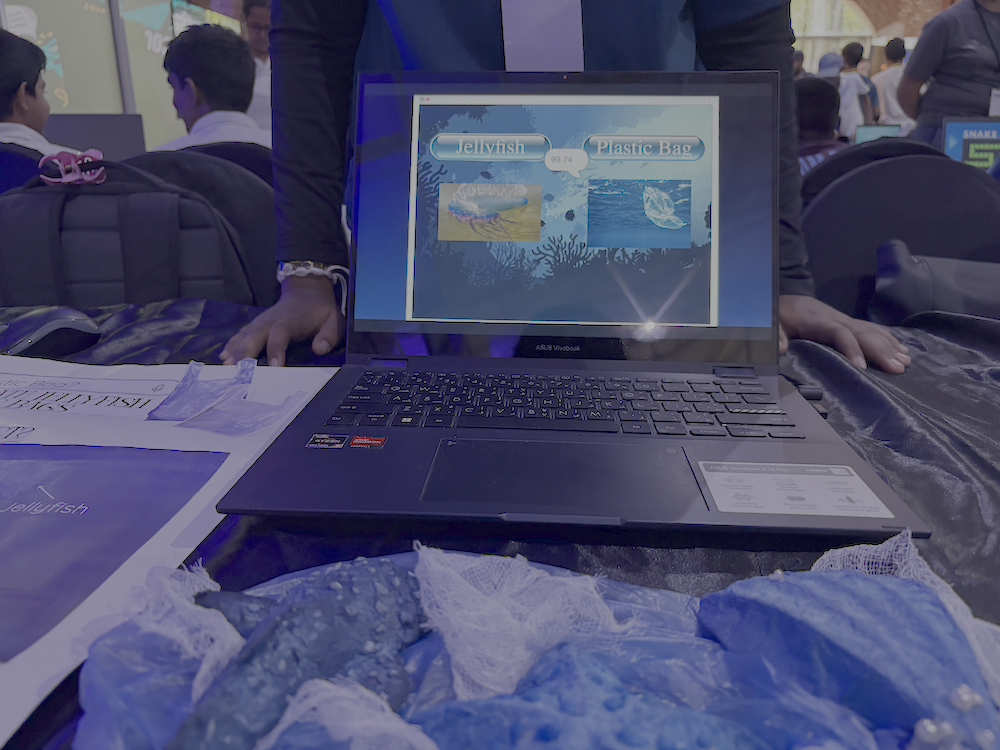
Khadeejah is passionate about the environment and learned that ocean clean-up technology tools often incorrectly identify jellyfish and plastic bags. Underwater, they have a lot of the same characteristics and movements: they are translucent, flexible, and amorphous. She started creating her own dataset and training her own AI model to distinguish between the two. In doing so, she learned a lot about AI bias and how creating a balanced dataset is really important to prevent bias and improve accuracy.
From beginners to experienced programmers, every young creator at the event had the chance to celebrate their work, talk about their ideas, and see what others were building.
Having so many young creators in one space highlighted the importance of providing opportunities where they can share ideas, learn from one another, and build a sense of community. We would like to say a huge thank you to STEMUP Educational Foundation for organising such an inspiring day, and to the volunteers and mentors who made the event possible. Most importantly, thank you to the young digital makers of Sri Lanka for sharing your creativity with us. We can’t wait to see what you will make next!
Want to know more about how you can get involved with Coolest Projects? Sign up to receive the newsletter and be the first to hear announcements and updates.
The post Celebrating creativity at Coolest Projects Sri Lanka 2025 appeared first on Raspberry Pi Foundation.
Coolest Projects India is officially a wrap, and we are absolutely thrilled with the results! The event, held on 20 September 2025 in Hyderabad, Telangana, was a fantastic showcase of the incredible talent and passion of young creators. With over 250 participants, young creators showcased 118 projects, demonstrating the thriving digital making community across India.
The projects on display were truly inspirational, tackling important topics such as environmental sustainability and the responsible use of AI. From hardware to Scratch to AI, creators showcased an incredible variety of projects that brought their ideas to life, from simple creations to complex inventions.
Here are just a few of the standout projects from the day.
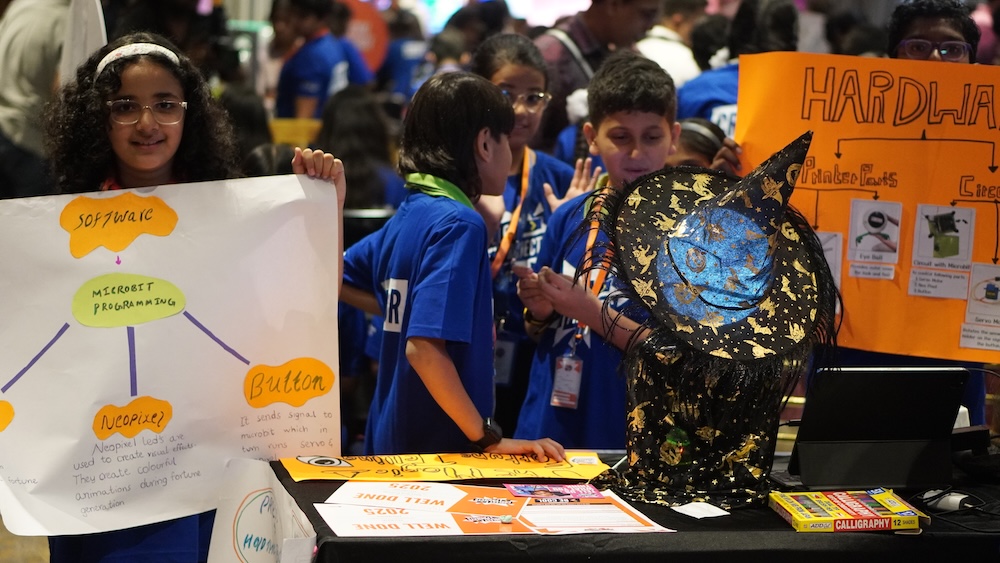
A truly magical project was The EchoCharm Spellbox, an interactive creation that used a Raspberry Pi computer and a speaker to bring the famous Harry Potter artifact to life. This project was a perfect blend of creativity and coding, showcasing how technology can be used for fun and entertainment.
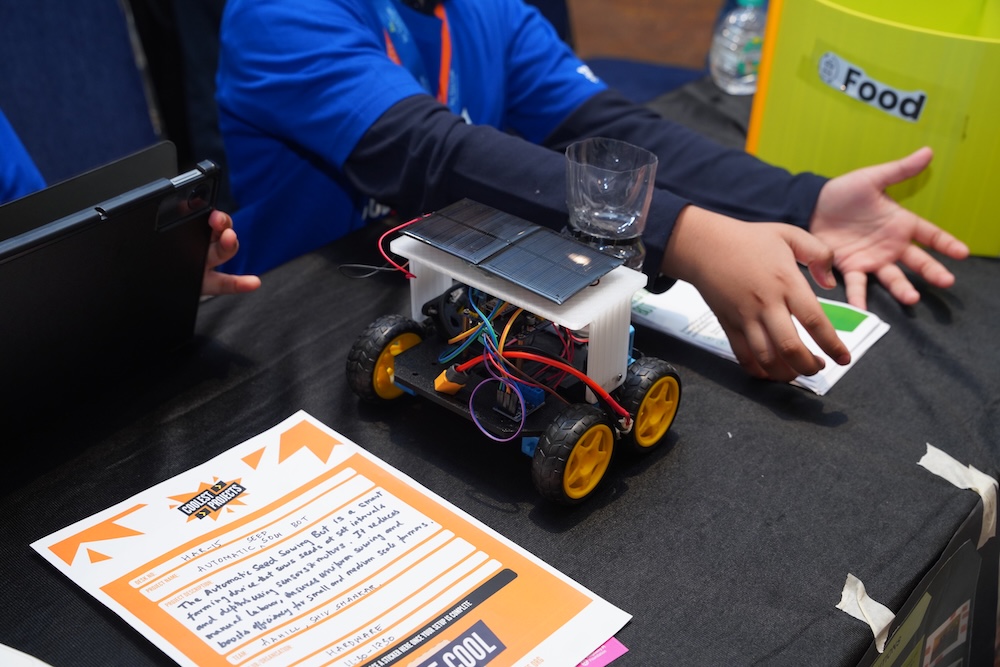
We were also blown away by the Automatic Seed Sowbot, a practical invention that used a tiny camera and AI to quickly and accurately sort seeds. This clever hardware project tackles a real-world problem and has fantastic applications in agriculture and farming.
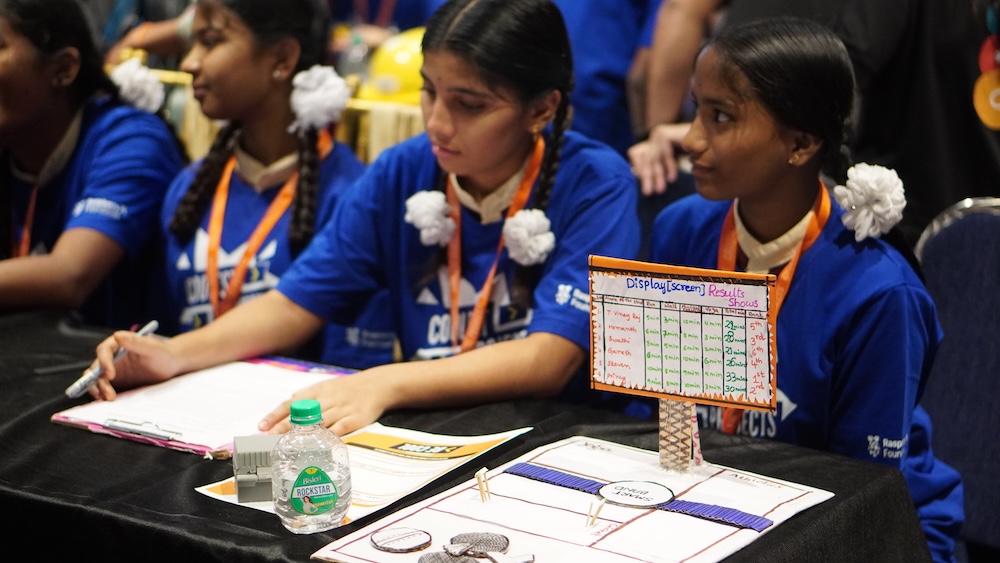
Another brilliant project that we saw was Unspoken Truths, a fun mobile app for interesting conversations to reveal hidden truths and secrets about yourself and your friends. If you’re ever looking to break the ice or deepen your connections, Unspoken Truth provides an entertaining way to start a conversation.
From first-time coders to seasoned programmers, every young person showcasing their work had the chance to celebrate their ideas and feel part of a vibrant community. The event created a unique atmosphere where participants were able to proudly share their projects with family, friends, and the wider coding community. They all received certificates to celebrate their fantastic achievements.
This year’s showcase brought together creators from different parts of the country, highlighting the incredible passion for digital making in India. It was a powerful reminder that when you put technology into the hands of young people with curiosity, there is no limit to what they can create.
A massive thank you to our organisers, volunteers, and the dedicated mentors who made the event possible. And most importantly, thank you to the young creators of India for sharing their ingenuity and creativity with us! We can’t wait to see what you’ll build next.
Thank you to our sponsors, Qube Research and Technologies, for sponsoring the hardware category.
Coolest Projects will be back online and with more in-person events in India and around the world in 2026. Sign up to the newsletter to be the first to hear about dates, deadlines, and exciting updates.
The post Young creators build a bright future at Coolest Projects India 2025 appeared first on Raspberry Pi Foundation.
Getting creative with technology is now easier than ever on the Code Club Projects website. If you’ve visited Code Club Projects recently, you may have noticed that the site has changed over the last few months. In the spring, we launched an initiative to make it easier to find a project. I’m excited to share some of the changes we’ve made based on feedback from young people and mentors.
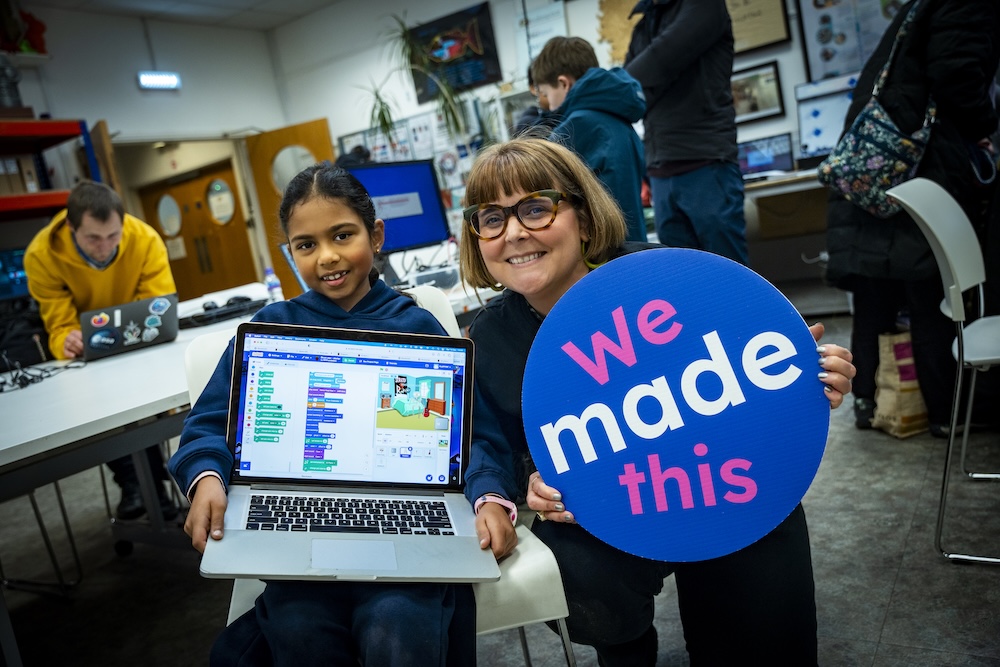
Being able to filter projects by skill level (beginner, intermediate, advanced) has been the feature most requested by mentors. A survey we ran in the spring confirmed that young people find levels helpful when trying to find a project on their own. While our project paths have always had levels, our expert educators have now reviewed every single project on the site and categorised them as a Level 1, Level 2, or Level 3 project. These difficulty levels are easily available as filters on the side of the search page.
“[The Code Club] resources are extremely helpful, particularly for mentors with limited experience; step-by-step guidance is very useful and effective.” – Code Club mentor, Tunisia
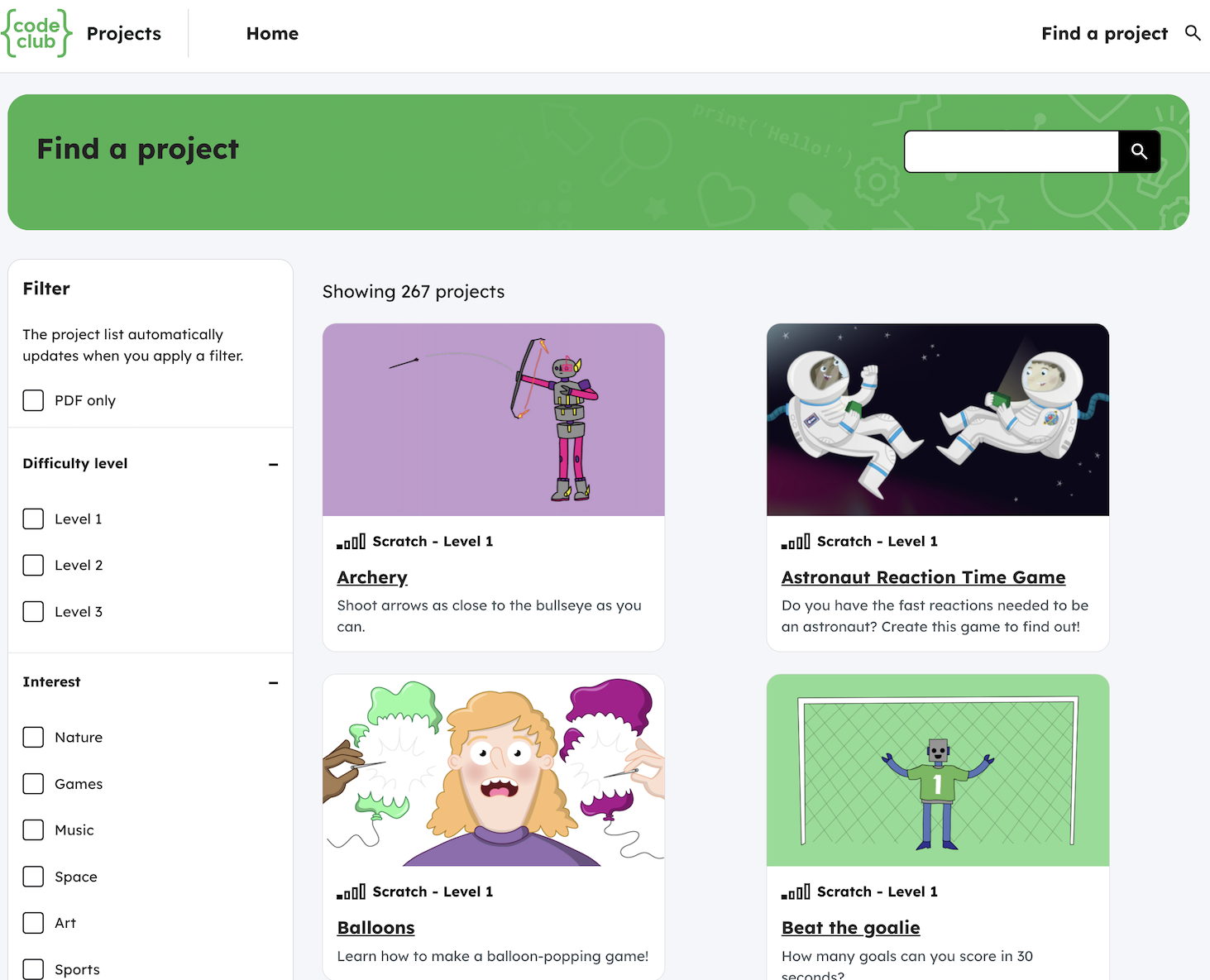
For young people and mentors who aren’t sure where to get started with coding, an easy question to ask is “What do you like to do”? With over 200+ projects on the site, there is a wide variety of projects that span a number of young people’s passions, such as games, art, or nature. In fact, in the same spring survey, young people largely preferred finding projects by interest over technology (e.g., Scratch, Python).
That’s why we’ve created a brand-new set of pages dedicated to helping young people find projects by interest. We believe making it easy to find a project by an existing interest will help young people get excited about coding.
“[Attending Code Club] … combined with watching peers make cool things seems to be a great encouragement to go build rather than just consume.” – Code club mentor, Japan
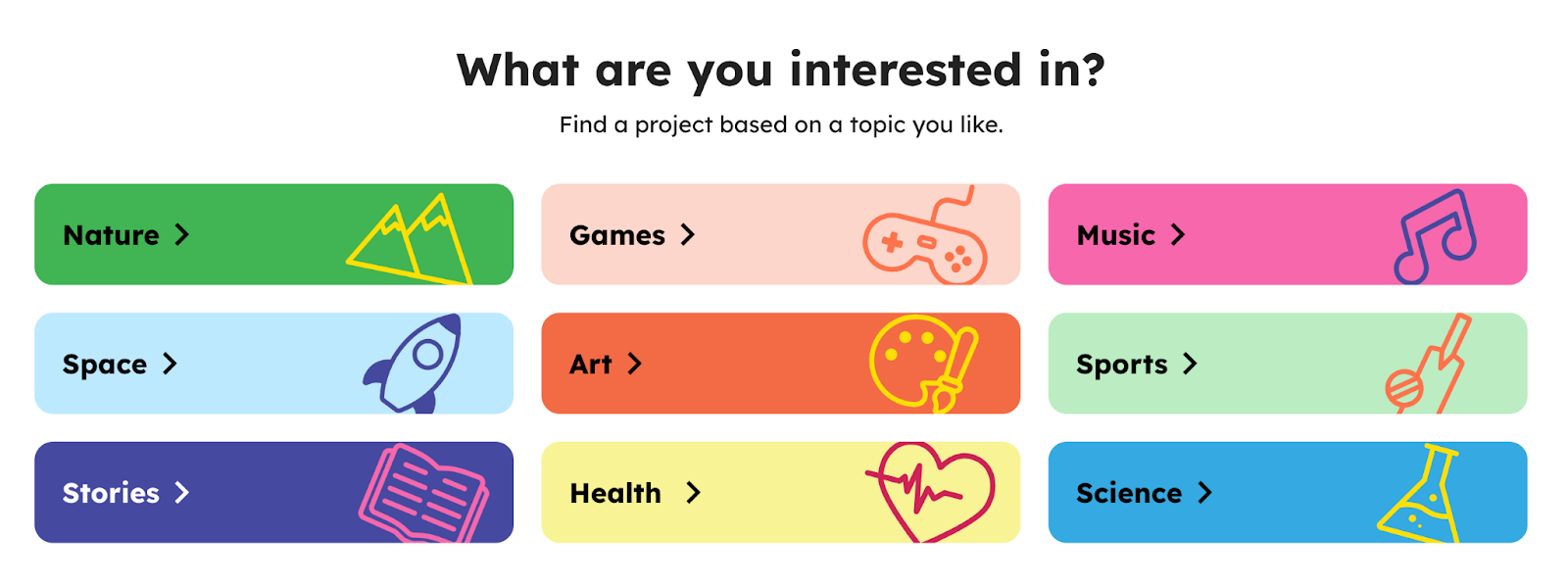
Code Clubs projects are designed to appeal to creators’ interests, including creating their own games.
Through the Clubs annual survey, we know that some young people enjoy following our project pathways and others enjoy finding an individual project to work on during club time. We also know that some of our top search terms are “Scratch” and “Python”, which allow users to see all Scratch projects that are available on the site. We’ve redesigned our technology pages so it’s easy to see paths and projects per technology in the same place.
“I think [Raspberry Pi Foundation projects are] really easy to understand and encourage young people to learn more and more.” – Code Club leader, Brazil
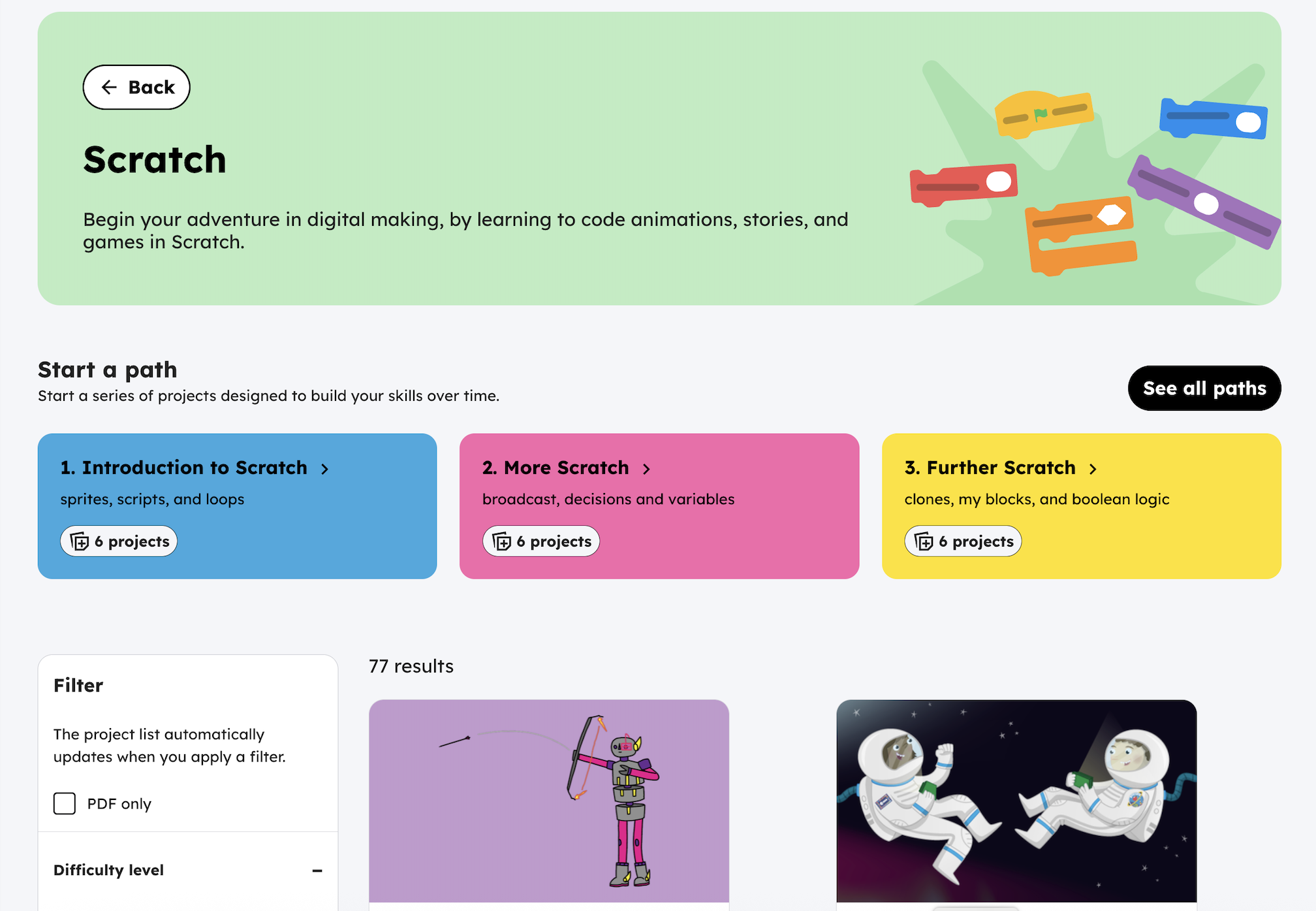
We’ve heard from mentors that our projects are too long to print out. We’re working to improve that, starting with brand-new short PDFs for the Intro to Scratch path projects. Each PDF is no more than six pages, double-sided.
Are there other projects you’d like to see PDF versions of? Let us know.
We’re currently working on an idea tentatively titled “project challenges”. If you’re interested in helping us develop the idea, please get in touch.
If you have not started a club yet but are interested in supporting the young people in your community to explore coding, you can find out more on the Code Club website. The team will support you every step of the way with resources, training, and a collaborative community.
The post Improvements to the Code Club Projects website appeared first on Raspberry Pi Foundation.
From AI-powered inventions to eco-friendly gadgets, young creators from around the world have once again amazed us at this year’s Coolest Projects online showcase. An incredible 11,980 participants from 41 countries shared 5,952 tech projects in our online gallery, and every single one showed creativity and commitment to learning something new.
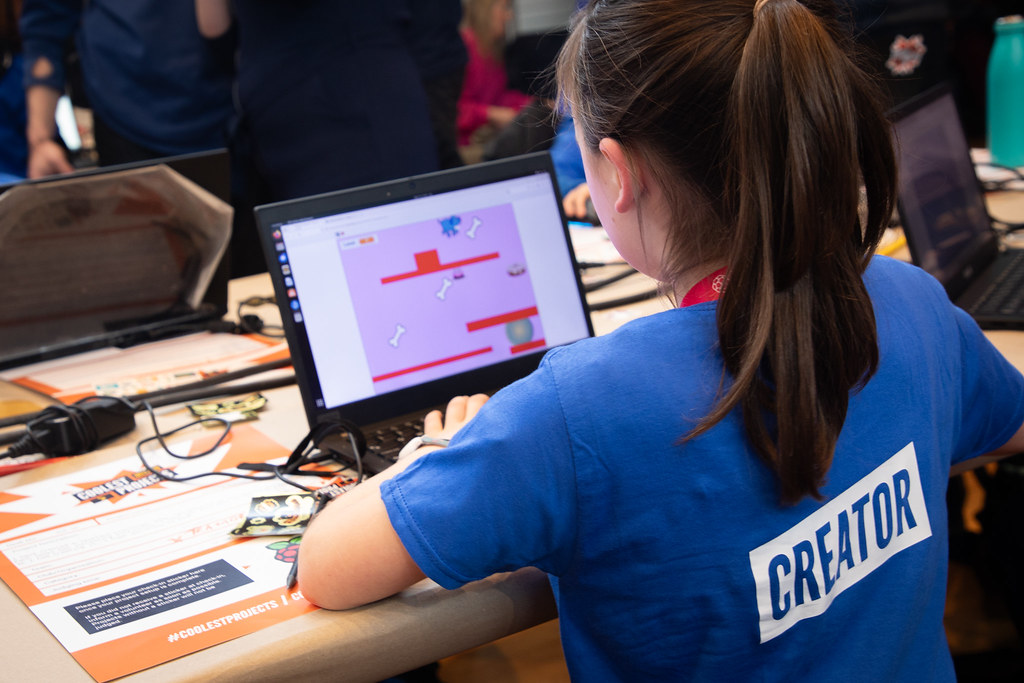
Coolest Projects is an annual global showcase for young people who love to make things with technology, whether it’s a clever Scratch game, a hardware hack, or an app that solves a real-world problem.
In 2025, we introduced a brand new AI category, supported by Amazon Future Engineer and Allianz, which drew over 100 impressive entries, covering everything from mood-sensing AI tools to jellyfish vs plastic bag image classifiers.
Last week, we celebrated all of these brilliant makers in a special livestream event. As always, a panel of VIP judges selected a few standout creations to highlight this year. You can catch up on the livestream here.
Meet our 2025 judges below and find out which projects inspired them the most.
Kelly is the director of the Global Science of Learning Education Network, a global group of scientists, researchers, and educationalists working to improve learning experiences for all. With a strong background in AI and education technology, Kelly was awarded the UNESCO Confucius Prize for Literacy.
Check out Kelly’s favourites:
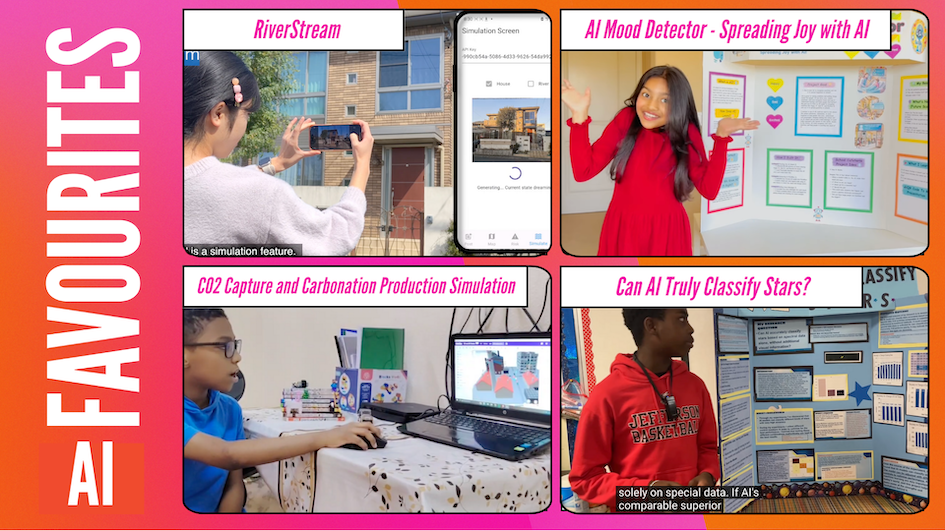
Matt is a software and electronics engineer at the British Antarctic Survey, developing innovative digital projects in some of the world’s most remote environments. From testing code in the freezing Antarctic to debugging with penguins nearby, Matt brings creativity and resilience to his tech work.
Check out Matt’s favourites:
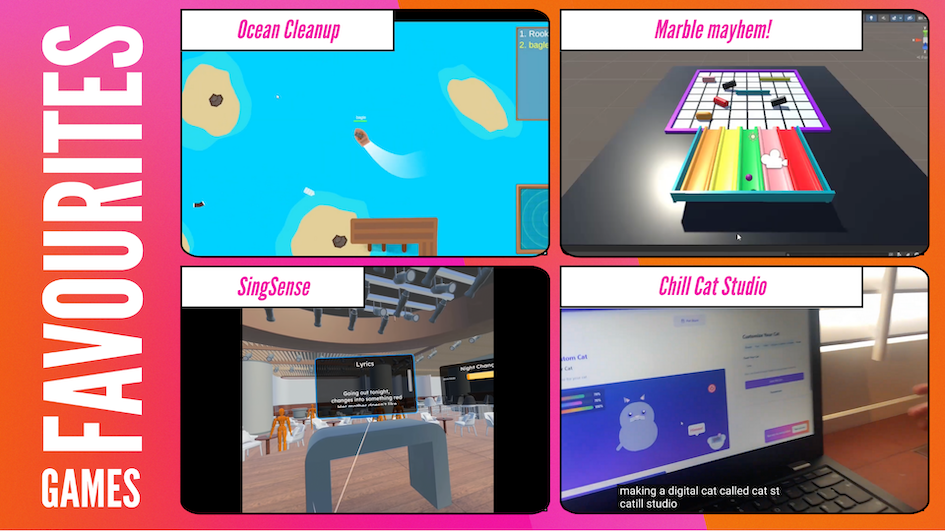
Ebona leads product marketing in EMEA at Niantic, the creators of Pokémon GO. With a background in fashion and television, she brings a flair for storytelling to the world of augmented reality and mixed reality.
Check out Ebona’s favourites:
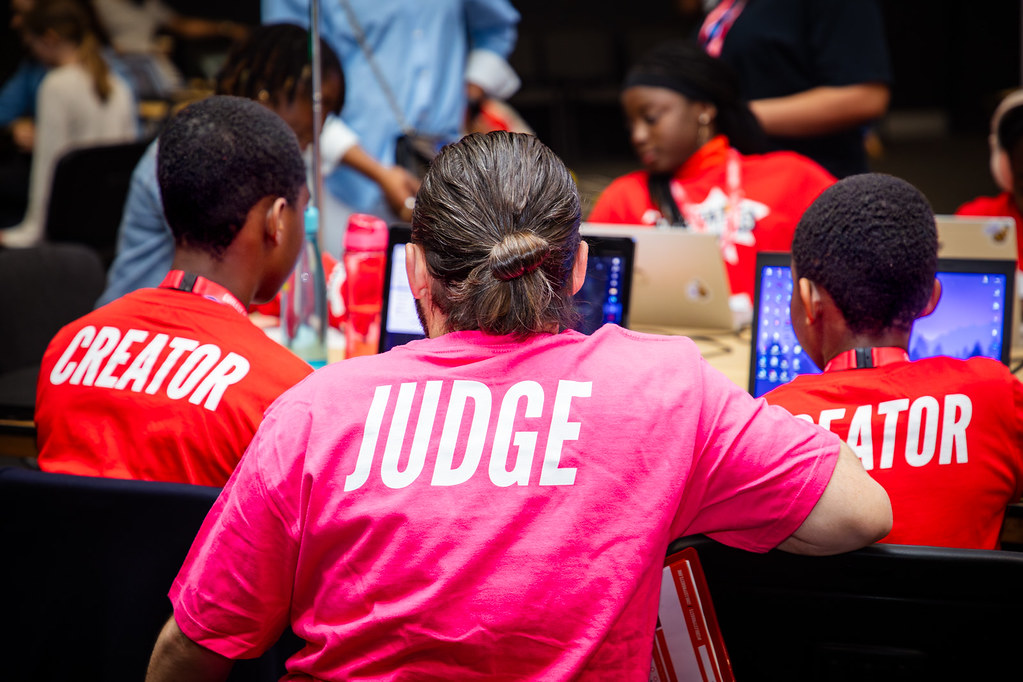
Amar leads digital education initiatives at the WPP Foundation, enabling underserved youth to explore tech through coding, robotics, and design. Recognised as the Young CSR Leader in 2023, Amar combines creativity, technology, and social impact to empower the next generation.
Check out Amar’s favourite projects:
Now that you’ve met the judges and seen some of the standout projects they picked, why not explore the full Coolest Projects 2025 online showcase? Dive into thousands of brilliant ideas from young creators around the world — and let their creativity spark your next big tech project!
For some creators, there’s still time to get involved this year, with in-person events coming up in India, South Africa, Ghana, and more. Head to our website to see if there’s an in-person event happening near you.
Coolest Projects will be back online and with in-person events around the globe in 2026. Sign up to the newsletter to be the first to hear about dates, deadlines, and exciting updates.
Support from our Coolest Projects sponsors means we can make the online showcase and celebration livestream an inspiring experience for the young people taking part. We want to say a big thank you to Broadcom Foundation, Allianz, Amazon Future Engineer, Qube-RT, Avnet and GoTo.
The post Coolest Projects 2025: Where 11,980 young tech creators shared their ideas appeared first on Raspberry Pi Foundation.
This year marked the 10th anniversary of Coolest Projects Belgium. The meticulously organised event was held in April by our partner CoderDojo Belgium, at Technopolis in Mechelen. Themed ‘On the move’, the event invited young creators to interpret movement however they liked — which they did in an impressive number of ways, creating projects ranging from mobile robots and Scratch animations to AI tools, health tech devices, and a musical drink maker.
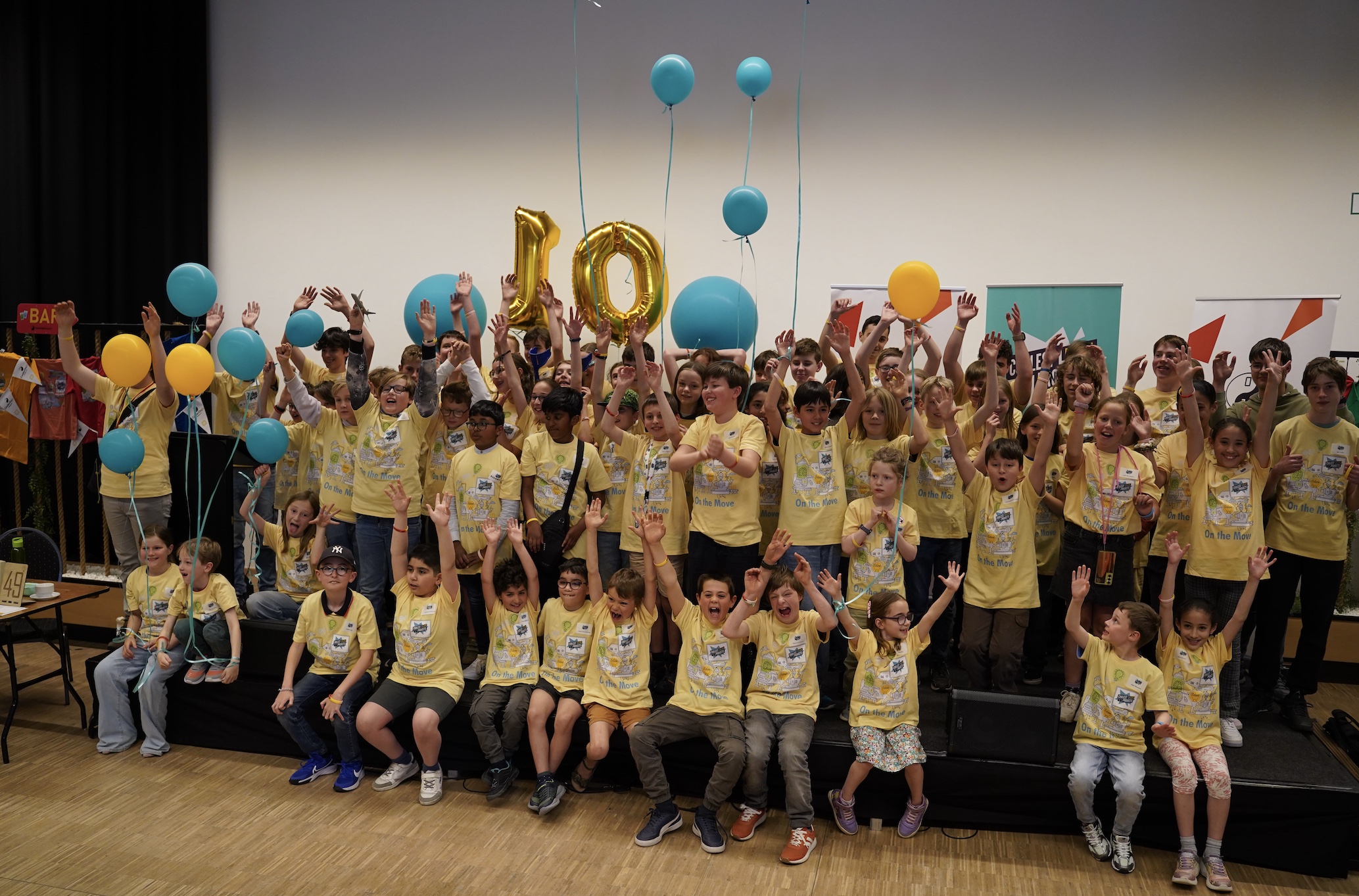
With 52 inspiring creations showcased by 71 young people, there were too many awesome projects to list individually in this blog post. Here are just a few of our highlights from a day filled with big ideas and brilliant builds.
Rune, who has type 1 diabetes, built his own open-source insulin pump powered by Raspberry Pi Pico W and featuring a custom motor-controlled delivery system designed in Autodesk Fusion.
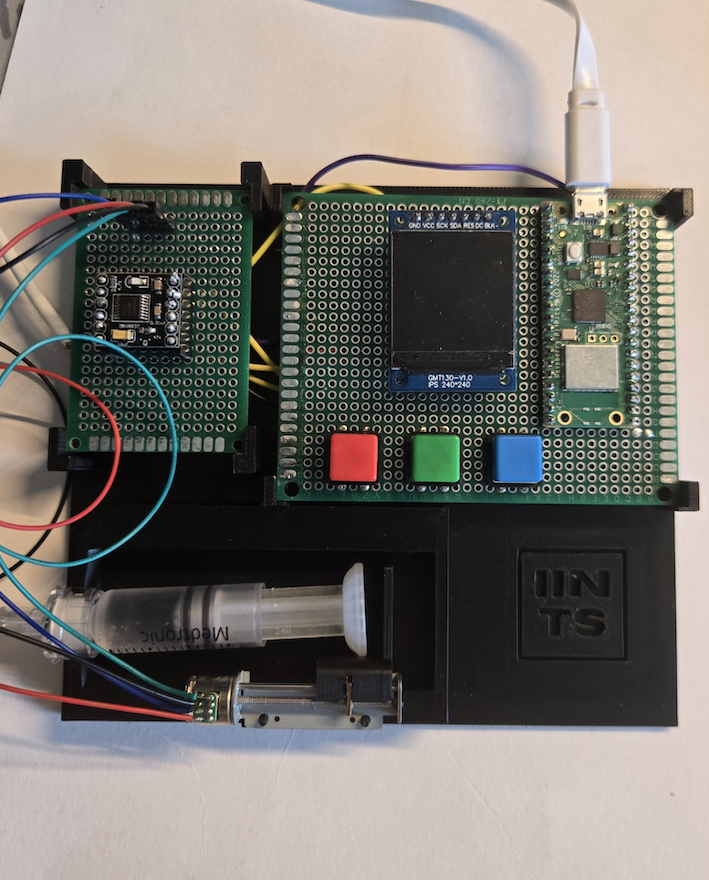
Rune’s pump calculates insulin doses based on carbohydrate amounts entered – all with the goal of empowering people, raising awareness, and making medical technology more accessible.
Amir might only be 10, but he is already experimenting with chatbots and AI in creative and playful ways. His self-coded AI assistant could respond live to visitors’ prompts, producing jokes and answers to questions.
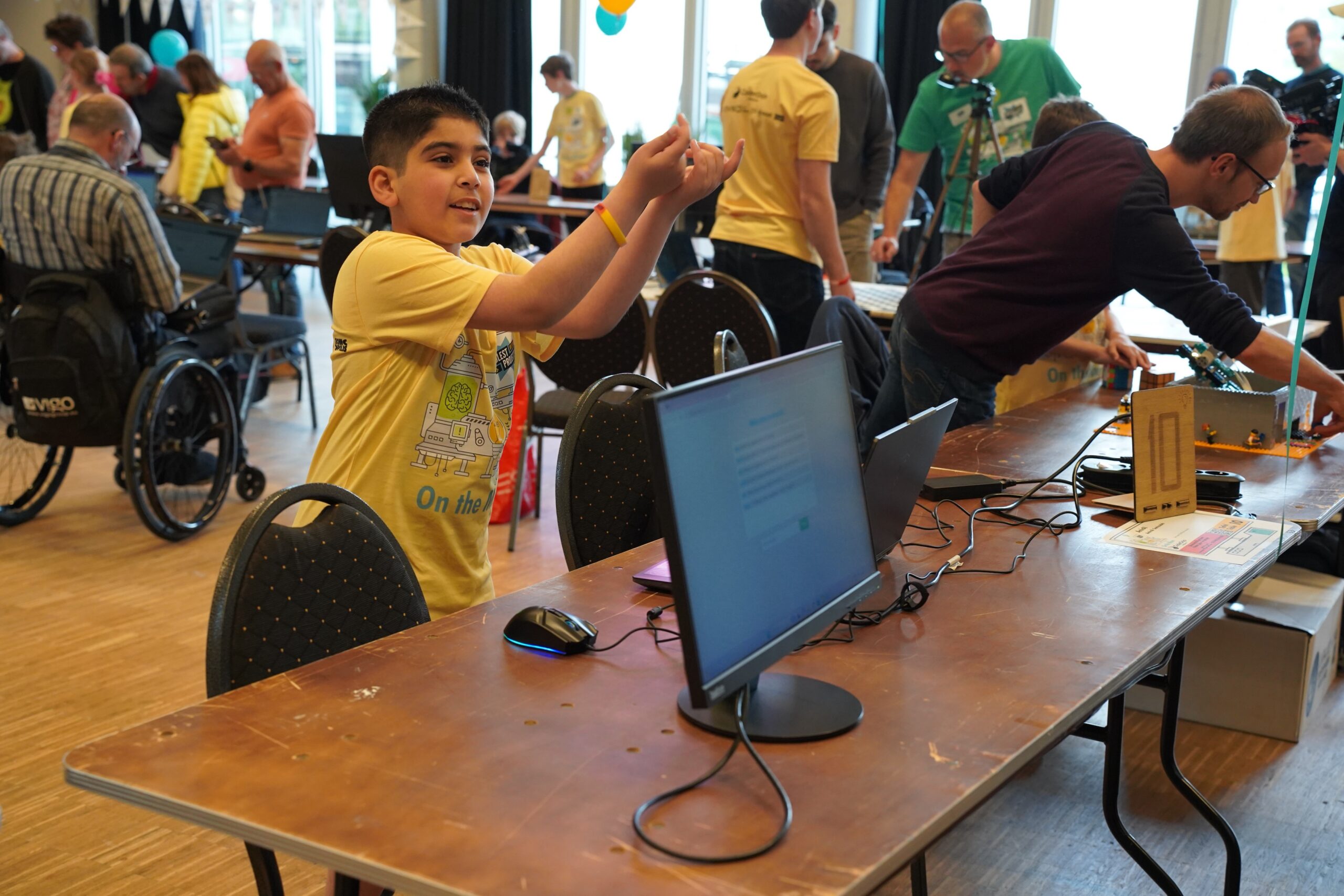
Amir’s project was a great demonstration of how accessible complex technologies can be when you give young people space to explore them.
This Arduino-powered machine blends mocktails based on your music choices. Pick a song, and the machine mixes a custom drink to match the song’s mood. It is a joyful combination of engineering, flavour science, and artistic flair.
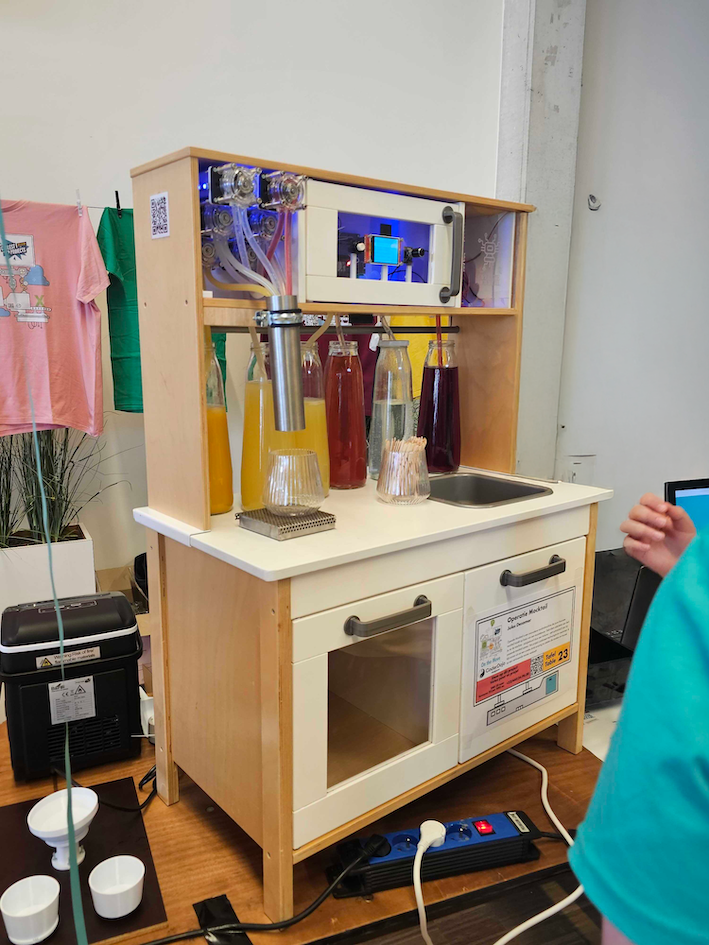
Jules described it best: “I want to create a unique drinking experience that connects taste and music in a surprising way.” We think it’s just right!
Mona’s project is a reimagination of Michael Rosen’s poem On the Move created in Scratch, featuring animation, sound, and voice-over.
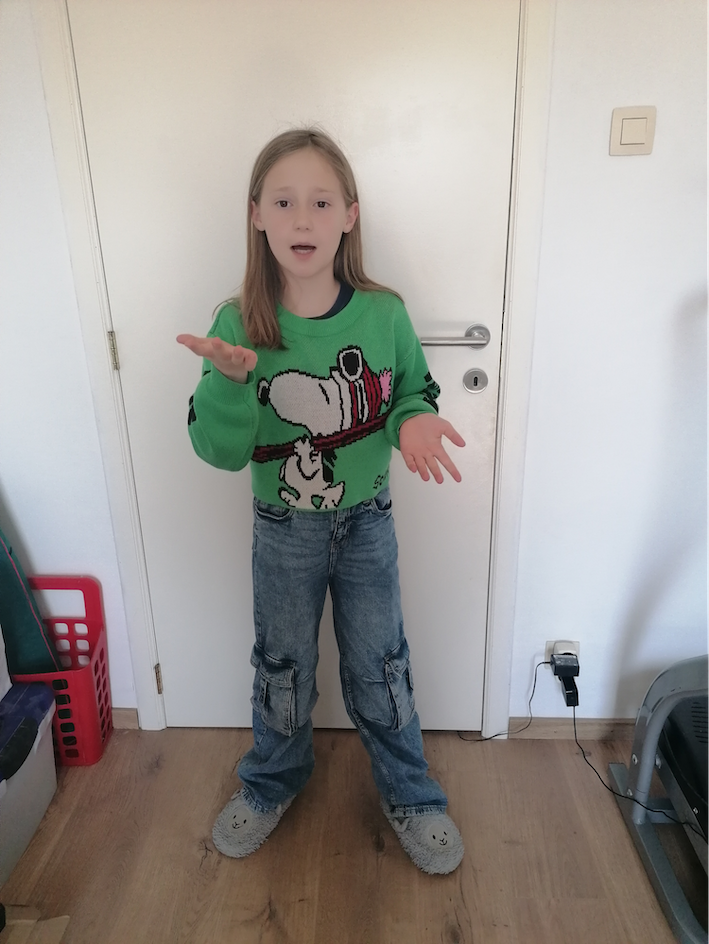
It is a wonderful example of how digital storytelling can give new life to spoken word, and how creative coding platforms like Scratch provide space for emotion and expression.
Beyond these projects, the showcase included creations such as autonomous robots, arcade games, imaginative interface devices, and even a computer-controlled magic wand factory made of Lego bricks. Whether it was a creator’s very first Scratch project or a hand-built automaton, the range of work on display showed that coding and digital making are not just skills — they’re tools for self-expression, exploration, and change.
We would like to say a massive thank you to CoderDojo Belgium for hosting such an incredible event, and to the young creators, families, volunteers, and judges who made it such a success.
We are already looking forward to seeing what participants will create next!
The post Young creators on the move at Coolest Projects Belgium 2025 appeared first on Raspberry Pi Foundation.
At Code Club, we believe learning to code should be as fun as it is empowering — what better way to start than making your own game?
Whether it’s about pixelated pirates, racing robots, or a time-travelling llama, creating a game is one of the most exciting ways to explore coding. We’ve seen young people go from “I like Minecraft” to “I’ve built a space adventure with hedgehogs” in no time at all.
Games are more than just fun. They’re also a brilliant gateway into problem solving, creativity, and computational thinking. When you create your own game, you learn how to:
And perhaps most importantly, you get instant feedback. If your code doesn’t quite work, you’ll know right away, and you’ll have the chance to fix it, test it, and improve it.
We’ve created a free library of step-by-step game projects that work in a browser, that require no previous experience, and that let imagination lead the way.
Here are three brilliant beginner-friendly projects to try at Code Club or at home:



Games are a great starting point because they’re naturally motivating: young people see what they’ve made work, and that’s incredibly empowering.
“I started with ‘Catch the dots’. I changed the sprite to a spaceship and then added power-ups and space cats. Now I’m making my own levels!”
– Lila, 11, Creator
“When my son made his first Scratch game, it was the first time he explained what a loop was to me. Games build confidence.”
– Laura, parent and Code Club Mentor
“Games are a great starting point because they’re naturally motivating. Young people see what they’ve made work, and that’s incredibly empowering.”
– Marc Scott, Senior Learning Manager
Once you’ve finished a project, the real fun begins. With just a few changes, creators can build their own levels or make the game more challenging, design custom characters and backdrops, or invent brand new rules and mechanics.
And if they want to share ideas and collaborate with others, joining a Code Club is the perfect next step.
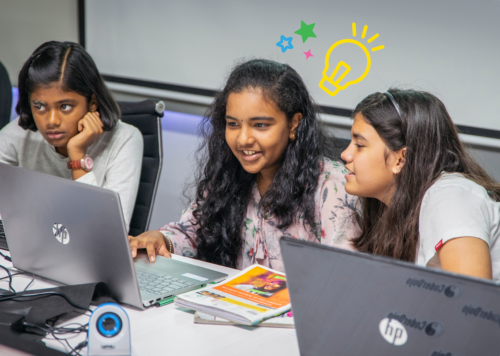
You can find all the projects mentioned here — and many more — on the Code Club projects site. They’re free to use and designed to help creators grow in confidence as they learn to code.
All our projects focused on game creation can be found here.
Every coding journey begins with a single click. Let’s press start!
The post From player to maker: Learn to code by creating your own game appeared first on Raspberry Pi Foundation.
Bradford was buzzing with excitement this May as over 170 young digital makers from across the UK gathered for Coolest Projects UK 2025 at the Life Centre to celebrate the amazing things young people create with technology. Run by the Raspberry Pi Foundation and hosted by BBC science presenter Greg Foot, the free, in-person event brought together budding creators, families, mentors, and even a few troops of Scouts for a fun-filled day.
From AI tools and advanced programming to Scratch games and hardware builds, the showcase featured an incredible range of projects from 113 Coolest Projects participants and 58 scouts. Every young person received thoughtful feedback from industry professionals, the chance to try hands-on coding challenges, and the thrill of sharing what they built with a welcoming crowd and other creators.
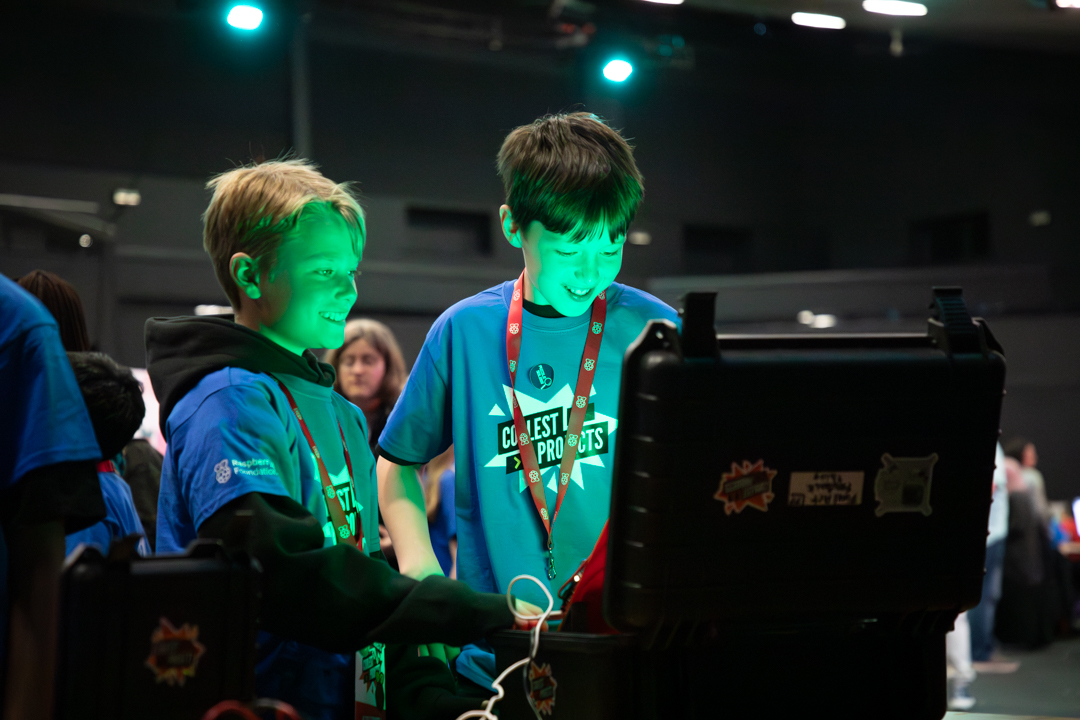
Coolest Projects UK 2025 wasn’t just about showcasing finished products; it celebrated every part of the creative journey. Many creators shared works-in-progress or prototypes, sparking conversations around design, problem-solving, and learning through code.
One of the day’s highlights was an interactive escape room designed just for the event, giving attendees a chance to flex their logical thinking and collaboration skills. And for 58 visiting Scouts, the day was a chance to earn their Digital Maker Badge and share their creations with the showcase participants.
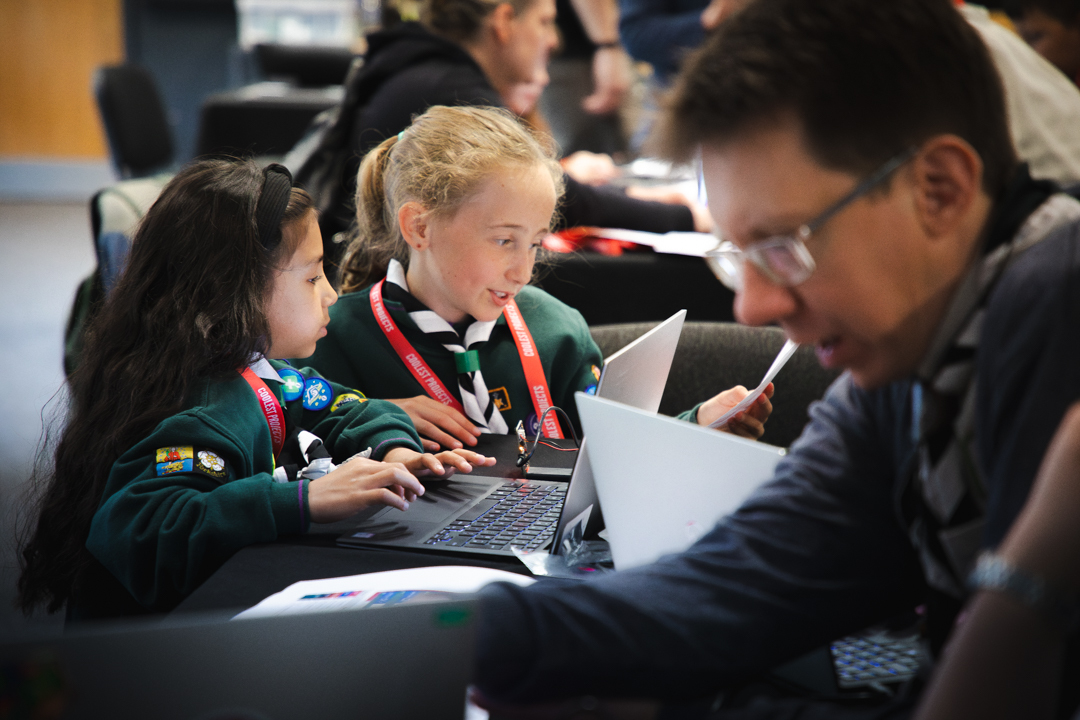
Greg Foot is known for BBC Radio 4’s Sliced Bread and other popular science shows. He brought energy and enthusiasm as host, sharing stories and celebrating young people’s creativity on stage.
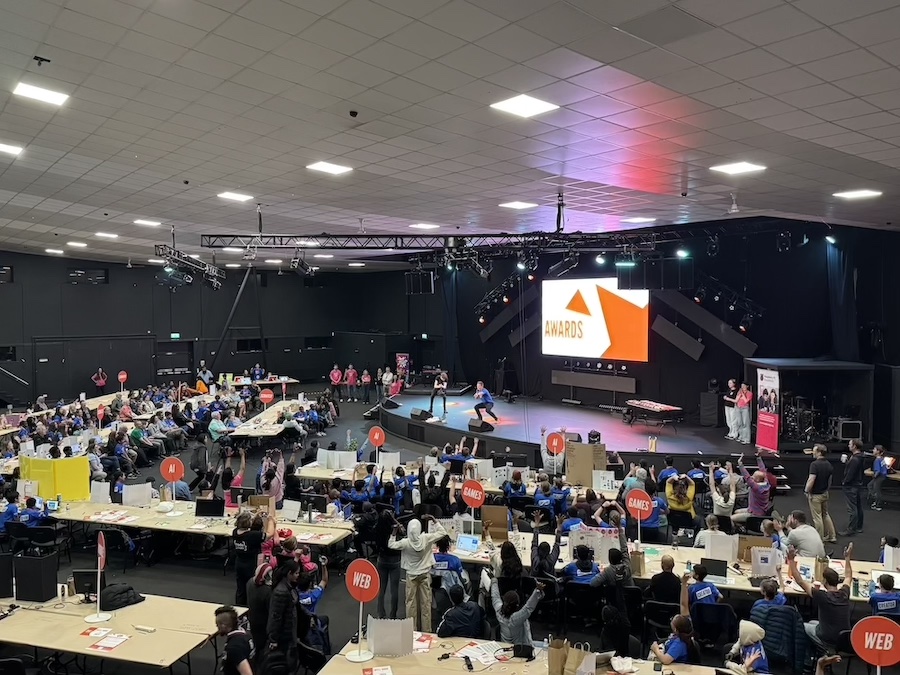
Many of this year’s participants came from local Code Clubs, CoderDojos, and schools across the UK. Others had worked independently to bring their ideas to life. The event encouraged collaboration and connection, with creators exchanging feedback, learning from each other, and celebrating shared interests.
Earlier this year, young people from Bradford also had the chance to take part in hands-on workshops. Held at the National Science and Media Museum, they were guided on getting started with digital making and developing their own project ideas for the showcase.
Here are a few of the projects that were showcased on the day. Each one demonstrates the power of digital tools and the fun and creativity that young people bring to their Coolest Projects journeys. Here’s what the creators had to say about their work, what inspired them, and their experiences of the day:
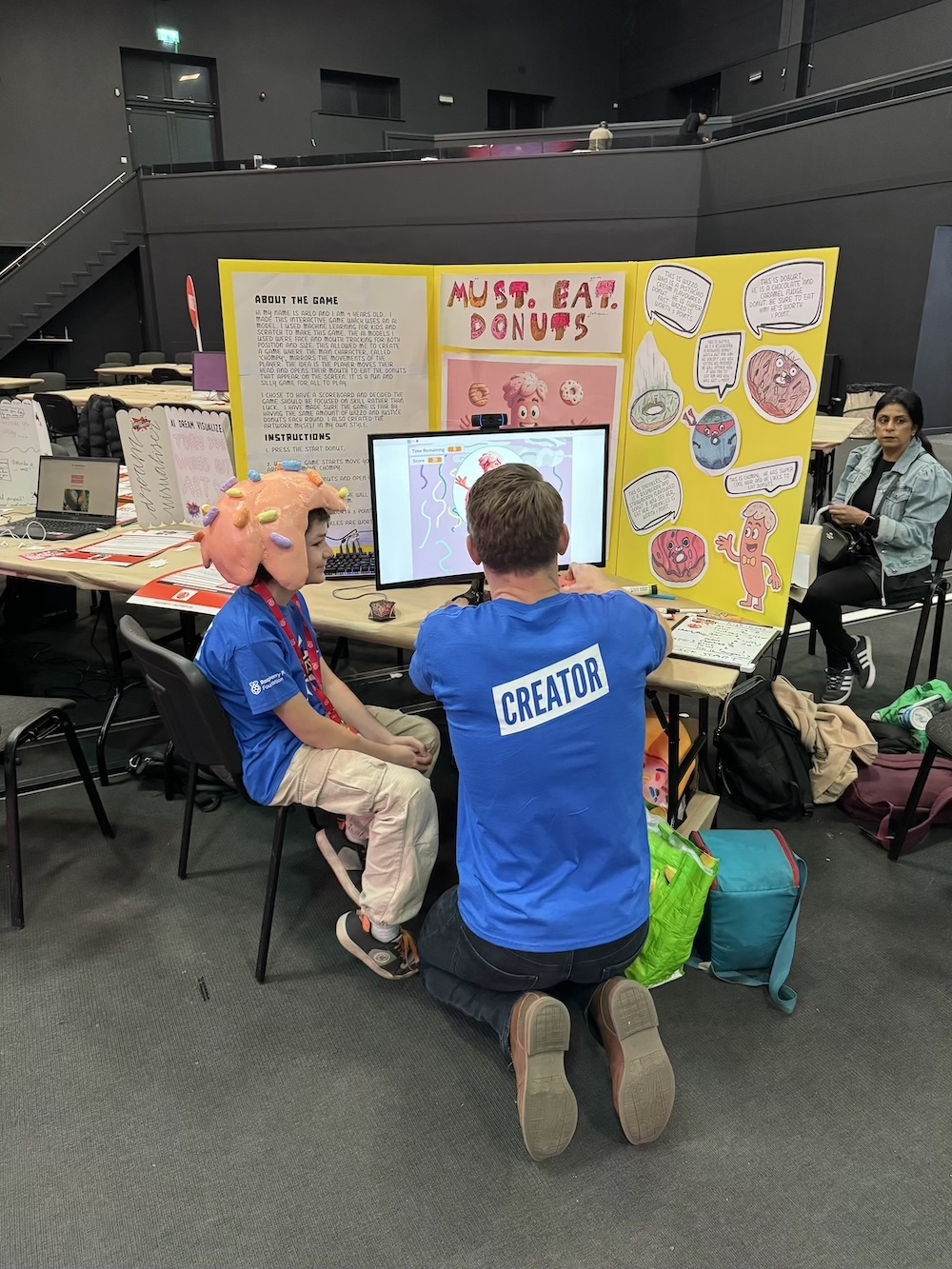
Arlo | MUST. EAT. DONUTS., AI
Arlo’s interactive game featured AI models that used face and mouth tracking to make the main character, called Chompy, mirror the movements of the player. Arlo’s game was inspired by a session at his Code Club. He came across a video sensing motion plug-in and realised he could make a game that used the player’s head as the controller.
“It is a fun and silly game for all to play. I also created the artwork myself in my own style, as drawing is another one of my passions, alongside coding. I would love to come back next year, maybe in a different category. I wanted to enter because I got the chance to share my coding and drawing skills, and I was excited to think others may play a game I created.”
Felicia and Francesca | The Silent Forest, Scratch
Felicia and Francesca created a top-down, Zelda-style RPG in Scratch, where the player explores a pixel world and interacts with characters and objects. Instead of using the keyboard, the game is controlled with a Micro:bit. Felicia shared with us why they wanted to showcase the game at Coolest Projects.
“I went to Coolest Projects UK because I love making things with Scratch and wanted to show my game to other people. It was a fun way to share what I built, see what other kids made, and learn new ideas. I wanted to challenge myself and be part of something really cool!”
Eesa, Yahya and Yusha | Let’s Speak Arabic!, Scratch
Let’s Speak Arabic is an interactive program designed to help people learn conversational Arabic. Eesa, Yahya, and Yusha are home educated and study a book called Al Arabiyyah Bayna Yadayk together. This inspired them to think about fun ways to upgrade their study, and the idea for gamifying their learning through Scratch was born. The team shared a little about their experience:
“The event was awesome. Actually, it was even better than we imagined! We loved meeting people from all over the country, really enjoyed playing other people’s games, and got lots of ideas for what we could code in the future. And, our parents were so proud we got judge’s favourite!”
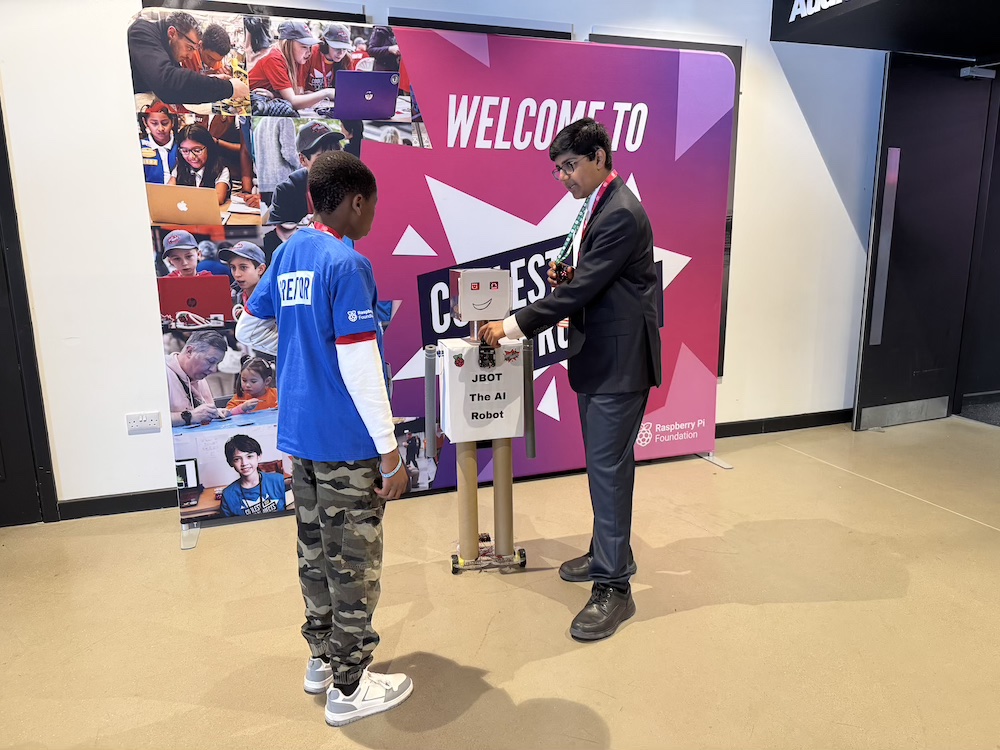
Jay | J Bot, Hardware
Jay is a long-time friend of the Foundation and has been taking part in Coolest Projects online and in person for the past few years. He wowed again this year with his life-sized J Bot and shared with us why he thinks Coolest Projects is such an important event for the young creator community.
“I know it might seem a bit intimidating to come and showcase in front of all these people, but I feel more and more people should try and get involved [in Coolest Projects] because it’s a really good community of people. And they are really supportive as well. So I would just say, give it a go. Don’t be nervous because people are here to help you along the way.”
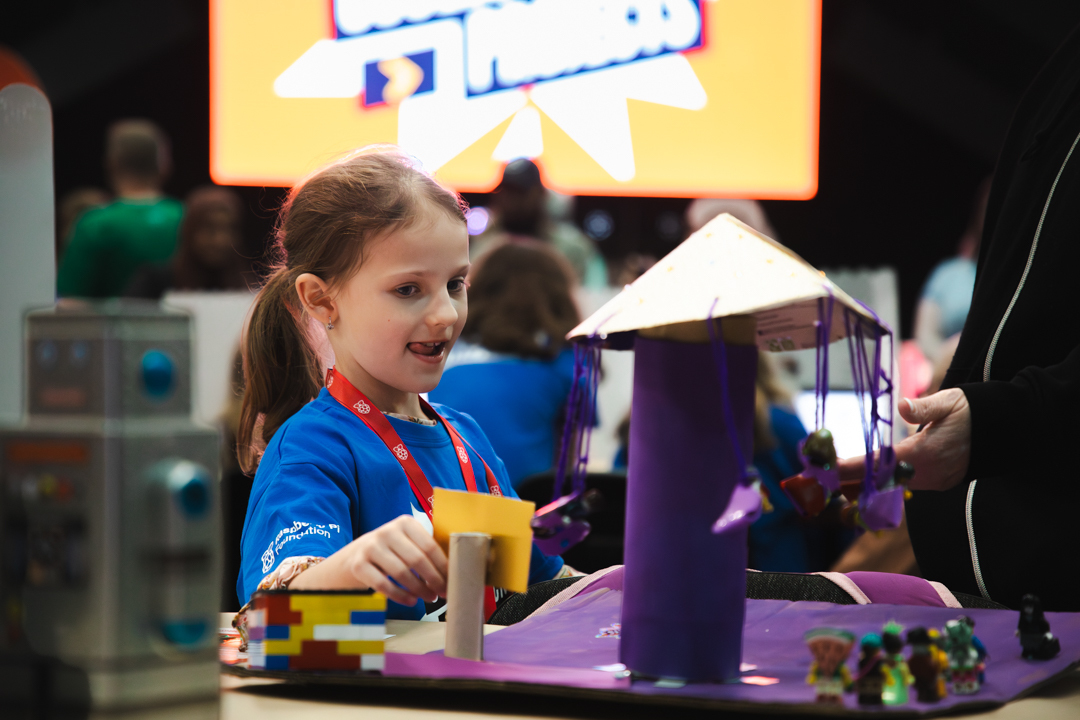
Coolest Projects UK continues to grow as a platform for the next generation of changemakers. We can’t wait to see what they create next!
Although the online showcase and Foundation-led events are now closed for this year, there are still many more partner events happening globally throughout 2025.
Visit coolestprojects.org to learn more.
Coolest Projects is just one part of the Raspberry Pi Foundation’s work to help young people explore computing. Across the UK and Ireland, over 2000 free Code Clubs offer sessions where young people build digital skills, grow in confidence, and work on creative projects with others. Across the world, there are nearly 6000 more clubs running.To find your local Code Club or get involved as a volunteer, head to codeclub.org.
The post Young tech creators take over Bradford at Coolest Projects UK appeared first on Raspberry Pi Foundation.
Last month, the Science Museum of Minnesota buzzed with excitement as young tech creators from across the country came together for Coolest Projects USA in a celebration of creativity, curiosity, and coding.
Around 40 young people showcased their projects on the day, sharing their work with friends, family, and the wider coding community. With hands-on tech activities, project demonstrations, fun swag, and certificates of achievement, the day was packed with energy and enthusiasm.
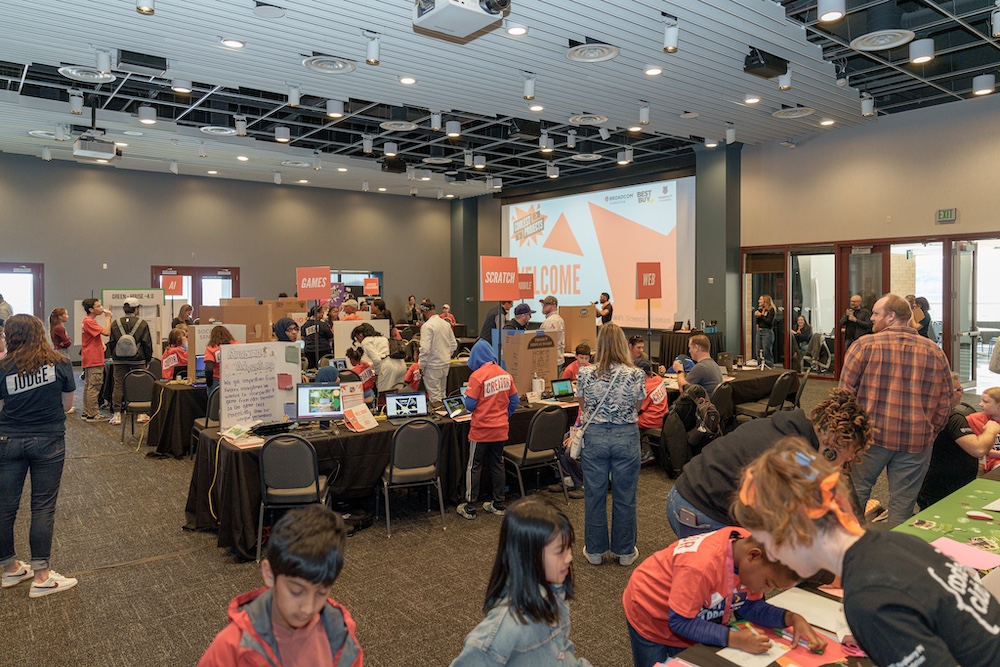
Coolest Projects is all about empowering young people to show off what they’ve built, no matter their skill level or experience. From first-time coders to budding engineers, everyone was welcomed and learnt something from the day.
One of the standout moments was the presentation of the Broadcom Foundation Coding with Commitment® special recognition, which highlights a project that uses code to solve real-world problems.
The award went to Kaila for her project, Car vs Road, a self-driving car simulation designed to explore how natural disasters like hurricanes, floods, and tornadoes might impact autonomous vehicle technology.
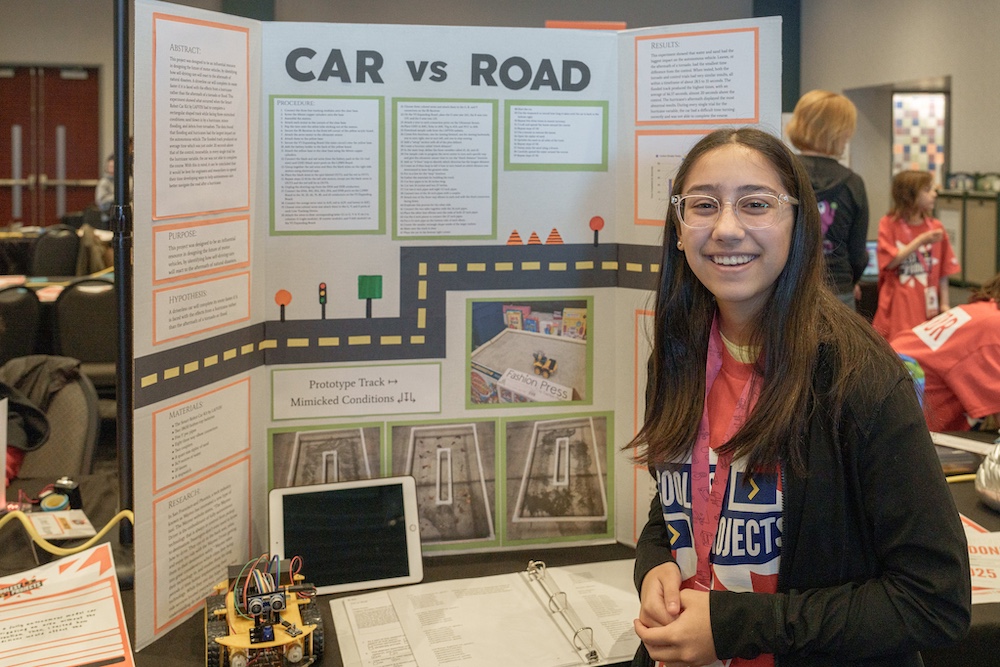
“My project was inspired by Waymo. After hearing about Coolest Projects through the Minnesota State Science and Engineering Fair, I decided to attend — and absolutely loved it! The atmosphere was welcoming, the judges were so involved, and the entire experience was truly unforgettable.” – Kaila, 2025 Coding with Commitment® recipient
Broadcom Foundation’s partnership with Coolest Projects USA highlights how coding can be a powerful tool for tackling global challenges, from health to climate change, and champions digital literacy for all youth.
With seven categories available for entries, the judges had their work cut out for them choosing their favourite projects. Here are some that captured their attention on the day:
Mila | Sports Compilation, Scratch
Mila’s project, Sports Compilation, tells a story through animated sports scenes that inspire people to try new things and embrace their rebellious side.
“I wanted to show my mom that I could code — even though I’m not a ‘full-time coder’. I kept working on my original sports scene and added more to create something bigger.”
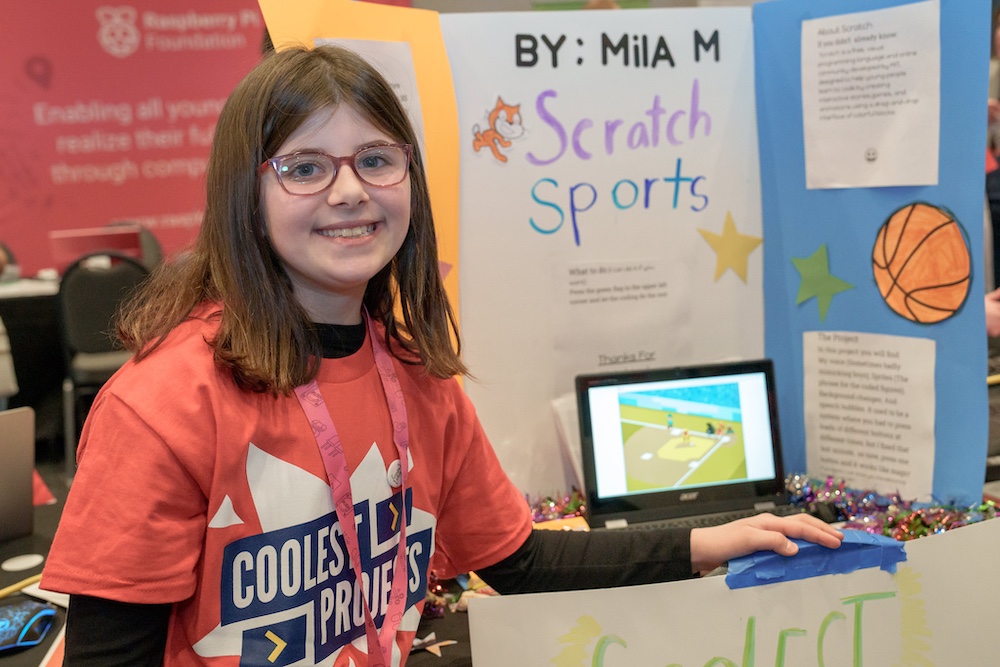
“My biggest challenge was making it reset automatically. At first, I didn’t understand the instructions I found online, but then I figured out how to use timing and broadcasts to make it work.”
“Coolest Projects was so fun, my teacher hyped it up, and it lived up to the excitement!”
Ethan | Coding AI to Enhance Speech Therapy
Ethan’s project was inspired by his experience with speech therapy. He used machine learning to help people identify and correct different types of incorrect pronunciations of the /s/ sound. Ethan shared his motivations behind attending:
“I went to Coolest Projects USA to get the opportunity to present my work and receive feedback from a large audience of judges, participants, and other viewers on how to improve my project and the presentation of it.”
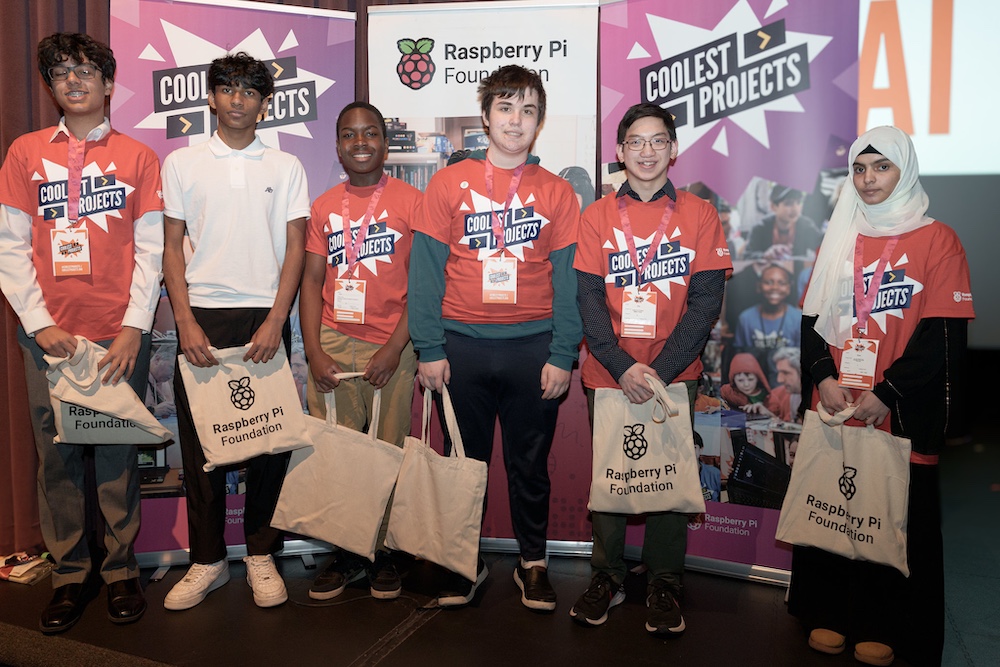
“I had fun at Coolest Projects USA, seeing the different ways that young people like me are taking advantage of technology to try and help the lives of others, and also seeing the creativity and determination that we have.”
We want to say a huge thank you to every young creator who presented a project, to the families who cheered them on, and to our amazing volunteers and partners. We also want to give a special shoutout to our sponsors, Broadcom Foundation and Best Buy Inc., for their incredible support. We couldn’t have done it without you.
Thank you for making Coolest Projects USA 2025 such a special day!
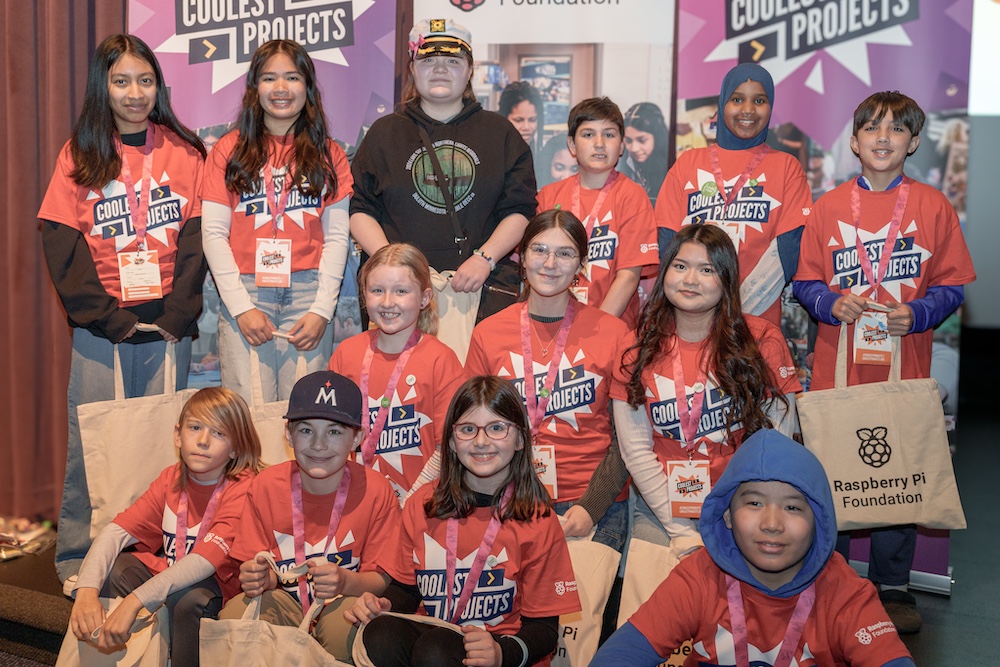
If you missed the event or are feeling inspired, there are still ways to join the Coolest Projects global community!
Partner events are held around the world — head to the Coolest Projects website to find out more.
The post Celebrating young innovators at Coolest Projects USA appeared first on Raspberry Pi Foundation.
Earlier this month, young creators gathered at the Sport Ireland Campus National Indoor Training Centre in Dublin for Coolest Projects Ireland 2025, an inspiring showcase of creativity, coding, and problem solving. With more than 80 participants sharing over 60 incredible projects, this year’s event highlighted the passion and innovation of young creators from across Northern Ireland and the Republic of Ireland.
The day offered the chance for young people to share their digital projects, engage with a like-minded community, chat with VIP judges, and take part in exciting coding activities like Astro Pi Mission Zero. The event was once again supported by Meta, who sponsored the new AI category, continuing their commitment to promoting the importance of digital skills to young people.
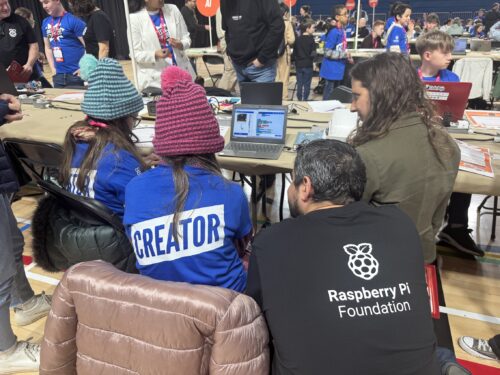
Coolest Projects is a space for all digital projects, across all levels and categories, from hardware inventions to AI to Scratch. The event celebrates not just the finished products, but also the learning journeys of young creators and skills such as problems solving and creativity.
Helen Gardner, Programme Manager at the Raspberry Pi Foundation, shared her enthusiasm about this year’s showcase:
“Returning to Dublin for Coolest Projects is always such a joy! It’s incredible to see the enthusiasm, creativity, and talent of young creators as they bring their ideas to life. This event is all about celebrating the community and inspiring the next generation of problem-solvers. It’s always so inspiring to witness their amazing projects and the energy they bring to the day!”
Participants at Coolest Projects Ireland included young people from schools, coding clubs such as Code Club and CoderDojo, and independent makers. Many were returning participants, excited to showcase their latest projects and connect with fellow creators. The sense of community and encouragement was felt throughout the event, with mentors, parents, and judges offering valuable support and feedback to support growth and celebrate achievements.
This year, judges were particularly impressed with the originality and impact of the projects. We caught up with four of the creators to find out why being involved in Coolest Projects Ireland was important to them.
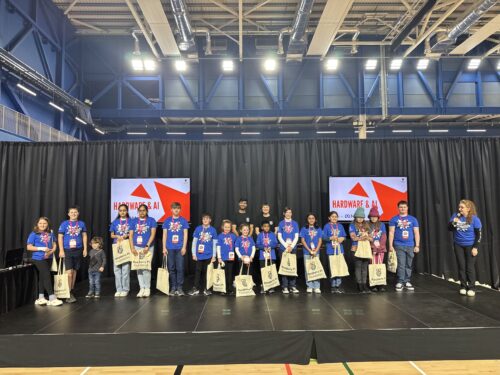
Sister duo, Riddhiba and Aarushiba, created Innovaid, a project that uses technology to improve safety at events.
“We wanted to solve a problem that was affecting a large number of people. Having read news articles, and having talked to people who have had bad experiences at concerts and large events, we wanted to solve this problem that has been ongoing for many years. Although technology has advanced rapidly in the past years, there are still flaws in large event management leading to incidents and deaths. We wanted to incorporate safety, medical aid, crowd management, and inclusivity.”
“Coolest Projects Ireland was an amazing experience for both of us, we got the opportunity to meet with so many people that were so passionate about technology and coding. We met many people who also wanted to make a change in society, or wanted to solve problems.”
Coolest Projects also welcomed an AI category, supported by Meta, for the first time, which included Kirsty’s entry, A haon, dó, trí – Learn with me. Kirsty’s entry used machine learning to help learners master the Irish language in an engaging and interactive way. Kirsty shared a little about her journey with the project
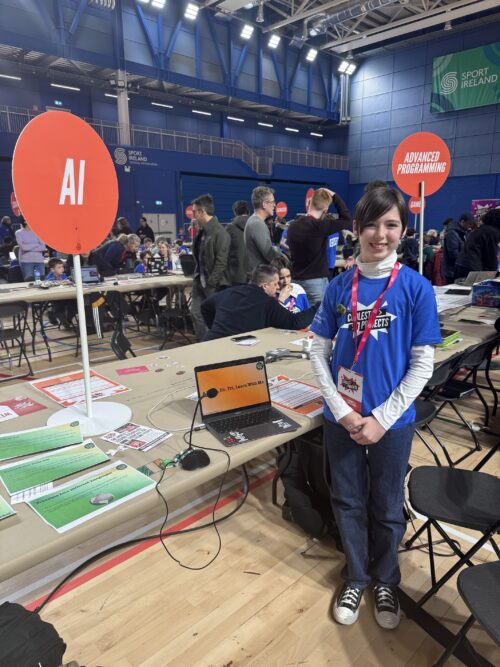
“I really enjoyed some of the machine learning with Scratch projects on the Raspberry Pi site. While doing the ‘Alien language’ project, it occurred to me that I could use a similar approach to build a game to help young kids learn Irish.”
“I had to build my own Irish language training data set so I recorded lots of speech samples from my school friends. However, I go to an all-girls school, which would have meant my training data would have been very limited! So I recorded some boys’ voices at my CoderDojo to make my data set more varied and balanced.”
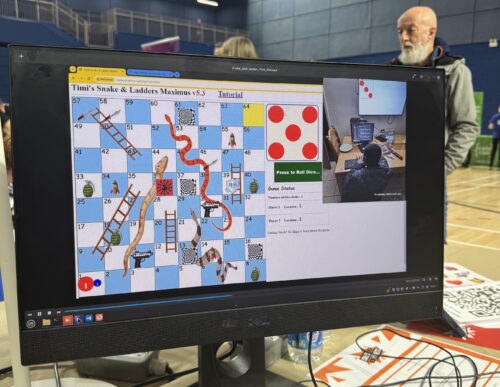
In the Games category, Timi received acknowledgement for his project, Stakes & Laughters Maximus.
“I got the idea from a story my dad told me about when I was younger. I apparently got really upset when I lost a game of Snakes and Ladders. So, I wanted to make a Snakes and Ladders game that wasn’t just about luck. I wanted players to have to think strategically about how to use their luck.”
“There were many challenges! Everything from the character movement to the turn system and the items presented roadblocks. But I broke through them by carefully thinking about what I wanted to achieve and then using code to create the logic for it.”
The Coolest Projects online showcase is open for entries, providing young people worldwide the opportunity to share their digital creations.
We also have upcoming in-person events in the US, UK, and around the world thanks to our partner organisations. You can find out more and get involved with these through the Coolest Projects website.
Finally, we want to say a huge thank you to everyone who made Coolest Projects Ireland 2025 such a fantastic experience! We can’t wait to see what young innovators create next year.
The post Celebrating young tech creators at Coolest Projects Ireland 2025 appeared first on Raspberry Pi Foundation.
Coolest Projects is our global technology showcase for young people aged up to 18. Coolest Projects gives young creators the incredible opportunity to share the cool stuff they’ve made using digital technology with a global audience. Everyone who takes part will also receive certificates and rewards to celebrate their achievements.
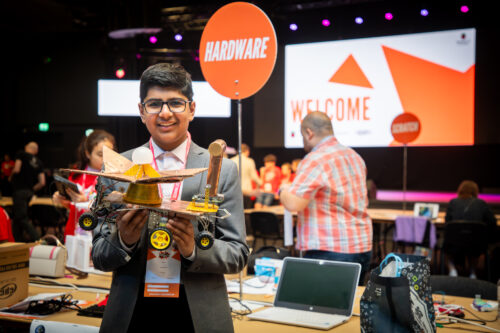
The Coolest Projects online showcase is open to young people worldwide. Young creators can enter their projects to share them with the world in our online project gallery and join our extra special livestream event to celebrate what they have made with the global Coolest Projects community.
By taking part in Coolest Projects, young people can join an international community of young makers, represent their country, receive feedback on their projects, and get certificates to recognise their achievements.
Coolest Projects is completely free to take part in, and we welcome all digital technology projects, from young people’s very first projects to advanced builds. The projects also don’t have to be completed before they can be submitted.
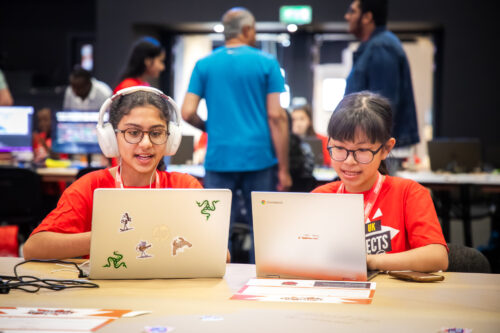
Projects can be submitted to one of seven categories: Scratch, games, web, mobile apps, hardware, advanced programming, and AI (new for 2025).
We know Coolest Projects has a big impact on young people all over the world, and we can’t wait to see your creations for 2025. You can find out more about the incredible creativity and collaboration from mentors and makers worldwide in our 2024 impact report.
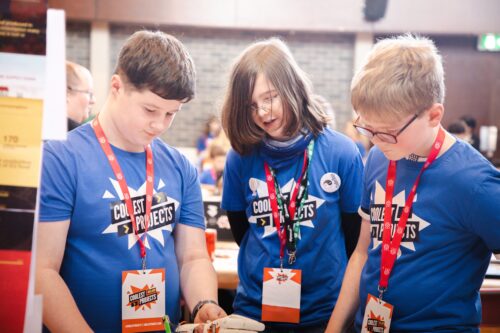
Taking part in Coolest Projects is simple:
Mentors — entering more than one project? Sign up for a group code, and your young people can link their projects to your account.
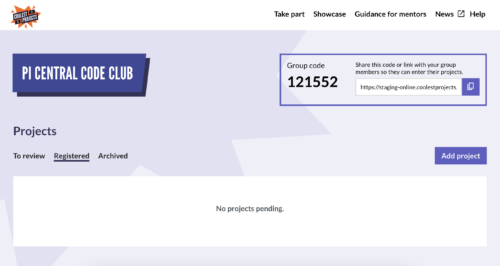
Submit your coolest projects. Every young person who uses your group code will have their project linked to your account. You can review and edit their projects in your group dashboard and submit them from there. There is no limit to the number of young people who can submit entries using your group code.
For a more detailed run-through of how to use group codes, please see our ‘how-to’ video.
As well as the global online showcase, Coolest Projects in-person events are held for young people locally in certain countries. We encourage creators to take part in both the online showcase and their local in-person event. In 2025, creators can attend the following in-person events, run by the Raspberry Pi Foundation and partner organisations around the world:
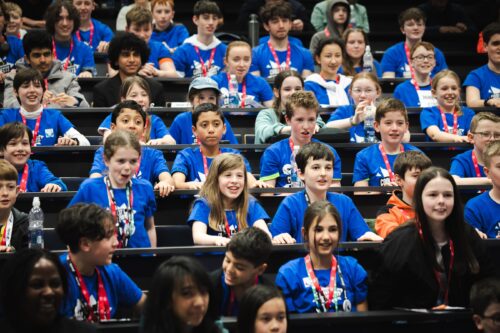
More events are on the way, so sign up for the Coolest Projects newsletter to be sure you hear about any in-person events in your country. And if there isn’t an event near you, don’t worry, as the online showcase is open to any young person anywhere in the world.
Coolest Projects welcomes all digital tech projects, from beginner to advanced, and there are loads of great resources available to help you help the young people in your community to take part. If you’re searching for inspiration, take a look at the 2024 showcase gallery, where you can explore the incredible projects submitted by participants last year.
You’ll find everything you need to know about all seven Coolest Projects categories on our category pages, including our brand new AI category. Our projects site is also a great place for participants to begin — there are hundreds of free step-by-step project guides to help young people create their own projects, whether they’re experienced tech creators or just getting started.
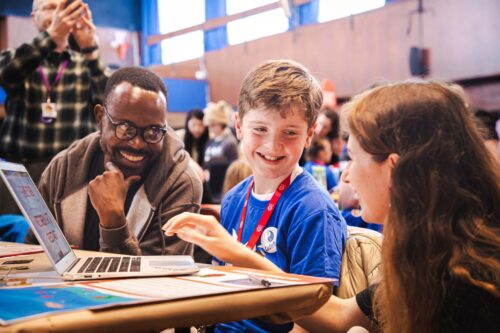
We will also be running a series of online webinars for mentors and young people to help participants develop their creations for each Coolest Projects category. Sign up for the sessions here. All sessions will be recorded, so you can watch them back if you can’t join live.
Be sure to check out the Coolest Projects guidance page for resources to help you support young people throughout their Coolest Projects journey, including a mentor guide and session plans.
There’s lots more exciting news to come, from the announcement of our VIP judges to details about this year’s swag, so sign up for updates to be the first to know.
Whether your coders have already made something that they want to share, or they’re inspired to make something new, Coolest Projects is the place for them. We can’t wait to see what they create!
The post Entry is open for Coolest Projects 2025 appeared first on Raspberry Pi Foundation.
Afandi Indiatsi, our Programme Coordinator in Africa, recently attended Coolest Projects South Africa 2024. Read on to hear her highlights.
What happens when creativity, enthusiasm, fun, and innovation come together? You get Coolest Projects South Africa 2024 — a vibrant showcase of students from all walks of life displaying their talent and shaping the future of technology.
Hosted by our partner, Coder Level Up, Coolest Projects South Africa brought together creators, mentors, educators, and industry leaders to celebrate the creativity and ingenuity of young tech enthusiasts from across the country.
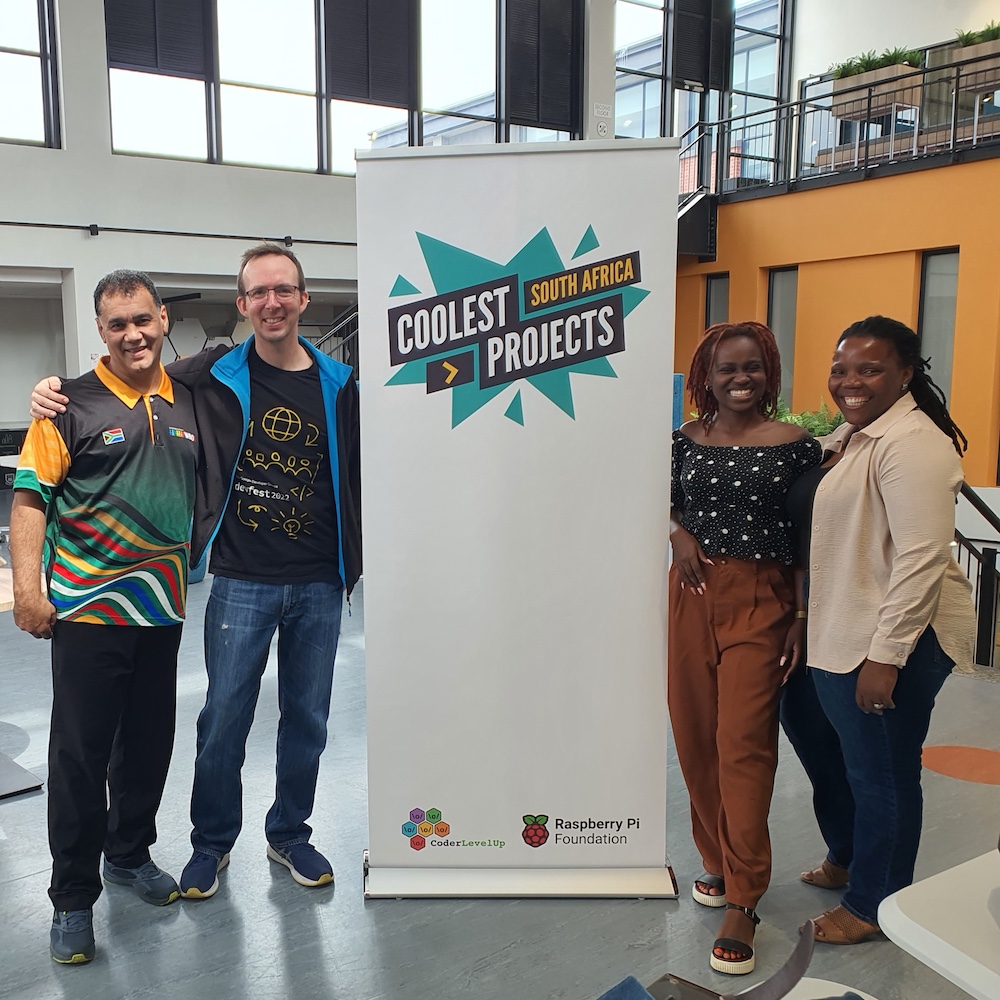
With nearly 200 projects submitted and dozens showcased, the event highlighted the impressive talent and potential of South Africa’s next generation of innovators.
Taking place at the University of Western Cape’s Department of Education in Cape Town, the event was a hub of excitement. Right from the start the venue was buzzing with activity, with the South African World Robot Olympiad (WRO) team kicking things off with a fantastic demonstration of their robotic inventions. Their creations came alive to cheers and applause as they performed flawlessly, leaving attendees in awe — what an inspiration they were!
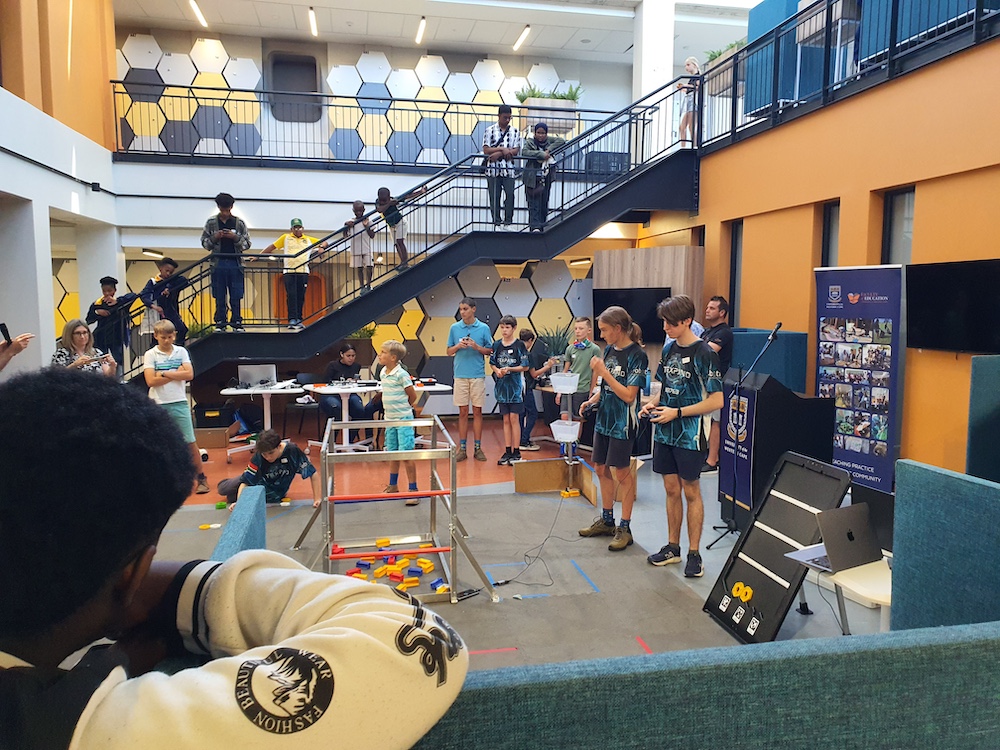
The participants then presented their projects, each of which was ingenious in its own way. From hardware and visual programming to game development and website creation, there was a wealth of ideas on display — and a demonstration of the boundless potential of young minds when given the right tools and guidance. Adding to the inclusive spirit of the event, participants from Durban and East London joined remotely, their energy resonating through Zoom.
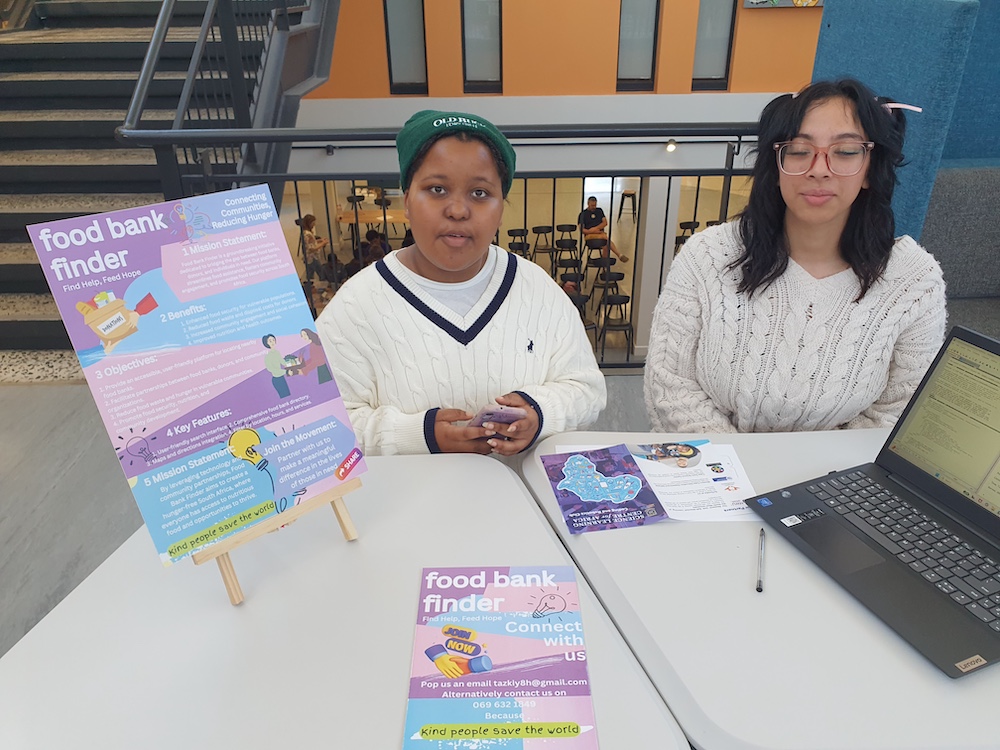
One standout project was a garbage collection robot created by an all-girls team from Nguzo Saba School. Using a LEGO kit, these creators transformed their idea into a functional invention. What made their project exceptional was their ability to improvise and enhance the kit to achieve their desired functionality. This was a true testament to their creativity, resilience, and problem-solving skills.
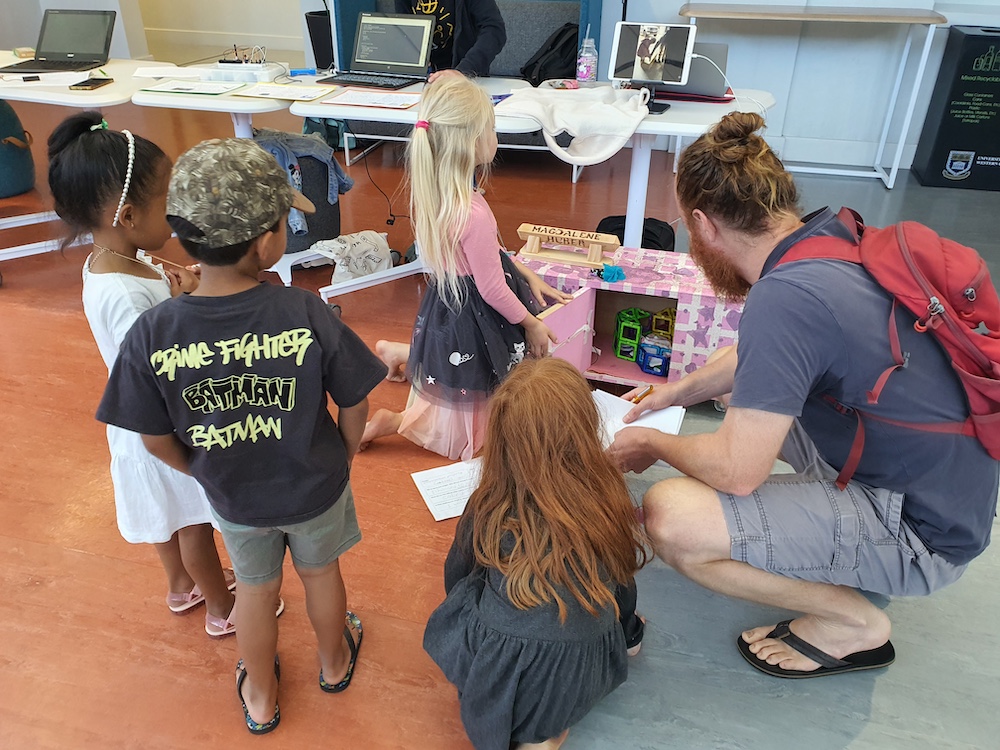
Another memorable presentation came from Emma, who used Scratch to tell the story of the history of chocolate. Her engaging narrative spanned the journey of chocolate from the Olmec civilisation in Latin America to today’s chocolate museums. Emma’s research was extensive, and she captivated the judges not only with her presentation but also with chocolate samples for everyone to enjoy — a sweet touch that left a lasting impression!
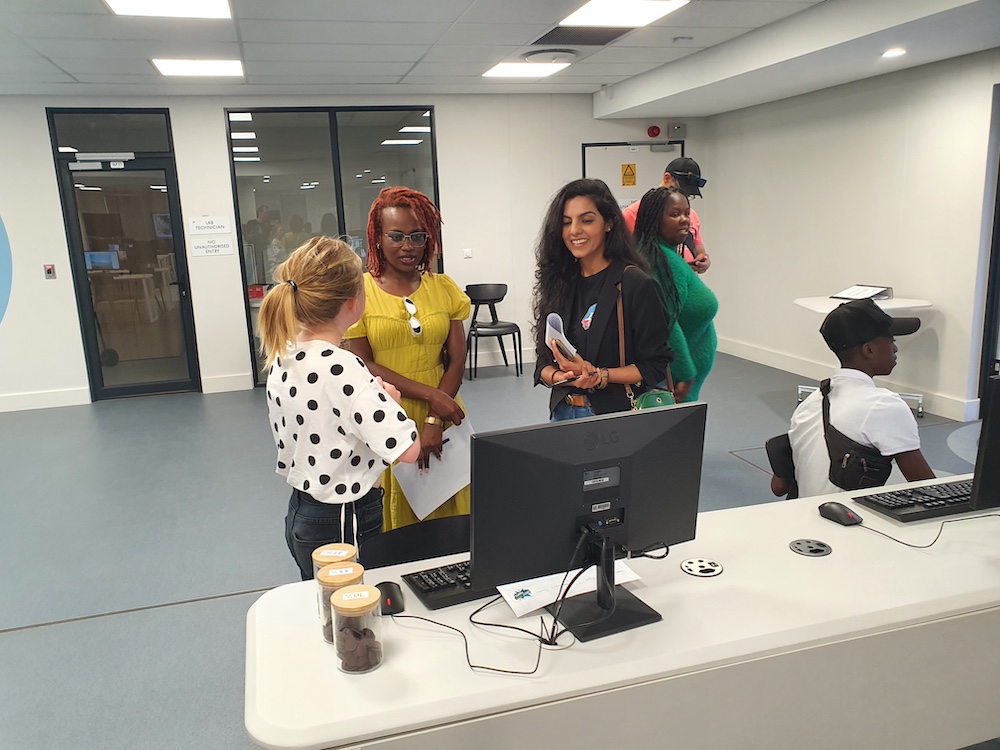
A recurring theme throughout the event was the importance of mentorship. Many of the young people shared that they had sought guidance from mentors, teachers, and family members while developing their projects. This collaborative spirit underscored the role of supportive communities in fostering innovation and creativity among young creators.
Coolest Projects South Africa 2024 was more than a showcase of talent. It was a reminder of the transformative power of education, mentorship, and creativity. Every project had a story of passion and perseverance, and every creator left inspired to dream bigger.
As we reflect on this event — and the many other Coolest Projects events that took place around the world this past year — we are reminded that the future of technology is in capable, imaginative hands.
Coolest Projects will be back and bigger than ever before in 2025.
The Coolest Projects online showcase is open globally to any young person up to age 18. Registration opens 14 January, and we’ll host a celebratory livestream on 25 June.
Thanks to an incredible network of partners, Coolest Projects events will also be hosted in person in many countries around the world. Go to the Coolest Projects website for more event dates and details.
The post Highlights from Coolest Projects South Africa 2024 appeared first on Raspberry Pi Foundation.
From crafting interactive stories to designing captivating games, the Raspberry Pi Foundation’s coding projects offer a hands-on approach to learning, igniting creativity and developing the skills young people need, like perseverance and problem-solving. In this blog, I explore two of my favourite projects that young coders will love.
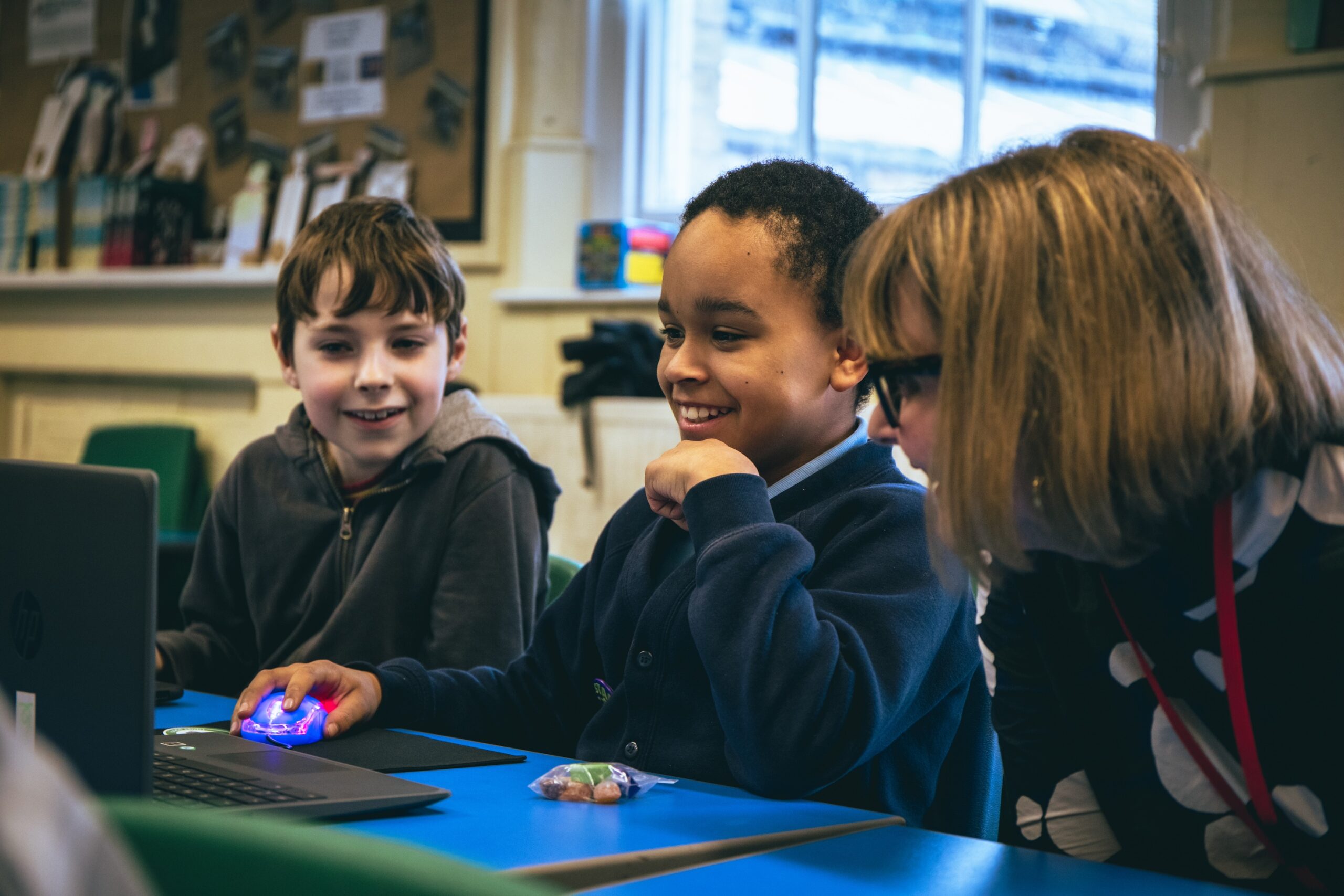
Our projects are free and open to all. They are easy-to-follow, step-by-step guides that young people use to make their own games, animations, and websites using coding languages such as Scratch, HTML/CSS, and Python. The projects introduce coding concepts one by one and allow young people to build their knowledge progressively. As such, educators and volunteers running clubs don’t need to be experienced coders, and many volunteers in our community enjoy learning alongside their club members.
One of the brilliant things about our projects is how easy it is to adapt them. This is called remixing, and it gives the learner the opportunity to create and modify a brand-new project that is personal to them.
“Remixing allows beginners to tinker with a pre-existing project and make increasingly complex modifications”
My favourite project brings space into the classroom. Space is such an intriguing and mysterious thing, but aspects like the extremely high speeds that satellites and the International Space Station (ISS) travel at are difficult concepts for young people to understand.
The Astronaut Reaction Time Game in Scratch introduces young people to the fact that things happen very quickly at the speed the ISS travels. It includes links to maths and science (speed, distance, time, velocity, units, calculations, operators) and, for older learners, prompts discussions on computational abstractions and problem-solving.
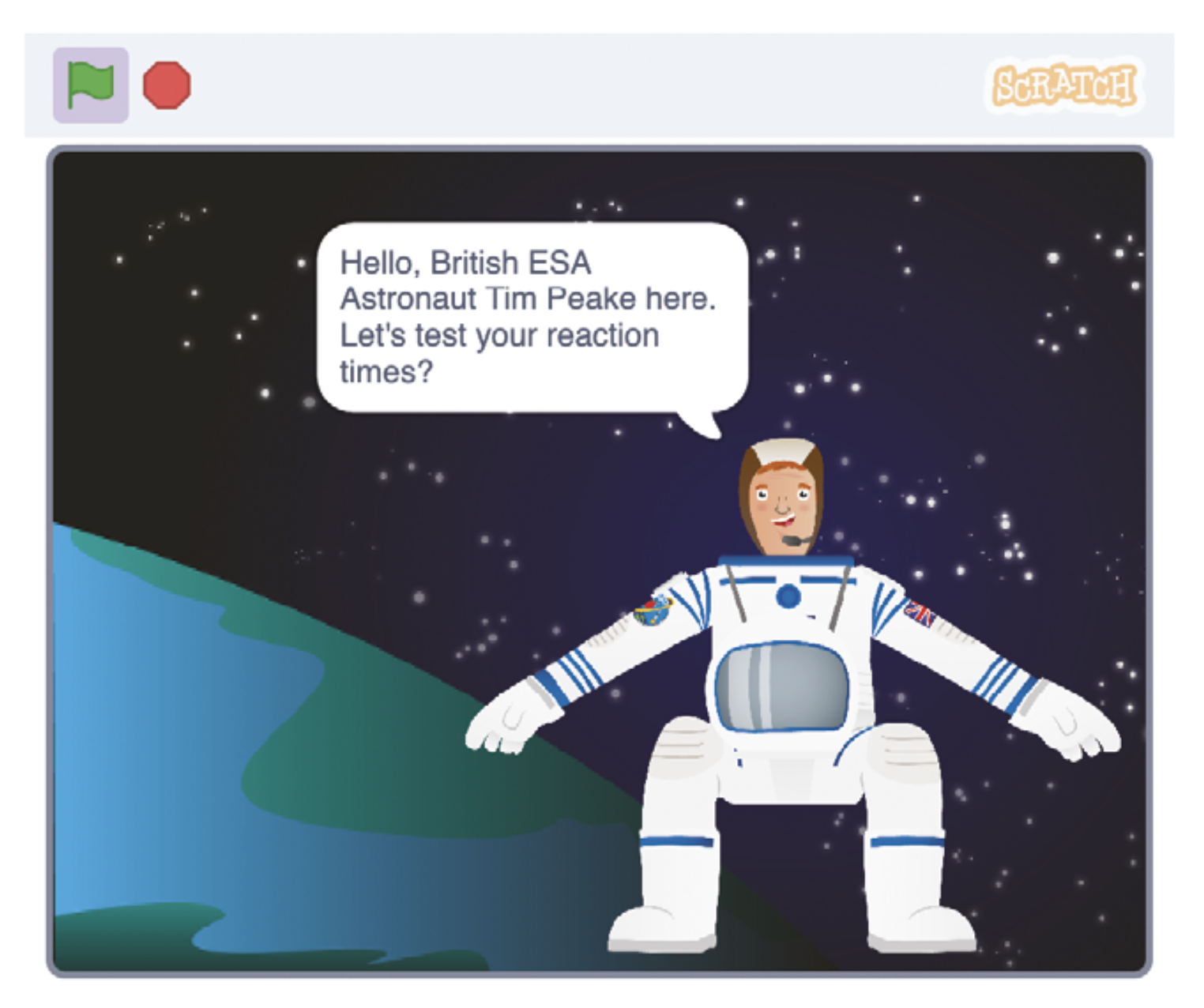
The project tests reaction speeds, something that real astronauts have to do as part of their training. NASA has found that reaction speeds are slower on the ISS than on Earth, possibly as a result of the stress of zero gravity. It’s also a fun activity young people can share and play with their friends. Sharing is a key part of the club environment, and this project is ideal for generating a little bit of competition.
As with all projects, a scaffolded approach is taken, with challenges set for learners so that they can complete part of the project independently. If someone is stuck, they can get a hint in the form of an explanation or sentence, which then turns into the code blocks they need to solve the problems, finally giving them the solution if they really need it.
Club volunteers can also introduce their learners to some of our physical computing projects, or they could design their own race track that measures the speed of a vehicle. They could even develop a program on a microcontroller like a Pico or micro:bit to measure the speed of young athletes on a running track. If learners are inspired to do more space-themed projects, we have that covered in our project collection.
My other go-to project is Colourful Creations. Coding is an excellent vehicle for self-expression, and this project showcases the ways programming can be used to create digital art. It uses the turtle library, which is an excellent tool for creating designs and patterns.
The name “turtle” stems from the Logo programming language created in the 1960s. Logo is mainly known for drawing lines, shapes and patterns on the screen and using a “turtle” on the floor to draw them on paper. The turtle library is, therefore, a selection of functions that can be used for drawing.
Part of the project’s appeal is that learners are given a blank canvas to which they can apply any theme. There are limited instructions, leaving lots of space for creativity. Whether it be climate change, a period in history, or some other topic, learners can work on their own poster or in pairs to create something bigger.
The possibilities for remixing are almost endless, as learners can add more screens and turn their project into a mini presentation or unleash their artistic side and go wild with colours. The learning in this project leads perfectly to more complex turtle drawing projects like Robo-Trumps, providing a solid foundation in creative computing for you to build on later.
We want you to create your own versions of these projects. You could organise a themed day, which can give learners more freedom, or link with other projects such as Astro Pi. Try remixing the projects to start with, then building up to develop new and exciting projects based on the skills that have been learnt. Happy coding!
A version of this article also appears in Hello World issue 24.
The post Ready to remix? Favourite projects to tinker with appeared first on Raspberry Pi Foundation.
We love hearing from members of the community and sharing the stories of amazing young people, volunteers, and educators who are using their passion for technology to create positive change in the world around them.
Prabhath, the founder of the STEMUP Educational Foundation, began his journey into technology at an early age, influenced by his cousin, Harindra.
“He’s the one who opened up my eyes. Even though I didn’t have a laptop, he had a computer, and I used to go to their house and practise with it. That was the turning point in my life.”
This early exposure to technology, combined with support from his parents to leave his rural home in search of further education, set Prabhath on a path to address a crucial issue in Sri Lanka’s education system: the gap in opportunities for students, especially in STEM education.
“There was a gap between the kids who are studying in Sri Lanka versus the kids in other developed markets. We tried our best to see how we can bridge this gap with our own capacity, with our own strengths.”
Recognising the need to close this gap in opportunities, Prabhath, along with four friends who worked with him in his day job as a Partner Technology Strategist, founded the STEMUP Educational Foundation in 2016. STEMUP’s mission is straightforward but ambitious — it seeks to provide Sri Lankan students with equal access to STEM education, with a particular focus on those from underserved communities.
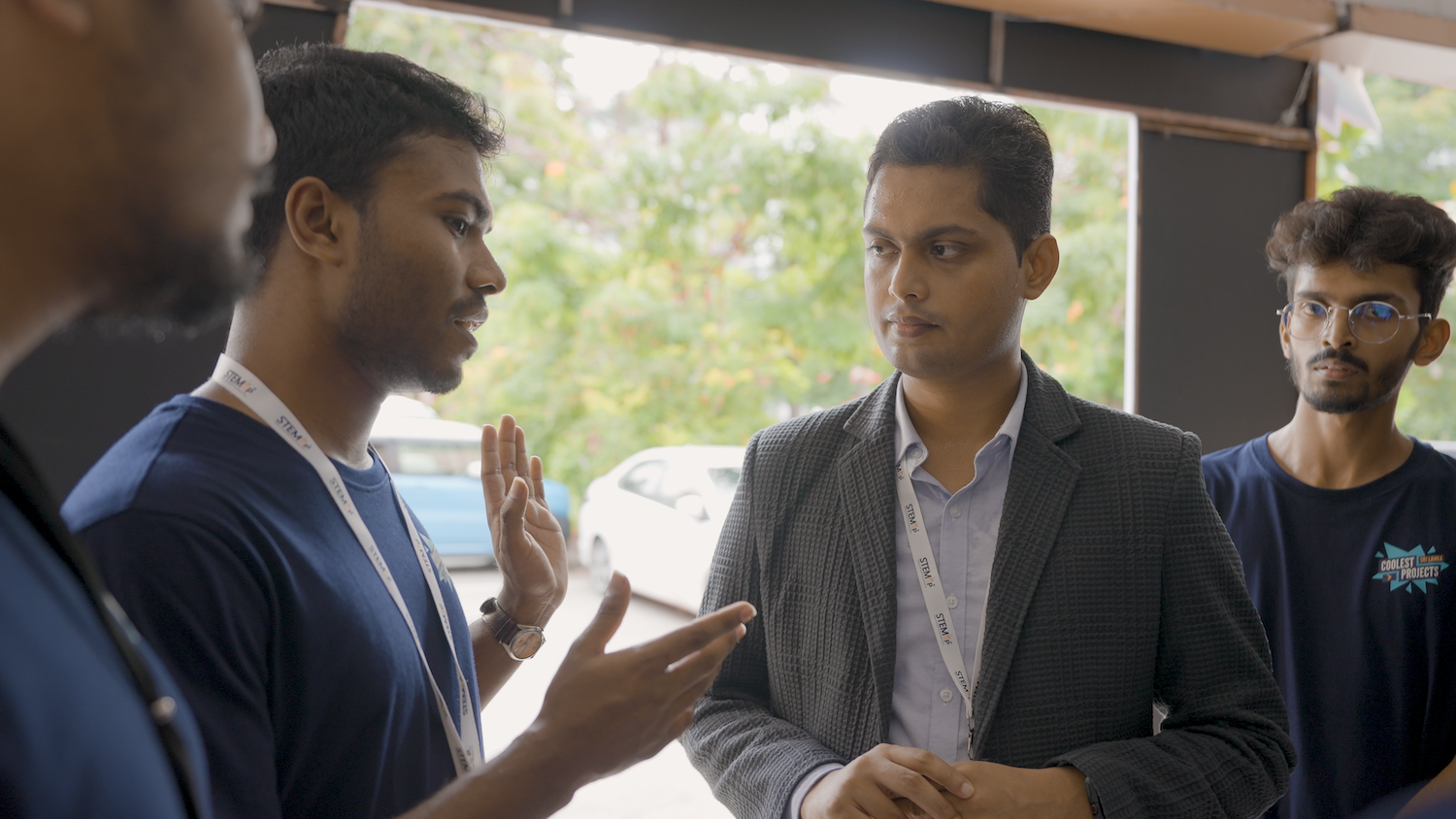
To help close the gap, Prabhath and his team sought to establish coding clubs for students across the country. Noting the lack of infrastructure and access to resources in many parts of Sri Lanka, they partnered with Code Club at the Raspberry Pi Foundation to get things moving.
Their initiative started small with a Code Club in the Colombo Public Library, but things quickly gained traction.
What began with just a handful of friends has now grown into a movement involving over 1,500 volunteers who are all working to provide free education in coding and emerging technologies to students who otherwise wouldn’t have access.
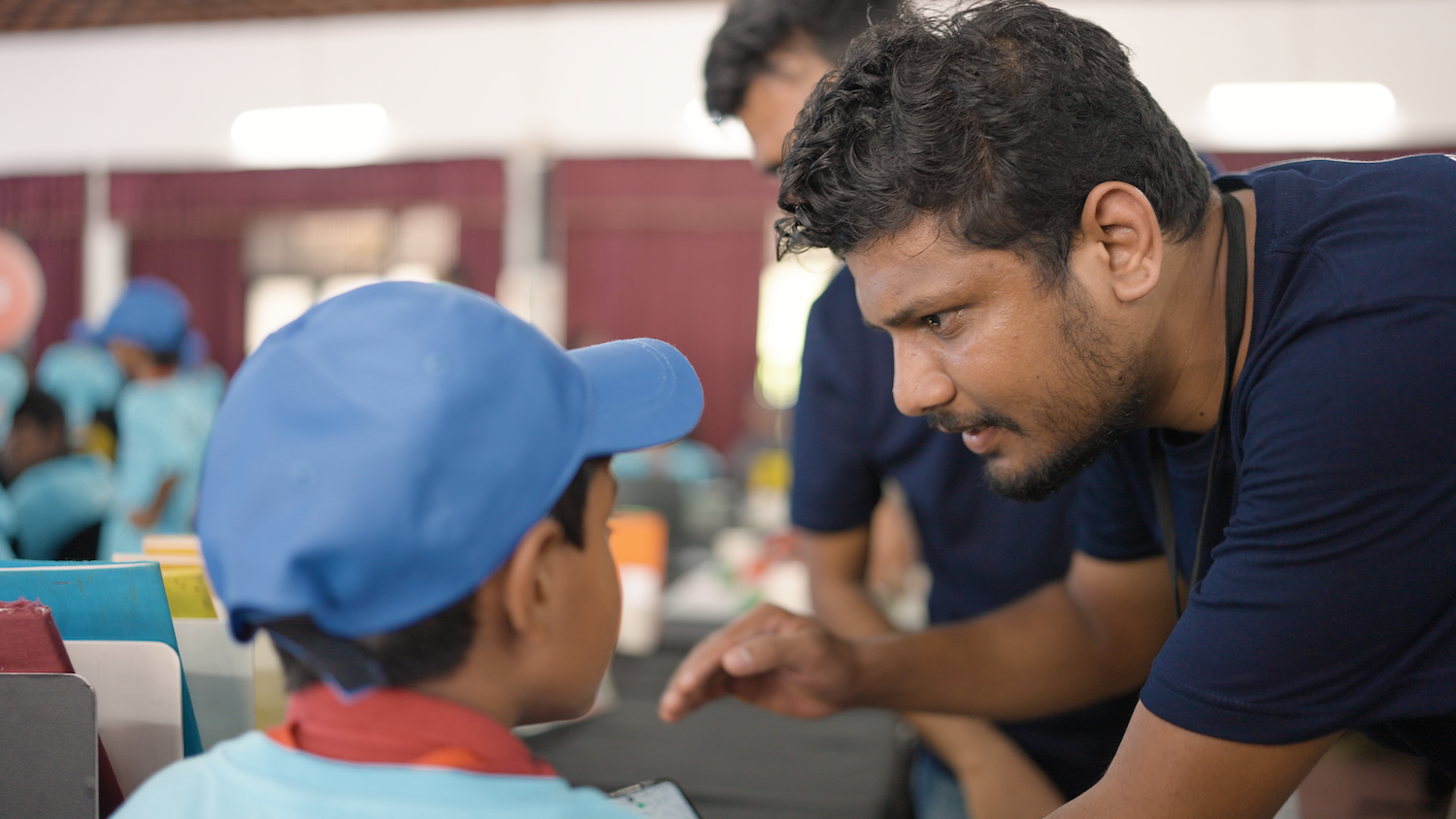
A key reason for STEMUP’s reach has been the mobilisation of university students to serve as mentors at the Code Clubs. Prabhath believes this partnership has not only helped the success of Code Club Sri Lanka, but also given the university students themselves a chance to grow, granting them opportunities to develop the life skills needed to thrive in the workforce.
“The main challenge we see here today, when it comes to graduate students, is that they have the technology skills, but they don’t have soft skills. They don’t know how to do a presentation, how to manage a project from A to Z, right? By being a volunteer, that particular student can gain 360-degree knowledge.”
STEMUP’s impact stretches beyond cities and into rural areas, where young people often have even fewer opportunities to engage with technology. The wish to address this imbalance is a big motivator for the student mentors.
“When we go to rural areas, the kids don’t have much exposure to tech. They don’t know about the latest technologies. What are the new technologies for that development? And what subjects can they study for the future job market? So I think I can help them. So I actually want to teach someone what I know.” – Kasun, Student and Code Club mentor
This lack of access to opportunities is precisely what STEMUP aims to change, giving students a platform to explore, innovate, and connect with the wider world.
STEMUP recently held the first Coolest Projects Sri Lanka, a showcase for the creations of young learners. Prabhath first encountered Coolest Projects while attending the Raspberry Pi Foundation Asia Partner summit in Malaysia.
“That was my first experience with the Coolest Projects,” says Prabhath, “and when I came back, I shared the idea with our board and fellow volunteers. They were all keen to bring it to Sri Lanka.”
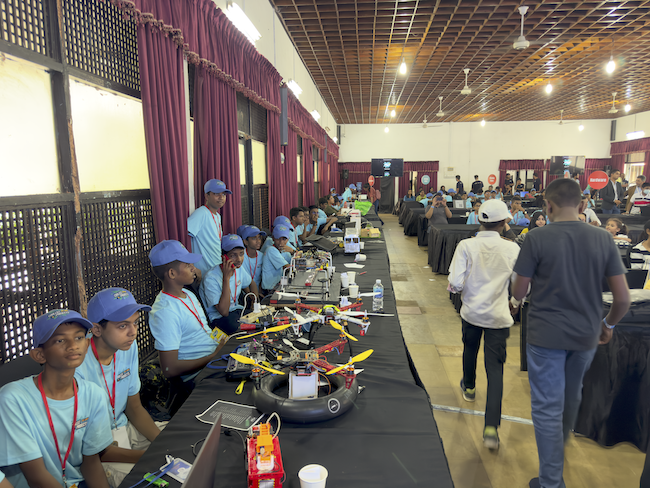
For Prabhath, the hope is that events like these will open students’ eyes to new possibilities. The first event certainly lived up to his hope. There was a lot of excitement, especially in rural areas, with multiple schools banding together and hiring buses to attend the event.
“That kind of energy… because they do not have these opportunities to showcase what they have built, connect with like minded people, and connect with the industry.”
Looking ahead, Prabhath sees STEMUP’s work as a vital part of shaping the future of education in Sri Lanka. By bringing technology to public libraries, engaging university students as mentors, and giving kids hands-on experience with coding and emerging technologies, STEMUP is empowering the next generation to thrive in a digital world.
“These programmes are really helpful for kids to win the future, be better citizens, and bring this country forward.”
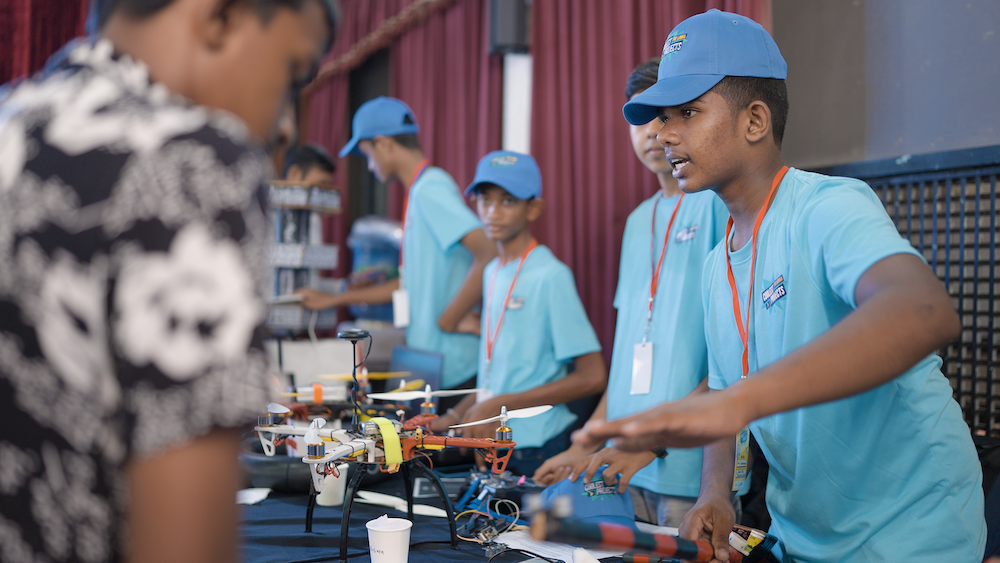
STEMUP is not just bridging a gap — it’s building a brighter, more equitable future for all students in Sri Lanka. We can’t wait to see what they achieve next!
To find out how you and young creators you know can get involved in Coolest Projects, visit coolestprojects.org. If the young people in your community are just starting out on their computing journey, visit our projects site for free, fun beginner coding projects.
For more information to help you set up a Code Club in your community, visit codeclub.org.
Help us celebrate Prabhath and his inspiring journey with STEMUP by sharing this story on X, LinkedIn, and Facebook.
The post Celebrating the community: Prabhath appeared first on Raspberry Pi Foundation.
We’re pleased to share a new collection of Code Club projects designed to introduce creators to the fascinating world of artificial intelligence (AI) and machine learning (ML). These projects bring the latest technology to your Code Club in fun and inspiring ways, making AI and ML engaging and accessible for young people. We’d like to thank Amazon Future Engineer for supporting the development of this collection.
By engaging with AI and ML at a young age, creators gain a clearer understanding of the capabilities and limitations of these technologies, helping them to challenge misconceptions. This early exposure also builds foundational skills that are increasingly important in various fields, preparing creators for future educational and career opportunities. Additionally, as AI and ML become more integrated into educational standards, having a strong base in these concepts will make it easier for creators to grasp more advanced topics later on.
We’re excited to offer a range of AI and ML projects that feature both video tutorials and step-by-step written guides. The video tutorials are designed to guide creators through each activity at their own pace and are captioned to improve accessibility. The step-by-step written guides support creators who prefer learning through reading.
The projects are crafted to be flexible and engaging. The main part of each project can be completed in just a few minutes, leaving lots of time for customisation and exploration. This setup allows for short, enjoyable sessions that can easily be incorporated into Code Club activities.
The collection is organised into two distinct paths, each offering a unique approach to learning about AI and ML:
Machine learning with Scratch introduces foundational concepts of ML through creative and interactive projects. Creators will train models to recognise patterns and make predictions, and explore how these models can be improved with additional data.
The AI Toolkit introduces various AI applications and technologies through hands-on projects using different platforms and tools. Creators will work with voice recognition, facial recognition, and other AI technologies, gaining a broad understanding of how AI can be applied in different contexts.
Inclusivity is a key aspect of this collection. The projects cater to various skill levels and are offered alongside an unplugged activity, ensuring that everyone can participate, regardless of available resources. Creators will also have the opportunity to stretch themselves — they can explore advanced technologies like Adobe Firefly and practical tools for managing Ollama and Stable Diffusion models on Raspberry Pi computers.
One of the highlights of our new collection is Chomp the cheese, which uses Scratch Lab’s experimental face recognition technology to create a game students can play with their mouth! This project offers a playful introduction to facial recognition while keeping the experience interactive and fun.
Fish food uses Machine Learning for Kids, with creators training a model to control a fish using voice commands.
In Teach a machine, creators train a computer to recognise different objects such as fingers or food items. This project introduces classification in a straightforward way using the Teachable Machine platform, making the concept easy to grasp.

Apple vs tomato also uses Teachable Machine, but this time creators are challenged to train a model to differentiate between apples and tomatoes. Initially, the model exhibits bias due to limited data, prompting discussions on the importance of data diversity and ethical AI practices.
Dance detector allows creators to use accelerometer data from a micro:bit to train a model to recognise dance moves like Floss or Disco. This project combines physical computing with AI, helping creators explore movement recognition technology they may have experienced in familiar contexts such as video games.
Dinosaur decision tree is an unplugged activity where creators use a paper-based branching chart to classify different types of dinosaurs. This hands-on project introduces the concept of decision-making structures, where each branch of the chart represents a choice or question leading to a different outcome. By constructing their own decision tree, creators gain a tactile understanding of how these models are used in ML to analyse data and make predictions.
These AI projects are designed to support young people to get hands-on with AI technologies in Code Clubs and other non-formal learning environments. Creators can also enter one of their projects into Coolest Projects by taking a short video showing their project and any code used to make it. Their creation will then be showcased in the online gallery for people all over the world to see.
The post Introducing new artificial intelligence and machine learning projects for Code Clubs appeared first on Raspberry Pi Foundation.
Coolest Projects celebrates young digital creators and the amazing things they make with technology. Today, we’re sharing the impact that taking part in Coolest Projects showcases has on young people’s motivation and confidence, as well as announcing dates for Coolest Projects 2025.
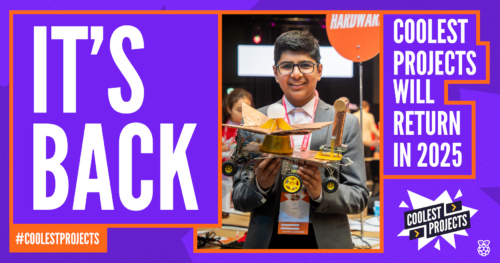
This year, 7197 young people across 4678 projects took part in our global Coolest Projects online showcase, with participants from 43 countries. All of these projects were shared in our online showcase gallery, and we hosted a live-streamed event celebrating the judges’ favourites watched by over 1000 people.
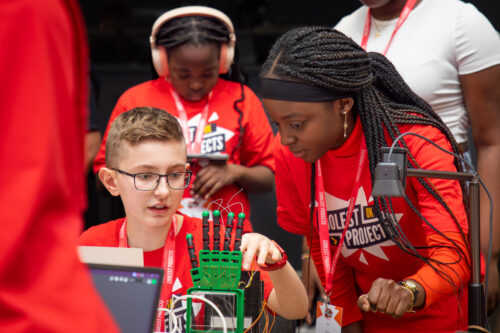
At the 2024 in-person Coolest Projects events in Ireland and the UK, 171 young people shared projects. At these events, the young creators presented their projects to other attendees and our team of judges. They also took part in other activities, including a digital escape room.
We wanted to understand how Coolest Projects impacts young people, and so we collected the following data:
In the survey, mentors and young people told us that taking part in the Coolest Projects online showcase had a positive impact:
Mentors told us that the community built by the online showcase gallery played an important role in making young people want to participate, and improving their confidence. One mentor said that “[being part of the online showcase] motivates them actually to do something innovative and… [the] global community motivates them to think out of the box.”
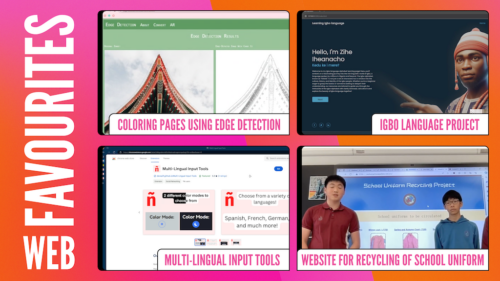
They also reported that the online community inspired young people to solve real-world problems. One mentor said, “the wonderful thing is the kids create so many things which are solutions to world problems.” Others told us that young people feel a great deal of pride that their solutions are available for others to see online and that they get ideas from other projects on how to solve problems. One mentor from India told us about a young person who created a boat to clean rivers and then was inspired to learn to program micro:bit devices, having seen similar projects in the gallery.
The phrase ‘growth, not competition’ came from the mentors in the focus group, and we love this description.
“[With] Coolest Projects… the only agenda is to grow. Grow with the coding, nurture your skills, creativity.” – Focus group attendee.
In the focus group, mentors told us they really valued the way the Coolest Projects online showcase allows all young people to participate, including those who were less experienced tech creators. One mentor told us that because everyone’s project is displayed in the gallery the “beauty is that everybody is encouraged individually… regarding the experience. … They can start with very small things. And they have [the] opportunity to upload it on the platform.”
One mentor who supports young people in remote locations in India spoke about the way Coolest Projects offers a level playing field where his students can be included and participate to the same extent as less remote places: “students never feel left behind.”
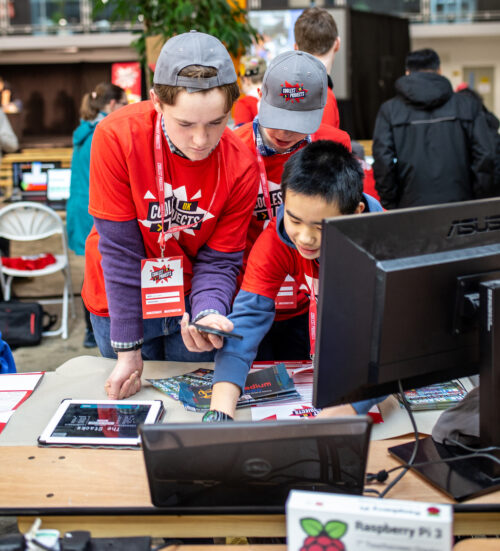
The in-person events also reflected the diversity of young people’s experience of digital making. Of those creators who answered surveys, 35% said it was their first time making this kind of project, while 37% said they had made similar projects before. This mix of experience was also reflected in the interviews, with some young people creating something for the first time and having only started learning coding recently, while others had been developing their projects for a long time. Many creators told us they felt inspired by the opportunity to show their projects to others, regardless of their experience level.
Attendees at both Coolest Projects UK and Ireland commented on the sense of community and the excitement that was generated by being around other young people. One young person spoke about how much they enjoyed being “surrounded by people who like coding too”. They really valued seeing other creators’ projects and speaking with their peers.
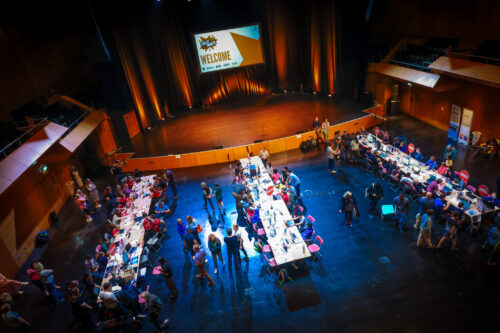
The young people we spoke to reflected on the positive impact of this sense of community and belonging. They told us that seeing others’ projects inspired them to develop their ideas and learn new skills. One young person described how the in-person event allowed them to “get inspired and socialise.” A second said, “that’s why I’m here — to get inspired.”
Another clear theme was how much young people valued the opportunity to show their projects to others. This gave them confidence in their own ability to build things. One creator at Coolest Projects UK spoke about the sense of achievement they felt after building something themselves and then being able to present it to others.
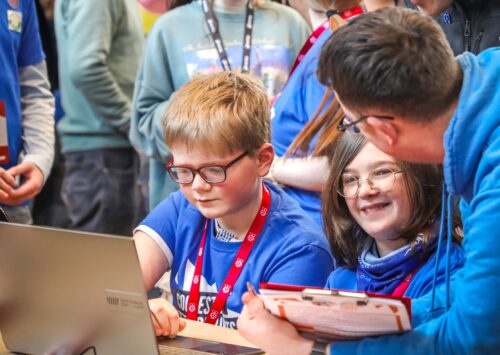
Young people at both events spoke about their plans for what they wanted to do next, talking about trying new technology such as building games, learning Python, and creating mobile apps. At both events, creators described how they wanted to continue to develop and build on their existing ideas with the possibility of showcasing them again.
We are continuing to look for ways to improve the Coolest Projects experience for young people and their mentors. As part of this, we are conducting user experience research to understand how we can improve the registration process for the online Coolest Projects showcase.
We were delighted to hear from mentors in this year’s focus group how much they valued the online showcase gallery, and we want to understand the impact of this resource better as part of Coolest Projects 2025. If you want to find out more about Coolest Projects, we highly recommend taking a look at the amazing projects made by young people around the world.
We’re so pleased that so many young people around the world loved taking part in Coolest Projects this year. And we’re very excited that Coolest Projects will be back and bigger than ever before in 2025!
The Coolest Projects online showcase is open to any young person up to age 18, based anywhere in the world. Registration opens 14 January, and we’ll host a celebratory livestream on 25 June.
Coolest Projects in-person events will also be popping up around the world. In-person events are open to everyone up to age 18 in the host country. Family and friends are very welcome to come along too.
Save the date for:
Keep an eye on the Coolest Projects website for more event dates and details coming soon.
It’s never too early to start making and saving digital projects to showcase next year. We can’t wait to see what the world’s young tech creators will make!
The post Celebrating Coolest Projects 2024, plus dates for 2025 appeared first on Raspberry Pi Foundation.
Our Coolest Projects 2024 online showcase has come to a close, with 7197 young people from 43 countries sharing the incredible things they have made with code. A huge congratulations to everyone who took part!
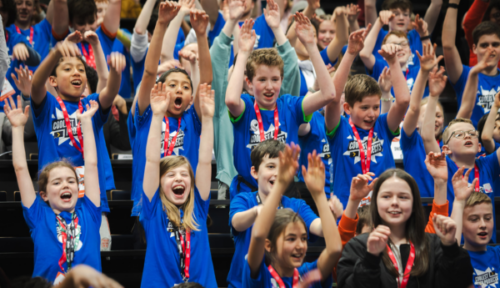
Coolest Projects is our annual global celebration of young digital creators and the cool things they make with technology. This year’s showcase featured 4678 amazing projects, from a doughnut clicker game created in Scratch to an app that tracks sunscreen usage and areas with high UV levels for users.
This week, we celebrated each and every young creator and their incredible tech projects in a special livestream:
Every year, we invite some very special VIP judges to choose their favourite projects to highlight. Meet our 2024 judges and find out about the projects they picked.
Azra is the co-founder of MakerGhat, an education nonprofit based in India that aims to nurture underserved youth to become the next generation of entrepreneurs and leaders. MakerGhat has reached around a million youth to date through hands-on making programmes. She is also an Assistant Professor at Emory University, where she directs the CARE Lab (Collective Action & Research for Equity). Azra was named in the Forbes 30 under 30 Asia list, and has previously worked with Google, the Wadhwani Institute for AI, and United Nations Global Pulse. She has a PhD in Human-Centered Computing and Bachelor’s in Computer Engineering from Georgia Tech.
See Azra’s favourite projects:
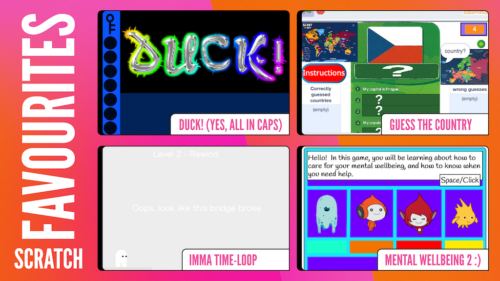
Greg is an award-winning Science Presenter and Producer who has written and hosted a bunch of stuff on TV, YouTube, radio, and stage over the past 20 years. Greg has a BBC Radio 4 show called Sliced Bread that investigates whether wonder products like face creams and air fryers are indeed ‘the best thing since sliced bread’, or marketing hype. Greg regularly pops up on TV — he’s a regular on the BBC’s Morning Live and was the in-house science guy on Blue Peter and Sunday Brunch for many years. He’s also hosted multiple TV series, made live shows for families on YouTube (Let’s Go Live), and toured science theatre shows around the UK.
Take a look at Greg’s favourite projects:
Natalie is the Executive Director of the App Inventor Foundation, a global nonprofit that has empowered over 20 million inventors of all ages to create over 100 million apps to improve their lives and uplift their communities. She received her PhD in ML and AI education from MIT’s Computer Science and Artificial Intelligence Lab, and currently serves as Expert on Mission at UNESCO to develop the UN’s AI Competency Framework for K-12 Students.
See which projects Natalie chose as her favourites:
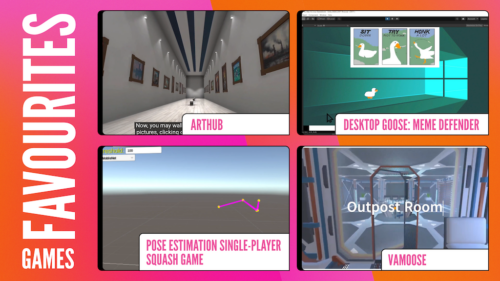
Selin is a 17-year-old multi-award winner and changemaker who has been passionate about using tech for good since an early age. She taught herself to code at age 8 and started building robots at 10, and participated in Coolest Projects for many years. She has built seven robots to date, including the social good robot iC4U, a robot guide dog for visually impaired people, and BB4All, an anti-bullying school aid robot. She has also built a stray dog wellbeing app, JAVA, and an AI model for breast cancer diagnosis. Her aim is to inspire young people, especially girls, to see the fun and importance of using tech for good.
Selin’s favourite projects are:
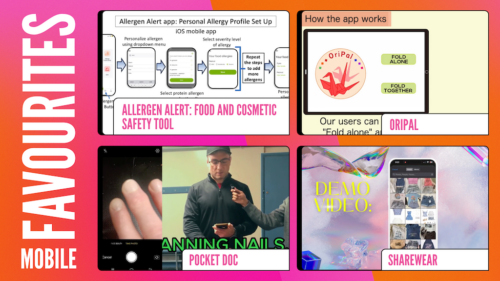
We partnered with Broadcom Foundation to give a special award to young creators using coding and computing to solve real-world problems that matter to their communities. Broadcom Coding with Commitment® is a special recognition for a Coolest Projects creator aged 11–14 who has used computing as an essential problem-solving tool to help those around them.
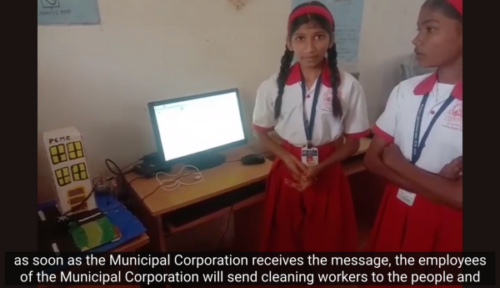
This year’s Broadcom Coding with Commitment® recipients are Naitik, Shravasti, and Nikita from India in recognition of their project Drainage alert system. Their thoughtful project uses a water flow sensor connected to a Raspberry Pi computer to detect when waste enters the drainage system and causes blockages and send an alert to the local council.
Now you’ve seen the judges’ favourite projects, it’s time to pick your own! Take a look at the Coolest Projects 2024 online showcase gallery to see all the amazing projects from young people all over the world, and get inspired to make your own.
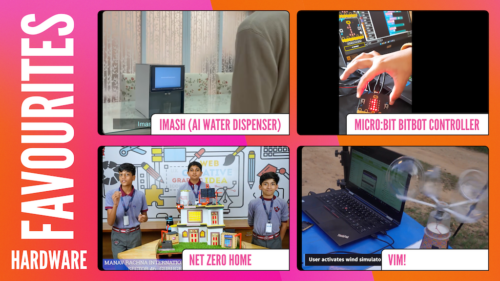
Participants will shortly receive their own unique certificates and the personalised feedback on their projects from our team of judges, to celebrate their achievements.
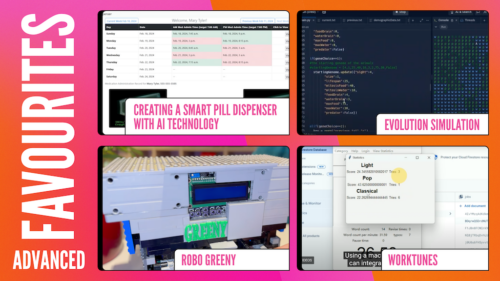
Support from our Coolest Projects sponsors means we can make the online showcase and celebration livestream an inspiring experience for the young people taking part. We want to say a big thank you to all of them: Amazon Future Engineer, Broadcom Foundation, GoTo, Kingston Technology, Meta, and Qube Research & Technologies.
The post Coolest Projects 2024: 7197 young tech creators showcase their projects online appeared first on Raspberry Pi Foundation.
Modern web design has turned websites from static and boring walls of information into ways of providing fun and engaging experiences to the user. Our new ‘More web’ project path shows young creators how to add interaction and animation to a webpage through JavaScript code.
As of 2024, JavaScript is the most popular programming language in the world. And it’s easy to see why when you look at its versatility and how it can be used to create dynamic and interactive content on websites. JavaScript lets you handle events and manipulate HTML and CSS so that you can build everything from simple animations, to forms that can be checked for missing or nonsensical answers. If you’ve ever seen a webpage continuously load more content when you reach the end, that’s JavaScript.
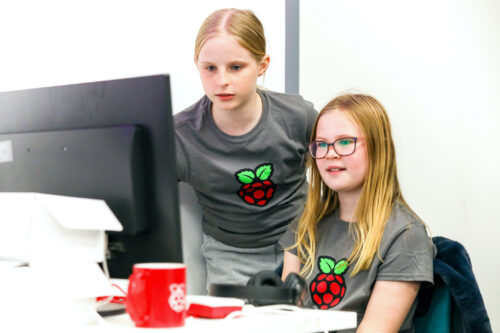
The six new projects in the ‘More web’ path move learners beyond the basics of HTML and CSS encountered in our ‘Introduction to web’ path. Young people will explore what JavaScript makes possible in web development, with plenty of support along the way.
By the end of the ‘More web’ path, learners will have covered the following key programming concepts:
| HTML and CSS | JavaScript |
| Navbars, grid layouts, hero images and image sliders Form design and handling user input Accessibility and responsive design Sizing elements relative to the viewport or container Creating parallax scrolling effects using background-attachment Fixing the position of elements and using z-index to layer elements | Local and global variables, and constants Selection (if, else if, and else) Repetition (for loops) Using Console log Concatenation using template literals Event listeners Use of the intersection observer API to animate elements and lazy-load images Use of the localStorage object to retain user preferencesWriting and calling functions to take advantage of the Document Object Model (DOM) Use setTimeout() to create time delaysWork with Date() functions |
We’ve designed the path to be completed in six one-hour sessions, with one hour per project. However, learners can work at their own speed and the project instructions invite them to take additional time to upgrade their projects if they wish.
All six projects use our Code Editor, which has been tailored specifically to young people’s needs. This integrated development environment (IDE) helps make learning text-based programming simple, safe, and accessible. The projects include starter code, handy code snippets, and images to help young people build their websites.
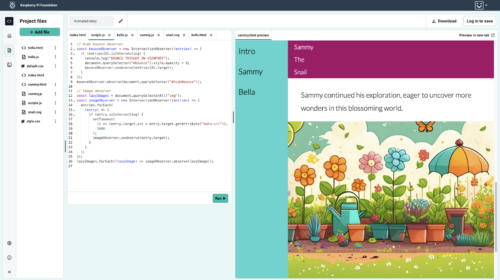
The path follows our Digital Making Framework, with its deliberate format of six projects that become less structured as learners progress. The Explore projects at the start of the path are where the initial learning takes place. Learners then develop their new skills by putting them into practice in the Design and Invent projects, which encourage them to use their imagination and make projects that matter to them.
Learners use HTML and CSS to design a website that lets people discover a place they may never get a chance to visit — Antarctica. They discover how to create a navigation bar (or navbar), set accessible colours and fonts, and add a responsive grid layout to hold beautiful images and interesting facts about this fascinating continent.

In the second Explore project, young people build an interactive website where the user can design a superhero character. Learners use JavaScript to let the user change the text on their website, show and hide elements, and create a hero image slider. They also learn how to let the user set the colour theme for the site and keep their preferences, even if they reload the page.
Young people create an interactive story with animated text and characters that are triggered when the user scrolls. They will learn how to design for accessibility and improve browser performance by only loading images when they’re needed.
This is where learners can practise their skills and bring in their own interests to make a fan website, which lets a user make choices that change the webpage content.

The final Design project invites young people to build a personalised web app that lets users test what they know about a topic. Learners choose a topic for their quiz, create and animate their questions, and then show the user their final score. They could make a quiz about history, nature, world records, science, sports, fashion, TV, movies… or anything else they’re an expert in!

In this final project, young people bring everything they’ve learnt together and use their new coding powers and modern design skills to create an interactive website to share a part of their world with others. They could provide information about their culture, interests, hobbies or expertise, share fun facts, create quizzes, or write reviews. Learners consider what makes a website useful and informative, as well as fun and accessible.
Encourage your young learners to take their next steps in web design, learn JavaScript, and try out this new path of coding projects to create interactive websites that excite and engage users.
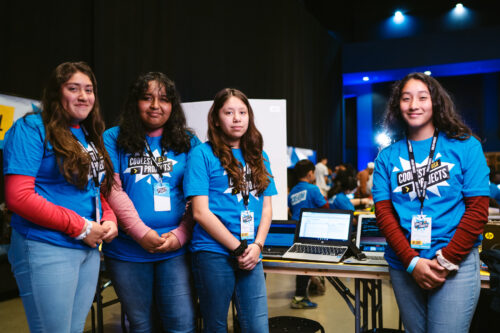
Young people can also enter one of their Design or Invent projects into the Web category of the yearly Coolest Projects showcase by taking a short video showing the project and the code used to make it. Their creation will become part of the Coolest Projects online gallery for people all over the world to see!
The post Get young people making interactive websites with JavaScript and our ‘More web’ path appeared first on Raspberry Pi Foundation.
Big news for young coders and everyone who supports them: project registration is now open for Coolest Projects 2024! Coolest Projects is our global technology showcase for young people aged up to 18. It gives young creators the incredible opportunity to share the cool stuff they’ve made with digital technology with a global audience, and receive certificates and rewards to celebrate their achievements.
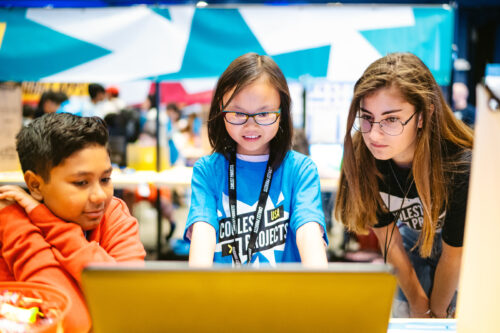
The Coolest Projects online showcase is open to young people worldwide. Young creators can register their projects to share them with the world in our online project gallery, and join our exciting livestream event to celebrate what they have made with the global Coolest Projects community.
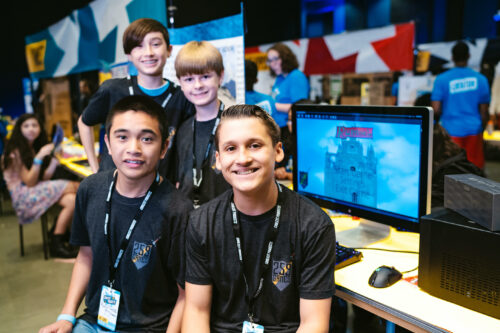
By taking part in Coolest Projects, young people can join an international community of young makers, represent their country, receive personalised feedback on their projects, and get certificates and more to recognise their achievements.
Here’s how it works:
Taking part in Coolest Projects is simple:
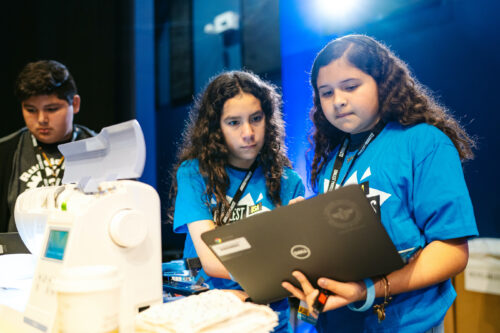
As well as the global online showcase, Coolest Projects in-person events are held for young people locally in certain countries too, and we encourage creators to take part in both the online showcase and their local in-person event.
In 2024, creators can look forward to the following in-person events, run by us and partner organisations around the world:
More events are coming soon, so sign up to the Coolest Projects newsletter to be sure to hear about any in-person events in your country. And if there isn’t an event near you, don’t worry. The online showcase is open to any young person anywhere in the world.
Coolest Projects welcomes all digital tech projects, from beginner to advanced, and there are loads of great resources available to help you support the young people in your community to take part.
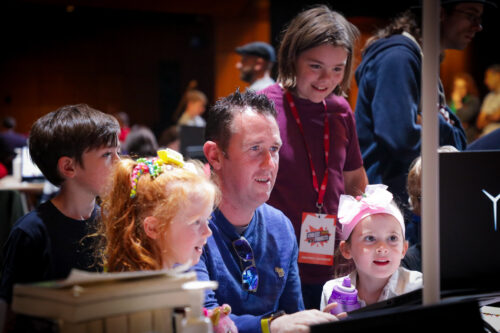
We are running a series of online calls and webinars for mentors and young people to share practical tips and help participants develop their ideas and build their creations. Sign up for the sessions here. All sessions will be recorded, so you can watch them back if you can’t join live.
You can also check out the Coolest Projects guidance page for resources to help you support young people throughout their Coolest Projects journey, including a mentor guide and session plans.
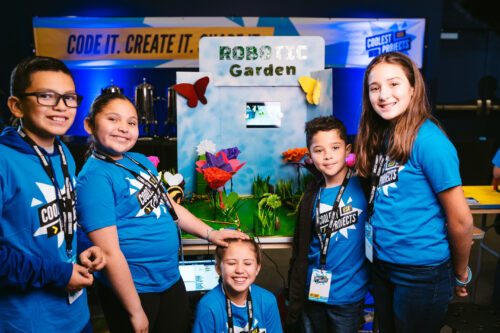
To inspire your coders, encourage them to take a look at the 2023 showcase gallery, where they can explore the incredible projects submitted by participants last year.
Our projects site is also a great place for participants to begin — there are hundreds of free step-by-step project guides to help young people create their own projects, whether they’re experienced tech creators or they’re just getting started.
There’s lots more exciting news to come, from the announcement of our VIP judges to details about this year’s swag, so sign up for email updates to be the first to know. And whether your coders have already made something fun, innovative, or amazing that they want to share, or they’re inspired to make something new, Coolest Projects is the place for them. We can’t wait to see what they create!
The post Registration is open for Coolest Projects 2024 appeared first on Raspberry Pi Foundation.
In our series of community stories, we celebrate some of the wonderful things young people and educators around the world are achieving through the power of technology.
In our latest story, we’re heading to Vivek High School in Mohali, India, to meet Sahibjot, a 14-year-old coding enthusiast who has taken his hobby to the next level thanks to mentorship, Code Club, and the exciting opportunity to take part in the Coolest Projects 2023 global online showcase.
When he was younger, Sahibjot loved playing video games. His interest in gaming led him to discover the world of game development, and he was inspired to find out more and try it out himself. He began to learn to code in his spare time, using tutorials to help him develop his skills.
Keen to share the joy he had experienced from gaming, Sahibjot set himself the challenge of creating a game for his cousin. This project cemented his enthusiasm for coding and developing games of his own.
“I always felt that I have played so many games in my life, why not make one and others will enjoy the same experience that I had as a child.
For my cousin, I made a personal game for him, and he played it and he liked it very much, so once he played it, I felt that, yes, this is what I want to do with my life.” – Sahibjot
While continuing to hone his computing skills at home, Sahibjot heard that his school had started a Code Club. After initially feeling nervous about joining, his enthusiasm was bolstered by the club mentor, Rajan, talking about artificial intelligence and other interesting topics during the session, and he soon settled in.
At Code Club, with support and encouragement from Rajan, Sahibjot continued to develop and grow his coding skills. Alongside his technical skills, he also learned about teamwork and working collaboratively. He embraced the opportunity to help his peers, sharing his knowledge with others and becoming a mentor for younger club members.
“Last year, we joined this coding club together and we became friends. He’s a very friendly person. Whenever we need him, he just quickly helps us. He helps us to troubleshoot, find any bugs, or even fix our codes.” – Akshat, fellow Code Club member
The next step for Sahibjot came when Rajan introduced him and his fellow Code Club members to Coolest Projects. Coolest Projects is a celebration of young digital creators and the amazing things they make with technology. It offers participants the opportunity to share their tech creations in a global, online showcase, and local in-person events celebrating young creators are also held in several countries.
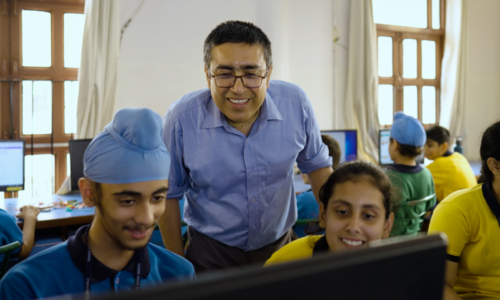
Sahibjot was eager to take part and showcase what he had made. He submitted a Python project, a ping-pong game, to the online showcase, and was very excited to then see his creation receive a special shout-out during the Coolest Projects global livestream event. He was delighted to share this achievement with his friends and family, and he felt proud to be representing his school and his country on a global stage.
“I told everyone around me that there was going to be a livestream and I possibly might be featured in that, so that was really exciting. I learned a lot about just not representing my school and myself as an individual, I learned about representing my whole nation.” — Sahibjot
Sahibjot’s passion for computing has helped shape his aspirations and ambitions. Looking to the future, he hopes to use his technology skills to benefit others and make an impact.
“Using code and technology and all of the things like that, I aspire to make effort to do something with the world, like help out people with technology.” — Sahibjot
To find out how you and young creators you know can get involved in Coolest Projects, visit coolestprojects.org. If the young people in your community are just starting out on their computing journey, visit our projects site for free, fun beginner coding projects.
For more information to help you set up a Code Club in your school, visit codeclub.org.
Join us in celebrating Sahibjot’s inspiring journey by sharing his story on X (formerly Twitter), LinkedIn, and Facebook.
The post Celebrating the community: Sahibjot appeared first on Raspberry Pi Foundation.
Each year, young people all over the world share and celebrate their amazing tech creations by taking part in Coolest Projects, our digital technology showcase. Our global online showcase and local in-person events give kids a wonderful opportunity to celebrate their creativity with their communities, explore other young creators’ tech projects, and gain inspiration and encouragement for their future projects.
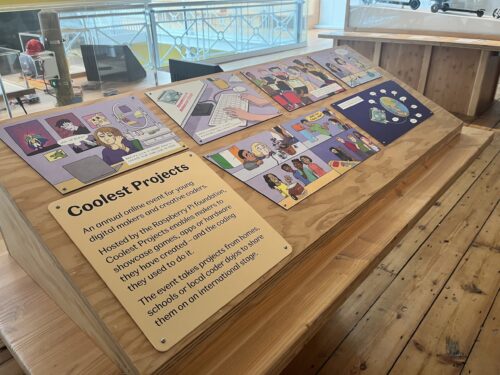
Now, visitors to the Young V&A museum in London can also be inspired by some of the incredible creations showcased at Coolest Projects. The museum has recently reopened after a large reimagining, and some of the inspiring projects by Coolest Projects 2022 participants are now on display in the Design Gallery, ready to spark digital creativity among more young people.
Many Coolest Projects participants showcase projects that they created to make an impact and solve a real-world problem that’s important to them, for example to help members of their local community, or to protect the environment.
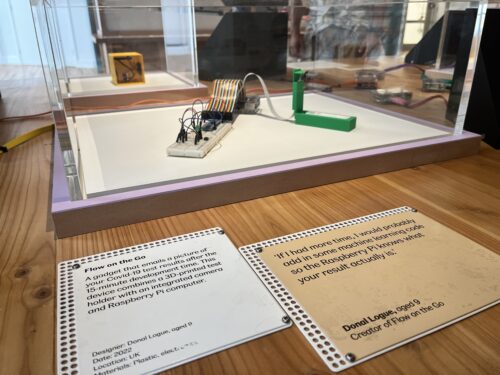
One example on display in the Young V&A gallery is EleVoc, by 15-year-old Chinmayi from India. Chinmayi was inspired to create her project after she and her family faced a frightening encounter:
“My family and I are involved in wildlife conservation. One time we were charged by elephants even though we were only passing by in a Jeep. This was my first introduction to human–animal conflict, and I wanted to find a way to solve it!” – Chinmayi
The experience prompted Chinmayi to create EleVoc, an early-warning device designed to reduce human–elephant conflict by detecting and classifying different elephant sounds and alerting nearby villages to the elephants’ proximity and behaviour.
Also exhibited at the Young V&A is the hardware project Gas Leak Detector by Sashrika, aged 11, from the USA. Gas Leak Detector is a device that detects if a fuel tank for a diesel-powered heating system is leaking and notifies householders through an app in a matter of second.
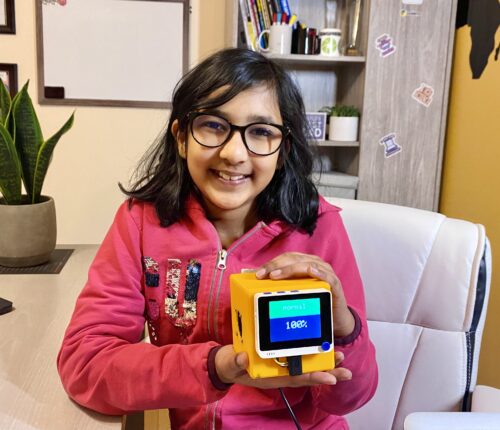
Sashrika knew this invention could really make a difference to people’s lives. She explained, “Typically, diesel gas tanks for heating are in the basement where people don’t visit every day. Leakage may be unnoticed and lead to fire or major repair cost.”
As well as projects designed to solve problems, Coolest Projects also welcomes young people who create things to entertain or have fun.
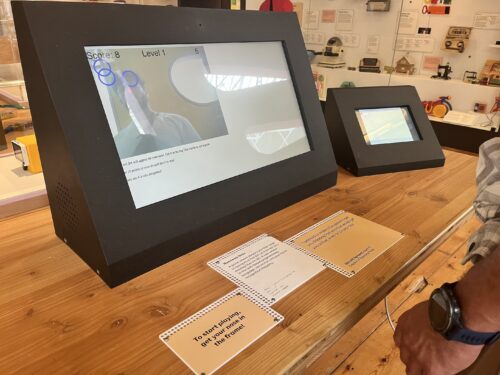
At the Young V&A, visitors can enjoy the fun, fast-paced game project Runaway Nose, by 10-year-old Harshit from Ireland. Runaway Nose uses facial recognition, and players have to use their nose to interact with the prompts on the screen.
Harshit shared the motivation behind his project:
“I wanted to make a fun game to get you thinking fast and that would get you active, even on a rainy day.” – Harshit
We can confirm Runaway Nose is a lot of fun, and a must-do activity for people of all ages on a visit to the museum.
If you are in London, make sure to head to the Young V&A to see Chinmayi’s, Sashrika’s, and Harshit’s projects, and many more. We love seeing the ingenuity of the global community of young tech creators celebrated, and hope it inspires you and your young people.
With that in mind, we are excited that Coolest Projects will be back in 2024. Registrations for the global Coolest Projects online showcase will be open from 14 February to 22 May 2024, and any young creator up to age 18 anywhere in the world can get involved. We’ll also be holding in-person Coolest Projects events for young people in Ireland and the UK. Head to the Coolest Projects website to find out more.
Coolest Projects is for all young people, no matter their level of coding experience. Kids who are just getting started and would like to take part can check out the free project guides on our projects site. These offer step-by-step guidance to help everyone make a tech project they feel proud of.
To always get the latest news about all things Coolest Projects, from event updates to the fun swag coming for 2024, sign up for the Coolest Projects newsletter.
The post Celebrating young Coolest Projects creators at a London museum appeared first on Raspberry Pi Foundation.
The day after the successful meetup with our Global Clubs Partner organisations based in Africa, our team and some of our partners enjoyed participating in the Coolest Projects South Africa 2023 event to meet young tech creators and help out as project judges. Here are some of our impressions.
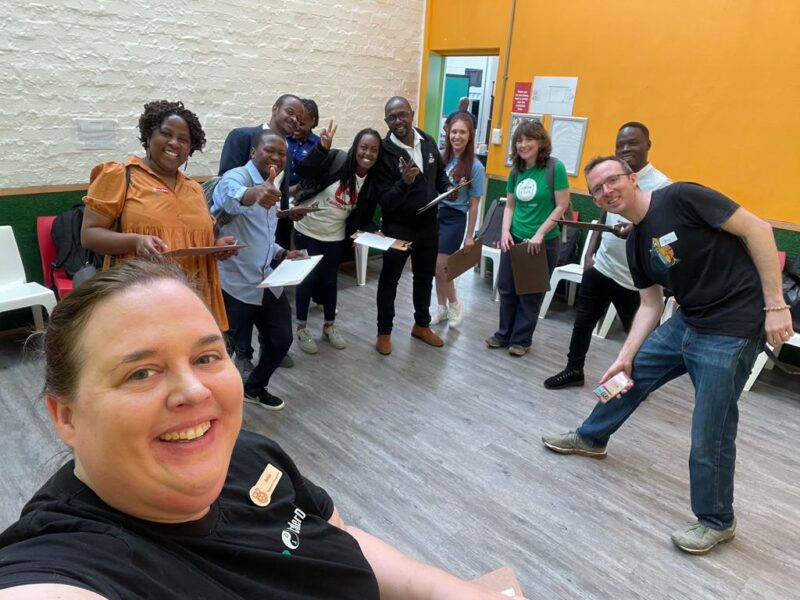
This is the fourth year of a partner-run, regional version of Coolest Projects — our world-leading showcase for young tech creators — taking place in South Africa, led by David Campey. David is Director of Coder LevelUp, one of our Global Clubs Partners growing and supporting a network of CoderDojos and Code Clubs in the country, and involved in the CoderDojo movement for a whole decade.
There was a buzz of anticipation and excitement at the Cape Town Science Centre as young coders from age 5 to 18 and various backgrounds gathered on this sunny Saturday morning to showcase their coding creations and inventions at Coolest Projects South Africa. From fun games and animations on Scratch, to cool websites created with HTML and CSS, to fantastic Python-based hardware solutions to real-world challenges — every young creator brought along a project they’d created to proudly showcase and celebrate.
While chatting with the creators and discovering what had motivated their projects, we met up with 11-year-old Luhle, who was delighted to take us through the ‘Moon conversation’ animation she had coded in Scratch.
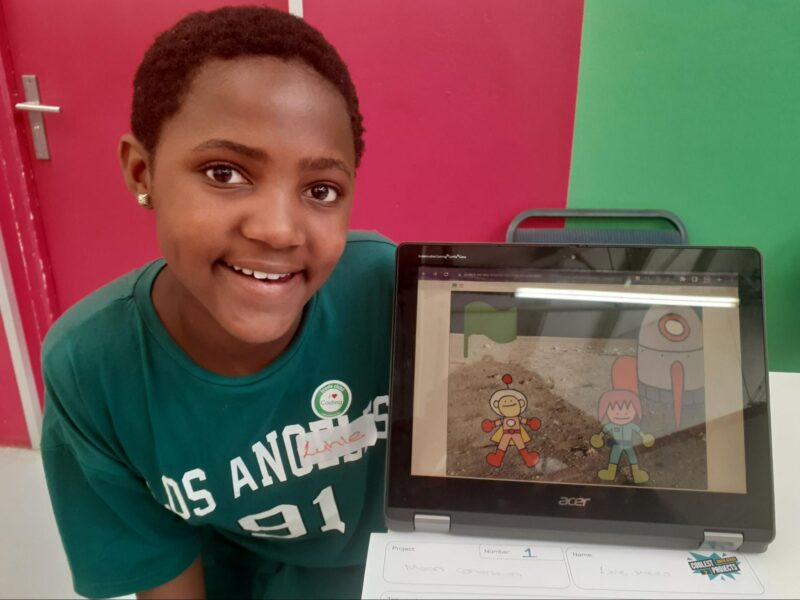
The animation involved a Spanish conversation between two people who journeyed to the moon and back. Luhle had created her animation because of her love for languages and in response to a challenge posed to her class by her teacher: to learn 5 languages. While her mother tongue is isiXhosa, she is confident in English, is learning Afrikaans, has started teaching herself Spanish, and would love to learn Korean.
We also met with 16-year-old Kayden, who showcased a project he’d made to address a real-world challenge. He told us he had always struggled to concentrate in class — a challenge that many young people face — and he wanted to build an alternative solution to the established medications. Using vibration sensors and two microcontrollers, he created a digital device to prompt users when they are no longer paying attention in class. With his friend Carl, he successfully tested the device on a meaningful sample of Grade 1–3 learners (ages 7–9).
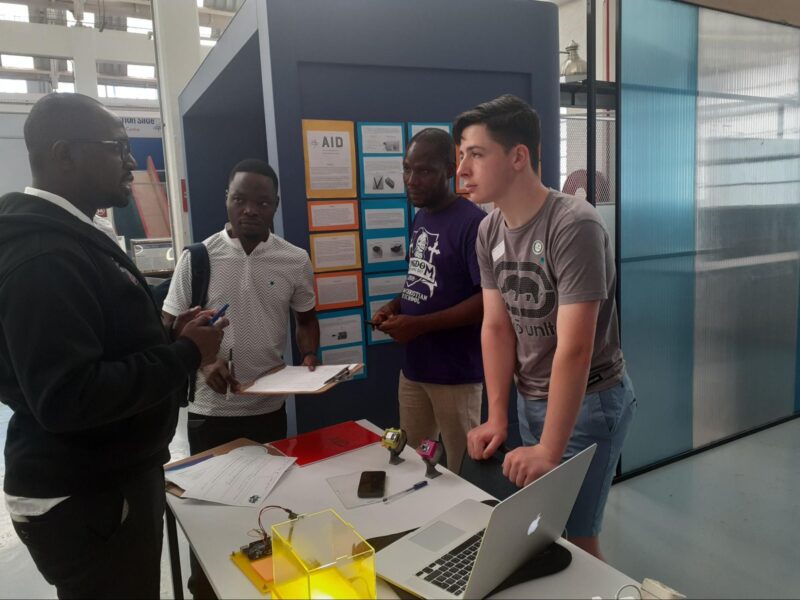
Kayden is now developing this low-cost innovative solution to include a heart rate monitor to help to detect when a user loses focus, and he wants this to be a solution that’s widely accessible and affordable for all South African children. One of the judges, our partner Akwabi Paul from Tech Kidz Africa in Kenya, was greatly impressed and motivated by Kayden’s work, and took time to advise Kayden on the next steps to turn his invention into a commercial product.
During the event we also met members of Mrs Hill’s coding club and learnt about Mrs Hill’s experience of nurturing a love and interest for coding and robotics at CBC St Johns Parklands in Cape Town.
Since 2020, Mrs Hills has been providing coding lessons to all school classes — learners aged 6 to 12 years — as well as an after-school coding and robotics club. She approaches her lessons by introducing and demonstrating coding skills and then presenting her learners with a problem to solve collaboratively. In her words, ‘Learners find more interest in learning practically.’
That’s why Coolest Projects is the perfect fit for her and her young people. 4 of her club members took part in Coolest Projects South Africa 2022. This year, she was proud to enter 11 participants, 3 of whom were chosen as judges’ favourites.
After the showcasing and judging, the Coolest Projects South Africa event culminated in a hearty celebration of all that the young tech creators had presented. David Campey’s passion for nurturing coding literacy, digital making skills, and innovative thinking among learners from different walks of life made the whole day a truly enjoyable, inclusive event for the young creators.
It was inspiring, no doubt, for our other African partners who participated as judges and are now keen to host Coolest Projects events back in their home countries.
If you and your young people based anywhere on the globe feel inspired to showcase digital tech creations, you can get involved in our Coolest Projects 2024 online showcase! It’s free and open to any young tech creator up to age 18.
Sign up to the Coolest Projects newsletter to be the first to hear all updates, for example when showcase registration opens on 14 February.
The post Impressions from Coolest Projects South Africa 2023 appeared first on Raspberry Pi Foundation.
Big news for young tech creators: Coolest Projects will return in 2024. The world’s leading showcase for young creators of digital tech will be open for registration in the online gallery, and we want young people worldwide to showcase their tech projects.
In 2024, we are hosting the Coolest Projects online showcase and livestream celebration for all young creators around the world, and also in-person events in the UK and Ireland for young creators who live there.
All young tech creators can take part — for free — in the Coolest Projects online showcase:
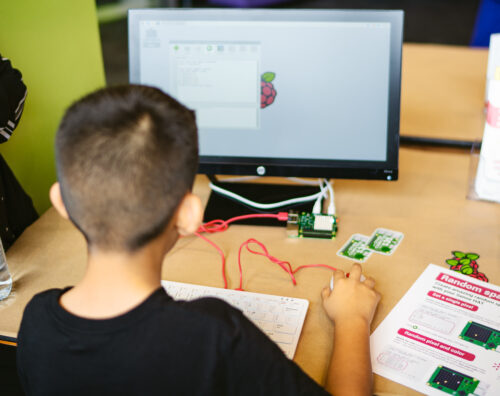
Coolest Projects is an opportunity for young tech creators to share what they have made with the world. Young people register their tech creations to show them in the Coolest Projects online showcase gallery. Alongside mentors, parents, friends, and family members in their local and global communities, they can explore the gallery and celebrate what they and their peers have made.
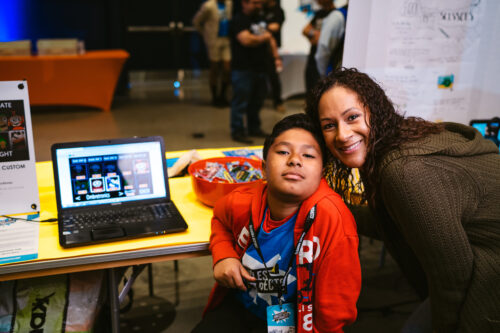
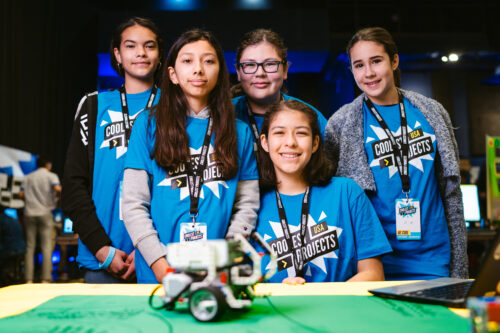
If your kids want to learn about creating with technology, check out our free guided coding project paths. These paths are designed to support all young people to learn how to make their own tech projects and develop their coding skills. For example:
Young creators can take a look at the Coolest Projects 2023 online showcase gallery for inspiration if they are not sure what they want to make. You can also watch the story of Zaahra and Eesa, siblings who participated in Coolest Projects 2020.
If you are a young creator in Northern Ireland, the Republic of Ireland, or the UK, then Coolest Projects is also coming to you in person in 2024. Participants will be able to meet other young tech creators, connect to their community, and celebrate each other’s creations. Young people are encouraged to take part in both the Coolest Projects global online showcase and their local in-person event.
Coolest Projects Ireland will take place at DCU St Patrick’s College Campus, Drumcondra in Dublin. It’s open to young creators in Northern Ireland and the Republic of Ireland, and their families and friends are invited to come along to celebrate them and see all the incredible projects on show. Participants can apply for partial bursaries for the costs of attending the event.
Very soon we will announce the date and venue for Coolest Projects UK for all young creators in the UK. Sign up for email updates to be the first to hear about it. We will also share full details of each in-person event on the Coolest Projects website when registration opens.
If there’s not an in-person Coolest Projects event near you, you can still join in the fun: the Coolest Projects online showcase is open to any young creator aged up to 18, from anywhere in the world. We also work with brilliant partner organisations around the world to bring Coolest Projects events to their countries and communities. Sign up to the Coolest Projects newsletter to be the first to know about any in-person event in your country.
Coolest Projects registration opens soon in 2024, and young creators can start thinking of ideas and working on their projects now. Or if young people have already made something they are really proud of, they can showcase that creation once registration is open.
Sign up for email updates to always get the latest news about all things Coolest Projects, from event updates to the fun swag coming for 2024.
The post Coolest Projects is back in 2024 appeared first on Raspberry Pi Foundation.
Young people can now learn to code and create with our brand-new path of micro:bit coding projects. The ‘Intro to micro:bit’ path is free and kids can follow it to code projects that focus on wellbeing, including topics like mental health, relaxation, and exercise.
As you might know, a micro:bit (pronounced “microbit”) is a small, programmable device designed for education. You can program it using any computer. It’s easy to use and learn with, and suitable for beginners, especially young people in and out of school.
Our aim for this new micro:bit project path is to help young people explore how they can create their own tech tools that help them look after themselves and others. By designing the micro:bit coding projects around wellbeing, we want to not only help kids develop programming and digital literacy skills, but also promote open conversations about the important topic of mental health.
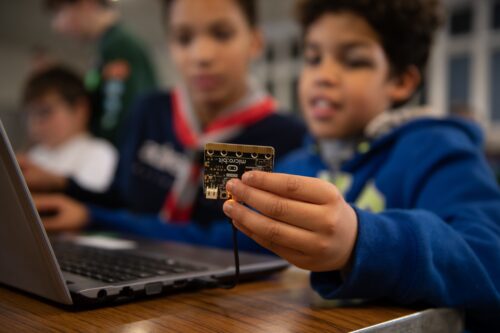
The six micro:bit coding projects in our new path all cover different aspects of wellbeing in a fun, creative way:
We hope that following the path and making projects helps encourage learners to ask questions, share their experiences, and feel like they can ask parents, teachers, or mentors for support, and help support their friends and peers.
The ‘Intro to micro:bit’ path is designed according to our Digital Making Framework. Its aim is to encourage young people to become independent coders and tech creators as they progress along the projects in a path by gently removing scaffolding.
The structure of the path means that learners are led through the development process of a coding project and learn how to turn their ideas into reality. The path structure also supports them with fixing programming errors (debugging), showing them that errors are a normal part of computer programming and just temporary setbacks that they can overcome.
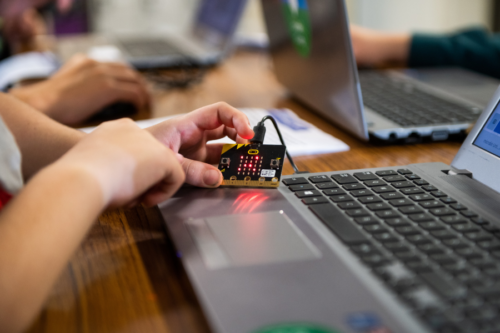
Because community is important for learning, the path also offers young people the chance to share the projects they make with peers around the world.
The Explore projects at the start of the path are where the initial learning takes place. Learners then develop their new skills and knowledge by putting them into practice in the Design and Invent projects, where they add in their own ideas and creativity.
The key programming concepts covered in this path are:
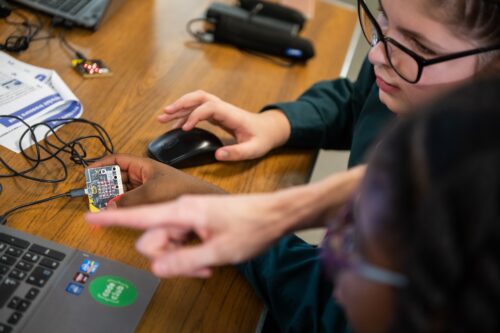
There are two versions of the micro:bit (V1 and V2) and learners can use either version to create the micro:bit coding projects in the path, using the micro:bit’s input and output features:
In this Explore project, kids create a music player on the micro:bit to explore how listening to music can improve their mood. While creating their music player, young people get to choose melodies that they enjoy or that make them feel more relaxed. They also add a range of functions such as pausing, skipping, and shuffling tracks.
Noise levels can affect people’s well-being, so in this project, kids create a program to use the micro:bit to display how noisy their environment is. They will also learn how to save the noise data the micro:bit measures so they can identify the noisiest times in their day.
Sleep is an important factor that contributes towards well-being. With this third Explore project, kids create a program to track their sleep movements using the micro:bit. This teaches them about variables and about using the micro:bit’s accelerometer, and its LEDs to display data.
The first Design project of the path gets young people to build a mood checker program using the question ‘How’s your day?’. Kids get creative design control over the mood checker’s outputs according to the user’s replies, including displaying an animation or positive messages, or playing music. Kids can also make use of sensors to measure the various factors in the environment that could be affecting the user’s mood.
In this project, young people apply all of the coding skills and knowledge covered in the Explore projects, including selection, repetition, variables, functions, and randomisation.
In the second Design project, young people create an assistant that helps them get active.The project provides examples, a structure, and brief summaries of what kids have learned to do on the path so far to inspire and motivate them. This mean young people can work independently to produce their own outcomes and the functionality of their assistant is up to each young tech creator.
The final project, Party game, encourages learners to independently replicate their favourite party game for entertainment and relaxation. Learners will combine all of the knowledge and skills they’ve gained throughout the path to make something of their own around the theme of well-being. This is a chance for them to unleash their creativity and reflect on real-life games they enjoy. The outcome will be unique, and fun for them to share with their friends and family.
We have written these micro:bit coding projects with young people around the age of 6 to 13 in mind. Building the projects on the path does not require any previous coding experience, although complete beginners may want to try our free ‘Intro to Scratch’ path first.
A web browser on a computer. In every project, starter code is provided in the MakeCode online code editor. Learners can either download their project code to a physical micro:bit (recommended) or use the micro:bit simulator in MakeCode.
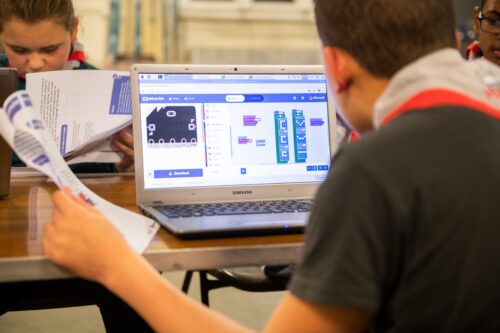
Young people who live where there isn’t constant internet connectivity can also download the offline version of the MakeCode editor. There are also free micro:bit coding apps for smartphones and tablets.
We’ve designed the ‘Intro to micro:bit’ path to be completed in six one-hour sessions, with one hour per project. However, the project instructions invite learners to take additional time to upgrade their projects if they wish.
At the end of the micro:bit path, learners are encouraged to register a project they’re making with their new coding skills for Coolest Projects, our annual online technology showcase for young people around the world.
Taking part is free, and beginners as well as more experienced young tech creators are invited. This is their opportunity to share their ingenuity in an online gallery for the world and the Coolest Projects community to celebrate.
The post New micro:bit coding projects for kids appeared first on Raspberry Pi Foundation.
We are pleased to announce a new AI-themed challenge for young people: the Experience AI Challenge invites and supports young people aged up to 18 to design and make their own AI applications. This is their chance to have a taste of getting creative with the powerful technology of machine learning. And equally exciting: every young creator will get feedback and encouragement from us at the Raspberry Pi Foundation.

As you may have heard, we recently launched a series of classroom lessons called Experience AI in partnership with Google DeepMind. The lesson materials make it easy for teachers of all subjects to teach their learners aged up to 18 about artificial intelligence and machine learning. Now the Experience AI Challenge gives young people the opportunity to develop their skills further and build their own AI applications.
For the Experience AI Challenge, you and the young people you work with will learn how to make a machine learning (ML) classifier that organises data types such as audio, text, or images into different groupings that you specify.
The Challenge resources show young people the basic principles of using the tools and training ML models. Then they will use these new skills to create their own projects, and it’s a chance for their imaginations to run free. Here are some examples of projects your young tech creators could make:

All creators will receive expert feedback on their projects.
To make the Experience AI Challenge as familiar and accessible as possible for young people who may be new to coding, we designed it for beginners. We chose the free, easy-to-use, online tool Machine Learning for Kids for young people to train their machine learning models, and Scratch as the programming environment for creators to code their projects. If you haven’t used these tools before, don’t worry. The Challenge resources will provide all the support you need to get up to speed.
Training an ML model and creating a project with it teaches many skills beyond coding, including computational thinking, ethical programming, data literacy, and developing a broader understanding of the influence of AI on society.
Our resources for creators and mentors walk you through the three stages of the Experience AI Challenge.
The first stage of the Challenge is designed to ignite young people’s curiosity. Through our resources, mentors let participants explore the world of AI and ML and discover how these technologies are revolutionising industries like healthcare and entertainment.
In the second stage, young people choose a data type and embark on a guided example project. They create a training dataset, train an ML model, and develop a Scratch application as the user interface for their model.
In the final stage, mentors support young people to apply what they’ve learned to create their own ML project that addresses a problem they’re passionate about. They submit their projects to us online and receive feedback from our expert panel.
We can’t wait to see how you and your young creators choose to engage with the Experience AI Challenge!
The post The Experience AI Challenge: Make your own AI project appeared first on Raspberry Pi Foundation.
In the 2023 Coolest Projects online showcase, 5801 young people from all over the world shared the wonderful, fun, and creative things they had made with technology. But that’s not all we’ve seen of Coolest Projects this year. As well as our worldwide annual online showcase, a number of in-person Coolest Projects events are taking place in countries across the globe in 2023.
Run by us or partner organisations, these exciting events create a space for young people to meet other young tech creators, connect to their community, and celebrate each others’ creations. In-person Coolest Projects events around the world had to pause over the coronavirus pandemic, and we’re delighted to see them return to engage and inspire young people once again.
On 1 July, we were super excited to host Coolest Projects Ireland, our first in-person Coolest Projects event since 2020. 63 young tech creators from Northern Ireland and the Republic of Ireland came together in Dublin for an exciting one-day event where they shared 43 incredible creations, with engineer and STEM communicator Dr Niamh Shaw leading everyone through the day’s celebrations.
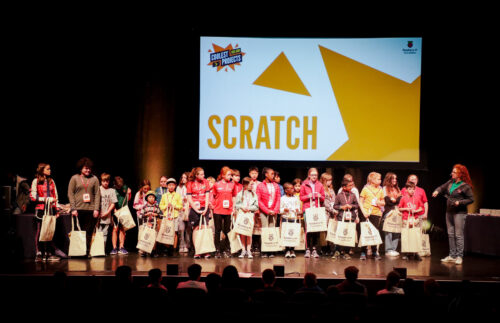
One young maker showcasing her project was Charlotte from Kinsale CoderDojo in the Republic of Ireland. Her creative storytelling project ‘Goldicat and the Three Angry Property Owners’ was chosen as a judges’ favourite in the Scratch category.
Charlotte’s story includes different games and three secret endings for the user to discover. She told us: “I know someone who made an animation based off the fairy tale Hansel and Gretel in Scratch. This inspired me to make a game based off a different fairy tale, Goldilocks and the Three Bears.”
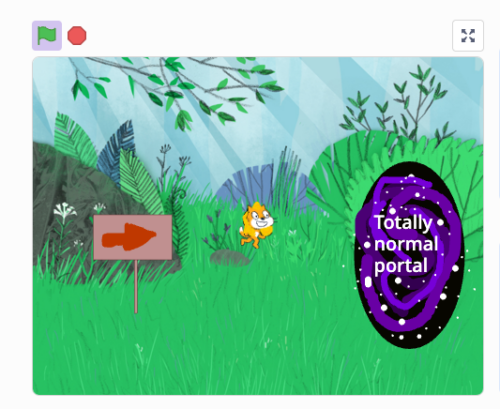
Harshit entered the Hardware category with his amazing mini vending machine. Describing his project, he explained, “This is a recreation of a vending machine, but I have added my own twists to it to make it simple to build. You still get the full experience of an actual vending machine, but what makes it special is that it is made fully out of recycled materials.”
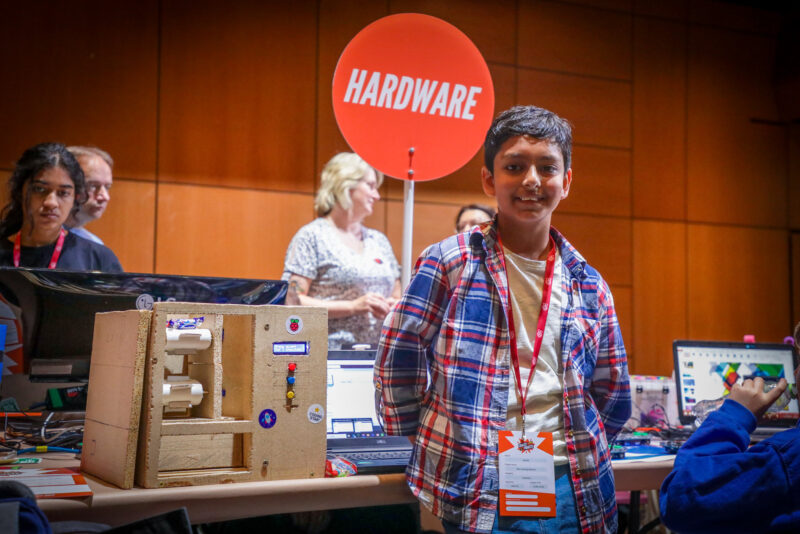
Young people at Coolest Projects Ireland were joined and supported by family, friends, and mentors from Code Clubs and CoderDojos. Mentors told us their favourite things about attending a Coolest Projects event in person were “the joy and excitement the participants got from taking part and discussing their project with the judges”, and “the way it was very inclusive to all children and all [were] included on stage for some swag!”
In 2023 we’re partnering with six organisations that are bringing Coolest Projects events for their communities. We’re still looking forward to the exciting Coolest Projects events planned for the rest of the year:
Back in June, more than 30 young creators participated in Coolest Projects Hungary, which was organised in Budapest by the team at EPAM Systems Inc. And April saw our partner CoderDojo Belgium organise Coolest Projects Belgium for 40 young people, who shared 25 projects across different categories from Scratch to Hardware and Advanced Programming.
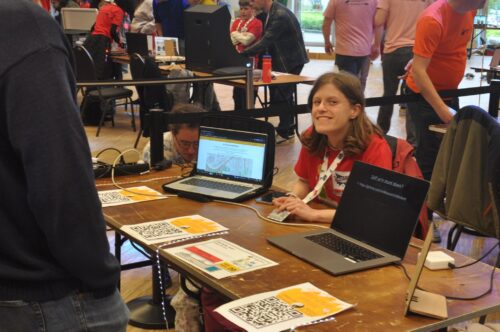
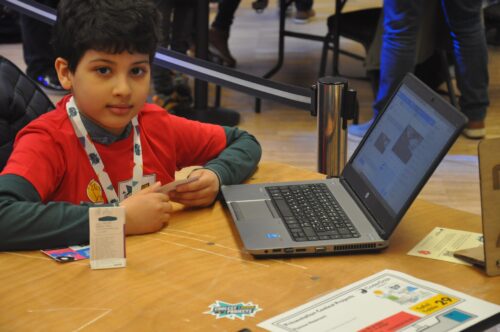
The CoderDojo Belgium team shared how important the Coolest Projects event is to their community:
“Just like every year, we’ve unlocked the doors to welcome the next generation of tech enthusiasts. And this year, once again, we were absolutely amazed by the projects they brought to the spotlight. From an app predicting stock market evolution, to creatively designed games with unexpected twists, not to mention the incredible robots, and more, their ingenuity knows no bounds.”
CoderDojo Belgium
We’re excited that the Coolest Projects online showcase — open to any young creator anywhere in the world — will return in 2024. And if there isn’t a Coolest Projects in-person event in your country yet, don’t worry. We’re working with more and more partners every year to bring Coolest Projects events to more young people.
To stay up to date with news about the Coolest Projects online showcase, sign up to the newsletter.
And you can celebrate young tech creators with us year round wherever you are by following Coolest Projects on X, Instagram, LinkedIn, or Facebook, where we share inspiring projects from the Coolest Projects online gallery and photos from the in-person events.
We’d like to thank EPAM Systems Inc, Meta, and GoTo for supporting the Coolest Projects Ireland event. If you’re interested in partnering with us for Coolest Projects, please reach out to us via email.
The post Celebrating young tech creators in person: Coolest Projects events 2023 appeared first on Raspberry Pi Foundation.
An absolutely huge congratulations to each and every single young creator who participated in Coolest Projects 2023, our digital technology showcase for young people! 5801 young people from 37 countries took part. This year’s participants made projects that entertained, inspired, and wowed us — creators showcased everything from robotic arms to platformer games.
We celebrated every project and maker in a special livestream event this Tuesday:
Each year, we invite VIP judges to pick their favourite projects. This year they had the difficult job of choosing between 4111 incredible projects young people showcased. Meet the judges and find out which projects were their favourites.
Yewande is a chartered engineer, innovator, and speaker. She has worked on projects in the UK, Africa, the Middle East, and East Asia, and has been named the UK Young Woman Engineer of the Year by the Institution of Engineering & Technology.

See Yewande’s favourites:
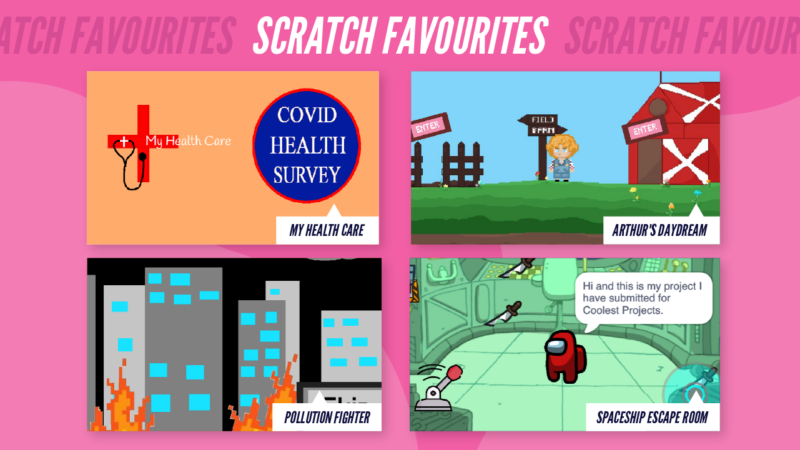
Vaishali is an Indian engineer, innovator, and revolutionary educationist. She is the co-founder of Young Tinker Academy and Young Tinker Foundation, started in 2015 to educate the less-privileged students of rural India. Her team at Young Tinker Foundation has impacted the lives of 150,000+ students.
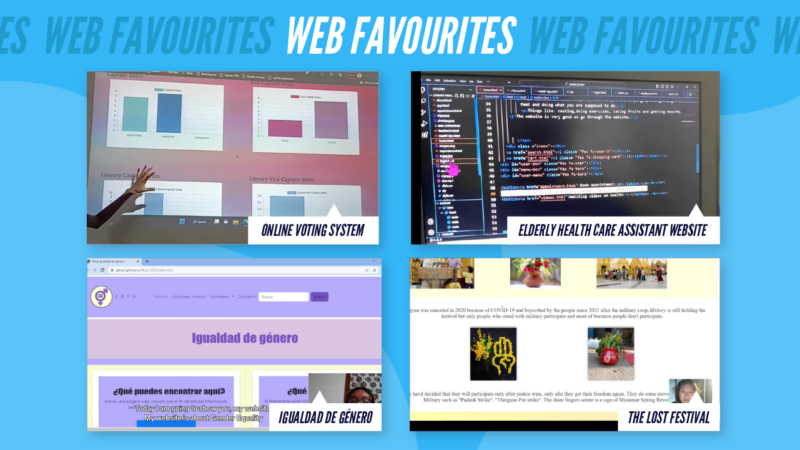
Lella is an award-winning 18-year-old Digital Changemaker and Power of Youth Champion. Since she taught herself to code at age 8, Lella fosters purpose-driven innovation to create global industry opportunities that ensure young people are at the forefront of the ongoing digital transformation.

Lella’s favourite projects are:
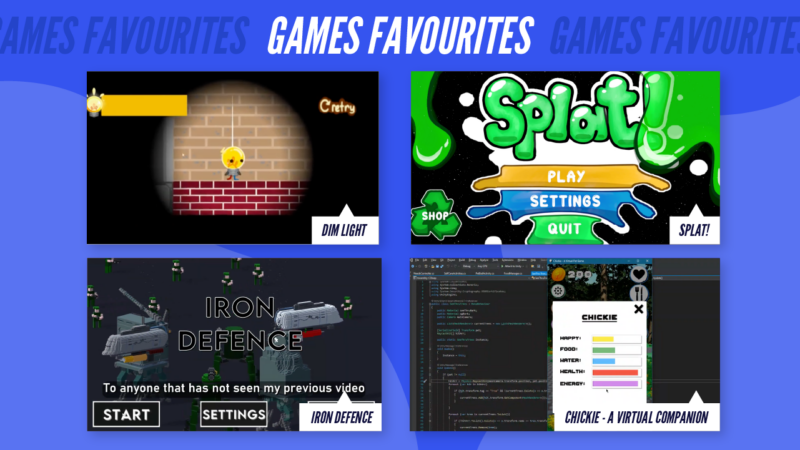
Aoife is the Head of Community Development for Meta Data Centres in Europe and Asia. She and her team deliver on Meta’s commitment to playing a positive role and investing in the long-term vitality of Meta Data Centre communities in Ireland, Denmark, Sweden, and Singapore.
See Aoife’s favourite projects:
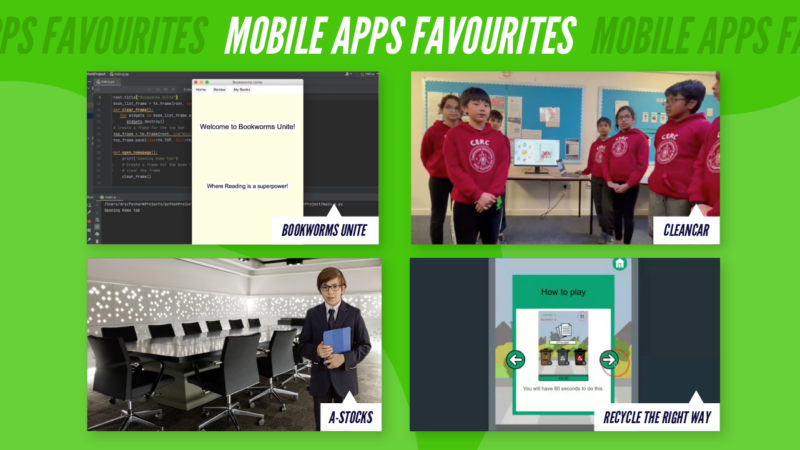
Broadcom Foundation has partnered with us for Coolest Projects to encourage young people who are solving problems that impact their communities. Broadcom Coding with Commitment™ is a special recognition for a Coolest Projects creator aged 11–14 who has learned basic coding as an essential problem-solving tool in STEM and is “thinking globally while acting locally.”

The Broadcom Coding with Commitment™ recognition goes to Smart Farm, a project by Dang, Chi, and An from Vietnam. They designed Smart Farm to help farmers in their community regulate the temperature of animals, feed them on time, and check them for diseases. The team also built a fish pond model that tests the pH of the water and a vegetable garden model that detects when vegetables are wilting, all with the aim of helping local farmers to care for their livestock and protect their livelihoods. Huge congratulations to the team!
Our judges have chosen their favourite projects — but what about yours? You can explore thousands of incredible projects for 2023 young creators in the Coolest Projects showcase gallery and discover your favourites today.
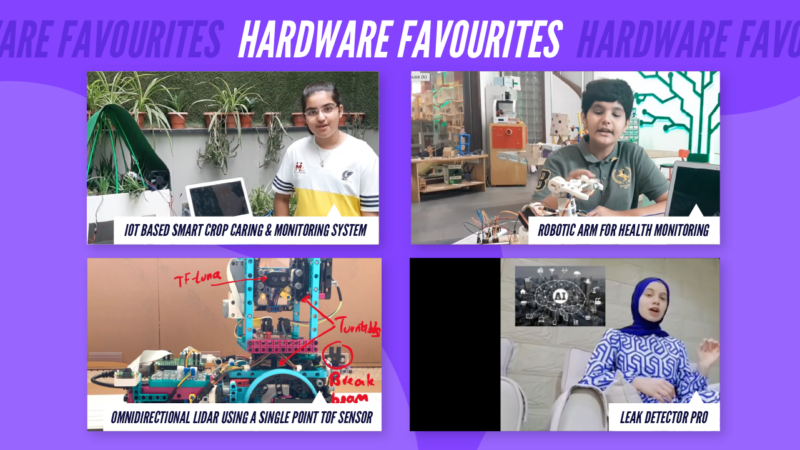
All young creators who took part will shortly receive their own unique certificate to recognise their amazing achievements. They’ll also be able to log into their Coolest Projects account to find personalised feedback on their projects from our judging team.
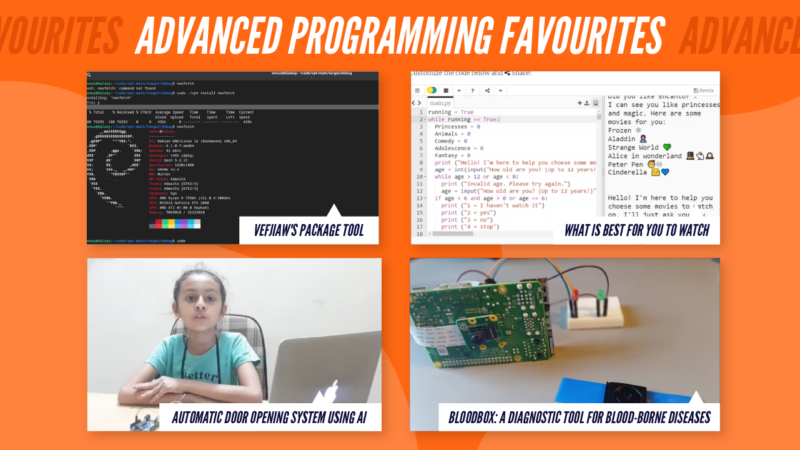
Support from our Coolest Projects sponsors means we can make the online showcase and celebration livestream an inspiring experience for the young people taking part. We want to say a big thank you to all of them: Allianz Technologies, Broadcom Foundation, EPAM Systems, Liberty Global, Meta, and Qube Research and Technologies.
The post Celebrating 5801 young people’s digital creations at Coolest Projects 2023 appeared first on Raspberry Pi Foundation.
Young creators, it’s time to share your ideas with the world! Registration for Coolest Projects is now open.
Coolest Projects is an online showcase celebrating all young people who create with digital technology. From today, Monday 6 February, young people can register their projects on the Coolest Projects website. Registered projects will be part of the online showcase gallery, for people all over the world to see.
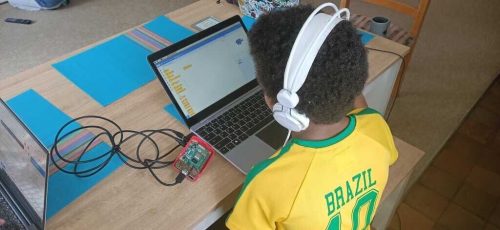
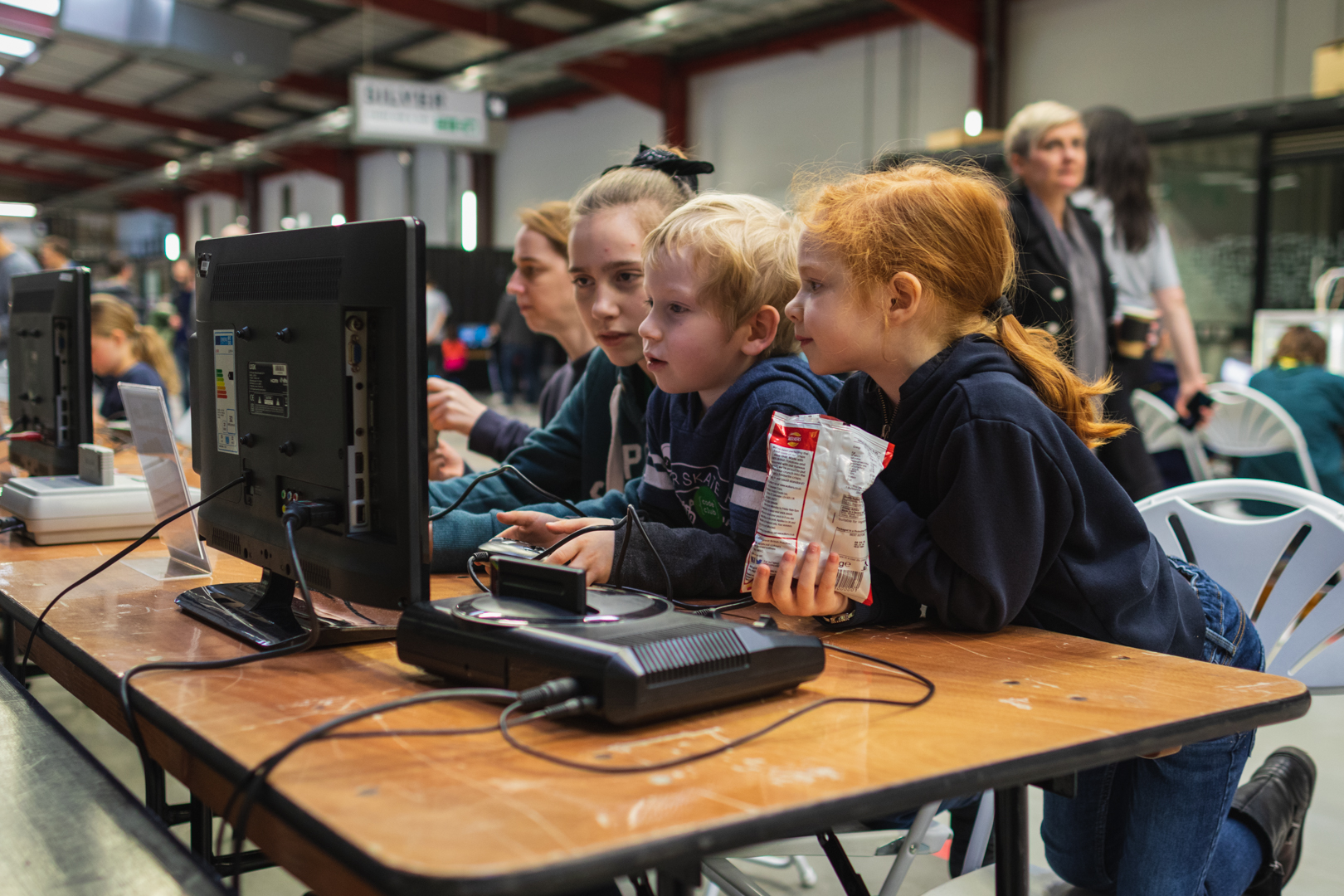
By entering your digital tech creations into Coolest Projects, you’ll have the chance to get personalised feedback about your project, represent your country in the online showcase, and get fun, limited-edition swag. Your project could even be selected as a favourite by our very special VIP judges.
Coolest Projects is an online celebration of young digital tech creators worldwide, their skills, and their wonderful creative ideas. We welcome all kinds of projects, from big to small, beginner to advanced, and work in progress to completed creation.
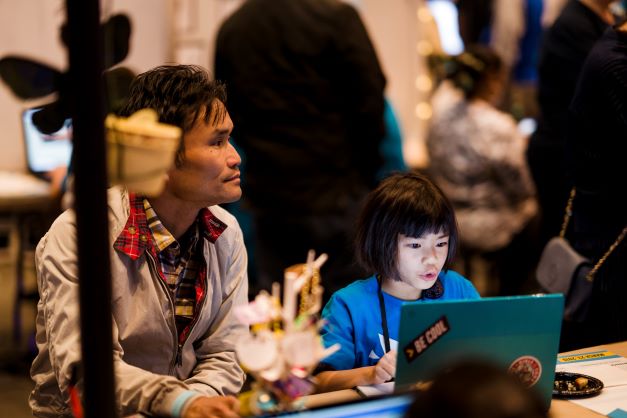
Here’s what you need to know:
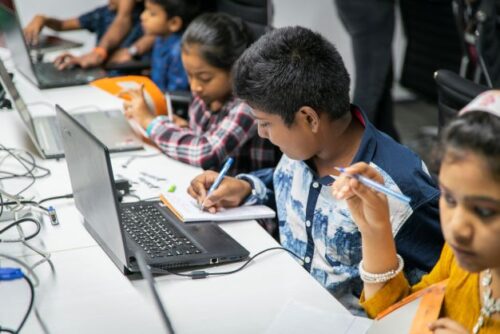
If you’d like help with your idea or project, take a look at our free, step-by-step Coolest Projects workbook and coding project guides. You can also get inspired by all the creations in the 2022 showcase gallery.
You are also very welcome to register a tech project you’ve already made and want to share with the world this year.
We offer free resources to help mentors and parents support young people through the process of taking part in Coolest Projects, from imagining ideas, to creating projects, to registration.
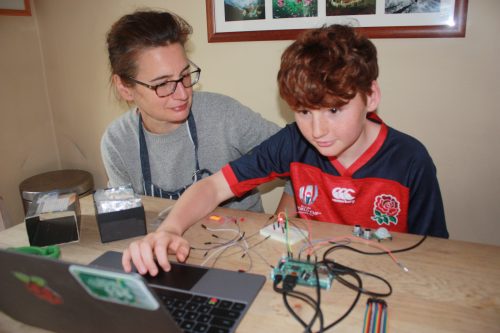
There are loads more announcements to come, so make sure to subscribe to the Coolest Projects newsletter to be the first to find out about this year’s VIP judges, limited-edition digital swag, and much more.
The post Register your project for Coolest Projects 2023 now appeared first on Raspberry Pi Foundation.
In our work, we get to meet so many super inspiring young people who make things with technology. Our series of community stories is one way we share their journeys and enthusiasm for digital making with you.
Today we’re introducing you to Adarsh from California, USA.

We first met Adarsh at the Coolest Projects USA showcase in 2019, when he was 15 years old. Adarsh was chosen as the Coolest Projects judges’ favourite in the showcase’s Hardware category for making a Smart Sprinkler System, which can serve an entire community. He was inspired to create this project by the need he saw in California to manage water during a drought. Using a Raspberry Pi computer, he built a moisture sensor–based sprinkler system that integrates real-time weather forecast data and Twitter feeds to dispense only optimum amounts of water, in compliance with city water regulations. Adarsh says:
“The world around us right now has a lot of different problems that need to be solved and so the way that I get inspired is by looking outwards.”
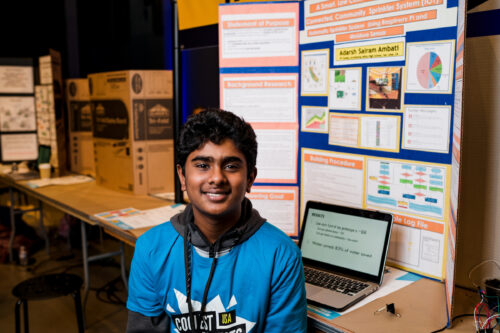
In 2020, Coolest Projects Global went online with young people across the world sharing their tech projects, and Adarsh created a project for the showcase to solve another real-life problem he had witnessed. When Adarsh had been in middle school, his mother had to be rushed to hospital with a sudden heart problem. The experience of seeing her hooked up to lots of vital sign monitors, with the wires hindering her movement, stayed in his memory. It led Adarsh to create another tech project: the Contactless Vital Signs Monitor. This low-cost device can be used to monitor a person’s skin temperature, heart rate, respiratory rate, blood pressure, and oxygen saturation without needing to be in direct contact with them. Adarsh’s contactless monitor lets patients rest more comfortably and also keeps healthcare staff safer from infections.

Adarsh entered his Contactless Vital Signs Monitor in the Davidson Fellows Scholarship programme, which recognises students who have completed significant projects that have the potential to benefit society.
Adarsh has this message for other young people who think they might like to try creating things with tech:
“None of these projects, to get to the stage where they are today, were without frustration or difficulties. That’s part of the process. You should expect that. Because of all the struggles I had, the fact that I was able to build all of this is so much more rewarding to me.”
A big part of coding and digital making is problem-solving and collaboration. Adarsh told us that he had a really great mentor, Johan, who introduced him to coding and Raspberry Pi hardware, and showed him where Adarsh could ask for help online.
“[The Raspberry Pi community] is such a large and inclusive community. It welcomes young students — even older adults who are first starting to develop their interest in computer science — and we all are developing our own skills, our own projects, and our own passions together, and while doing so, we’re helping each other out.”
Now a freshman at Stanford University, Adarsh is currently doing an epidemiology-related research project about the relationship between COVID-19 mutations and environmental, health, and demographic statistics. He wants to focus either on biomedical engineering or environmental engineering in his studies.
“Really [what I’m studying at university] is going to involve engineering or computer science largely due to the Raspberry Pi and the early influence it has had on my life.”
Thanks for inspiring us, Adarsh, and for letting us share your story with the community!
Help us celebrate Adarsh and inspire other young people to discover coding and digital making as a passion, by sharing his story on Twitter, LinkedIn, Facebook, or Instagram.
The post Celebrating the community: Adarsh appeared first on Raspberry Pi.
Welcome to 2023. I hope that you had a fantastic 2022 and that you’re looking forward to an even better year ahead. To help get the year off to a great start, I thought it might be fun to share a few of the things that we’ve got planned for 2023.
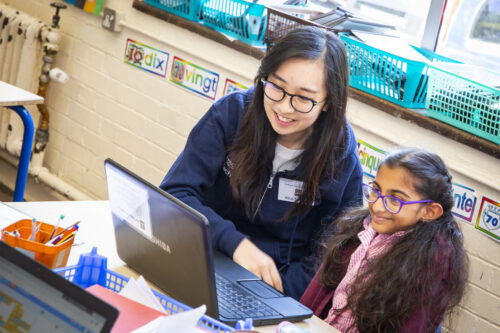
Whether you’re a teacher, a mentor, or a young person, if it’s computer science, coding, or digital skills that you’re looking for, we’ve got you covered.
Through our collaboration with the European Space Agency, Astro Pi, young people can write computer programs that are guaranteed to run on the Raspberry Pi computers on the International Space Station (terms and conditions apply).
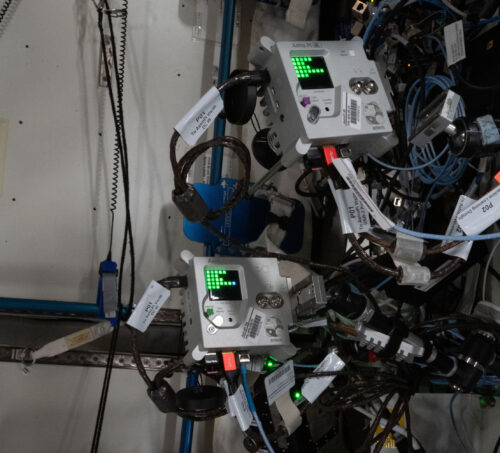
Astro Pi Mission Zero is open to participants until 17 March 2023 and is a perfect introduction to programming in Python for beginners. It takes about an hour to complete and we provide step-by-step guides for teachers, mentors, and young people.
Kids all over the world are already working on their entries to Coolest Projects Global 2023, our international online showcase that will see thousands of young people share their brilliant tech creations with the world. Registration opens on 6 February and it’s super simple to get involved. If you’re looking for inspiration, why not explore the judges’ favourite projects from 2022?
While we all love the Coolest Projects online showcase, I’m also looking forward to attending more in-person Coolest Projects events in 2023. The word on the street is that members of the Raspberry Pi team have been spotted scouting venues in Ireland… Watch this space.
I am sure I wasn’t alone in disappearing down a ChatGPT rabbit hole at the end of last year after OpenAI made their latest AI chatbot available for free. The internet exploded with both incredible examples of what the chatbot can do and furious debates about the limitations and ethics of AI systems.
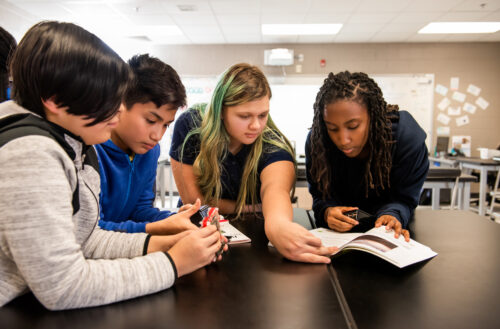
With the rapid advances being made in AI technology, it’s increasingly important that young people are able to understand how AI is affecting their lives now and the role that it can play in their future. This year we’ll be building on our research into the future of AI and data science education and launching Experience AI in partnership with leading AI company DeepMind. The first wave of resources and learning experiences will be available in March.
With pandemic restrictions now almost completely unwound, we’ve seen a huge resurgence in Code Clubs and CoderDojos meeting all over the world. To build on this momentum, we are delighted to be welcoming Code Club and CoderDojo mentors and educators to a big Clubs Conference in Churchill College in Cambridge on 24 and 25 March.
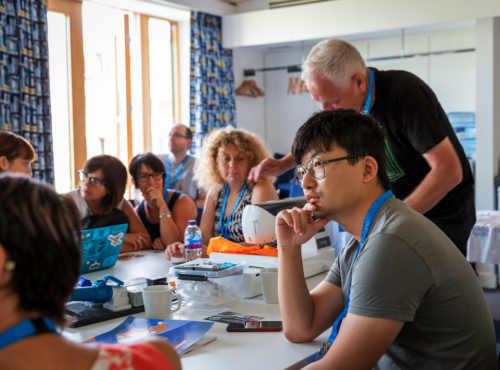
This will be the first time we’re holding a community get-together since 2019 and a great opportunity to share learning and make new connections.
As part of our global mission to ensure that every young person is able to learn how to create with digital technologies, we have been focused on building partnerships in India, Kenya, and South Africa, and that work will be expanding in 2023.
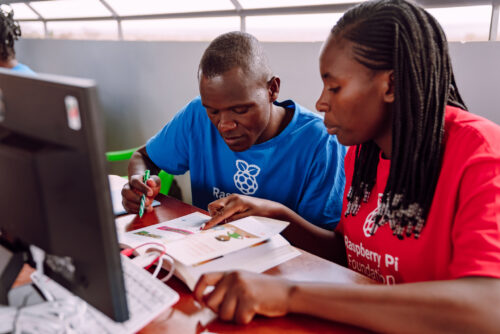
In India we will significantly scale up our work with established partners Mo School and Pratham Education Foundation, training 2000 more teachers in government schools in Odisha, and running 2200 Code Clubs across four states. We will also be launching new partnerships with community-based organisations in Kenya and South Africa, helping them set up networks of Code Clubs and co-designing learning experiences that help them bring computing education to their communities of young people.
Over the past few years, our research seminar series has covered computing education topics from diversity and inclusion, to AI and data science. This year, we’re focusing on current questions and research in primary computing education for 5- to 11-year-olds.
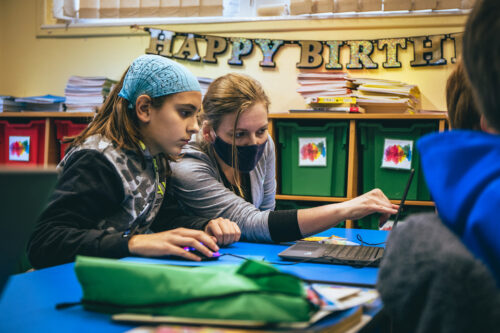
As ever, we’re providing a platform for some of the world’s leading researchers to share their insights, and convening a community of educators, researchers, and policy makers to engage in the discussion. The first seminar takes place today (Tuesday 10 January) and it’s not too late to sign up.
That’s just a few of the super cool things that we’ve got planned for 2023. I haven’t even mentioned the new online projects we’re developing with our friends at Unity, the fun we’ve got planned with our very own online text editor, or what’s next for our curriculum and professional development offer for computing teachers.
You can sign up to our monthly newsletter to always stay up to date with what we’re working on.
The post What to expect from the Raspberry Pi Foundation in 2023 appeared first on Raspberry Pi.
Young tech creators, get ready: Coolest Projects will be back in 2023, and we want to make this the year of your big idea!
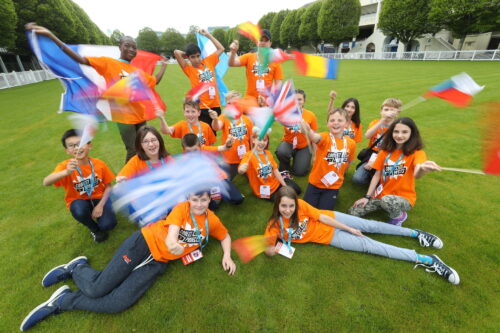
Coolest Projects is the world’s leading online technology showcase for young creators across the world, and we’ll soon be inviting young people to share their creations in the 2023 gallery when project registration opens on 6 February.
For young creators, Coolest Projects is the unique opportunity to share their big ideas with the whole world. All projects in our open online showcase receive personalised feedback from judges, and all creators get some awesome limited-edition swag too. To bring all the participants together, we’ll host a live-streamed celebration event online on 6 June 2023, where we’ll also reveal the favourite projects of our very special VIP judges.
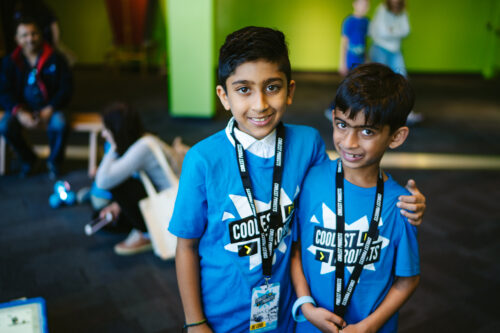
Creators who took part in 2022 told us that the coolest thing about Coolest Projects is that “so many people around the world get to see and appreciate your projects” and that “anyone can have a go”.
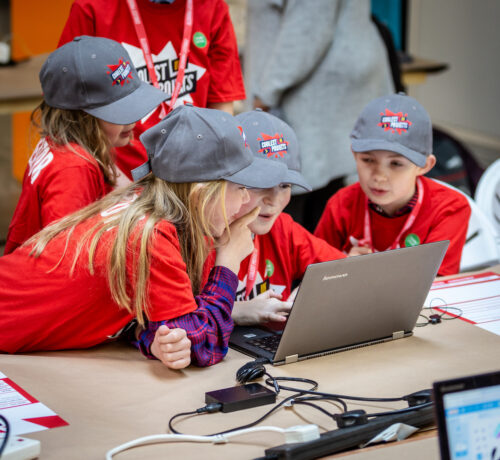
Coolest Projects creators make digital tech projects that matter to them and that they want to share with the world. Creators have all different levels of skill — some register their very first coding project, and others have taken part in Coolest Projects for years. We welcome every project from every young person in Coolest Projects. With six project categories from Scratch to hardware, and project topics including environment, health, and fun, creators come up with all kinds of cool ideas.
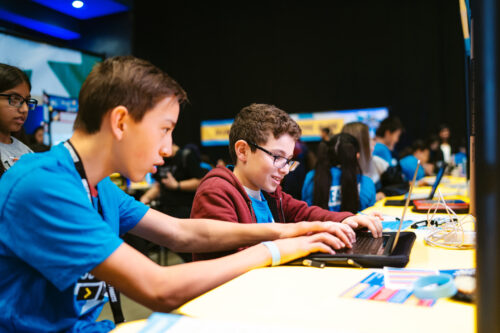
Take a look at the online showcase gallery to see the projects young makers shared in the most recent showcase, including an app about recycling, a smiley face game, a trash-collecting boat, and a game to help you eat more healthily.
Registration opens on 6 February 2023, and creators can get started on their ideas and make their projects any time.
The post Coolest Projects will be back in 2023 appeared first on Raspberry Pi.
We are so excited to share another story from the community! Our series of community stories takes you across the world to hear from young people and educators who are engaging with creating digital technologies in their own personal ways.
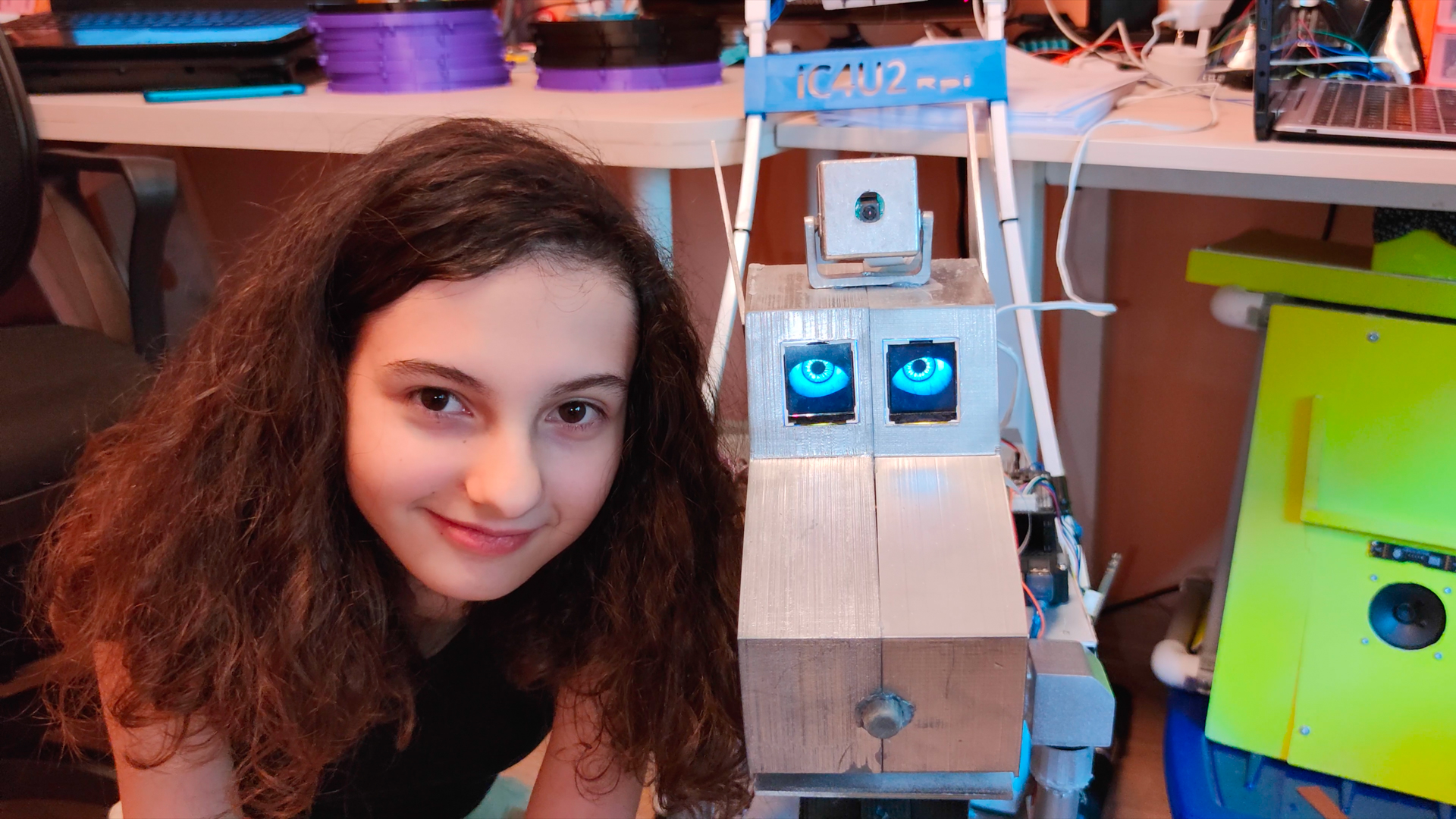
In this story we introduce you to Selin, a digital maker from Istanbul, Turkey, who is passionate about robotics and AI. Watch the video to hear how Selin’s childhood pet inspired her to build tech projects that aim to help others live well.
Selin (16) started her digital making journey because she wanted to solve a problem: after her family’s beloved dog Korsan passed away, she wanted to bring him back to life. Selin thought a robotic dog could be the answer, and so she started to design her project on paper. When she found out that learning to code would mean she could actually make a robotic dog, Selin began to teach herself about coding and digital making.
Thanks to her local CoderDojo, which is part of the worldwide CoderDojo network of free, community-based, volunteer-led programming clubs where young people explore digital technology, Selin’s interest in creating tech projects grew and grew. Selin has since built seven robots, and her enthusiasm for building things with digital technology shows no sign of stopping.
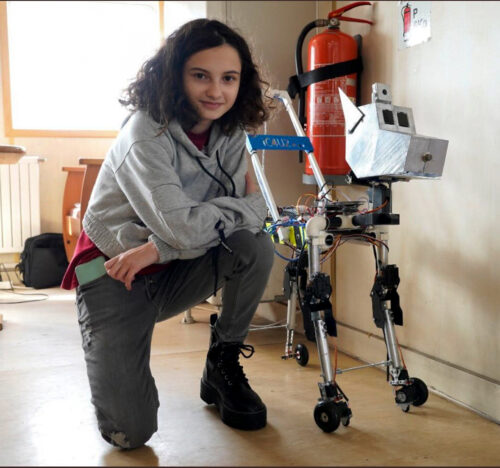
One of Selin’s big motivations to explore digital making was having an event to work towards. At her Dojo, Selin found out about Coolest Projects, the global technology showcase for young people. She then set herself the task of making a robot to present at the Coolest Projects event in 2018.
When thinking about ideas for what to make for Coolest Projects, Selin remembered how it felt to lose her dog. She wondered what it must be like when a blind person’s guide dog passes away, as that person loses their friend as well as their support. So Selin decided to make a robotic guide dog called IC4U. She contacted several guide dog organisations to find out how guide dogs are trained and what they need to be able to do so she could replicate their behaviour in her robot. The robot is voice-controlled so that people with impaired sight can interact with it easily.
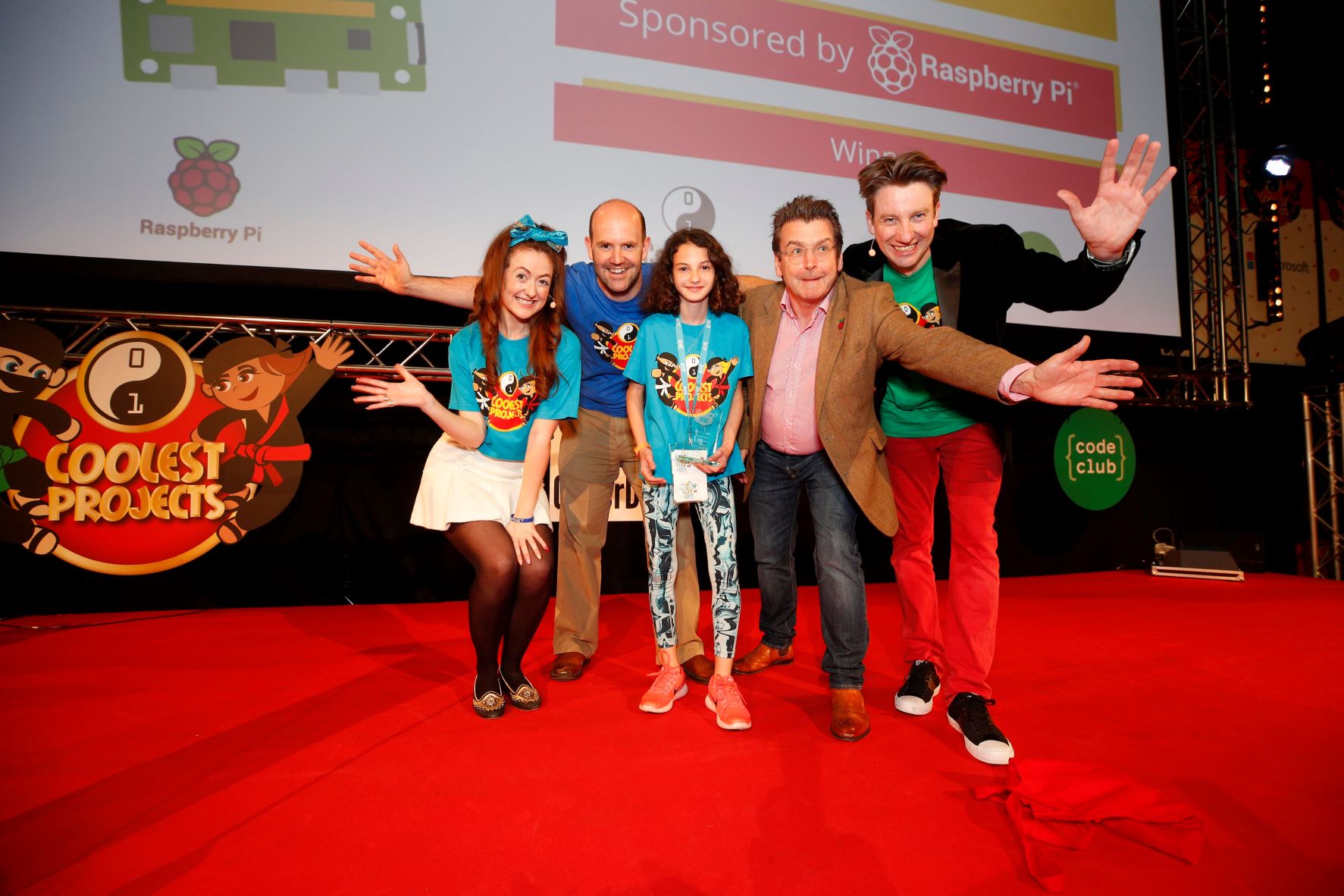
Selin and her parents travelled to Coolest Projects International in Dublin, thanks to support from the CoderDojo Foundation. Accompanying them was Selin’s project IC4U, which became a judges’ favourite in the Hardware category. Selin enjoyed participating in Coolest Projects so much that she started designing her project for next year’s event straight away:
“When I returned back I immediately started working for next year’s Coolest Projects.”
Selin
Many of Selin’s tech projects share a theme: to help make the world a better place. For example, another robot made by Selin is the BB4All — a school assistant robot to tackle bullying. And last year, while she attended the Stanford AI4ALL summer camp, Selin worked with a group of young people to design a tech project to increase the speed and accuracy of lung cancer diagnoses.
Through her digital making projects, Selin wants to show how people can use robotics and AI technology to support people and their well-being. In 2021, Selin’s commitment to making these projects was recognised when she was awarded the Aspiring Teen Award by Women in Tech.
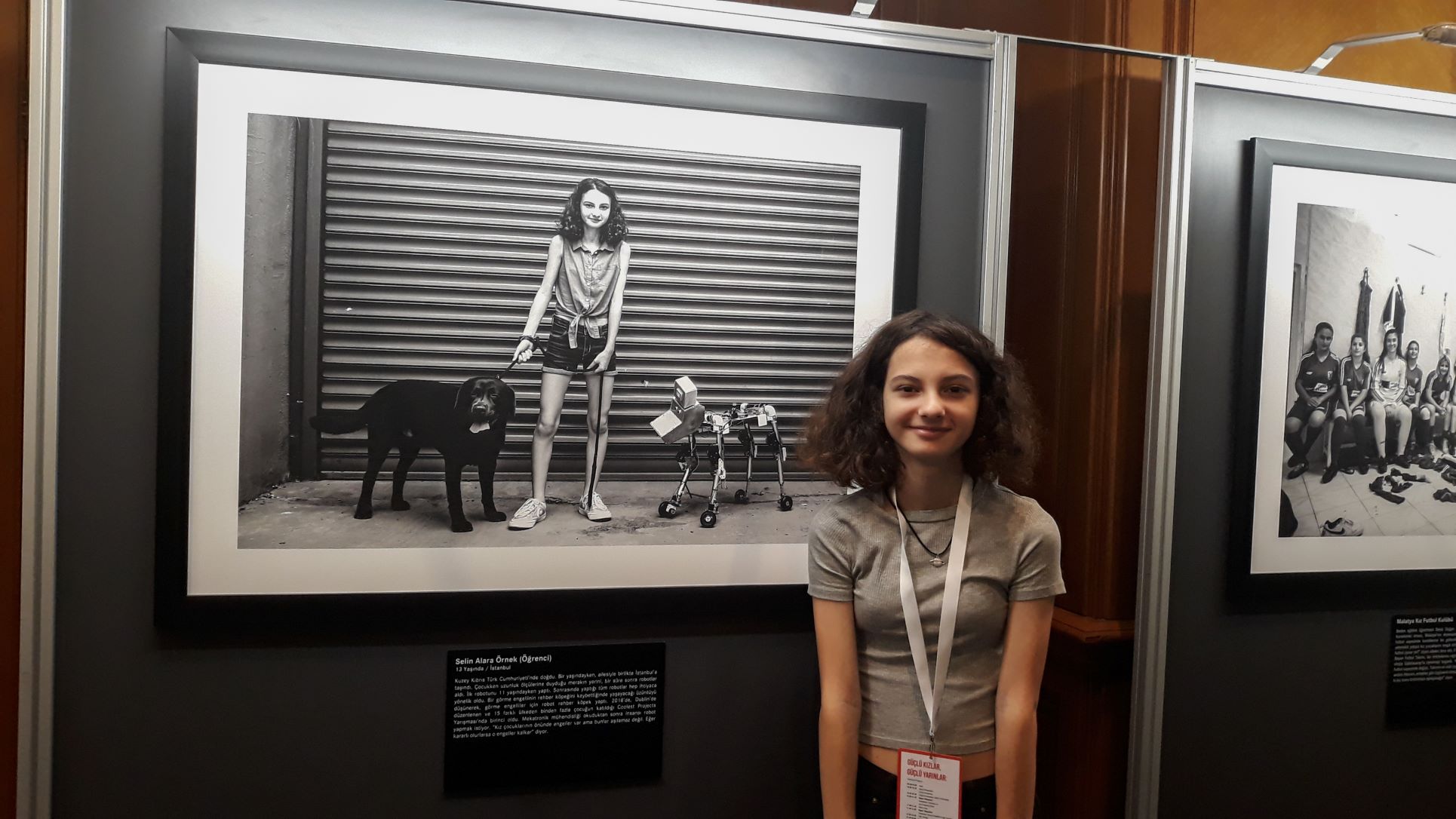
Listening to Selin, it is inspiring to hear how a person can use technology to express themselves as well as create projects that have the potential to do so much good. Selin acknowledges that sometimes the first steps can be the hardest, especially for girls interested in tech: “I know it’s hard to start at first, but interests are gender-free.”
“Be curious and courageous, and never let setbacks stop you so you can actually accomplish your dream.”
Selin
We have loved seeing all the wonderful projects that Selin has made in the years since she first designed a robot dog on paper. And it’s especially cool to see that Selin has also continued to work on her robot IC4U, the original project that led her to coding, Coolest Projects, and more. Selin’s robot has developed with its maker, and we can’t wait to see what they both go on to do next.
Help us celebrate Selin and inspire other young people to discover coding and digital making as a passion, by sharing her story on Twitter, LinkedIn, and Facebook.
The post Celebrating the community: Selin appeared first on Raspberry Pi.
With our new free ‘Introduction to web development’ path, young people are able to learn HTML and create their own webpages on topics that matter to them. The path is made up of six projects that show children and teenagers how to structure pages using HTML, and style them using CSS.
Webpage creation has come a long way since the 1990s, but HTML is still the markup language that is used to display almost every page on the World Wide Web. By knowing how it works, you can deepen your understanding of the technology you use every day.
If you want to build your own website today, there are many tools to get you quickly up and running. These tools often involve dragging and dropping predefined elements and choosing from a wide collection of themed looks. Learning HTML and CSS skills is important for web designers, developers, and content creators who want to build unique webpage designs that make their content stand out.

With our new ‘Introduction to web development’ path, we want creators (the young people who use our projects) to be able to quickly make fantastic-looking websites that follow modern best practices, while they also learn how HTML and CSS work together to create a webpage. Creators write their own HTML to develop the content and structure of their webpages. And they customise our pre-built CSS style sheets to get their webpages to look like they imagine.
This really is a fun and unique approach to learning HTML and building a webpage, and we think young people will quickly engage with it. They start by finding out how to structure pages using HTML before applying CSS styles that bring their pages to life. Through the six projects, they build all the skills and independence they need to make webpages that matter to them.
We believe that young people should find out about website accessibility right from the start of their learning journey. That’s why the path for learning HTML shows creators how they can make their websites accessible to all their users regardless of the users’ needs or digital devices.
That’s why our new path uses semantic HTML. Older HTML tutorials might show you how to structure a webpage using tags like <div> and <span>. In contrast, the meaning and purpose of tags in semantic HTML is very clear. For example:
<main> is used to tag the main content for the webpage<footer> is used for content to be displayed in the footer<blockquote> contains a quote and typically the author of the quote<section> contains a portion of content that usually sits within the main part of the webpageSemantic HTML supports accessibility because it allows people who use a screen reader to more easily navigate a webpage and read it in a logical way.
Another element of accessible design that the path introduces is the colour combinations used on webpages. It is really important that contrasting colours are used for the background and the text. High contrast makes the text more readable, which means the webpage is more suitable for visually impaired users.

The path also shows creators the importance of adding meaningful alternative text for images. Good alternative text helps visually impaired users, and users who have a very low bandwidth and therefore turn images off in their web browser.

Finally, our path for learning HTML introduces creators to the concept of responsive web design. Responsive design is helpful because websites can be viewed on thousands of different devices. Some people view pages on large, high-resolution monitors, and others view them on a mobile phone screen. We show learners how they can use HTML and CSS to make their pages responsive so they display in the way that works best for the specific screen on which a user is viewing them.
We have written the projects in this path with young people of around the age from 9 to 17 in mind.
HTML and CSS are text-based markup languages. This means a young person who wants to start learning HTML needs to be familiar with typing on a keyboard. It would also be helpful to have experience of using the copy and paste function, which is useful when changing the layout of a page or copying similar pieces of code.
If a young person is unsure whether they have the right skills to get started with the path, they can first try out a short ‘Discover’ project. With this Discover project, young people can choose between the themes ‘space’, ‘sunsets’, ‘forests’, or ‘animals’ to see how they can create their first webpage in just five steps. (We’re still working on the ‘Discover’ project type, so if you have any feedback about it, let us know.)
Creators will learn how to use HTML and CSS to build webpages that have:
They will also learn about how to make their webpages accessible to all through use of:
We’ve designed the path so young people can complete it in six one-hour sessions, with one hour for each project. Since the project instructions encourage creators to upgrade their projects, they may wish to go further and spend a little more time getting their projects exactly as they imagine them.
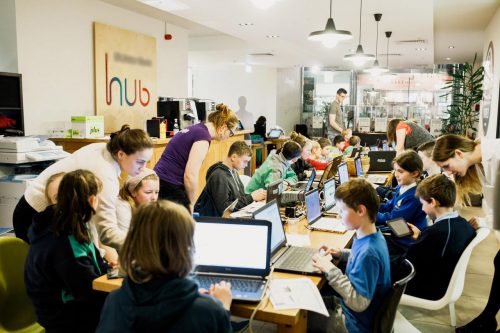
Young people only need a standard web browser to follow the project instructions and use an online code editor to create their webpages.
There are 28 other step-by-step projects for creators to choose from on our website. They can browse through these to see what cool things they’d like to make and what new skills they want to learn.
If your kid is proud of the webpage they create with the final ‘Invent’ project in the path, they can share it with a worldwide community of young creators in our free Coolest Projects tech showcase. Project registration will open again in spring 2023. You can sign up to hear news about the showcase on the Coolest Projects homepage.
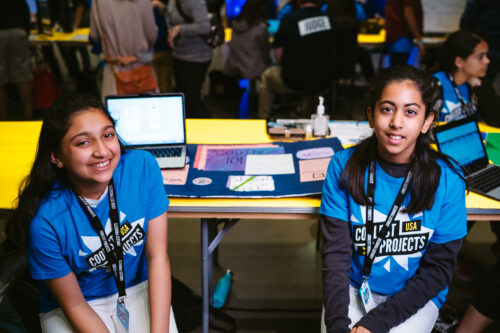

The post Get kids creating webpages with HTML and CSS appeared first on Raspberry Pi.
Since joining the Raspberry Pi Foundation as a Code Club Community Manager for Scotland earlier this year, I have seen first-hand the passion, dedication, and commitment of the Scottish community to support the digital, personal, and social skills of young people.

Code Club launched in schools in 2012 to give opportunities to children to share and develop their love of coding through free after-school clubs. Now we have clubs across the world connecting learners in having fun with digital technologies.
One of my first visits was to St. Mark’s Primary School in East Renfrewshire, where I met an amazing Code Club leader called Ashley Guy. Ashley only got involved in Code Club this year, but has already launched three clubs at her school!

I went to visit her Primary 2 and 3’s club, where the children were working on creating animations in Scratch to celebrate Code Club’s tenth birthday. It was a real joy to see the young children so engaged with our projects. The young coders worked both independently and together to create their own animations.
One of the girls I spoke to made a small error while coding her project, but she smiled and said, “I made a mistake, but that’s okay because that’s how we learn!” She showed just the kind of positive, problem-solving mindset that Code Club helps to cultivate.
Another school doing something incredible at their Code Club, led by Primary 7 teacher Fiona Lindsay, is Hillside School in Aberdeenshire. I love seeing the fun things they get up to, including celebrating Code Club’s 10th birthday in style with an impressive Code Club cake.

Fiona and her club are using the Code Club projects and resources to create their own exciting and challenging games. They’ve taken part in several of our online codealongs, and they also held an event at the school to showcase their great work — which even got the children’s parents coding!
Some of the young people who attend Code Club at Hillside School sent us videos about their experiences, why they come to Code Club, and what it means to them. Young coder Abisola describes Code Club in one word:
Young coder Crystal said, “We can experiment with what we know and make actual projects… At Code Club we learn about new blocks in Scratch and what blocks and patterns go together to make something.” Here is Crystal sharing her favourite part of Code Club:
Obuma also attends the Code Club at Hillside School. She shared what she gains from attending the sessions and why she thinks other young people should join a Code Club too:
“At Code Club we improve our teamwork skills, because there’s a lot of people in Code Club and most of the time you work together to create different things… Join [Code Club] 100%. It is so fun. It might not be something everyone would want to try, but if you did try it, then you would enjoy it.”
Obuma, young coder at Hillside School’s Code Club

One of the things I’ve enjoyed most as part of the Code Club team has been running an UK-wide online codealong to celebrate STEM Clubs Week. The theme was outer space, so our ‘Lost in space’ project in Scratch was the ideal fit.

During this practical coding session, classes across Scotland, England, and Wales had great fun coding the project together to animate rockets that move around space. We were thrilled by the feedback from teachers.
“The children really enjoyed the session. They are very proud of their animations and some children went on to extend their programs. All [the] children said they would love to do more codealongs!”
Teacher who took part in an online Code Club codealong

Thank you to everyone who got involved in the codealong. See you again at the next one.
To help you start your Code Club year with ease and fun, we will be launching new free resources for you and your club members. There’ll be a special pack filled with step-by-step instructions and engaging activities to kickstart your first session back, and a fun sticker chart to help young coders mark their progress.
We would love to see you at our practical and interactive online workshop ‘Ten reasons why coding is fun for everyone’ on Thursday 15 September at 16:00–17:00 BST, which will get you ready for National Coding Week (19–23 September). Come along to the workshop to get useful guidance and tips on how to engage everyone with coding.

We will also be holding lots of other exciting activities and sessions throughout the upcoming school term, including for World Space Week (4–10 October), the Moonhack coding challenge in October, and World Hello Day in November. So keep an eye on our Twitter @CodeClubUK for live updates.
Whether you’re interested in learning more about Code Club in Scotland, you have a specific question, or you just want to say hi, I’d love to hear from you. You can contact me at scotland@codeclub.org, or @CodeClubSco on Twitter. I’ll also be attending the Scottish Education Expo on 21 and 22 September along with other Code Club team members, so come along and say hello.
With the new school term approaching, now is a great time to register and start a Code Club at your school. You can find out more on our website, codeclub.org, or contact us directly at support@codeclub.org
The post Say “aye” to Code Club in Scotland appeared first on Raspberry Pi.
This post has been adapted from an article in issue 19 of Hello World magazine, which explores the interaction between technology and sustainability.
We may have had the Coolest Projects livestream, but we are still in awe of the 2092 projects that young people sent in for this year’s online technology showcase! To continue the Coolest Projects Global 2022 celebrations, we’re shining a light on some of the participants and the topics that inspired their projects.
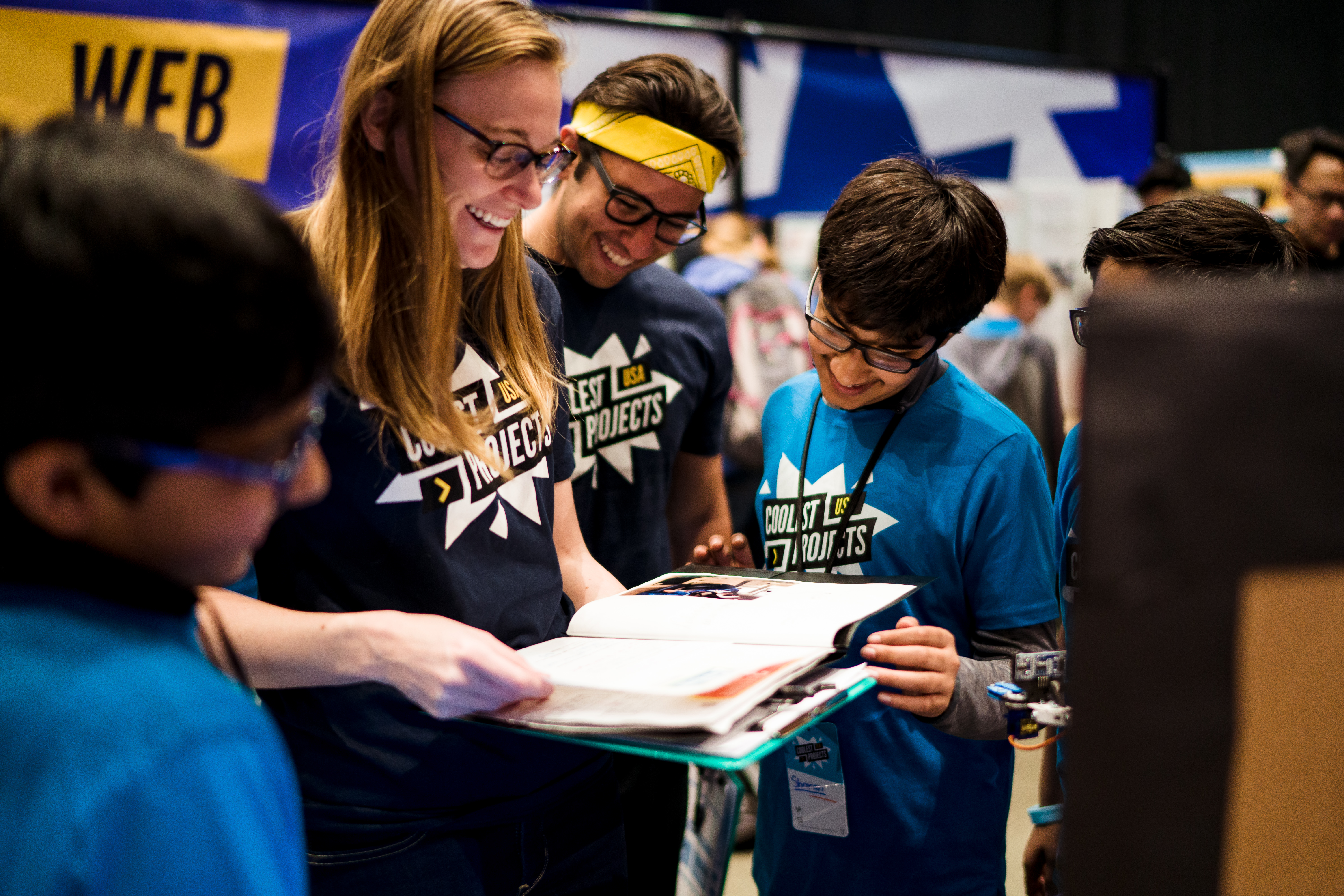
In this year’s showcase, the themes of sustainability and the environment were extremely popular. We received over 300 projects related to the environment from young people all over the world. Games, apps, websites, hardware — we’ve seen so many creative projects that demonstrate how important the environment is to young people.
Here are some of these projects and a glimpse into how kids and teens across the world are using technology to look after their environment.
Has anyone ever told you that a small change can lead to a big impact? Check out these two Coolest Projects entries that put this idea into practice with clever inventions to make positive changes to the environment.
Arik (15) from the UK wanted to make something to reduce the waste he noticed at home. Whenever lots of people visited Arik’s house, getting the right drink for everyone was a challenge and often resulted in wasted, spilled drinks. This problem was the inspiration behind Arik’s ‘Liquid Dispenser’ project, which can hold two litres of any desired liquid and has an outer body made from reused cardboard. As Arik says, “You don’t need a plastic bottle, you just need a cup!”
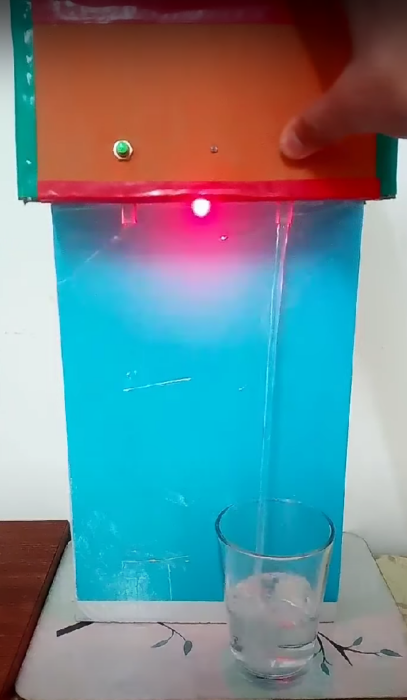
Amrit (13), Kingston (12), and Henry (12) from Canada were also inspired to make a project to reduce waste. ‘Eco Light’ is a light that automatically turns off when someone leaves their house to avoid wasted electricity. For the project, the team used a micro:bit to detect the signal strength and decide whether the LED should be on (if someone is in the house) or off (if the house is empty).
“We wanted to create something that hopefully would create a meaningful impact on the world.”
Amrit, Kingston, and Henry
We love to see young people invent things to have positive changes in the community, on a local and global level.
This year, Sashrika (11) from the US shared her ‘Gas Leak Detector’ project, which she designed to help people who heat their homes with diesel. On the east coast of America, many people store their gas tanks in the basement. This means they may not realise if the gas is leaking. To solve this problem, Sashrika has combined programming with physical computing to make a device that can detect if there is a gas leak and send a notification to your phone.
Sashrika’s project has the power to help lots of people and she has even thought about how she would make more changes to her project in the name of sustainability:
“I would probably add a solar panel because there are lots of houses that have outdoor oil tanks. Solar panel[s] will reduce electricity consumption and reduce CO2 emission[s].”
Sashrika
Amr in Syria was also thinking about renewable energy sources when he created his own ‘Smart Wind Turbine’.
The ‘Smart Wind Turbine’ is connected to a micro:bit to measure the electricity generated by a fan. Amr conducted tests that recorded that more electricity was generated when the turbine faced in the direction of the wind. So Amr made a wind vane to determine the wind’s direction and added another micro:bit to communicate the results to the turbine.
We’ve also seen projects created by young people to make the world a better place for future generations.
Naira and Rhythm from India have designed houses that are suited for people and the planet. They carried out a survey and from their results they created the ‘Net Zero Home’. Naira and Rhythm’s project offers an idea for homes that are comfortable for people of all abilities and ages, while also being sustainable.
“Our future cities will require a lot of homes, this means we will require a lot of materials, energy, water and we will also produce a lot of waste. So we have designed this net zero home as a solution.”
Naira and Rhythm
Andrea (9) and Yuliana (10) from the US have also made something to benefit future generations. The ‘Bee Counter’ project uses sensors and a micro:bit to record bees’ activity around a hive. Through monitoring the bees, the team hope they can see (and then fix) any problems with the hive. Andrea and Yuliana want to maintain the bees’ home to help them continue to have a positive influence on our environment.
Some young creators use Coolest Projects as an opportunity to educate and inspire people to make environmental changes in their own lives.
Sabrina (13) from the UK created her own website, ‘A Guide to Climate Change’. It includes images, text, graphics of the Earth’s temperature change, and suggestions for people to minimise their waste. Sabrina also received the Broadcom Coding with Commitment award for using her skills to provide vital information about the effects of climate change.
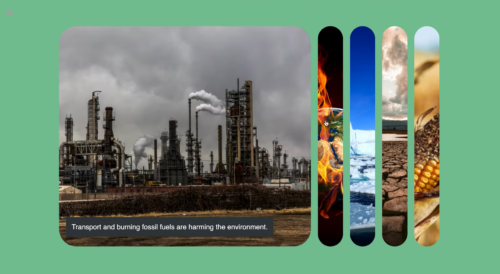
Kushal (12) from India wanted to use tech to encourage people to help save the environment. Kushal had no experience of app development before making his ‘Green Steps’ app. He says, “I have created a mobile app to connect like-minded people who want to do something about [the] environment.”
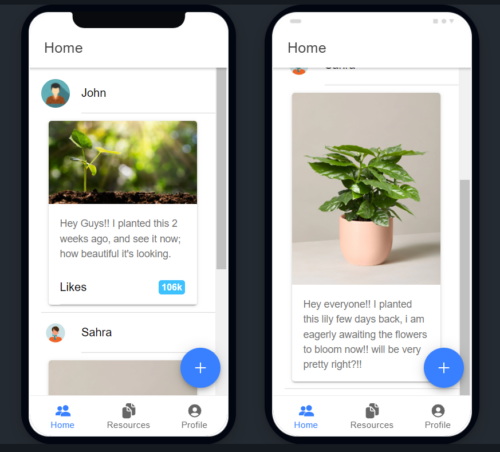
These projects are just some of the incredible ideas we’ve seen young people enter for Coolest Projects this year. It’s clear from the projects submitted that the context of the environment and protecting our planet resonates with so many students, summarised by Sabrina, “Some of us don’t understand how important the earth is to us. And I hope we don’t have to wait until it is gone to realise.”
Check out the Coolest Projects showcase for even more projects about the environment, alongside other topics that have inspired young creators.
The post Young people’s projects for a sustainable future appeared first on Raspberry Pi.
Congratulations to the thousands of creators from 46 countries who participated in Coolest Projects Global 2022. Their projects awed and inspired us. Yesterday STEM advocate and television host Fig O’Reilly helped us celebrate each and every one of these creators in our online event. Check out the gallery to see all the amazing projects.
During the celebration, Fig also revealed which projects were picked by the special judges as their favourites from among the 2092 projects in this year’s showcase gallery. Let’s meet the special judges and check out their picks!

Ruth Amos is an inventor, entrepreneur, and EduTuber. She co-founded the #GirlsWithDrills movement and ‘Kids Invent Stuff’, a YouTube channel where 5- to 11-year-olds see their invention ideas become reality with the help of engineers.
Here are Ruth’s favourites:
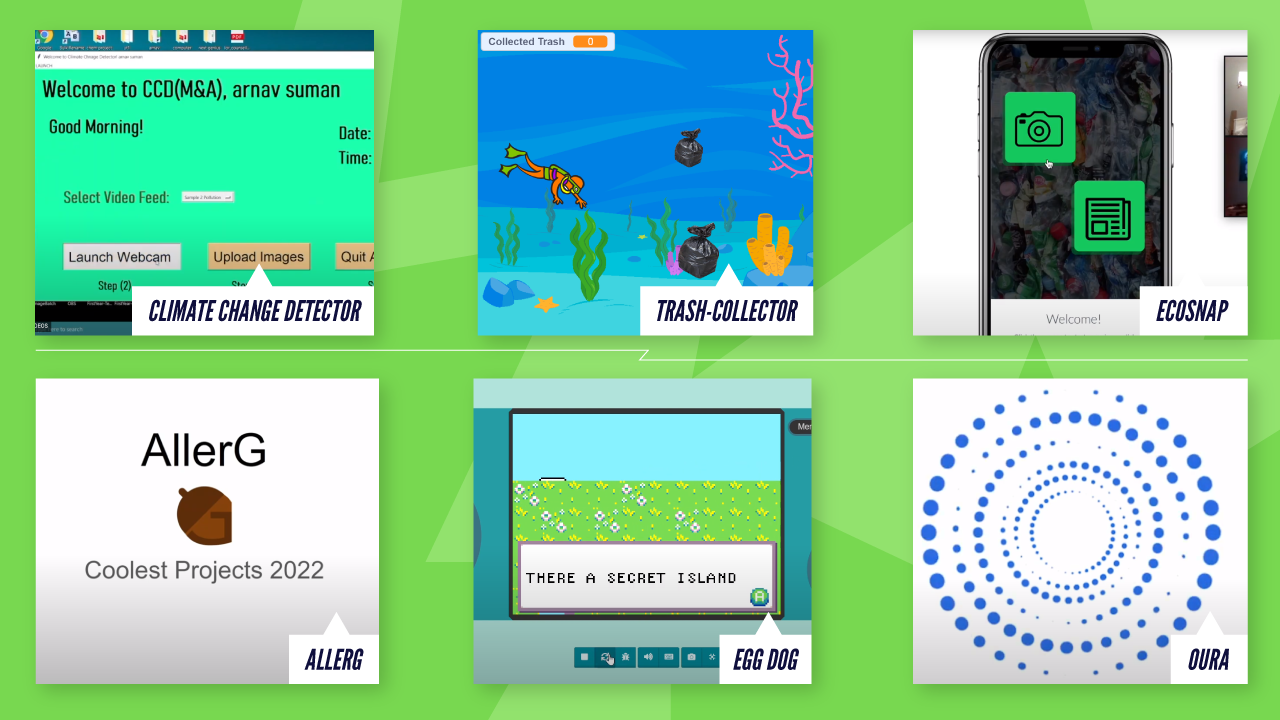

Shawn Brown is an award-winning engineer, designer, and YouTuber. He’s also a practical pioneer for neurodiversity and innovation — raising awareness of learning differences and promoting science, engineering, and invention to young people. Together with Ruth, Shawn co-runs the YouTube channel ‘Kids Invent Stuff.’
Here are Shawn’s favourites:
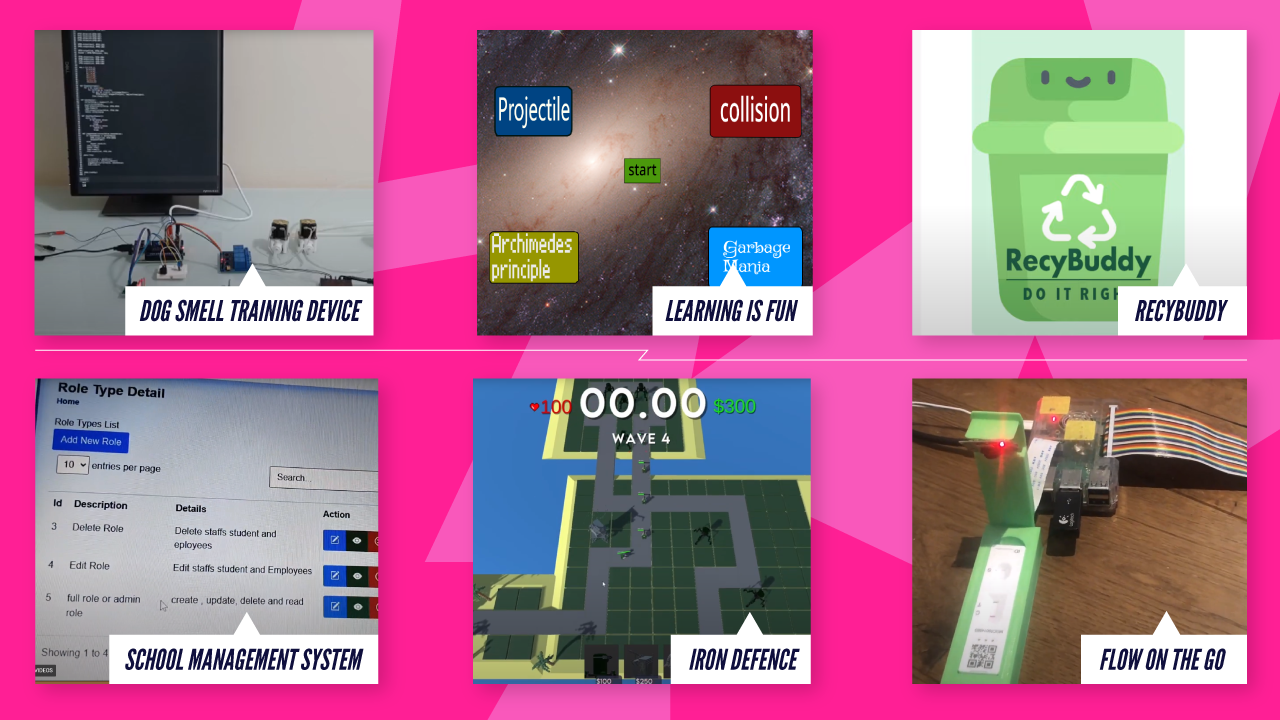

Richa Shrivastava is the Director of Maker’s Asylum. It is India’s first community makerspace that fosters innovation through purpose-based learning, based on the United Nations Sustainable Development Goals.
Here are Richa’s favourites:
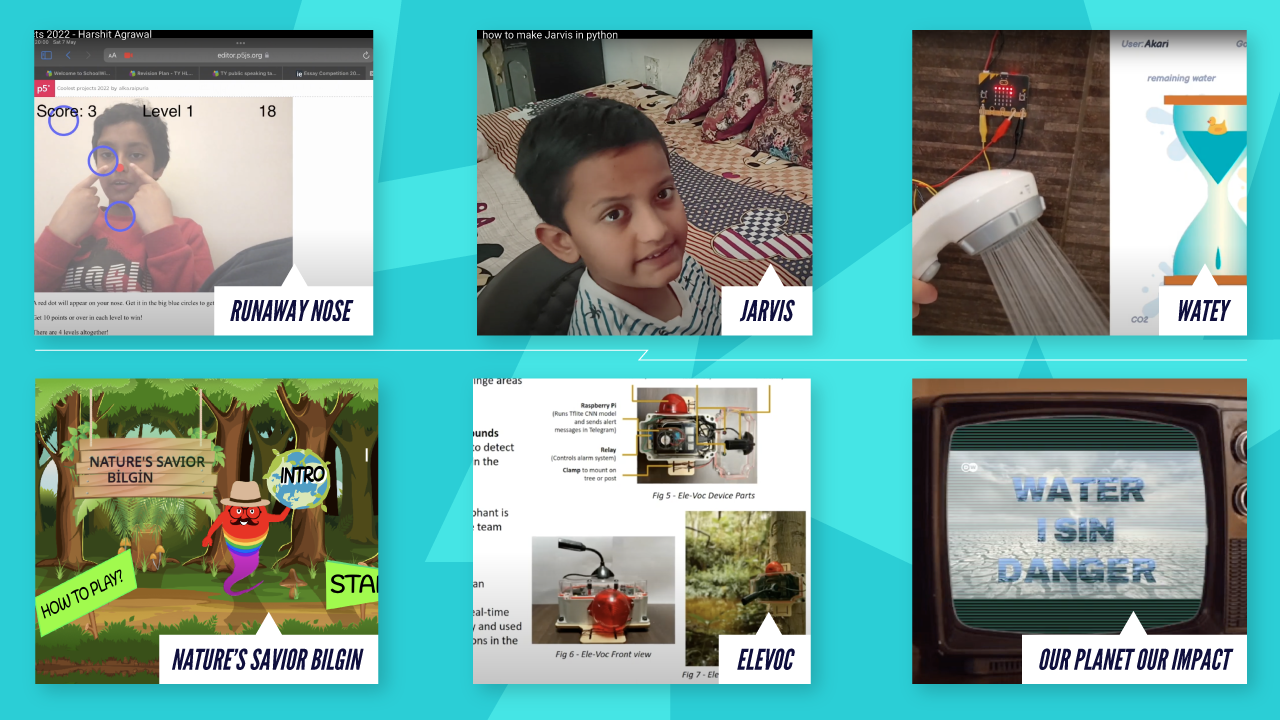

Elaine Atherton is Director of Scratch Education Collaborative. Elaine was first introduced to Scratch as an instructional coach while working with teachers in North Carolina. “It was amazing to see the kids so excited about what they were creating. I wanted to help them transfer that same energy to designing, making, and sharing other things, too — I wanted them to stretch their creativity.”
Here are Elaine’s favourites:
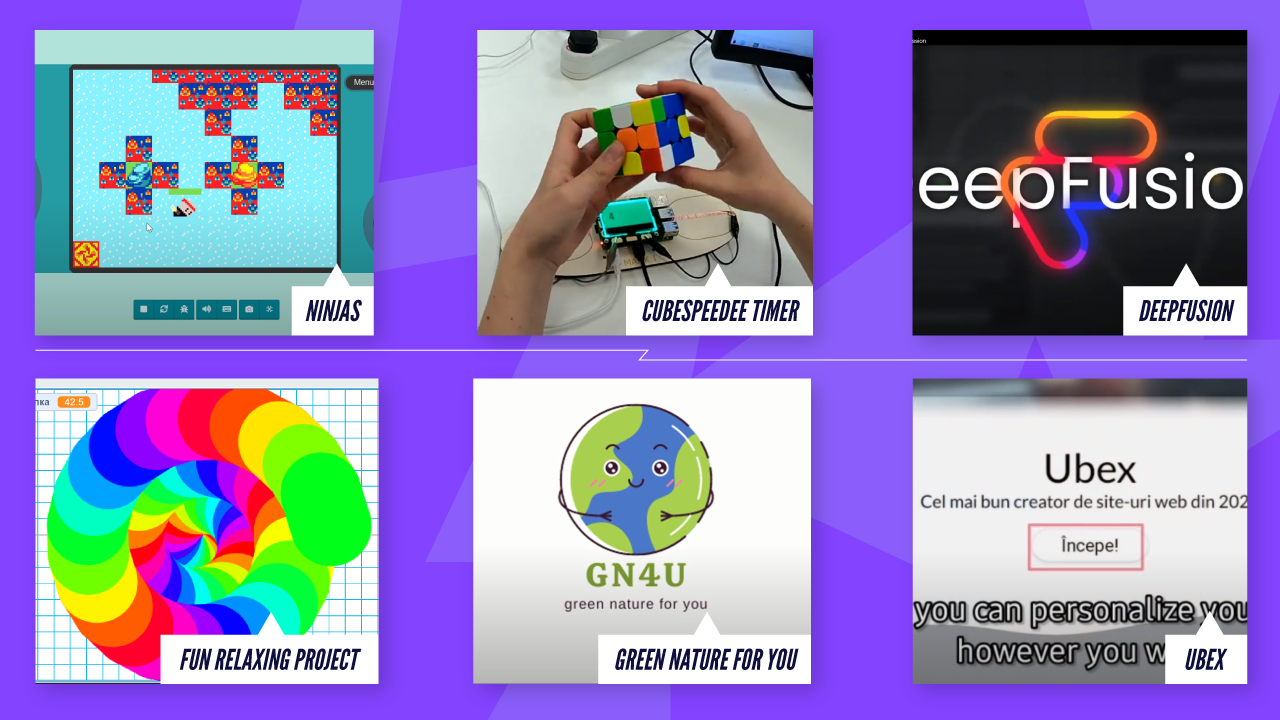
Broadcom Foundation has partnered with us for Coolest Projects Global to encourage young people who are solving problems that impact their communities. Their projects could relate to health, sanitation, energy, climate change, or other challenges set out in the United Nations Sustainable Development Goals. Broadcom Coding with Commitment illuminates how coding is a language, skill set, and invaluable tool for college and careers.

The Broadcom Coding with Commitment recognition goes to A Guide to Climate Change, a website created by Sabrina in the United Kingdom. Sabrina’s site not only provides vital information about the effects of climate change, but also gives users a visual to show how important it is to lower our carbon footprint. Congratulations to Sabrina for using her coding skills to give people a guide to understanding climate change in an easily digestible and stylish project webpage.
You can explore all the young tech creators’ projects — games, hardware builds, Scratch projects, mobile apps, websites, and more — in our showcase gallery now.
All creators who are taking part this year can now log into their Coolest Projects accounts to:
The support of our Coolest Projects Global sponsors has enabled us to make this year’s online showcase the inspiring experience it is for the young people taking part. We want to say a big thank you to all of them!
The post Coolest Projects Global 2022: Celebrating young tech creators & creative ideas appeared first on Raspberry Pi.
We love being able to share how young people across the world are getting creative with technology and solving problems that matter to them. That’s why we put together a series of films that celebrate the personal stories of young tech creators.
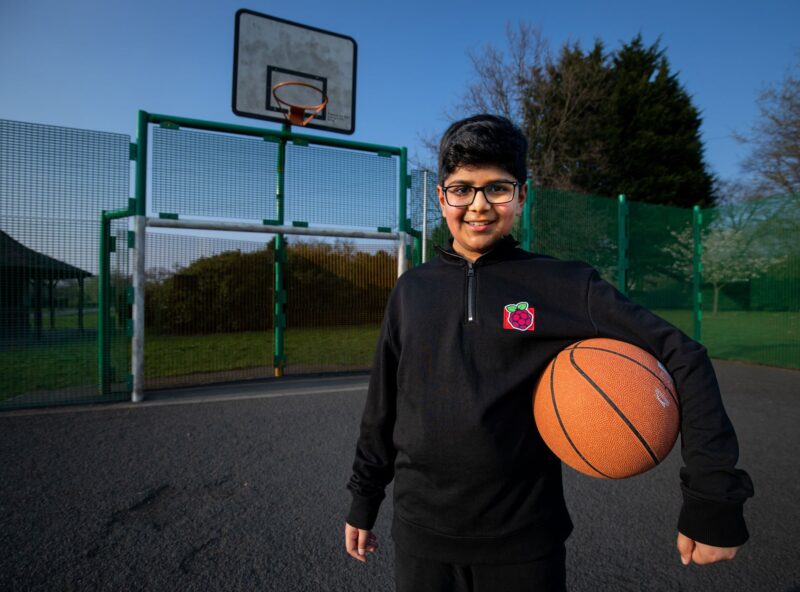
For our next story, we met up with young digital maker Jay in Preston, UK, who wants to share what coding and robotics mean to him.
Watch Jay’s video to see how Jay created a homemade ventilator, Oxy-Pi, and how he’s making sure people in his local community also have the opportunity to create with technology.
Jay (11) wants everyone to learn about programming. At a young age, Jay started to experiment with code to make his own games. He attended free coding groups in his area, such as CoderDojo, and was introduced to the block-based programming language Scratch. Soon Jay was combining his interests in programming with robotics to make his own inventions.
“My mission is to spread the word of computing and programming, because not many people know about these subjects.”
Jay
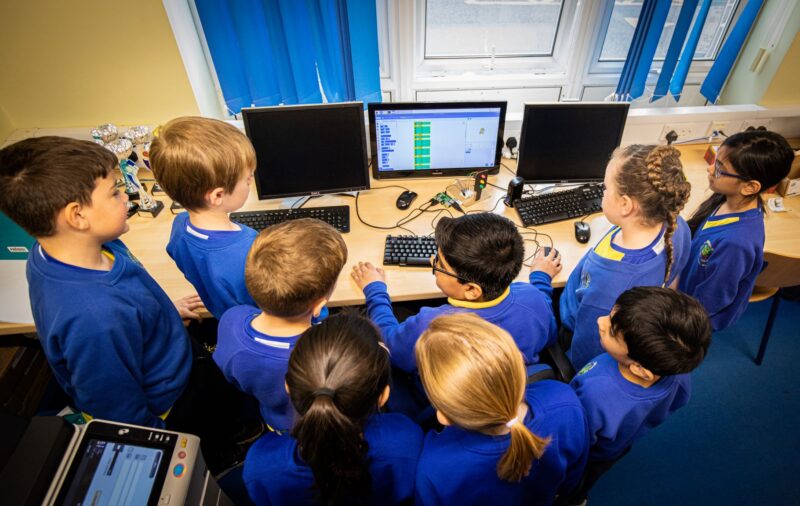
When he found out about Coolest Projects, our global tech showcase where young creators share their projects, Jay decided to channel his creativity into making something to exhibit there. He brought along a security alarm he had built, and he left Coolest Projects having made lots of new friends who were young tech creators just like himself.
“With robotics and coding, what Jay has learned is to think outside of the box and without any limits.”
Biren, Jay’s dad
While Jay has made many different tech projects, all of his ideas involve materials that are easily accessible and low-cost. Lots of his creations start out made with cardboard, and repurposed household items often feature in his final projects. Jay says, “I don’t want to spend much money, because it’s not necessary when you actually have an alternative that works perfectly fine.”
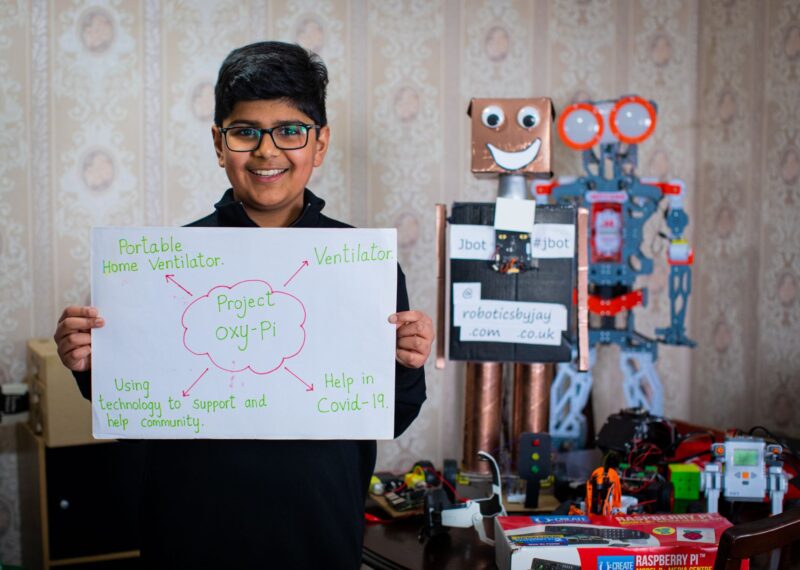
One of Jay’s recent projects, which he made from repurposed materials, is called Oxy-Pi. It’s a portable ventilator for use at home. Jay was inspired to make Oxy-Pi during the COVID-19 pandemic, and this project is especially important to him as his dad was hospitalised during this time. With his digital making approach, Jay is an example to everyone that you can use anything you have to hand to create something important to you.
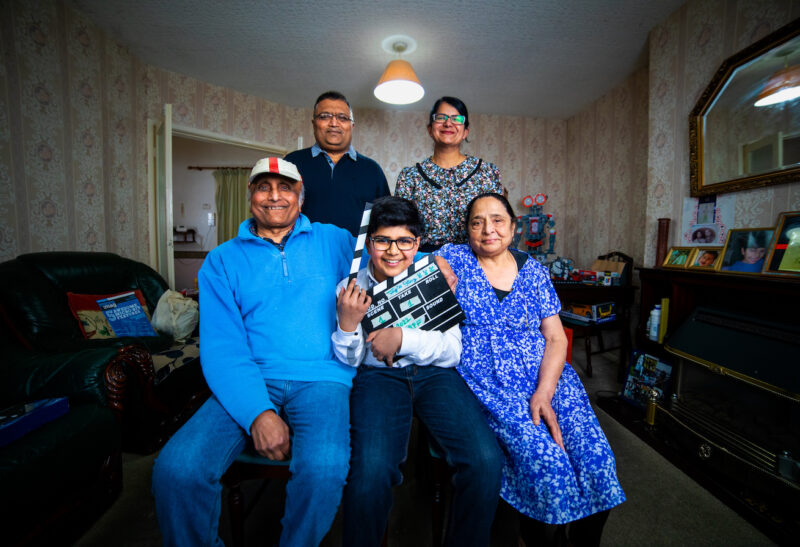
Digital making has helped Jay express himself creatively, test his skills, and make new friends, which is why he is motivated to help others learn about digital making too. In his local community, Jay has been teaching children, teenagers, and adults about coding and robotics for the last few years. He says that he and the people around him get a lot from the experience.
“When I go out and teach, I love it so much because it’s really accessible. It helps me build my confidence, it helps them to discover, to learn, to create. And it’s really fun.”
Jay
Using tech to create things and solve problems, and helping others to learn to do the same, is incredibly important to Jay, and he wants it to be important to you too!
Help us celebrate Jay and inspire other young people to discover coding and digital making as a passion, by sharing his story on Twitter, LinkedIn, and Facebook.
The post Celebrating the community: Jay appeared first on Raspberry Pi.
Over the last ten years, thousands of young people from all over the world have shared their digital creations at a Coolest Projects event. This year, there are a few brand-new and exciting reasons why young people will want to get involved in Coolest Projects Global online tech showcase and share their tech creations in the online gallery, for the worldwide Coolest Projects community to discover them.
Not only will each Coolest Projects Global participant get unique feedback on their project, they’ll also receive a cool piece of limited-edition Coolest Projects swag. And young tech creators have a shot at winning a coveted Coolest Projects medal if their creation is selected as a judges’ favourite. We’ve added all of these new enhancements thanks to the thoughtful feedback we’ve received from participants in previous showcases.

Young people who’ve showcased at an in-person Coolest Projects event know how great it is to see how other people react to their project. This year, creators participating in our online showcase will automatically get reactions and feedback from our Coolest Projects staff and partners who are reviewing projects.
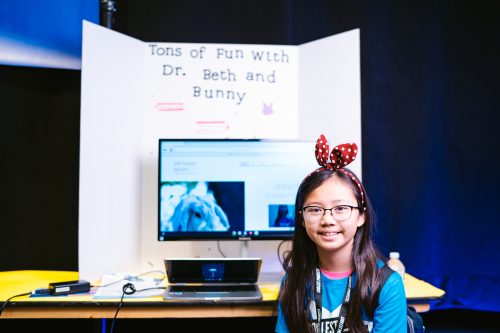
That means each creator will find out what’s great about their project and how they might be able to improve it. All of this feedback will be shown in the creator’s online account on coolestprojects.org after the celebratory livestream in June.
All young creators will also get limited-edition swag: a Coolest Projects poster designed by New York City-based artist Joey Rex. Creators can proudly display this memento of their participation in Coolest Projects Global 2022 on their bedroom wall, and as a digital phone or computer screen background.
The poster design was inspired by all the young makers who have participated in Coolest Projects over the last 10 years. It evokes themes of collaboration, invention, and creativity. Here’s what Joey, the artist, had to say about the design:
“This project was really exciting for me to work on, since I love geeking out over tech and building custom electronics, and I’m really grateful to the Coolest Projects team for trusting me with this vision. I hope my design can inspire the creators to keep up the great work and continue bringing their awesome ideas to reality!”
Artist Joey Rex
To claim their printed poster and backgrounds for their digital devices, creators will receive a link via email after the celebratory livestream in June.
And behold, your first look at the Coolest Projects medal:
As you may already know, VIP judges select their favourite projects in each project category. Creators of projects that are selected as favourites will receive this custom die-cast medal to commemorate their unique accomplishment. The medal hangs on a full color Coolest Projects ribbon and would be the coolest addition to any wall or trophy shelf.
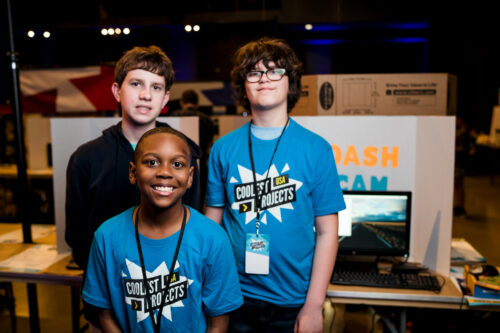
Creators who want to aim for a medal should keep in mind that judges’ favourite projects are selected based on their complexity, presentation, design, and of course their coolness. See the Coolest Projects FAQs for more information.

With all these new enhancements to Coolest Projects Global, there is a multitude of reasons for young tech creators to register a project for the online showcase.
To help young people get involved in Coolest Projects, we have planned two livestreamed codealong events on our YouTube channel:
During these livestreams, you’ll also learn about the new project topics we’ve introduced for the online gallery this year. We’ll especially explore the ‘environment’ topic, sponsored by our friends at EPAM and Liberty Global.
Be sure to sign up for email updates to always be the first to hear what’s new with Coolest Projects Globa;.
That’s all of our latest news. Until next time… be cool.
The post Three new reasons to register for Coolest Projects Global 2022 appeared first on Raspberry Pi.
It’s time for young tech creators to share with the world what they’ve made! Coolest Projects Global 2022 registration is NOW OPEN. Starting today, young people can register their technology creation on the Coolest Projects Global website, where it will be featured in the online showcase gallery for the whole world to see.
By registering a tech project, you’ll represent your community, and you’ll get the coolest, limited-edition swag. You may even win a prize and earn the recognition of the special project judges.
Now in its 10th year, Coolest Projects is all about celebrating young people and what they create with code. Here’s what you need to know:
Here are just a few of the reasons why young tech creators should register their project for the Coolest Projects Global showcase:
If you don’t have a tech project or an idea for one yet, you’ve got plenty of time to imagine and create, and we’re here to support you. Check out our guides to designing and building a tech creation — one that you’ll be proud to share with the Coolest Projects community in the online showcase gallery. And there’s no shortage of inspiration among the projects that young tech creators shared in last year’s showcase gallery.
We have a lot more exciting stuff to share about Coolest Projects Global in the coming months, so be sure to subscribe for email updates. Until next time… be cool, creators!
The post Share your tech project with the world through Coolest Projects Global 2022 appeared first on Raspberry Pi.
It’s time to start your countdown! Young people from all over the world will soon be invited to share their digital creations at Coolest Projects Global 2022, our world-leading online technology showcase event for young creators. In mid-February, project registration opens for a new and improved, online-only experience.
Through Coolest Projects Global, young creators can register their digital projects to share them with the world, represent their country, get some free swag, and maybe even win recognition from our special judges. And the best thing: Coolest Projects participants join a global community of awesome young tech creators who celebrate each other’s accomplishments.
Coolest Projects is celebrating its TENTH YEAR of shining a light on young creators, so we have an extra special showcase lined up in 2022. All of these enhancements are the result of incredibly helpful feedback that past creators have shared. Here’s a sneak peek at what you can look forward to:
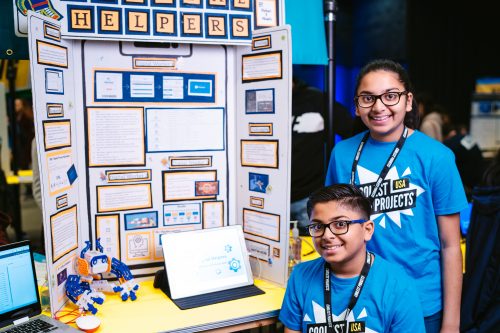
We asked past creators what they think makes Coolest Projects so cool, and here’s what they had to say:
Last year, creators showcased all kinds of projects, such as an earthquake early warning device, a fun math game made with Scratch, a squirrel detection system, and a website about cybersecurity. Don’t forget, Coolest Projects is for creators who are beginners, advanced, and everything in between.
Project registration opens on 14 February, but creators can start making their projects now. For inspiration, check out last year’s project gallery and then sign up to receive email updates so that you don’t miss a thing about Coolest Projects. We have many more exciting details coming in the next weeks and months, so stay tuned.
Until next time… be cool.
The post Calling all young tech creators: Get ready for Coolest Projects Global 2022 appeared first on Raspberry Pi.
Today we bring you the sixth film in our series of inspirational community stories. It’s wonderful to share how people all across the world are getting creative with tech and solving problems that matter to them.

Our next community story comes from Drogheda, Ireland, where a group of programmers set up one of the country’s very, very first CoderDojo coding clubs for young people. One of that Dojo’s attendees was Cian Martin Bohan, whose story we’re sharing today.
“I can’t create anything I want in real life, but I can create anything I want on a computer.”
Cian Martin Bohan
Watch Cian’s video to find out how this keen programmer went from his first experience with coding at his local CoderDojo as an 11-year-old, to landing a Software Engineering apprenticeship at Google.
Cian (20) vividly remembers the first time he heard about CoderDojo as a shy 11-year-old: he initially told his dad he felt too nervous to attend. What Cian couldn’t have known back then was that attending CoderDojo would set him on an exciting journey of creative digital making and finding life-long friends.
Right from the beginning, the CoderDojo gave Cian space to make friends and develop his coding skills and his curiosity about creating things with technology. He started to attend the Dojo regularly, and before long he had created his own website about the planets in our solar system with basic CSS and HTML.
“I made a website that talked about the planets, and I thought that was the coolest thing ever. In fact, I actually still have that website.”
Cian Martin Bohan
In over 6 years of being part of his CoderDojo community, Cian was able to share his passion for programming with others and grow his confidence.
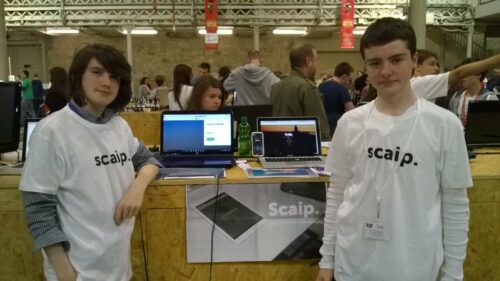
From meeting like-minded peers and developing apps and websites, to serving as a youth member on the Digital Youth Council, Cian embraced the many experiences that CoderDojo opened up for him. They were all of great benefit when he decided to apply for an apprenticeship at Google.
As someone who didn’t follow the university route of education, Cian’s time at CoderDojo and the mentors he met there had a profound impact on his life and his career path. His CoderDojo mentors always encouraged Cian to learn new skills and follow his interests, and in this way they not only helped him reach his current position at Google, but also instilled in him a steady desire to always keep learning.
The future is limitless for Cian, and we cannot wait to hear what he does next.
Help us celebrate Cian, and inspire other young people to discover coding and digital making as a passion, by liking and sharing his story on Twitter, LinkedIn, and Facebook.
The post Celebrating the community: Cian appeared first on Raspberry Pi.

 Lateo.net - Flux RSS en pagaille (pour en ajouter : @ moi)