 Connexion


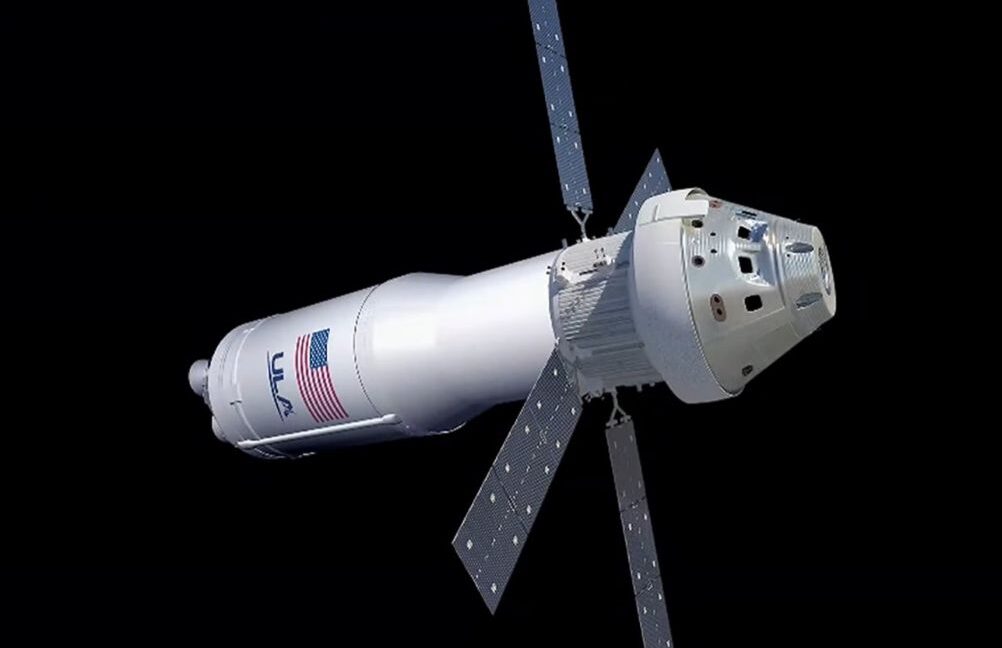
During a lengthy news conference on Friday, NASA provided a detailed overview of how it plans to return astronauts to the lunar surface as soon as 2028 as part of its Artemis Program.
Although much of the information behind these plans has been previously reported at Ars Technica and elsewhere, this marked the first time NASA has laid them out in detail and acknowledged some substantial changes in the architecture.
Most notably, for SpaceX's Starship vehicle, the revised plan calls for the Orion spacecraft to dock with the Starship lunar lander in high-Earth orbit before transiting to the Moon. And for Blue Origin, the mission architecture includes four launches of the New Glenn rocket, but no spacecraft-to-spacecraft refuelings. Additionally, the Blue Origin plans allows for the possibility of its Blue Moon lander rendezvousing with Orion in low-Lunar orbit.

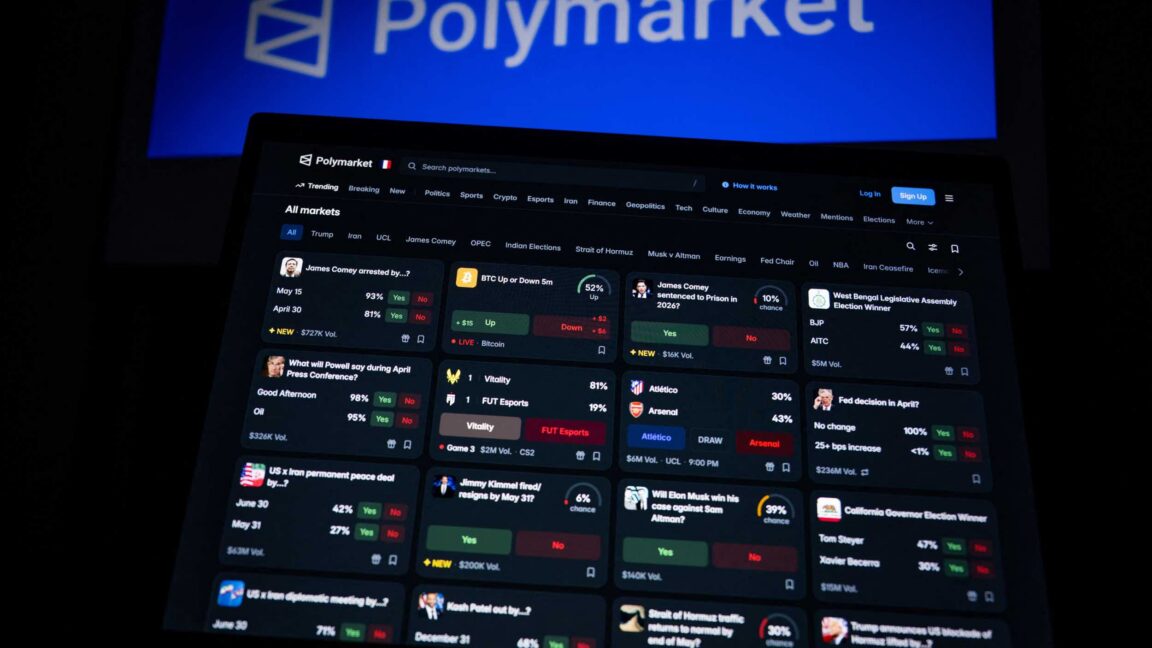
Defense Secretary Pete Hegseth issued a memo warning military personnel against using nonpublic information to make bets on prediction markets, saying the wagers could give important clues to enemy countries.
"Do Not Compromise Military Operations for Personal Financial Gain," said the subject line of an October 20 memo published yesterday by CBS News. Hegseth's memo was sent to senior Pentagon leadership, Combatant Command leaders, and Defense Department field activity directors.
Hegseth wrote:

Using Google's products and services has always been fundamentally precarious—doing so gives the world's largest advertising company a lot of juicy personal data. Google has long said it won't use the sensitive data from products like Gmail, Drive, and Photos for ad personalization, but a change to the company's privacy policy appears to dismantle that firewall.
On October 16, Google issued an update to its privacy policy, spotted by Android Authority. The ad personalization section used to include a clear limit on data from certain apps. "We don’t show you personalized ads based on your content from Drive, Gmail, or Photos," the document said. Now, Google has updated it with the following language.
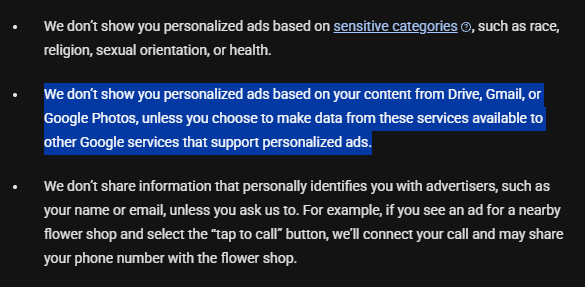 Updated language on when your sensitive data might inform ads.
Credit:
Google
This equivocation opens the door to using data from apps like Gmail and Photos in ads when it's shared with other Google services, and it just so happens Google has a mechanism for doing that, with Personal Intelligence. The company released Personal Intelligence in early 2026, allowing users to hand data from multiple apps to Google AI products. The idea is that the added context from your existing data will lead to better AI answers, but it's also proving to be a privacy minefield.


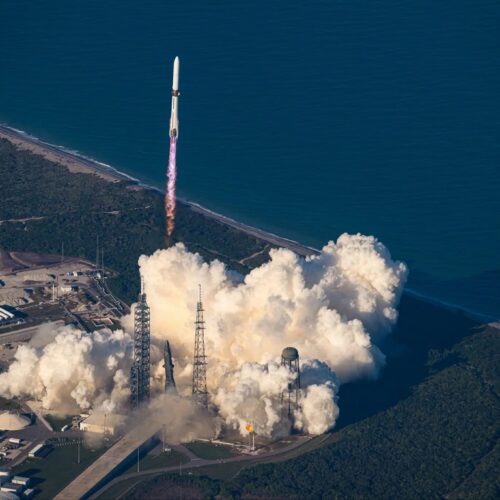
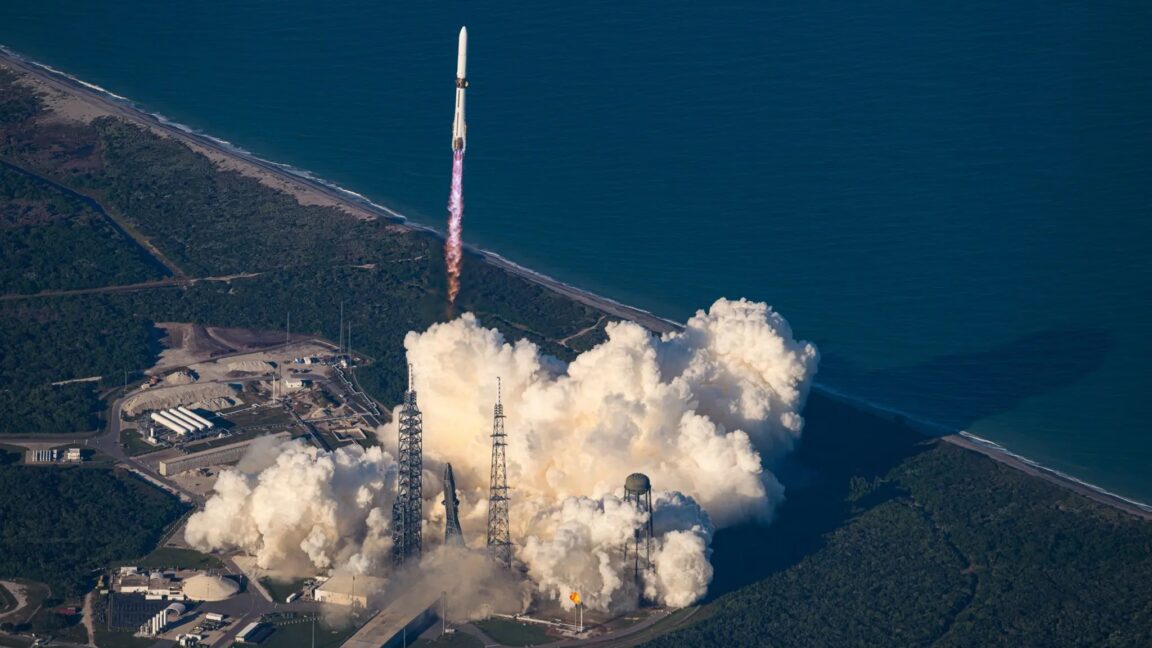
Leaders in the US Space Force would like to have a new spaceport up and running in four years, adding a third heavy-lift launch site to relieve pressure from bases in Florida and California that have shot rockets into orbit for nearly 70 years.
The obvious problem with that ambition is 2030 is four years away, and Pentagon officials have not determined where the new spaceport should go or how to acquire land for it.
Air Force Secretary Troy Meink first mentioned the service's search for a third launch base in May. A congressionally mandated study of the Space Force's launch infrastructure identified the need for "another site that's capable of heavy and super heavy launch capability," Meink said in a House Armed Services Committee hearing.
As reported by Music Business Worldwide, Spotify appears to be stepping up enforcement of existing policies regarding Family and Duo subscription plans by requiring users to scan a QR code in person on the plan manager's device in order to maintain access to it. Those who fail to scan the address verification QR code within seven days will see their account demoted to the free tier and be barred from joining any other Duo or Family plan for 12 months.
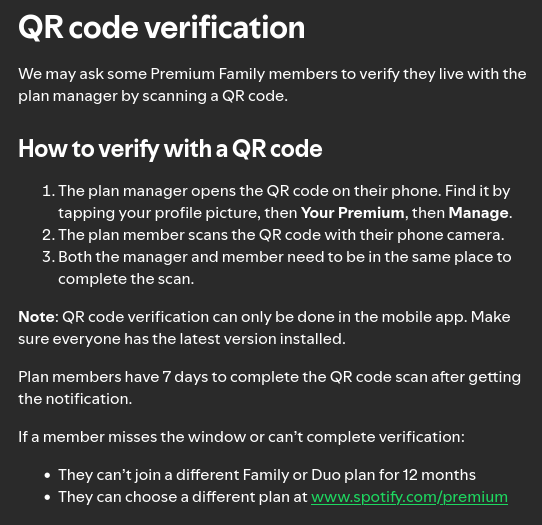 Spotify's QR code plan enforcement.
Credit:
Spotify
Spotify's support documentation verifies the policy after users on Reddit began posting reports of receiving the QR prompt. The enforcement stems from Spotify's requirement that family plan members reside at the same address—a seemingly reasonable policy in concept. But what if you have a child away in college, a spouse who works on the road, or any number of other circumstances that might see families separated by physical distance? The policy could extend beyond friend groups looking to save a buck, affecting actual families who thought they were using the program as intended.
Goldman Sachs analysts, in their October 15 Music in the Air: 10 Years On report, made available by HITS Daily Double, estimate that "a meaningful share of family plan users are not actual household members, but rather friends sharing a plan to reduce costs." The report goes on to add, "We see additional monetization upside from tightening household verification on multi-user plans. Most family plans require members to reside at the same address, but enforcement has been minimal in practice."


Much of what we know about how a brain makes decisions comes from studying monkeys watching dots. In a task known as a random-dot-motion task, a cloud of flickering specks drifts weakly in one direction while the subject tries to determine whether—and in which direction— it’s moving. The task has shown that in the primate neocortex, neurons gather visual evidence over time, with their firing rates climbing until they cross a threshold, when the animal commits to a decision.
But avian brains don’t have a neocortex, so it wasn’t obvious how they made similar decisions.
“This was the big question,” said Andreas Nieder, a neurobiologist at the University of Tübingen. “How [would] a differently organized avian brain encode decisions?”


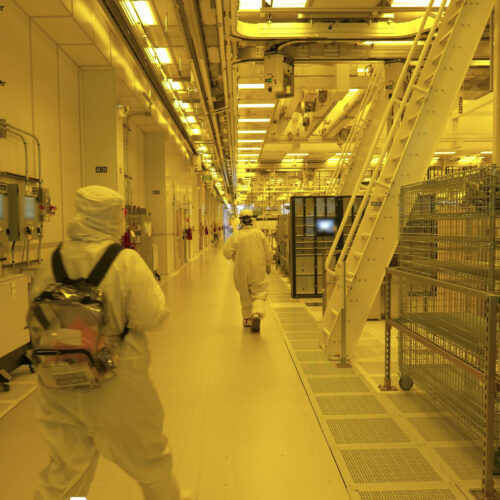
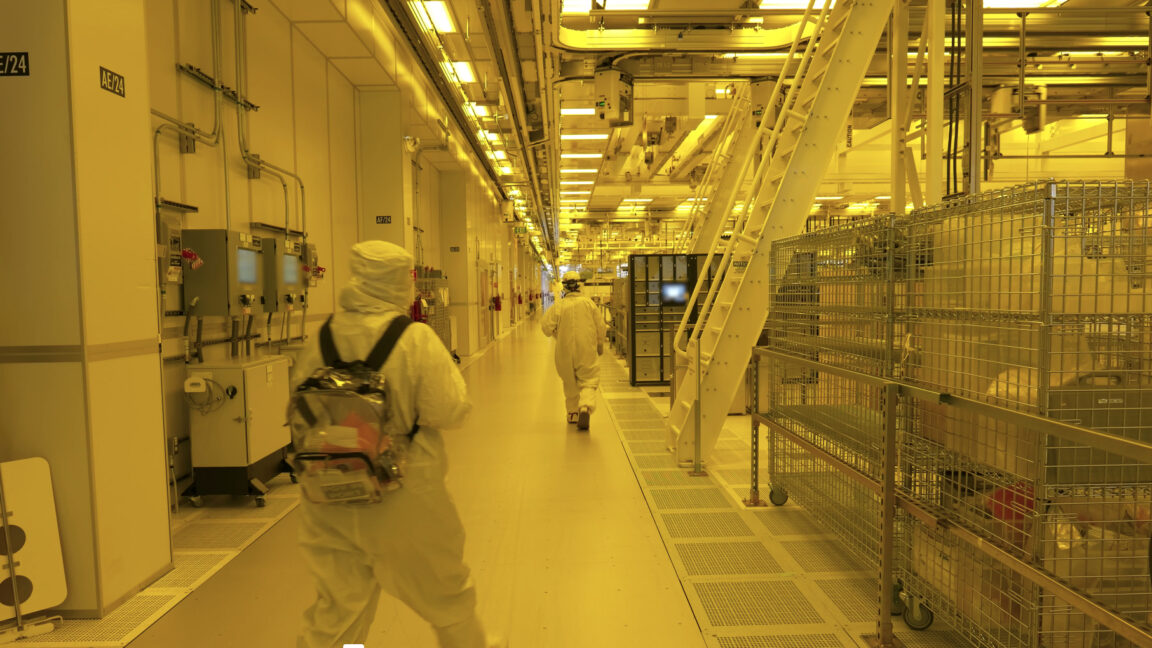
US chip champion Intel was so confused by the US government ban on foreign-made robots that it requested and received a waiver “out of an abundance of caution.” The tech company wanted to make sure that it could continue using certain robotic vehicles in its US chip fabs.
The uncertainty surrounding the Federal Communications Commission ban on certain foreign-made robots was revealed in the agency’s decision to grant Intel’s waiver request. On October 22, the FCC published its order allowing Intel to continue using the foreign-made robots in US semiconductor manufacturing facilities for a period of one year.
The robots in question are automated guided vehicles operating on “tracks or predefined paths” while often requiring operator oversight, according to Intel’s website. They help to move materials and items around within warehouses and factory floors.
At a recent meeting of the board that oversees the National Institutes of Health's Clinical Center Research Hospital, chair Jack Leslie opened with cheerful introductions and gregarious chatter—then diverted from the agenda of the regularly scheduled meeting. He spent the next six minutes delivering a pointed rebuke of Health Secretary Robert F. Kennedy, warning that his anti-vaccine activities could tarnish the venerable hospital, often called the "house of hope" for patients with rare conditions or those who have exhausted all other options.
Leslie took issue with a recent stunt Kennedy had pulled at the hospital, which involved making a surprise appearance for a ribbon-cutting ceremony to open his signature vaccine injury clinic. The ceremony included a panel with people claiming to have been injured by vaccines. They sat behind placards reading "vaccine injured" and spoke with Kennedy and other high-ranking Trump administration officials.
Leslie prefaced his comments by noting that some might prefer he not speak out against Kennedy's efforts. "But I think that that would be a failing as an advisory board if we were silent," he said. Leslie also noted that he has no concerns about studying potential injuries from vaccines. "Serious reactions are rare, but real," he said, and people who believe they've been injured should "be taken seriously."


The New York Knicks organization sent employees a phishing email promising free championship rings in a test of its staff's ability to detect scams, The New York Times reported yesterday. “Congratulations, your Employee Championship Ring is here,” the email sent in late September said, instructing employees to click a link to make a selection from two ring designs.
Madison Square Garden employees who clicked that link "were forced to attend a mandatory cybersecurity class to help satisfy some of [owner James] Dolan’s growing cybersecurity concerns," the report said, citing team sources. Dolan is the owner of the Knicks, the New York Rangers, and Madison Square Garden.
It's common for corporations to send phishing emails to find out which employees don't pay attention to clues that an email is a scam. A cybersecurity-test email often appears to be from the company itself but includes telltale signs of phishing. For example, Ars Technica owner Condé Nast sends phishing-test messages from email addresses with a misspelled domain, "condenest.com."


Gamers still hoping against hope for a true follow-up to Half-Life 2 (after so, so many years) may remember last year's flurry of speculation that Half-Life 3 was finally nearing completion. Amid all those rumors, though, we never got any official sign from anyone inside Valve that a Half-Life project was currently in development.
That changed this week thanks to an apparent slip-up during a panel at GameSoundCon, an industry conference devoted to "the art, technology, and business of game audio." In a panel devoted to Valve's use of open audio engines (captured in this Vimeo clip), Valve composer and audio artist Mike Morasky let an interesting string of three letters slip while talking about the way the company implements high dynamic range (HDR) audio:
Our HDR system is basically that's one of the three pieces that come together to make an HDR that you can easily optimize. And in fact, I think Deadlock has their own version of HDR. HLX has its own version, so on and so forth [emphasis added].
"HLX," of course, has been widely reported as the internal code name for Valve's next Half-Life project. The codename has shown up in Valve engine code since at least 2024, but it has never been referenced in public by a Valve employee until now (though Morasky was responsible for a close call in an interview last year).


US regulators have issued a warning to a nuclear project critical to Donald Trump’s efforts to revive the industry, after a contractor fell into a reactor cavity and a bundle of fuel rods nearly tipped over during refueling.
The US Nuclear Regulatory Commission told Holtec International, a company racing to reopen a shuttered reactor at the Palisades nuclear power plant in Michigan, to address a “chilled work environment” that has made staff hesitant to raise safety concerns without fear of retaliation.
The warning has prompted concerns among critics that financial and political pressures to revitalize nuclear power as an answer to booming AI-driven energy demand are increasing risks of accidents.


Elon Musk’s Starlink satellite service has played a pivotal role in supporting Ukraine’s successful resistance to Russia’s full-scale invasion for years. But with Starlink having become increasingly unreliable due to Musk’s political inclinations and the latest surprise disruptions to service in Ukraine, the Ukrainians and Europe as a whole are now facing urgent questions about how to move forward without it.
As the world’s largest communications satellite network, Starlink can typically support high-speed Internet and data streams for any user or vehicle equipped with a relatively compact Starlink terminal. This has enabled Ukraine to maintain vital communications for both civilian purposes and military operations—and has also expanded the Ukrainian military’s capability to remotely control or provide guidance to drones used in both air defense against Russian attacks and for striking back at Russian targets.
“Starlink currently offers some of the best satellite coverage available, with virtually no competitors when you consider the combination of cost, availability, and ease of use,” according to the head of hardware R&D at the Ukrainian defense company BlueBird Tech, who provided comments to Ars anonymously for security reasons. “In practical terms, the main limitation is the need to position the antenna so it can receive signals from the satellites.”
Peacock series Crystal Lake doesn’t feel like a Friday the 13th movie when you first press play, even though it’s set up to be a prequel to the original film. (This review includes spoilers of the original Friday the 13th movie but avoids major Crystal Lake spoilers.)
Instead, Crystal Lake strives to build a drama that’s half homage, half uncharted territory, while giving a long-awaited backstory to Pamela Voorhees. The original villain in the first film, Pam Voorhees, shocked audiences in 1980 by popping up out of nowhere in the midst of a brutal camp counselor killing spree, then confronting the final girl with a Norman Bates-like delivery of the movie’s chilling tagline, “Kill her, mommy,” using the voice of her drowned son, Jason.


Although the hockey-masked killer, Jason Voorhees, became the horror icon at the center of the franchise, his mom, Pam, continued to fascinate fans, who knew very little about her. Beheaded in the first film after just 13 minutes onscreen, her spirit would occasionally appear in later films, but the original actor, Betsy Palmer, who portrayed Pam refused to return, largely because the character has no depth.


Welcome to Edition 9.16 of the Rocket Report! Lots of SpaceX-related news this week including a couple of Thursday shockers. In one story, the company told the US Space Force thanks, but no thanks after being offered three military launch contracts. Then, on the civil space side of things, SpaceX's Starship may required up to 22 refuelings to support a lunar landing, a NASA safety panel said.
As always, we welcome reader submissions, and if you don't want to miss an issue, please subscribe using the box below (the form will not appear on AMP-enabled versions of the site). Each report will include information on small-, medium-, and heavy-lift rockets as well as a quick look ahead at the next three launches on the calendar.

Miura 5 getting closer to launch. PLD Space says its Miura 5 rocket, due to undertake its inaugural launch next year, is nearing final integration, Aviation Week reports. The rocket is one of three Miura 5s the company has already manufactured, with the other two designed to qualify key system elements, CEO Raúl Torres said in an October 19 program update. PLD Space now targets a first flight of the small-lift vehicle before mid-2027.

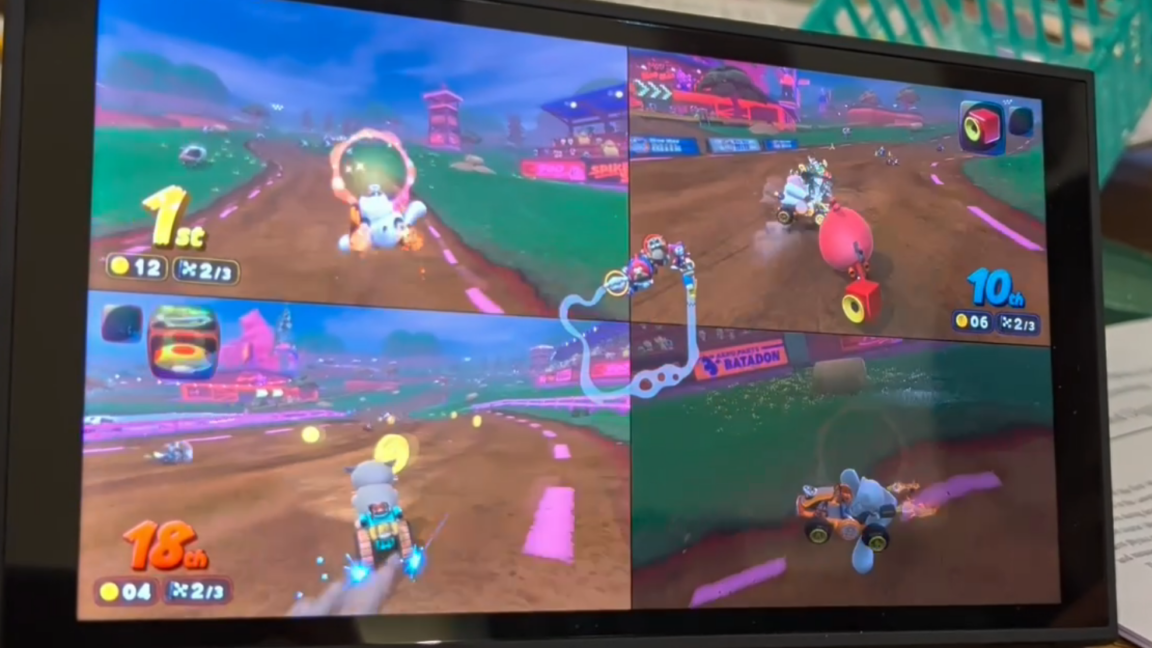
A security researcher has demonstrated a software-only partial jailbreak of the Switch 2, gaining "userland" access that he says "lets us run homebrew, reverse engineer and mod Switch 2 games, back up save files off the Switch, and access most of the Switch 2’s peripherals through MMIO."
The hack relies on the original Switch version of SmileBasic 4, the latest in a long-running series of programming environments and interpreters that run on Nintendo hardware. The so-called "tethered" hack also requires access to a macOS or Linux PC on the same network to run a node.js package that helps enable privileged system access.
Researcher Sammy Hajhamid writes that he used OpenAI's Codex to poke at SmileBasic's language interpreter, using a custom harness that could send USB commands to the system and view results via HDMI (as well as power cycling via a Bluetooth light switch flipping device). After "substantial effort for ~2 weeks," that harness discovered a 32-bit integer overflow that occurs when removing items from an array in SmileBasic. That error gives access to an array pointer, which in turn allows read-and-write access to portions of system memory.

Personalized mRNA vaccines against melanoma—the deadliest form of skin cancer—reduced the risk of death or recurrence by 42 percent compared to standard treatment in a late-stage trial, pharmaceutical partners Merck and Moderna announced Thursday.
The results are a significant advance in melanoma treatment; Merck and Moderna are already engaging with regulatory authorities to get the vaccine approved. More broadly, the vaccine's success bolsters hope that mRNA vaccines and individualized cancer-targeting medicines offer a new paradigm for cancer therapies.
"From the beginning, we believed mRNA technology could make it possible to develop cancer treatments uniquely matched to each patient’s tumor," Moderna CEO Stéphane Bancel said in a statement. The trial results "mark a defining moment for that vision and show what’s possible when we rethink how medicines are made." They also "reinforce our conviction that mRNA has the potential to fundamentally change how we treat cancer," he said.

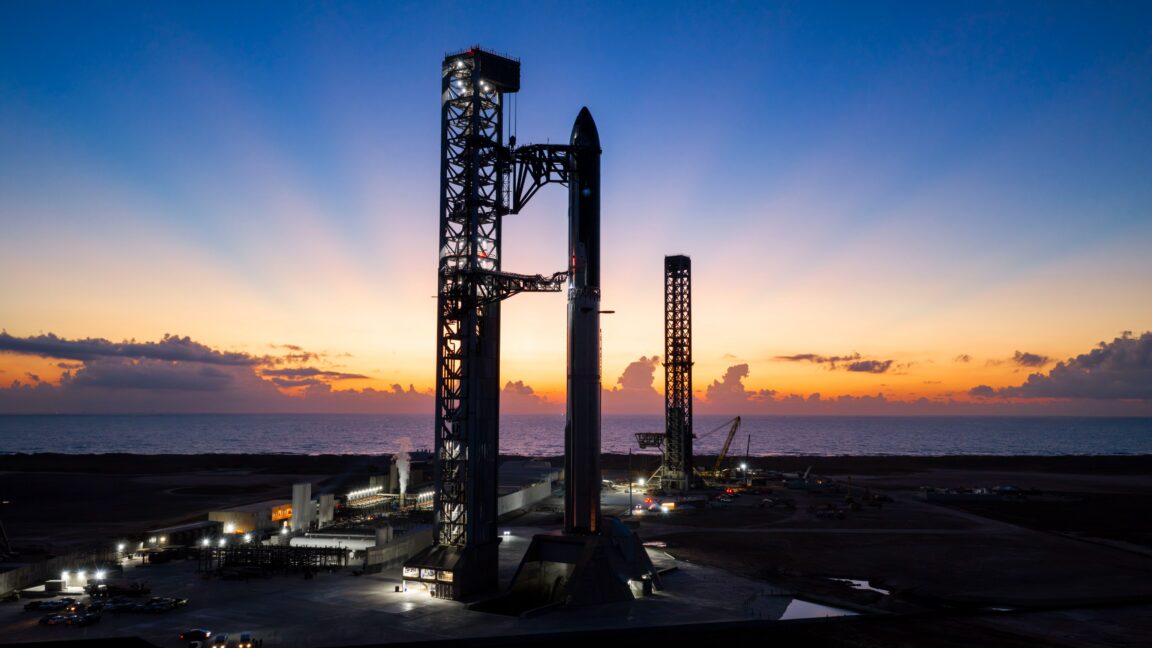
NASA does not have, nor want, nuclear weapons. But when it comes to a particular metric that is part of the Artemis Program to land people on the Moon, NASA guards a particular number like it is trying to prevent outsiders from cracking nuclear codes.
I am speaking of the number of Starship launches required to fuel a Starship-based lunar lander in low-Earth orbit such that it can fly out to the Moon, land there, and return to lunar orbit.
This number has been a moving target over the years. The general response from NASA has typically been, 'We don't know for sure, so we're not going to say.' In 2023, for example, the then-director of NASA's Human Landing System, Lisa Watson-Morgan, told Ars, "We have a general idea, but I’m reluctant to say exactly what that is."
Comcast reportedly plans significant job cuts in its cable division as the firm continues to lose residential broadband and TV customers. Comcast lost 144,000 residential broadband customers in Q3 2026, up from a 91,000-customer loss in the same quarter a year ago, the company said in its earnings report today.
Comcast historically capitalized on a lack of competition for high-speed wired broadband. But now it faces stronger competition from fixed wireless providers and from fiber providers in parts of its cable territory.
"Fixed wireless remains aggressive and continues to take share, while fiber construction remains elevated, with pockets of irrational pricing and promotional activity," Comcast co-CEO Mike Cavanagh said today in an earnings call.

eMudhra, the certificate authority that issued eight intermediate TLS credentials so weak that anyone could mint certificates for any website or mail server—one had a private encryption key of just 4—said it’s getting out of the business.
V. Srinivasan, chairman of India-based eMudhra Limited, cited increasing costs and complexities of compliance requirements—paired with the business generating just 1 percent of its revenue. He also said that the emergence of organizations providing TLS certificates free of charge further reduced returns on investment when compared to other products and services the company offers.
“However, the level of social media amplification around this incident has brought scrutiny that is out of proportion to SSL/TLS’s place in our business,” the company continued in a Thursday post. “In view of this, after detailed deliberations our board has concluded that withdrawing from global SSL/TLS is the right decision for eMudhra and its shareholders.”
Those mourning yesterday's shuttering of highly praised and influential developer BioWare also had to deal with the cancellation of the next Mass Effect game, which was first teased back in 2020. Today, we got our best look at what that game could have been with a short, leaked trailer for Mass Effect: Universe.
In the roughly two-minute montage—which describes itself as "in-engine footage from our small team" that "uses our pre-production assets"—an ex-military officer wearing an N7 trenchcoat (similar to the one seen in that 2020 teaser) encounters an Asari at a bar. He talks of his frustration with military life—"by the time you put out one fire, another had already started"—before discussing his new line of work "stopping [the fires] before they start" and "making the choices no one else is willing to make. Going where others are afraid to go."
Mass Effect: Universe Trailer
by
u/Random_Hyabusa_Ninja in
masseffect


A 25-year-old German experimental photographer has won the 2026 Nikon Small World photomicrography competition with a striking image of droplets of ink being deposited on paper by an inkjet printer. Ole Bielfeldt beat out 1,802 other entries hailing from 69 different countries.
Bielfeldt became interested in photomicrography during the COVID-19 lockdown after discovering an old microscope in his parents' attic. He figured out how to build an adaptor out of a tube and some wood to connect the microscope to his father's camera and taught himself the art through trial and error, building custom tools as needed. He documents how he captures transformative images of everyday objects with behind-the-scenes videos posted to macrofying, his photography and videography brand.
It was Bielfeldt's curiosity about the inner workings of inkjet printers that inspired his winning entry, but capturing the action of ink drops being deposited on paper was a challenge, given that the process happens so quickly. The droplets, for instance, moved faster than the camera's shutter speed. Bielfeldt's solution was to deconstruct the printer so that the paper moved under a stationary (rather than moving) printhead, and then take the image in a dark room, using a flash to serve as the shutter, thereby freezing the ink drops mid-air. There was no need for pricey equipment. Bielfeldt does not use AI in his images, preferring to rely on traditional techniques.


Calley Means—a top ally to anti-vaccine Health Secretary Robert F. Kennedy Jr. and a co-author of the so-called "MAHA bible"—resigned from his role in the Trump administration Thursday, reportedly in frustration over delays to food policy changes sought by the Make America Healthy Again movement.
"I am resigning from the White House with tremendous respect for President Trump and Bobby Kennedy," Means wrote in a social media post this afternoon. "It was an honor to advocate for MAHA moms in the administration and steer policies like Dietary Guidelines reform, psychedelic reform, removing soda from SNAP, removing food dyes, GRAS reform, and overhauling government food procurement."
His post did not provide a reason for his departure. Means served as a senior advisor to Kennedy.
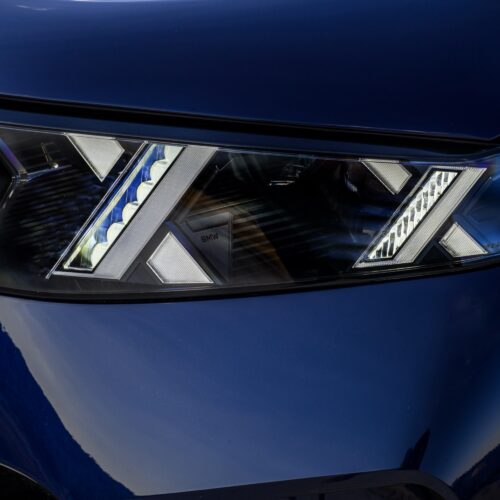
When we first drove BMW’s first Neue Klasse model, the iX3, it quickly revealed that BMW knows how to make a good electric vehicle. A clean-sheet design, it featured the automaker’s sixth-generation electric powertrain, a completely reimagined dashboard, and powerful computers to run the whole show. Now, much of that technology is being ported over to the larger X5 line.
But BMW knows not all its customers are ready to go electric, especially in the US, so it’s sticking with its powertrain-agnostic CLAR platform, as used in cars as diverse as the large 7 Series and the new gasoline 3 Series. Which means in addition to the all-electric iX5, there are also mild hybrid and plug-in hybrid X5s available, and in time, even a hydrogen-powered option. For now, as I’ll explain, I think the EV is the pick of the bunch.
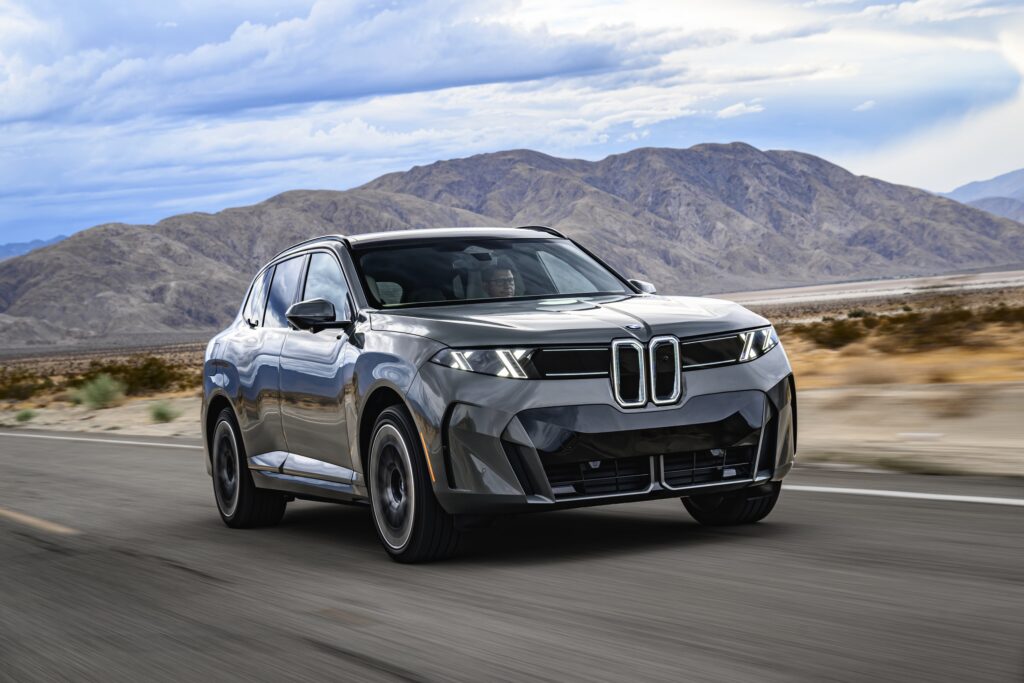

The most conventional option is the X5 40 xDrive, powered by a 3.0 L turbocharged inline six-cylinder engine that generates 394 hp (294 kW) and 428 lb-ft (580 Nm). The 48 V mild hybrid system can contribute a decent slug of torque (148 lb-ft/200 Nm) if necessary, and the engine operates under the Miller cycle for better efficiency, as well as featuring the usual BMW engine technology, like variable valve timing. Expect around 26 mpg (9 L/100 km) from this powertrain and a full-to-empty range of 569 miles (915 km).

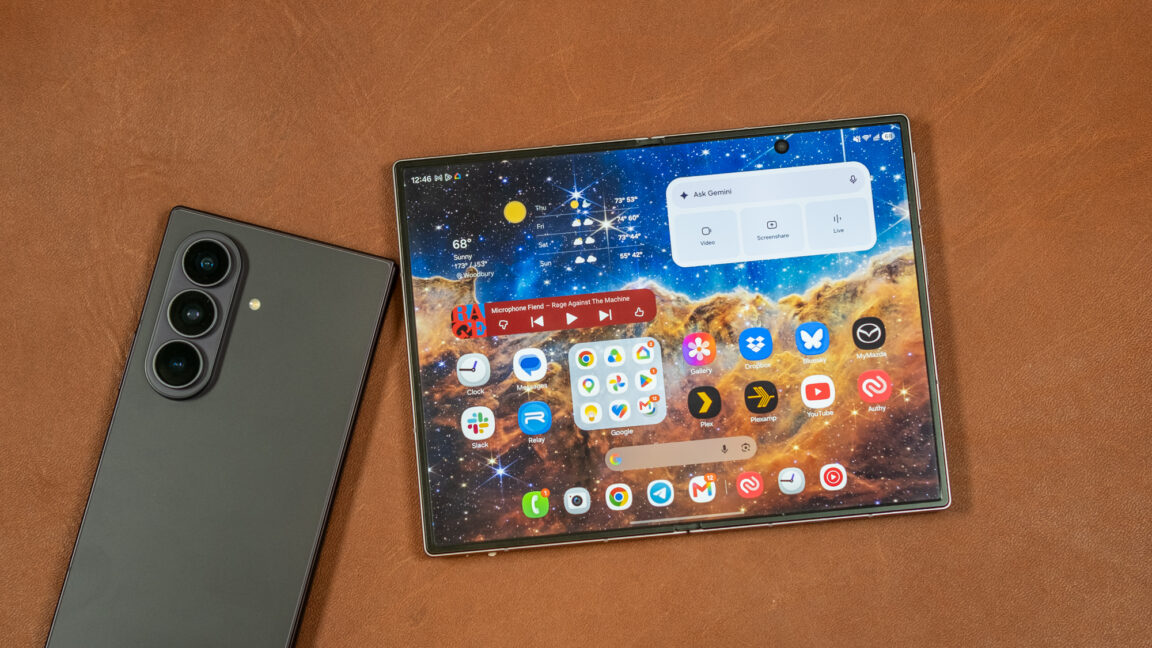
Android-powered foldable phones have been available for years, but most people never paid attention to them. As predicted, that could be changing now that Apple has entered the folding phone market with the iPhone Duo. Analysts have speculated that Samsung's Z8 foldables were seeing a boost from the iPhone announcement, and now Samsung has seemingly confirmed that.
In a new blog post, Samsung UK crows that the company's 2026 foldable lineup is moving much faster than last year's models. Compared to the Galaxy Z Fold 7, combined European sales for the Galaxy Z Fold 8 and Galaxy Z Fold 8 Ultra are up 45 percent. Samsung isn't talking about Z Flip 8 sales, but it previously noted that its larger foldables made up about 80 percent of foldable purchases. We can assume any increase there is not impressive enough to mention.
The reason for flat Z Flip sales may simply be that Apple didn't release a flip phone. Unsurprisingly, Samsung doesn't mention Apple or the iPhone Duo in its press release. However, it does say that search volume for the Z8 series across Europe spiked 460 percent the week of September 6 to 12. And guess what was announced on September 9? Yep, the iPhone Duo. Z Fold 8 search volume across the entire month of September (when the phones launched) was up 260 percent.
Four years ago, a senior official in Russia's foreign ministry painted a bullseye on commercial satellite networks that assist Ukraine in its fight against invading Russian military forces.
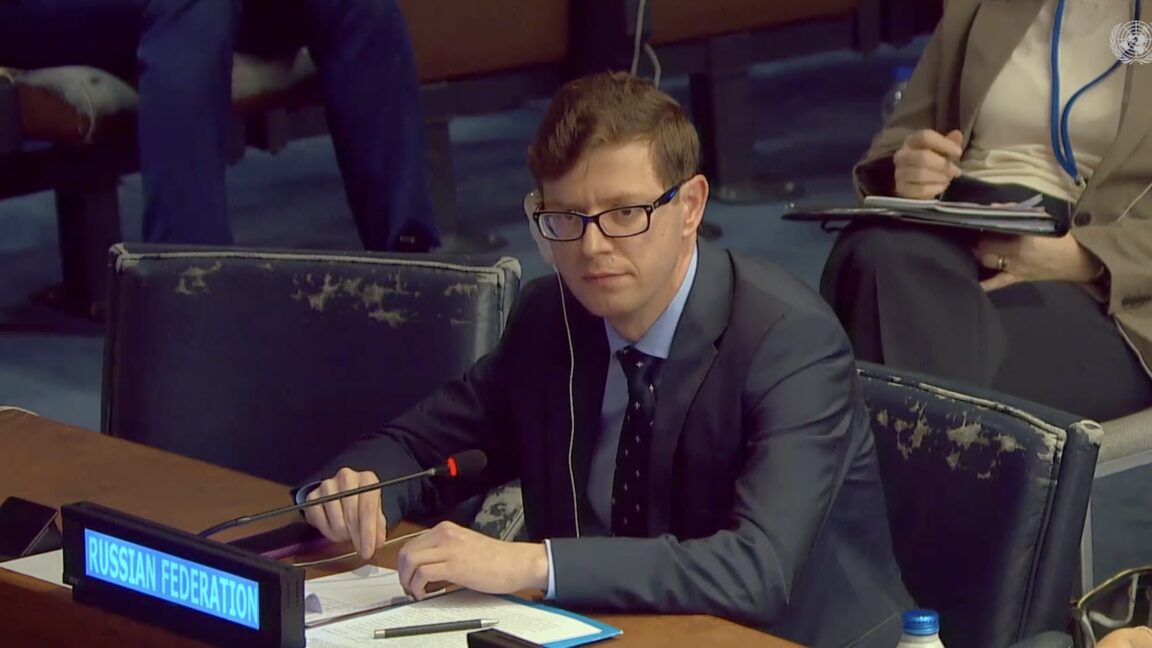
On Wednesday, several days after a Russian military spacecraft moved within striking distance of one of those commercial satellites, the same Russian diplomat assured the world there's no reason to worry.
There's a sharp incongruity in those statements from Konstantin Vorontsov, deputy head of Russia's delegation to the United Nations. Vorontsov's comments Wednesday in the UN General Assembly's First Committee came moments after a US official called attention to recent maneuvers by Kosmos 2612, a Russian military craft that approached a US-registered commercial satellite some 340 miles (550 kilometers) above Earth.
Meta must pay $25 billion to New Mexico after a jury found the tech giant guilty of nearly 44 million violations of state consumer protection laws.
The largest fine to ever hit Meta came after New Mexico Attorney General Raúl Torrez declined to join an $18 billion settlement Meta reached earlier this year with attorneys general in nearly all states.
In his opinion Wednesday, US district court judge Francis J. Mathew said there was no “bright line rule” for determining the appropriate penalty for Meta's repeated and willful deception of users since 2010 about their “control of data, third-party data misuse, misinformation, hate speech, and equal enforcement.”


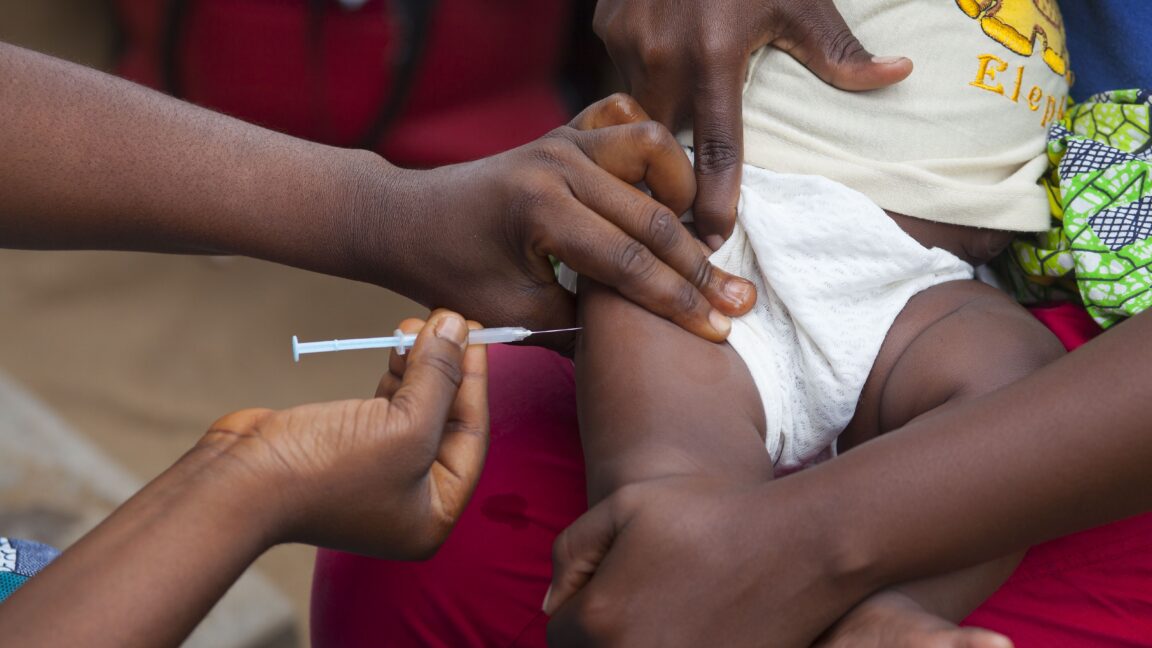
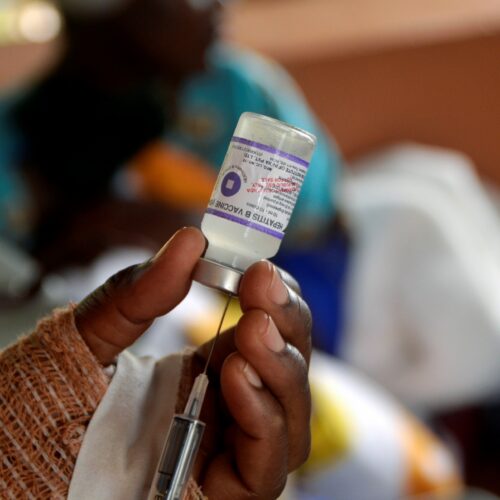
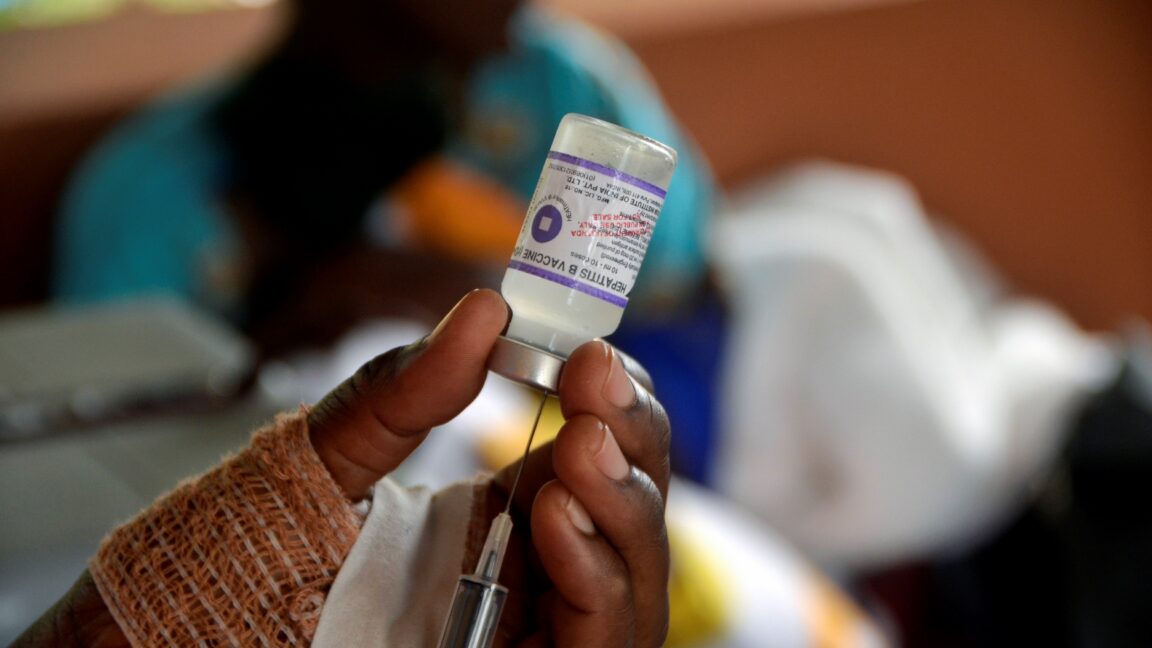
Government officials in Guinea-Bissau have formally rejected a clinical trial that would be run by Danish researchers and funded by the US to look for alleged nonspecific harms from the newborn dose of the hepatitis B vaccine. The vaccine dose is currently recommended globally for all newborns and has been used safely and effectively for decades.
In an email to Ars Technica, one of the trial's lead researchers, Christine Stabell Benn of Bandim Health Project and the University of Southern Denmark, said that Guinea-Bissau's Council of Ministers "formally reaffirmed its non-acceptance of the study on 16 October."
The revelation that the study was formally rejected last week comes after news on Monday that judicial police in Guinea-Bissau raided Bandim Health's offices and seized vaccines. Stabell Benn highlighted that the police search came after the trial was rejected.

Last year, we reported on Red Viper, a Virtual Boy emulator that added a splash of Super Game Boy-style color to Nintendo's famously failed red-on-black "portable" 3D headset from the '90s. Now, a new emulation experiment, VBoy Color, has taken the concept to a higher level, using a tile-based palette system that allows for many more distinct colors in each individual Virtual Boy frame.
Rather than simply replacing the Virtual Boy's four shades of red with four different colors, VBoy Color's readme files explain how the emulator's game-specific Color Packs can assign a distinct four-color palette to each 8x8 tile in a Virtual Boy scene. That means the emulator can differentiate between green pipes, grey platforms, and red brick wall in Mario Clash, for instance, even though all those in-game objects share the same overlapping red hues in the original game.
The Game Boy Color-esque results feel like being transported into an alternate history where Nintendo invested in a full-color display rather than cheaper red LEDs for the Virtual Boy hardware. The increased contrast between differently colored elements is particularly welcome in games like Jack Bros. or Vertical Force, where the original red-on-red display often makes it hard to differentiate the player-character from busy red background elements.


Amazon has warned that vulnerabilities in a programming language that underpins much of the Internet, discovered using AI tools, are being “broadly exploited” as governments and companies rush to secure their systems.
The world’s largest cloud computing provider on Wednesday said it had identified an attempt by hackers to exploit the bug four days before the weakness was disclosed to the public.
Amazon added the flaws were “now being broadly exploited in the wild.”


Lord of the Rings: The Rings of Power returns next month for its third season. Prime Video unveiled a teaser earlier this year at San Diego Comic-Con, but we haven't heard much about the new season otherwise. We now have the official full trailer, and it's jam-packed with a rising Sauron, who is intent on conquering Middle-Earth with his army of Orcs—with the fractured opposition of elves, dwarves, and men scrambling to figure out how best to stop him. We also meet the human men who will become the Ringwraiths; the showrunners have dubbed them the Nazgnagol ("Rings-servant").
(Some spoilers for the first two seasons below.)
Prime Video made a major investment in The Rings of Power when it acquired the rights to the source material from the Tolkien estate, even committing to multiple seasons upfront. S3 is set seven years after the events of S2 and opens when the war between the elves and Sauron is at its height. Per the official synopsis:


Website admins, brace yourselves. Fixes for what are believed to be uncommonly severe vulnerabilities are scheduled to drop in a little more than 12 hours for PHP, a programming language that powers websites and Web applications everywhere.
PHP maintainers said Monday that they planned to release patches for two vulnerabilities, both with severity ratings of 9.2 out of a possible 10.
“All PHP users are encouraged to prepare now so they can upgrade as soon as the release is available,” the advisory stated. “We reserve the right to release earlier should details of either vulnerability become public, or should evidence of active exploitation appear in the wild.”


Elon Musk said Tuesday that he would like to see the consolidation of his business empire by formally merging his two largest companies, SpaceX and Tesla.
"Do I think it would be a good idea? Yes," Musk said of a potential merger. He was speaking during a question-and-answer period as part of SpaceX's third-quarter earnings call. Musk said, ultimately, it not his decision. "But at the end of the day the shareholders have to be supportive of this."
Musk's talk of a merger comes after a busy year in which SpaceX already acquired Musk's artificial intelligence firm, xAI, in February. In June, SpaceX went public with the largest initial public offering on record.


Police in Guinea-Bissau raided the offices of Danish researchers on Monday, seizing doses of hepatitis B vaccine intended for a vaccine trial for newborns. International health experts have called the trial "unethical," but anti-vaccine Health Secretary Robert F. Kennedy Jr. has attempted to fund it with US taxpayer dollars.
Under Kennedy, the US Centers for Disease Control and Prevention announced in December that it had awarded the Danish researchers—led by married couple Peter Aaby and Christine Stabell Benn of Bandim Health Project—an unsolicited $1.6 million grant to run the trial. Aaby and Stabell Benn are controversial vaccine researchers who claim vaccines cause overlooked harms. They have been repeatedly praised by Kennedy, but are currently under investigation for alleged scientific misconduct by Danish authorities.
Plans for the trial were halted in January as widespread condemnation erupted over the trial's design, which would potentially expose thousands of newborns in the country to hepatitis B, risking a lifelong infection that can lead to liver cirrhosis, cancer, and premature death. Outrage flared again after a Rolling Stone story earlier this month claimed the CDC set aside another $1.6 million in funding in late September and planned to move forward with the trial.
We haven't heard many details about Microsoft's upcoming "Project Helix" gaming hardware since the company announced it in March as a device that will "play your Xbox and PC games." In a new wide-ranging profile of Xbox CEO Asha Sharma, though, Fortune alludes to a dual release strategy for upcoming Microsoft gaming hardware, with "a next-generation handheld device" planned by the end of next year and a 2028 holiday season console release that could cost between $1,200 and $1,800.
That future console price range is based on what has "internally been projected" at the company, according to Fortune. But the price for consumers could come down if "Microsoft decides to subsidize the cost," the outlet says, as many console makers have done in the past.
While a $1,200 starting price would be historically high for the game console market, even accounting for inflation, it also reflects a new normal: The slowdown in Moore's Law and AI-driven component shortages mean cutting-edge gaming hardware just isn't as cheap as it used to be. This year, the Steam Machine broke the $1,000 starting price, while the 2-year-old technology in the PlayStation 5 Pro is now going for $900, and the 6-year-old Xbox Series X now starts at $750.


Since launching in 2015, JustWatch has helped people navigate the growing number of streaming services by providing a guide on where to find movies they want to stream. Now JustWatch has its own streaming service and wants people to subscribe.
Launched today, JustWatch TV offers some movies available for free with ads that aren’t free on any other streaming service, including Green Room (2015), Locke (2013), and Sing Sing (2023). Other free movies include Fiddlin’ (2018), Friday the 13th (1980), and Hotel Mumbai (2018). I could play movies available for free on JustWatch TV without creating an account.
JustWatch TV also has movies you can rent.


Hoping to quell criticism, Meta has dropped the word “train” from its “streamlined” commercial terms of service that kick in on October 30.
Last week, Meta faced backlash after legal experts warned that the tech giant’s sweeping new commercial terms of service seemed to give Meta permission to endlessly scrape websites linked on business pages. Talking to Nieman Lab, experts suggested that Meta could possibly use the policy to avoid millions in licensing fees from news organizations by requiring all business users to share a wealth of AI training data simply for running a business page.
A Meta spokesperson confirmed that Meta did not alert users to the changed language following backlash. This potentially only adds to confusion ahead of the policy rollout. In response to backlash, Meta's spokesperson provided a statement to Ars, acknowledging Nieman Lab's initial report but not its follow-up report reiterating experts' concerns:


Google kicked off 2026 with the addition of Personal Intelligence to Gemini, allowing its AI to pull in more of your data to formulate answers. It started as a paid feature but eventually came to all Gemini users. However, this feature wasn't available in the car until now. Google is rolling out Personal Intelligence to Android Auto and Google Built-in, and it is still, thankfully, an optional feature.
As Google points out, a generative AI's outputs are better "when it knows the world and knows you," which is correct in an uncomfortable sort of way. The more context you can provide to a model, the better the output will be at the end of the token shuffle. Since Google has so much of your data already, it sees Personal Intelligence as a differentiator versus other AI systems. You don't have to provide the AI context because it already has it from apps like Gmail and Calendar.
Personal Intelligence is beginning its rollout in Android Auto today, and it will come to vehicles with Google built-in in the next few months. As an aside, "Google built-in" is questionable branding, but it refers to cars that run Google software in the infotainment system rather than projecting an interface from your phone. Very few vehicles have Google built-in, but Google often releases new car features on them first. This time, it's the other way around.


OpenBSD 8.0 is here, marking the project's 61st release and continuing its schedule of semiannual releases dating back to 1996. What started more than 30 years ago as a fork of NetBSD has grown into one of the most security-conscious operating systems in active development. In a post to the project's announcements mailing list, OpenBSD founder Theo de Raadt highlights a host of improvements included with the latest version and writes that the project remains "proud of OpenBSD's record of more than thirty years with only two remote holes in the default install."
The latest OpenBSD version brings new features and improvements across the board. These changes, particularly the new Intel Arc support and expanded virtual address space, should improve compatibility with modern graphics cards and allow the system to map more than 4GB of VRAM. Some of the major updates noted in the release newsletter are as follows:
The new OpenBSD also retires support for Loongson architecture after the port stopped working with the Clang 22 compiler. If you're interested in reading over all the changes that come with the new OpenBSD 8.0, you can take a look at the release announcement.


Security personnel around the world are on high alert Tuesday following the discovery of eight TLS certificates with private keys so weak they could allow anyone to mint trusted browser and app credentials for any site on the Internet.
As of late morning Tuesday, browser makers and some major apps and programming languages had blocked all eight of the intermediate certificates. There are no reports of certificate transparency logs, which track the issuance of all browser-trusted certificates, showing the compromised keys being used maliciously. The threat remains far from over, however, because it will be hard and time-consuming to update other key parts of the Internet, such as Linux distributions and embedded and Internet of Things devices.
The eight intermediate certificates belong to India-based certificate authority eMudhra Limited. An informal advisory published to emudhra.we-have-a-problem.com over on Tuesday posted the message “We have a problem here - Wayne.” The words were digitally signed using the private key of one of the eMudhra certificates. With proof that the reporting party had control of the key, defenders scrambled because the same key could be used to sign unauthorized certificates that would be trusted by millions of servers worldwide.


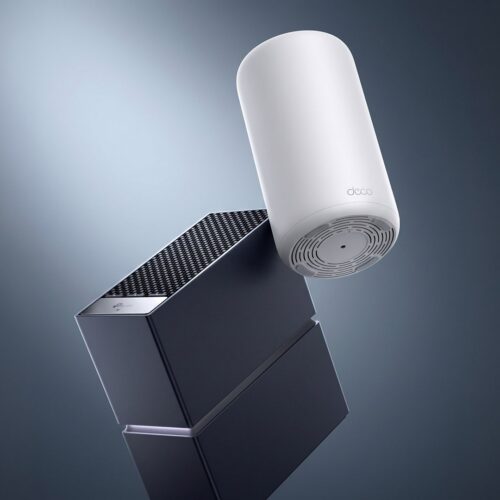
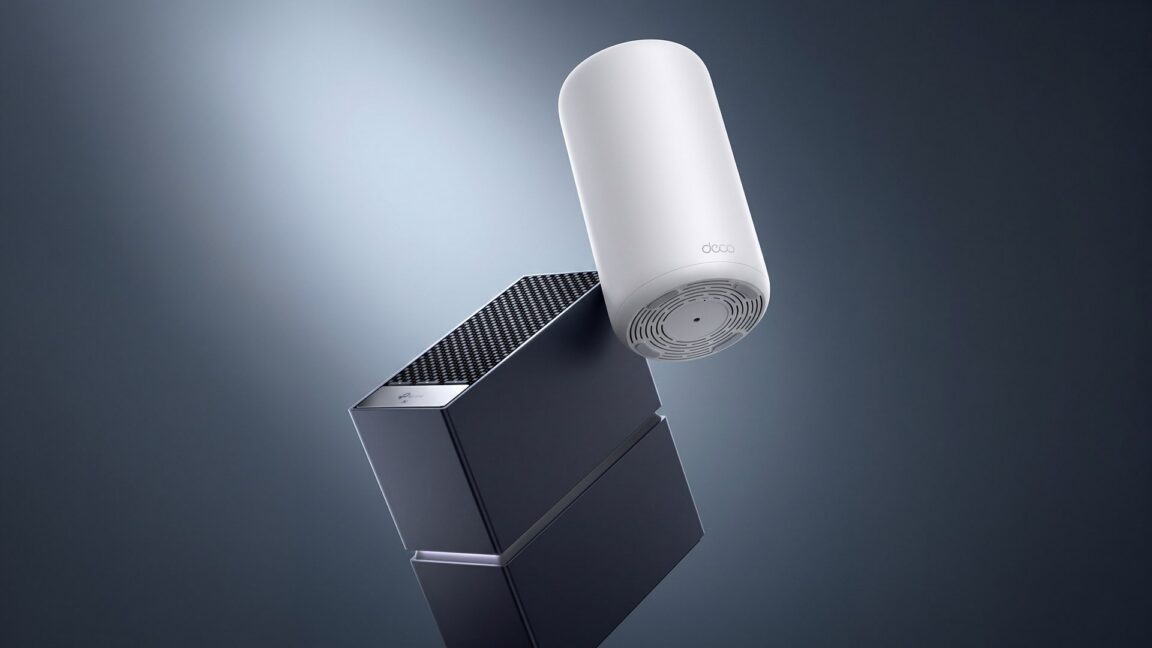
TP-Link yesterday announced plans to assemble Wi-Fi routers in the US, as the company attempts to get the Trump administration's approval to sell its newest routers to American consumers.
The timing is uncertain, as TP-Link's press release said it expects US-based assembly to begin "as early as" 2027. TP-Link's application to sell new routers in the US could be rejected by the Trump administration or remain pending long enough to push the US-based assembly to 2028.
"Pending US regulatory approval, TP-Link expects domestic assembly of its groundbreaking Wi-Fi 8 home networking product line to begin as early as next year," the company said. TP-Link said it signed a Letter of Intent with US company Keytronic, which agreed "to become a primary domestic manufacturing partner for TP-Link, supporting assembly of the company’s advanced networking portfolio in Corinth, Mississippi."
It has been 13 years since the debut of a new medium-lift rocket in the United States, the Antares vehicle developed by Orbital Sciences Corporation.
The initial 100-series variant of the Antares rocket was kind of a hot mess. The rocket used old Soviet engines built during the era when Apollo astronauts were landing on the Moon. Decades later, in the 1990s, Aerojet acquired the engines and refurbished them for a rocket that would launch in the 2010s. Predictably, on the fifth launch of an Antares rocket in 2014, it exploded.
The Antares vehicle is the last of a dying breed of medium-lift rockets—defined as having a lift capacity of 2 to 20 metric tons—in the United States. Nearly a decade and a half later there is a new generation of medium-lift vehicles coming online, and they are starkly different from Antares, which had not just Russian engines but a core stage manufactured in Ukraine.

Ukraine’s unprecedented drone rescue of a wounded soldier from the battlefield has shown once again how battlefield necessity can spur innovation. The operation was revealed just days after separate Ukrainian drones designed for casualty evacuation were deployed for frontline testing—taking a step beyond the US military’s decades of experimentation with similar concepts.
The drone evacuation of the injured soldier took place at an undisclosed time and place on the frontline where the presence of Russian drones and landmines made it impractical to send in a wheeled ground robot, according to The Kyiv Independent. On October 19, Ukraine’s Army shared a video of the drone evacuation, showing the wounded soldier securing himself in a harness suspended beneath a heavy hexacopter drone with six rotors before being flown to safety.
“This is a historic event, the next stage of evacuating the wounded, which we will all come to,” said Napalm, a programmer of the 92nd separate assault brigade's unmanned ground systems company, who went by his callsign per Ukrainian military practice, in a statement. “Now the serious systematic work begins, so that such missions are carried out constantly.”


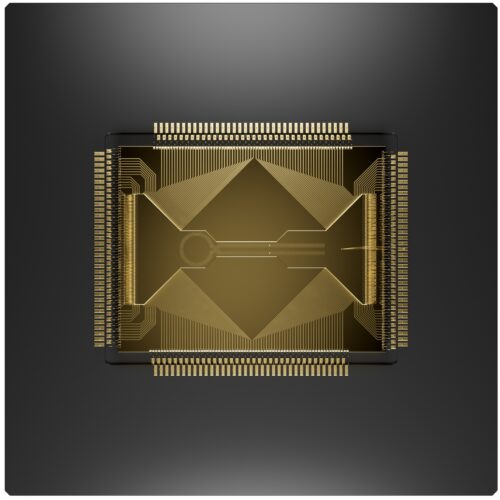
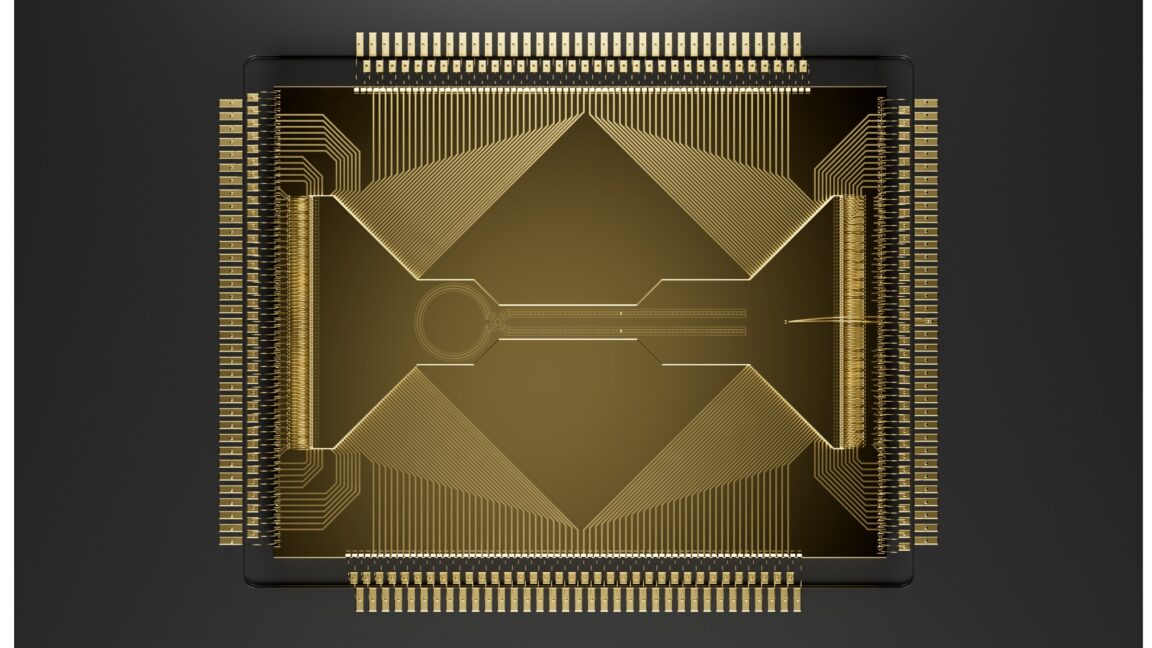
Running complicated algorithms on quantum computing hardware is going to require the use of logical qubits, where collections of hardware qubits are linked together in ways that allow errors to be detected and corrected. In general, the more hardware qubits you dedicate to each logical qubit, the better the chances are of identifying errors. But, given that the hardware qubits are prone to errors, adding more of them also increases the probability that errors will occur. If the hardware error rate is too high, then growing the logical qubit will only make matters worse.
Fortunately, several companies have demonstrated hardware where the error rate is not too high. Several demonstrations show logical qubits are beyond the breakeven point, where adding more qubits improves performance. The problem is that the improvement isn't very dramatic. To lower error rates to levels we'll need to run complex algorithms, we'd have to add a completely impractical number of qubits to each logical qubit.
On Monday, Quantinuum announced that its current generation of hardware is capable of scaling well beyond the breakeven point. Each step up in the size of logical qubits improved some measures of their performance by a factor of over 10.
In copyright lawsuits over AI training, Meta has spent weeks blaming staff for downloading torrents. The company has now been ordered to name executives who authorized decisions to pirate books from shadow libraries like Anna’s Archive and LibGen, TorrentFreak reported.
In a discovery order impacting a class action raised by book authors—including Richard Kadrey and Sarah Silverman—as well as a lawsuit from publisher Entrepreneur Media, Magistrate Judge Thomas Hixon largely agreed that Meta must clearly identify key decision-makers. Following testimony from Meta staff who downloaded torrents, the order could expose a wider range of supervisors, managers, and executives whom staffers said greenlit the piracy.
Meta had been hoping to avoid detailing the chain of command, particularly for leadership involved in early AI training. According to a Meta court filing, its initial efforts to compile massive AI datasets were managed through an “informal approach" where supposedly nobody with authority made any decisions. Instead, Meta insisted that a “decision” was “made only in the sense” that some staffers “technically” downloaded torrents.
The human desire to go fast is old, dating back at least as far as the first time some adventurous Yamnaya saw a horse on the Pontic-Caspian steppe and thought, “I bet if I jumped on that thing’s back, it would be faster than walking.”
A thousand years later, someone else invented the wheel—and the chariot—and humanity was ready to roll. Now, about five millennia since that first horseback ride, equestrianism is mostly a leisure activity, and we drive cars, propelled by motors with more power than an entire herd of beasts could muster.
Acceleration, top speed, and lap times are the usual ways we quantify that performance, and performance electric vehicles are currently in an arms race to see which one can hit 60 mph in the least amount of time. But measuring a car’s performance is easy—all you need is a stopwatch and a track. How about measuring the effect of car performance on the driver? That’s a question Polestar is trying to answer with researchers at the University of Oxford.


Muse, the new general-purpose AI agent from Meta, can expose sensitive information when users share conversations through web links, researchers reported Monday. In response to questions from Ars about the behavior, Meta said it's suspending the sharing feature while the company reviews it and considers making changes.
Like many online services, Muse has allowed users to share searches, conversations, images, and similar content with other people. Such share features usually involve clicking an option to create a unique URL that anyone can use to load a page hosting the content. To keep potentially sensitive information from being accessible to unintended people, the URLs typically contain a long sequence of text that can’t be easily guessed.
Muse, which Meta CEO Mark Zuckerberg said last month was “built from the ground up for privacy and security,” seems to take the same precautions. But a central design decision for constructing URLs has made the links easy to discover. As a result, researchers from security firm Claroc said they were able to enumerate 6,800 links Muse users created for sharing conversations with others. After opening a few hundred of them, the researchers found information that was clearly not intended to be publicly available, including:


As I sat in the cab of the pickup truck and manually rolled down the windows, I closed my eyes and, for the briefest moment, flashed back to opening the windows on a cold, winter day in my dad’s 1975 Ford Ranger to let more cigarette smoke escape. I opened my eyes and looked through the windshield at a wall in the Slate Customer Experience Center studded with bright color chips.
Last week, in a former Tesla store staffed by some former Tesla employees, Slate opened its first showroom. Located in the Fulton Market District just northwest of the Chicago Loop, the Slate Experience Center is a place for would-be buyers to poke around a prototype, check out customization options, buy some Slate merch, and even preorder a new Slate Truck with a $300 deposit.
Designed for the American obsession with pickup trucks, the Slate Truck is a bare-bones electric pickup truck retailing for $24,950. It sports plastic panels, a minimalist interior design sensibility, actual window winders, and a projected range of 205 miles. Ars went for a ride in a Slate Truck over the summer, but we haven't had a chance to shop for one. So I stopped by the Slate Experience Center so I could, er, experience the Slate.


Japan launched a $578 million mission Monday on a five-year expedition to land on the largest moon of Mars and retrieve samples for return to Earth, a daring international project that could yield new insights into the formation of the Solar System.
The robotic Martian Moons eXploration mission, known as MMX, lifted off at 3:41 pm EDT Monday (4:41 am Japan Standard Time Tuesday) from Tanegashima Space Center in southern Japan.
The MMX spacecraft rode into orbit atop a 207-foot-tall (63-meter) H3 rocket, Japan's flagship launch vehicle. The rocket assigned to MMX debuted a new souped-up configuration with four strap-on solid rocket boosters, full-throttle main engines, and an extended payload shroud to accommodate the demands of Japan's heaviest and most ambitious interplanetary mission to date.


Pennsylvania's health department issued a health alert Monday as cases of measles in pregnancy and, in turn, cases of congenital measles have continued to increase. Before the current outbreak—which continues to rage across the state—congenital measles cases hadn't been seen in decades, the department noted in its advisory.
The alert included detailed clinical guidance for managing measles exposures and cases during pregnancy as well as cases in newborns. Many doctors have never seen such cases in their careers given the decades of successful use of the measles, mumps, and rubella (MMR) vaccine. But now, with vaccination rates slipping nationwide, the highly infectious virus is better able to get footholds in communities and spread rapidly through under-vaccinated pockets, as is happening in Pennsylvania.
As of October 19, Pennsylvania had reported 1,286 measles cases this year across 42 counties. Of those, 247 have been hospitalized, and six people have reportedly died (though the latest reported death is still pending an investigation by the state health department before it is added to the state tally).


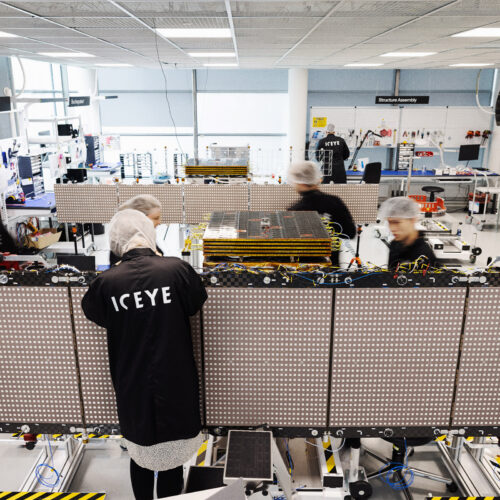
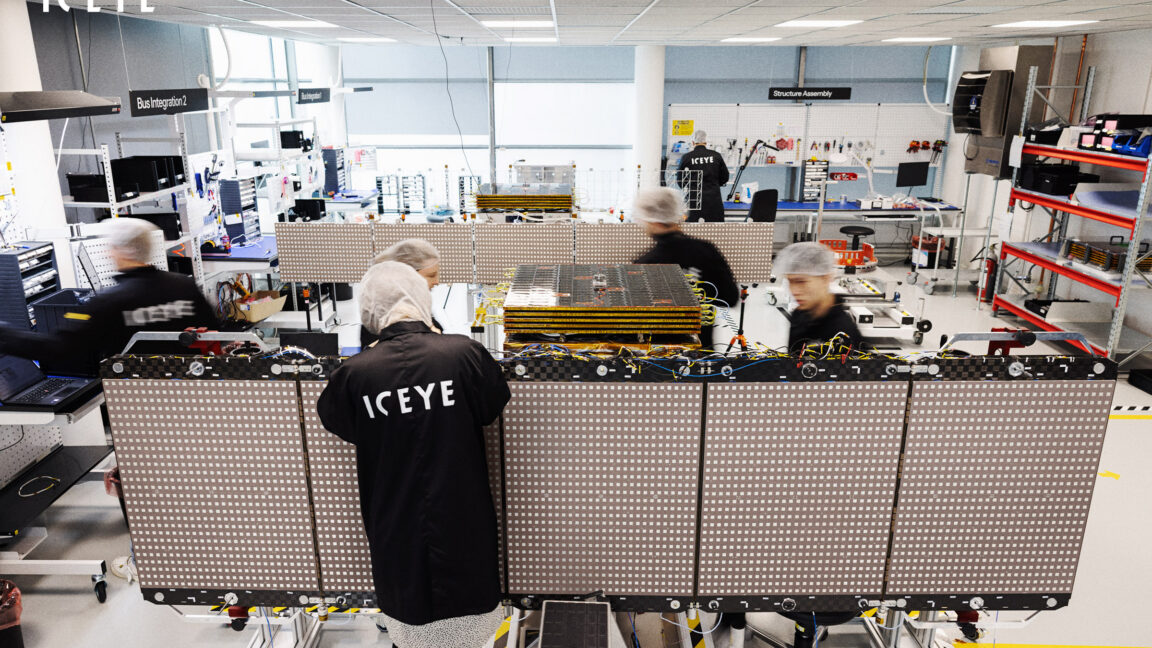
A Russian military satellite maneuvered in "extreme proximity" of a commercial Earth-imaging satellite in recent days in the first known example an unsanctioned rendezvous in low-Earth orbit, according to orbital intelligence company LeoLabs.
The Russian spacecraft, Kosmos 2612, "conducted a deliberate series of maneuvers toward ICEYE-X36, a US-operated commercial imaging satellite," LeoLabs said. "Kosmos 2612 closed from hundreds of kilometers away to extreme proximity to ICEYE-X36. It then maneuvered around ICEYE-X36, remained nearby for an extended period, and then began moving away."
US military officials and independent analysts have tracked Kosmos 2612 since its April launch on a Soyuz rocket from a spaceport in northern Russia. Within weeks, it became apparent that at least four of the six satellites from that launch were stalking ICEYE-X36 after they adjusted orbits to line up with the orbit of the ICEYE spacecraft.

 Lateo.net - Flux RSS en pagaille (pour en ajouter : @ moi)
