 Connexion


There are many algorithms for which it has been mathematically proven that a quantum computer can generate results that would take a classical computer an unreasonable amount of time to generate. Unfortunately, today's quantum computers either can't run those algorithms or can only run simplified versions that classical computers can also handle. This has left the field facing a challenging question: Can we demonstrate the promise of quantum computers on today's noisy, limited hardware?
That's a more difficult question than it may first appear. If you generate a result that's out of reach of today's regular computers, it may not be possible to verify that you got the right result. And given that today's quantum computers are somewhat error-prone, getting the wrong result is a distinct possibility. Further, in the absence of a mathematical proof of the capabilities of quantum hardware, it's possible that a better classical algorithm could outperform the quantum hardware.
These issues inspired IBM to launch a quantum advantage tracker. On Thursday, the company announced three new entries that it says clearly show a quantum advantage, each using a different approach to overcoming errors and validating quantum results. "Trusted computing when you can do classical simulations is irrelevant," IBM's Jay Gambetta told Ars. "Trusted computing when you can't do classical simulations is a big deal."
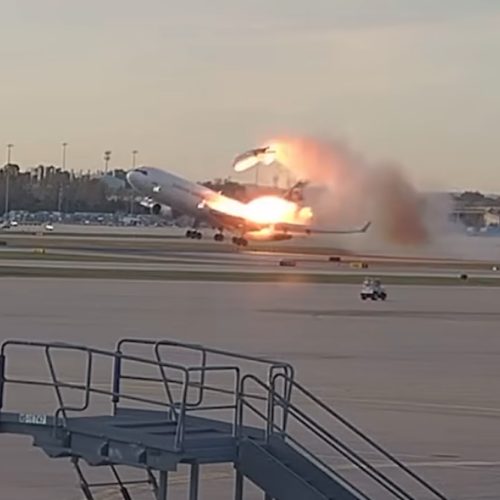
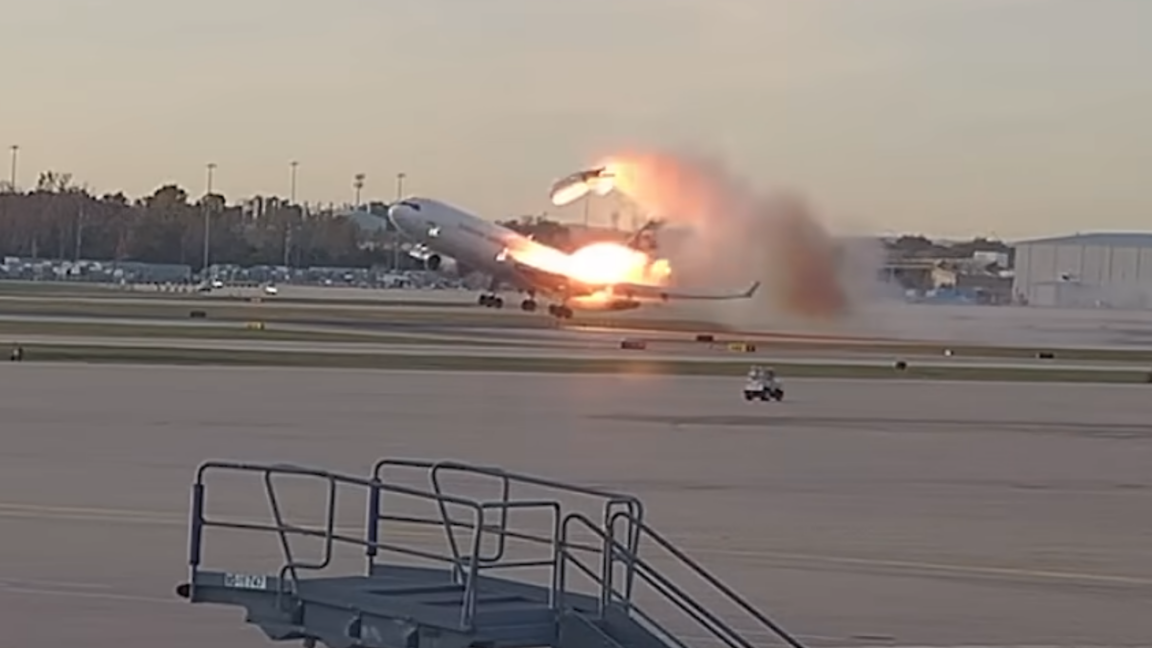
Pilots’ voices from the last seconds of a fatal cargo plane crash have been re-created by Internet sleuths using software and AI tools. The spread of reconstructed audio recordings has prompted a US government agency to suspend all public access to its database of civil transportation accidents—because federal law prohibits investigators from publicly releasing audio from cockpit voice recorders.
The US National Transportation Safety Board (NTSB) usually shares factual reports and evidence gathered from investigations of aircraft crashes and other civil transportation incidents. But on May 21, the NTSB announced that the online docket system containing such information was “temporarily unavailable” as it reviewed the publicly available materials that had enabled people to re-create cockpit audio recordings from aircraft disasters.
“The NTSB is aware that advances in image recognition and computational methods have enabled individuals to reconstruct approximations of cockpit voice recorder audio from sound spectrum imagery released as part of NTSB investigations, including the ongoing investigation of the crash last year of UPS flight 2976 in Louisville, Kentucky,” according to an NTSB statement. “The NTSB does not release cockpit audio recordings.”

 Lateo.net - Flux RSS en pagaille (pour en ajouter : @ moi)