 Connexion


What makes a display a Mini LED display?
It's a question that sounds like it should have a simple answer. But it's now at the center of a lawsuit between two of the biggest names in TVs, with TCL accusing its longtime competitor Samsung of falsely advertising budget LCD-LED TVs as Mini LED sets.
TCL may have a point. Samsung's M-series TVs, which range from $300 for a 43-inch model to $2,300 for a 100-inch model, do raise some legitimate questions about what should qualify as Mini LED. More broadly, though, the dispute highlights a problem for shoppers: Without agreed-upon standards for what "Mini LED" actually means, manufacturers have plenty of room to define the technology for themselves.
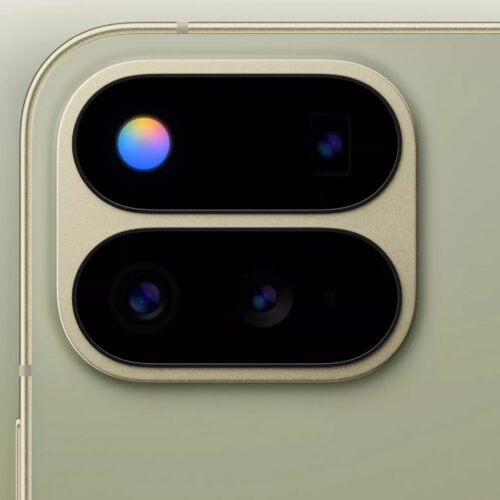
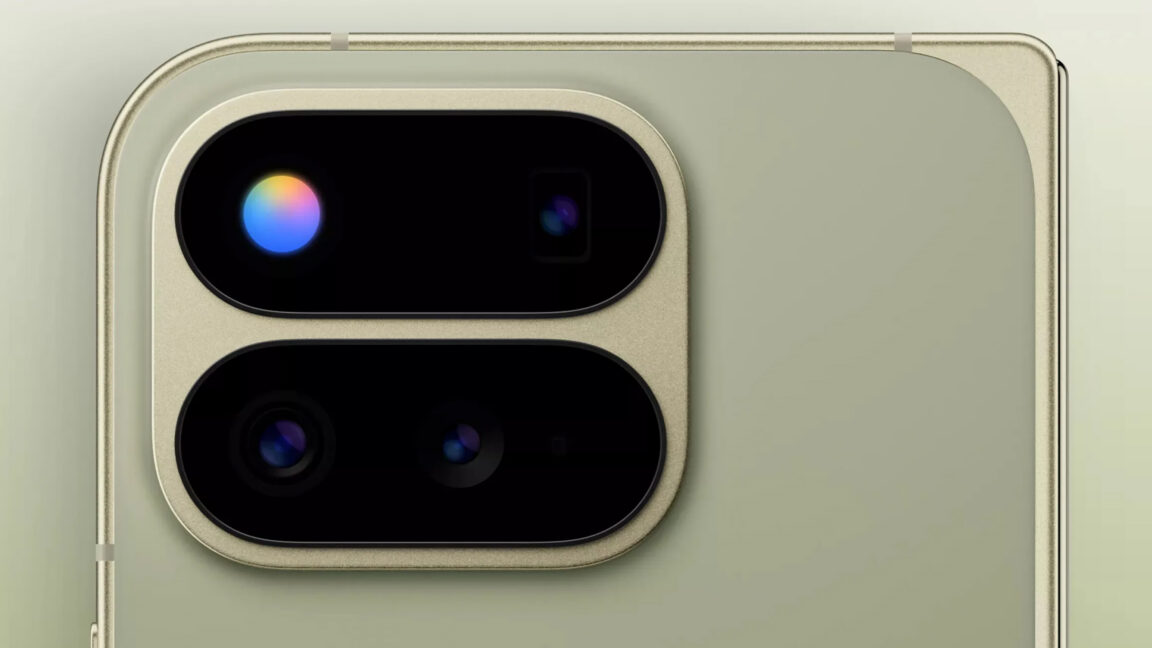
Google will reveal the Pixel 11 series later this month, but leaks and teasers so far have painted a picture of phones that have barely changed since last year. One notable exception seems to be the illuminated dot from some of the teasers. This has been rumored as "Pixel Glow," but a new leak all but confirms a different (and less interesting) name. Say hello to HiLight.
A post on Bluesky by WinFuture's Roland Quandt shows the new LED inside the camera module of the Pixel 11 Pro Fold. We can see the actual body of the device rather than a shadowy outline as in Google's teasers, and it does look a bit different than the previous Pixel Fold.
The camera bump on the Pixel 11 Pro Fold is smaller, with no separate section for the flash off to the right. It appears that HiLight is the flash. Presumably, it still works as a flashlight and camera flash, but it can also produce a range of colors.
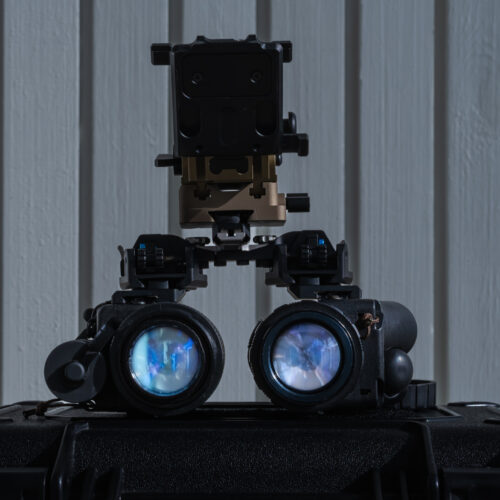
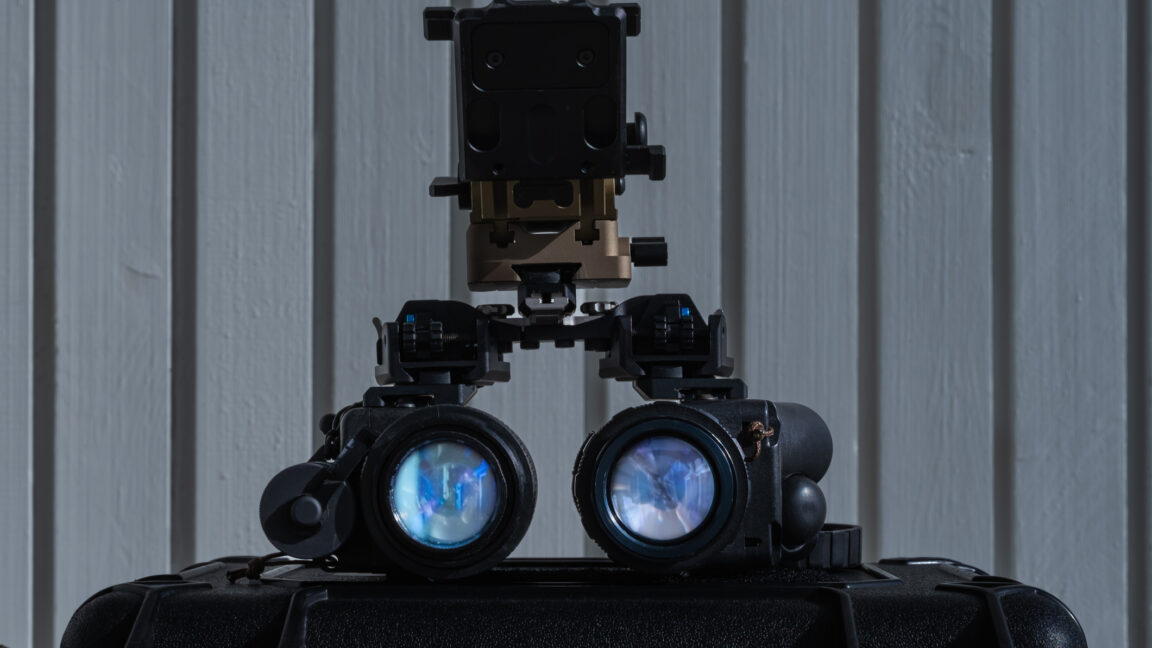
Human eyes don’t register the infrared portion of the light spectrum because infrared photons don't carry enough energy to trigger the signaling pathway inside our light-sensing cells. But we’ve been able to make devices that give us a visual representation of what’s happening in the infrared.
A team at the Beijing Institute of Technology, led by Xin Tang and Ge Mu, has now built a device that lets people see infrared in a new way. Instead of just translating it to visible shades of green as it’s done in standard night-vision goggles, it translates different infrared wavelengths into distinct parts of the visual spectrum, giving the eye something closer to natural vision.
Researchers achieved that by combining mercury telluride colloidal quantum dots, which absorb infrared light, and a dual-layer OLED, which converts that absorbed energy into visible color. Stacked together with the right internal wiring, they make incoming infrared radiation come out the other side as an ordinary-looking, full-color image.
Did you know that the space shuttle once launched the Statue of Liberty into space?
In fact, there were two "Lady Liberties" on board Discovery when it lifted off on its fourth flight in April 1985. To be fair, each statue was only 15 inches tall (38.1 centimeters), but they were also each made of copper that was removed from the full-size statue during its then-still-ongoing restoration.
After the weeklong STS-51D mission was over, one of the space-flown statues was placed on display, and the other was melted down to create copper seals, which were then sold to the public by the Statue of Liberty Ellis Island Centennial Commission.


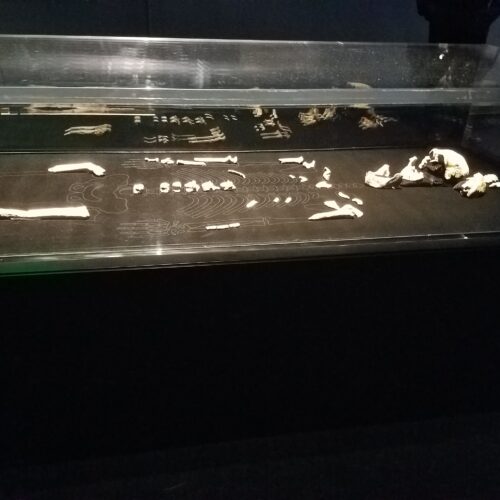
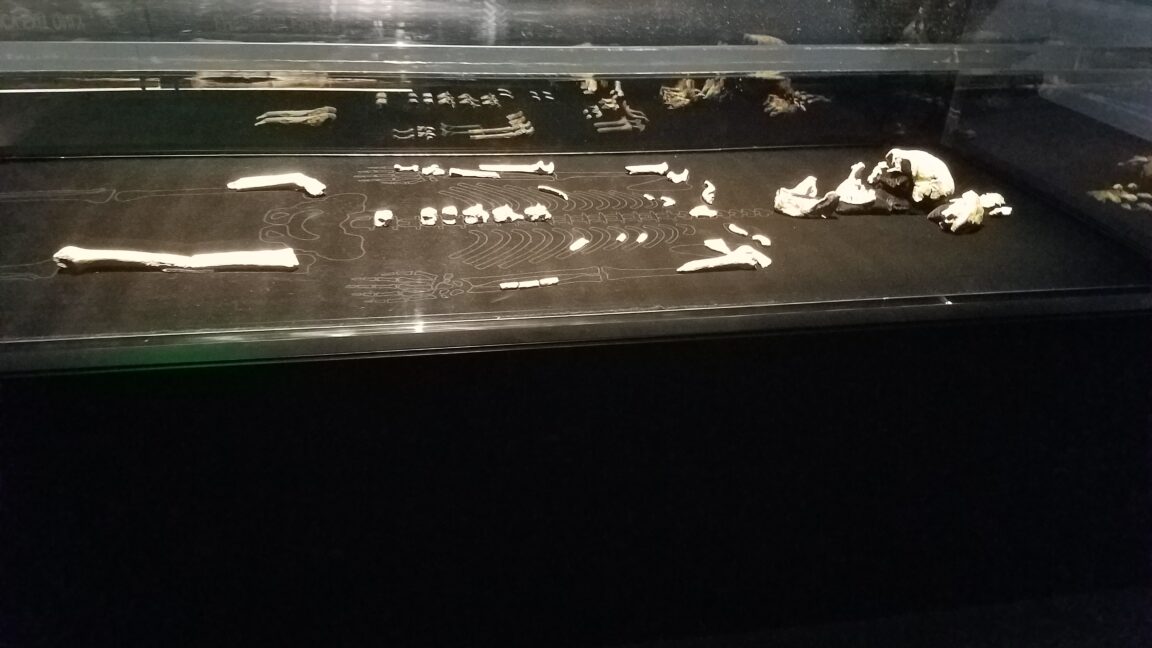
All the Homo naledi skeletons in Rising Star Cave are female, and that probably didn’t happen by accident.
In 2013, a team of anthropologists led by Lee Berger unearthed the remains of more than 20 small-bodied hominins (ancient relatives of humans), all 335,000 to 236,000 years old, from the Rising Star Cave System in South Africa. Excavations at Rising Star have sparked debate about whether these little hominins had all ended up in the caves by tragic accident, or whether they’d been carefully placed there by other members of their enigmatic species, dubbed Homo naledi.
Now there's a plot twist that may speak to how the remains got there: All of the hominins in Rising Star are female, at least according to the proteins in their dental enamel.

 Lateo.net - Flux RSS en pagaille (pour en ajouter : @ moi)