 Connexion


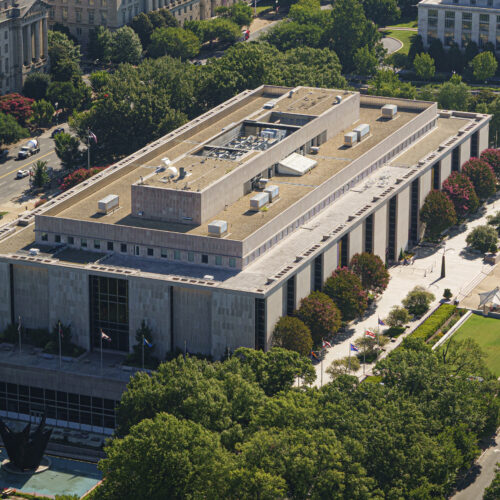
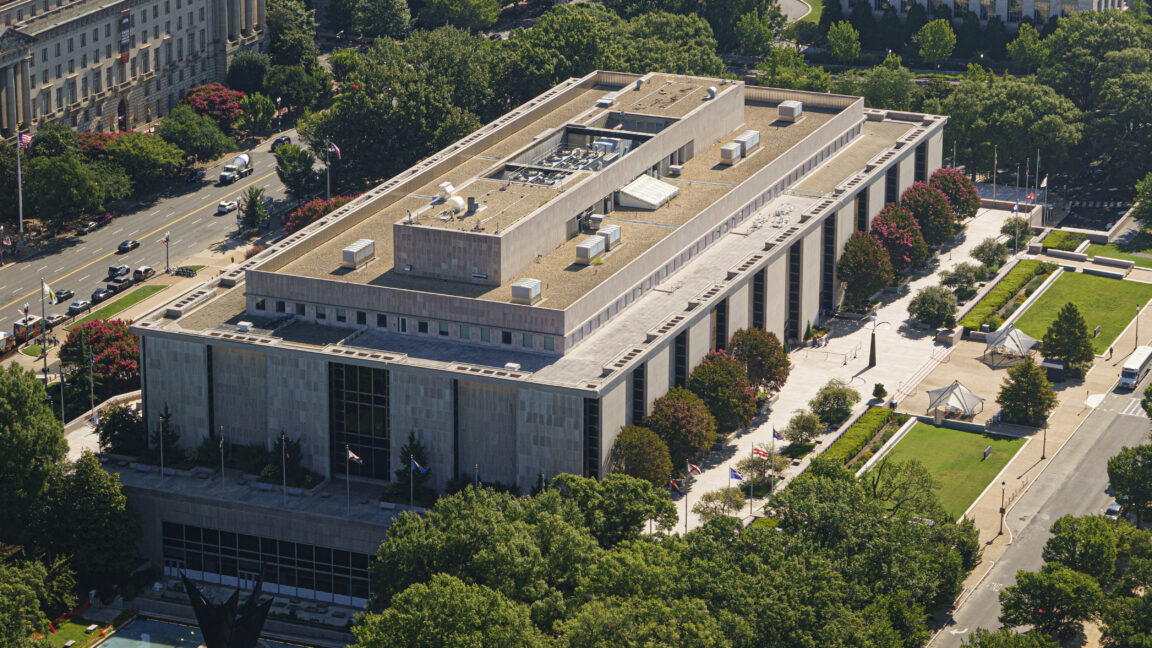
In November 2021, the Smithsonian’s National Museum of American History opened an exhibit called “The Electric Dr. Franklin,” describing “Benjamin Franklin’s pioneering contributions to electrical science.” The exhibit explained that, prior to becoming an abolitionist, he had enslaved people in his household. “Benjamin Franklin’s remarkable scientific accomplishments were, in part, enabled by slavery,” it declared.
The exhibit speculated that Franklin may have used enslaved people in his electrical research. “Franklin wrote about experiments in which he took shocks and used family and friends in these ways, although he seldom identified who in particular assisted him,” stated the exhibit, which closed in 2025 but can still be found online. “Indentured servants and enslaved people in his household could also have been used, although we may never know for certain.”
It was an eye-catching conjecture: one of the most revered of the Founding Fathers subjecting people held against their will to possibly painful shocks. And it was one of many details singled out for criticism in a blistering 162-page White House report released in July that argued that the museum had fallen victim to an “ideological capture” that “moved the Museum’s mission away from straightforward historical education and scholarship toward an extreme political activism that seeks to transform our country.”
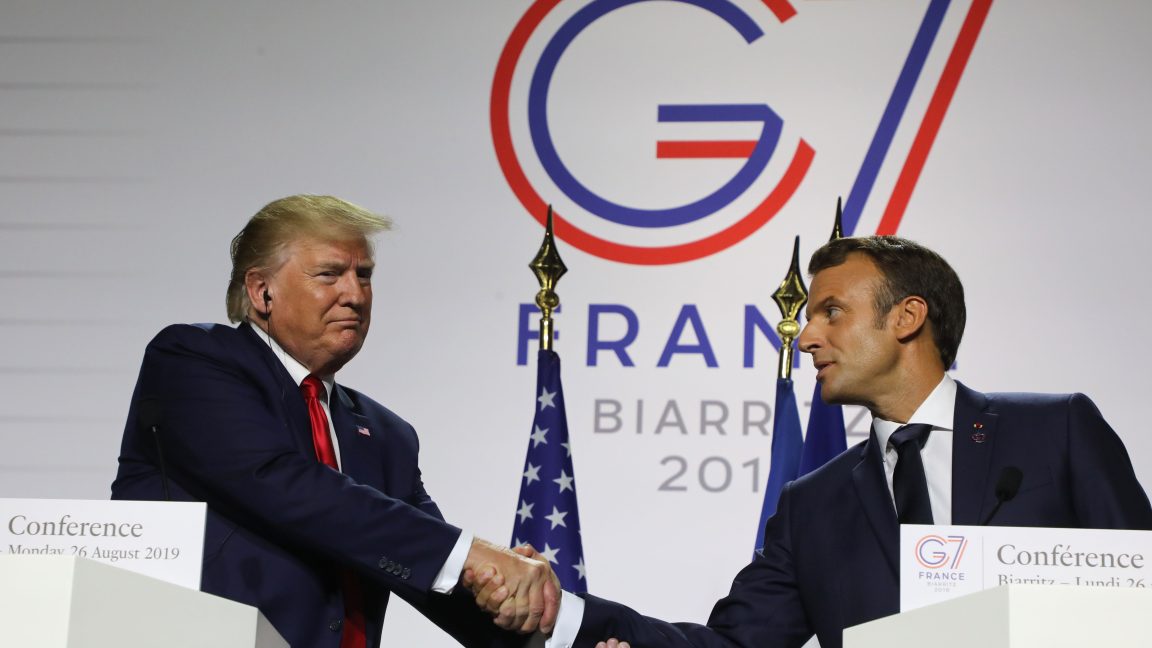
The normally genteel world of international space policy turned ugly this week as several prominent US space companies—including SpaceX, Blue Origin, Stoke Space, K2, and Starcloud—pulled out of a high-profile French space summit organized by the country's president, Emmanuel Macron.
Politico first reported the diplomatic turmoil, saying that the White House "pressured" US space companies to skip Macron's space summit in Paris next week. Since then, the companies have largely pulled out of the meeting without commenting publicly, though some US representation remains on the two-day program.
Multiple sources confirmed to Ars that an official with the White House Office of Science and Technology Policy, or OSTP, led the call with US space companies late last week. The call was convened in response to queries from US industry about the French meeting, which is not part of the traditional circuit of international space conferences.

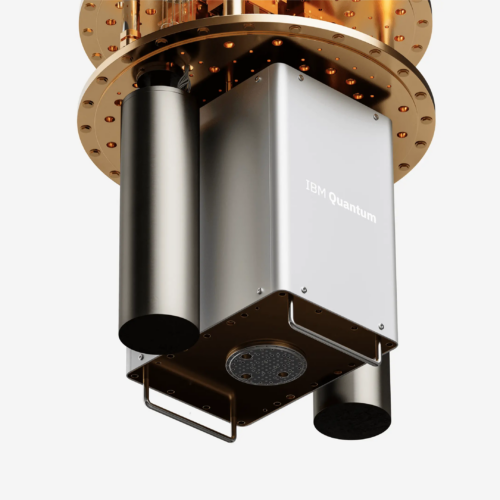
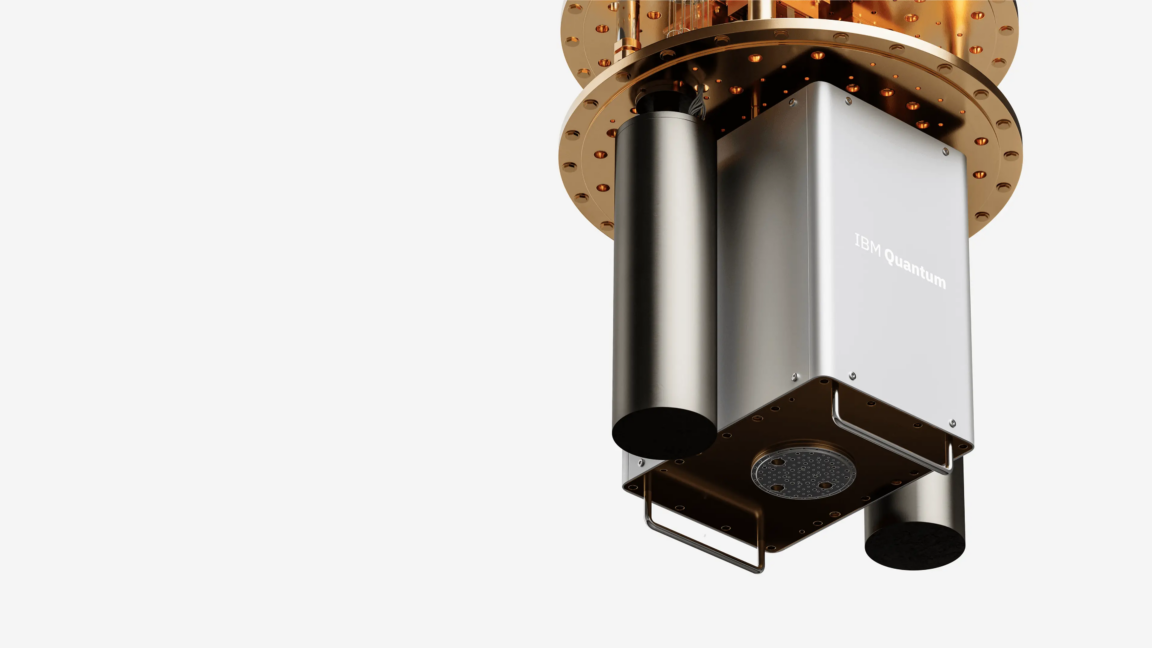
There are many algorithms for which it has been mathematically proven that a quantum computer can generate results that would take a classical computer an unreasonable amount of time to generate. Unfortunately, today's quantum computers either can't run those algorithms or can only run simplified versions that classical computers can also handle. This has left the field facing a challenging question: Can we demonstrate the promise of quantum computers on today's noisy, limited hardware?
That's a more difficult question than it may first appear. If you generate a result that's out of reach of today's regular computers, it may not be possible to verify that you got the right result. And given that today's quantum computers are somewhat error-prone, getting the wrong result is a distinct possibility. Further, in the absence of a mathematical proof of the capabilities of quantum hardware, it's possible that a better classical algorithm could outperform the quantum hardware.
These issues inspired IBM to launch a quantum advantage tracker. On Thursday, the company announced three new entries that it says clearly show a quantum advantage, each using a different approach to overcoming errors and validating quantum results. "Trusted computing when you can do classical simulations is irrelevant," IBM's Jay Gambetta told Ars. "Trusted computing when you can't do classical simulations is a big deal."
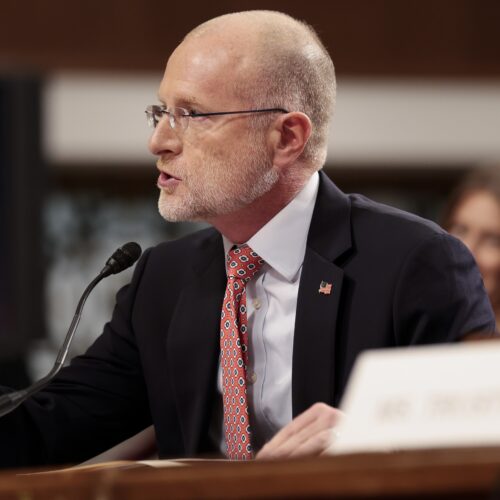
The Federal Communications Commission will vote to repeal the National Television Ownership Rule that is supposed to prevent a single broadcast station owner from reaching more than 39 percent of all TV households in the US. The proposed change sets up a likely court battle over the FCC claim that it has authority to repeal a limit set by Congress.
FCC Chairman Brendan Carr has already treated the rule as more of a suggestion. In March, the Carr FCC granted a waiver allowing Nexstar Media Group to buy Tegna in a deal that let it reach over half of TV households. The Carr FCC argued that Congress gave it authority to modify or waive the rule.
Carr now plans to repeal the 39 percent limit and replace it with a "case-by-case review" of each proposed merger, the chairman announced today in an op-ed published on Breitbart. The change would make it easier for the FCC to pick and choose which station groups get to surpass the limit. Under Carr, this would likely benefit news companies that provide favorable coverage for President Trump.

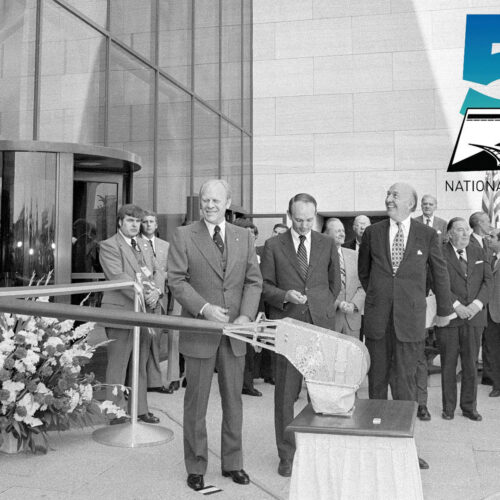
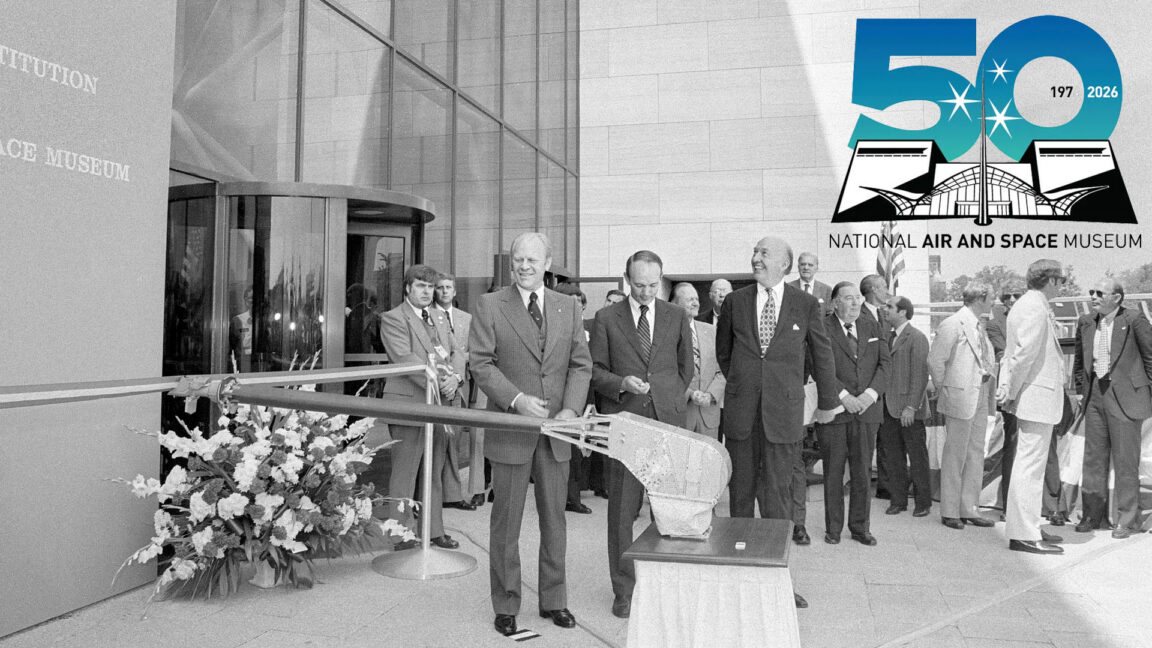
Michael Collins looked down at his watch.
The Apollo 11 astronaut had already beaten the original schedule for the opening of the National Air and Space Museum by three days, but no one would remember that if these final 36 minutes didn't go perfectly.
President Gerald Ford and Vice President Nelson Rockefeller took 35 seconds to find their seats on the red, white, and blue bunting-lined outdoor stage. The flyover by the Thunderbirds was quick enough. At any other event, it would have been the only time-dependent concern of the day.
Humans do not just visit space; they live there, but a major part of that is coming to an end. The platform that made the longest continuous human presence in space possible is becoming history.
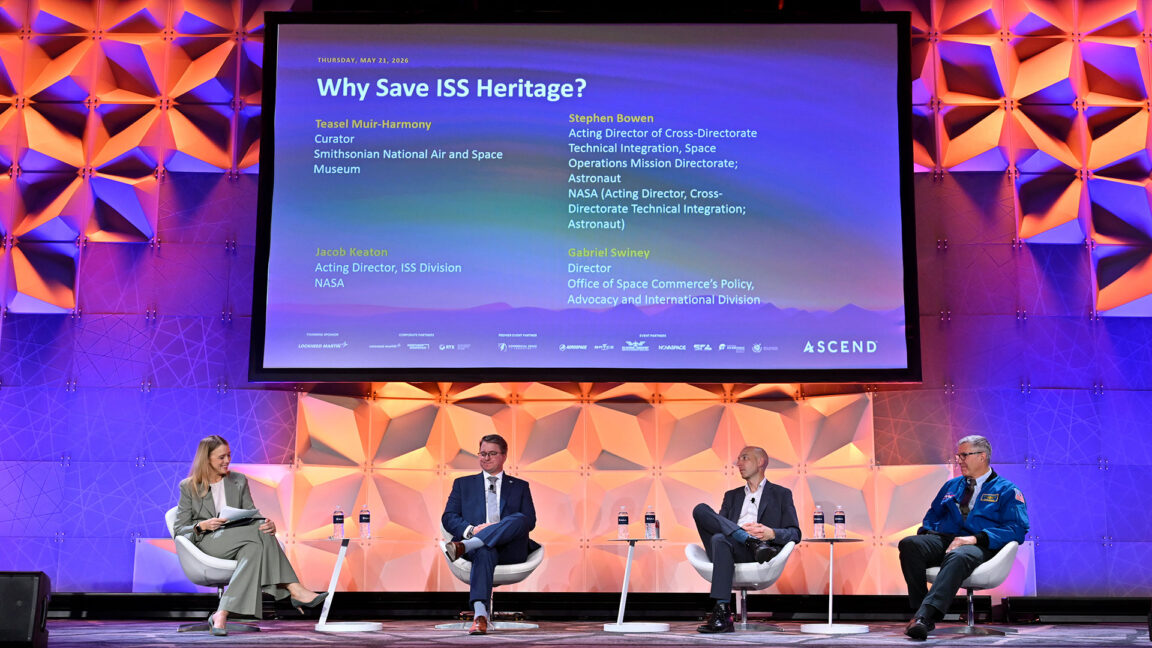
With NASA and its partners beginning preparations for the destructive end of the International Space Station (ISS) as soon as 2030, those who collect, curate, and study the station are now asking how to preserve the historic and culturally significant artifact, given that it is far too large and complex to keep intact.
The Smithsonian National Air and Space Museum on Thursday hosted a three-part panel discussion, bringing together space program officials, museum curators, an archeologist, and an astronaut to begin answering the why, what, and how the ISS might be saved. The sessions were part of the American Institute of Aeronautics and Astronautics' (AIAA) ASCEND conference in Washington, DC.


 Lateo.net - Flux RSS en pagaille (pour en ajouter : @ moi)