 Connexion


Everyone knows that great gimmicks are the key to hiring top developers for your startup.
That's why small AI startup LemonLime—which "optimizes your existing data to work with AI"—has so many of them. Want a job interview? Score a perfect 7/7 on the company's own "Is it a Lemon or a Lime?" game. Or—hear me out—get something permanently tattooed on your flesh.
LemonLime has tried both tactics in the past few weeks. The tattoo stunt generated the most publicity, of course, much of it negative. According to a writeup in Inc., seven people took the deal and got tattooed with the LemonLime logo during a party.


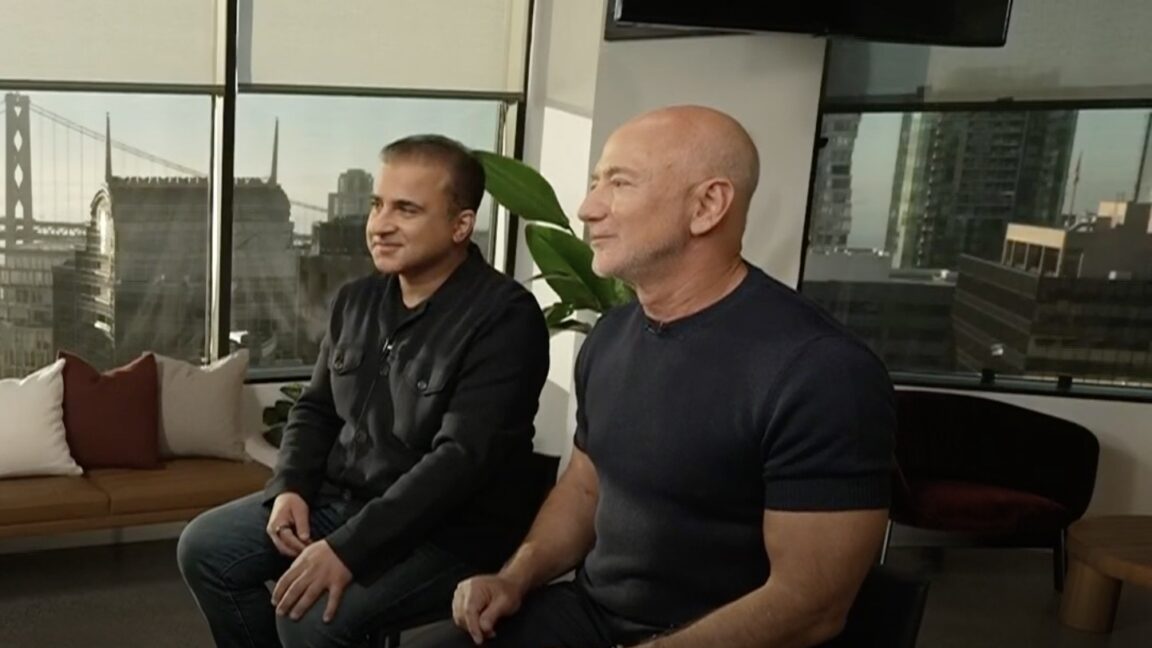
In November, Jeff Bezos announced that he would become co-CEO of a new startup called Prometheus. At the time, the startup said it would focus on "physical AI"—an increasingly common term for applying the same deep learning principles behind large language models or generative AI to things like robotics and manufacturing—but specifics were scarce. Now, with a major new round of funding, Bezos and co-founder Vik Bajaj have talked about it in slightly more detail.
The funding round is significant—$12 billion now, after an initial round of $6.2 billion last year, for a valuation of $41 billion. The funding comes from JPMorgan Chase, Goldman Sachs, BlackRock, and others, plus a sizable amount from Bezos' coffers. The startup currently employs 150 people.
Much of that funding will be put toward buying compute. "One of the reasons we’ve had to raise a significant amount of funding is because... what we’re doing is very compute-intensive and we need to create that data," Bezos told CNBC.

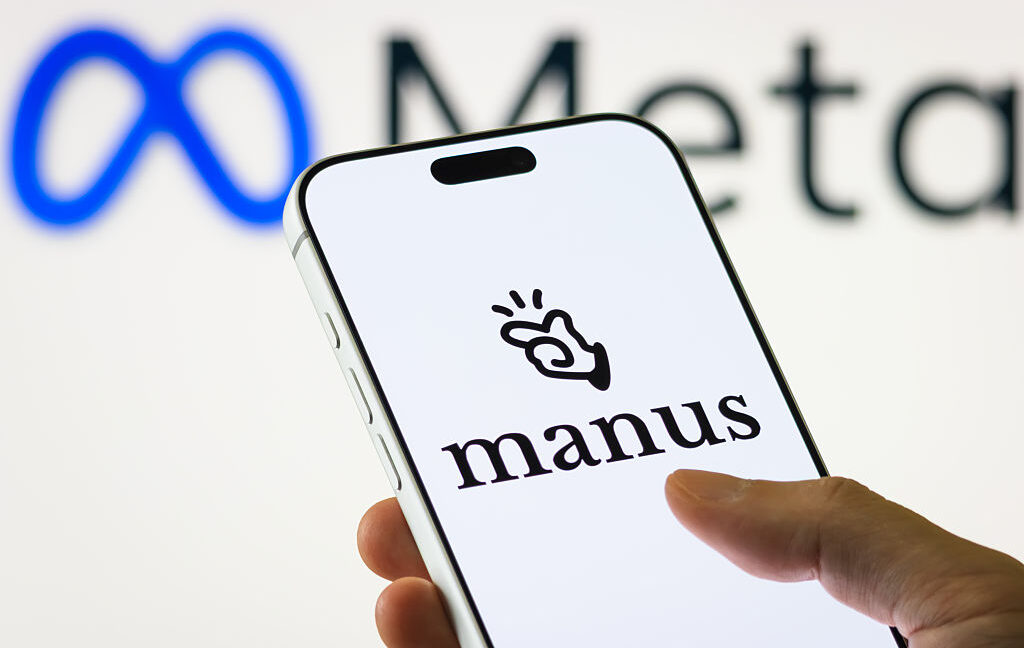
China has blocked US tech giant Meta’s acquisition of the AI company Manus that was founded by Chinese tech entrepreneurs. That development indicates how difficult it has become for US and Chinese tech companies to strike and sustain such deals as government authorities on both sides take an increasingly hard line amid the deepening US-China AI rivalry.
The Chinese government formally asked Meta to unwind the acquisition on April 27 after deciding to ban foreign investment in Manus based on national security concerns. It had already spent months officially scrutinizing Meta’s $2 billion acquisition of Manus that took place in December 2025—Chinese regulators announced they were reviewing the deal in January 2026 and instructed the two Manus cofounders to not leave China while the investigation was ongoing, according to The Wall Street Journal.
Manus burst onto the scene in March 2025 with its “general AI agent,” designed to help users with tasks such as searching real estate sites for a new home or booking airline tickets and hotels for an international trip. The Manus AI agent is an “agentic wrapper” or “agentic harness” that enables an underlying AI model—in this case, Anthropic’s Claude 3.7 Sonnet—to take actions to carry out user requests. But Manus actually incorporates multiple AI agents to perform and verify tasks, including a planner agent that assigns tasks and an executor agent that can browse and interact with websites, create spreadsheets, use various software tools, and even code new applications.


 Lateo.net - Flux RSS en pagaille (pour en ajouter : @ moi)