 Connexion


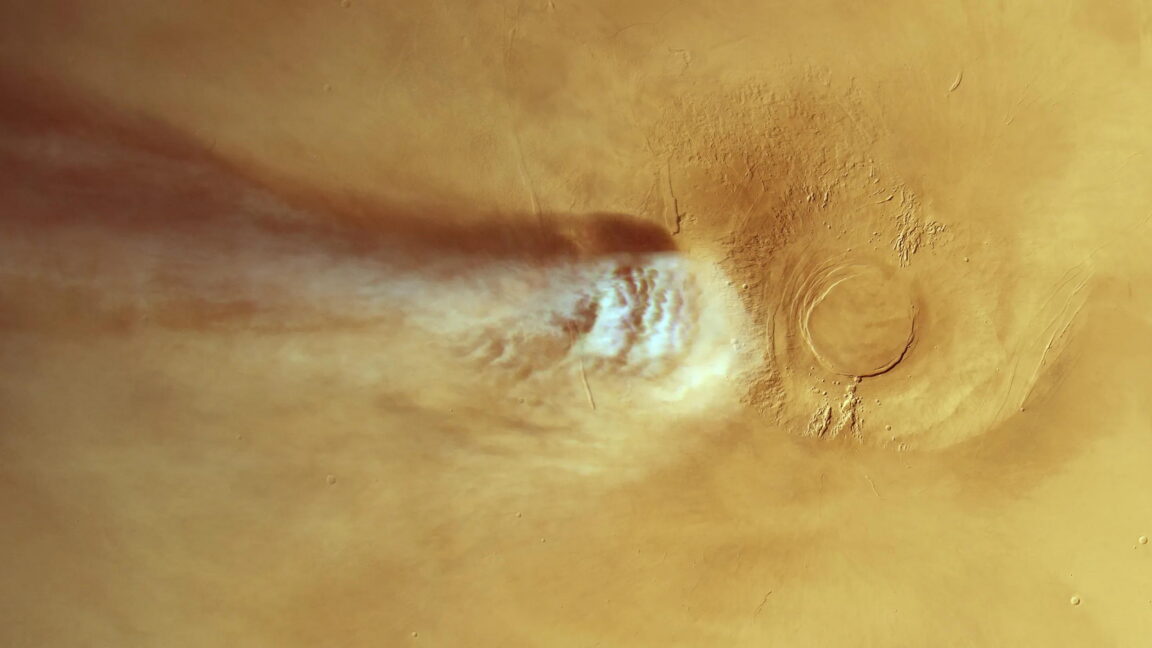
Every morning during the Martian spring and summer, a thin and extremely long cloud emerges, only to disappear again. The wispy formation appears near the volcano Arsia Mons and gradually elongates until it reaches over 1,000 miles—about the distance from New York to Kansas City as the crow flies—before dissipating. This cycle then repeats for several months.
Since it was first recorded by a probe in 2018, scientists have been unable to find a plausible explanation for the existence of this cloud, often referred to as the Arsia Mons Elongated Cloud (AMEC). Until now. Recently, researchers successfully modeled the cloud’s formation for the first time, their results suggesting that it may be driven by a physical process that has never been directly observed in any planet's atmosphere.
"We found that we needed to include some exotic physics… physics that, while included in textbooks, is treated as theoretical and usually thought not to happen in nature. It certainly hasn’t been seen in action before," Jorge Hernández-Bernal, a planetary scientist at Paris’ Sorbonne Université and lead author of the study, said in a press release. "Once we included this physics in our simulations, the AMEC emerged just as we hoped.”
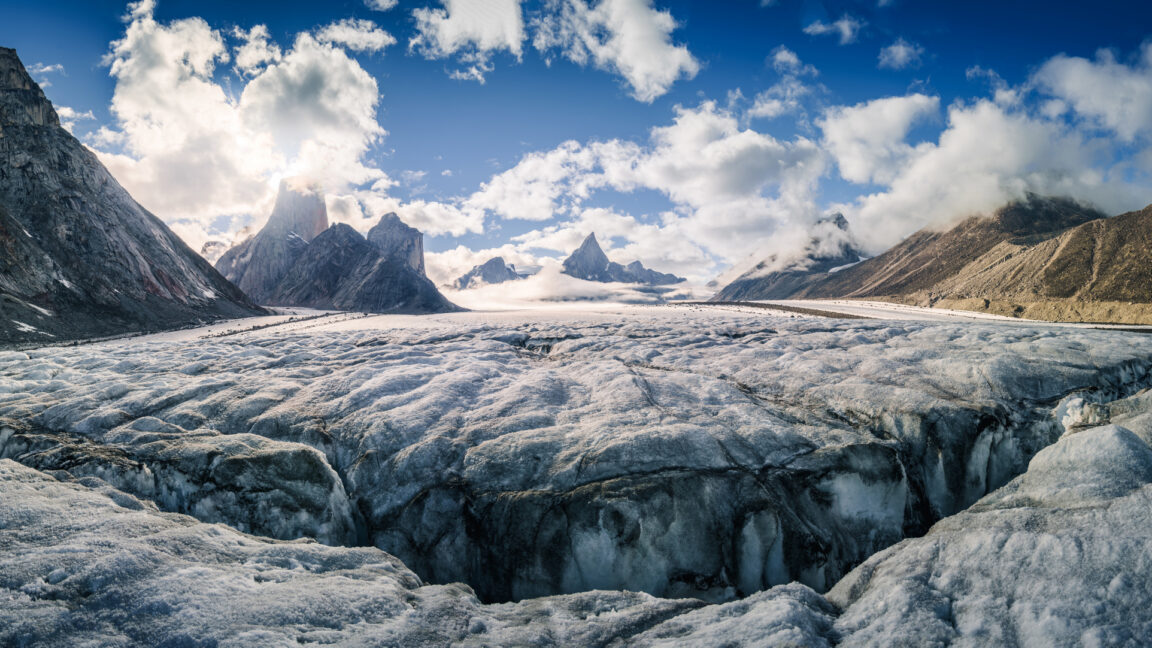
Barnes Ice Cap sits on the central plateau of Baffin Island, in the Canadian Arctic. It is the last surviving fragment of the Laurentide Ice Sheet, the largest of the Pleistocene ice sheets, which at its peak buried most of Canada under two miles of ice and locked away around 80 meters of sea level. That remnant has now yielded direct physical evidence that ice sheets might have reversed their retreat and started to grow again thousands of years ago.
In a recent Science study, researchers show that the Laurentide reached its smallest size about 3,600 years ago, then started re-expanding roughly 2,000 years ago, which the team interprets as the opening move of the next glaciation. Apparently, this brand-new ice age was on its way until about 1960, when human-caused climate warming reversed it.
“Barnes is the last remaining piece of one of the domes of the Laurentide Ice Sheet,” says Nicolás Young, a geologist at Columbia University's Lamont-Doherty Earth Observatory and lead author of the study. As that enormous dome thinned through the Holocene, its margin withdrew up onto Baffin Island, and what's left today is the deflated core of something that was once two miles thick. The reason Barnes can testify about its own history, Young explains, comes down to the temperature at its base.
Leaders in the US Space Force would like to have a new spaceport up and running in four years, adding a third heavy-lift launch site to relieve pressure from bases in Florida and California that have shot rockets into orbit for nearly 70 years.
The obvious problem with that ambition is 2030 is four years away, and Pentagon officials have not determined where the new spaceport should go or how to acquire land for it.
Air Force Secretary Troy Meink first mentioned the service's search for a third launch base in May. A congressionally mandated study of the Space Force's launch infrastructure identified the need for "another site that's capable of heavy and super heavy launch capability," Meink said in a House Armed Services Committee hearing.
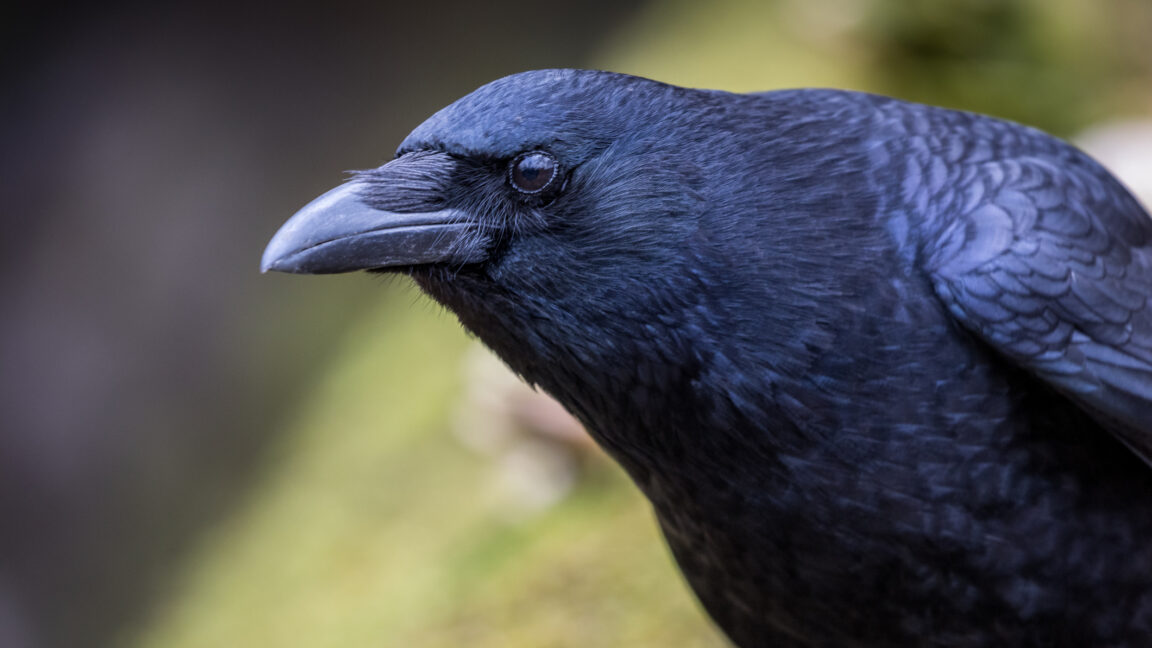
Much of what we know about how a brain makes decisions comes from studying monkeys watching dots. In a task known as a random-dot-motion task, a cloud of flickering specks drifts weakly in one direction while the subject tries to determine whether—and in which direction— it’s moving. The task has shown that in the primate neocortex, neurons gather visual evidence over time, with their firing rates climbing until they cross a threshold, when the animal commits to a decision.
But avian brains don’t have a neocortex, so it wasn’t obvious how they made similar decisions.
“This was the big question,” said Andreas Nieder, a neurobiologist at the University of Tübingen. “How [would] a differently organized avian brain encode decisions?”

A 25-year-old German experimental photographer has won the 2026 Nikon Small World photomicrography competition with a striking image of droplets of ink being deposited on paper by an inkjet printer. Ole Bielfeldt beat out 1,802 other entries hailing from 69 different countries.
Bielfeldt became interested in photomicrography during the COVID-19 lockdown after discovering an old microscope in his parents' attic. He figured out how to build an adaptor out of a tube and some wood to connect the microscope to his father's camera and taught himself the art through trial and error, building custom tools as needed. He documents how he captures transformative images of everyday objects with behind-the-scenes videos posted to macrofying, his photography and videography brand.
It was Bielfeldt's curiosity about the inner workings of inkjet printers that inspired his winning entry, but capturing the action of ink drops being deposited on paper was a challenge, given that the process happens so quickly. The droplets, for instance, moved faster than the camera's shutter speed. Bielfeldt's solution was to deconstruct the printer so that the paper moved under a stationary (rather than moving) printhead, and then take the image in a dark room, using a flash to serve as the shutter, thereby freezing the ink drops mid-air. There was no need for pricey equipment. Bielfeldt does not use AI in his images, preferring to rely on traditional techniques.


Running complicated algorithms on quantum computing hardware is going to require the use of logical qubits, where collections of hardware qubits are linked together in ways that allow errors to be detected and corrected. In general, the more hardware qubits you dedicate to each logical qubit, the better the chances are of identifying errors. But, given that the hardware qubits are prone to errors, adding more of them also increases the probability that errors will occur. If the hardware error rate is too high, then growing the logical qubit will only make matters worse.
Fortunately, several companies have demonstrated hardware where the error rate is not too high. Several demonstrations show logical qubits are beyond the breakeven point, where adding more qubits improves performance. The problem is that the improvement isn't very dramatic. To lower error rates to levels we'll need to run complex algorithms, we'd have to add a completely impractical number of qubits to each logical qubit.
On Monday, Quantinuum announced that its current generation of hardware is capable of scaling well beyond the breakeven point. Each step up in the size of logical qubits improved some measures of their performance by a factor of over 10.


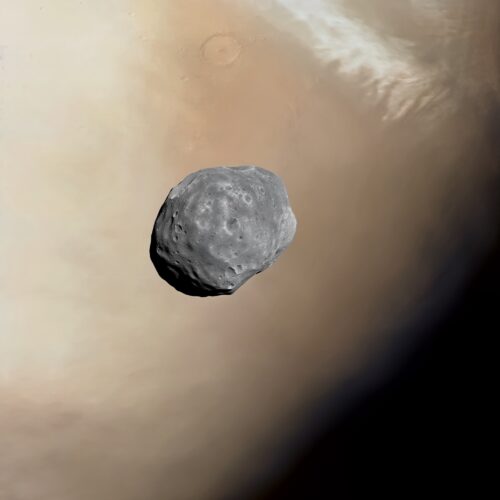
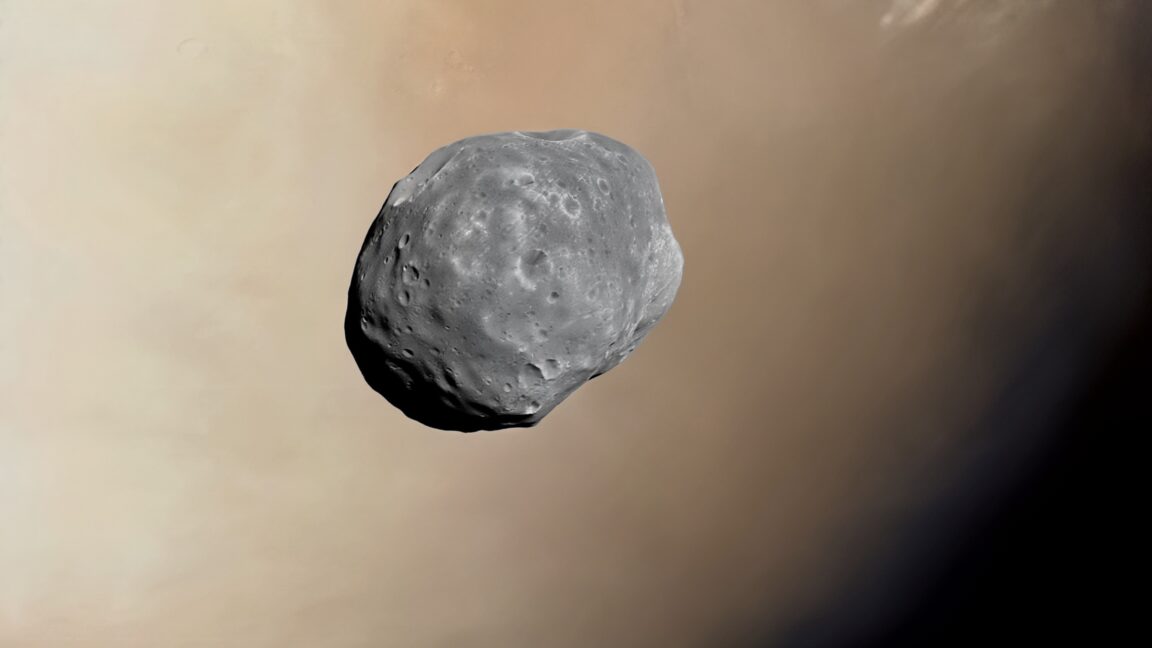
Japan launched a $578 million mission Monday on a five-year expedition to land on the largest moon of Mars and retrieve samples for return to Earth, a daring international project that could yield new insights into the formation of the Solar System.
The robotic Martian Moons eXploration mission, known as MMX, lifted off at 3:41 pm EDT Monday (4:41 am Japan Standard Time Tuesday) from Tanegashima Space Center in southern Japan.
The MMX spacecraft rode into orbit atop a 207-foot-tall (63-meter) H3 rocket, Japan's flagship launch vehicle. The rocket assigned to MMX debuted a new souped-up configuration with four strap-on solid rocket boosters, full-throttle main engines, and an extended payload shroud to accommodate the demands of Japan's heaviest and most ambitious interplanetary mission to date.
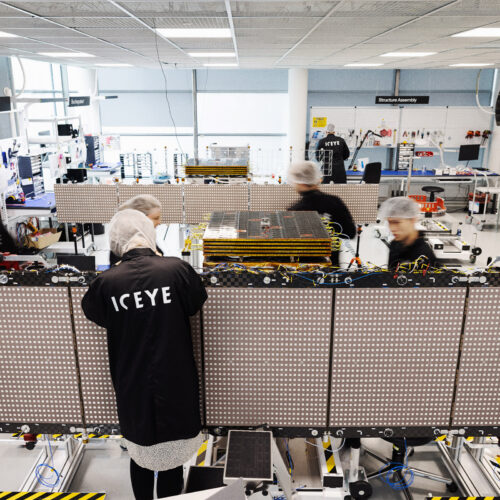
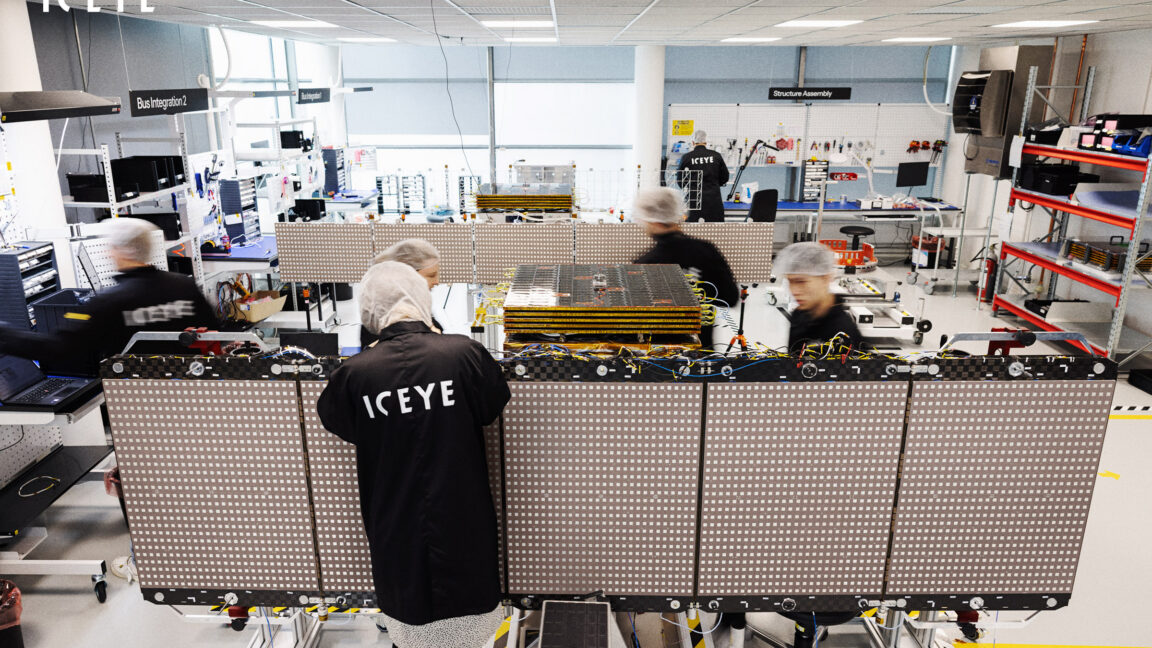
A Russian military satellite maneuvered in "extreme proximity" of a commercial Earth-imaging satellite in recent days in the first known example an unsanctioned rendezvous in low-Earth orbit, according to orbital intelligence company LeoLabs.
The Russian spacecraft, Kosmos 2612, "conducted a deliberate series of maneuvers toward ICEYE-X36, a US-operated commercial imaging satellite," LeoLabs said. "Kosmos 2612 closed from hundreds of kilometers away to extreme proximity to ICEYE-X36. It then maneuvered around ICEYE-X36, remained nearby for an extended period, and then began moving away."
US military officials and independent analysts have tracked Kosmos 2612 since its April launch on a Soyuz rocket from a spaceport in northern Russia. Within weeks, it became apparent that at least four of the six satellites from that launch were stalking ICEYE-X36 after they adjusted orbits to line up with the orbit of the ICEYE spacecraft.
The first order of business for the energy transition is electrifying applications like vehicles and heating and making sure that the electricity that powers them is made using renewables. But once the dominant slices of the emissions pie have shrunk, other categories with less potential to reduce emissions become important.
A new study led by Haiwei Zhou at the University of Melbourne focused on the emissions associated with making lithium-ion batteries, which many parts of the energy transition rely on. Those emissions aren’t zero, so as we use more and more batteries, that number will grow. Right now, the researchers estimate that these emissions only account for 0.18 percent of annual greenhouse gas releases, but they could increase by a factor of 10 or more by 2050.
There are a number of ways to reduce the emissions required to make a battery. Some elements used in various lithium-ion battery chemistries are more energy-intensive to mine and refine than others. The battery manufacturing process involves many steps that could be made more energy-efficient. And then there’s recycling, which can put battery materials back into the loop while requiring much less energy than mining.

The world’s first demonstration of a subsea geothermal power plant has taken place near an active underwater volcano almost a mile below the ocean surface. It generated less than 10 seconds of net-positive electricity but showed the technical feasibility of tapping another form of renewable energy underwater.
The three-week test deployment of the 3-ton prototype power plant took place at the Axial Seamount in the northeast Pacific Ocean in September. Endurance Energy, the Seattle-based startup behind the effort, aims to eventually commercialize subsea geothermal power for Pacific island nations and other customers looking for alternatives to importing expensive fossil fuels.
“The deep ocean gives us unlimited cold seawater for cooling, and its weight keeps the system and the well pressurized, so our plants can be compact,” said Andrew Redd, founder and CEO of Endurance Energy, in an email to Ars.
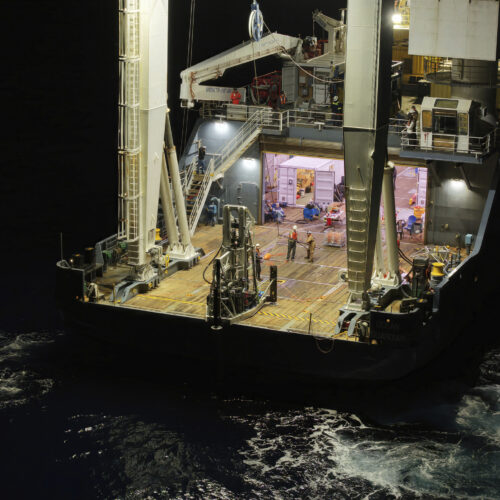
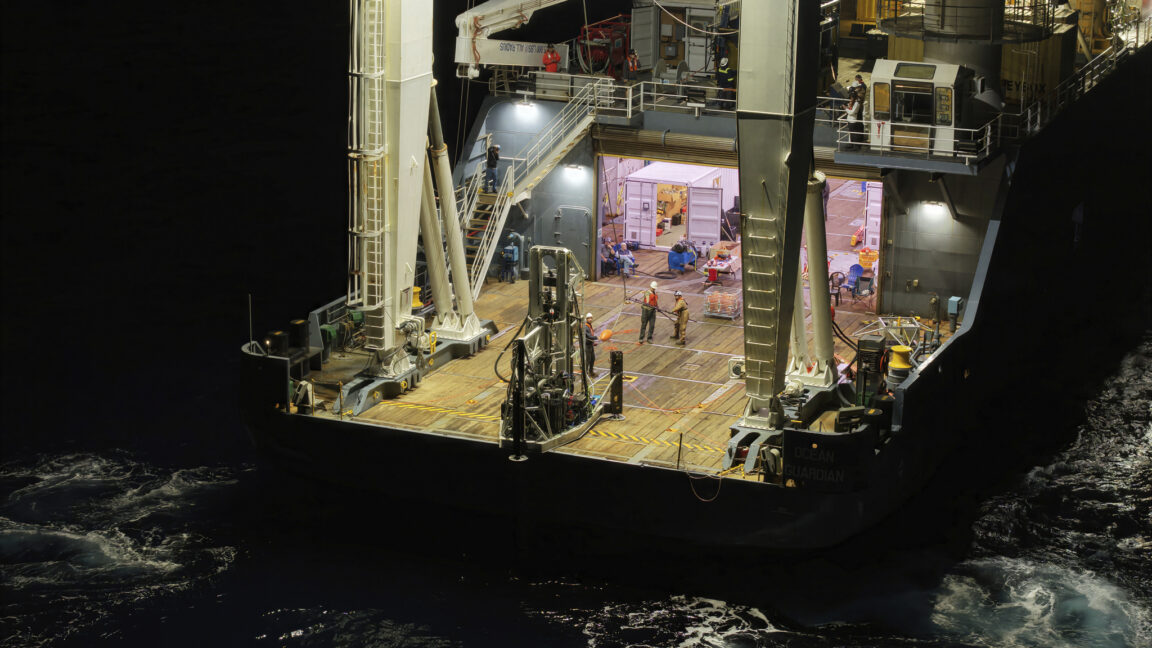
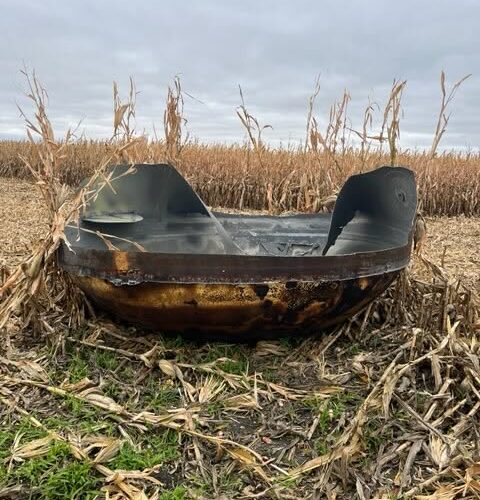
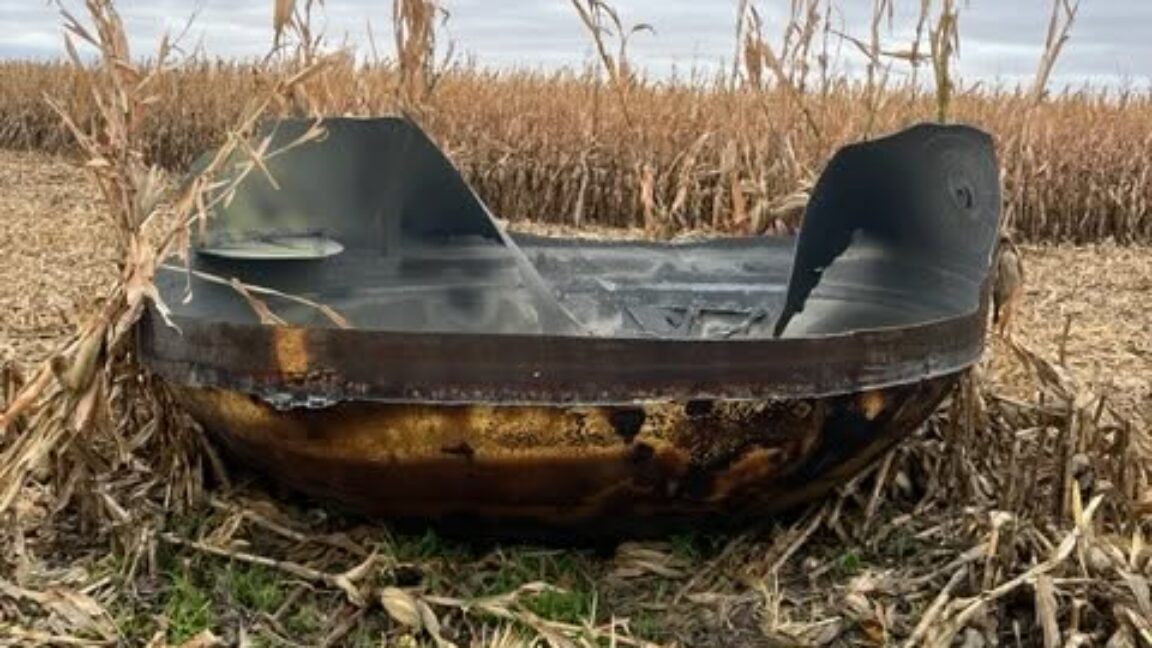
About a month ago, a Chinese rocket took off from a remote spaceport in the Gobi Desert, released 10 satellites into orbit, then reignited its engine and put itself on a trajectory to rain down debris over the American Midwest.
The rocket's flight on September 15 lasted between 75 and 80 minutes, and it came down without completing a full orbit of the Earth. Social media posts at the time showed streaks of fiery debris falling from the sky, heading north over Kansas toward Minnesota. The overnight spectacle was also visible on the western horizon from Wisconsin.
The exact time, location, and direction of the debris allowed experts to connect it to the launch of a Zhuque-2E rocket, a medium-lift vehicle built by a Chinese company called LandSpace. The rocket had launched from Dongfeng, a commercial launch zone co-located with the military-run Jiuquan Satellite Launch Center in northwestern China, less than two hours before.
Close to 1 billion meetings take place each day around the world. CEOs spend nearly three-quarters of their workdays in meetings. Planning for and spearheading meetings eats up the lion’s share of managers’ time. In much of the industrialized world, meetings are both the metronomes and menaces of people’s working lives.
Given the enormous time spent in workplace meetings, do we know what they accomplish or how to make them as worthwhile as possible? For decades, the answer was… not really. Meetings weren’t a particularly accessible subject of study. But that has changed. Once a tiny niche area, “meeting science” is a growing specialization among organizational and social psychologists. The field is accelerating as archived virtual meetings provide vast swaths of data. And it is providing a fascinating window into human behavior.
Meeting to talk helps fulfill basic human needs to connect, communicate, and cooperate. People have long come together—in caves, fields, market squares, and town halls—to get something done, share ideas, get on the same page, or just to remark on the weather. But meeting scientists define their subject as gatherings of people “with some goal or structure to the event,” says organizational psychologist Liana Kreamer of the Florida Institute of Technology, who coauthored a review of over three decades of meeting science in the 2026 Annual Review of Organizational Psychology and Organizational Behavior.


The Liberty Bell, with its famous crack, hasn't been rung in 180 years, but that hasn't stopped scientists from pondering what the bell might have sounded like when tolling. In honor of the nation's 250th anniversary, researchers at Penn State University have modeled its acoustic properties, drawing on data collected from one of the bell's replicas. The work was first presented at a meeting of the Acoustical Society of America in Philadelphia earlier this year, followed by an article in Physics Today.
Historians aren't sure exactly when the Liberty Bell acquired its distinctive crack, just that it occurred sometime between 1817 and 1846. An 1846 account in the Public Ledger described the ringing of the bell on February 23 that year and mentioned that the bell had developed a crack, which someone had attempted to fix by filing the sides down. But it didn't work: The February 23 ringing extended the crack even more, so much so that "the old Independence Bell ... now hangs in the great steeple irreparably cracked and forever dumb." Nobody has heard it ring since.
This wasn't the first time the bell had cracked; the rim cracked shortly after it arrived in Philadelphia in 1752, the first time the clapper struck while testing the sound. It was recast by two local foundry workers, John Pass and John Stow, not once but twice, because the first recast produced a sound that one bystander likened to coal scuttles banging together.


One reason plastics are used so often is that they’re chemically inert, meaning bags, food containers, and cups don't react with what we put in them. Yet they can still break down into microplastics, which turn up in drinking water, human blood, arteries, and brains. The consequences of that are uncertain.
“Whether microplastics can directly cause human disease is still being researched,” said Wei Min, a chemist at Columbia University. In a new Nature study, Min's team took a step toward answering this question by demonstrating that microplastics are likely not as chemically inert as we might expect.
Min's lab has spent years working on microdroplet chemistry, studying how water broken into tiny droplets behaves at its boundary with air. These droplets have been reported to generate reactive oxygen species, or ROS, a family of harmful, oxygen-containing molecules. “ROS will essentially bump into proteins, lipids, DNA, and cause damage,” Min said. “You could break a DNA strand into segments. You could mutate DNA; you could misfold proteins.”


Rocket Lab announced Wednesday that its Neutron launch vehicle won't fly until 2027, citing an issue discovered during manufacturing of the rocket's carbon composite structures.
The announcement was public confirmation of what nearly everyone inside Rocket Lab and the wider space industry already knew. The most recent official update from Rocket Lab in August suggested the company still held hope of delivering the first Neutron rocket to its launch pad at Wallops Island, Virginia, before the end of this year, a schedule that would have almost certainly pushed the first flight into 2027.
But Rocket Lab's statement Wednesday about Neutron's schedule suggests the company is still struggling with manufacturing the rocket's large booster stage. Neutron's reusable first stage is made of carbon composite structures, which offer low weight, high strength, and corrosion resistance. But carbon composites in aerospace are generally harder to manufacture than metallic structures.
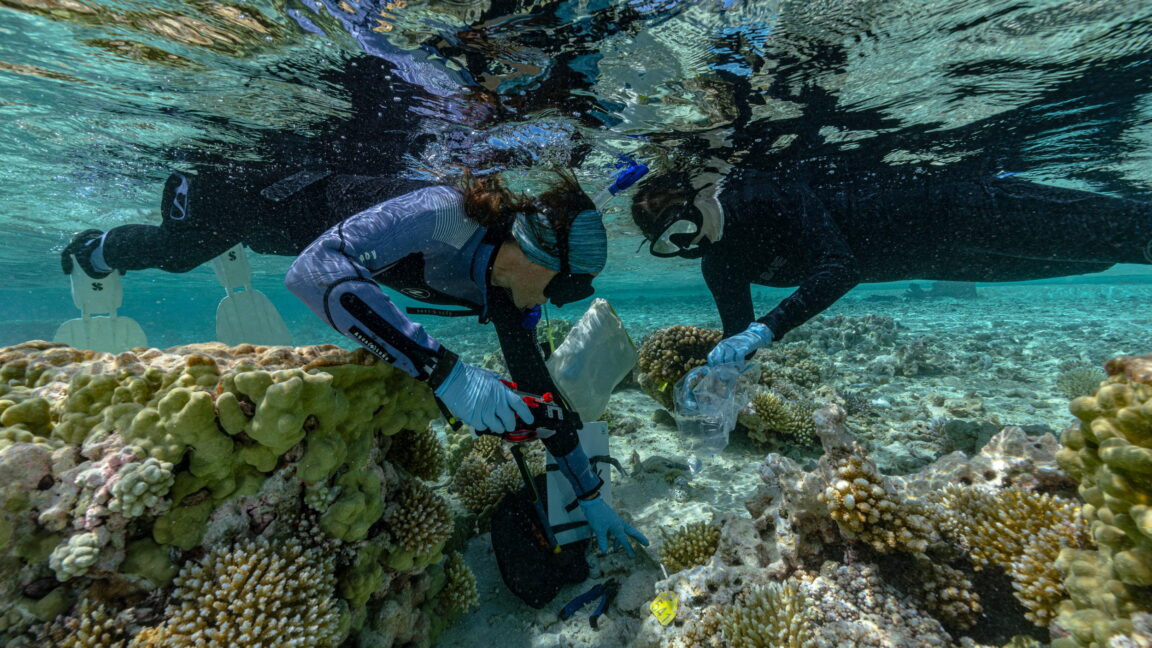
Coral-fringed tropical atolls are among the landforms most threatened by global warming, but many have a potential superpower: Healthy ecosystems may help them keep pace with rising seas.
Atoll islands with native vegetation and thriving seabird populations are “naturally active systems that can change and adapt to their environmental conditions if they are allowed to do so,” said Nick Graham, a marine ecologist at Lancaster University in the United Kingdom, who led an international team of scientists that studied island resilience across 28 atoll islands in the Pacific and Indian oceans.
Their paper, published Wednesday in Science Advances, shows that restoring atoll ecosystems reinforces their growth. Seabirds ferry nutrients from the open ocean and deposit them on the atolls as guano that nurtures land plants, marine life and coral growth. This provides more material for reef building, as parrotfish and other reef feeders turn dead coral into sand to maintain beaches, while native plants with extensive root networks stabilize sediments.
Most planetary scientists will tell you the heyday of Venus exploration was more than a generation ago. That is about to change.
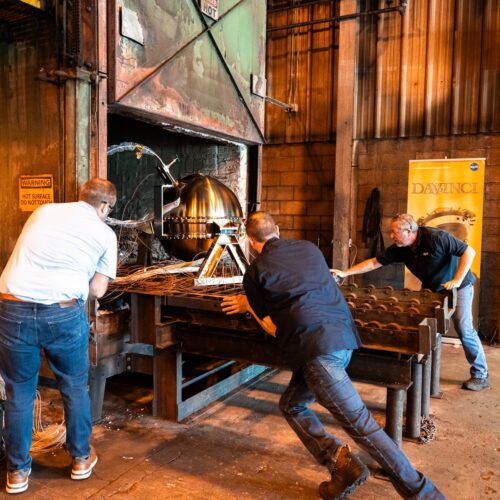
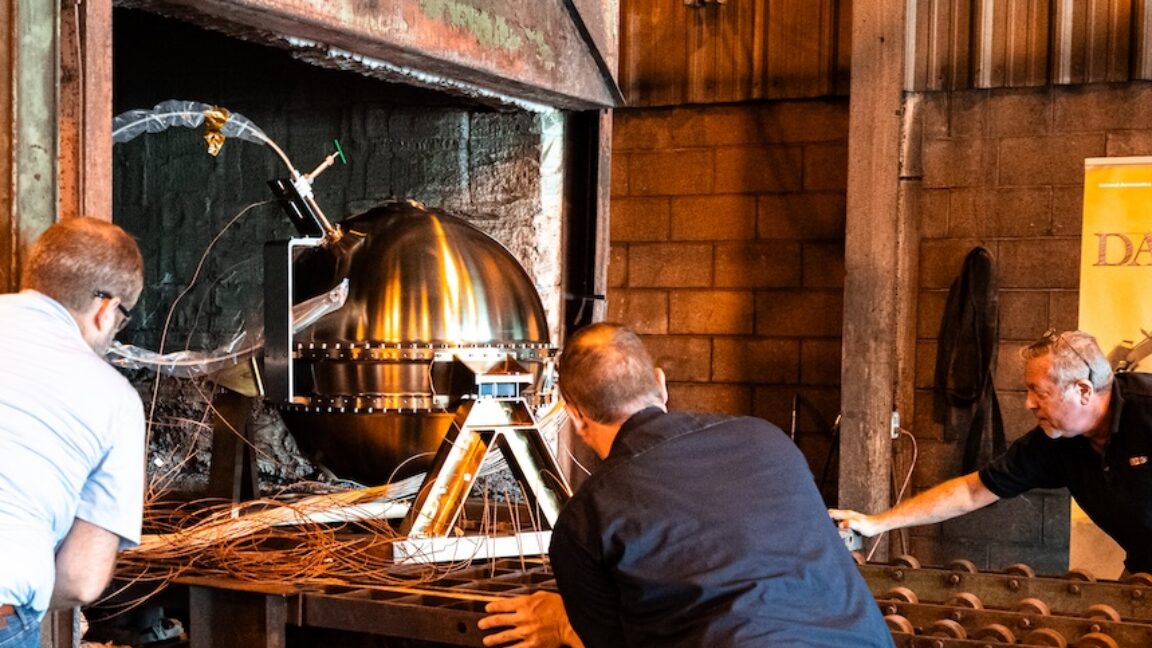
Two NASA missions are on track to launch to Venus in the early 2030s. The first, known as the Deep Atmosphere Venus Investigation of Noble gases, Chemistry, and Imaging (DAVINCI), is now scheduled for launch in December 2030, a year earlier than previously planned. DAVINCI will send a parachute-assisted descent probe through the atmosphere of Venus, returning the first direct images of the planet's surface since 1982. A second mission, Venus Emissivity, Radio science, InSAR, Topography, And Spectroscopy (VERITAS), will follow with a launch in November 2032 to map the Venusian surface by radar from orbit.
The European Space Agency is building another orbiter, Envision, for launch to Venus in 2032. The Venus armada might get started as soon as next year, when Rocket Lab aims to launch a privately funded probe to search for signs of organic material in the planet's clouds.
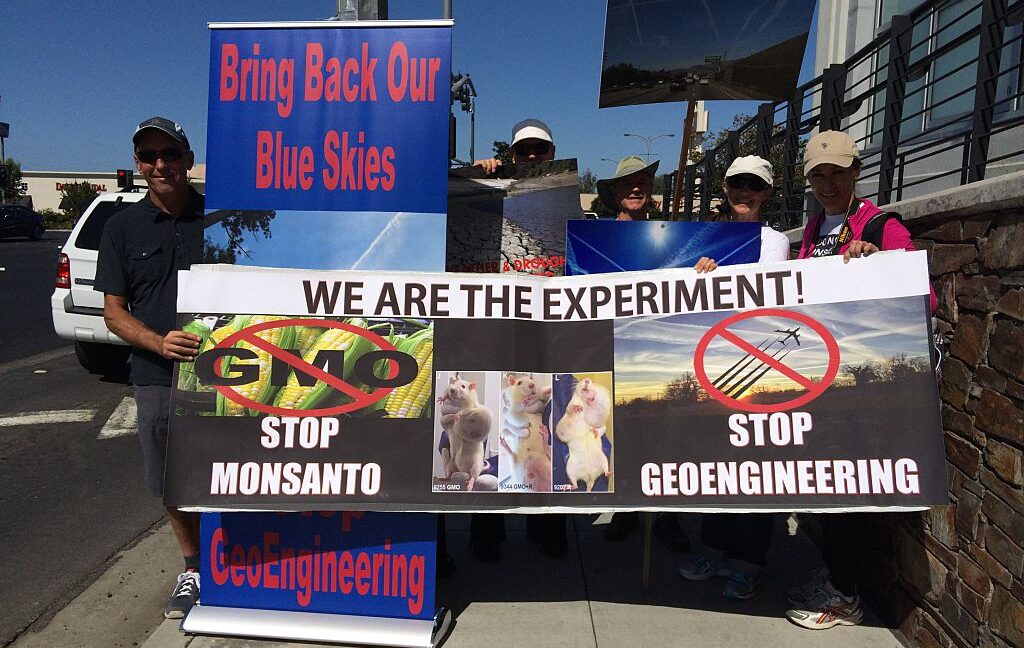
When it comes to deciding the fate of the planet, Colleen Golja always thought science and reason would have a seat at the table. That was until one morning last September in London, when the climate researcher took part in the first in a series of war games. The goal: to prevent an uncontrolled global race to develop a technology aimed at cooling the planet but that comes with vast, unknown risks that could reshape life on Earth.
“I thought that would be such an easy thing. Like, we can all agree to do ethical research and make sure it's for the better of all humans,” she told WIRED. “And boy, was I wrong.”
The simulation, titled Exploring Geopolitical Tipping Points and Climate Cooling Strategies, saw a couple dozen foreign-relations experts, scientists, military personnel, and former government officials from across the world convene in a meeting room at Queen Mary University of London. After making introductions over coffee and little yogurts, they sat at tables arranged in a square with the name of the country or organization each person was playing: national governments, climate NGOs and nonprofits, indigenous groups, and tech companies. Golja was assigned to provide technical advice to help participants make scientifically literate decisions.

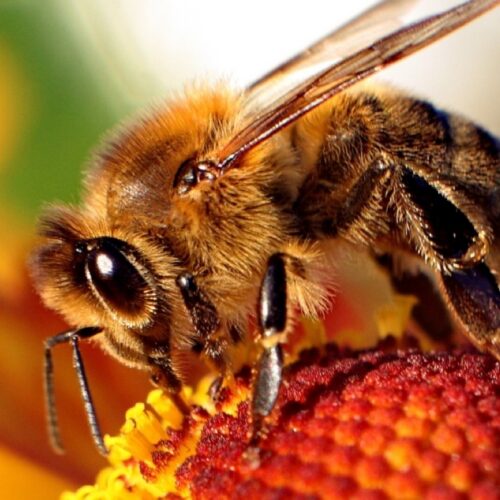
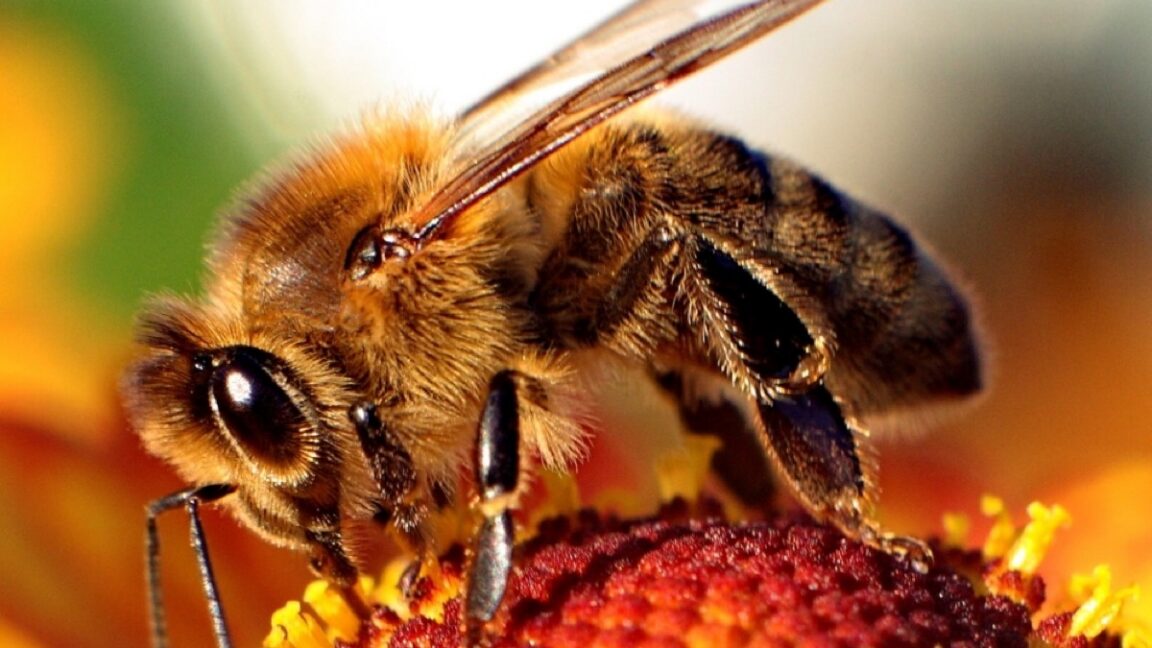
Honey bees are known to leave their stingers embedded in tender flesh once they sting you and fly away. Scientists have now determined that the stinger is able to continue pumping venom into its unfortunate victim even after the bee flies away, thanks to a unique double-piston pump-like mechanism, according to a new paper published in the Proceedings of the National Academy of Sciences.
Different species have evolved different mechanisms for delivering venom, which involves piercing the skin and then pumping venom from a gland or reservoir. Spiders, for instance, have muscles surrounding their venom glands, which contract and eject venom through hollow fangs. Bees, wasps, and ants deliver venom via their stingers, either by contracting muscles around the venom reservoir or through stiff elements called lancets working together to pump venom.
Honey bees (Apis mellifera) add a unique feature: Worker bees fly away after inserting their stingers in the target, leaving the stinger behind. The stinger continues to penetrate the tissue and pump venom on its own, a rare phenomenon known as autotomy. A honey bee's stinger has three main interlocking elements that form the venom canal: a stylet that widens to form the main pumping chamber and two sharp-tipped lancets that slide back and forth, piercing the tissue and pumping venom into the target. But the precise mechanism by which the pumping action is achieved has never been directly observed.
For about a decade, the mainstream understanding has been that psychedelics cause chaos in the brain. Brain networks—the stable patterns of communication that handle vision, attention, or our sense of self, and more—loosen and start talking to each other all at once. EEG traces get noisier and more complex. “Think of the networks of the brain as highways,” says Devon Stoliker, a neuroscientist at Monash University. “Under psychedelics, these highways break down into many different directions.”
In a recent Nature study, Stoliker’s team designed an experiment to test whether these directions are truly chaotic and random. Researchers gathered 62 people who had never taken a psychedelic before, gave them 19 milligrams of psilocybin, a common psychedelic found in certain fungi, and scanned their brains. Then, they used AI to analyze the drugged and sober brain scans. What emerged was not exactly chaos.
Stoliker thinks chaos is not a satisfactory explanation for psychedelics’ effect on the brain. “It never really explained why an individual would have a meaningful experience, why they might have insight, why they might experience clarity, and why these might translate into positive psychological changes,” Stoliker says. To investigate if there are other explanations, he and his colleagues designed a study called PsiConnect.
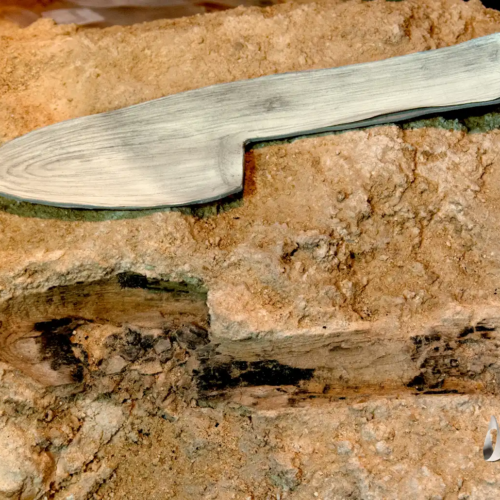
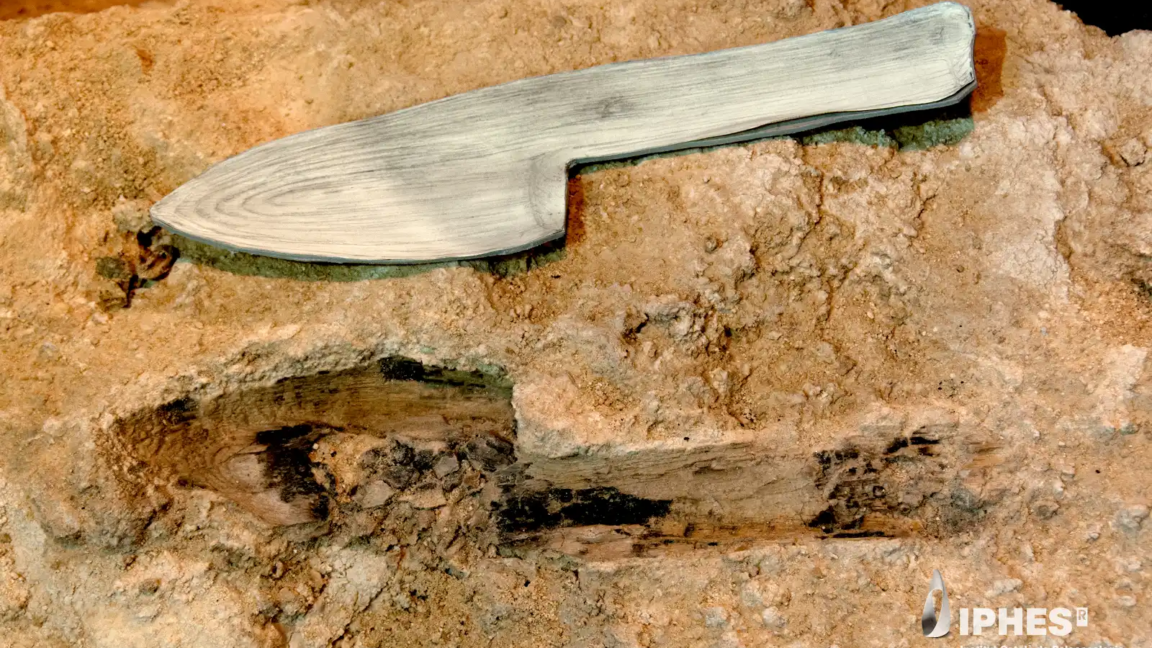
The Stone Age owes its name to tools that survived to our time. The material early humans worked with most, though, was probably wood because it is so much easier to process. Unfortunately, we know very little about Paleolithic woodwork because wood rots relatively quickly. But at Abric Romaní, a rock shelter in Capellades, west of Barcelona, mineral-rich water coated wooden Neanderthal tools in a limestone-like crust. When wood rotted away, it left behind hollow molds that faithfully reflect its shape.
In a recent Science Advances study, a team of Spanish archaeologists has cataloged 597 wooden remains from Neanderthal living areas dating from 62,000 to 40,000 years ago. They found spears, digging sticks, bark trays, parts of shelters, and a club unlike anything seen before, suggesting Neanderthals were likely much more than just Homo sapiens’ dumber cousins.
The oldest wooden artifacts we have are mostly weapons. They include spears from a German town called Schöningen, a spear tip from Clacton-on-Sea in England, and the spear found alongside an elephant skeleton in Lehringen, Germany. Most came from waterlogged sediments, where a lack of oxygen slowed decay.
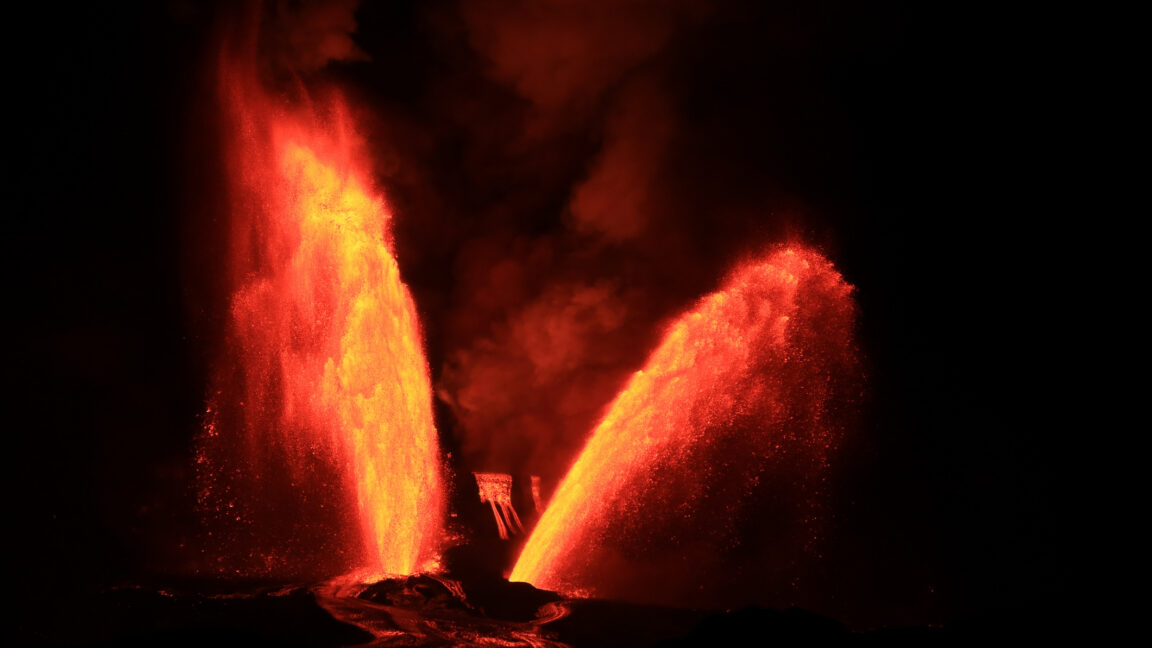
In most cases, hotspot-driven volcanism is relatively sedate, with lava flowing down mountainsides slowly enough that people can walk out of its way. But in a number of locations—Mount Etna, Hawaii, Iceland—lava gets expelled in dramatic fountains that can reach several hundred meters in height.
Right now, we're not sure what powers them. However, thanks to a recent set of eruptions at the Kilauea volcano, we have some of the best documentation yet of erupting lava fountains. In a recent edition of Science, researchers from the US Geological Survey describe what we've seen and compare it with what we might expect based on our best ideas about what powers these fountains of molten rock.
With three active volcanic regions that engage in fountaining, there has been a steady flow of dramatic videos of red-hot molten rock spouting from the Earth. But Kilauea has had only three fountaining episodes since 1823, even though it's the youngest and most active volcano in Hawaii. That activity has led to intensive study, and we have a good idea of the volcano's structure. Previous work has identified a couple of lava residues within a few kilometers of the surface, and the volcano had 35 separate data-gathering stations set up on Kilauea, including "seismic, infrasound, geodetic, gas, and visual and thermal cameras."
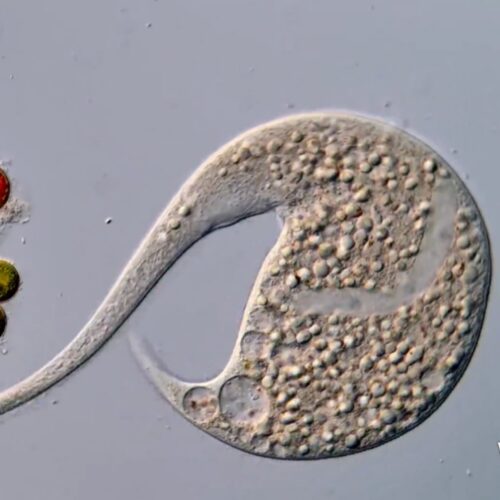
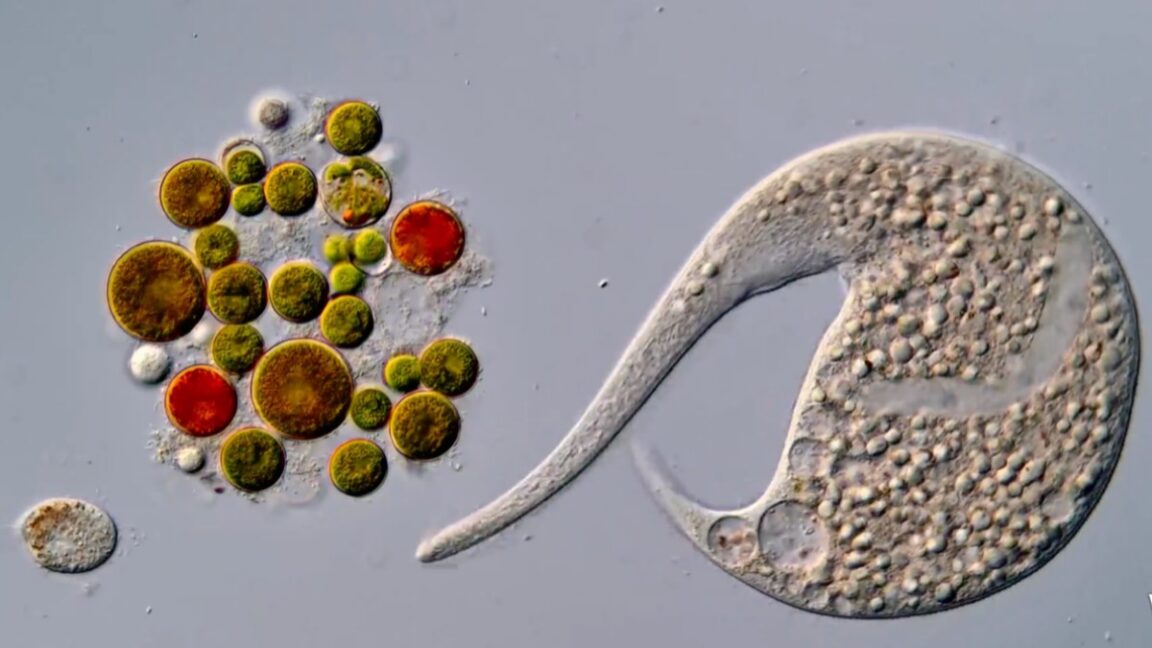
Last month we covered the winner of Nikon's Small World in Motion video: Ning Xu of Tsinghua University in China, whose video captured tiny cilia beating in the airways of a child with a rare respiratory disorder. But allegations surfaced about Xu's use of AI while making the video. Nikon launched an investigation and concluded that Xu's entry did not comply with competition rules. The new winner is Nguyen Nam Nhat of Vietnam with a video of a tiny roundworm and a single-celled organism (above).
According to a BBC report, some researchers expressed concern that Xu's video had structural abnormalities and that cell features appeared and disappeared in a way one would not see in actual cellular biology. Others spotted what looked like AI watermarks embedded within the source files. Xu said he used AI “to distinguish and visualize features in the reconstructed grayscale images”; however, he denied that AI was used "to generate the experimental movie, the cilia, or their motion.”
Founded in 2011, the Nikon Small World in Motion competition is a spinoff of the company’s Small World Photomicrography Competition, which has been around since 1974. Both are meant “to showcase the beauty and complexity of things seen through the light microscope”—one through still photographs, the other through photovideography, taking advantage of all the technological advances that now allow users to make movies or time-lapse images through the microscope.
The other winners also moved up a notch with Xu's disqualification. Benedikt Pleyer of Bavaria, Germany, placed second with a video of jellyfish larvae suspended in water droplets; Andrew Moore of Howard Hughes Medical Institute in the US placed third with a video of synchronized cell division in neighboring cells; Patrick Hickey of Hypha Research Ltd. in Edinburgh, Scotland, placed fourth with a video of the dynamics of mitochondria and chloroplasts in Turtle Vine leaf cells; and Igor Adameyko placed fifth with a video of a tiny, colorful sea slug (Cyerce kikutarobabai) on the move.
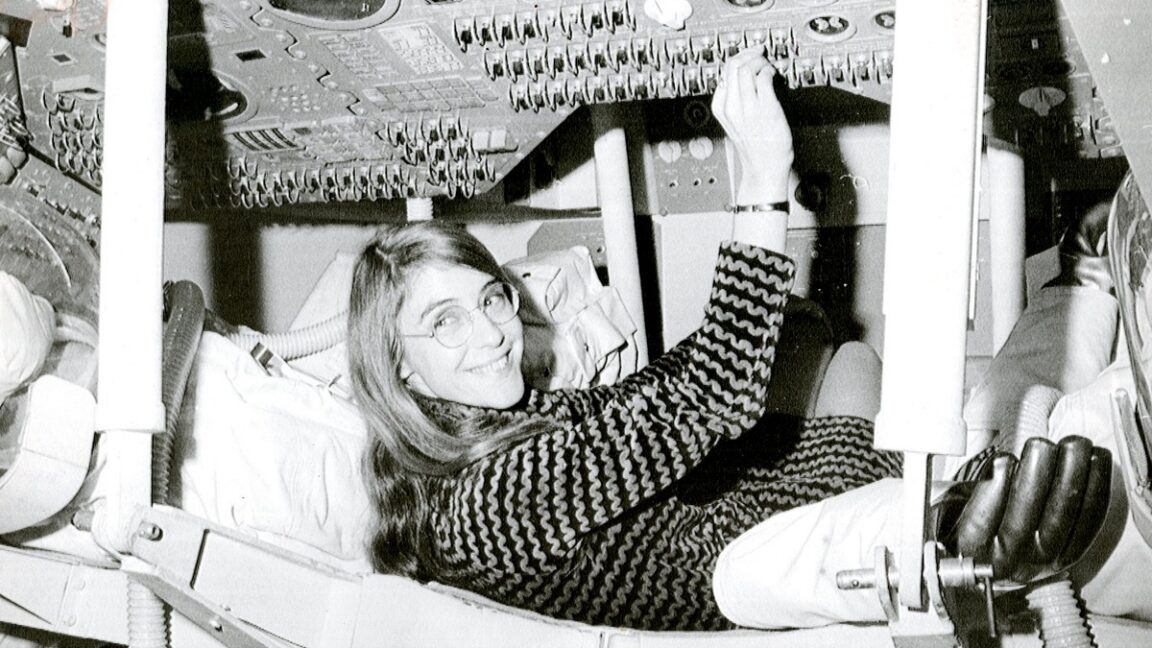
Margaret Hamilton, who coined the term "software engineering" and led the development of onboard flight software for NASA's Apollo program in the 1960s, died last week at the age of 90. A recipient of the Presidential Medal of Freedom in 2016, Hamilton was also immortalized as a LEGO minifig the following year—part of the "Women of NASA" set that also included astronauts Mae Jemison and Sally Ride.
“To say Margaret Hamilton was a pioneer—to say she was ahead of her time—would be a dramatic understatement. She was a software engineer at a time when that field was in its infancy, and she not only developed advanced code herself but also led a team in using that nascent technology to develop one of the most complex systems humanity had ever achieved,” said Olivier de Weck, interim head of the MIT Department of Aeronautics and Astronautics. “The Apollo program still stands as one of our greatest testaments to the power of collaboration, ingenuity, and engineering, and Hamilton was a fundamental contributor to that program’s success.”
Born in 1936 in Paoli, Indiana, Hamilton graduated from Earlham College in 1958 with a degree in mathematics and a minor in philosophy—the latter a nod to her father (a poet) and grandfather (a headmaster). She married her first husband, James Cox Hamilton, that same year. The plan was for her to work until he finished his law degree, after which he would support her through graduate school to earn a PhD in mathematics.
Life is remarkably selective. Life relies on many molecules with what is termed "handedness"—they're chemically identical but are mirror images of each other. Most chemical reactions will make a 50-50 mix of the left- and right-handed forms of a chemical, but life uses only one of them. In fact, because of the differences between left- and right-handed chemicals, most of the key enzymes used by organisms will fail to work if they're presented with chemicals that have the wrong handedness.
That poses a bit of a challenge for origin-of-life research, as we're forced to explain how a world that may have started with an even mix of left- and right-handed chemicals produced organisms that only used one of them.
Today's Nobel Prize in Chemistry goes to two individuals, Henri Kagan and Kenso Soai, who discovered chemical reactions could be biased, producing large excesses of one of the two forms of a chemical.


It's no surprise that NASA's new tack toward foreign partnerships—good deals only, please—is challenging preconceived notions of international cooperation in space.
Without a massive budget hike, the US space agency's emphasis on building a Moon Base and winning a competition for lunar real estate and resources with China will inevitably leave lesser priorities behind.
Gone is the Lunar Gateway, a space station that was to be assembled in orbit around the Moon. For the United States, Gateway was an unnecessary distraction and expense as NASA goes all-in on placing a surface station near the Moon's south pole.
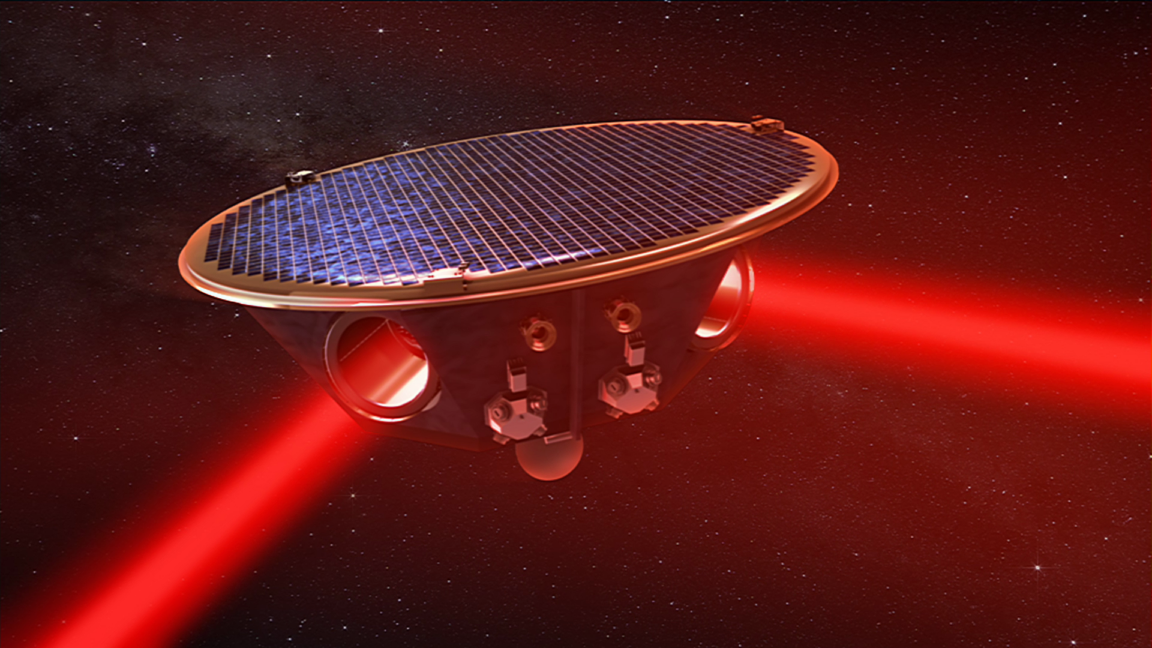
Over decades of research, scientists have built up a partial picture of what specialized cells within the brain and spinal cord do. By studying how the brain develops, they could identify genes that were active in different populations of neurons and where in the brain those neurons resided. In some cases, these genes could then be used to genetically delete the neurons, allowing us to get some indication of what they might be doing, building on the information we've obtained from studies of brains with damaged regions.
But this approach has its limits. The brain is flexible enough to potentially adapt to the loss of some cells, and their loss early in development may alter the development of any neurons they would have normally formed connections with. It would be far more informative to activate and shut down the neurons in an otherwise intact brain.
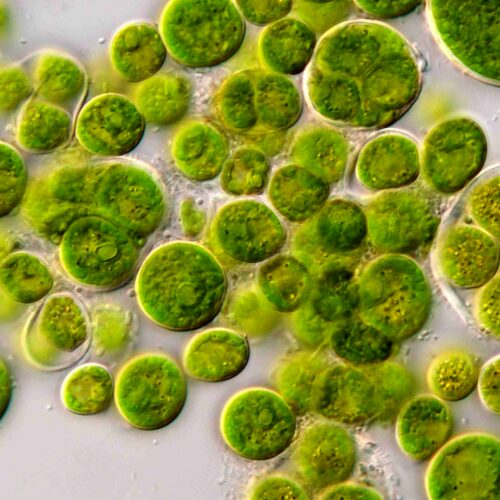
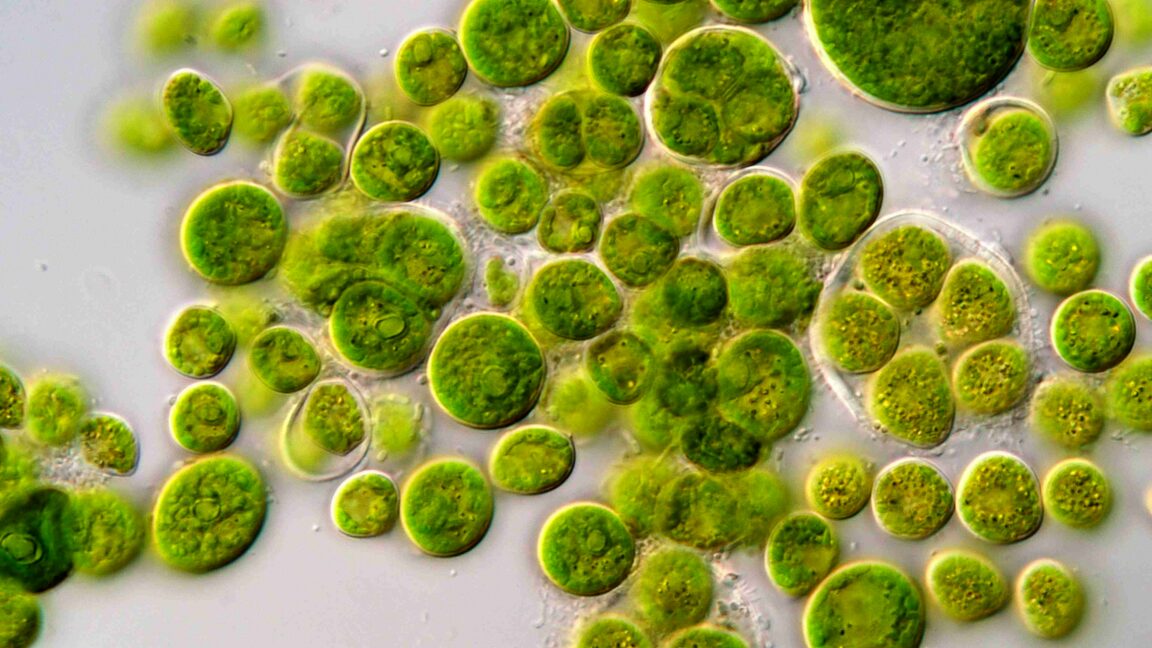
Today's Nobel Prize in Physiology or Medicine rewards three people—Karl Deisseroth, Peter Hegemann and Georg Nagel—who developed our ability to do precisely that. Starting from studies of single-celled algae that are attracted to light, these and many other researchers built an entire field of study that we now call optogenetics: using light to alter the behavior of nerve cells marked by the activity of individual genes.
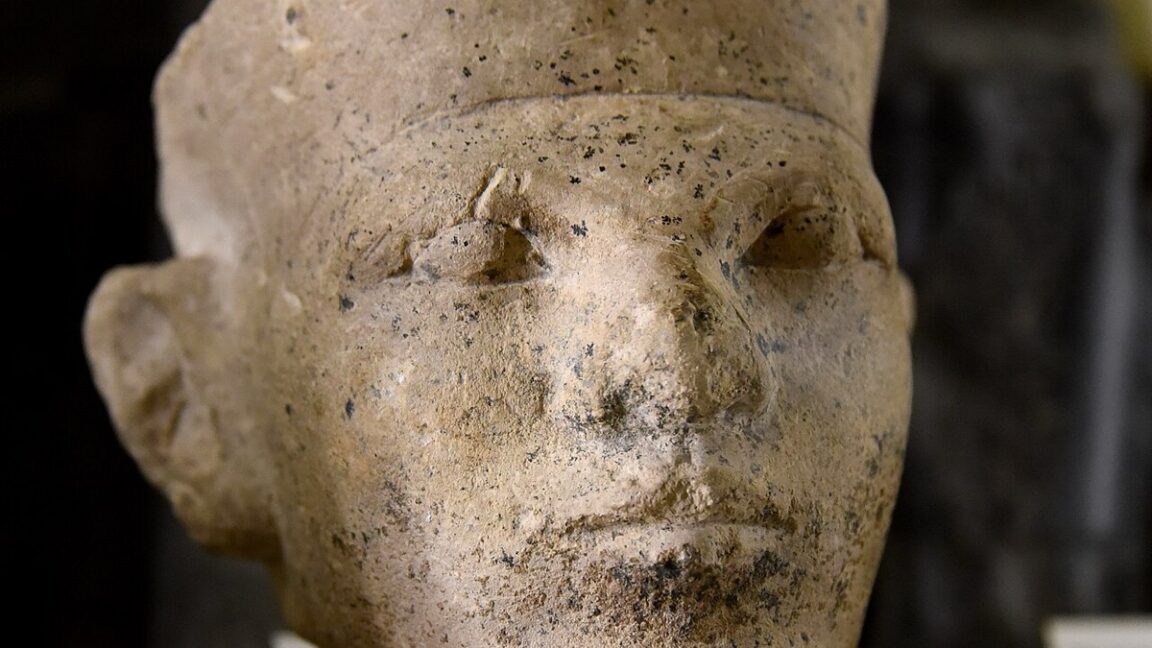
Egyptologists have long debated whether the earliest pharaohs of the First Dynasty were buried with various servants and officials to serve them in the afterlife—a form of human sacrifice. But there is very little archaeological evidence available, given that many of the earliest Egyptian tombs were plundered and/or hastily excavated. A new paper published in the journal Frontiers in Environmental Archaeology reassesses a collection of skulls excavated from tombs in the 1920s and concludes that over one-third show evidence of blunt force trauma. This suggests that they may have been victims of so-called "retainer sacrifice."
Author Roselyn Campbell is a bioarchaeologist at Purdue University who has long been fascinated with the history of human sacrifice. "I'm interested in how we as human beings decide which types of violence are okay and which are not, and how we even define violence," Campbell told Ars. "It's very context-specific. We have to be careful not to extend our own ideas about what violence is and how it's used into other cultures. With Egypt, we have such a long history of European and colonial archeology; they came in with very specific ideas about what this culture was. You really have to make an effort to contextualize the legacy data we have."
Naturally she found the debate over whether ancient Egyptians practiced retainer sacrifice pertinent to her interests. "People tend to fall into one of two camps," said Campbell. "Either retainer sacrifice definitely happened, end of discussion, or it definitely didn't happen, end of discussion. But nobody's actually looked at the bones in a very long time." Forensic science has advanced considerably over the last century, so re-analysis could be useful. Complicating matters is the fact that older sets of remains are often incomplete and/or modified for preservation, destroying vital forensic information in the process.

A wild African black panther prowls for prey. An orphaned baby pangolin must learn how to climb on its own. And a green turtle struggles to make it back to the water after laying her eggs on a remote island, rescued by local humans who carry the exhausted turtle to the water's edge. These animals and many other species are featured in Africa: Earth's Wild Home, a new documentary series from National Geographic. It's meant to launch a new franchise, with separate series documenting the wildlife and environmental ecosystems of all seven continents in turn.
The seven-episode documentary series took four years to complete, with filming taking place across nearly 30 different African countries. Each episode focuses on a specific ecosystem, from the jungle and the desert, to the plains, mountains, and islands of Africa, and closes by spotlighting the various scientists, photographers, and NatGeo explorers whose work made the series possible. The final episode focuses on the local conservation leaders and researchers working to preserve Africa's rich biodiversity for future generations.
The producers found the perfect narrator in Wunmi Mosaku, who has delivered powerful performances in such works as Sinners, Loki, and Lovecraft Country. "I was incredibly honored that they even know my name at Nat Geo," Mosaku told Ars. "It was wonderful to be asked to narrate the series. It means so much to me. As someone who was born in Nigeria and raised in England, I'll take any opportunity I can to reconnect and celebrate this incredible continent where life is so diverse and so extreme and beautiful and relentless and peaceful. I wanted to be a part of that because it's a part of me."

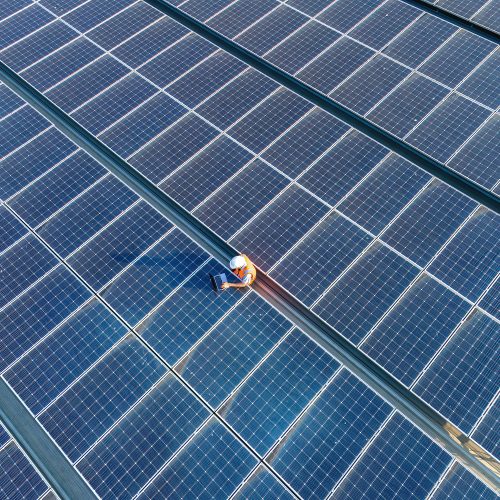
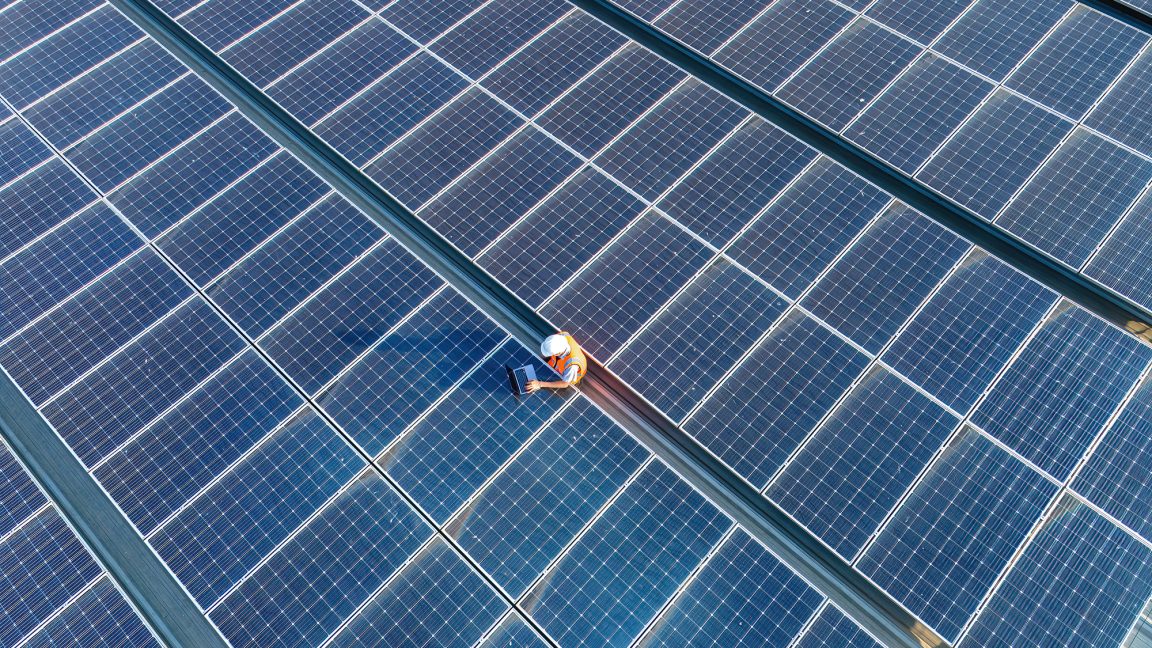
If one form of energy becomes the cheapest, most secure, and cleanest, you’d probably adjust your economy to use more of it, right?
That’s one of the ideas underpinning a report the International Energy Agency issued last week about the global move toward electrification. Fatih Birol, head of the IEA, discussed some of the concepts from the report the following day at the United Nations.
“Many, many years in the energy world, we had three choices in front of us. Shall I choose the most secure energy option? Shall I choose the most economic energy option? Or shall I choose the cleanest energy option?” he asked. “We have to make choices, we have to make trade-offs but when we look at the world today, for the first time in years, all of these three objectives are getting aligned.”
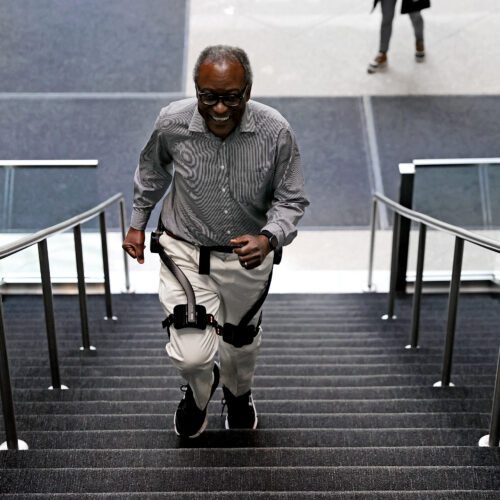
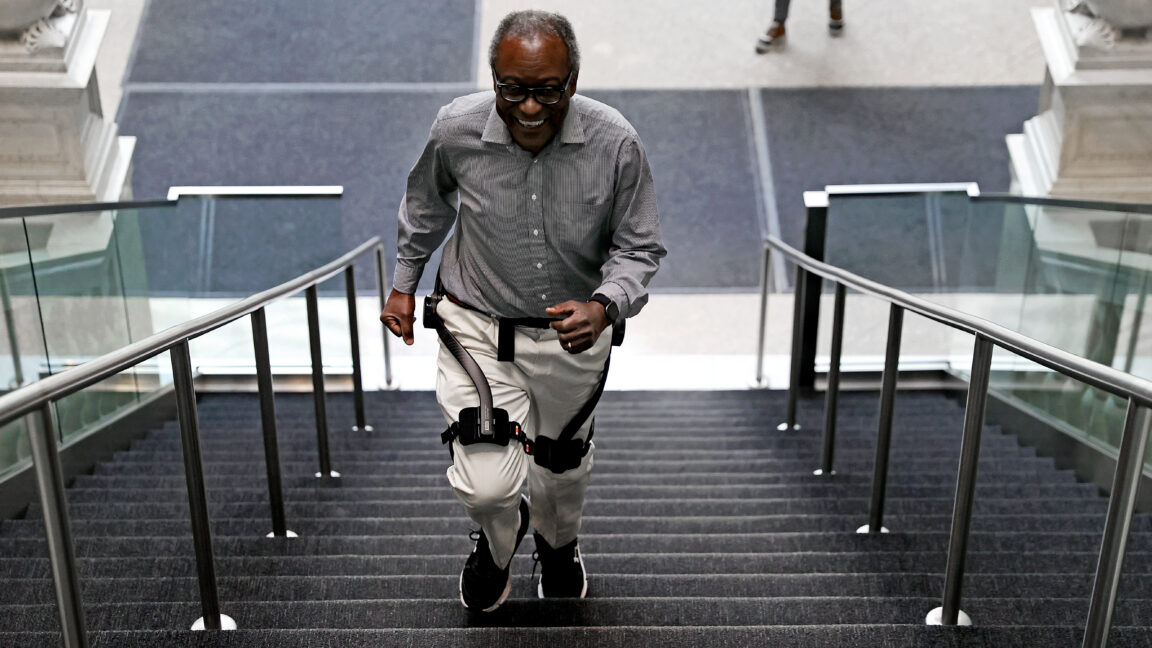
This year, members of Seattle Mountain Rescue have been setting off into the wilds of the US Pacific Northwest wearing an unusual piece of kit.
They’ve been hiking into the wilderness with powered assistive devices attached to their hips and legs. Designed to increase lower-body strength when climbing or carrying heavy loads, these pieces of equipment are being tested to see if they can boost rescuers’ speed and endurance when it matters most—during searches for stranded people.
Devices like these are called human exoskeletons. They attach to parts of the body to create an external—or “exo”—mechanical structure. This powered frame enhances the wearer’s physical capabilities.
One argument that often comes up about climate change is that fossil fuels are good because they powered economic growth that has left most people better off overall. And, to an extent, that has been true, but it's also an extremely limited perspective.
It's pretty obvious now that the growth they powered has come with very high costs that we've only recently started to pay, in the form of damages and disruptions from extreme weather events. With things like sea level rise expected to continue for centuries even if we hit net zero, it's difficult to estimate how expensive that growth will eventually be.
But that perspective is also limited: We now have better ways to power our growth—ways that are less environmentally damaging now and won't leave our descendants with a carbon debt that will be difficult to manage.
It’s a regrettable reality that there is never enough time to cover all the interesting scientific stories we come across. So every month, we highlight a handful of the best stories that nearly slipped through the cracks. September’s list includes a tantalizing hint of the elusive dark matter at the LUX-ZEPLIN detector; entangled Z bosons at the Large Hadron Collider; possible use of psychoactive substances in the Late Pleistocene; and an intriguing technical description of a telescope attributed to Galileo.
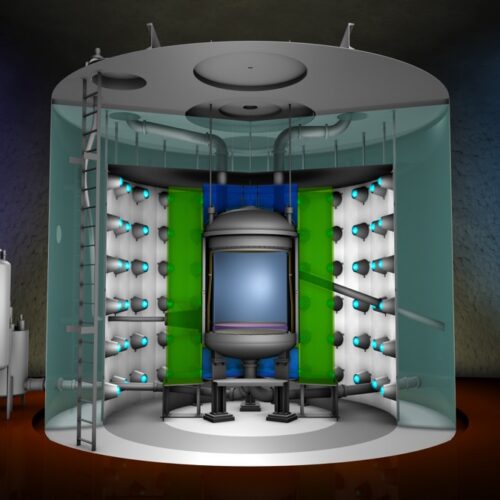
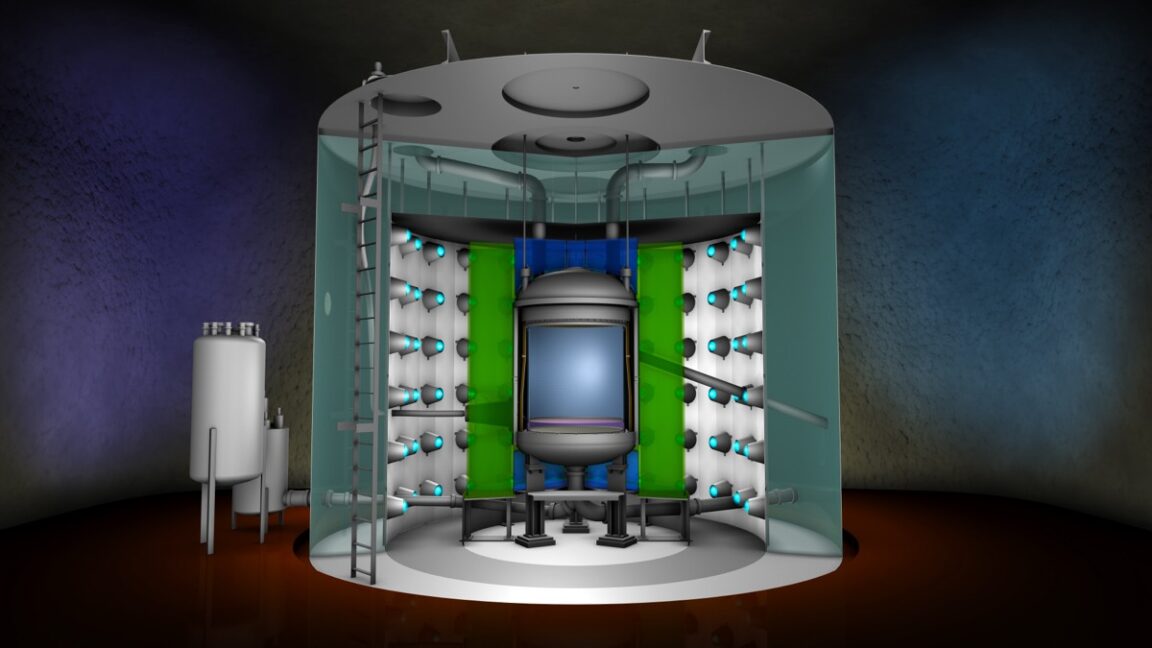
Physicists believe dark matter makes up roughly 85 percent of matter in our universe, with the strongest (but not only) candidate being so-called weakly interacting massive particles (WIMPs). But directly detecting WIMPs, or other alternative hypothetical dark matter particles, has eluded physicists for decades. We might have our first glimpse, however, courtesy of the LUX-ZEPLIN detector buried deep in a gold mine in South Dakota. Those potentially exciting results were presented in a scientific talk at the 2026 TeV Particle Astrophysics conference in Japan, with a preprint available on the arXiv. (It has been submitted to Physical Review Letters for peer review.)
The announcement came with strong caveats: the signal is just a hint, well below the threshold needed to confirm discovery, and might just be a statistical fluke. Anyone who regularly follows dark matter news knows that past tantalizing anomalies evaporated as more data came in. But the LUX-ZEPLIN team was unable to account for this event and decided to report their result to the broader physics community. They are still collecting data, as is the XENONnT at the Gran Sasso National Laboratory in Italy. And China's PandaX detector is currently being built.
Welcome to Edition 9.13 of the Rocket Report!
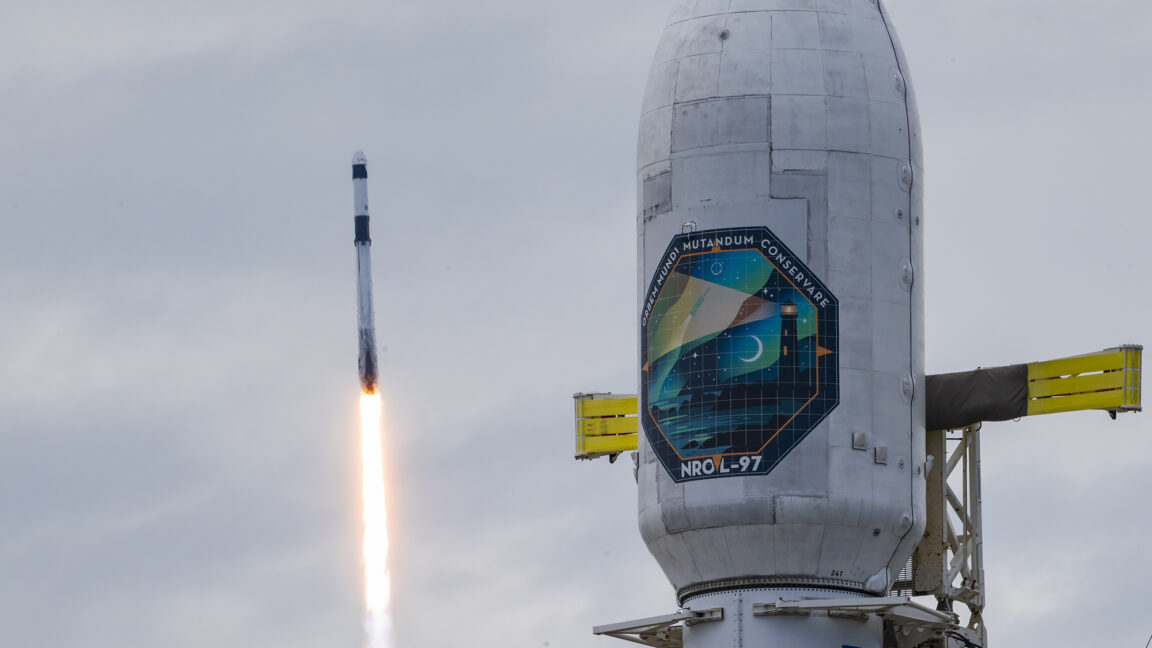
This week, SpaceX celebrated the first orbital launch of its new Starship rocket. I'm not sure many people, at least those outside of SpaceX, expected it to take 14 flights of Starship before it technically reached low-Earth orbit, but Monday morning's launch finally added that to SpaceX's list of accomplishments with its new super-heavy rocket. Starship had gone 99 percent of the way to orbit before, only held back by safety concerns around the possibility of stranding the huge rocket in space.
What was most notable for SpaceX with this Starship flight was that it unlocked a massive growth potential for Starlink, with the first 26 of the network's new-generation Starlink V3 satellites successfully deployed Monday.
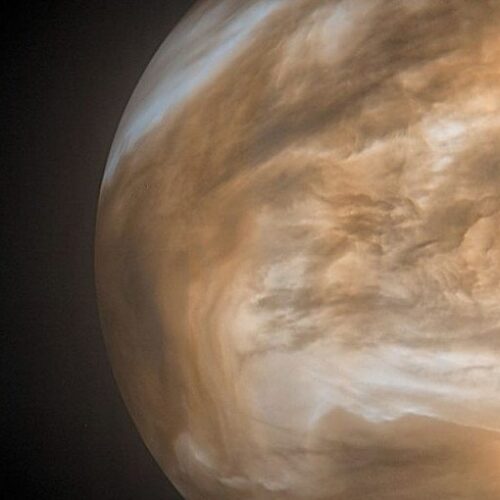
Venus is shrouded in a veil of mystery. The yellowish “lower haze” at the bottom of its atmosphere was discovered by the Venera and Pioneer Venus probes in the 1970s. These spacecraft were some of the first to successfully send images of the planet back to Earth, but the haze they saw went unexplained for decades. Now the mystery Venus was keeping has been unveiled.
What nobody knew then was that the haze is an accumulation of particles from meteorites. “Shooting stars” that burn up in the atmosphere leave behind cosmic dust particles, and after sulfuric acid interacts with these particles, it leaves behind a haze. Planetary scientist Hiroki Karyu and his research team at Tohoku University in Sendai City, Japan, finally figured out how the haze formed using a microphysical model. This type of model involves microphysics—the micro-scale processes that create clouds and precipitation on Earth and other bodies.
“The continuous influx of cosmic dust is sufficient to sustain this lower haze layer with the particle size distribution observed by the entry probes,” Karyu said in a study published in Nature Astronomy. “These haze particles of cosmic origin act as efficient condensation nuclei, promoting cloud formation in the main cloud deck even far from their initial source.”

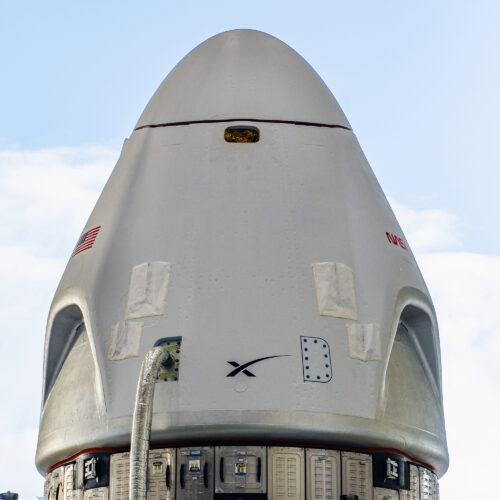
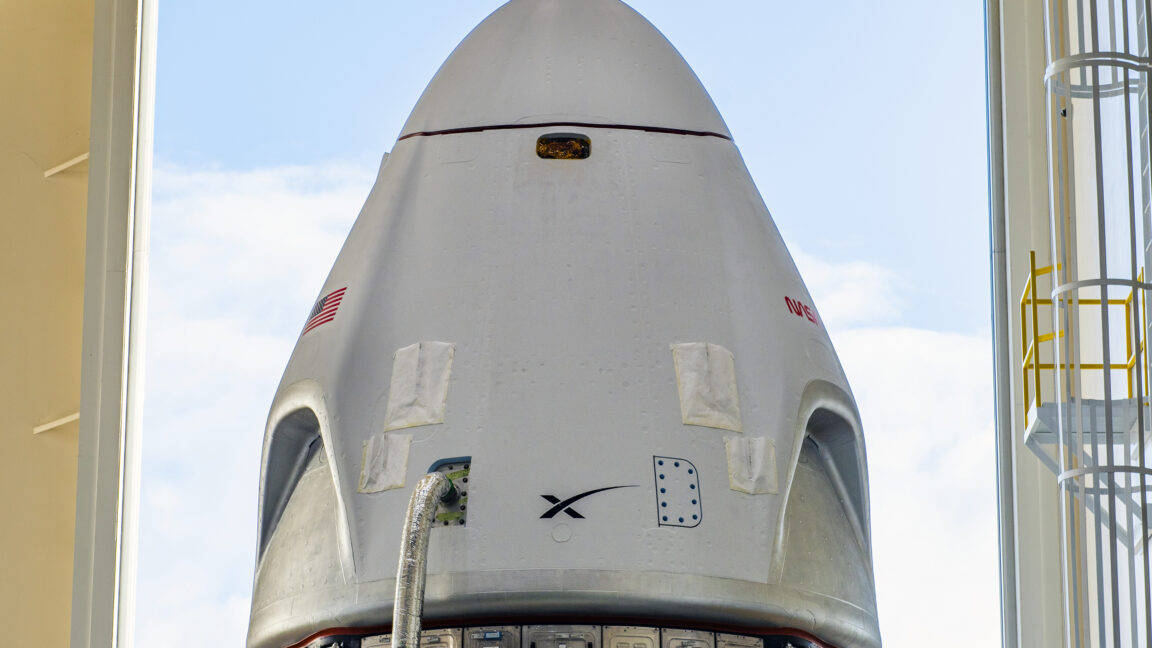
A four-person crew rocketed into orbit Thursday from Cape Canaveral Space Force Station, Florida, heading for a six-month expedition on the International Space Station.
Riding a Falcon 9 rocket and Dragon spacecraft, the four crew members departed from Space Launch Complex-40 at Cape Canaveral at 11:10 am EDT (15:10 UTC) Thursday. Nine minutes later, they were in orbit to begin closing in on the space station for docking Thursday evening.
The launch was delayed from mid-September to replace a balky valve in the Dragon spacecraft's propulsion system, a task that involved cutting into a propellant line inside the ship to swap out a faulty component.
Deep Blue took down Garry Kasparov at chess in 1997, AlphaGo beat Lee Sedol at Go in 2016, and poker bots have been beating professionals for years. But one classic game called Stratego held out. Even DeepMind, with its exceptional budget, couldn't build a machine that reliably beat the best human players.
Now, a team of researchers from Carnegie Mellon, MIT, New York University, and Stanford University has done it. Their AI, called Ataraxos, beat Pim Niemeijer, arguably the best Stratego player of all time, 15 games to one, with four draws. And it took just 16 GPUs and a few thousand dollars to train it.
In Stratego, each player gets 40 pieces representing military ranks, from a marshal down to a spy, plus bombs and a flag. You win by capturing the opponent's flag. Your opponent knows where your pieces are, but not what they are. Identities are revealed only when two pieces collide in battle—the weaker one is removed, and the identity of the winner is revealed. That makes Stratego an imperfect-information game, just like poker, which computers cracked years ago. “There's something super distinctive about Stratego, which is that it is a massive amount of hidden information that unfolds over a very long time scale,” said Eugene Vinitsky, a researcher at NYU and co-author of the study.


About 66 million years ago, the Chicxulub asteroid smashed into Earth, kicking up tsunamis and dropping hot debris that annihilated non-avian dinosaurs and many other species. But not everything it left in its wake was destructive. This space rock hit what is now the partially submerged Yucatan Peninsula, and at the bottom of the ocean, the impact generated enough heat to create a hydrothermal system that persisted for 8 million years and may have been a hotbed of life.
When researchers drilled for samples in the impact zone in 2016, they studied the types of rock that had formed as a result of the asteroid strike. This gave more insight into what happened in the immediate and long-term aftermath of this cataclysmic event.
The collision was intense enough to cause deformation far beneath the surface. Subterranean effects reached 35 km (almost 22 miles) down, and included the melting an immense amount of rock. Exposure to seawater made that rock porous. As hot water seeped into the pores, a hydrothermal system formed. The hot water gushing into an isolated region of the freezing depths could have attracted microorganisms and possibly other life forms that were otherwise struggling to survive.
Most implants like pacemakers and insulin pumps work in isolation. To help them coordinate with each other, a team of Georgia Tech researchers built a networking system that sends signals through body tissue instead of antennas and radio waves.
Implants that communicate today mostly rely on radio protocols like Bluetooth Low Energy or near-field communication (NFC). Both are a poor fit for in-body data transfer, says Alex Abramson, a Georgia Tech engineer and co-author of the new study.
The first problem is power. “If you want an implant to remain in an active state such that it can respond within milliseconds, it's very difficult to do that with the Bluetooth system,” Abramson said. According to the paper, Bluetooth components, when they’re activated, can cut an implant's battery life by up to 90 percent.
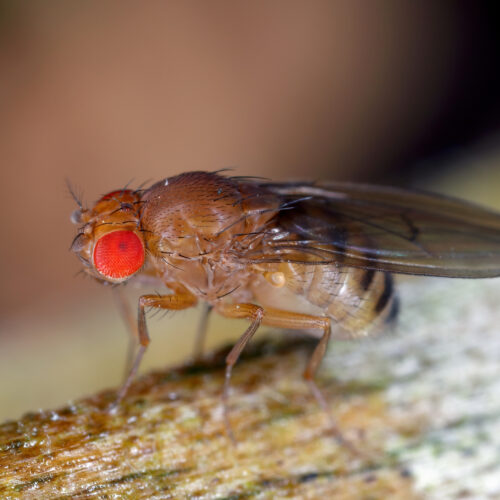
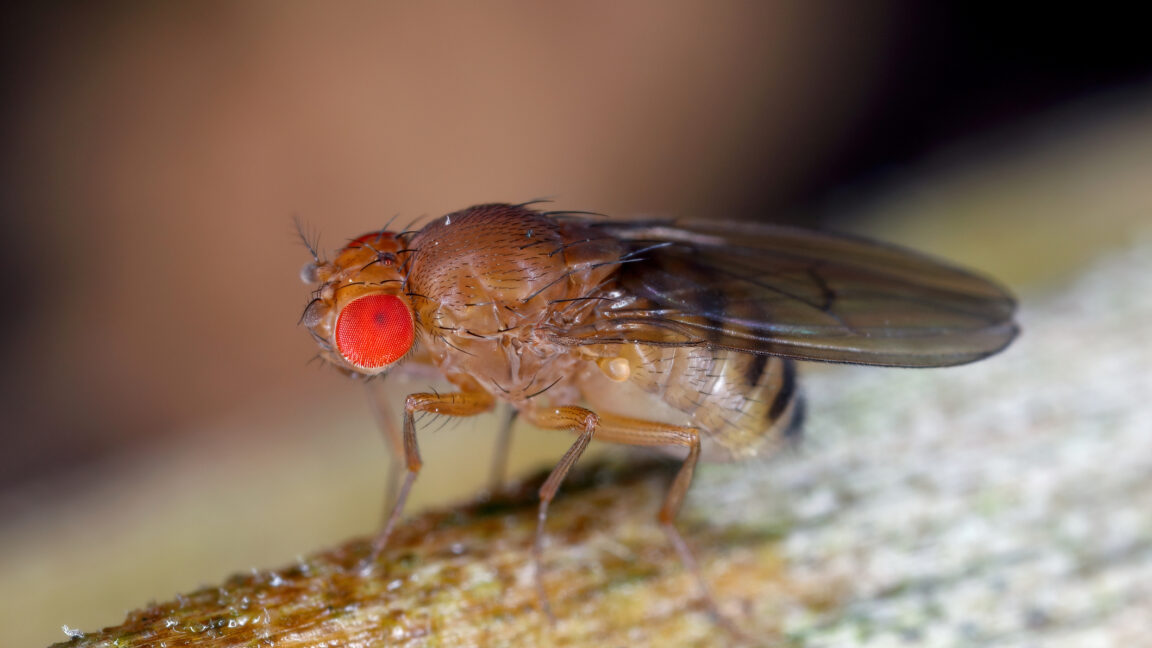
Back in the 1930s, scientists noticed that water fleas and rats fed restricted diets while young went on to live longer. The same effect has since turned up in fruit flies and mice. What we did not know was how a meal eaten in infancy could affect health weeks, months, or even years later. A recent Nature study might have found the answer.
A team led by Fumiaki Obata, a biologist at the RIKEN Center for Biosystems Dynamics Research in Kobe, Japan, found a protein that carries a record into adulthood of what fruit flies ate as larvae, influencing how long they live.
Lab fruit flies are fed a mix of yeast and sugar, with yeast being their main source of protein. “We decreased only the yeast concentration in the diet, from eight percent to either one or two percent,” Obata explains. This low-protein diet was introduced roughly halfway through the larval period. Once the flies emerged from their pupae as adults, they returned to standard food.
Equipment to capture carbon dioxide from ambient air or smokestacks generally works through a sort of reversible filter. Air is passed through granules or a liquid that absorbs the CO2, then that CO2-loaded substance undergoes a process (usually heating) that causes it to let go of all that CO2. The resulting gas can be collected in a separated stream.
It’s also possible to do a similar sort of operation on a smaller scale—like inside a battery. A new study from a team led by James Buchen of the University of Delaware demonstrates an example of a battery-based electrochemical carbon-capture technique that they say is more viable than previous attempts. It has the potential to require less energy—and therefore be cheaper—than the reversible-filter designs that currently dominate.
The basic idea behind a device of this type is that hydroxide produced at the battery cathode reacts with CO2, converting it to carbonate or bicarbonate that passes through the separator membrane to the anode. There, the lower pH causes the reaction to reverse, with carbonate turning back into CO2 gas. The role of the cathode is to produce hydroxide ions; the role of the anode is to consume them.


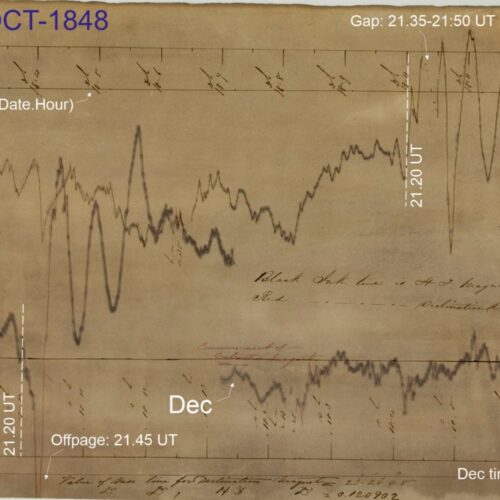
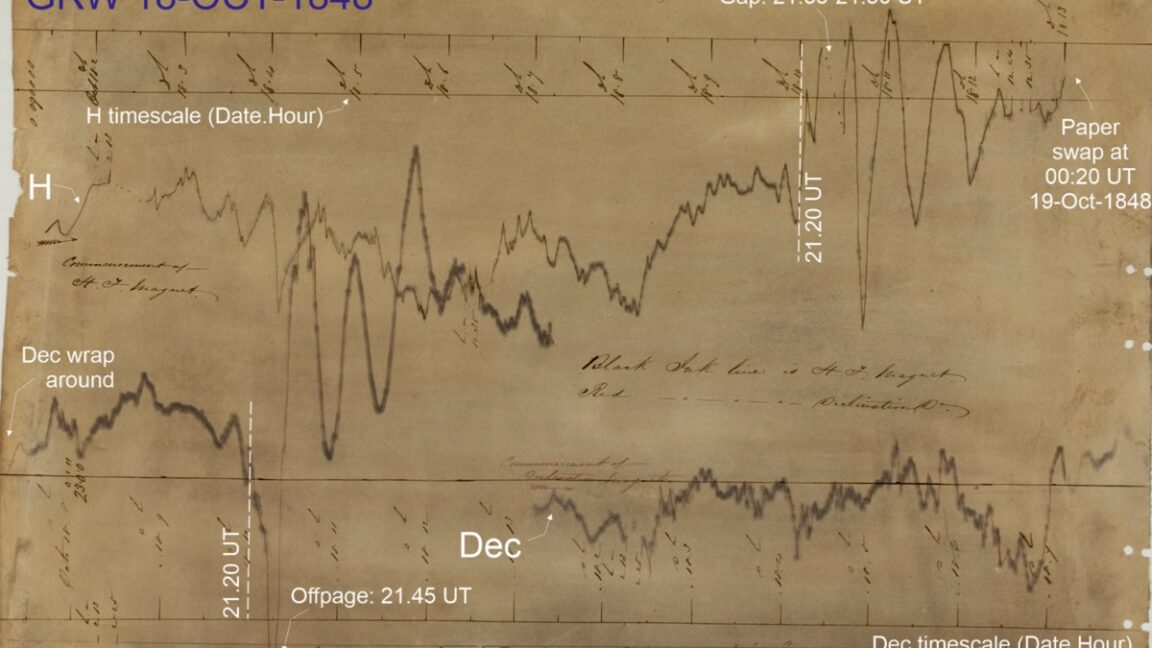
The infamous Carrington Event of 1859 has long been considered the first extreme space weather event, but there have been reports of minor disturbances to telegraph equipment during geomagnetic storms since the late 1840s. In 2013, scholars discovered an anonymous report published in 1871 in Nature describing how a "very intense magnetic disturbance" disrupted rail travel in Exeter on the southern coast of England in October 1841. If accurate, this would be the earliest such account. However, according to a paper published in the journal Space Weather, that 1841 date is most likely a typo, with the real railway disruption occurring several years later.
"Space weather is often discussed as a modern challenge because of our dependence on technologies such as satellites, communications systems and electricity networks," said co-author Jim Wild of Lancaster University. "What this study shows is that society has been experiencing the effects of space weather on technology for almost as long as electrical technologies have existed. The Exeter train delay is a fascinating story because it sits right at the point where emerging technologies first began to encounter the realities of the space environment."
The Carrington Event remains the most powerful geomagnetic storm in the scientific record, with strong auroral displays occurring all over the world, causing sparking and even a few fires in telegraph stations. Some of the auroras were so bright that people reported being able to read the newspaper by their light. The telegraph was a relatively new technology at the time, having first emerged in the 1830s, and the geomagnetically induced current—from a likely coronal mass injection from the Sun—knocked out telegraph systems. Some operators found they were still able to transmit and receive messages even after disconnecting the power supply, relying just on the powerful auroral current.
Normally, we try to update you quarterly on what's going on with the US electric grid since it provides a nice view of developing trends and smooths out some month-to-month randomness. Unfortunately, I was out of the office when last month's data was released, so this will be a seven-month update on 2026 trends.
The top line item is that energy use is continuing to rise, albeit not as quickly as headlines about data centers might lead people to believe. Beyond data centers, there's a growing electrification—things like EVs and heat pumps—that is shifting energy demands onto the grid. Despite all of this, electricity use has risen by only 2 percent compared to the same period last year. At this time the previous year, demand had risen by 3 percent compared to the year prior.
Some of this may be due to continued improvements in efficiency, which had largely kept electricity demand stable throughout the early 2000s. And some of it may be because more data centers are generating their own power so that demand doesn't show up on the grid. So far, the growth in demand hasn't reached apocalyptic levels.


The first in a new class of space telescopes is on track to reach the launch pad in the early 2030s, NASA announced this week.
The PRIMA mission will be the first of NASA's Probe Explorers, a new line of observatories intended to do more science for less money. The agency's space telescopes typically fall into lower-cost "Explorer-class" missions, with cost caps in the range of a few hundred million dollars, or flagship observatories like the recently launched Nancy Grace Roman Space Telescope, which came with a price tag of some $4.3 billion.
With the Probe Explorers, NASA officials seek to find a better balance between the smaller Explorer missions and multibillion-dollar flagships. NASA has studied potential Probe Explorer mission concepts for several years after an independent panel of scientists recommended the new mission category. But it wasn't clear until recently whether NASA's science budget, which is under pressure from the Trump administration, would be sufficient to actually start developing one.


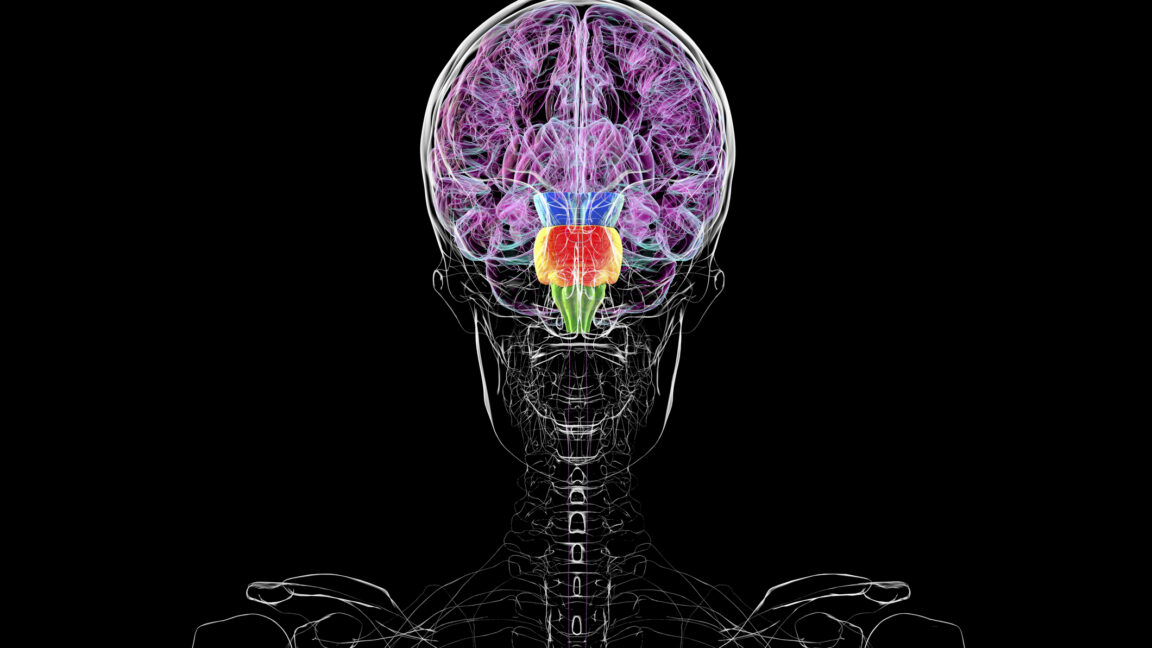
Late last week, we started seeing headlines about how new research was suggesting we might have two brains instead of the one that seems to show up on MRI scans. As is so often the case, these rumors can be traced back to a single press release put out by one of the universities where the work was done.
You do not have two brains. It's a silly way to look at the results of the new paper.
But there are far better ways to look at the results, ways that can help us understand how the brain gets put together and illustrate some of the general ideas behind developmental biology. So let's take a look at what the research actually shows and place it in the context of brain development.
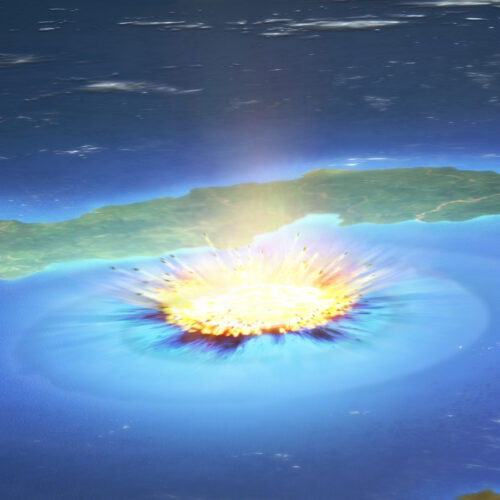
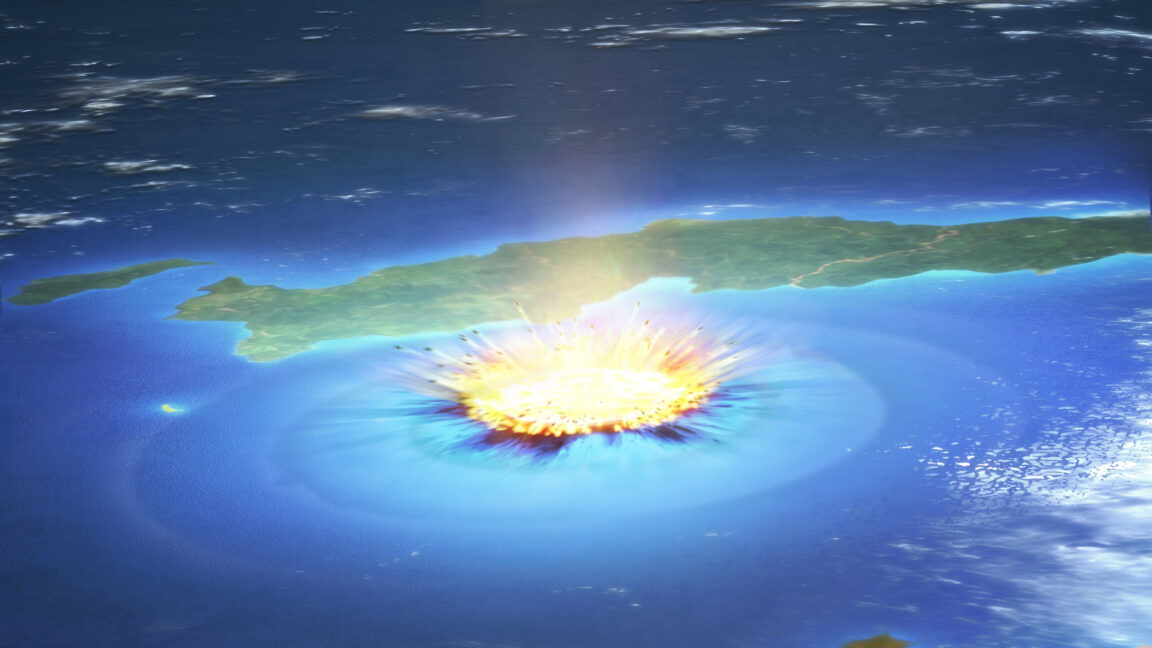
Krakatau, a volcanic island in Indonesia, killed more than 30,000 people when it erupted in 1883. One might assume that volcanic debris posed the major threat, yet many of the victims died from a tsunami caused by the volcanic eruption instead.
Volcanoes at sea can pose hazards quite different from those on land, as their impact can vary depending on how the volcanic activity interacts with seawater. In the deep ocean, high water pressure can suppress explosive volcanic activity, making eruptions less destructive. But closer to the surface, the lower water pressure and the high temperatures of volcanic material can cause violent explosions. Yet scientists still do not fully understand the conditions under which volcanic activity can cause a tsunami.
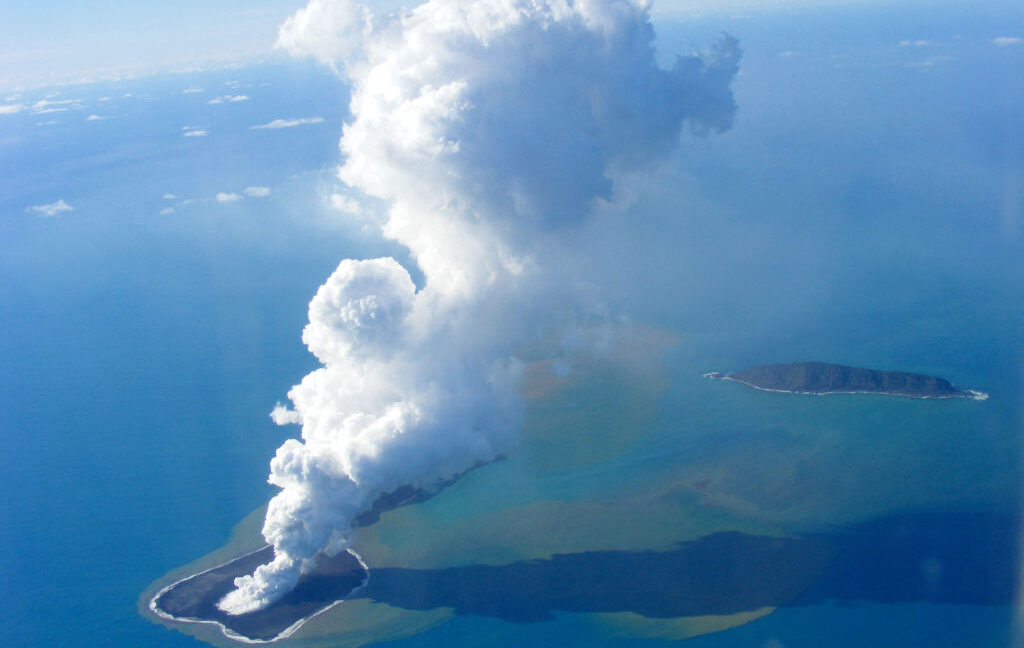
To better understand these risks, an international team of researchers examined the 2022 Hunga eruption in Tonga, focusing on the rapid caldera collapse that may have amplified its powerful tsunami. Calderas form when the ground above a magma reservoir collapses as the magma drains away. Comparisons of seafloor topography before and after the eruption showed that a roughly 4-kilometer-wide caldera sank by about a kilometer during the eruption.
Last year, the Trump administration did what it could to shut down work on the next US National Climate Assessment, eliminating funding for the US Global Change Research Program and booting hundreds of contributing authors. The administration even took past reports offline, forcing others to host copies so the information would still be accessible. And this all comes despite the fact that these reports are legally required.
Later in the year, the American Geophysical Union and American Meteorological Society announced an effort to give researchers a central place to compile the kind of work that would have fed the next US report, as well as potential regional and local reports. This “US Climate Collection” works differently from the US Global Change Research Program or the International Panel on Climate Change (IPCC). Rather than facilitating the writing of a giant, coordinated report, the groups are inviting teams of researchers to publish peer-reviewed papers in scientific journals, which will then be added to a centralized resource for future report-writers.
The first paper has now been added to that collection. It’s the work of 149 authors (many of whom had been working on the US report), and it is actually being published in two journals—one operated by the American Geophysical Union and one by the American Meteorological Society. That’s because this paper is intended to provide a roadmap to prioritize future contributions.
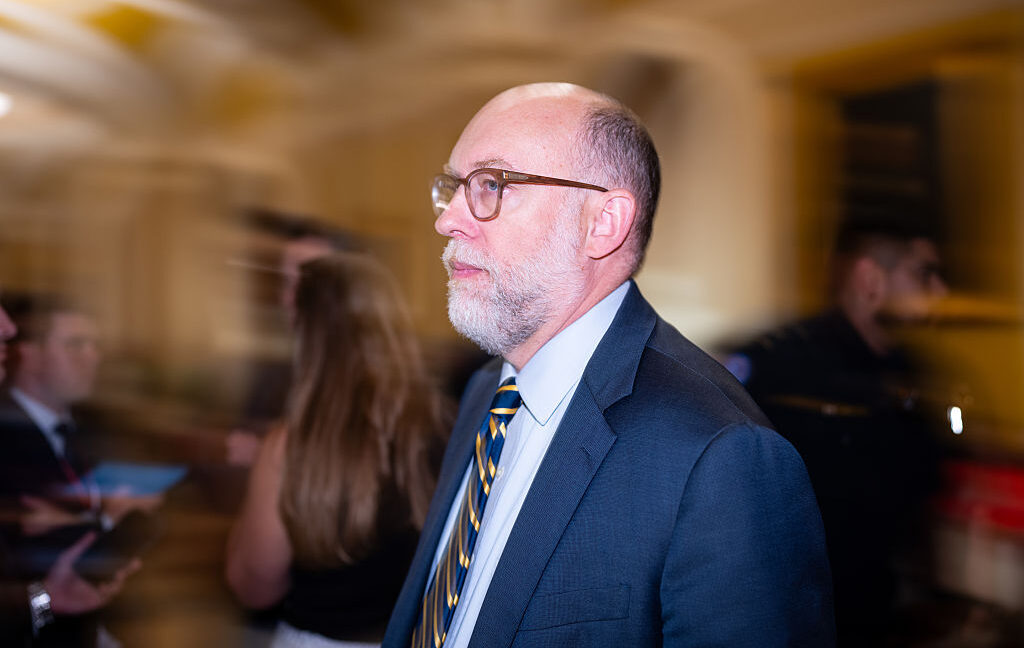
On Friday, The Washington Post reported on a contentious White House meeting in which the director of the National Institutes of Health (NIH), Jay Bhattacharya, tried to fend off yet another effort to place funding decisions under political control. The move came from Russell Vought, head of the Office of Management and Budget (OMB), which has sought to limit and control research funds. The Post suggested that Bhattacharya ended up on the losing side of the fight.
This initial leak has been confirmed and expanded on by outlets such as The New York Times and Politico. It now appears that the administration is drafting an executive order that would give Vought veto power over every individual grant awarded by the NIH.
The NIH is the largest funder of biomedical research on the planet, and its $47 billion budget is larger than that of the next 10 research funders combined. Its funding, distributed largely through grants to academic researchers at universities, supports everything from basic biological research to clinical trials and has helped the biotechnology industry flourish.

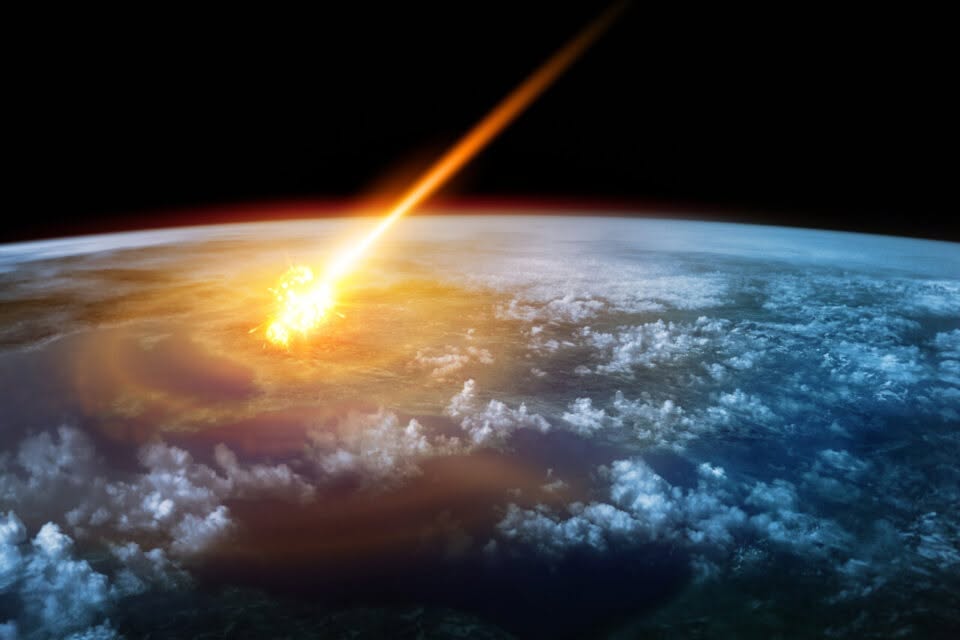
The International Meteor Organization, the nonprofit that coordinates and publishes amateur and professional observations of meteor phenomena, said its infrastructure has suffered a “critical blow” from a cyberattack.
“We recently suffered a cyberattack that dealt a critical blow to aging infrastructure, taking much of our site offline," a static page on its website on Wednesday said. “We expect several weeks of partial downtime as we transition to new infrastructure and services.”
In the meantime, the IMO said it’s prioritizing the reporting of fireball observations, which can be reported here. The organization is also providing some information on its Facebook page.
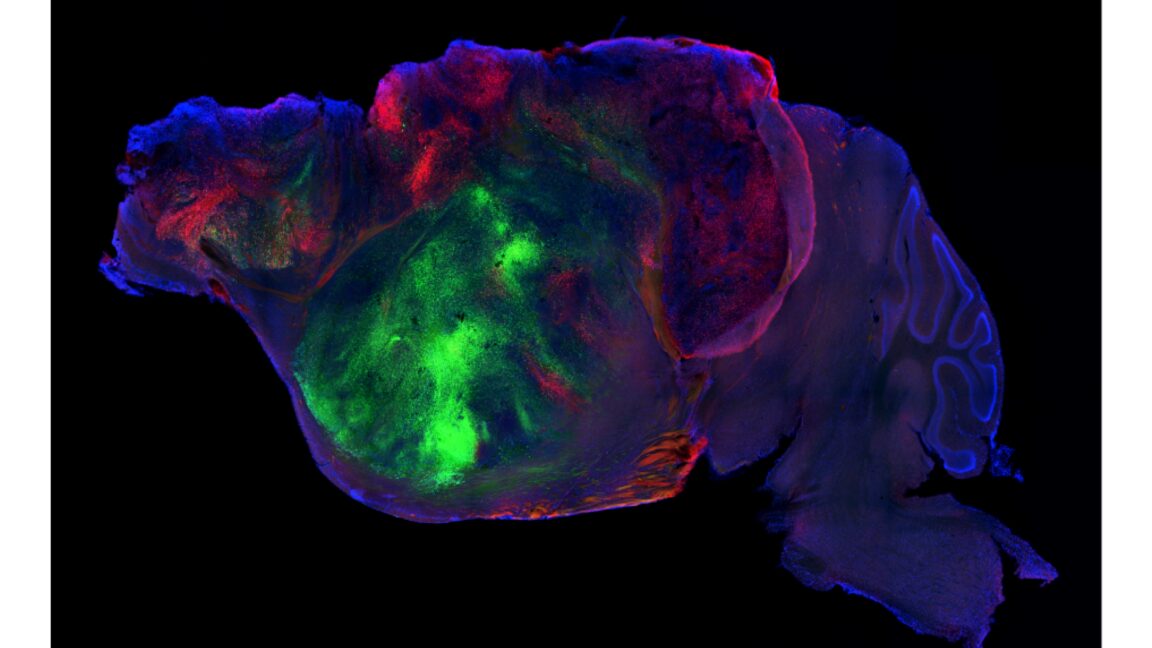
In recent years, there has been a lot of excitement about the potential for studying human diseases in what are called "organoids." These small patches of tissue, formed using stem cells, appear to produce many of the same cell types and at least some of the structures normally formed in actual organs, and thus can provide a better model for diseases that rely on the sometimes complex interactions among multiple specialized cell types that are a feature of the human body.
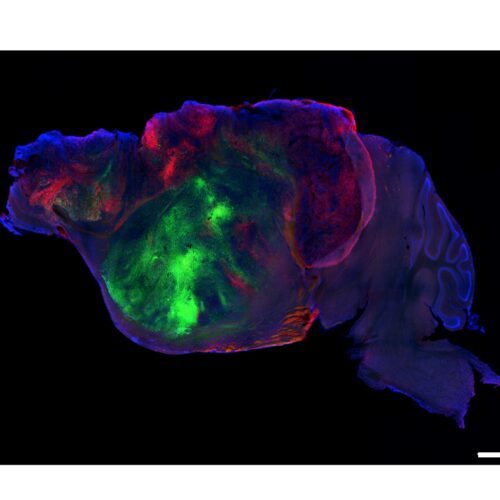
But even the most sophisticated organoids lack a lot of the features of a real human body. This is especially true for brain organoids, which don't form any of the connections with specialized brain structures needed to behave "normally." On Wednesday, a research group at Stanford University described a possible way to study brain organoids in a somewhat more natural context: They genetically wiped out a large portion of the mouse brain and replaced it with human brain organoid cells.
Organoids, because they adopt a three-dimensional tissue structure and consist of various specialized cells, provide a much better model for an intact tissue than simply having a bunch of disassociated cells lying flat on a culture dish. But they still have a lot of limitations—they're not hooked up to a circulatory system that allows the liver to process chemicals the organoid produces and don't have immune cells moving through them, to give just a couple of examples.

 Lateo.net - Flux RSS en pagaille (pour en ajouter : @ moi)