 Connexion


There are a lot of AI coding applications out there, and as impressive as large language models and the agents they enable have become, many of the most recent developments in AI-assisted development have been in the software that manages those models, not just the models themselves.
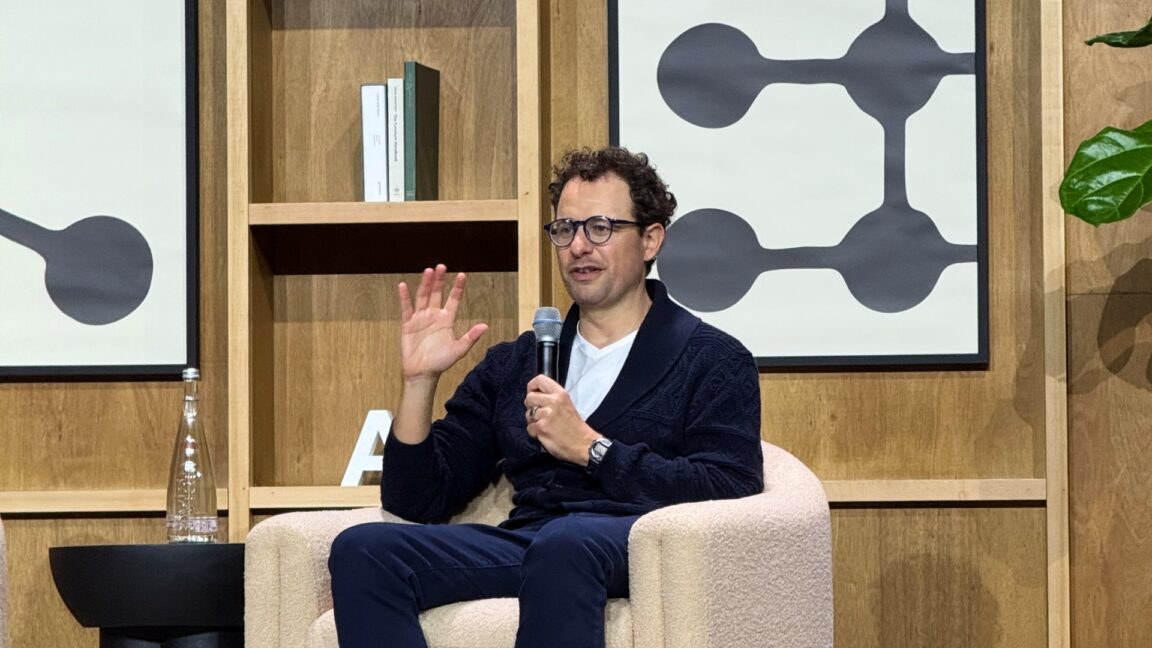
Earlier this summer, I spoke with the head of product for Claude Code, Anthropic's Cat Wu, about that company's approach to building that software.
Anthropic quickly removed a tracker secretly monitoring Claude Code users in China after a security researcher exposed the hidden code and condemned the spyware-like tracking as a “serious breach of user trust.”
Last week, a web developer known as “Thereallo” was researching privacy issues in Claude Code and was shocked to find that the AI firm was using “prompt steganography” to hide code that tracks Chinese users “in plain sight.” This code wasn’t malicious, but it was sending information to Anthropic that most users wouldn’t detect, relying on shorthand markers to quietly flag users’ timezone, proxy, and potential connection to Chinese AI labs that Anthropic has accused of distillation attacks.
On X, Anthropic engineer Thariq Shihipar confirmed that the tracker was added to Claude Code as an “experiment” in March. According to Shihipar, the code “was meant to prevent account abuse from unauthorized resellers and protect against distillation.” Regarding the former, The Washington Post found unauthorized retailers have sold access to free models for $1 a month, and pro subscriptions that can cost $100 monthly sell for "as little as $12."


SAN FRANCISCO—Amid an ever-expanding array of surfaces, growing demand for tokens and compute, and a rapidly evolving user base, Anthropic doesn't have a long-term road map for Claude Code. However, it's betting that such a plan would be rendered moot by improvements in model capabilities and new signals from developers on how best to use it. That's the takeaway from a 30-minute conversation Ars had with Cat Wu, Anthropic's head of product for Claude Code.
Last week, in a three-level car rental parking garage meticulously converted into an event space in downtown San Francisco, Anthropic put on its second annual Code with Claude developer conference. As previously reported, the single-day event included a keynote introducing new features for Managed Agents and announcing a compute deal with SpaceX.
That compute deal was accompanied by a doubling of usage limits for Claude Code users on the company's Pro and Max plans—a response to a lot of user frustration about a compute crunch, especially in recent weeks.


SAN FRANCISCO—At its Code with Claude developer conference on Wednesday, Anthropic announced a deal with SpaceX to utilize the entire compute capacity of the latter's data center in Memphis, Tennessee.
On stage at the conference, CEO Dario Amodei said the deal was intended to increase usage limits for Anthropic's Pro and Max plan subscribers.
The announcement was accompanied by an increase in those usage limits; Anthropic doubled Claude Code's five-hour window limits for Pro and Max subscribers, removed the peak-hours limit reduction on Claude Code for those same accounts, and raised API limits for its Opus model. The table below outlining the Opus changes was shared in the company's blog post on the topic.


 Lateo.net - Flux RSS en pagaille (pour en ajouter : @ moi)