Connexion


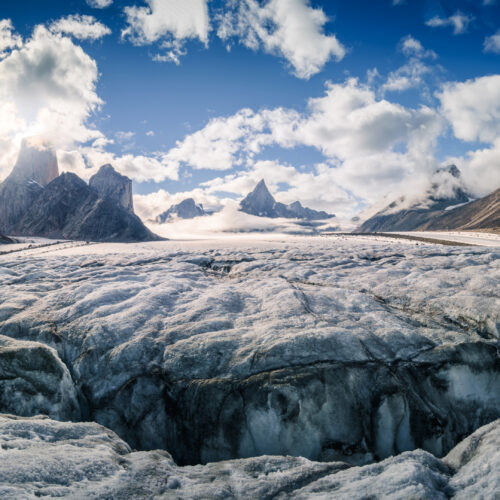
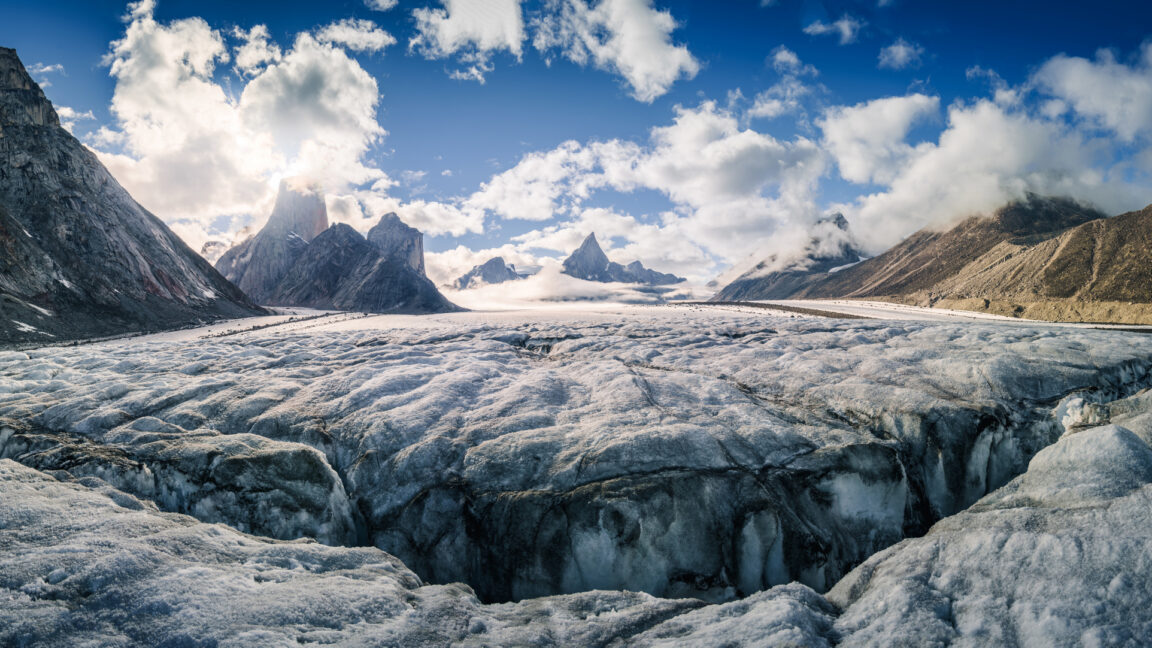
Barnes Ice Cap sits on the central plateau of Baffin Island, in the Canadian Arctic. It is the last surviving fragment of the Laurentide Ice Sheet, the largest of the Pleistocene ice sheets, which at its peak buried most of Canada under two miles of ice and locked away around 80 meters of sea level. That remnant has now yielded direct physical evidence that ice sheets might have reversed their retreat and started to grow again thousands of years ago.
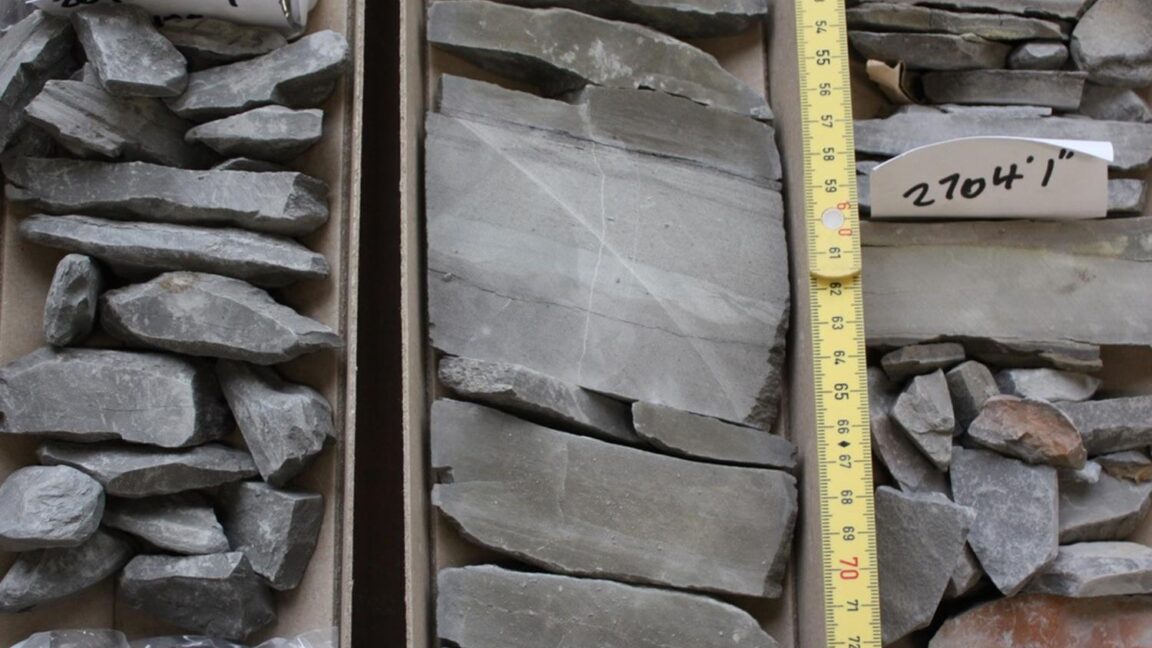
In a recent Science study, researchers show that the Laurentide reached its smallest size about 3,600 years ago, then started re-expanding roughly 2,000 years ago, which the team interprets as the opening move of the next glaciation. Apparently, this brand-new ice age was on its way until about 1960, when human-caused climate warming reversed it.
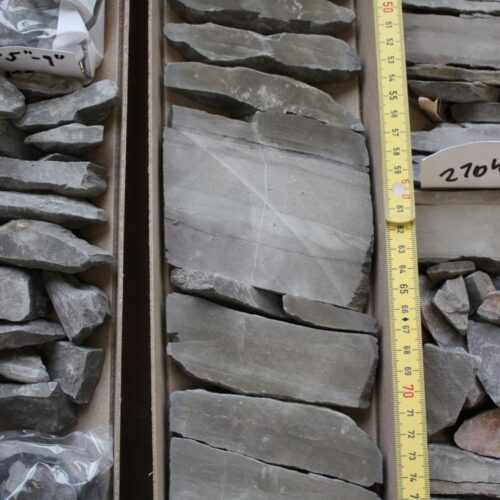
“Barnes is the last remaining piece of one of the domes of the Laurentide Ice Sheet,” says Nicolás Young, a geologist at Columbia University's Lamont-Doherty Earth Observatory and lead author of the study. As that enormous dome thinned through the Holocene, its margin withdrew up onto Baffin Island, and what's left today is the deflated core of something that was once two miles thick. The reason Barnes can testify about its own history, Young explains, comes down to the temperature at its base.
Coral-fringed tropical atolls are among the landforms most threatened by global warming, but many have a potential superpower: Healthy ecosystems may help them keep pace with rising seas.
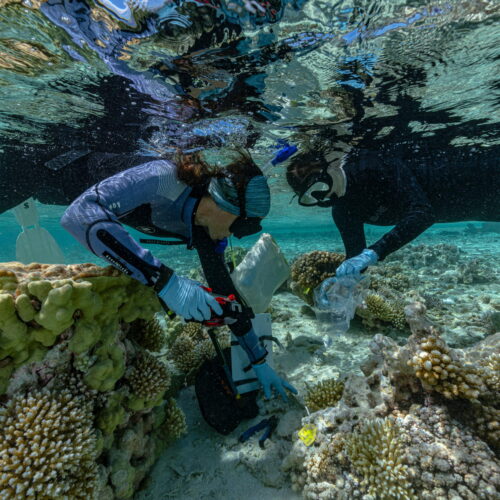
Atoll islands with native vegetation and thriving seabird populations are “naturally active systems that can change and adapt to their environmental conditions if they are allowed to do so,” said Nick Graham, a marine ecologist at Lancaster University in the United Kingdom, who led an international team of scientists that studied island resilience across 28 atoll islands in the Pacific and Indian oceans.
Their paper, published Wednesday in Science Advances, shows that restoring atoll ecosystems reinforces their growth. Seabirds ferry nutrients from the open ocean and deposit them on the atolls as guano that nurtures land plants, marine life and coral growth. This provides more material for reef building, as parrotfish and other reef feeders turn dead coral into sand to maintain beaches, while native plants with extensive root networks stabilize sediments.
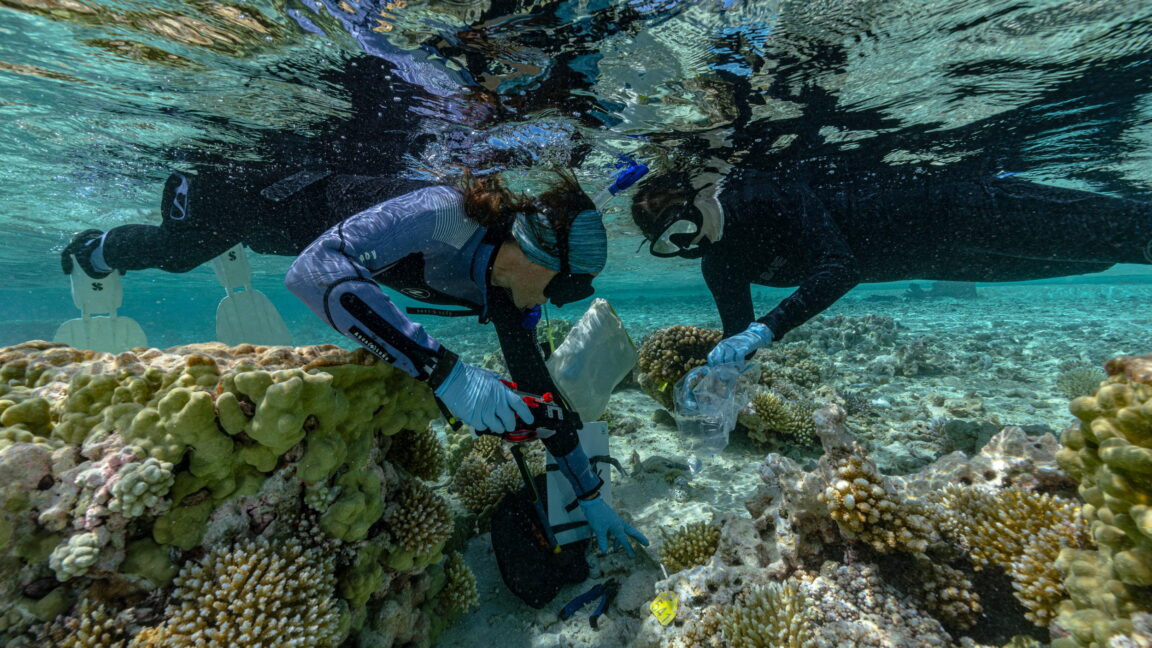
When it comes to deciding the fate of the planet, Colleen Golja always thought science and reason would have a seat at the table. That was until one morning last September in London, when the climate researcher took part in the first in a series of war games. The goal: to prevent an uncontrolled global race to develop a technology aimed at cooling the planet but that comes with vast, unknown risks that could reshape life on Earth.
“I thought that would be such an easy thing. Like, we can all agree to do ethical research and make sure it's for the better of all humans,” she told WIRED. “And boy, was I wrong.”
The simulation, titled Exploring Geopolitical Tipping Points and Climate Cooling Strategies, saw a couple dozen foreign-relations experts, scientists, military personnel, and former government officials from across the world convene in a meeting room at Queen Mary University of London. After making introductions over coffee and little yogurts, they sat at tables arranged in a square with the name of the country or organization each person was playing: national governments, climate NGOs and nonprofits, indigenous groups, and tech companies. Golja was assigned to provide technical advice to help participants make scientifically literate decisions.
Outrage has erupted among health experts over news that the Centers for Disease Control and Prevention is still eager to fund a widely condemned vaccine trial that would expose newborns in Guinea-Bissau to hepatitis B, putting them at high risk of a lifelong infection, which can lead to liver cirrhosis, liver cancer, and premature death.
The trial was suspended in January after its unethical design came to light and drew international outcry. Although the trial is still halted, staff of the CDC director's office told the agency's budget office in late September to set aside $1.6 million to fund the trial, according to a report by Rolling Stone. The money was to be pulled from funding for the CDC's global health security programs, which might otherwise go toward efforts like combating the Ebola outbreak currently raging in the Democratic Republic of the Congo.
The Department of Health and Human Services, which oversees the CDC, did not respond to a request for comment from Ars Technica.


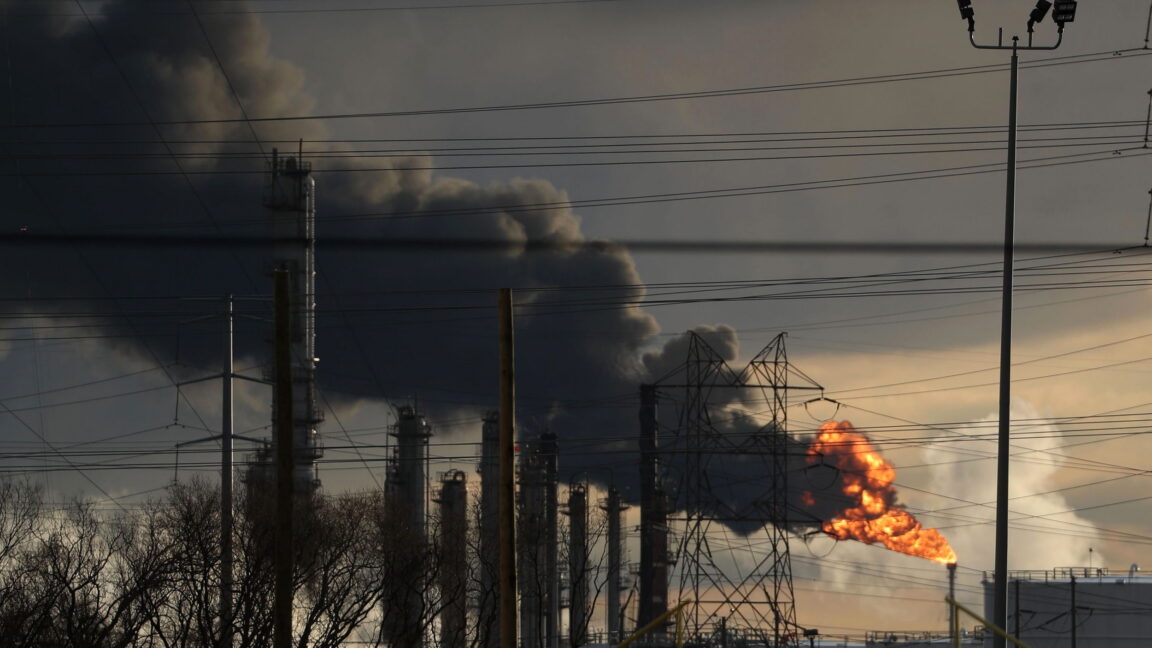
If there was a year the world began waking up to climate change, it might have been 1988. That June, the NASA climatologist James Hansen testified to Congress that the climate was warming and would continue to do so as long as humans pumped fossil fuel pollution into the atmosphere. Months later, the United Nations established the Intergovernmental Panel on Climate Change.
And, just weeks before the UN vote, Frank Sprow of Exxon’s corporate research department warned his colleagues in an internal memo, “If a worldwide consensus emerges that action is needed to mitigate against Greenhouse gas effects, substantial negative impacts on Exxon could occur.”
Sprow’s memo is part of a batch of previously undisclosed documents released earlier this year without fanfare as part of an ongoing lawsuit Massachusetts filed against ExxonMobil in 2019. While the memo was quoted in a 2023 article by The Wall Street Journal, it has not been published in full. Several other documents included in the filings are being reported on here for the first time, including more recent statements from Exxon scientists challenging the company’s climate-solution claims about its work on biofuels and carbon capture and storage.
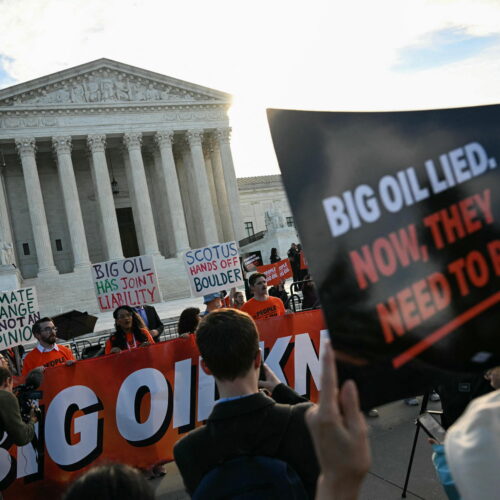
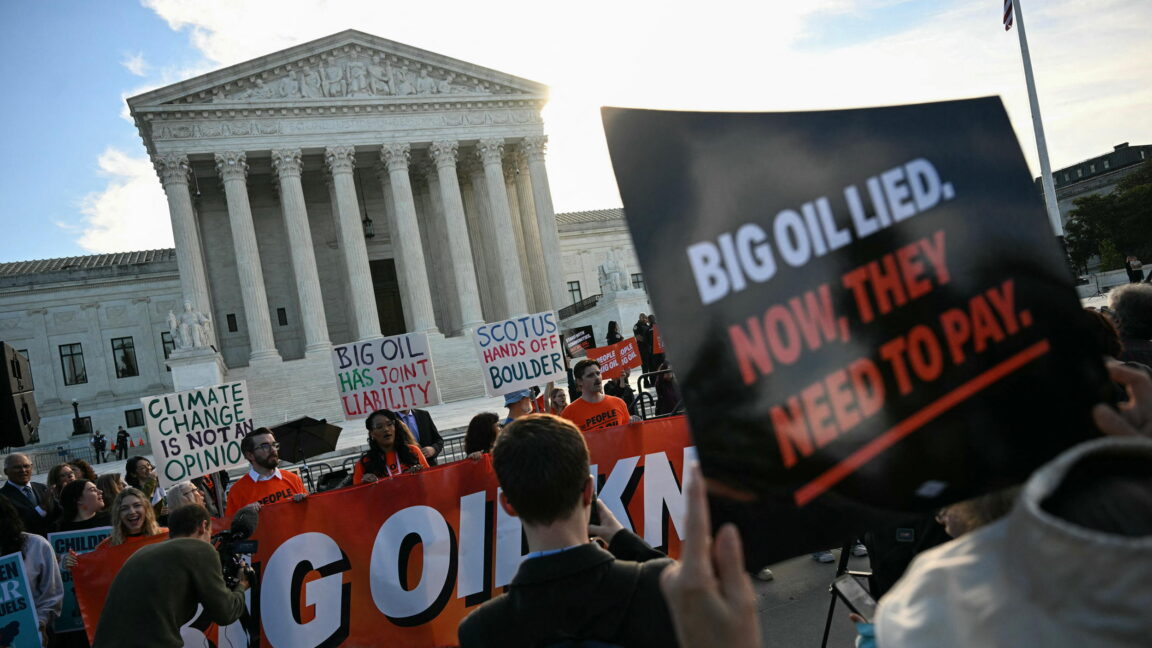
The US Supreme Court heard arguments from oil companies on Monday that could help decide the fate of more than two dozen lawsuits accusing the industry of deceiving the public about climate change. The claims seek potentially billions of dollars in damages to help pay the costs imposed by climate-related extreme weather.
Yet the questions before the court did not focus on the merits of these claims but instead on technical legal matters over whether they should proceed at all.
The case being argued was brought in 2018 by the city and county of Boulder against ExxonMobil and Suncor Energy in Colorado state court. While the case and dozens like it have survived multiple appeals in state and federal courts, the oil companies are asking the Supreme Court to declare that federal law preempts state and local governments from bringing such claims.
Researchers published late-stage clinical trial data today for the latest obesity drug, retatrutide—expected to be the most powerful formula yet—and the results appear in line with high expectations. Patients with obesity on the highest retatrutide dose lost an average of 25 percent of their body weight after 80 weeks, and an average of 30 percent after an extension period to 104 weeks. Overall, more than a third of participants taking retatrutide lost 30 percent or more of their weight.
The drug also proved effective at reducing knee pain (by up to 62 percent) in a subset of participants with obesity-linked knee osteoarthritis. It reduced the number of sleep apnea events per hour (by up to 57 percent) in a subset of participants with obesity-linked obstructive sleep apnea. The drug improved cardiometabolic measurements across the board, including blood pressure, triglycerides, and low-density lipoprotein cholesterol (bad cholesterol). At the start, more than a third of trial participants had prediabetes and, by the end, the condition had resolved in more than 90 percent of those participants.
The trial began in 2023 and included 2,339 participants from 131 clinical trial sites in 11 countries. Participants were broken into four nearly equal groups, given either: 4 mg of retatrutide, 9 mg, 12 mg, or a placebo. Across all groups, the average starting weight was around 113 kg (250 pounds), and the average body mass index (BMI) was 40. For the subset analyses, 574 participants had knee osteoarthritis, and 243 had obstructive sleep apnea. The results appeared today in the New England Journal of Medicine.


Last year, the Trump administration did what it could to shut down work on the next US National Climate Assessment, eliminating funding for the US Global Change Research Program and booting hundreds of contributing authors. The administration even took past reports offline, forcing others to host copies so the information would still be accessible. And this all comes despite the fact that these reports are legally required.
Later in the year, the American Geophysical Union and American Meteorological Society announced an effort to give researchers a central place to compile the kind of work that would have fed the next US report, as well as potential regional and local reports. This “US Climate Collection” works differently from the US Global Change Research Program or the International Panel on Climate Change (IPCC). Rather than facilitating the writing of a giant, coordinated report, the groups are inviting teams of researchers to publish peer-reviewed papers in scientific journals, which will then be added to a centralized resource for future report-writers.
The first paper has now been added to that collection. It’s the work of 149 authors (many of whom had been working on the US report), and it is actually being published in two journals—one operated by the American Geophysical Union and one by the American Meteorological Society. That’s because this paper is intended to provide a roadmap to prioritize future contributions.
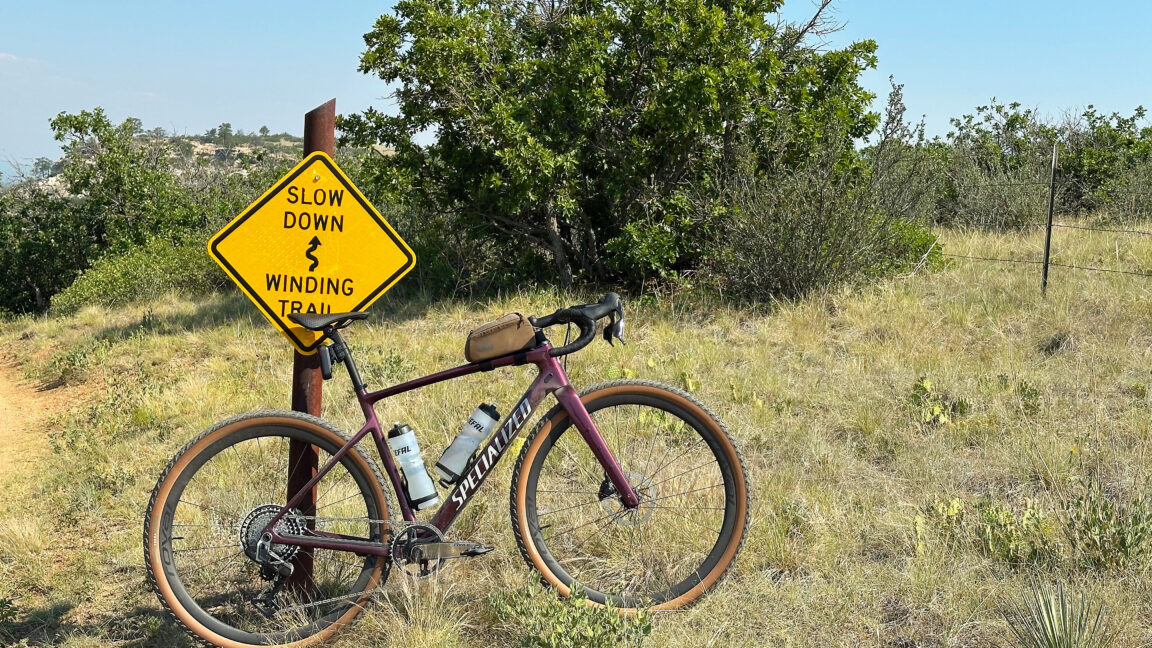
When I make my yearly trip to Denver, I always bring my road bike. It's my annual chance to suffer on the kinds of gradients unavailable in the glacier-scoured lands of northeastern Illinois. In advance of this year's trip, Specialized hooked me up with its new gravel bike, the Diverge Pro 4, so I brought it with me to challenge it in ways not possible on the fastidiously groomed gravel trails of suburban Chicago.
In contrast to the Specialized Turbo Creo 2 we reviewed a couple of years ago, the Diverge Pro 4 is strictly human-powered. Specialized calls it "the ultimate getaway vehicle," designed with input from off-road adventure riders, scientists, and racers. It's marketed as the only gravel bike you need for racing, adventure, and distance rides. While I can't speak to its racing performance, I can say the Diverge Pro 4 is a blast on any kind of gravel and does well enough on the road.
Priced at $8,249, the Diverge Pro 4 is designed for rough trails and technical descents, both of which unfolded below me at the summit of an is-it-gravel-or-is-it-single-track climb in Douglas County, Colorado. I took a deep breath, and down I went. The descent was rutted and slightly more technical than anything I'll ever run into around Chicago, but I had enough time on the bike to realize that if I had trouble on the descent, it wouldn't be the bike's fault.
It wasn’t that long ago that ClickFix attacks were exotic. Now the technique has become mainstream as attackers reap its simplicity and effectiveness in infecting users of PCs and Macs alike. All that’s required is a compromised website—a painless enough task—a fake CAPTCHA overlay, and the inclusion of a single terminal command. So many visitors get suckered into pasting and running the command that just about every malware pusher has adopted the technique. Even Kremlin-backed hacking groups are joining in.
“Reddit is becoming post after post after post of people getting their computer infected via ClickFix,” independent researcher Kevin Beaumont observed Thursday. “Legit websites everywhere [are] getting hacked to serve the fake captcha prompts.”
More seasoned Internet users—a fair number who read this site—are quick to dismiss the attack. They typically blame the people who fall for the scams and marvel at their gullibility and lack of attention. The reality is that for more casual users, using computers and the Internet has become so difficult—think impossible-to-close interstitials, CAPTCHAs with an endless series of pictures to analyze, and constantly changing interfaces that bury the features they’re looking for—that they have grown desensitized to instructions that seem ridiculous and burdensome.


Eat more fatty fish.
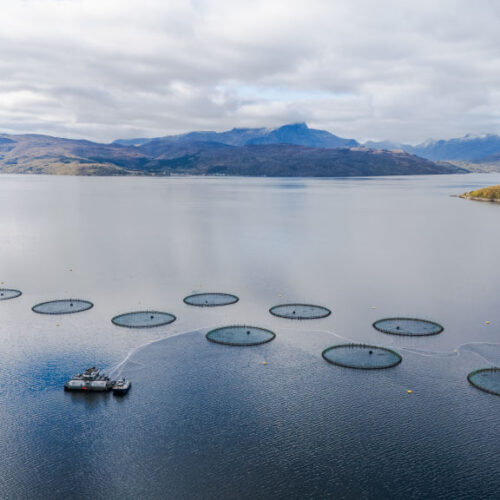
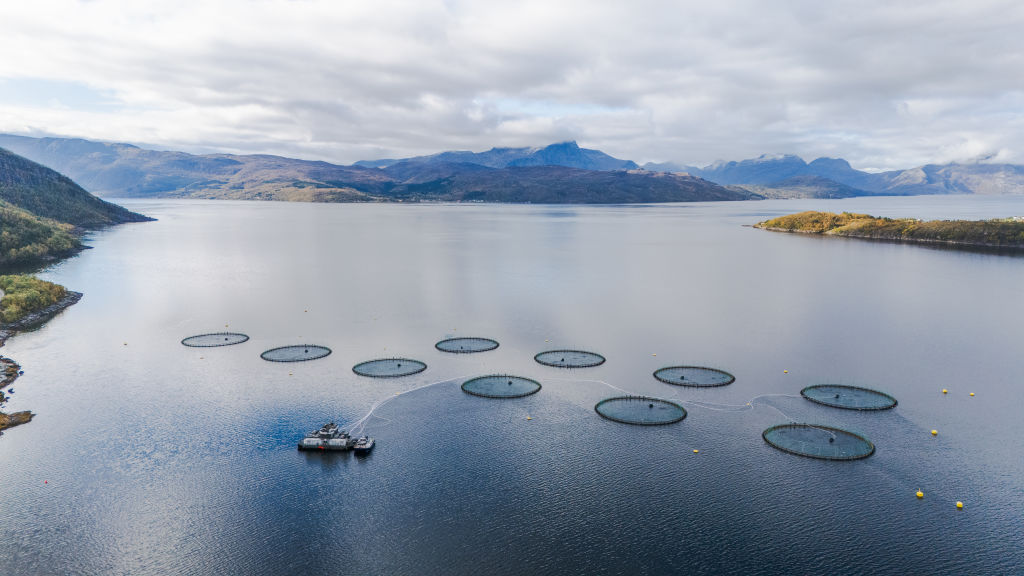
That dietary advice has changed the way the world consumes salmon, pushing consumer demand ever upward and production to higher and higher levels. Most of that demand is being met with farmed salmon: Today, nearly 70 percent of the salmon consumed on the planet are raised in pens and cages.
The US Department of Agriculture’s Dietary Guidelines for Americans recommend eating at least 8 ounces of fish a week and urges people to choose salmon or other species that are similarly high in “heart-healthy” Omega-3 fatty acids. But new research led by USDA scientists finds that levels of these fatty acids in farmed salmon have dropped considerably, potentially making the agency’s own advice, and similar recommendations, including from the American Heart Association, outdated and insufficient.
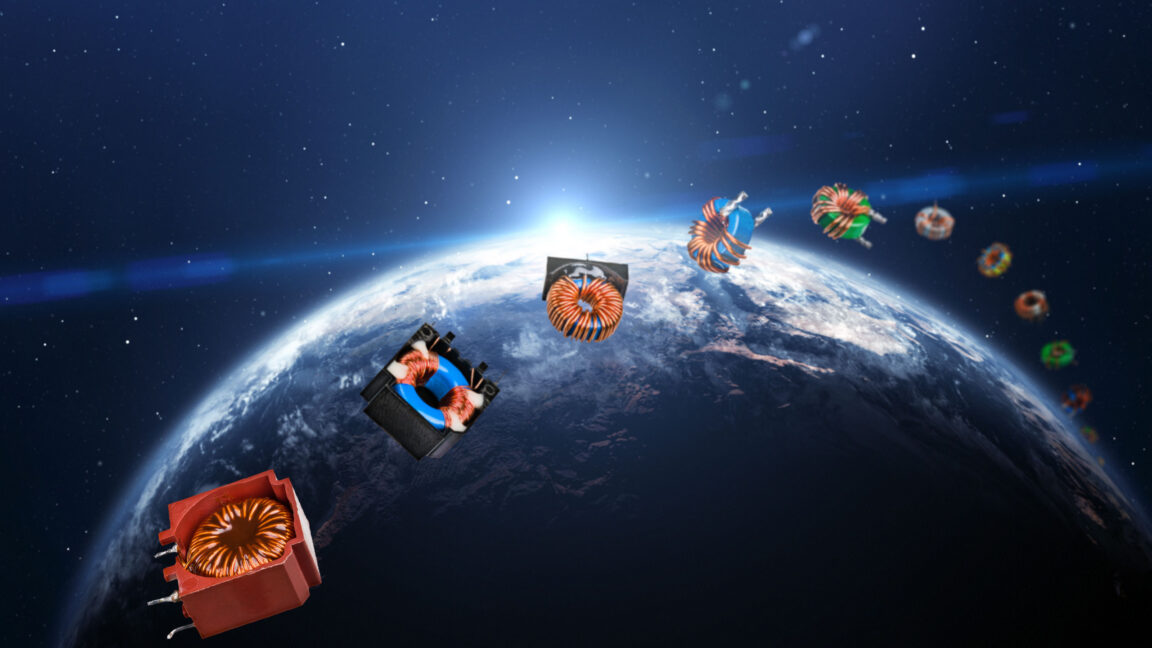
Elon Musk’s talk about maintaining a million-strong AI data center satellite megaconstellation may not exactly be practical or economical, but it might be unique. It’s about the closest we’ve come to confronting a scheme that would export a considerable amount of valuable materials into space. Humans aren’t doing a great job of material sustainability, but normally we’re talking about stuff escaping a recycling pipeline rather than escaping Earth’s gravitational pull.
The commercial space sector likes talking about the allure of mining asteroids for precious metals to bring back to Earth. Under what circumstances are we going to be willing to do that in reverse? Starlink alone has doubled the mass of objects in low-Earth orbit, and this orbital data center constellation would dwarf that—and dispose of at least some satellites by pushing them away from Earth.
Given the roughly five-year expected lifetime for data center GPUs, about 200,000 of the 1 million proposed SpaceX AI1 satellites would be decommissioned each year. Based on their May 29 FCC filing, about 40,000 would definitely deorbit and burn up in the atmosphere. (Those materials would largely be dispersed throughout the atmosphere, turning a resource into a diffuse contaminant that slowly settles over the globe. One related issue: the aluminum would cause an unknown amount of ozone depletion over a period of decades.) Some or all of the remaining 160,000 satellites would be moved outward into a distant “disposal” orbit, instead. Either way, they're lost from a "material life cycle" point of view.

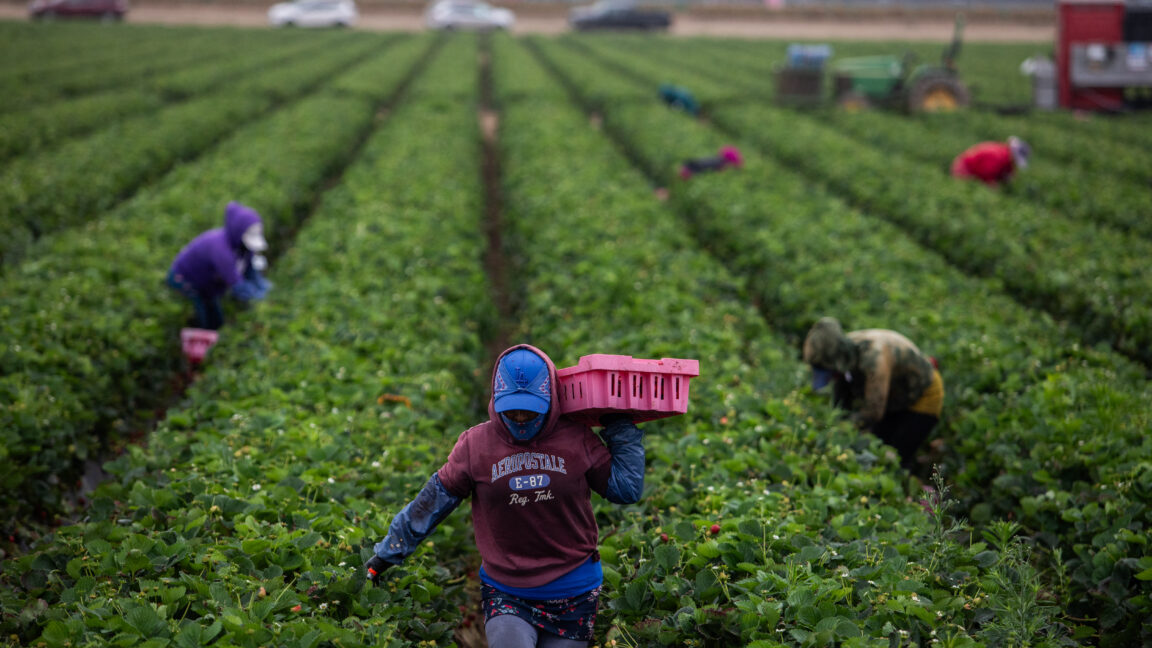
For the nation’s 2.4 million farmworkers, climate change is poised to exacerbate the harms of pesticides, a growing body of research shows.
Heat stresses the body, making it more vulnerable to pesticides and other toxicants, and protective clothing worn in the heat only adds to this stress. Hotter temperatures can also lead to higher evaporation rates, increasing farmworkers’ exposure as more pesticides are applied to crops. And heat can boost rates of chemical transformation of pesticides into more toxic compounds.
“When it’s in the air, you are inhaling it through your nose. You are exposed to it through your other organs like skin. Your skin can absorb some of the pesticides [that are] in the air, and also when you’re sweating as part of doing your work you are increasing the pore size of your skin,” said Omanjana Goswami, a scientist in the food and environmental program at the Union for Concerned Scientists, an advocacy group. “It is awful. There is no other word for it.”
DURATÓN, Spain—I'll say it: I'm hooked. Standing in the shadow of the Moon is one of the rarest opportunities to directly sense the mechanics of our Solar System, when the dance between three celestial bodies slides into perfect alignment. It's a mathematical miracle whose rarity and grandeur are made possible by the relative sizes and distances of the Moon and the Sun from Earth. Not every planet is so lucky.
The Moon's shadow crisscrossed the American heartland twice in less than seven years, first in 2017 and again in 2024. I was fortunate to witness both. The experiences left me too impatient to wait for the next total solar eclipse in the continental United States in far-off 2044.
That's what pulled me to the plains of north-central Spain last week. This land of wide open spaces, ancient churches and castles, and vast sunflower fields, all baking under the blinding August Sun, seemed like the perfect location to enter the path of totality. The ongoing drought in Spain has turned the country's fields and forests into a tinderbox, but those conditions made for ideal eclipse viewing.


In 1965, a presidential advisory panel issued a report warning that pervasive chemical and carbon pollution was harming environmental health and changing the climate. Five years later, President Richard Nixon signed the Clean Air Act.
Since that 1970 law and its amendments were passed, combined emissions of a half-dozen harmful air pollutants from vehicles and industrial sources have decreased by nearly 80 percent.
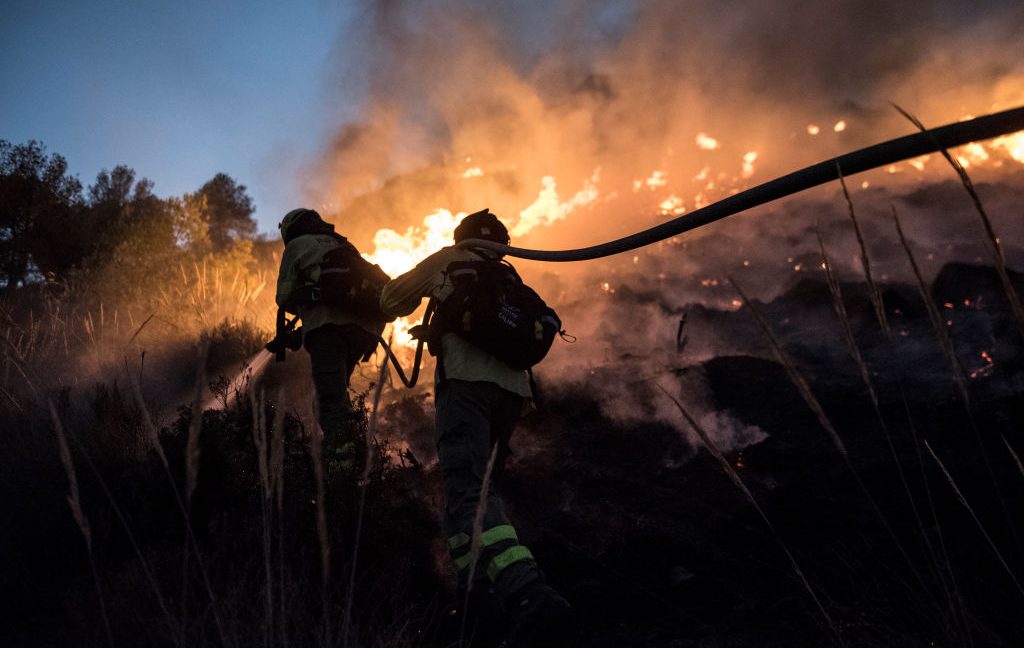
But mounting evidence shows that pollution from wildfire smoke is eclipsing those air-quality gains. The unchecked burning of fossil fuels is creating warmer, drier conditions that make wildfires more intense and destructive, and blanket communities in toxic smoke that is more harmful than pollution from other sources.
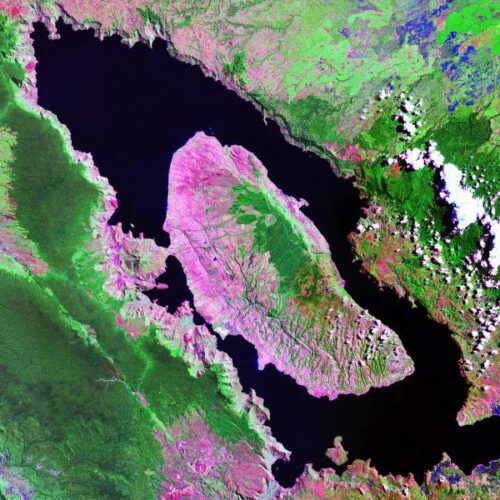
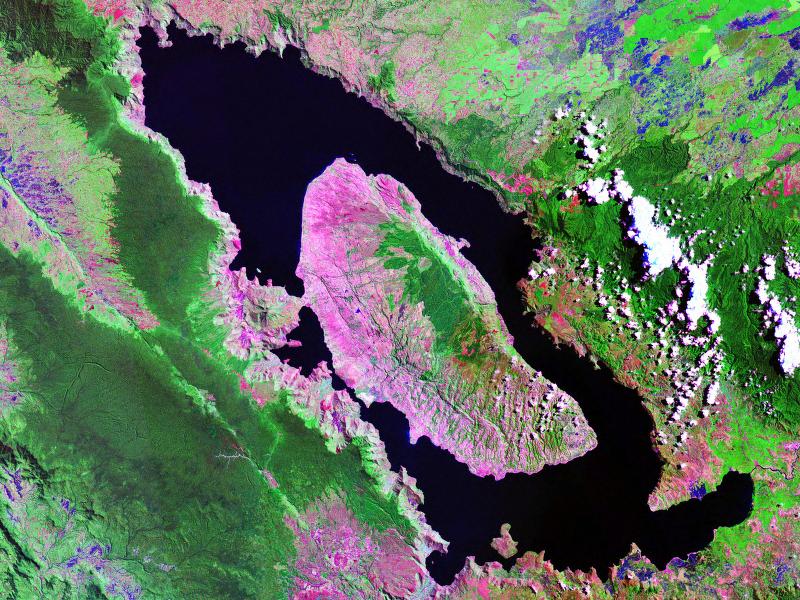
Mount Toba was the biggest volcanic eruption in the last 2.6 million years, and some have suggested it nearly wiped out humanity. Around 74,000 years ago, a caldera on what is now Sumatra emptied thousands of cubic kilometers of magma in about two weeks, roughly a thousand times more than Mount Pinatubo spewed out in 1991. “People thought it might have caused massive cooling of the planet, and hence threatened the survival of our ancestors,” says Jinheum Park, a geoscientist at Johannes Gutenberg University in Mainz, Germany.
Park and his colleagues went looking for the records of that catastrophe in the mud taken from the bottom of a small crater lake on the Kenya-Tanzania border. They found instead that the effects of the Mount Toba eruption lasted under two years and amounted to perhaps half a degree of cooling.
Volcanic eruptions inject sulfur dioxide into the stratosphere, where it becomes a haze of tiny droplets that reflect sunlight back into space. Bigger eruptions eject more sulfur dioxide and, in principle, cause more cooling. But this trend stops working when the eruption exceeds a certain magnitude. “Bigger sulfate aerosols settle quickly, because they are heavier,” Park explains. This quick settling makes them less effective in scattering incoming solar radiation.
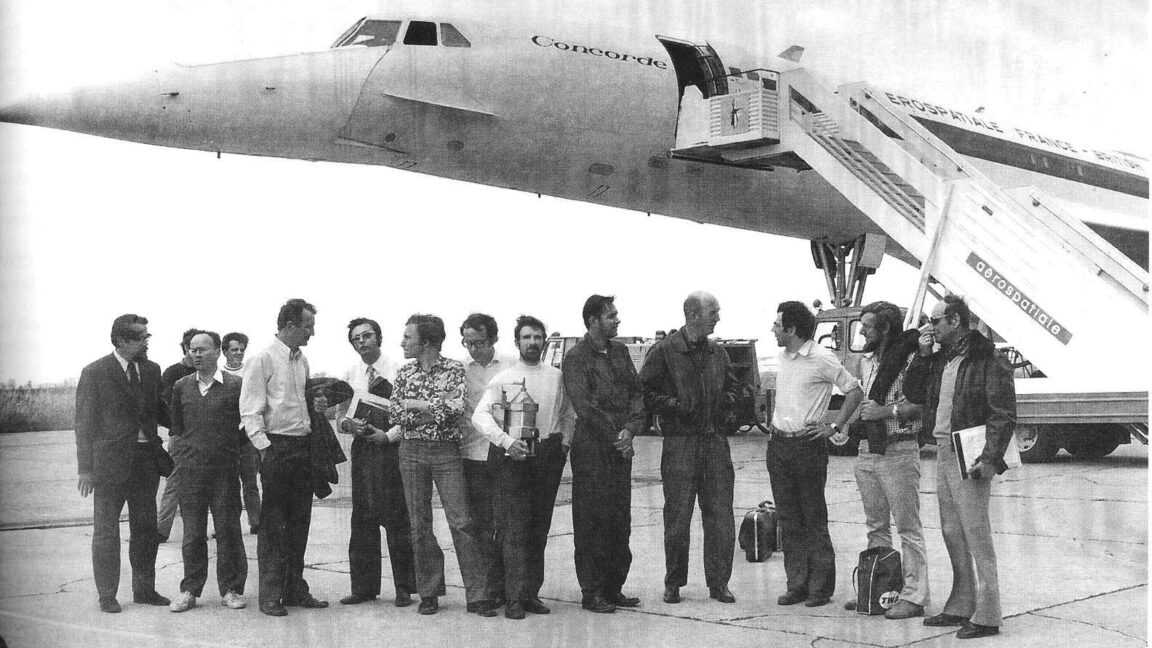
A walk down the tarmac at the National Air and Space Museum of France is guaranteed to thrill aviation enthusiasts. Several civilian and military aircraft of the past and the present are showcased in this museum, located at the Paris-Le Bourget airport. One of them is the legendary Concorde F-WTSS 001 prototype, the sight of which should give goosebumps to science enthusiasts as well.
That’s because right behind its long nose is a painted map that traces the path of a June 1973 total solar eclipse across Africa. It’s there on the Concorde 001 prototype because a group of eight scientists set a new world record of observing a total solar eclipse for 74 minutes by flying this aircraft at more than twice the speed of sound.
To put this figure into context, the maximum duration of totality on the ground is around 7.5 minutes when an eclipse is observed in the equatorial regions. For the upcoming solar eclipse of August 12, which can be seen from parts of Europe, the maximum duration of totality from the ground will be slightly more than two minutes.

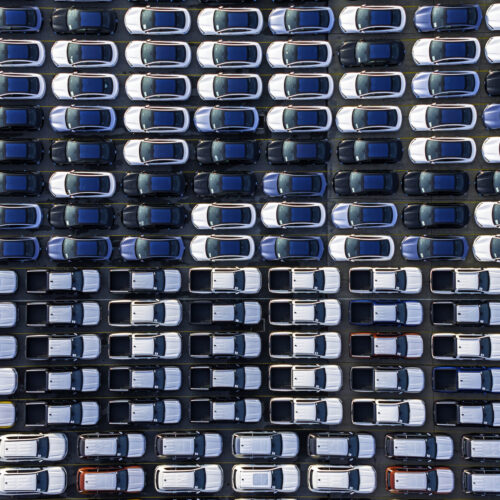
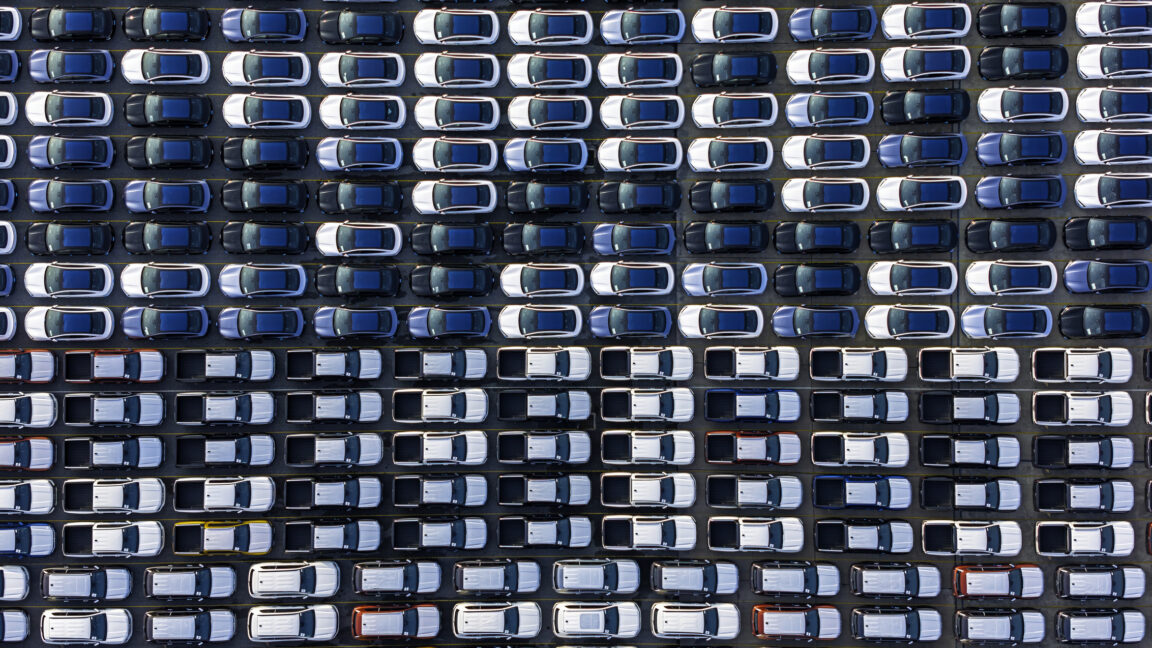
While recycling is a mathematically obvious response to the finite, non-renewable nature of many resources, the economic math is often challenging. For many materials, it can be hard to compete with virgin materials on a cost basis. Fast-moving technologies like electric vehicles throw in an added complication: By the time a car is scrapped, the industry may have moved on to a different battery chemistry. That reduces the value of recycling the car’s battery back into the production chain.
Still, a study led by Xin Xiong at Nanjing University finds that in China, recycling could become the dominant source of many key materials needed to manufacture EV components over the coming decades.
The researchers set out to model how the supply of recycled materials compares to manufacturing demand in China between 2010 and 2050. It covers materials relevant to batteries across hybrid, battery-electric, and even fuel-cell vehicles (lithium, cobalt, nickel, manganese, phosphorus, sodium, sulfur, and graphite), as well as several critical elements used in electric motors (copper, neodymium, dysprosium, samarium, and cerium).
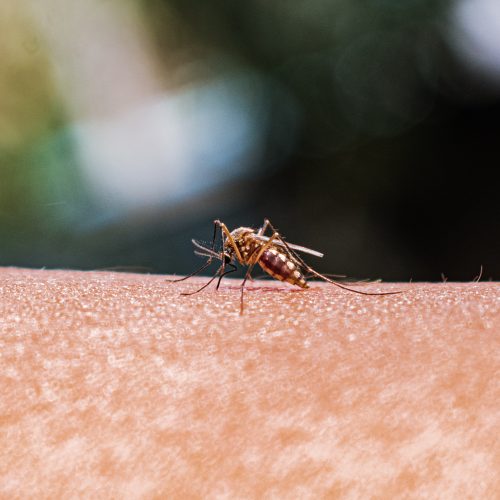
With summer heat comes pool parties, beach days, backyard cookouts, and, of course, swarms of bloodthirsty mosquitoes.
But while insect bites have always been a side effect of time spent outdoors, the species doing the biting are changing in historically temperate regions like New England. As climate change makes these areas warmer and wetter, their ranges are expanding—and any diseases they carry come with them.
In Connecticut, for example, a statewide mosquito monitoring program has detected 54 different species, including invasives like the Asian tiger mosquito, which can transmit potentially serious diseases including dengue and Zika. The mosquito’s historical territory is in hot and humid climates farther south, but it has been moving north.
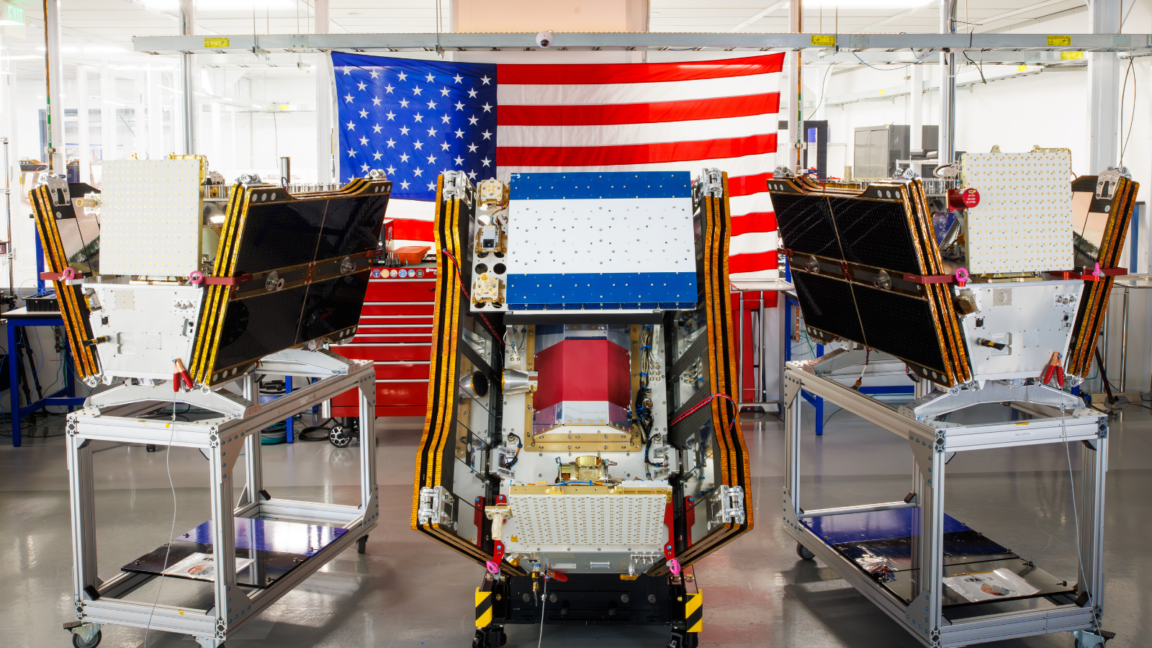
As smoke from hundreds of burning wildfires spread across Canada and the United States, the first three operational satellites in the Google-backed FireSat program successfully launched into orbit. The satellites will begin providing wildfire detection capable of spotting even small fires in the United States, Australia, and Europe before the end of the year.
The launch of the microsatellites aboard a SpaceX Falcon 9 rocket from Vandenberg Space Force Base in California on July 7, 2026 marks a transition to “initial operational capability” for the FireSat constellation managed by the nonprofit Earth Fire Alliance. After a three-month testing period, the three satellites will begin actively providing data to fire agencies while covering every fire-prone region on Earth at least twice per day.
FireSat represents the first satellite constellation purpose-built for detecting wildfires, including spotting smaller fires that other satellites may miss. The satellites were designed by California-based satellite manufacturer Muon Space and have received over $15 million from Google to support initial deployment. Other notable financial supporters include the Bezos Earth Fund that committed $26 million.
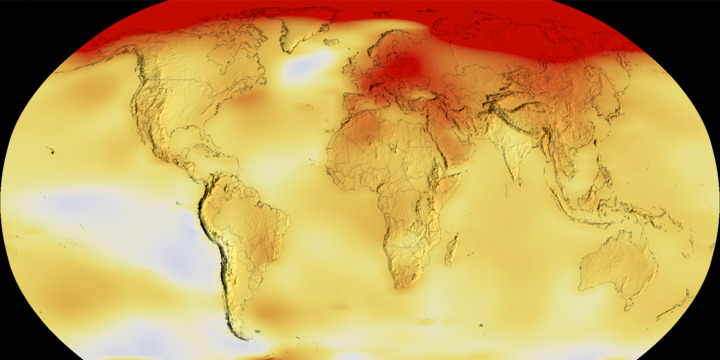
Climate change is being driven largely by the greenhouse gases we've pumped into the atmosphere, which trap more of the Sun's energy there. That added energy increases the odds of extreme events: longer, more intense heat waves and droughts, interspersed with excessive precipitation. But these sorts of events have happened in the past—how can we tell if any given weather disaster has been made more likely by the climate?
It's a question with implications for everything from building codes to disaster preparedness. And there's some good news: According to a report released by the US National Academies of Science on Thursday, the field of climate attribution is growing increasingly mature and can answer some questions for us with far greater confidence than it could just a decade ago. The report also notes that there are still important limits and suggests steps to address them.
Overall, this makes it clear that climate attribution is normal, mainstream science. And the fossil fuel industry views that as a problem, as it could make it easier to hold companies liable for damages. This has triggered a backlash that has Republicans in Congress and state governments threatening the National Academies' funding.


A new state law limits Florida communities’ aims to offset greenhouse gas emissions that are warming the global climate and intensifying disasters such as hurricanes.
Specifically, HB 1217 prohibits local governments from pursuing net-zero emissions goals. At least 10 cities and counties have implemented such policies, including Fort Lauderdale, Miami, Orlando, and Leon County, where Tallahassee, the state capital, is located. But the new law will not necessarily upend these policies, said Bradley Marshall, senior attorney at Earthjustice, an advocacy group.
“It’s certainly meant to scare municipalities and local governments from trying to do things to further net-zero policies,” he said. “Now, its exact impact and what it exactly prohibits is probably up for some debate. Things that are adjacent to it—emissions reductions and even climate change reduction policies—on their face will not run afoul at all of a ban on adopting a net zero policy.”


Since the early 1980s, Earth scientists have understood that erosion and weathering of rock slowly removes CO2 from the atmosphere, regulating Earth’s climate on geological timescales. But recent studies have shown that erosion can also emit CO2 by oxidizing organic carbon contained in eroding sediments. It hasn’t been clear how this competition between removal by rock weathering and emission by organic carbon weathering ends up affecting Earth’s climate.
A new study in the journal Nature Communications uses the geological past to test how these competing effects added up. Doctor Madeleine Stow of the University of Oxford, with colleagues from across the UK and France, examined a volcanically triggered episode of global warming that happened in the early part of the Jurassic period, 183 million years ago, known as the “Toarcian Ocean Anoxic Event.”
They found that eroding organic carbon amplified climate warming at the time, suggesting that the same process may apply to modern climate change. But the extent to which the past is prologue is uncertain.
In February 2024, Notion bought Skiff, an encrypted email and productivity software startup. Within a year, Notion shut down Skiff’s email service (taking @skiff.com email addresses with it). And in April 2025, the San Francisco-based company released Notion Mail, a Gmail client primarily built by people who joined Notion through the Skiff acquisition. Today, Notion announced that it’s shutting down Notion Mail, effectively killing what little remained of Skiff email.
In an X post (first spotted by 9to5Mac) today, Notion said that it will shutter the Notion Mail “inbox across web, desktop, and iOS on September 22.”
The post claimed that most Notion users don’t use email clients anyway and instead rely on AI agents to handle their electronic correspondence. It reads:


Europe is in the midst of its second big heat wave of the year, and it’s breaking more records. France just recorded its hottest day ever, with temperatures exceeding 44° Celsius in some places. Around 40 people have drowned in local water bodies, likely attempting to escape the heat, and thousands more are without electricity.
As temperatures hit a sweltering 36° in some regions of the United Kingdom, schools canceled classes and train delays abounded. United Nations Secretary-General Antonio Guterres described London as “cooking.” As the city hosts its annual Climate Action Week, the UK meteorological service has issued a red alert for multiple regions, signaling that exceptionally hot and humid weather is forecasted and likely to impact the general public. Switzerland and Spain have also issued warnings to residents.
Emma Howard Boyd, the former chair of the London Climate Resilience Review who now chairs the National Heat Risk Commission in the UK, said that when it comes to heat resilience in the country, the problem is not just homes—which are usually not air-conditioned.


Over decades, researchers in the US government and programs it sponsored built up a tremendous number of climate resources, from comprehensive analyses to massive datasets to basic explainers meant to inform the public. And people within the government built the climate.gov website to make it all accessible. But if you try to navigate there today, you get redirected to the climate page of the National Oceanic and Atmospheric Administration, and are greeted with the following message:
In compliance with Executive Order 14303 (“Restoring Gold Standard Science”), the White House Office of Science and Technology Policy’s June 23, 2025 Memorandum (“Agency Guidance for Implementing Gold Standard Science in the Conduct & Management of Scientific Activities”), 15 USC § 2904 (“National Climate Program”), 15 USC § 2934 (“National Global Change Research Plan”), and 33 USC § 893a (“NOAA Ocean and Atmospheric Science Education Programs”), you have been redirected to NOAA.gov. Future research products previously housed under Climate.gov will be available at NOAA.gov/climate and its affiliate websites.
Climate.gov was essentially gone, and the team that deleted implied that it happened because climate research somehow failed to uphold what the administration was calling "gold standard science."
But the people who put together climate.gov didn't go away. While the government didn't hesitate to delete inconvenient climate information, dedicated volunteers outside the government managed to preserve copies of much of the material, which the federal government is prohibited from copyrighting. The volunteers and former climate.gov admins got together and launched climate.us. On Tuesday, the team announced that it had completed the project to restore everything lost when climate.gov shut down.
COLORADO SPRINGS, Colo.—If you drive the 12.4-mile (20 km), 156-corner route up Pikes Peak, abiding by the posted speed limit of 25 mph (40 km/h), it will take you a good 30 minutes to reach the top. That's assuming you resist the urge to stop and gawk at the infinite vistas that surround you along the way.
On Sunday, professional racer JR Hildebrand covered that same distance in just 9.5 minutes, ignoring the scenery all the while. He did it in a 1,250 hp (932 kW) hybrid-powered Corvette ZR1X, a car that you can take home yourself for about $210,000. It set a new production car record for the hybrid on a day when EVs and combustion-powered cars fought for mountain supremacy.
2026 marked the 104th running of the Pikes Peak International Hillclimb, one of the most historic races on the planet. Since its inception, competitors have struggled not only to string together all those corners but to maintain speed all the way to the 14,115-foot (4,302 m) summit.


Founded during the US Civil War to provide advice to the government, the National Academies of Science have become one of the most prestigious scientific organizations. Its primary function is to prepare comprehensive reports on scientific and technological issues, aided by its ability to attract top talent from across the country.
Those reports have not been afraid to weigh in on matters of public controversy and risk offending powerful groups, which it has managed to do without losing the respect of the governmental organizations that fund these reports. But this year, there have been increasing signs that the Academies' ability to dodge political firestorms has reached its limit. Yesterday, a deeply reported story from Politico explained the breakdown between the National Academies and Republican politicians.
The National Academies is preparing an expert report on attribution of weather events to human-driven climate change, and fossil fuel companies are worried it will lead to findings of liability in the many cases where those companies are being sued.


Microsoft on Tuesday released fixes for two high-severity zero-days that were disclosed by a researcher who has been locked in a testy beef with the software giant.
Nightmare Eclipse, the pseudonym the researcher goes by, released a handful of high-severity vulnerabilities in recent months, making them zero-days that had the potential to be exploited in the wild. The researcher has said the disclosures, which included proof-of-concept code, came after Microsoft reneged on an arrangement the two made regarding vulnerabilities they had discussed.
“But someone violated our agreement and left me homeless with nothing,” Nightmare Eclipse wrote in March. “They knew this will happen and they still stabbed me in the back anyways, this is their decision not mine.”


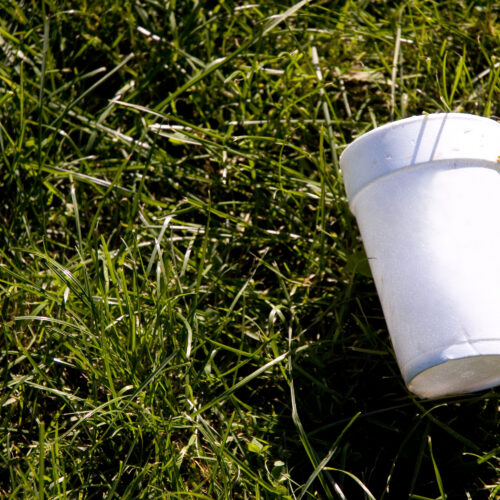
Humanity has littered the sky with the refuse of fossil fuel use, releasing enough CO2 to change the planet’s climate. We are also chucking incredible sums of carbon in the form of plastics into landfills and into the environment around (and inside of) us. What if cleaning up one of these problems could also help clean up the other?
A new study led by Ruth Ebenbauer at Aarhus University experiments with this idea by upcycling discarded polystyrene into (part of) a material commonly used in carbon-capture systems.
This material is based on amines—a simple chemical group that conveniently acts like a sponge for CO2. An amine will grab CO2 molecules when exposed to them, but let go of the CO2 when heated or depressurized, leaving it ready to go again. The first “CO2 scrubbers” tried in smokestacks used amines dissolved in water to do this, but solid amines are used in all kinds of carbon-capture systems now because they require less energy. These solid materials—often made into granules similar to the activated carbon in a water filter—have high surface area and high porosity, so the amines can efficiently partner up with CO2 molecules.
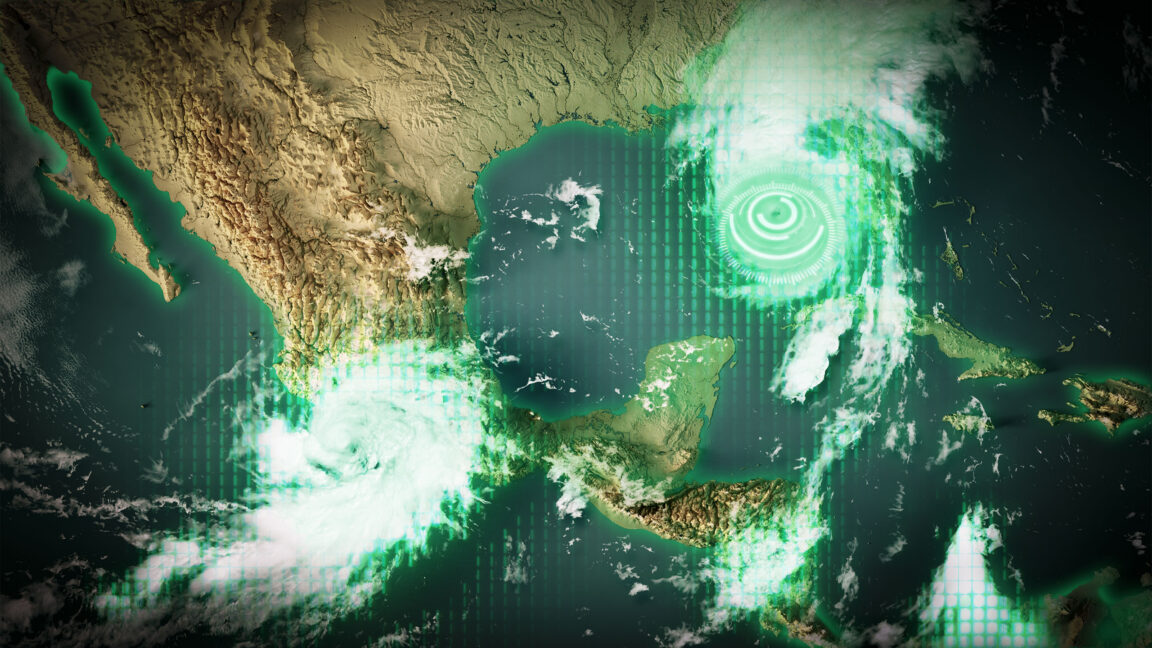
It feels like there's no escaping AI right now, whether you’re trying to type a sentence without being interrupted by a digital “assistant” or struggling to find a new refrigerator that doesn’t require a Wi-Fi connection for some reason. You’d be forgiven for wondering if we’re in the midst of a quantum leap in tech or whether people are just hyping up a heap of slop.
So what should we make of the growing use of AI in weather and climate modeling?
The conversation didn't get off to a great start earlier this year when a National Weather Service office posted a forecast map featuring nonexistent cities in Idaho with names like “Whata Bod” and “Orangeotild.” Thankfully, that was just an AI-generated image produced for social media, not the actual forecast model. Meteorologists and climate scientists are not yet being replaced by large language model prompt engineers.
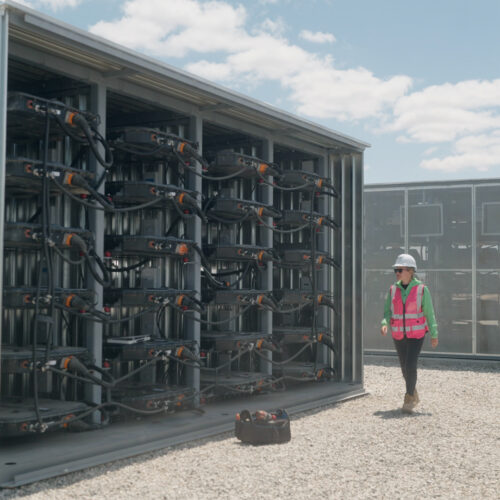
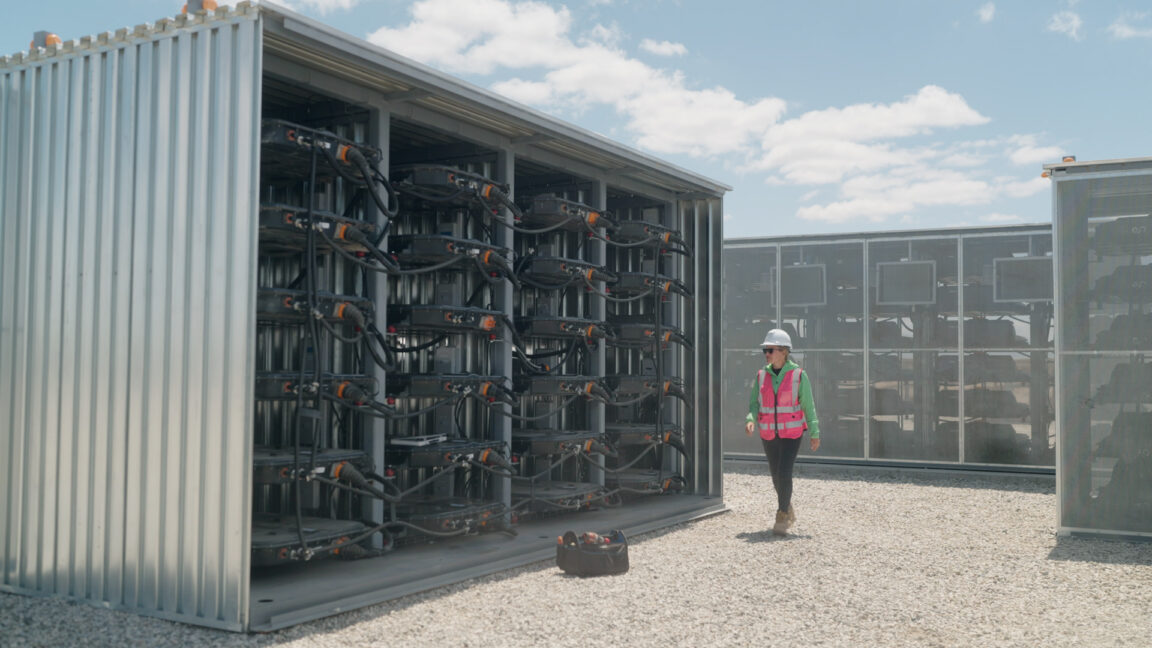
Thousands of electric vehicles in Waymo’s autonomous robotaxi fleet may eventually give up their used batteries for a very different purpose—contributing up to hundreds of megawatt-hours of stationary energy storage to local power grids.
That prospect comes from a “strategic supply agreement” announced by Waymo and B2U Storage Solutions on June 4. B2U has been repurposing thousands of used batteries from various electric vehicles by installing them in large stationary energy storage projects. Such energy storage facilities can capture excess renewable energy during low demand periods and release such energy when local power grids are experiencing peak demand periods.
“Our business is getting the full residual value out of electric vehicle batteries after they're no longer suitable for automotive use,” Freeman Hall, CEO of B2U Storage Solution, told Ars. “Waymo puts a lot of miles on EVs and their model is expanding rapidly, and so we're just very pleased and honored to be able to work with them.”
In December, the Trump administration abruptly announced it would shut down the National Center for Atmospheric Research (NCAR), a Boulder, Colorado-based facility that helps researchers perform studies of weather, climate, atmospheric chemistry, and more. The news came as a shock, given that the government had never identified serious deficiencies in the management of NCAR and its associated supercomputing center in Wyoming.
Nevertheless, the government ordered the University Consortium for Atmospheric Research (UCAR), which manages NCAR on behalf of the National Science Foundation, to help it prepare to transfer the Wyoming facility to a different operator. UCAR sued the government and, on Monday, won a preliminary injunction that places the transfer of the facility on hold.
NCAR is what is termed a "Federally-Funded Research and Development Center" meant to support researchers in the academic community. Rather than having its own research agenda, it provides facilities, equipment, and expertise to support projects that are too large or complex for researchers to pursue on their own. NCAR has been around since the early 1960s and has become a critical resource for the global atmospheric science community.


On a blazing hot day in South Africa, female southern pied babblers can’t think straight. The medium-sized black-and-white birds are trying to get at tasty mealworms behind a see-through barrier. On cooler days, the birds can quickly figure out that all they have to do is go around the small wall of plastic. But when the mercury goes up, the birds just keep stubbornly pecking at the barrier.
That experiment is part of a growing body of research showing that animals get their minds muddled during heat waves. When it’s hot outside, birds struggle to learn, dogs bite more often, goat-like chamois pick fights. This is bad news not just for those who get on Fido’s toasted nerves. If the animals can’t stay alert enough to find food or avoid predators, their chances of survival go downhill, says Amanda Ridley, a behavioral ecologist at the University of Western Australia who coauthored the pied babbler study.
With climate change making heat waves more common, such cognitive impairments across the animal kingdom could ripple through entire ecosystems, putting already fragile species at greater risk. If pollinators forget which flowers to visit, crops and wild plants may fail. If birds can’t find food as easily, their young may not survive. And on a warming planet, a sharp mind is particularly vital. “A changing climate means that your ability to behaviorally adapt is even more important,” Ridley says.


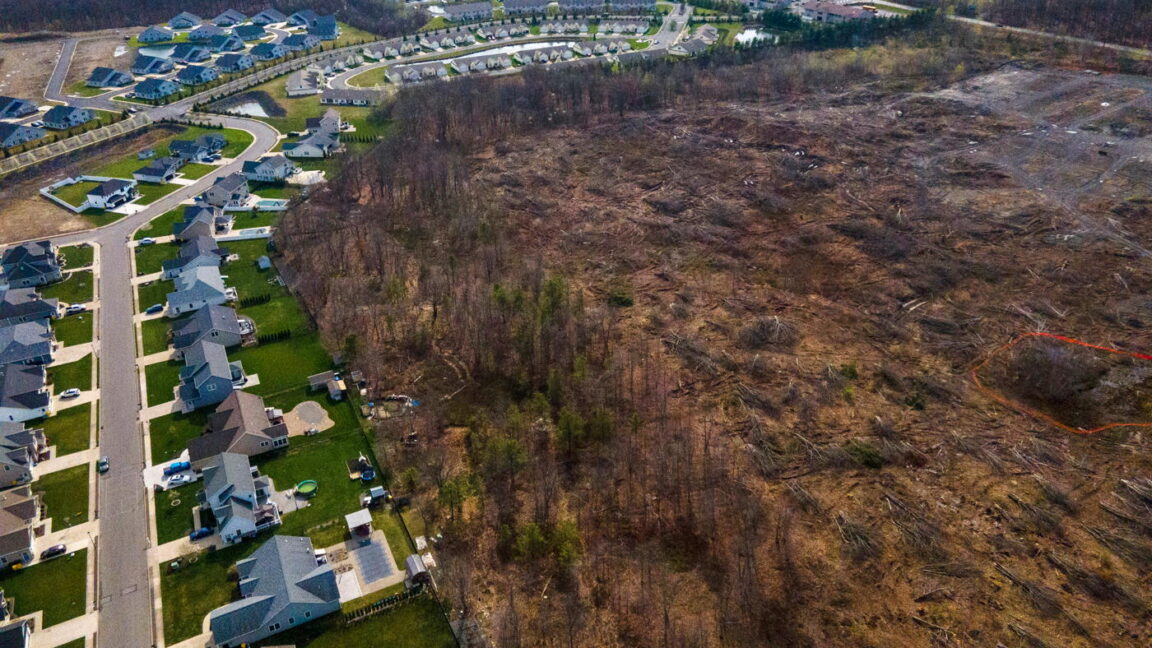
The latest example of burgeoning opposition to rapid data-center development in Pennsylvania came at a town hall meeting overflowing with frustration about how the state is managing the surge.
As about 225 people watched, more than 20 speakers in the two-hour online forum late Wednesday spoke about resistance to an industry they blame for rising electricity prices, heavy water use, noise pollution and rural industrialization. Gov. Josh Shapiro, who has tried to thread the needle of welcoming data centers while proposing some guardrails, was a frequent target.
“This is a public trust and transparency issue,” said Jennifer Dusart, a small business owner and resident of Mechanicsburg, near the state capital. “Too many Americans are finding out about these projects after decisions have been made. We have been bulldozed over, and when citizens have raised concerns, they are often dismissed as uninformed, emotional or anti-progress.”

Scientists said this week that a developing El Niño is likely to amplify heatwaves, droughts and floods this year, but warned that the long-term warming caused by burning fossil fuels remains the main driver of climate extremes.
El Niño is the warm phase of a semi-regular temperature oscillation in the tropical Pacific Ocean, during which massive amounts of heat stored in the ocean are released into the atmosphere, temporarily raising the average annual global surface temperature by as much as 0.3 degrees Fahrenheit.
During an online briefing this week, researchers said that the consequences of a moderate or strong El Niño today are more damaging than those of similar events just a few decades ago because the entire global climate system is now substantially warmer.
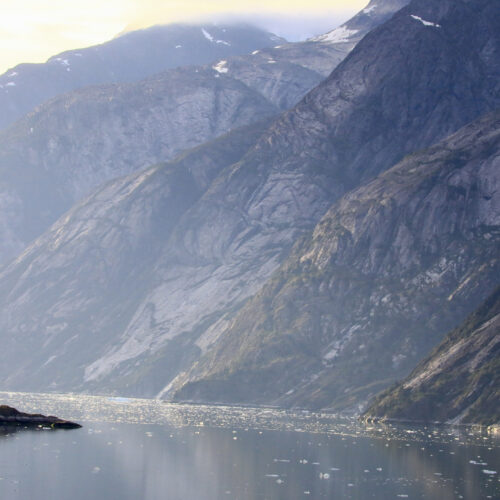
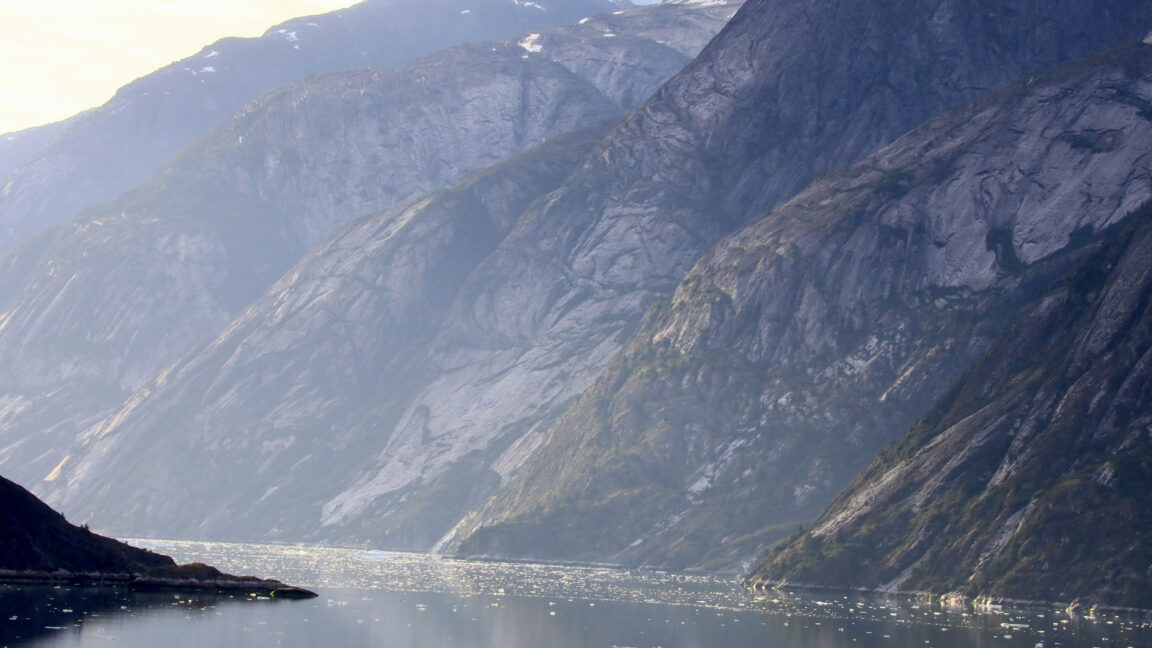
At 5:26 am local time on August 10, 2025, a massive wedge of rock with a volume of at least 63.5 million cubic meters detached from a mountain above Alaska’s Tracy Arm fjord. The falling rock plummeted into the deep waters at the terminus of the South Sawyer Glacier and caused an initial 100-meter-high breaking wave that tore across the fjord at speeds exceeding 70 meters a second. When this wave hit the opposite shoreline, it surged up the steep rocks to a height of 481 meters above sea level.
“It was the second highest tsunami ever recorded on Earth,” says Aram Fathian, a researcher at the University of Calgary and co-author of a recent Science study that reconstructed this event in detail. “But until now, almost nobody heard about it because it was a near-miss event,” he adds. There were no injuries or fatalities reported following the Tracy Arm fjord tsunami, mostly because it happened early in the morning. But we might not be so lucky next time.
Earthquake-generated tsunamis usually reach runup heights of a few tens of meters when they strike land. Landslide tsunamis, like the one that happened in Tracy Arm, are often more localized but also way more violent. When millions of tons of rock suddenly fall into a confined body of water like a narrow fjord, the variation in water depth and the direct displacement of the water column produce extremely high waves. Since 1925, scientists have documented 27 such events with runups exceeding 50 meters. The highest was the 1958 Lituya Bay tsunami, which reached 530 meters.
It’s not in your head.
Climate change is contributing to longer and more severe pollen seasons across the Northern Hemisphere. Dr. Neelima Tummala, an ear, nose, and throat doctor at NYU Langone Health, said her patients tell her every year that their allergies are the worst they’ve ever been—and they might be right.
About a quarter of US adults and 1 in 5 children have seasonal allergies. For those millions of Americans, spring weather brings sniffles, itchy eyes, asthma exacerbation, and other miseries, with effects ranging from mild symptoms to serious medical emergencies.


I spend more time today than ever before interacting with terminal windows, which is something I don't think Past Me would have believed in the early '90s. Back then, poor MS-DOS was the staid whipping boy of the industry, and at least on the consumer side, graphical environments like Windows (and maybe even odder creatures like AmigaOS) seemed poised to stamp the command line into oblivion, leaving text interfaces behind as we all blasted into the ooey-GUI future.
As it turns out, though, the command line is still the best tool for some jobs—many jobs, in fact. I read a wise post some years ago (probably on Slashdot) arguing that a mouse-driven point-and-click interface essentially reduces the user to pointing at something on the screen and grunting, "DO! DO THAT!" at the computer. (The rise of right-click context menus adds the ability for the user to also grunt "MORE THINGS!" but doesn't otherwise add vocabulary.)
The command line, by contrast, gives the user the opportunity to precisely tell the computer what they want done, using words instead of one or two gestalts that the computer must interpret based on context.


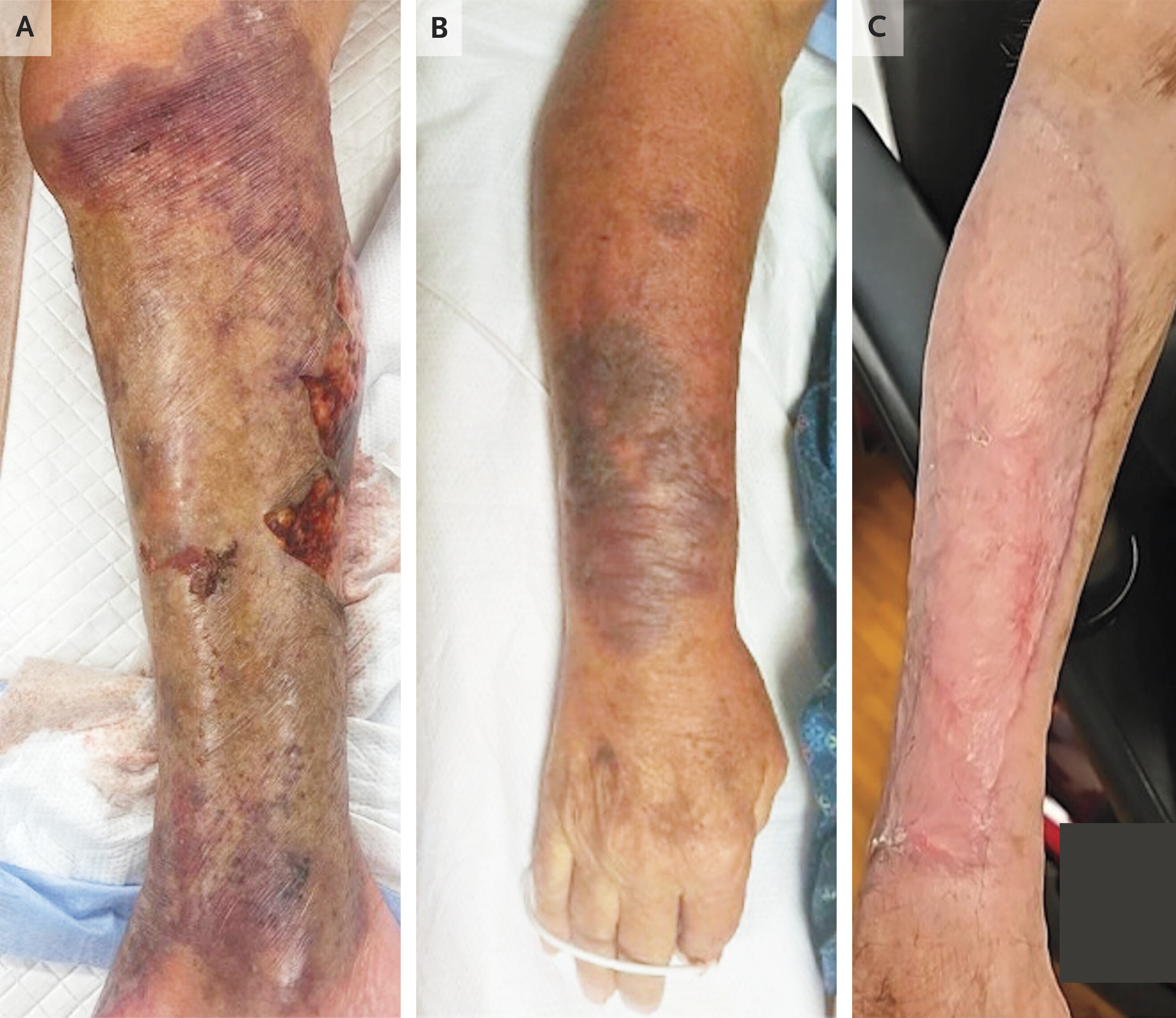
A 74-year-old man went to an emergency department in Florida with rapidly rotting limbs after jumping into the waters off Florida's Gulf Coast.
Just three days earlier, the man was otherwise healthy and active on the coast. But at one point when he jumped into the water, he got a cut on his right leg. It quickly became painful and bruised. Two days later, the skin on his right arm also started changing color.
According to a case report in the New England Journal of Medicine, by day three, when he arrived at the hospital, he was in dire shape. The lower half of his leg was darkly colored, indicating bleeding under his skin. Doctors noted a crackling sound, suggesting gases bubbling out of his dying flesh, and some of the outer layers of skin were peeling off. His arm wasn't much better. It appeared red, discolored, and swollen. A large blood blister (a hemorrhagic bulla) had formed, suggesting a severe flesh-eating infection. (You can see a graphic image here, including an end image of his arm.)



 Lateo.net - Flux RSS en pagaille (pour en ajouter : @ moi)