 Connexion


A BIOS update for the Framework Laptop 13 with AMD Ryzen 7040-series processors is bricking the systems, multiple users have reported online.
Framework started shipping pre-built Ryzen 7040-based Framework Laptop 13 computers and compatible motherboards in 2023. In June 2026, Framework released BIOS 3.20 for the devices. The update adds mainboard support for features, including a haptic touchpad and new speakers, for the higher-end Framework Laptop 13 Pro and fixes issues, including one “where the Battery Extender status was reported incorrectly following a reboot, hibernation, or shutdown after the timer had expired," per a post on Framework’s forum from an employee.
Some users say that they installed the update successfully.
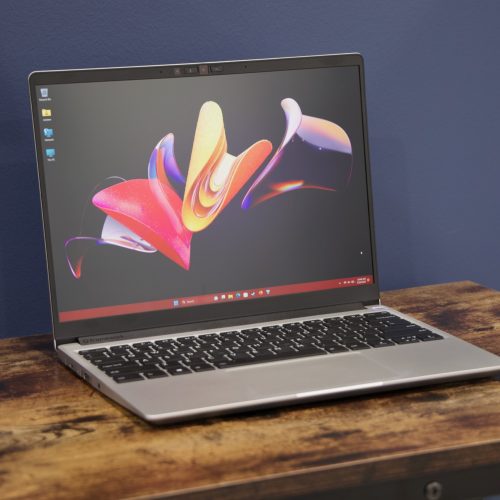
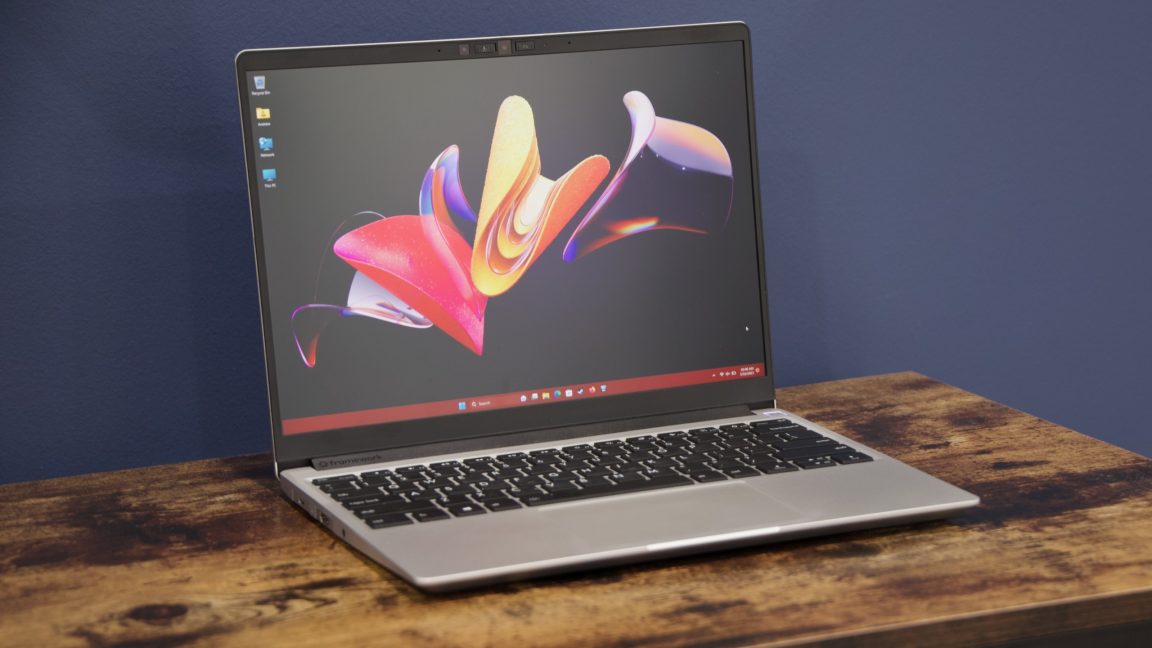
I've liked the Framework Laptop 13 since the first time I used it, partly because I just think the idea of a repairable and upgradeable laptop is cool and partly because it's not Yet Another Ultraportable Trying To Be A MacBook Air Clone. But the design has always had real shortcomings—the most noticeable and serious being its mediocre battery life.
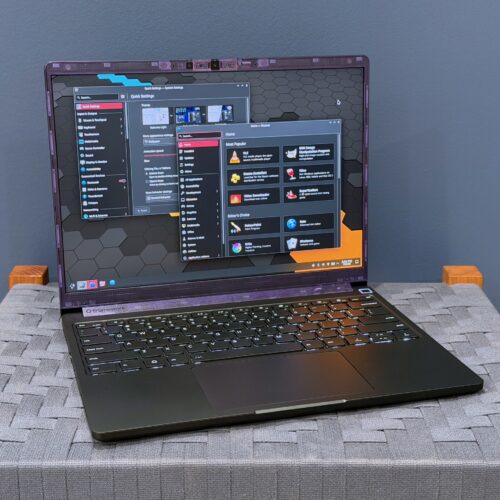
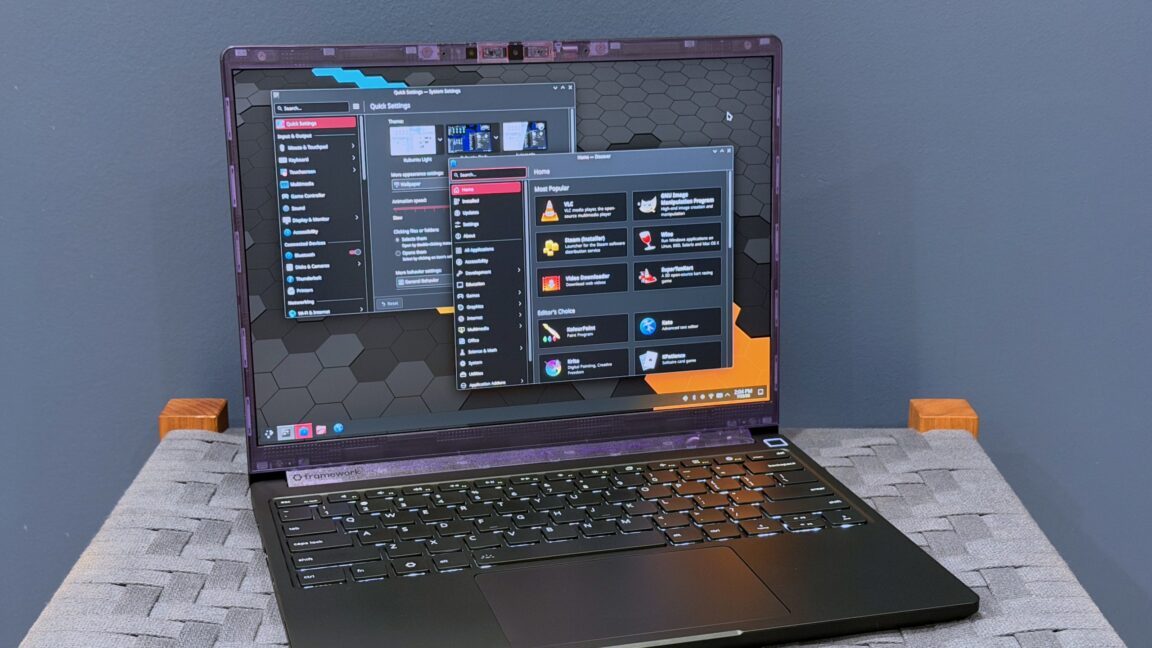
Enter the Framework Laptop 13 Pro. While all previous Laptop 13 refreshes have tinkered around the edges with the original design (a tweaked lid design here, new hinges or new speakers there), the Laptop 13 Pro is as close as we've gotten to a second-generation revision for the original design.
This means that it breaks backward compatibility for some (but not all) Laptop 13 components, most notably the bottom case, the keyboard and trackpad, and the original 55 WHr and 61 WHr battery designs. But by allowing itself to make larger changes to the design, Framework has made major strides in battery life and general fit and finish.
Whether you're a gamer trying to play recent AAA titles at high resolutions and maxed-out settings or an AI enthusiast trying to run models locally, we've reached the point where a GPU with 8GB of video memory is a pretty limiting bottleneck. But because of ongoing memory shortages and price spikes, it's also a uniquely bad time for GPU makers to attempt to fix this problem—rumors suggested that a RAM-boosting mid-generation "Super" refresh for Nvidia's RTX 50-series GPUs was quietly delayed or canceled earlier this year, at least in part because of memory costs.
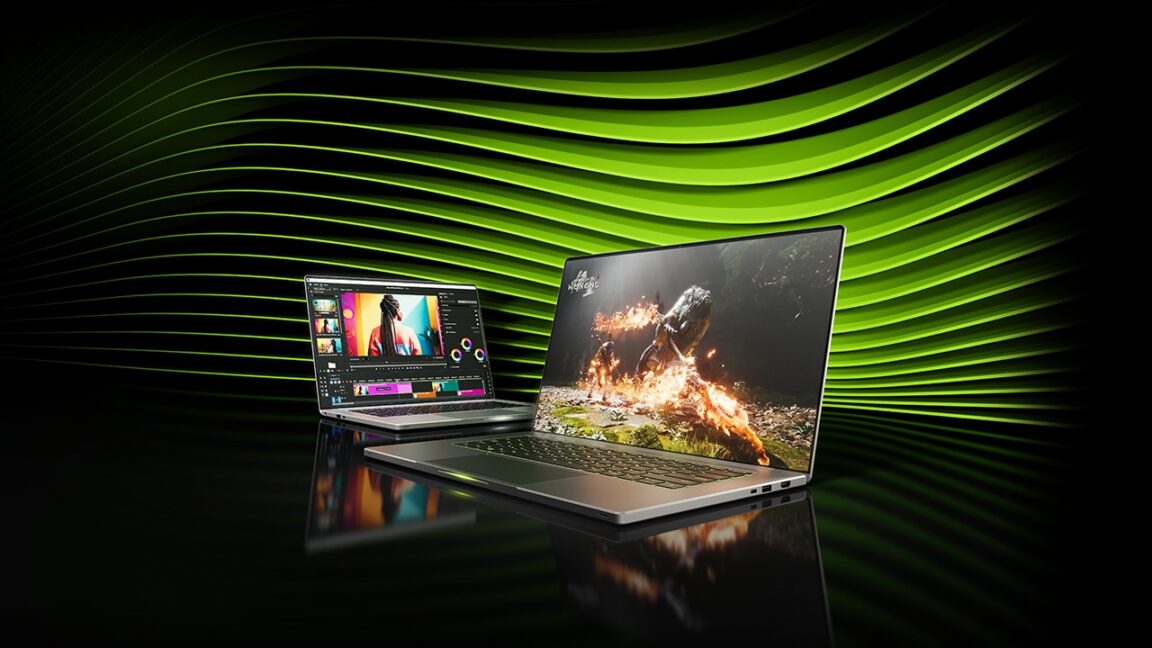
One of Nvidia's GPUs is getting a RAM upgrade, according to an announcement the company buried at the bottom of a blog post about a routine Game Ready driver update. The laptop version of the GeForce RTX 5070 is getting a bump from 8GB to 12GB of GDDR7, a 50 percent increase that should reduce some performance bottlenecks and generally future-proof the GPU.
Otherwise, the 12GB version of the mobile RTX 5070 is the same as the 8GB version. The RAM is still connected to the GPU with a 128-bit memory interface, and the GPU still has 4,608 CUDA cores. The mobile 5070 uses the same GB206 silicon die as the desktop RTX 5060 instead of the larger, more powerful GB205 die in the desktop version of the RTX 5070, meaning that despite the RAM increase, the desktop version remains a much more powerful GPU.


 Lateo.net - Flux RSS en pagaille (pour en ajouter : @ moi)