 Connexion


Dozens of cryptographically verified open source packages from Microsoft were compromised late last week to add advanced credential-stealing code that was triggered when developers opened them in AI coding agents.
In all, multiple researchers said, 73 packages were flagged as malicious when automated systems on GitHub blocked them on the platform. Rather than noting they are malicious—and that developers who used AI agents to work with them should assume their systems are compromised—the Microsoft-owned GitHub said it disabled the packages “due to a violation of GitHub's terms of service.” The text went on to encourage the package owner to contact GitHub.
It wasn’t until Monday that Microsoft even raised the possibility the packages were infected. In an email, the company stated: “We have temporarily removed some repositories as we investigate potential malicious content.”


A so-called software supply chain attack, in which hackers corrupt a legitimate piece of software to hide their own malicious code, was once a relatively rare event but one that haunted the cybersecurity world with its insidious threat of turning any innocent application into a dangerous foothold in a victim’s network. Now one group of cybercriminals has turned that occasional nightmare into a near-weekly episode, corrupting hundreds of open source tools, extorting victims for profit, and sowing a new level of distrust in an entire ecosystem used to create the world’s software.
On Tuesday night, open source code platform GitHub announced that it had been breached by hackers in one such software supply chain attack: A GitHub developer had installed a “poisoned” extension for VSCode, a plug-in for a commonly used code editor that, like GitHub itself, is owned by Microsoft. As a result, the hackers behind the breach, an increasingly notorious group called TeamPCP, claim to have accessed around 4,000 of GitHub’s code repositories. GitHub’s statement confirmed that it had found at least 3,800 compromised repositories while noting that, based on its findings so far, they all contained GitHub’s own code, not that of customers.
“We are here today to advertise GitHub’s source code and internal orgs for sale,” TeamPCP wrote on BreachForums, a forum and marketplace for cybercriminals. “Everything for the main platform is there and I very am happy to send samples to interested buyers to verify absolute authenticity.”


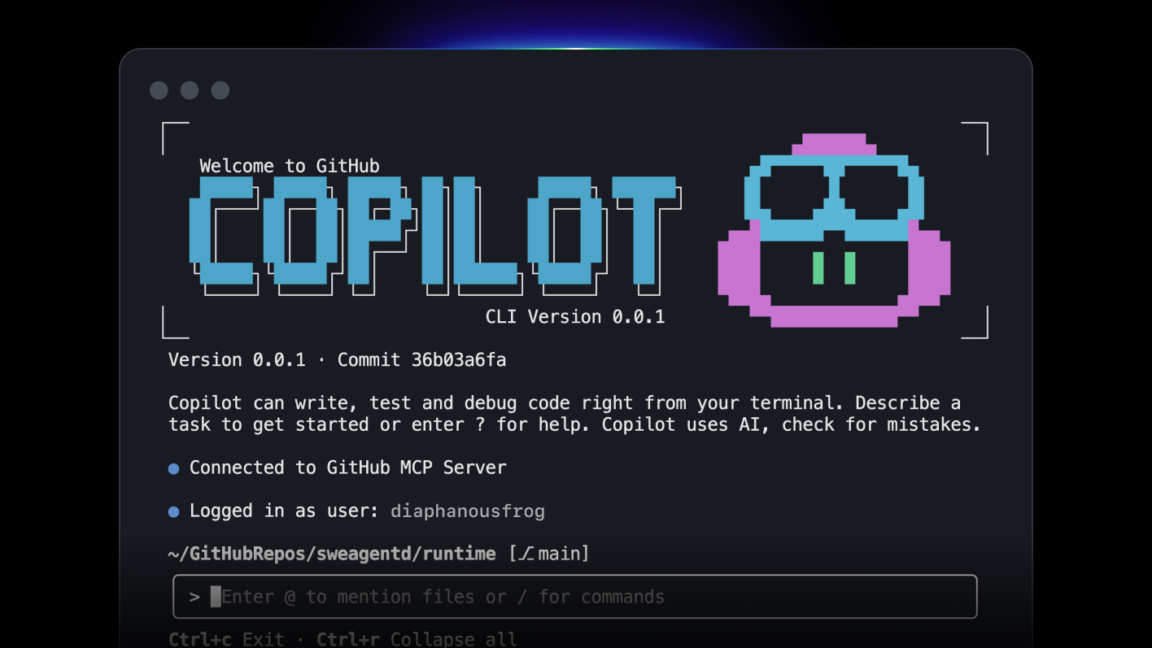
GitHub has announced that it will be shifting to a usage-based billing model for its GitHub Copilot AI service starting on June 1. The move is pitched as a way to "better align pricing with actual usage" and a necessary step to keep Copilot financially sustainable amid surging demand for limited AI computing resources.
GitHub Copilot subscribers currently receive an allocation of monthly "requests" and "premium requests," which are spent whenever they ask Copilot for help from an AI model. But those broad categories cover many different AI tasks with a wide range of total backend computing costs, GitHub says.
"Today, a quick chat question and a multi-hour autonomous coding session can cost the user the same amount," the Microsoft-owned company wrote in its announcement. And while GitHub says it has "absorbed much of the escalating inference cost behind that usage" to this point, lumping all "premium requests" together "is no longer sustainable."

Open source software with more than 1 million monthly downloads was compromised after a threat actor exploited a vulnerability in the developers’ account workflow that gave access to its signing keys and other sensitive information.
On Friday, unknown attackers exploited the vulnerability to push a new version of element-data, a command-line interface that helps users monitor performance and anomalies in machine-learning systems. When run, the malicious package scoured systems for sensitive data, including user profiles, warehouse credentials, cloud provider keys, API tokens, and SSH keys, developers said. The malicious version was tagged as 0.23.3 and was published to the developers’ Python Package Index and Docker image accounts. It was removed about 12 hours later, on Saturday. Elementary Cloud, the Elementary dbt package, and all other CLI versions weren't affected.
“Users who installed 0.23.3, or who pulled and ran the affected Docker image, should assume that any credentials accessible to the environment where it ran may have been exposed,” the developers wrote.



 Lateo.net - Flux RSS en pagaille (pour en ajouter : @ moi)