 Connexion


Leaders in the US Space Force would like to have a new spaceport up and running in four years, adding a third heavy-lift launch site to relieve pressure from bases in Florida and California that have shot rockets into orbit for nearly 70 years.
The obvious problem with that ambition is 2030 is four years away, and Pentagon officials have not determined where the new spaceport should go or how to acquire land for it.
Air Force Secretary Troy Meink first mentioned the service's search for a third launch base in May. A congressionally mandated study of the Space Force's launch infrastructure identified the need for "another site that's capable of heavy and super heavy launch capability," Meink said in a House Armed Services Committee hearing.
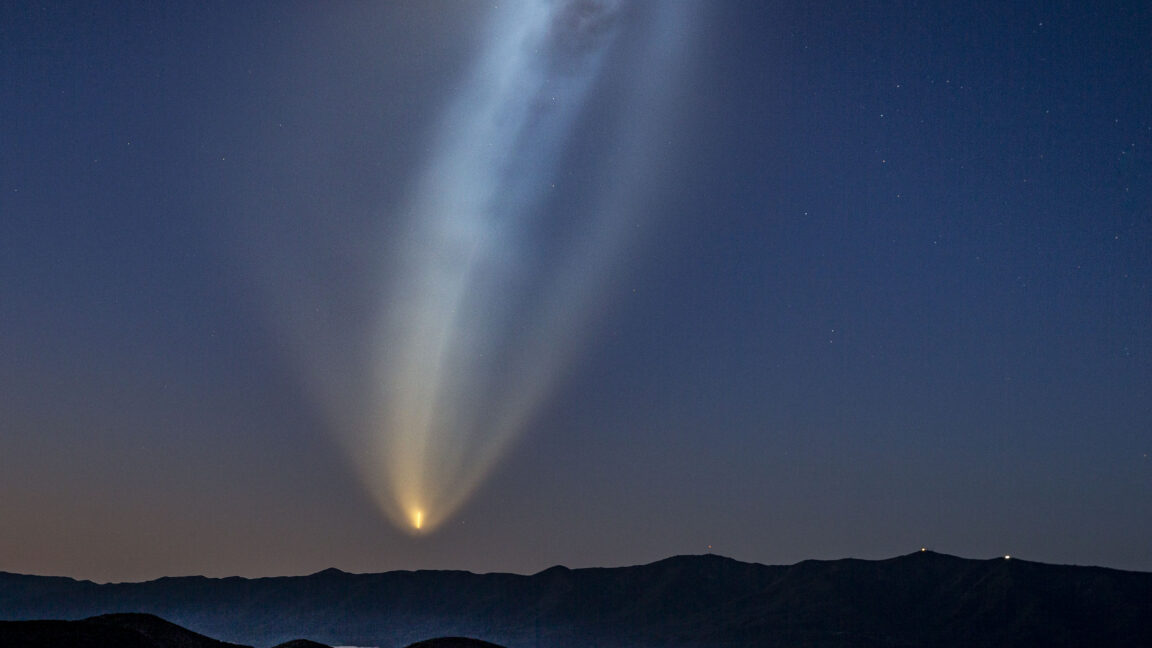
About a month ago, a Chinese rocket took off from a remote spaceport in the Gobi Desert, released 10 satellites into orbit, then reignited its engine and put itself on a trajectory to rain down debris over the American Midwest.
The rocket's flight on September 15 lasted between 75 and 80 minutes, and it came down without completing a full orbit of the Earth. Social media posts at the time showed streaks of fiery debris falling from the sky, heading north over Kansas toward Minnesota. The overnight spectacle was also visible on the western horizon from Wisconsin.
The exact time, location, and direction of the debris allowed experts to connect it to the launch of a Zhuque-2E rocket, a medium-lift vehicle built by a Chinese company called LandSpace. The rocket had launched from Dongfeng, a commercial launch zone co-located with the military-run Jiuquan Satellite Launch Center in northwestern China, less than two hours before.


Welcome to Edition 9.15 of the Rocket Report! The launch I'm most looking forward to in the next few weeks is that of Japan's Martian Moons Exploration (MMX) mission. MMX is one of the marquee space science missions launching this year, and it's set to leave Earth as soon as Monday (US time) aboard a Japanese H3 rocket. The spacecraft will visit Phobos and Deimos, the two asteroid-like moons of Mars, deploying a rover and collecting specimens for return to Earth in 2031. Exploration at its finest.
As always, we welcome reader submissions, and if you don't want to miss an issue, please subscribe using the box below (the form will not appear on AMP-enabled versions of the site). Each report will include information on small-, medium-, and heavy-lift rockets as well as a quick look ahead at the next three launches on the calendar.

Reflect Orbital looks to India for launch capacity. California-based Reflect Orbital, the startup attempting to offer sunlight on-demand with in-space mirrors, announced the purchase of two launches Wednesday from Indian launcher Skyroot Aerospace, Payload Space reports. One of the launches will use Skyroot's Vikram-1 rocket, which became the first privately developed Indian rocket to reach orbit in July. The other will fly on an upgraded rocket called the Vikram-1U.
Nearly eight years after Epic took on Steam with its own Game Store and launcher, the Fortnite maker is deploying a new tool to give it an edge over Valve: vibe coding.
In announcing the new publicly available "Preview" build of its Epic Games Launcher, Epic writes that "programming is hard. So, instead of doing that, we vibe coded a new Epic Games Launcher that’s way faster and more responsive than the current one, and has a new look." And while that might sound a little tongue-in-cheek, Epic Games Store General Manager and VP Martin Keely told PC Gamer that the team "started from scratch" and used AI as "a tool to write and review new features and new capabilities from the ground up in a different tech stack than what we had previously." The goal, Keely said, was to "look at functionality that existed [in the current Epic Games Launcher] and [say] we want to replicate that, but not the code itself."
Speaking to IGN, Keely clarified that using AI to code the new Launcher "made us more efficient and allowed a small team to rewrite the code base and be able to launch it faster across platforms, support Windows and Mac, and we're going to have a Linux version as well."


Welcome to Edition 9.13 of the Rocket Report!
This week, SpaceX celebrated the first orbital launch of its new Starship rocket. I'm not sure many people, at least those outside of SpaceX, expected it to take 14 flights of Starship before it technically reached low-Earth orbit, but Monday morning's launch finally added that to SpaceX's list of accomplishments with its new super-heavy rocket. Starship had gone 99 percent of the way to orbit before, only held back by safety concerns around the possibility of stranding the huge rocket in space.
What was most notable for SpaceX with this Starship flight was that it unlocked a massive growth potential for Starlink, with the first 26 of the network's new-generation Starlink V3 satellites successfully deployed Monday.
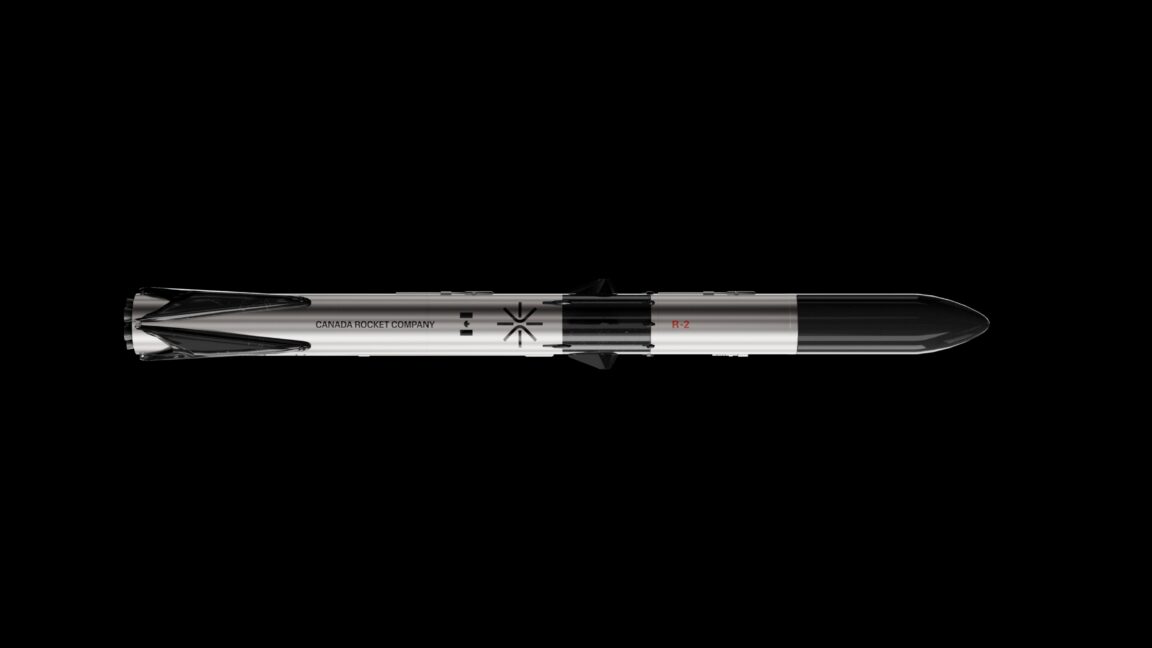
A year or two ago, a few Canadian launch companies were trying to develop small rockets, but if we're being frank, the industry was not particularly notable. Sure, something interesting might eventually happen, but no one outside of a few Canadian space geeks was paying much attention.
But then the Trump Administration started threatening and instituting tariffs. There was talk of making Canada the 51st state. And pretty much every Canadian I know began telling me how enraged they were at their neighbors to the south. It's hard to blame them.
This has led the Canadian government to reassess all manner of areas where it had previously been happy to rely largely on the US government and American companies for goods and services. This included sovereign access to space. So this spring, the government announced the first awards to three companies—NordSpace, Reaction Dynamics, and Canada Rocket Company—to support work on rockets with "light lift" capability.
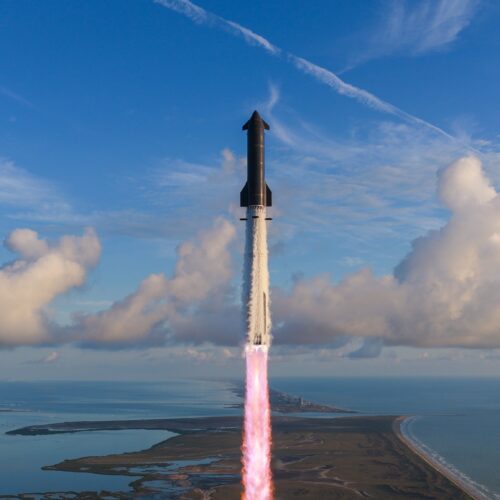
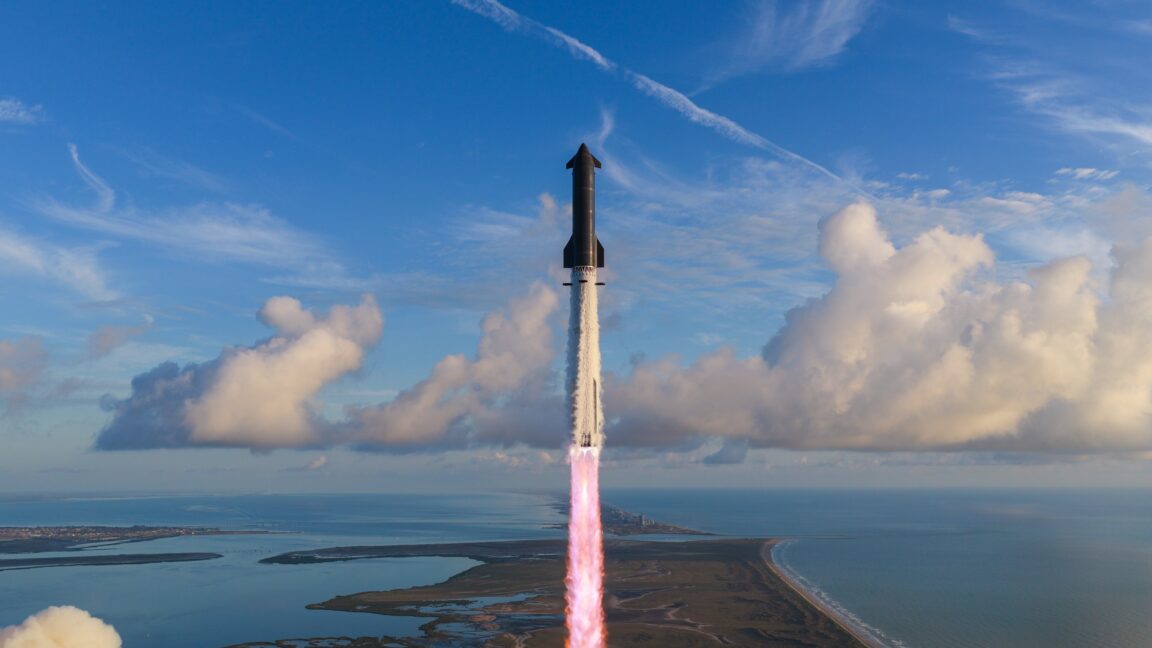
SpaceX's Starship rocket thundered into the sky over South Texas early Monday. It was the 14th test flight of the world's most powerful launch vehicle. This time, however, the rocket's massive upper stage squeezed out some extra oomph from its Raptor engines and accelerated to orbital velocity.
On all of Starship's previous flights, SpaceX intentionally dialed back the full capability of the rocket to fly a suborbital trajectory, slow enough for Earth's gravity to pull the vehicle back into the atmosphere before it could complete a full lap around the planet. After several successful suborbital flights in a row, SpaceX officials decided this launch should go all the way to low-Earth orbit. And it did.
What's more, SpaceX packed 26 of the company's newest generation of Starlink broadband satellites into the rocket's cargo bay. One by one, the flat-packed satellites—too large to fit inside SpaceX's workhorse Falcon 9 rocket—were released from Starship's payload deployer using a system of pulleys and cables to eject the satellites overboard like a Pez dispenser spits out candy.
If you ask most satellite companies aside from SpaceX, they will tell you the world doesn't have enough capacity for launching payloads into orbit. This is despite the blistering launch cadence we've seen around the world in recent years, led by SpaceX's Falcon 9 rocket.
Customers in any sector will, of course, usually welcome competition. Theoretically, competition will lead to lower prices and allow the best to rise to the top. It seems like the customers buying launch services were right. SpaceX is dialing back its Falcon 9 launch program, and there is no certainty about when SpaceX's reusable next-generation super-heavy-lift rocket, Starship, will carry anything to orbit besides the company's own Starlink satellites.
So it's no surprise satellite operators are cheering the success of a new launch provider. This was especially the case a few days ago, when Germany's Isar Aerospace reached orbit for the first time with its Spectrum rocket. The launcher delivered a batch of CubeSats to low-Earth orbit from a spaceport in northern Norway, and Isar tasted success after its first test flight ended in failure last year.


Pretty much every rocket company in the United States, save one, has embraced two fundamental tenets: reusability and diversification.
Most famously, SpaceX branched out from reusable rockets to pursue and dominate a growing spectrum of space services: cargo delivery, human spaceflight, satellite production, broadband, and, perhaps soon, orbital data centers and in-space manufacturing. Blue Origin is evolving from a pure rocket company into a satellite manufacturer, robotics developer, and, most recently, a potential competitor for SpaceX's Starlink network.
Rocket Lab used a different approach to diversify after achieving success with its small Electron launch vehicle. The company relocated its headquarters from New Zealand to Southern California, started building spacecraft and payloads, and then went on a spree of corporate acquisitions to expand into satellite communications and take on a new role as a merchant supplier of satellite components and sensors. It's now in a stage of advanced development of its partially reusable next-generation Neutron launch vehicle.


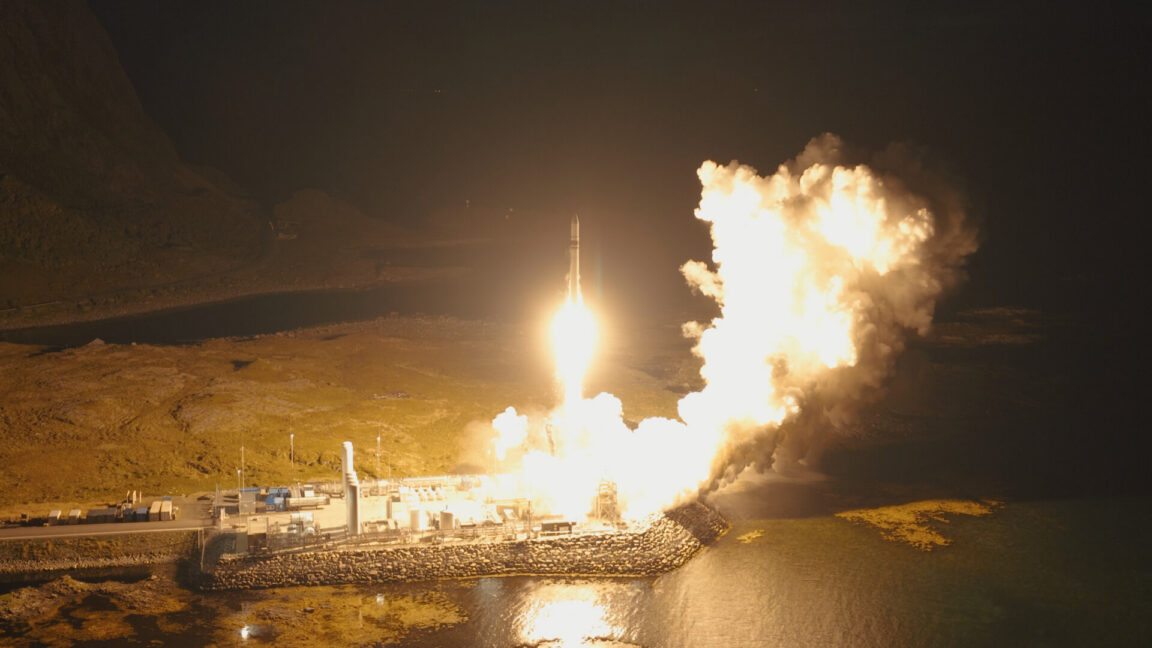
Isar Aerospace, founded in 2018 by three students at a German university, successfully launched a privately developed rocket into low-Earth orbit Saturday from a Norwegian spaceport inside the Arctic Circle.
The two-stage rocket, named Spectrum, became the first fully commercial launch vehicle in Europe to reach orbit. With Saturday's success, Isar is the clear leader among a pack of several European launch startups vying to inject some competition into Europe's stagnant launch market.
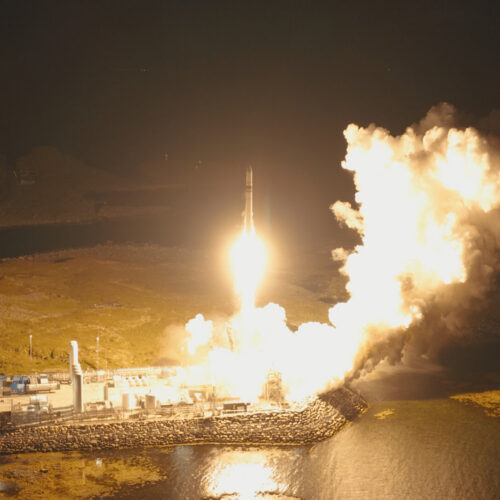
Isar's 92-foot-tall (28-meter) Spectrum rocket lifted off at 4:12 pm EST (20:12 UTC) Saturday from Andøya Spaceport in northern Norway, where it was 10:12 pm local time and the final bluish hues of daylight faded from the late summer sky. Seven minutes later, the rocket was in orbit.
SpaceX made Florida's Space Coast home to the world's busiest spaceport for a decade, but that will change this year. The company is significantly cutting the number of launches from Florida until Starship arrives, a senior SpaceX official confirmed Tuesday.
The Falcon 9 rocket has been SpaceX's workhorse, routinely launching batches of satellites for the company's Starlink network, primarily from launch pads at Cape Canaveral Space Force Station and NASA's Kennedy Space Center in Florida. There were 165 Falcon 9 launches last year—about three flights per week—and about 75 percent of them carried Starlink satellites.
This year is different. SpaceX has launched more missions from its West Coast launch pad at Vandenberg Space Force Base in California since January, and this trend will amplify for the rest of the year.
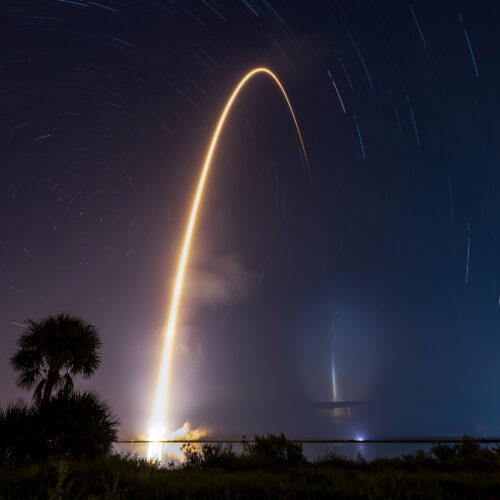
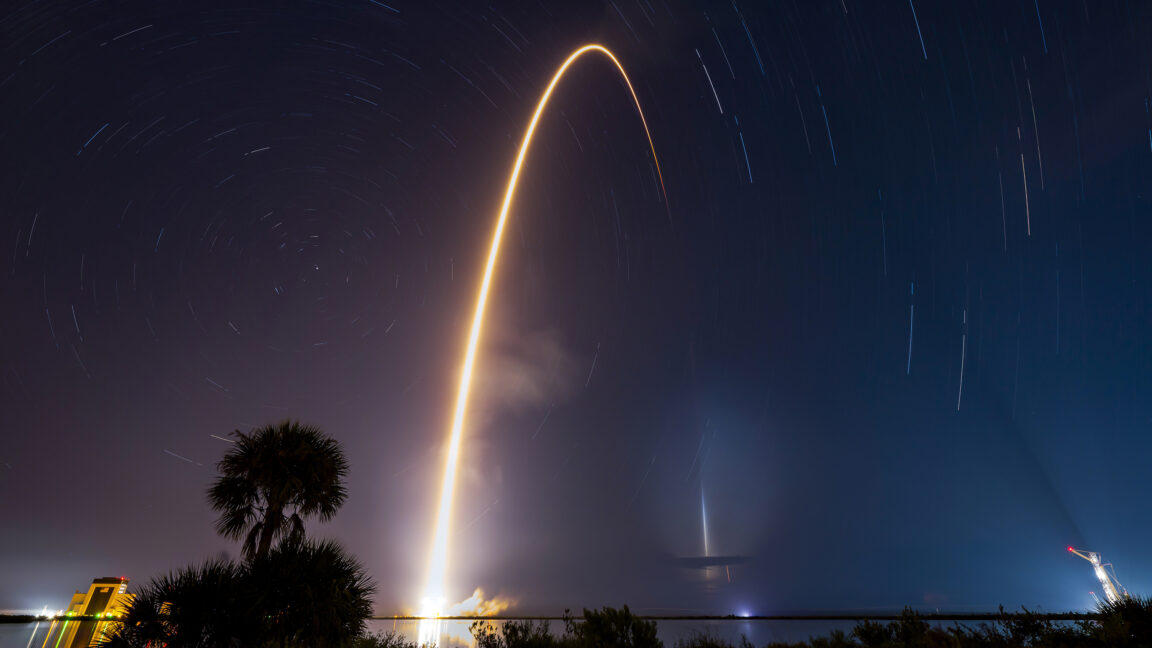
A new national space transportation policy signed by President Donald Trump on Thursday calls for the development of more spaceports to support more than 1,000 launches and reentries per year by 2030.
The presidential memorandum replaces a 2013 policy signed by former President Barack Obama. Both policies share an emphasis on supporting the commercial space industry and underscore the importance of assured access to space. But the launch sector has changed immensely since then. There were 176 orbital launch attempts from US soil last year, nearly 10 times the number in 2013. SpaceX led the pack last year with 165 orbital launches of its Falcon 9 rocket, plus five suborbital test flights of the much larger Starship.
"By 2030, our space transportation ranges must grow to support more than 1,000 launches and reentries every year," the policy says. "The policies set forth in this memorandum will secure America's continued superiority in space."
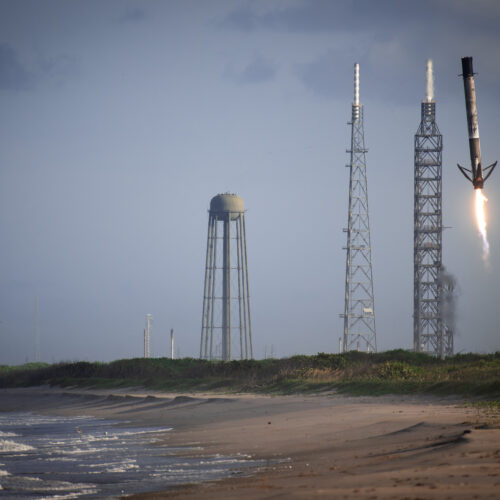
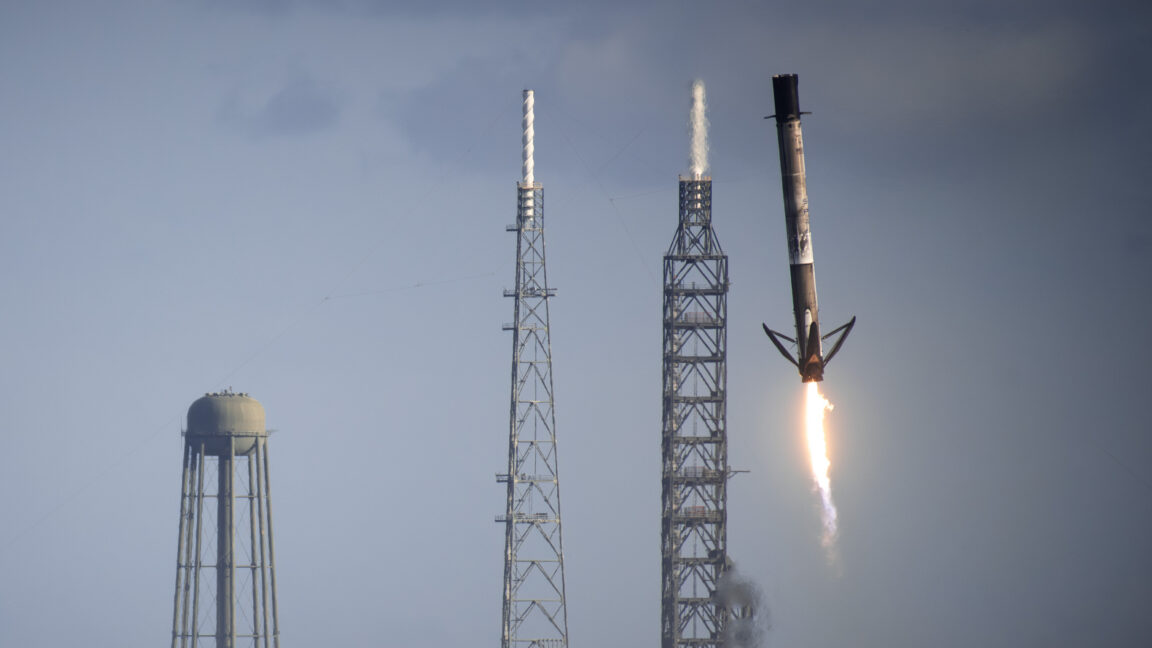
Welcome to Edition 9.07 of the Rocket Report! China's workhorse Long March rocket family appears to be rebounding quickly from a rare launch failure August 10. Chinese officials have not publicly released any information on what may have caused the Long March 7A rocket to break apart less than 90 seconds after liftoff, but the rocket's use of YF-100 engines initially raised questions about the failure's impact on other Chinese rockets that use the same type of engines. But no biggie. YF-100 engines returned to flight six days later with the successful flight of a Long March 12 rocket, and the heavy-lift Long March 5—also with YF-100 engines—is set to launch in a few days with one of China's most important space missions of the decade: the Chang'e 7 lunar lander en route to the Moon's south pole.
As always, we welcome reader submissions. If you don't want to miss an issue, please subscribe using the box below (the form will not appear on AMP-enabled versions of the site). Each report will include information on small-, medium-, and heavy-lift rockets, as well as a quick look ahead at the next three launches on the calendar.
Trouble in Taiwan. A prototype for a future satellite launch vehicle developed by Taiwan's top weapons manufacturer veered off course shortly after liftoff Wednesday, Taiwan's Central News Agency reports. The "trajectory anomaly" prompted the activation of the rocket's self-destruct mechanism. The government agency responsible for the test flight, the National Chung-Shan Institute of Science and Technology (NCSIST), reported no injuries or property damage. Debris from the rocket fell into a planned safety control zone near the southern tip of Taiwan.

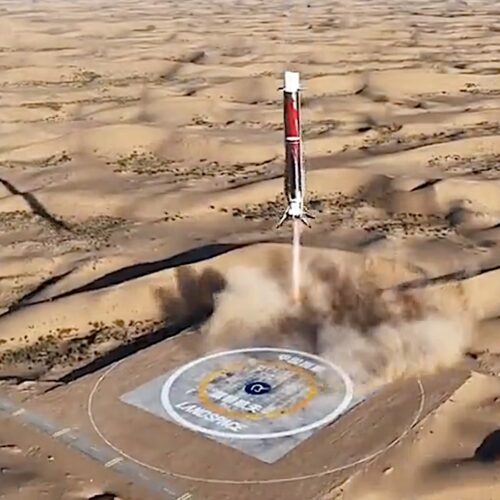
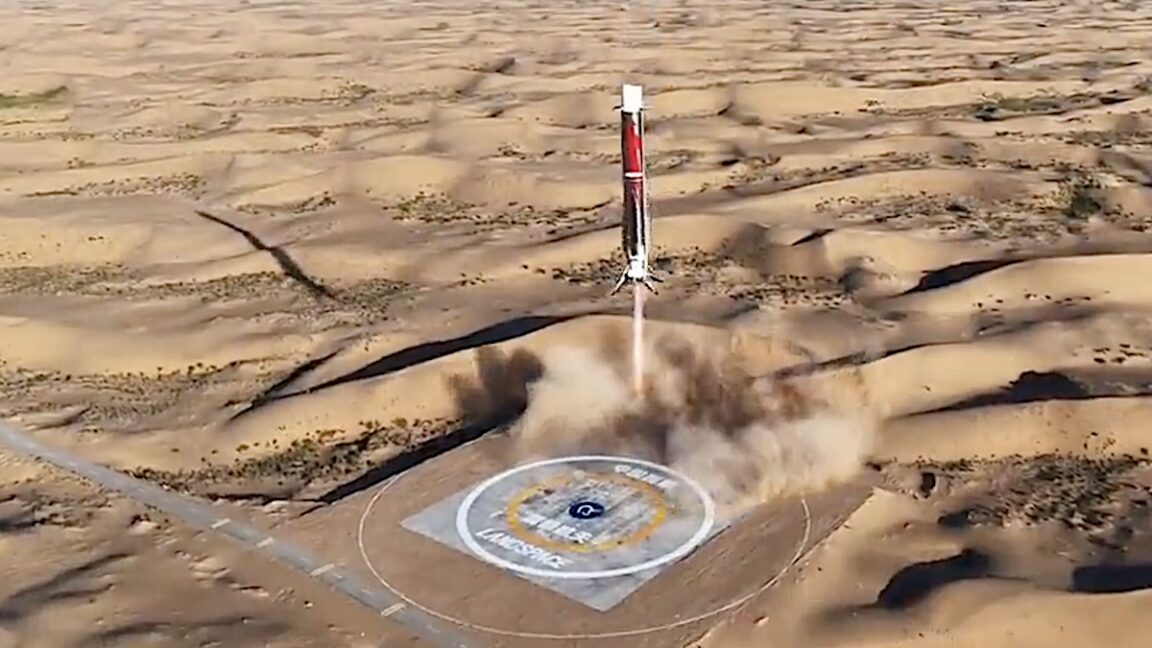
It has been a little more than a month since China recovered an orbital-class rocket booster for the first time. A second launch operator accomplished a similar feat Tuesday in another sign of China's growing launch capability.
It took 10 years for a second US launch company, Blue Origin, to propulsively land an orbital-class booster after SpaceX did it with the Falcon 9 rocket in 2015. SpaceX has since added a second reusable rocket to its fleet with Starship and its Super Heavy booster. Perhaps a third American company will join SpaceX and Blue Origin's club in 2027. Rocket Lab, Stoke Space, Relativity Space, and Firefly Aerospace—working in partnership with Northrop Grumman—are working on reusable rockets that could make their first flights in the next couple of years.
A similar number of launch companies are working on reusable rockets in China. Some of them operate under the auspices of the sprawling state-owned China Aerospace Science and Technology Corporation (CASC). Others are more commercial in nature, driven by capital investment from private industry.
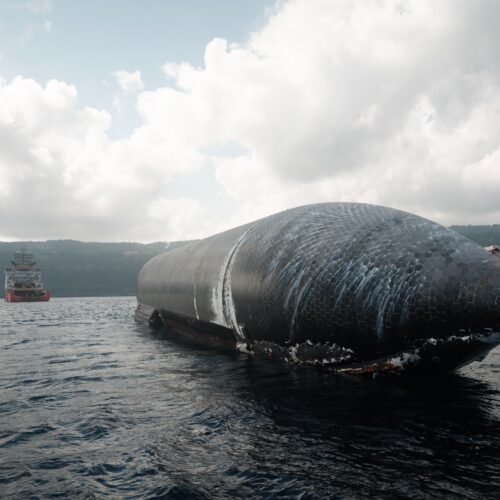
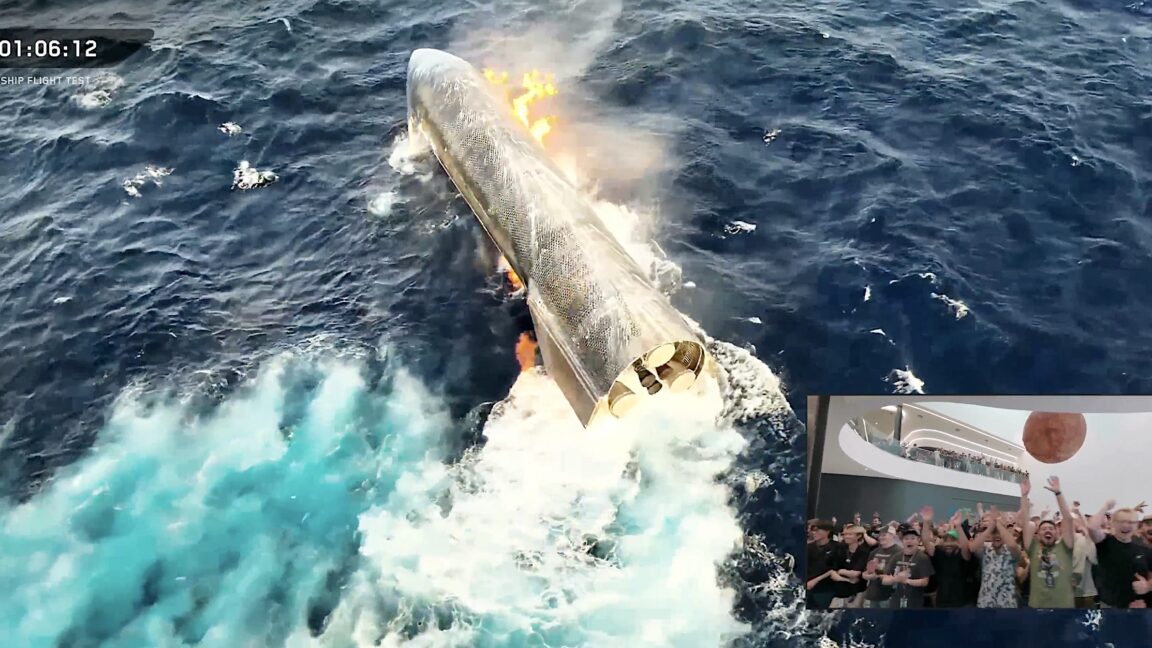
SpaceX's most recent Starship test flight may have ended July 24, but its mission isn't over yet.
The spacecraft splashed down in the Indian Ocean intact after flying halfway around the world from SpaceX's launch base in South Texas. Engineers expected the ship's life to end with a fiery disintegration after toppling over, just as past Starships have done following splashdown.
Numerous onboard sensors and cameras, along with buoys and drones in position at the splashdown zone, have provided important data for SpaceX to assess the performance of the ship's heat shield after each test flight, so officials accepted the post-flight conflagrations. That day, Starship tipped over and remained intact, surprising just about everyone.
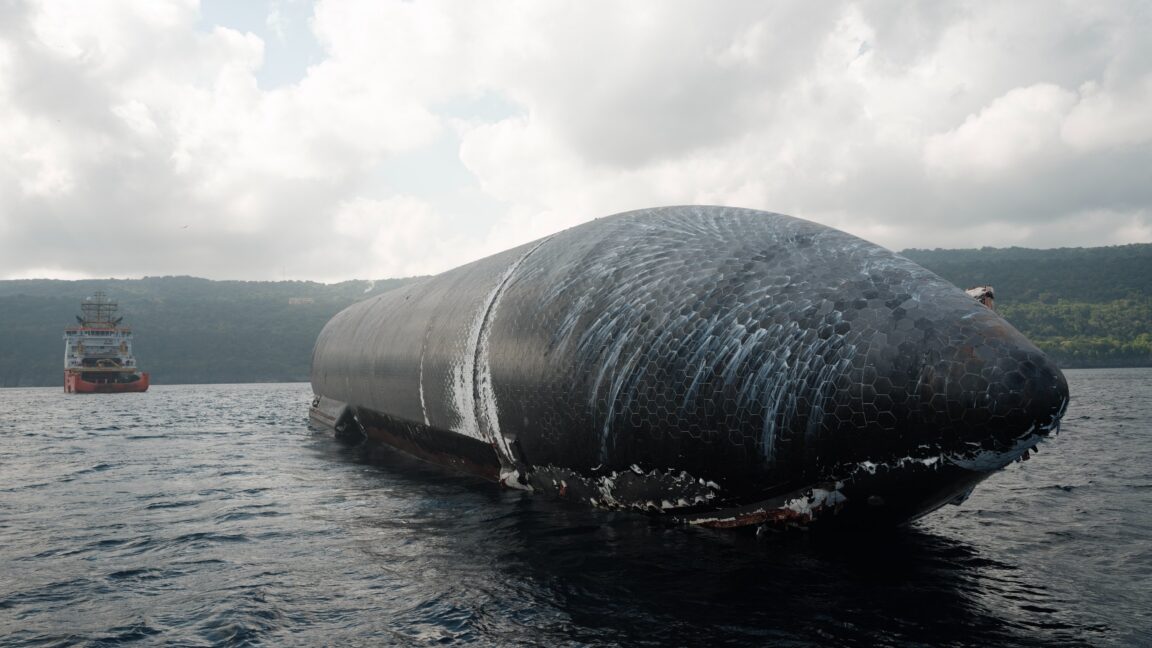
This should be a golden era of launch.
During the last three years, an average of 270 orbital rockets have launched from Earth, a more than threefold increase from only a decade ago. By every metric available, the launch industry is crushing it: Prices have never been more competitive, launches never more frequent, and access to space never more rapid.
Paradoxically, though, there is a growing crunch in launch availability.
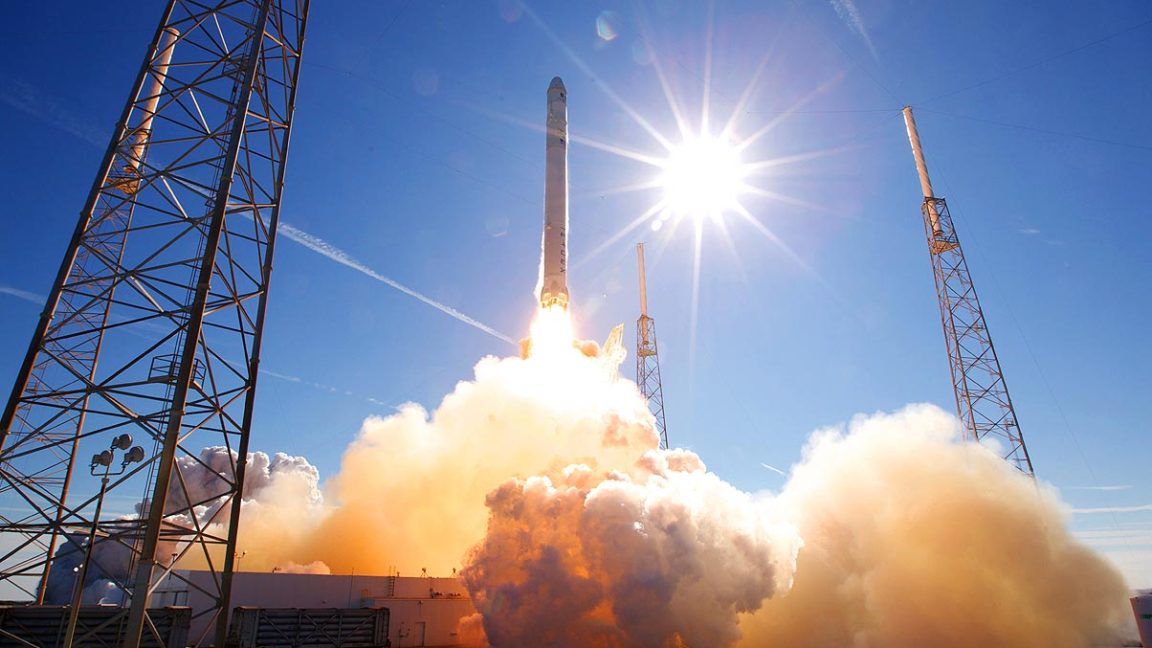
SpaceX was more than lucky Friday, sending its 13th full-scale Starship test flight halfway around the world from South Texas to an on-target, intact splashdown in a remote section of the Indian Ocean.
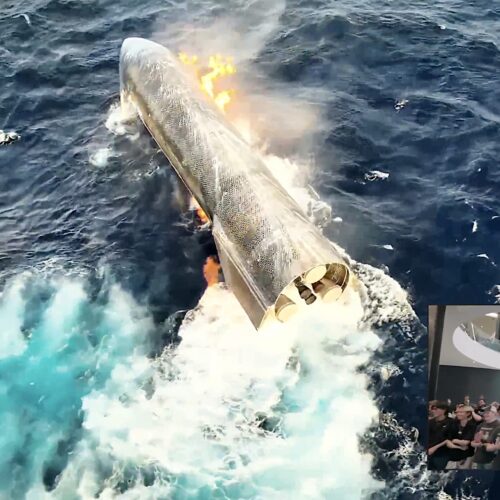
Starship has made precise splashdowns before. This time, however, the ship gently tipped over and came to rest floating in a remote stretch of ocean west of Australia. Previous splashdowns ended with conflagrations, an outcome SpaceX officials have come to expect with each water landing of Starship.
The buoyant Starship looked to be in fine shape after reaching the Indian Ocean. SpaceX engineers flew drones over the vehicle to inspect its heat shield, getting their best look yet at how more than 18,000 ceramic tiles insulating the ship's stainless steel airframe weathered the trip to space and back. The tiles withstood temperatures up to 2,600° Fahrenheit (1,430° Celsius) as Starship streaked back into the atmosphere at the end of its hourlong flight from Starbase, Texas.
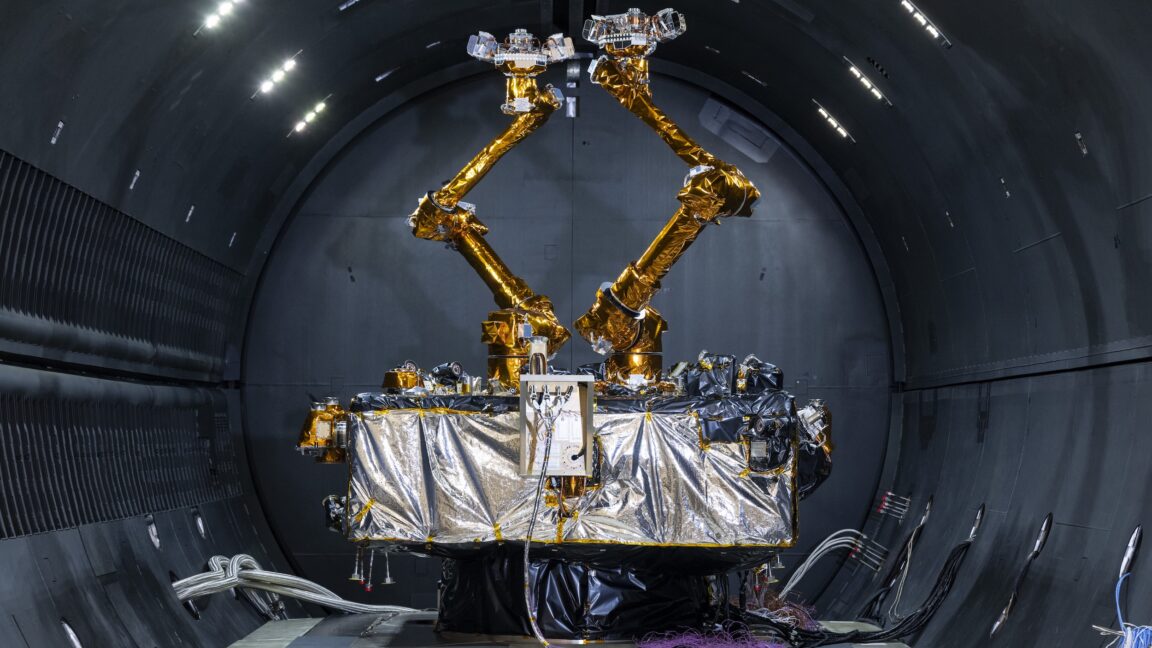
A spacecraft fitted with two flexible robotic arms is on the way to geosynchronous orbit after launching earlier this week on a SpaceX Falcon 9 rocket, kicking off a planned decade-long mission to open new frontiers in satellite servicing.
The Mission Robotic Vehicle, owned and built by Northrop Grumman, rocketed into orbit from Cape Canaveral Space Force Station in Florida on Tuesday. Three small propulsion pods, each functioning as standalone spacecraft, accompanied the MRV aboard the Falcon 9 rocket.
The Falcon 9 deployed all four payloads within about an hour of liftoff. It will take about a year for the satellites to maneuver from their initial elliptical drop-off orbit into a circular orbit more than 22,000 miles (nearly 36,000 kilometers) over the equator. At this altitude, the MRV and the three Mission Extension Pods (MEPs) will travel in lockstep with Earth's rotation, operating in the same kind of orbit as numerous civilian and military communications satellites, missile warning platforms, and a growing number of spy satellites.
Welcome to Edition 9.04 of the Rocket Report! We've had to wait an extra week for SpaceX to get its 13th Starship test flight off the ground. A last-second abort on July 16 led engineers to roll the booster back to its hangar in South Texas to swap out engines. Starship is now back on the launch pad. Liftoff is set for Friday evening. A flawless launch and reentry will put SpaceX on the cusp of an orbital flight later this year. Ars will have a comprehensive recap story after the completion of the test flight.
As always, we welcome reader submissions. If you don't want to miss an issue, please subscribe using the box below (the form will not appear on AMP-enabled versions of the site). Each report will include information on small-, medium-, and heavy-lift rockets, as well as a quick look ahead at the next three launches on the calendar.
India's first private rocket reaches orbit. Indian space officials celebrated the debut flight of Skyroot Aerospace’s Vikram-1 rocket, India’s first fully commercial satellite launcher, as a “grand success” Saturday after an on-target climb into a 280-mile-high orbit following liftoff from an island spaceport in the Bay of Bengal, Ars reports. The Vikram-1 lifted off from India’s primary spaceport on Sriharikota Island around midday local time. The launch was delayed more than a half-hour to resolve a last-minute technical problem. The countdown resumed, culminating in the command to ignite Vikram-1’s solid-fueled first stage booster to propel the rocket off the launch pad.
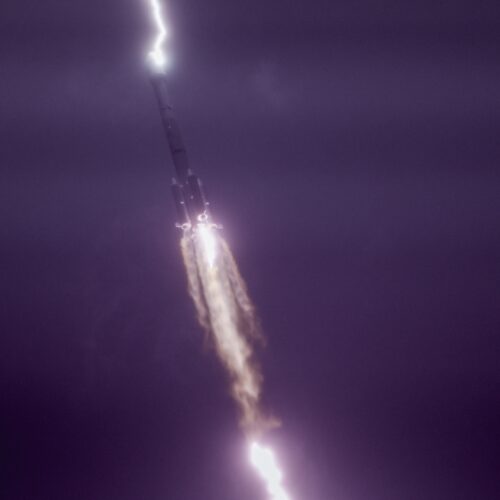
It seems as though $5.6 billion wasn't enough. That was the news from the US Space Force on Friday, when military officials announced they were tripling the maximum value of one of the service's National Security Space Launch contracts to $17 billion.
The expansion of the Space Force's National Security Space Launch (NSSL) Phase 3 contract comes as the Pentagon signals rising demand for military satellite launches. The NSSL program is set up to allow Space Systems Command, which oversees the Space Force's launch program, to select from a pool of launch providers for individual missions to deliver the military's satellites to orbit.
The NSSL program has two parts. Lane 1 covers the Space Force's more risk-tolerant missions, such as medium-lift launches with experimental payloads or rideshare missions carrying satellites for the Pentagon's surveillance or data relay constellations. Lane 2 includes higher-priority strategic missions, like the government's largest and most expensive spy satellites, or radiation-hardened communications satellites designed to survive a nuclear war.
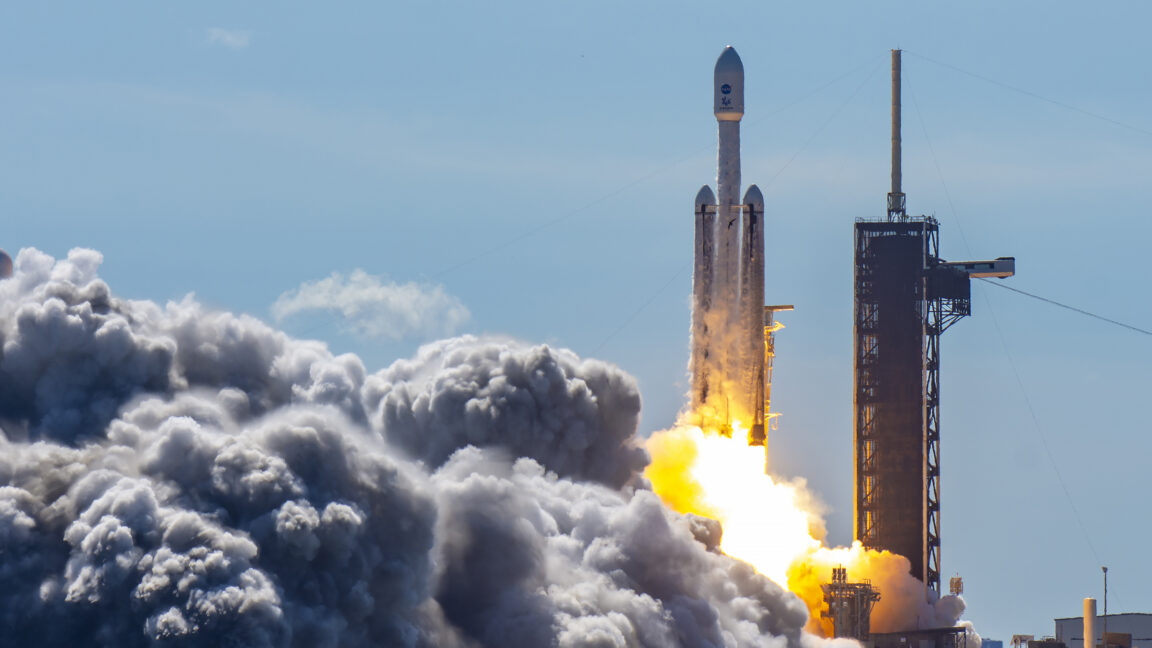
Indian space officials celebrated the debut flight of Skyroot Aerospace's Vikram-1 rocket, India's first fully commercial satellite launcher, as a "grand success" Saturday after an on-target climb into a 280-mile-high orbit following liftoff from an island spaceport in the Bay of Bengal.
The Vikram-1 lifted off from India's primary spaceport on Sriharikota Island at 1:35 am EDT (06:35 UTC) Saturday, around midday at the launch base along India's southeast coast. The launch was delayed more than a half-hour to resolve a last-minute technical problem. The countdown resumed, culminating in the command to ignite Vikram-1's solid-fueled first stage booster to propel the rocket off the launch pad.
Vikram-1 is modest in size compared to India's larger workhorse rockets. Skyroot's rocket stands about 72 feet (22 meters) tall, with the capability to place payloads of up to 770 pounds (350 kilograms) into low-Earth orbit. This makes Vikram-1 somewhat larger than the Electron launch vehicle developed by Rocket Lab, the world's most successful dedicated small satellite launcher.
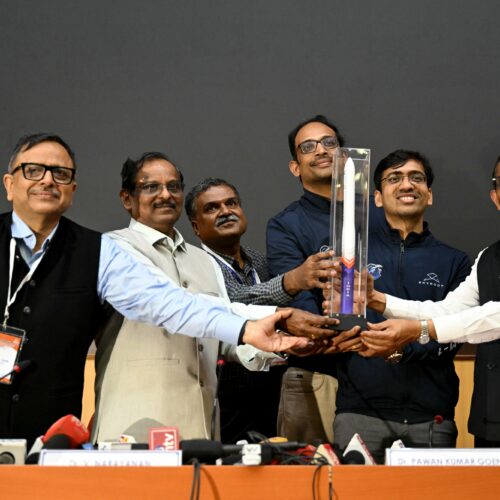

The Space Development Agency was established in 2019 to help speed up the deployment of US military space systems by sidestepping the Pentagon's traditional sluggish bureaucracy.
Seven years later, SDA is finally launching its first batches of operational satellites, just as the Pentagon plans to shutter the semi-autonomous agency and fold it back into the Space Force's procurement pipeline, newly reorganized under several program acquisition executives in a bid to streamline weapons buying.
SDA's fate is not a surprise, and lawmakers in both houses of Congress have backed the agency's closure in drafts of this year's National Defense Authorization Act.
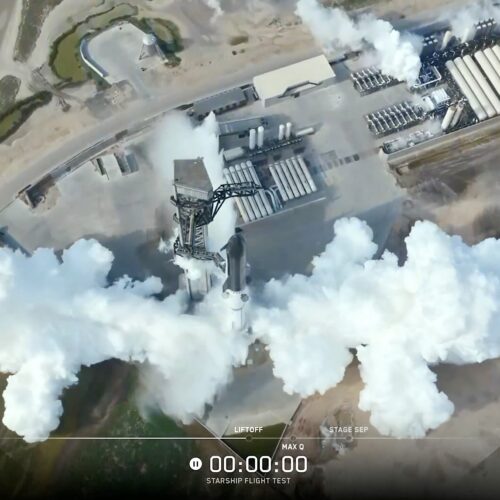
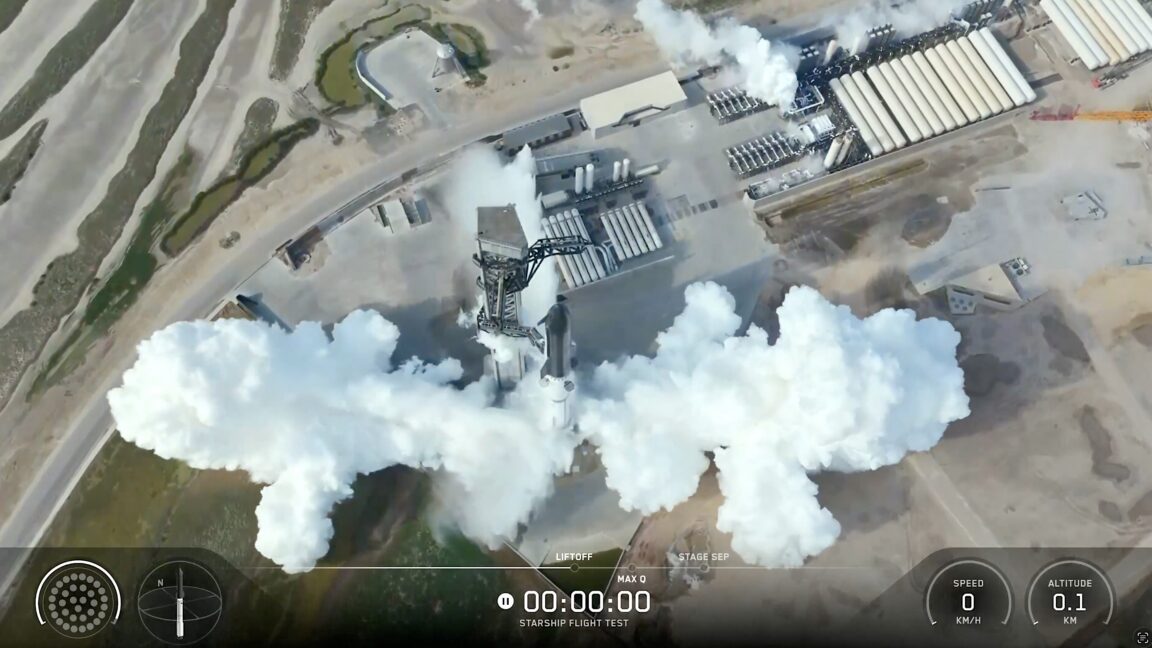
SpaceX called off a test flight of its powerful Starship rocket and Super Heavy booster as the countdown clock reached zero Thursday at the company's spaceport in South Texas.
The launch team at Starbase, Texas, just north of the US-Mexico border, aimed to launch the more than 400-foot-tall rocket at 5:45 pm local time (6:45 pm EDT; 22:45 UTC). The countdown proceeded smoothly throughout the day, culminating in the loading of more than 11.5 million pounds of liquid methane and liquid oxygen into the two-stage rocket.
But the computers controlling the countdown called an abort during the Super Heavy booster's engine startup sequence. SpaceX scrubbed the launch attempt, and engineers began preparations to drain the rocket's propellant tanks. Officials did not immediately announce when they plan to try to launch again.
The next test flight of SpaceX's Starship spacecraft and Super Heavy booster could take off as soon as Thursday, and much of the hour-long mission will look a lot like the last Starship flight in May.
But there are a few key differences for this launch, set to occur during a launch window that opens at 5:45 pm CDT (22:45 UTC) on Thursday. The most notable change is the inclusion of real, functioning Starlink satellites inside Starship's cargo bay. SpaceX previously tested the ship's payload deployment mechanism using simulators mimicking the mass and dimensions of the company's next-generation Starlink Version 3 broadband satellites.
This time—Starship's 13th full-scale test flight and the second to use SpaceX's newest version of Starship—technicians have installed 20 Starlink V3 satellites into the ship's deployer, a system of pulleys and cables designed to eject a stack of satellites one at a time through an opening on the side of the spacecraft. The satellites will not be part of SpaceX's operational network, but engineers will attempt to briefly establish laser communication links between the Starlink V3s and other spacecraft flying in low-Earth orbit. If successful, these links will validate Starlink V3's interoperability with SpaceX's previous generation of Starlink satellites.
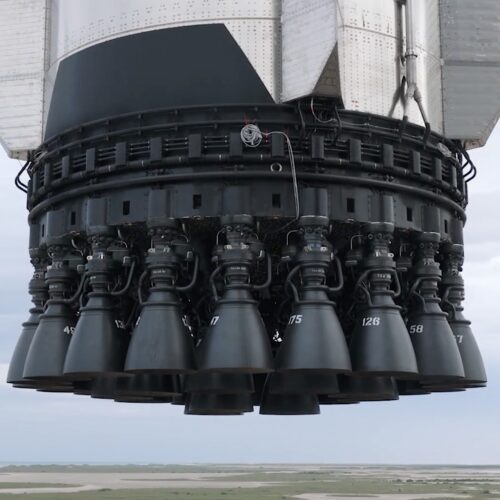
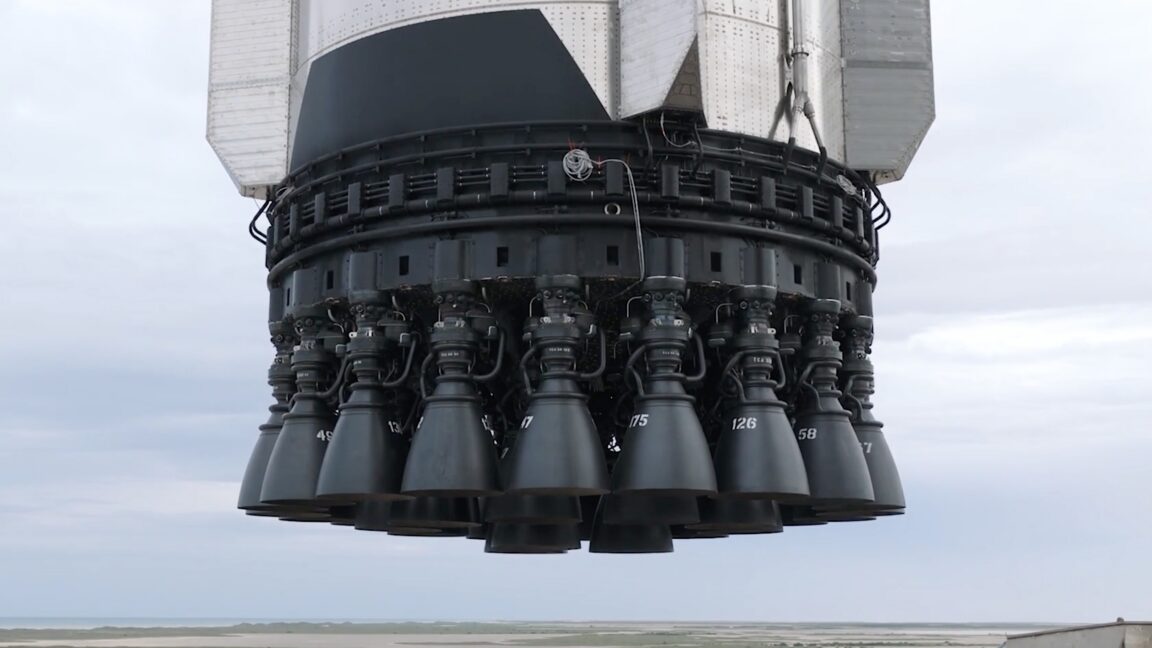
China's sprawling state-owned rocket developer, maker of the country's Long March rocket family, announced it recovered a reusable orbital-class booster for the first time Friday in the South China Sea.
The milestone mission began with the liftoff of a Long March 10B rocket from the Wenchang Commercial Space Launch Site on Hainan Island, China's southernmost province. Powered by seven kerosene-fueled engines, the approximately 209-foot-tall (63.6-meter) rocket took off at 12:15 am EDT (04:15 UTC), or 12:15 pm local time at the seaside spaceport at Wenchang.
About 10 minutes later, the Long March 10B booster descended from space and guided itself into a four-legged frame affixed to an offshore vessel. Tensioned cables stretched over the ship in a grid pattern captured the rocket as it shut down its landing engines, leaving the smoldering booster hanging in midair. The rocket's upper stage continued into orbit and deployed a payload known only as CX-26. Chinese officials hailed the flight as a "complete success."
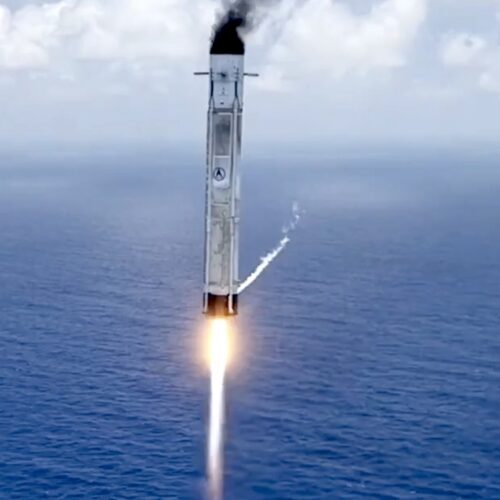
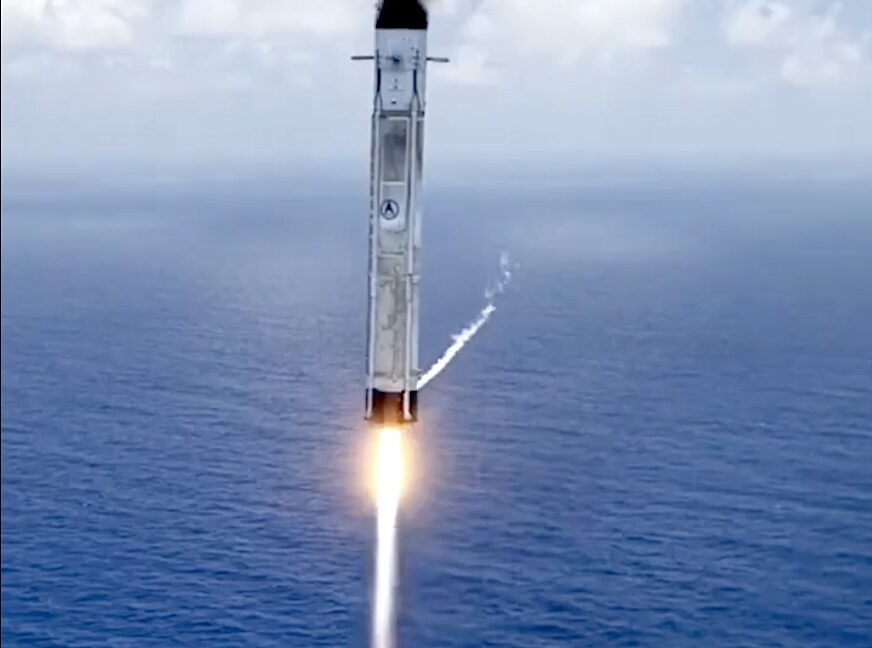
The proliferation of nuclear power in space got a little more real Tuesday with the launch of a small satellite developed by a Florida-based company specializing in nuclear micro-power technology.
It's a long way from launching a bona fide nuclear reactor, a breakthrough that could help power a permanent Moon base and efficiently drive rockets throughout the Solar System. But you have to start somewhere.
The satellite from Miami-based City Labs is named BOHR, short for Betavoltaic Orbital High-Reliability, and it launched on a SpaceX rideshare mission Tuesday alongside 80 other payloads. SpaceX's Falcon 9 rocket released the BOHR satellite into an orbit between 350 and 400 miles (nearly 600 km) in altitude.
High above the remote Pacific Ocean, about halfway between Hawaii and the northernmost part of Australia, an air-launched rocket fired into space on Independence Day weekend to kick off a weekslong pursuit of a NASA astronomy satellite perilously close to falling out of orbit.
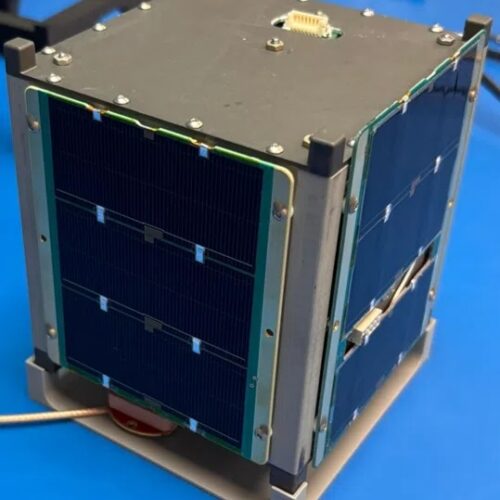
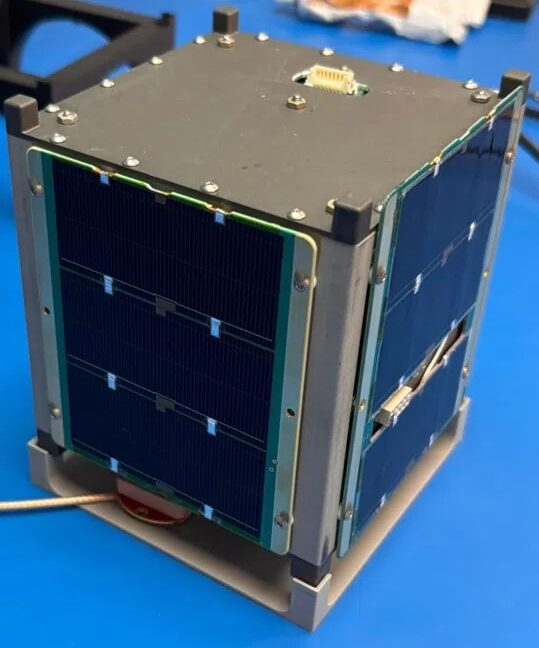
The endeavor to rescue NASA's Swift satellite is the first mission of its kind. NASA put out a call for commercial companies less than a year ago to propose how they could rapidly build and launch a small satellite to latch onto the Swift spacecraft and boost its altitude so that it doesn't come down in a few months.
Katalyst Space Technologies responded with the best offer. NASA awarded the company a contract last September to build and launch a mission to rescue Swift. A little more than nine months later, Katalyst's nearly half-ton Link satellite is safely in orbit. For anyone who follows the space industry, building, testing, and launching a functioning first-of-its-kind satellite of that size in less than a year is a remarkable achievement; it would usually take several years.
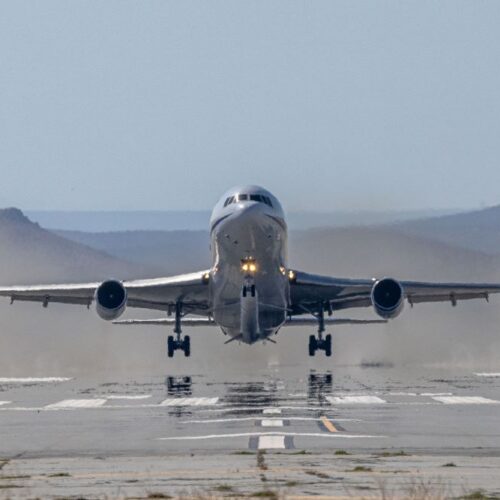
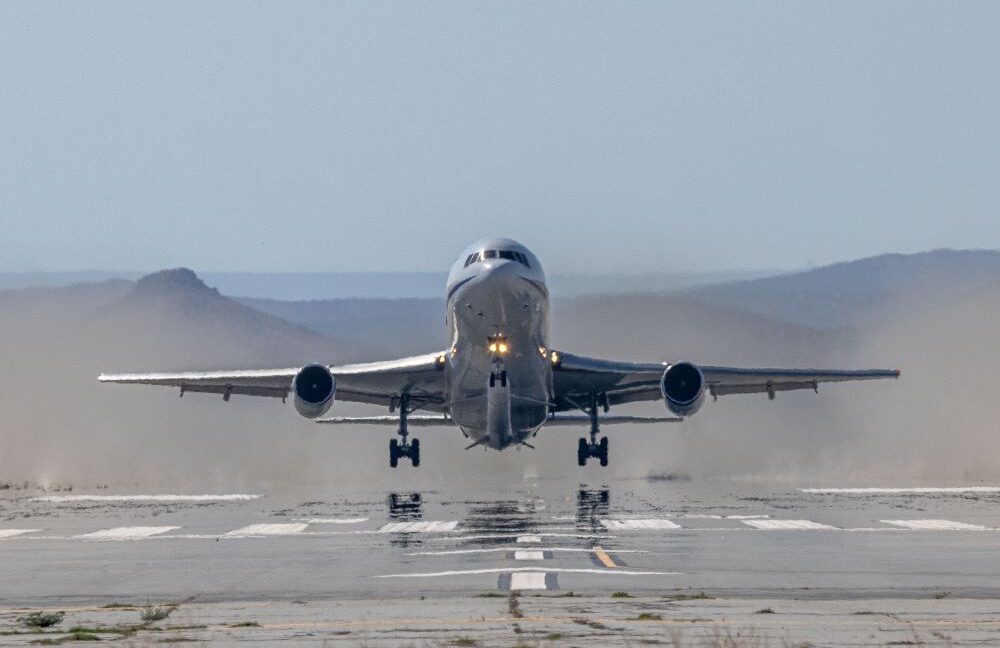
High above the remote Pacific Ocean, about halfway between Hawaii and the northernmost part of Australia, an air-launched rocket fired into space on Independence Day weekend to kick off a weekslong pursuit of a NASA astronomy satellite perilously close to falling out of orbit.
The endeavor to rescue NASA's Swift satellite is the first mission of its kind. NASA put out a call for commercial companies less than a year ago to propose how they could rapidly build and launch a small satellite to latch onto the Swift spacecraft and boost its altitude so that it doesn't come down in a few months.
Katalyst Space Technologies responded with the best offer. NASA awarded the company a contract last September to build and launch a mission to rescue Swift. A little more than nine months later, Katalyst's nearly half-ton Link satellite is safely in orbit. For anyone who follows the space industry, building, testing, and launching a functioning first-of-its-kind satellite of that size in less than a year is a remarkable achievement; it would usually take several years.
Welcome to Edition 9.01 of the Rocket Report! Back in January, I wrote about the 20 launches and landings we were most excited about in 2026. The list included things that were, at the time, officially scheduled to occur this year. I also gave my own view of the probability of each of these events actually happening before December 31. Halfway through the year, we can only count one of the events as completed, and that was NASA's Artemis II mission in April. Many are now scheduled for next year, proving again that delays are a constant in the space industry. A couple of them—such as the launch of NASA's Roman Space Telescope—do appear to be on track to happen soon.
As always, we welcome reader submissions. If you don't want to miss an issue, please subscribe using the box below (the form will not appear on AMP-enabled versions of the site). Each report will include information on small-, medium-, and heavy-lift rockets, as well as a quick look ahead at the next three launches on the calendar.
Swift Boost Mission reaches orbit. A pioneering commercial mission to reboost the orbit of NASA's Swift astronomy satellite launched early Friday after attempts earlier in the week were thwarted by bad weather and a technical issue. The Link servicing satellite developed by Katalyst Space Technologies soared to orbit on the tip of a Northrop Grumman Pegasus XL rocket that dropped from the belly of a modified L-1011 jetliner over the remote Pacific Ocean. Mission managers called off two launch attempts Tuesday and Wednesday due to poor weather around the L-1011's staging base on Kwajalein Atoll in the Marshall Islands. On Thursday, "a launch vehicle issue temporarily prevented teams from deploying the rocket" after takeoff of the L-1011.
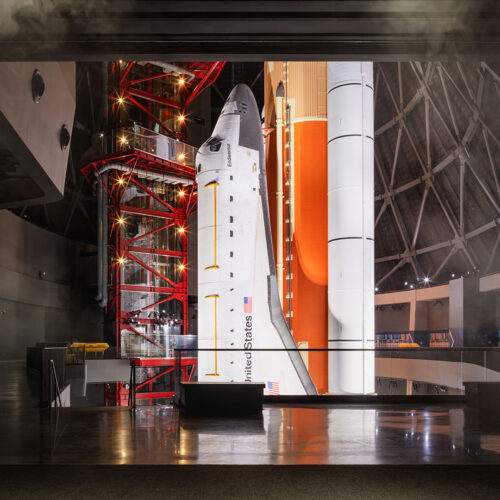
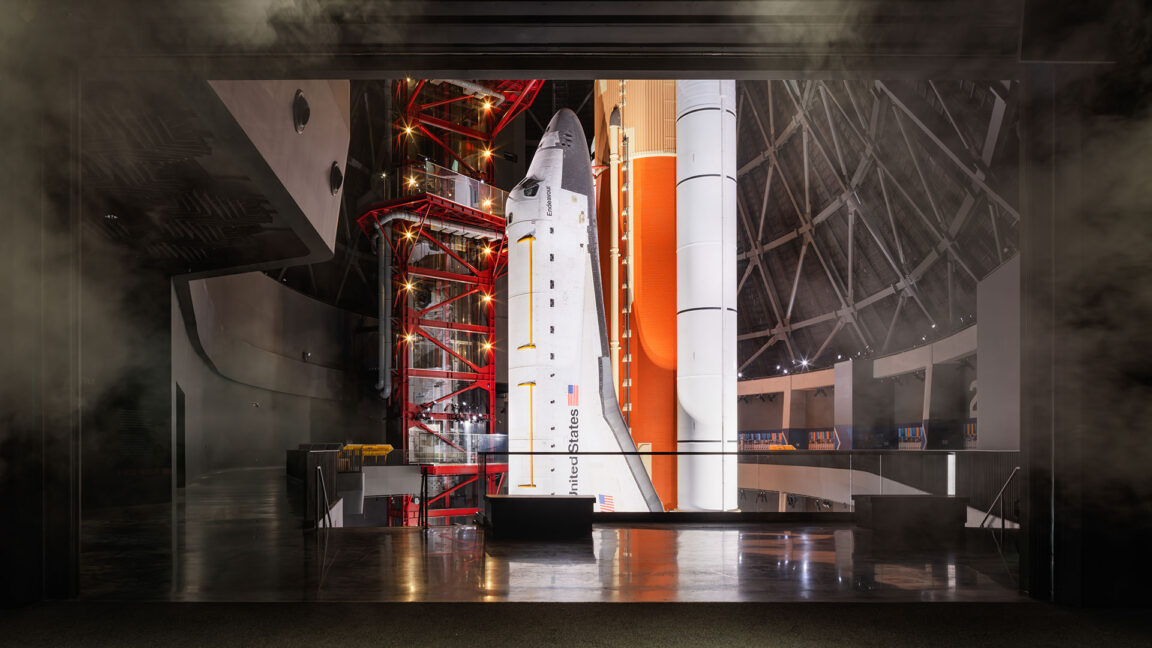
There are some sights in this world that no photograph can truly capture.
Think of the rolling ribbons of the aurora in the northern and southern skies, the depth and breadth of the Grand Canyon, or the sense of immersion when diving on the Great Barrier Reef. Astronauts will tell you that not even large-format cameras can truly capture the blackness of outer space or the majesty that is our planet as seen from orbit or beyond.
It's not every day that a new one of those sights debuts. But such will be the case on Friday, November 13, when the California Science Center in Los Angeles finally reveals the launch-pad-like display of the space shuttle Endeavor inside the new Samuel Oschin Air and Space Center.
A SpaceX Falcon 9 rocket lifted off on Tuesday to test a new reentry vehicle designed to deliver cargo anywhere in the world from low-Earth orbit.
The company developed the new saucer-shaped reentry pod, called Starfall, under a veil of secrecy. Its purpose is to support the "transport and delivery of goods through space," according to an environmental assessment published by the Federal Aviation Administration last month.
The first demonstration of the Starfall vehicle began at 6:53 am EDT (10:53 UTC) with liftoff aboard a Falcon 9 rocket from Cape Canaveral Space Force Station, Florida. At least one Starfall reentry pod rode to orbit on the Falcon 9, perhaps alongside another undisclosed payload. After circling the planet two times, the Falcon 9's upper stage was expected to release Starfall for atmospheric reentry, targeting a parachute-assisted splashdown in the Pacific Ocean around 800 miles west of California.
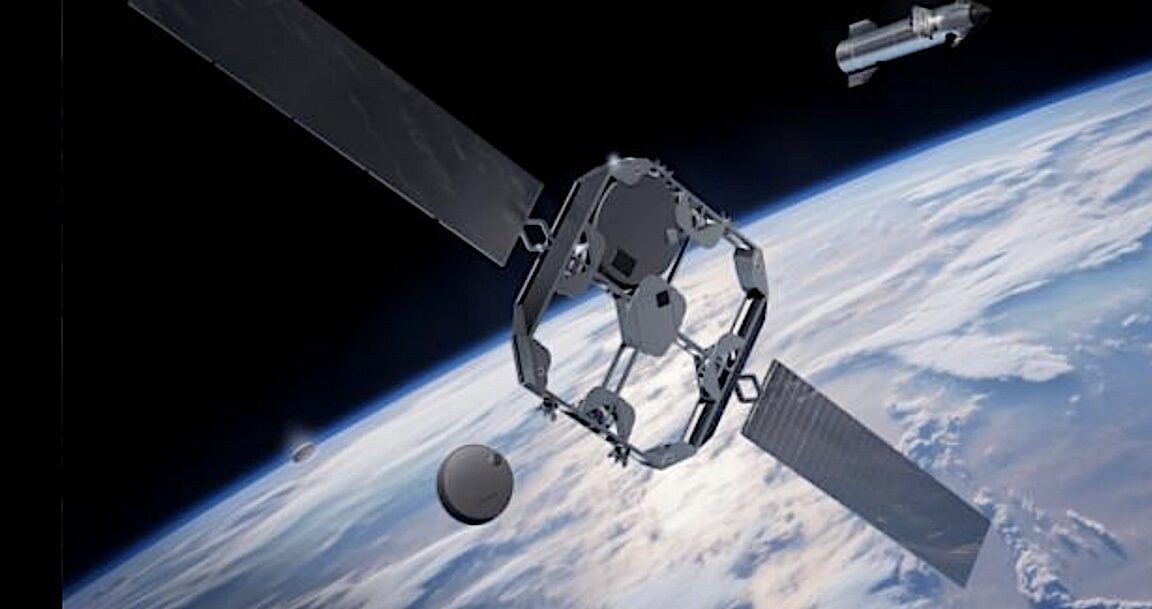
Rocket Lab quietly launched a small satellite from New Zealand on Friday in a high-flying military exercise to test the US Space Force's ability to rapidly respond to a crisis in low-Earth orbit.
The launch was scarcely announced in advance. The only public indication of an impending launch was the release of a warning for pilots and sailors to steer clear of the rocket's flight path. Rocket Lab did not provide a livestream of the launch, as it does for most of its missions. As of Monday morning, officials from Rocket Lab and the Space Force had not acknowledged the launch in any official public statements.
But the US military's catalog of space objects was updated over the weekend to reflect the launch. A new satellite, designated Victus Haze Puma, showed up in the catalog with a launch date of Friday from Rocket Lab's privately run spaceport at Māhia Peninsula in New Zealand. The Space Force cataloged the spacecraft in a polar orbit ranging between 215 miles and 286 miles (347-by-461 km), with an inclination of about 97.5 degrees from the equator.
Welcome to Edition 8.46 of the Rocket Report! We don't mention Starship in the body of this week's report, so I'll give a brief update here. The next test flight of SpaceX's mega-rocket—Flight 13—could happen as soon as next month, according to Gwynne Shotwell, the company's president and chief operating officer, in a recent interview with CNBC. There's still a fair bit of work to do before Flight 13, so don't count on a launch next month just yet. What we do know, based on Shotwell's comments to CNBC, is the next Starship test flight will look a lot like the previous one last month, with a suborbital flight path and a splashdown of the ship in the Indian Ocean. SpaceX is holding off on an orbital flight until at least the following launch, Flight 14, after the ship was unable to complete a critical engine restart in space on the last flight.
As always, we welcome reader submissions. If you don't want to miss an issue, please subscribe using the box below (the form will not appear on AMP-enabled versions of the site). Each report will include information on small-, medium-, and heavy-lift rockets, as well as a quick look ahead at the next three launches on the calendar.
Isar test flight scrubbed again. Isar Aerospace still commands top position among a new generation of European rocket startups, but the company’s efforts to launch a critical test flight of its Spectrum rocket continue to encounter roadblocks, Ars reports. The latest delay came Monday, when Isar scrubbed a launch attempt after "detecting off nominal behavior in the vehicle’s fluid systems," according to a social media post. "The teams are analyzing the new data to isolate the root cause." Isar is flush with cash, having raised nearly $1 billion to date, but is still lacking in the critical currency of flight experience. The Spectrum rocket has flown just once to date, on a failed launch last year that lasted less than 30 seconds.
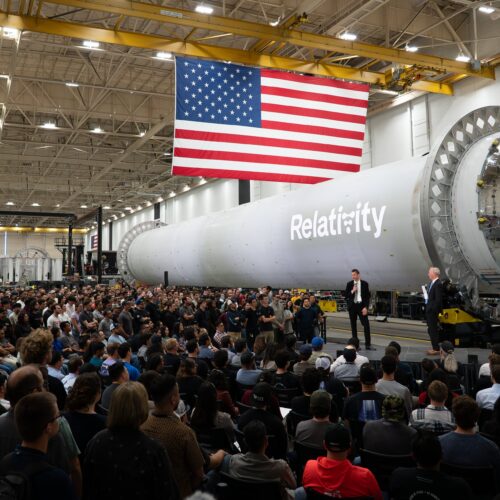
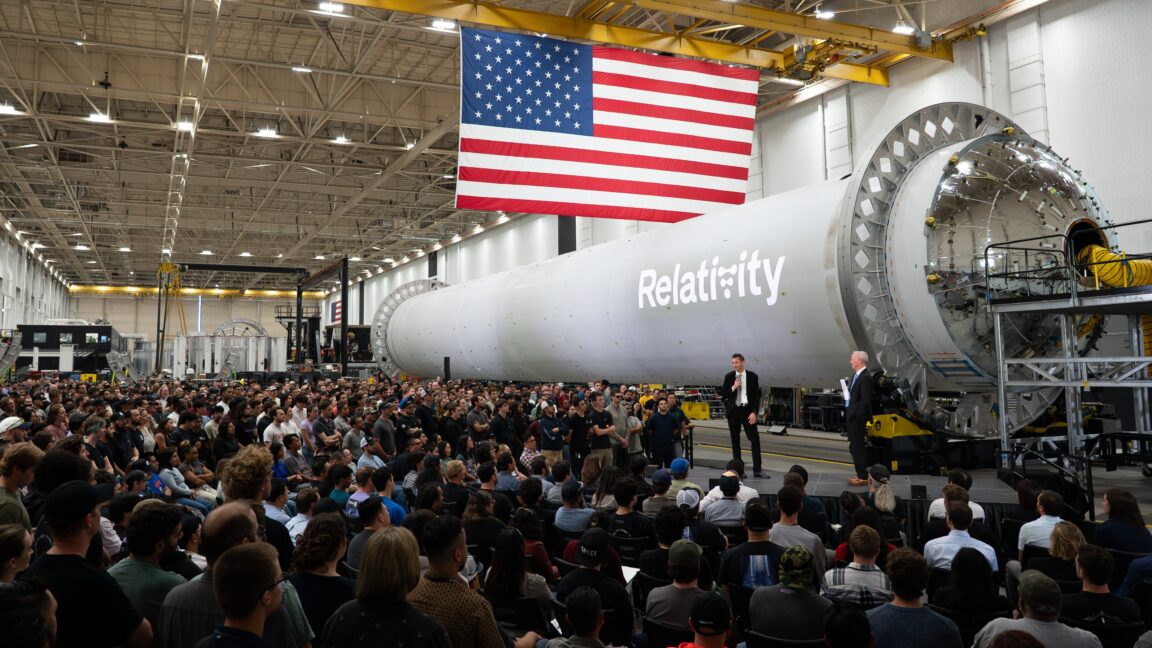
WALLOPS ISLAND, Va.—Just 10 months ago, NASA asked three companies if they could do something nobody had done before. Could they build and launch a satellite to save a $500 million astronomy mission at risk of crashing back to Earth? What's more, could they do it in less than a year on a tight budget?
Katalyst Space Technologies, a startup founded in 2020, presented the most compelling solution. "They came back with a response that was technically and programmatically plausible, and then we were like, 'Yeah, let’s do it,'" said Shawn Domagal-Goldman, director of NASA's astrophysics division.
That was in August of last year. In September, NASA awarded Katalyst a $30 million contract to build, test, and launch a small satellite to chase down Swift and latch onto it with three robotic arms. Then, Katalyst's Link servicing spacecraft will boost Swift's orbit back to a safe operating altitude, allowing it to resume scientific observations. Easier said than done.
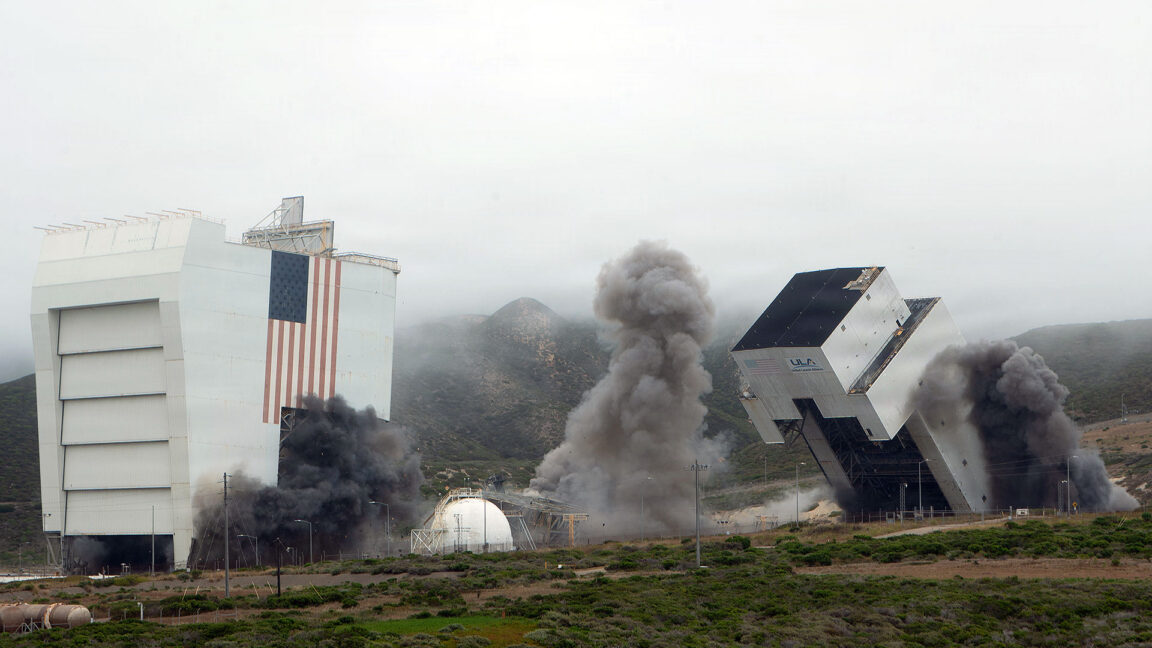
One of the United States' most storied space launch sites has been cleared of its decades-old support towers, making way for modern rockets to use the pad. Space Launch Complex-6 (SLC-6) at Vandenberg Space Force Station is arguably better known for what did not lift off from there than for what did.
A series of demolition charges on Tuesday (June 16) brought down the access tower, mobile service tower, and what remained of the assembly building at SLC-6—pronounced "slick-six"—in Southern California. Once the location for the US Air Force's first effort to put humans into space and later, the West Coast launch site for the space shuttle, SLC-6 will next be used by SpaceX in support of Falcon 9 and Falcon Heavy missions.
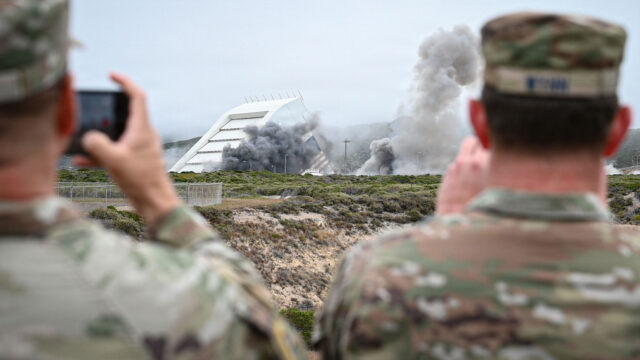 Vandenberg Space Force Base personnel watch as the assembly building at Space Launch Complex-6 (SLC-6) is toppled on June 16, 2026, to make way for SpaceX's use of the site.
Credit:
Space Launch Delta 30/Tech. Sgt. Draeke Layman
"Space Launch Complex-6 represents six decades of American innovation and our unwavering commitment to securing space superiority," Col. James T. Horne III, commander of Space Launch Delta 30 at Vandenberg, said in a statement. "By modernizing this historic footprint in partnership with our defense industrial base, we are building directly upon the foundation of our pioneers."
Isar Aerospace still commands top position among a new generation of European rocket startups, but the company's efforts to launch a critical test flight of its Spectrum rocket continue to encounter roadblocks.
The latest delay came Monday, when Isar scrubbed a launch attempt after "detecting off nominal behavior in the vehicle's fluid systems," according to a social media post. "The teams are analyzing the new data to isolate the root cause."
The two-stage, 92-foot-tall (28-meter) Spectrum rocket was awaiting liftoff from Andøya Spaceport in northern Norway. It was the fourth time in five months that Isar Aerospace, headquartered near Munich, Germany, had reached a target launch date for the second test flight of the Spectrum launch vehicle.


The upper stage from a commercial Chinese rocket that launched last week has broken apart in space, spreading debris in a heavily trafficked part of low-Earth orbit home to the International Space Station and a significant portion of SpaceX's Starlink broadband network.
The breakup occurred shortly after the Zhuque-2E rocket reached orbit on June 9 with two satellites providing direct-to-cell communications, perhaps around the time the upper stage was expected to perform a disposal burn. The US Space Force confirmed the breakup event in a post on space-track.org, a website used by the military to distribute orbit data to the public.
"The tracked pieces are being incorporated into routine conjunction assessment to support spaceflight safety," the Space Force wrote in an advisory. "There are currently no threats to human spaceflight. Analysis is ongoing."
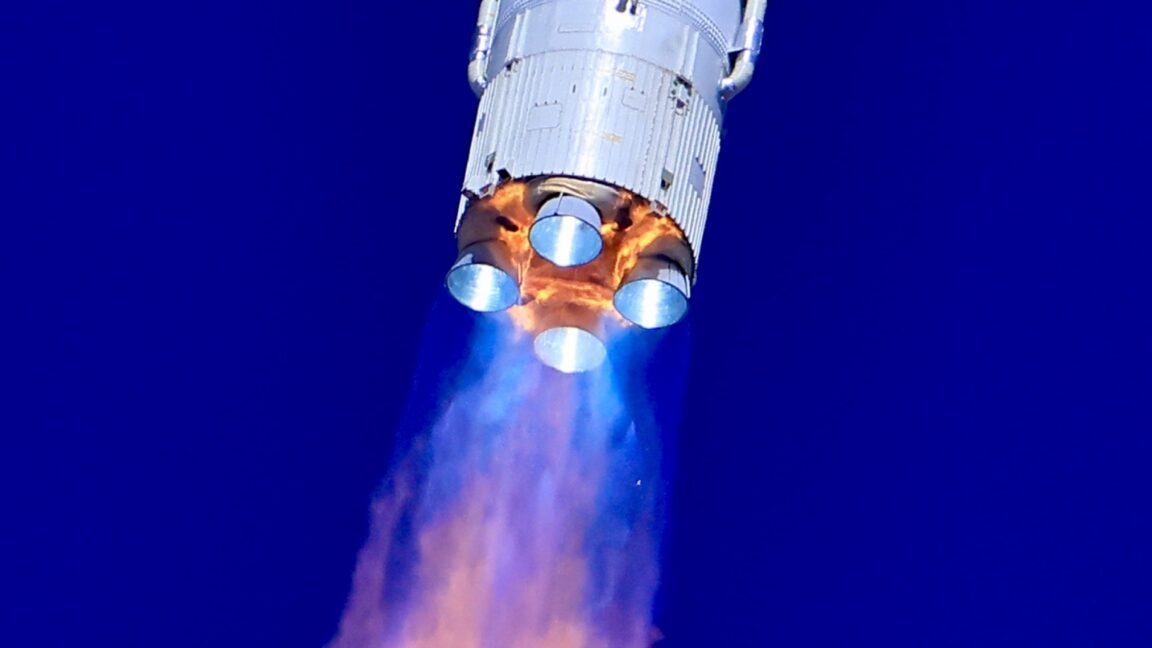
The Federal Communications Commission has waived a requirement for Amazon to launch half of its satellite broadband constellation by the end of July, a key regulatory reprieve that buys the tech giant time to get more of its spacecraft into orbit.
Amazon won regulatory approval for the Amazon Leo network in July 2020. The FCC's authorization came with two deadlines. First, Amazon had to launch half of its 3,232 satellites by July 30, 2026, in order to maintain authorization to launch the rest of the network. The regulator gave Amazon a deadline of July 30, 2029, to have all of its first-generation satellites in orbit.
It has been apparent for some time that Amazon would not meet the FCC's requirement to launch half of its satellites—1,616 spacecraft—by the end of next month. Amazon filed an application in January requesting the FCC extend the deadline to July 2028 or waive it altogether. The commission decided on the latter option, removing any time limit for the 50 percent deployment milestone, but keeping the July 2029 deadline in place for the entire constellation.
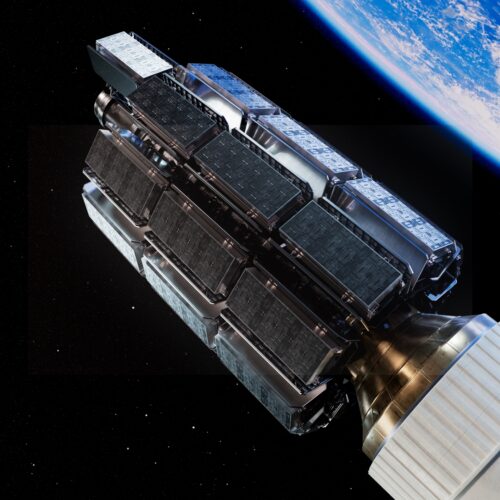
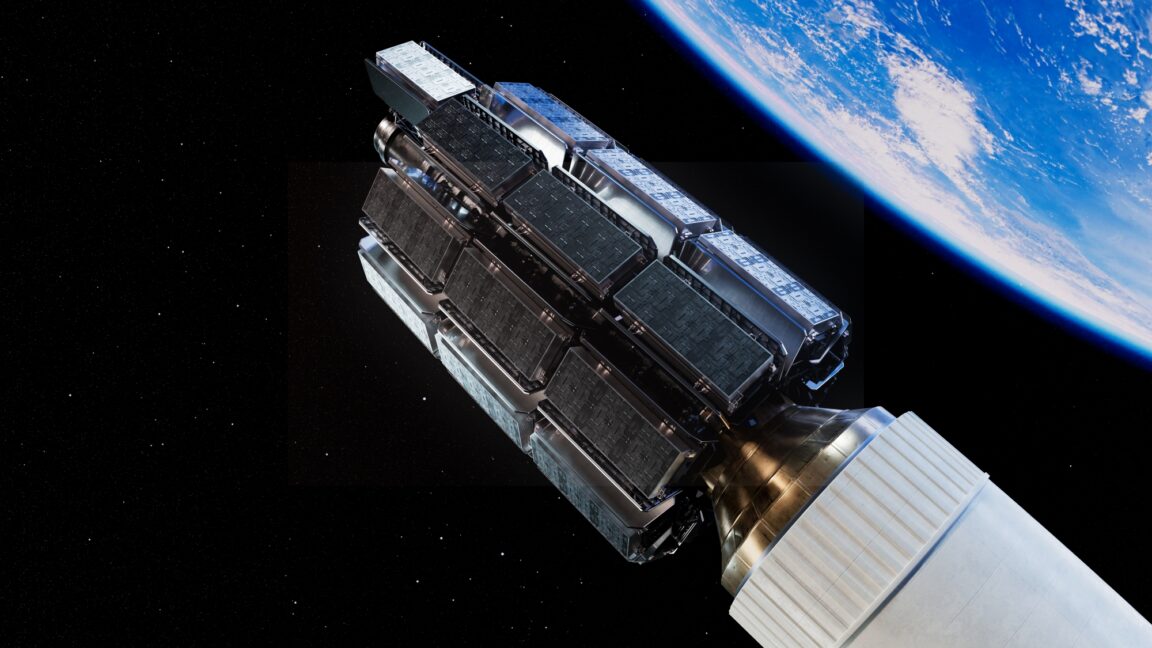
Last week's explosion of a New Glenn rocket at Cape Canaveral, Florida, was clearly a setback for Blue Origin and NASA, but it was a learning experience for safety officials looking to open up the spaceport to hundreds more launches per year.
The launch base on Florida's Space Coast is gearing up for a flurry of new arrivals. SpaceX is building multiple launch pads for its super-heavy Starship rocket, which will operate within a few miles of launch pads operated by SpaceX rivals Blue Origin and United Launch Alliance. Two other companies, Stoke Space and Relativity Space, are also developing launch sites along a narrow stretch of coastline at Cape Canaveral Space Force Station.
All of them have, or will soon have, rockets burning methane or liquified natural gas, replacing legacy launch vehicles fueled by kerosene, liquid hydrogen, or solid propellants. There are good technical reasons for making the switch, but until last week, engineers had scant real-world data on the damage that millions of pounds of methane and liquid oxygen would cause if a fully loaded rocket exploded on the launch pad or soon after liftoff.
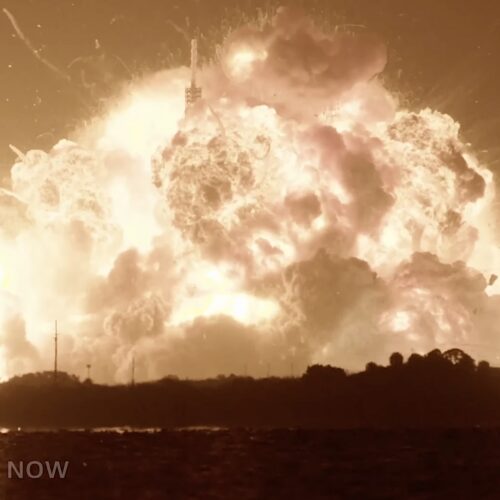
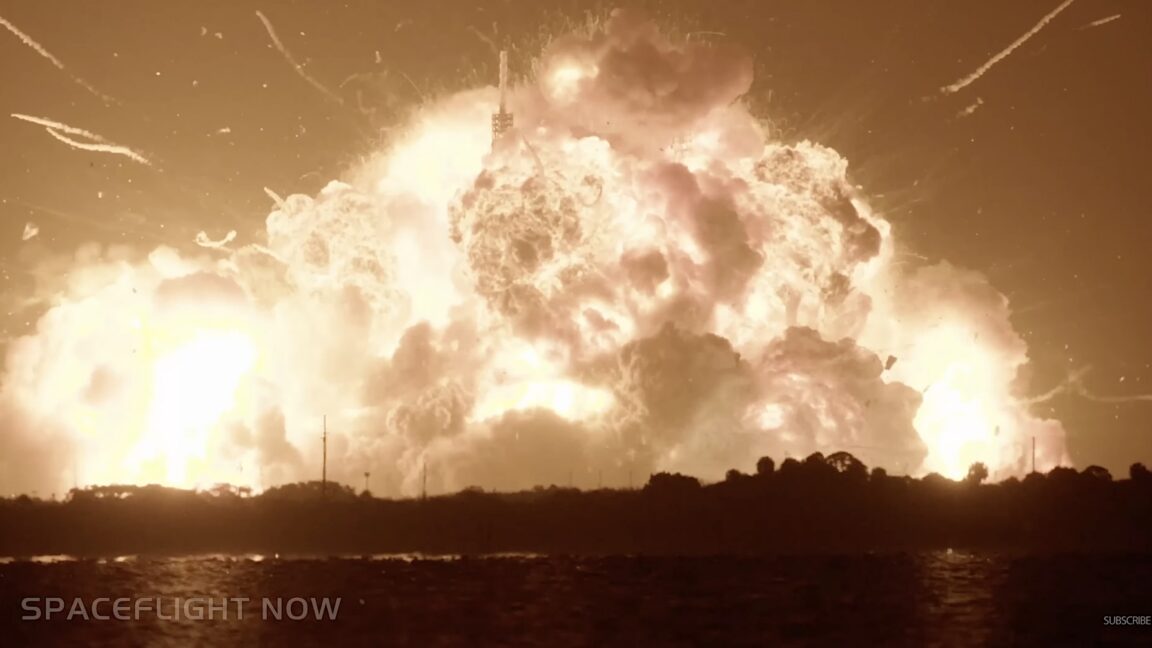
Welcome to Edition 8.43 of the Rocket Report! A disclaimer: No one yet fully appreciates the ramifications of Blue Origin's New Glenn rocket explosion Thursday night on its launch pad at Cape Canaveral, Florida. What we know as of this writing is that much of Blue's sole orbital-class launch pad has been destroyed, and the New Glenn rocket will be grounded for an extended period of time. It is too soon for any hot takes, at least until the Sun rises at the Cape on Friday morning. One thing I am sure of is that we will be writing about this event for weeks, months, and years to come.
As always, we welcome reader submissions. If you don't want to miss an issue, please subscribe using the box below (the form will not appear on AMP-enabled versions of the site). Each report will include information on small-, medium-, and heavy-lift rockets, as well as a quick look ahead at the next three launches on the calendar.
Charting China's contribution to space junk. There's a problem with the drastic uptick in Chinese space launches over the last decade. China appears to be ignoring long-established norms about disposing of the upper stages of rockets, Ars reports. These are the parts of the vehicle that separate from the first stage of a rocket and push a satellite or spacecraft into orbit. In the early decades of spaceflight, launch operators routinely left upper stages in orbit after they released their payloads. But most launch companies today reserve enough propellant in their rockets to remove them from orbit to avoid the risk of spent upper stages becoming a source of space debris. But China is not following this trend. There has been striking growth in China’s rocket body mass. In the past five years, the mass of Chinese rocket bodies in long-lived orbits has risen from less than 100 metric tons to 252, according to a new analysis by Space Domain Awareness expert Jim Shell.
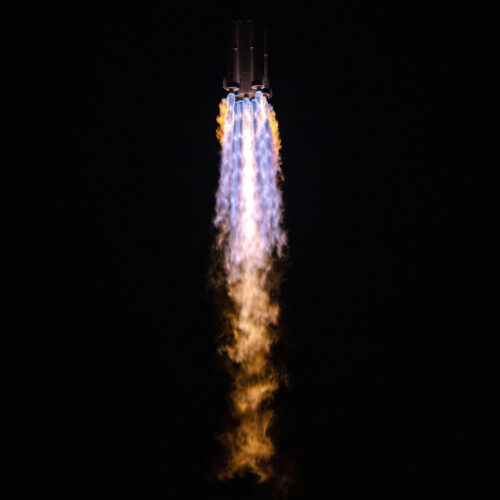
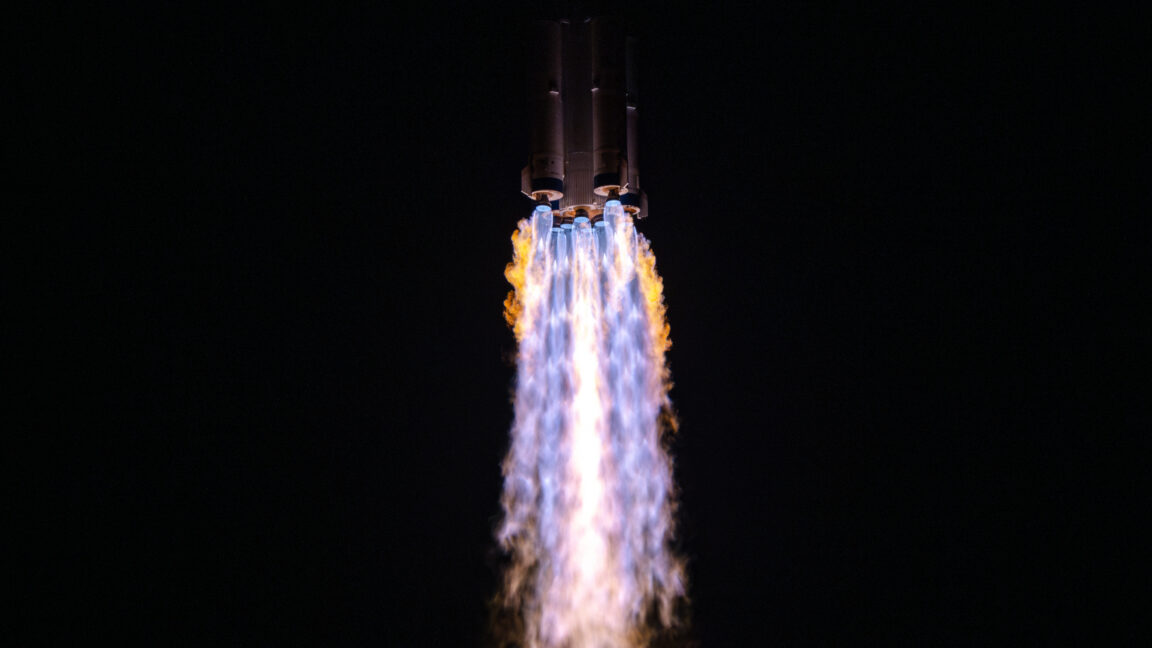
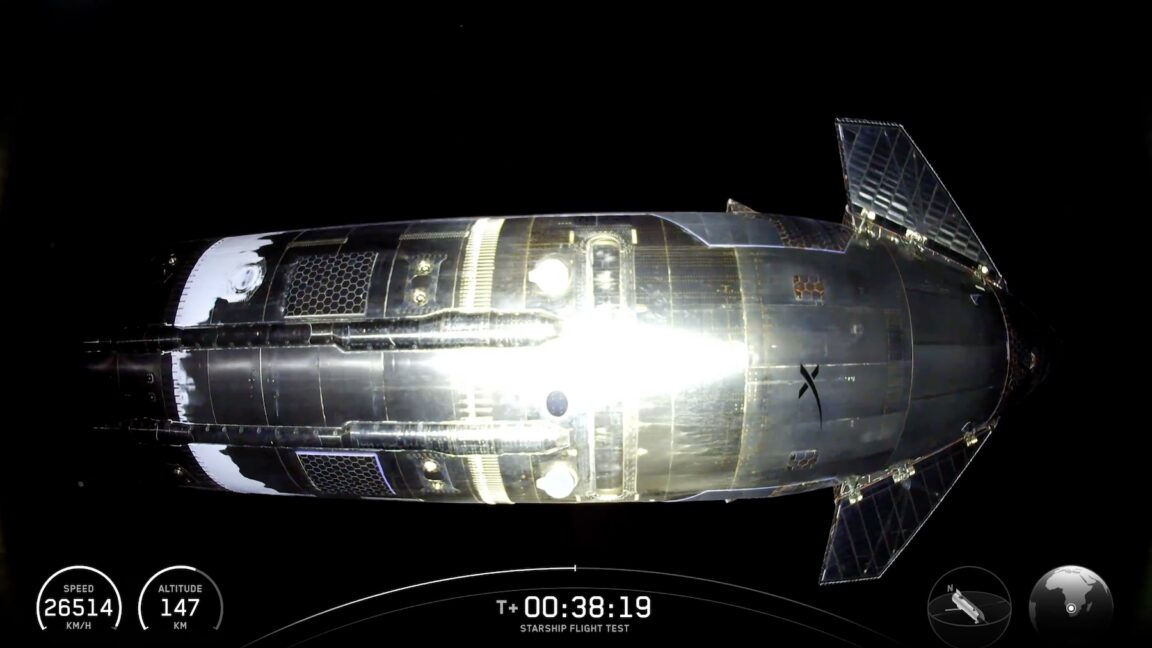
SpaceX launched the first test flight of its upgraded Starship rocket and Super Heavy booster Friday, with mostly positive results.
The powerful rocket, propelled by 33 methane-fueled main engines, climbed away from SpaceX's Starbase launch facility in South Texas at 5:30 pm CDT (6:30 pm EDT; 22:30 UTC) Friday. Within a few seconds, the 408-foot-tall (124-meter) rocket, the largest ever built, cleared the launch tower and turned onto an eastward heading over the Gulf of Mexico.
Starship splashed down on target in the Indian Ocean a little more than an hour later to conclude the first flight of the latest version of SpaceX's stainless steel mega-rocket. Starship V3 fared better on its debut than the first flights of Starship V1 and V2 in 2023 and 2025. Both past versions of Starship broke apart during launch on their inaugural flights.
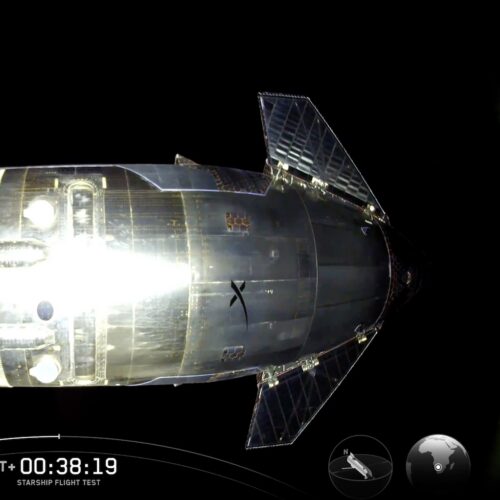
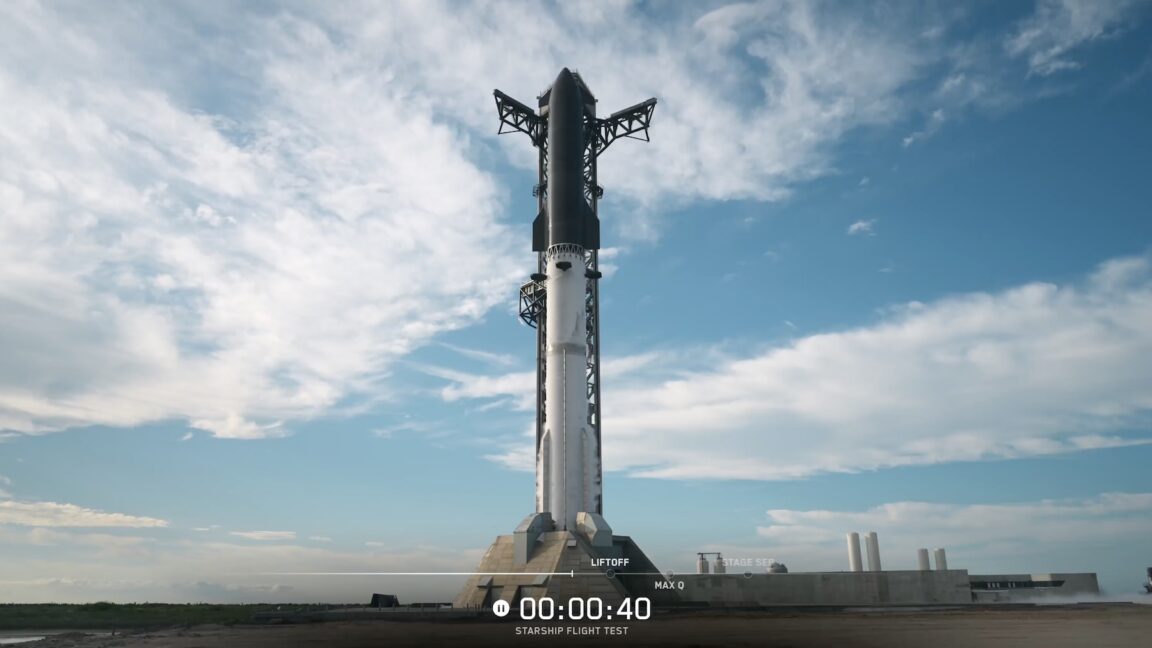
SpaceX got within 40 seconds of launching the first flight of a taller, more powerful version of its Starship rocket Thursday, but a pesky problem with the launch tower kept the vehicle bound to Earth for at least one more day.
Clouds and rain showers cleared the area around SpaceX's launch site in South Texas, leaving mostly sunny skies over the Starship launch pad Thursday afternoon. SpaceX pushed back the launch time by one hour, but the countdown appeared to proceed smoothly once propellants began loading into the rocket.
That was true, at least, until the countdown clock paused 40 seconds before liftoff. The launch team repeatedly attempted to resume the countdown, only for the computer controlling the launch sequence to stop the clock again. There were five holds in all before SpaceX called off the launch attempt.
Welcome to Edition 8.41 of the Rocket Report! The stories of the world's two most powerful rockets are now intertwined. Hardware for NASA's third Space Launch System rocket is coming together at Kennedy Space Center in Florida, while SpaceX is readying its first upgraded Starship Version 3 rocket for liftoff from Starbase, Texas. The readiness of each vehicle, along with Blue Origin's New Glenn rocket and Blue Moon lander, will go a long way toward determining the schedule and content of NASA's Artemis III mission in low-Earth orbit. We discuss those plans in this week's Rocket Report.
As always, we welcome reader submissions. If you don't want to miss an issue, please subscribe using the box below (the form will not appear on AMP-enabled versions of the site). Each report will include information on small-, medium-, and heavy-lift rockets, as well as a quick look ahead at the next three launches on the calendar.
An Indian startup nears its first launch. After the Indian government opened a pathway in 2020 for private industry to build and launch its own rockets, one Indian startup is nearing the pad with its first orbital rocket, Ars reports. The most promising Indian launch company, Skyroot Aerospace, says its Vikram-1 launch vehicle could take flight within the next couple of months. And with a recent $60 million fundraising round valuing the firm at $1.1 billion, the company is poised to accelerate its commercial launch efforts.
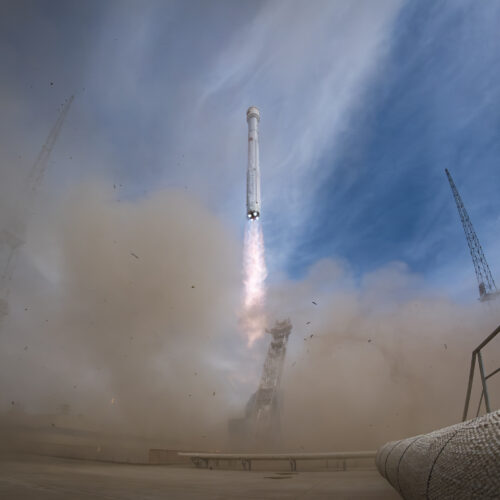
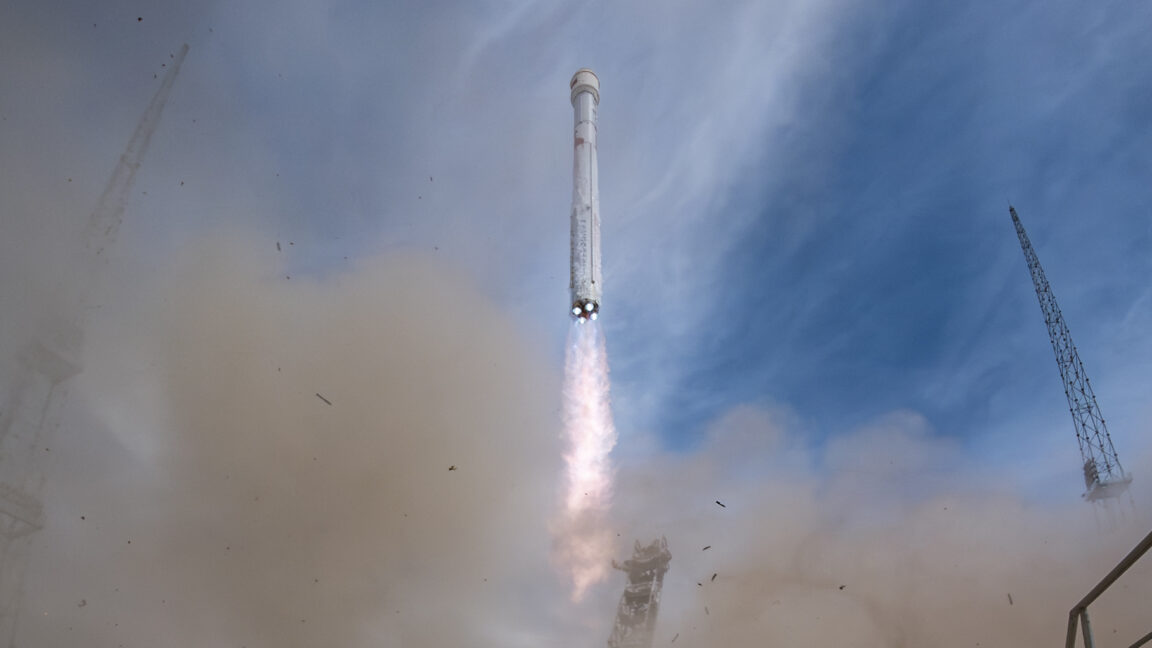
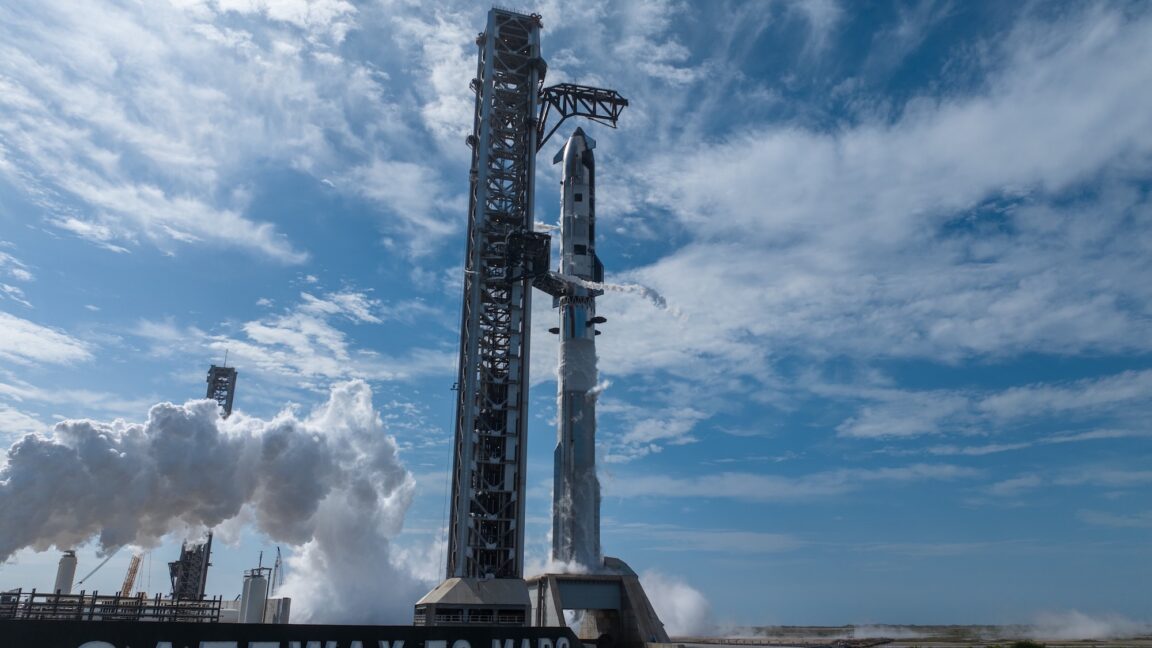
For the third time in three years, SpaceX has stacked a new version of its enormous Starship rocket on a launch pad in South Texas, just a few miles north of the US-Mexico border. The newest-generation Starship, known as Starship Version 3, is taller and more powerful than the ones that came before it.
The upgrades on Starship are numerous. Perhaps the most notable changes are higher-thrust, more efficient Raptor engines on the Super Heavy booster and Starship upper stage, a new reusable lattice-like structure at the top of the booster for hot staging, and three—not four—modified grid fins to help bring the first stage back to Earth for recovery and reuse.
If all goes according to plan, this is the version of Starship that SpaceX will use to begin experimenting with in-orbit refueling, a capability engineers must master before sending ships anywhere farther than low-Earth orbit. In the near-term, refueling will enable Starships to fly to the Moon to serve as landers for NASA's Artemis program. Starship remains an iterative development program, and new versions are in the pipeline, but Starship V3 should mark a step toward SpaceX actually using Starships in space, rather than solely proving they can get there and get home.
After decades of controlling all aspects of spaceflight, the Indian government decided in 2020 to open things up to private industry. Essentially, the government said, companies could build their own rockets, obtain permission to launch them, and even use state-operated facilities.
The government and the country's space agency, ISRO, instituted this change in response to the rise of commercial space industries in the United States, and later China, that were playing an increasingly important role in global spaceflight.
Now, six years later, this structural shift is beginning to bear some fruit. The most promising Indian launch company, Skyroot Aerospace, is nearing the pad with its first orbital rocket.


It is far too soon to mention retirement, but astute observers of the space industry have noticed SpaceX's workhorse Falcon 9 rocket is not launching as often as it used to.
The decline is modest so far, and it does not signal any problem at SpaceX or with the Falcon 9. Rather, it is a manifestation of SpaceX's eagerness to shift focus to the much larger Starship rocket, an enabler of what the company wants to do in space: missions to land on the Moon and Mars, orbital data centers, and next-gen Starlink.
Elon Musk's SpaceX conducted 165 launches with the Falcon 9 rocket (no Falcon Heavy missions) last year, up from 134 Falcon 9 and Falcon Heavy launches in 2024 and 96 Falcon flights in 2023. The company plans "maybe 140, 145-ish" Falcon launches in 2026, SpaceX President Gwynne Shotwell told Time earlier this year. "This year we'll still launch a lot, but not as much," she said. "And then we'll tail off our launches as Starship is coming online."
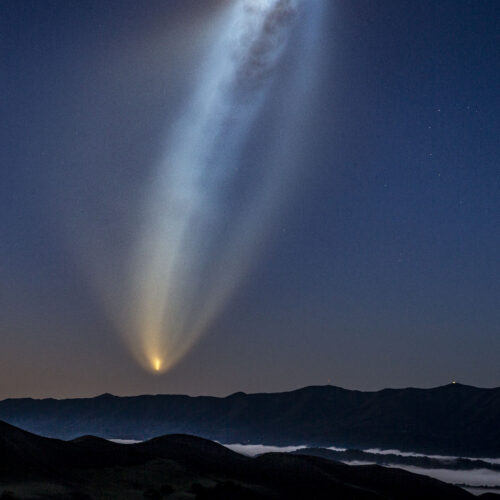
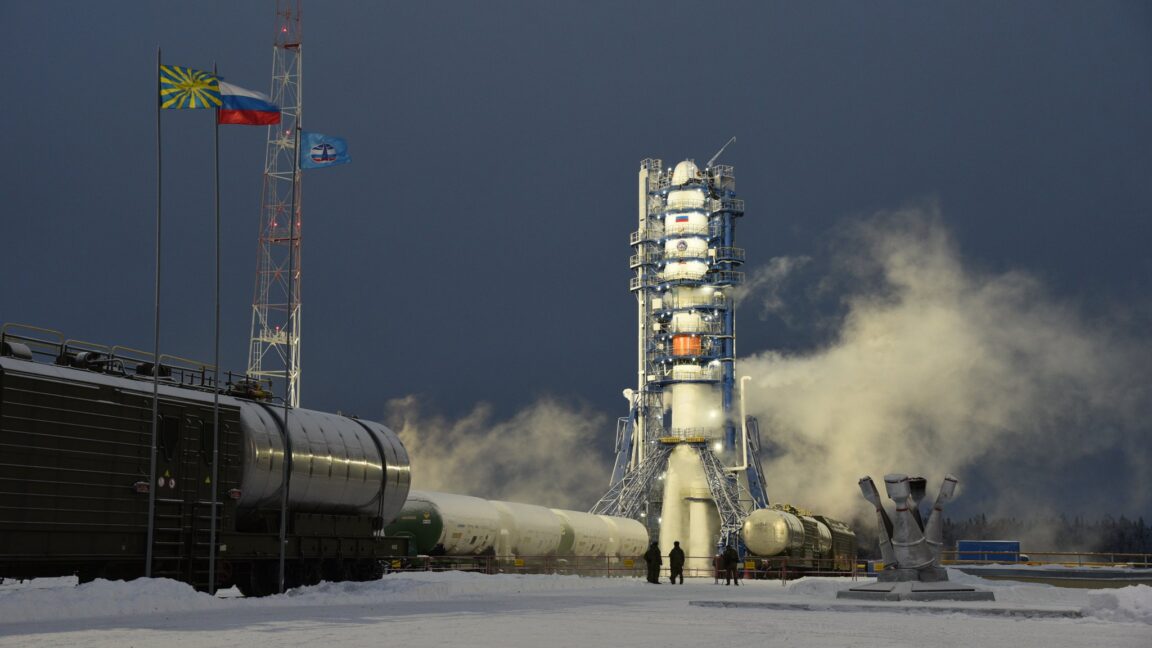
If you believe official Russian reports, the country's northern spaceport has come under attack from drones on multiple occasions in the last few months.
The drones did not succeed in striking the spaceport, but the attempted attacks come as Russia ramps up activity at Plesetsk Cosmodrome to deploy a new constellation of Internet and data relay satellites akin to SpaceX's Starlink, a space-based network underpinning much of Ukraine's military communications infrastructure. Plesetsk is a military base located in Russia's Arkhangelsk region, some 500 miles north of Moscow.
The Russian space agency's first acknowledgment of an attempted drone attack at Plesetsk came a few weeks ago, when the head of Roscosmos, the Russian state corporation for civilian spaceflight, met with Russian President Vladimir Putin in the Kremlin.

NASA Administrator Jared Isaacman told lawmakers on Monday that SpaceX and Blue Origin, the agency's two lunar lander contractors, say they could have their spacecraft ready for the next Artemis mission in Earth orbit in late 2027, somewhat later than NASA's previous schedule.
This mission, Artemis III, will not fly to the Moon. Instead, NASA will launch an Orion capsule with a team of astronauts to rendezvous and potentially dock with one or both landers in Earth orbit. The details of the Artemis III flight plan remain under review, with key questions about the orbit's altitude and the configuration of the Space Launch System rocket still unanswered.
A mission to low-Earth orbit, just a few hundred miles in altitude, may not require NASA to use up an SLS upper stage that is already built and in storage, saving the unit for the following Artemis mission to attempt a landing on the Moon. A launch into a higher orbit would require the upper stage, but it would allow NASA to perform tests in an environment more similar to the Moon. NASA is buying a new commercial upper stage, the Centaur V from United Launch Alliance, to pair with the SLS rocket after flying the last of the rocket's existing upper stages.
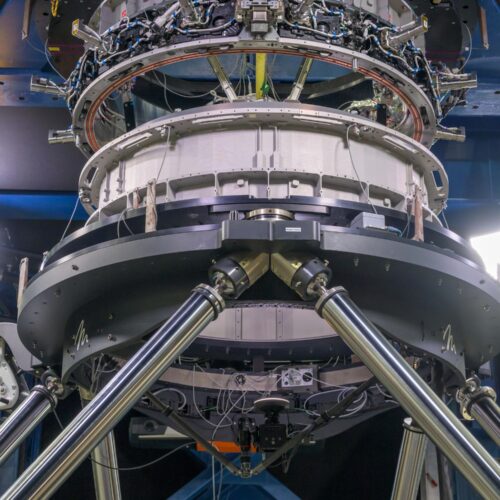
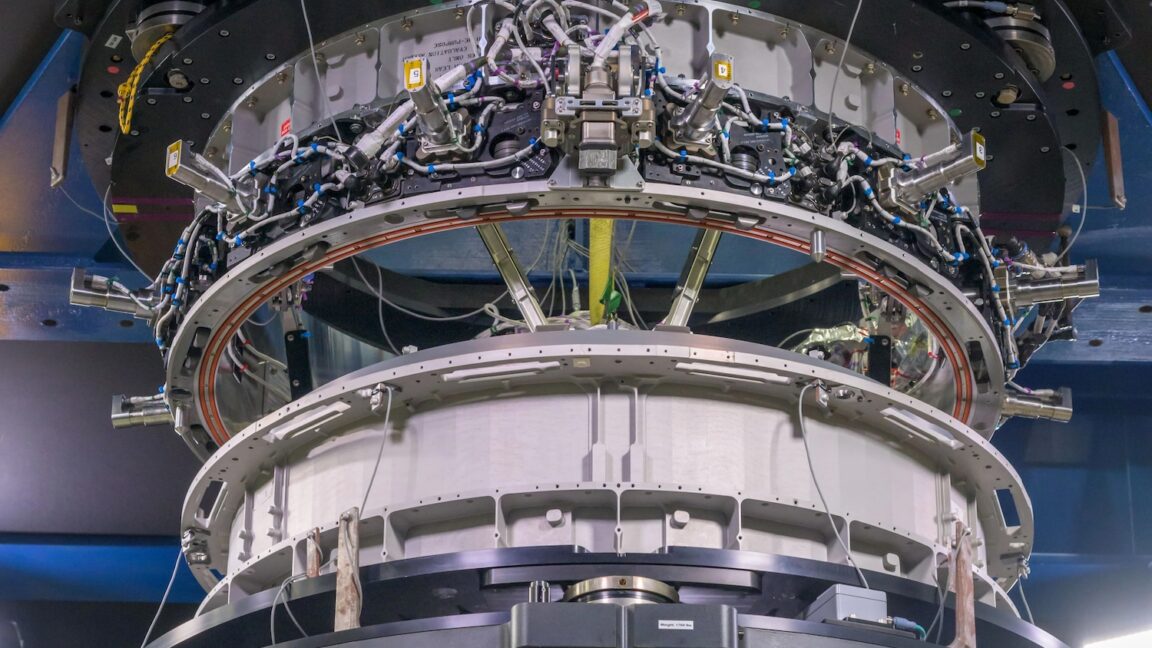
The US Space Force is still dealing with the near-term implications of the second grounding of United Launch Alliance's Vulcan rocket in less than two years. The experience is likely to influence how the Pentagon buys launch services in the future, a three-star general said Tuesday.
The Vulcan rocket is one of the two primary launch vehicles the Space Force uses to put satellites into orbit, alongside SpaceX's Falcon 9. Despite a backlog of nearly 70 launches, ULA's Vulcan has flown just four times since debuting in January 2024.
On two of those flights, the Vulcan launcher suffered anomalies with one of its solid rocket boosters. One of the booster's exhaust nozzles blew off in the first incident in October 2024. The same problem appeared to occur again during a Vulcan launch in February of this year. The rocket continued flying after both incidents, ultimately reaching each mission's targeted orbit.
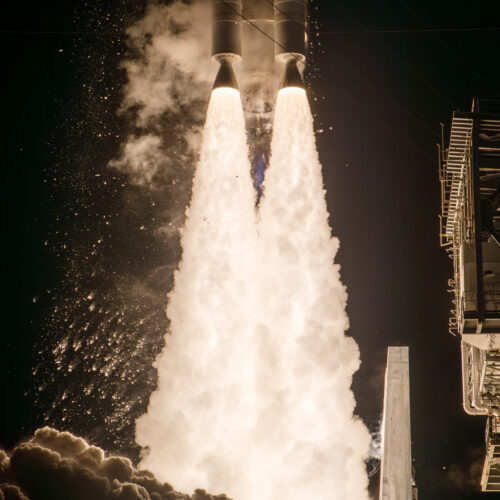
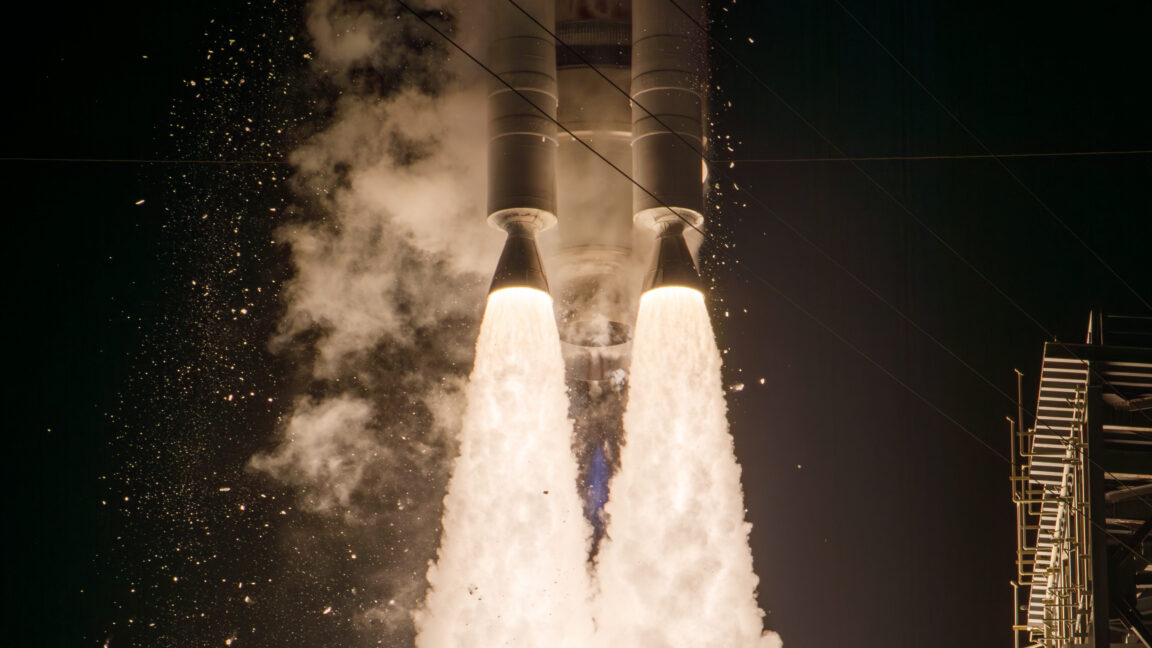
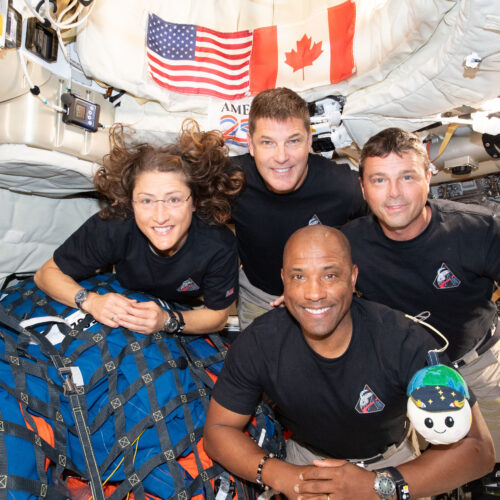
HOUSTON—Their mission is complete. The four people who flew beyond the Moon on NASA's Artemis II mission are back home in Houston with their families. But the lessons from Artemis II are just beginning to be told.
There are tangible, objective takeaways from the nine-day mission. How did NASA's Space Launch System rocket perform? Nearly perfectly. Was the Orion spacecraft up to the job of flying to the Moon and back? Absolutely. Will engineers need to make any changes before the next Artemis mission? Yes, and that's not terribly surprising for a program that, 20 years in, has just flown a crew to space for the first time.
Ars has covered the technical lessons from Artemis II, such as hydrogen leaks on the launch pad, helium leaks in space, and a toilet that wasn't always available for No. 1.


 Lateo.net - Flux RSS en pagaille (pour en ajouter : @ moi)