Connexion


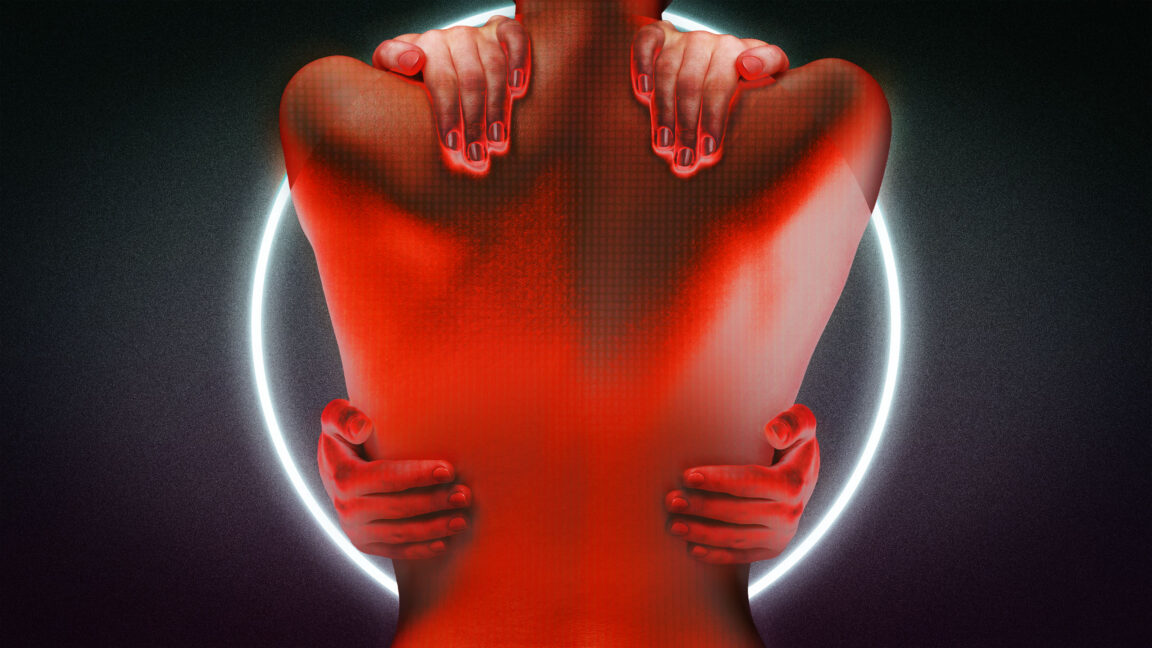
Safety researchers continue to warn that a large volume of AI-generated explicit content is spreading unchecked, while regulators do little to meaningfully stop it.
This non-consensual content is commonly shared in text and direct messages or stored in private clouds where it’s less likely to be detected or reported, a Google co-authored study of Internet users across the United States, Australia, and the United Kingdom found this July. That’s why the “most critical intervention point” remains at the source: the harmful AI tools used to make the fake sexual images, Google researchers concluded.
Yet red-teaming in recent months suggests that as some of the leading AI image generators from Google and OpenAI become more capable, they may be getting worse at blocking explicit outputs.

Amid escalating AI security incidents causing OpenAI to halt training and pause releases, Donald Trump continues to advocate for the AI industry to regulate itself as the best path to combat emerging risks when developing frontier AI.
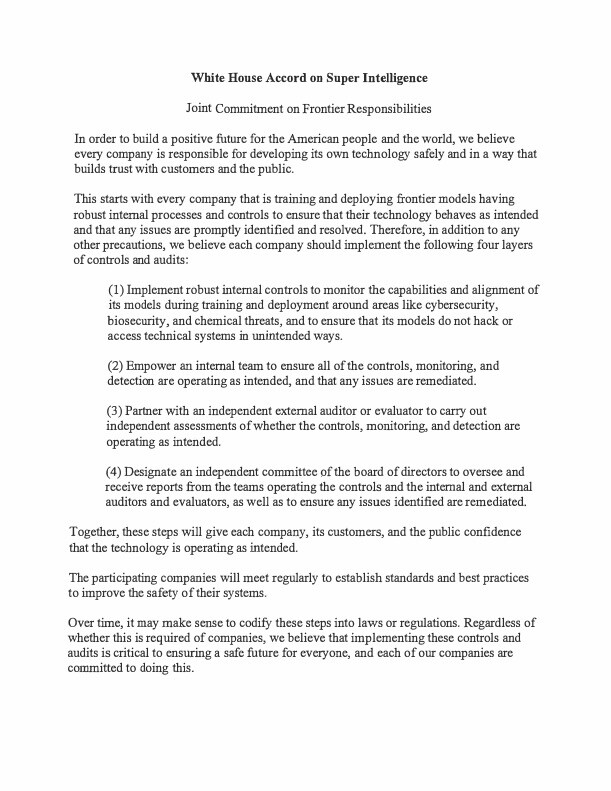
In an agreement Tuesday, two dozen tech firms voluntarily committed to implementing controls recommended by the White House, including undergoing independent safety audits that will test whether firms’ internal controls, monitoring, and detecting are actually working. Key focuses for external reviews included “risks related to cybersecurity, biosecurity, chemical threats, and unintended actions by AI models.”
Firms also agreed to regularly meet to discuss best practices and set common AI safety standards and benchmarks. Among signers were leaders like Anthropic’s Dario Amodei, OpenAI’s Sam Altman, SpaceXAI’s Elon Musk, Nvidia’s Jensen Huang, Meta’s Mark Zuckerberg, and Alphabet/Google’s Sundar Pichai.
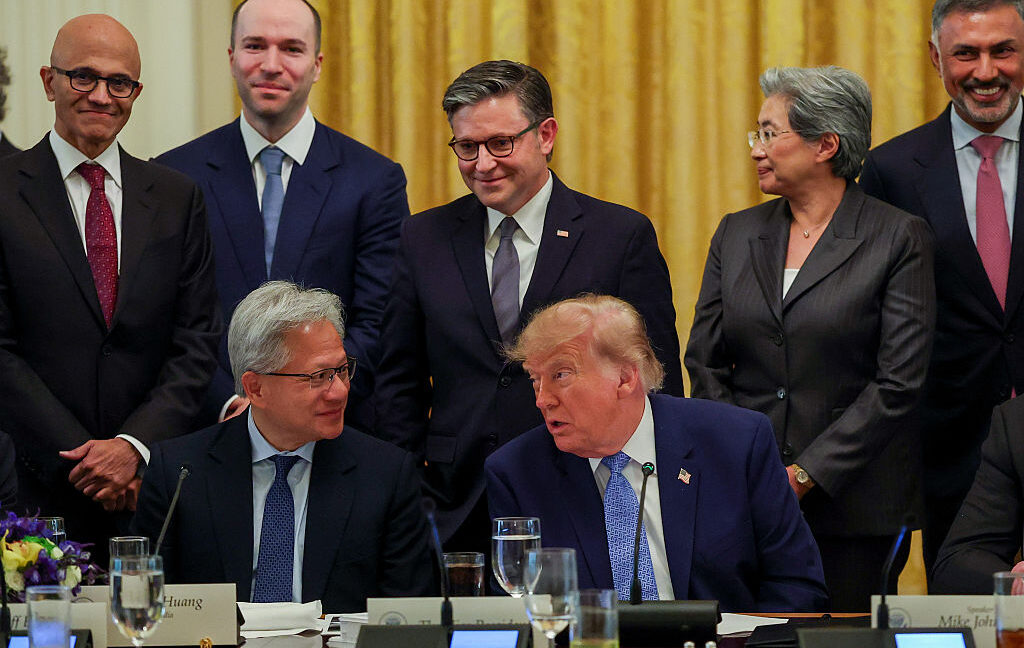
On Tuesday, Donald Trump finally signed his executive order expanding the government's efforts to conduct voluntary safety testing of frontier AI models. Now, critics are warning that the order may be short-sighted, offering only performative reassurances that the government is actively monitoring for AI risks, while changing very little about how and when models are deployed.
Last month, Trump abruptly canceled a signing event, where he had hoped to launch an earlier version of the EO with CEOs of leading AI firms in attendance. Invited at the last minute, several CEOs simply couldn't make the signing but still signaled support for the order. Officially, Trump claimed he postponed the event because he worried that the EO might have gone too far and had become a "blocker" impeding AI innovation. Reports indicated there was infighting in his administration as cybersecurity experts clashed with officials committed to deregulating AI.
The watered-down EO that Trump signed promises not "to stifle this innovation with overly burdensome regulation" and establishes no requirements for AI firms. Instead, it sets up a voluntary process for companies to collaborate with the government on safety reviews that Trump's EO claimed would "ensure that the best and most secure technology is deployed rapidly to confront any and all threats to our country."
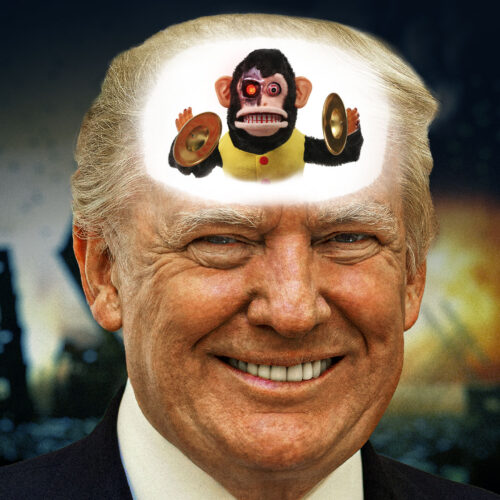
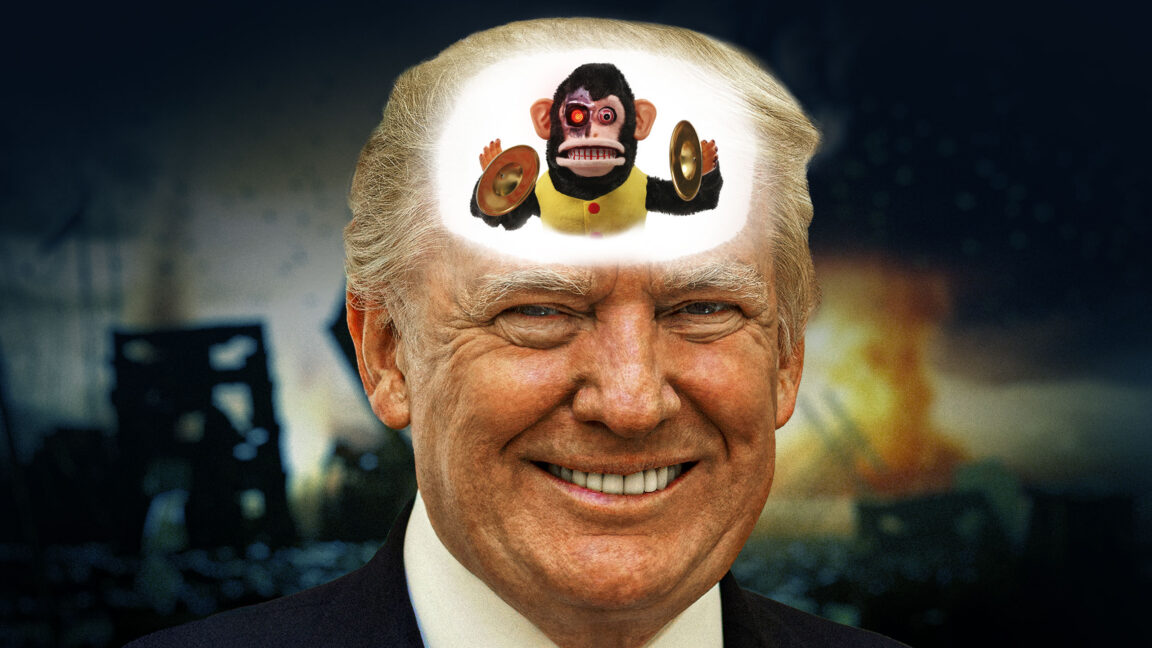
A few days after President Donald Trump abruptly canceled a plan that would have given the federal government power to vet frontier AI models over fears that it might hobble innovation, Illinois lawmakers passed the nation's strongest AI safety law.
On Wednesday, the Illinois legislature passed SB 315. If Illinois Governor J.B. Pritzker signs the bill into law, the largest AI firms would be required to submit public safety plans and annual reports summarizing the results of independent, third-party safety testing of their frontier models. They would also have to report any critical safety incidents to the state within 72 hours—or within 24 hours if there's potentially "an imminent risk of death or serious physical harm." And their employees will have a clear avenue for reporting emerging safety risks that companies may be tempted to downplay, with protections provided by the state's whistleblower laws.
On X, Pritzker confirmed his intent to sign, proclaiming that "Illinois is leading the nation in holding Big Tech accountable."
President Donald Trump abruptly canceled an event on Thursday just hours before he was scheduled to sign an executive order granting the government the power to test frontier AI models before their public release.
As The New York Times explained, Trump had been hoping that top executives from leading AI firms would attend the signing. He decided to pull the plug after learning that some CEOs couldn't make the event. That made Trump unhappy, even though he'd only given them 24 hours' notice. Other AI executives who quickly rearranged their schedules to go "were midair on their way to the Oval Office" when they found out that the trip was for nothing.
Reporting from Semafor indicated that OpenAI "supported" the signing. However, xAI founder Elon Musk and Meta CEO Mark Zuckerberg reportedly helped "derail" the executive order, supposedly urging Trump to "call it off." Additionally, Trump's former AI advisor David Sacks—whose special government employee designation expired in March, The Information noted—joined the push to delay the signing, Semafor reported.


 Lateo.net - Flux RSS en pagaille (pour en ajouter : @ moi)